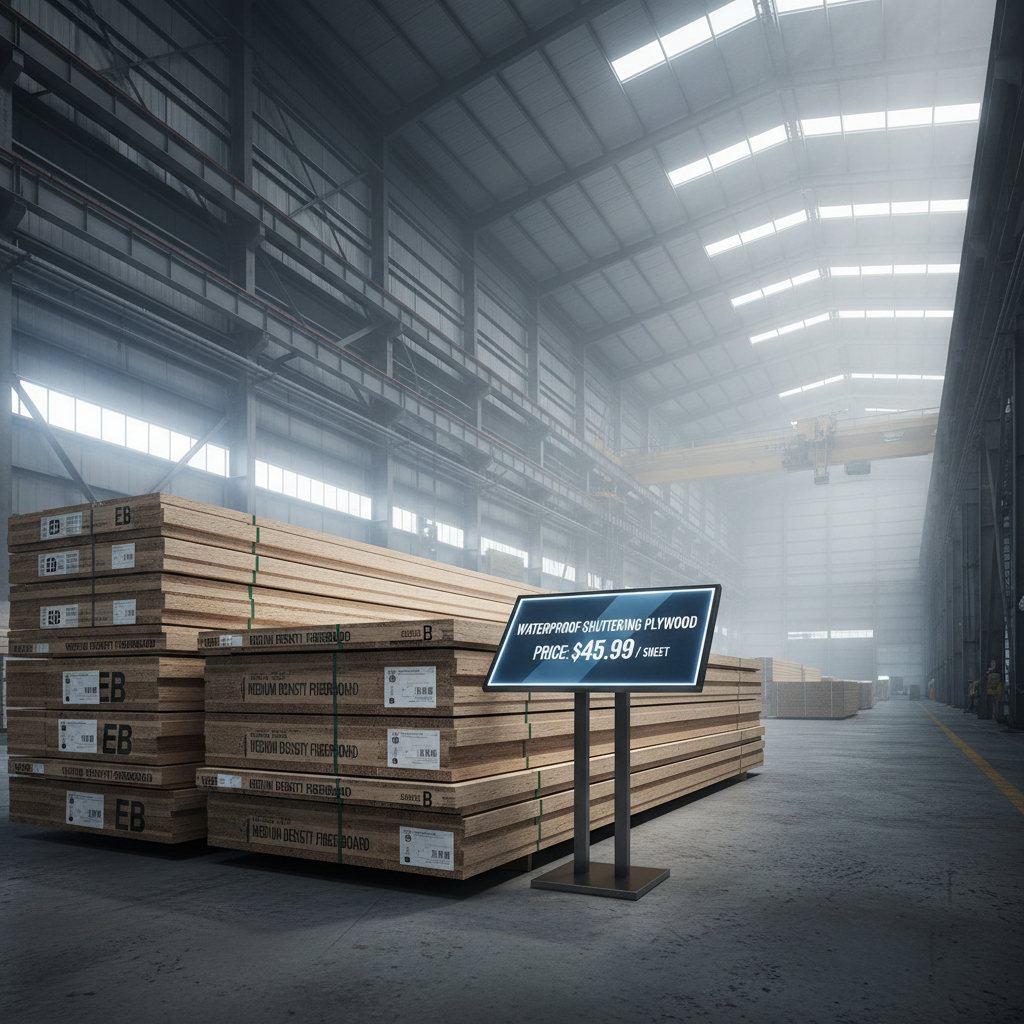
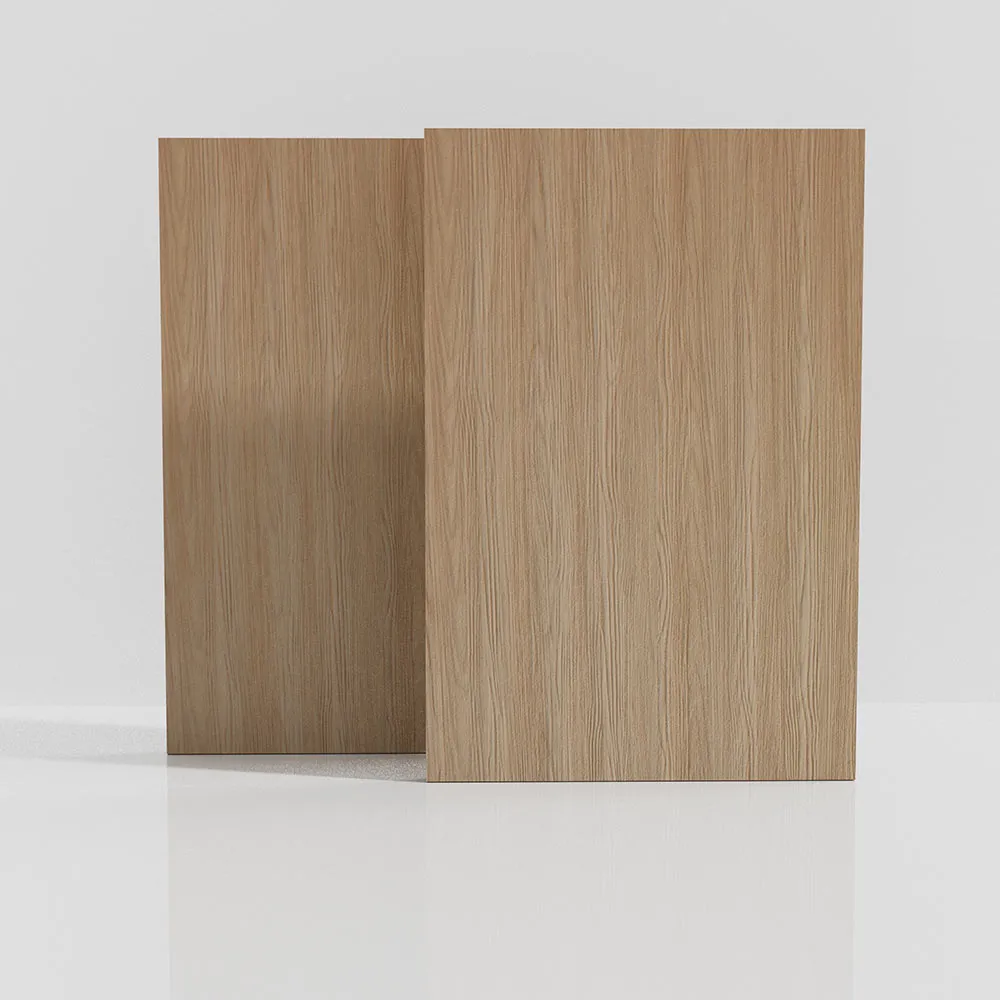
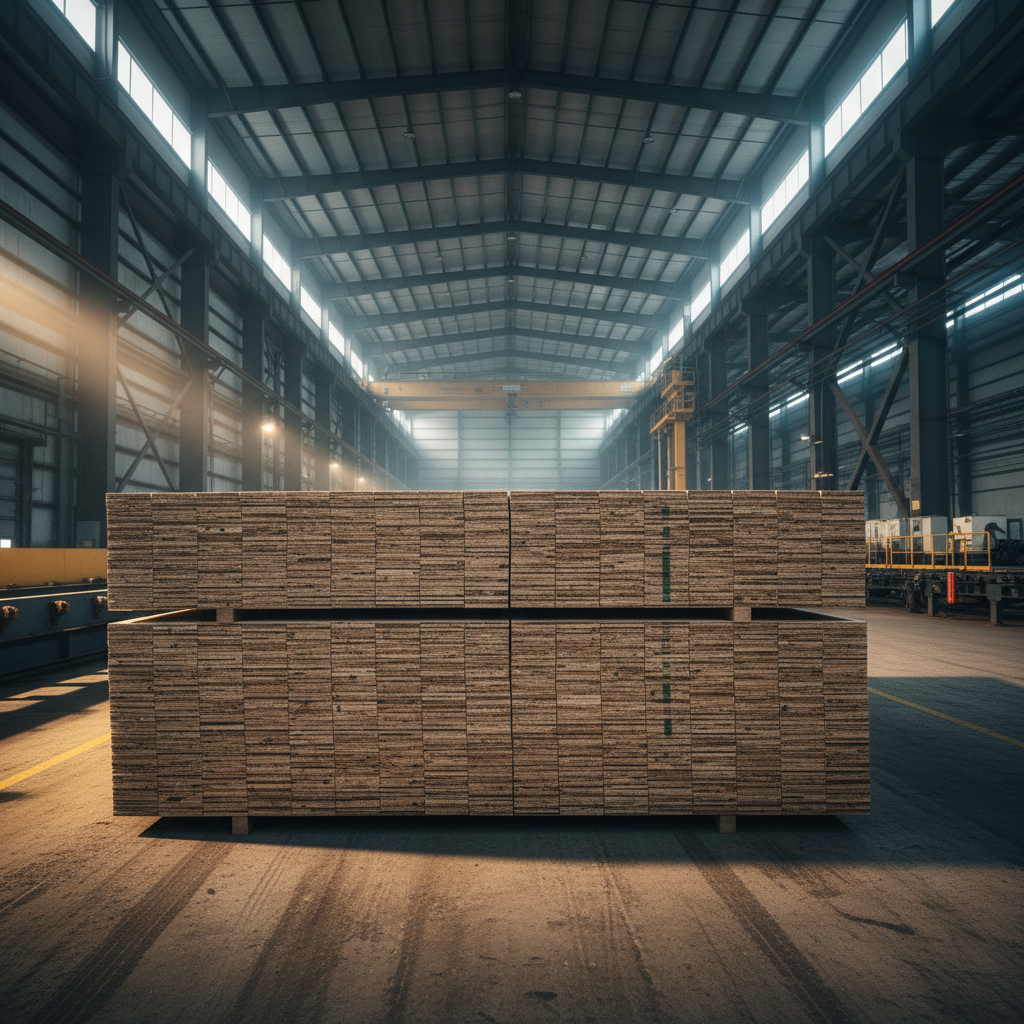
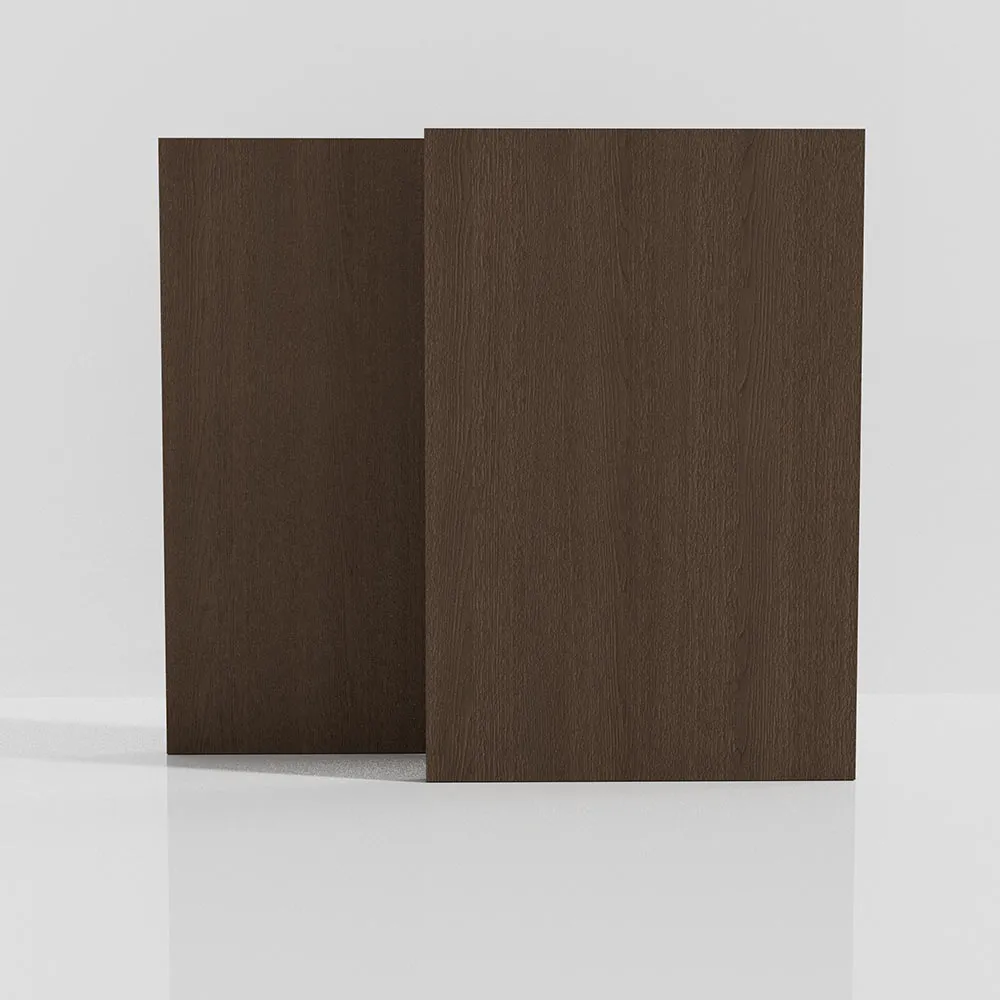
Thick Plywood is a key solution in the industry, specifically within sectors like construction, cabinetry, and heavy-duty manufacturing. This article explores how https://www.tengfeiebmdf.com supports professionals with durable, high-performance products, and explains why this product is an ideal choice for businesses in these sectors.
Table of Contents
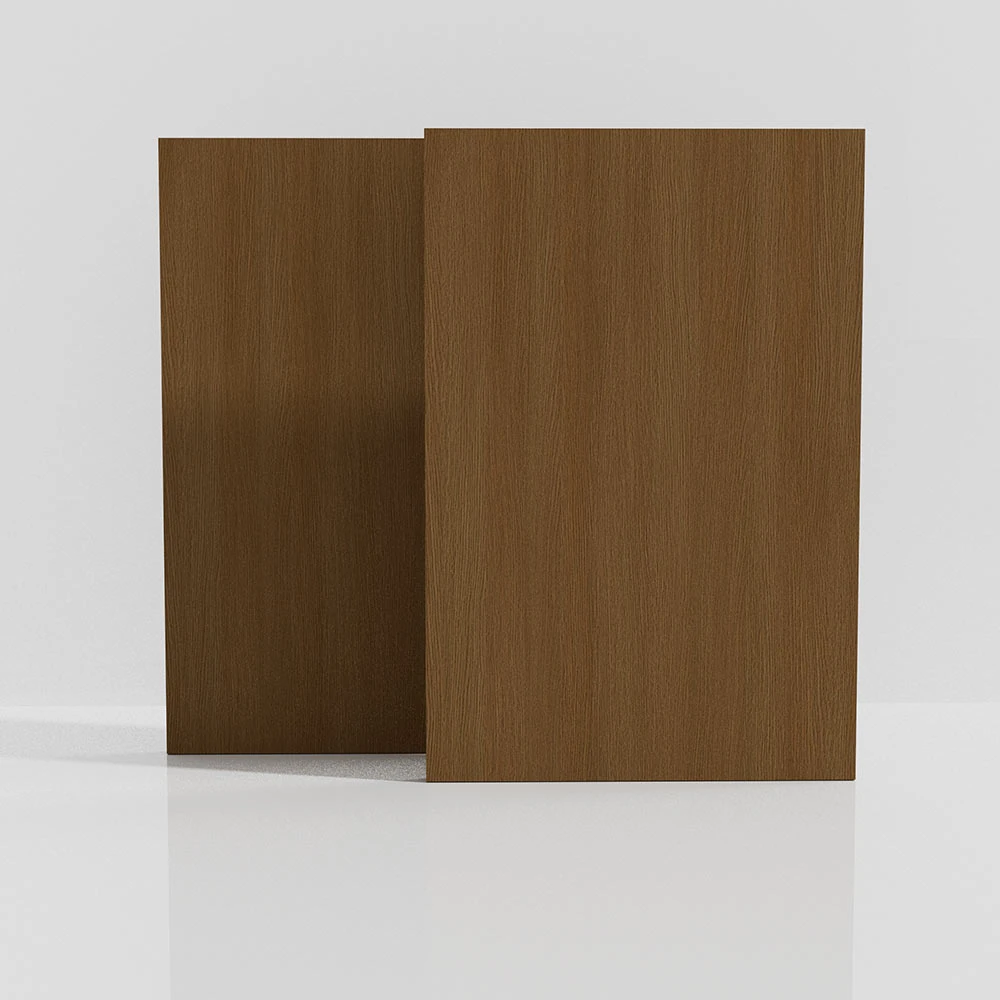
Thick plywood, simply put, is a robust engineered wood panel made by layering multiple veneers of wood together, glued at cross angles for maximum stability. It’s thicker than the common plywood you might find in your local hardware store — usually ranging from 18mm up to 50mm or more, depending on the application. Now, why does thickness matter? Well, thicker plywood brings enhanced strength and load-bearing capacity, which is crucial in heavy-duty industrial uses. I’ve noticed many B2B decision makers gravitate towards suppliers like Tengfei because their products undergo rigorous quality testing ensuring it meets industry standards like GB/T 9846 or EN 314-2.
- Typically manufactured from hardwood or softwood veneers laminated under heat and pressure.
- Available thickness options tailored to construction, furniture, and industrial manufacturing.
Thick Plywood Product Specifications
| Specification |
Typical Value |
Unit |
| Thickness Range |
18 - 50 |
mm |
| Density |
600 - 700 |
kg/m³ |
| Bending Strength |
45 - 60 |
MPa |
| Moisture Content |
6 - 12 |
% |
So, why do industries prefer thick plywood? Frankly, it’s their go-to whenever strength and durability can’t be compromised. For instance, in infrastructure projects, thick plywood serves as temporary flooring or formwork for concrete thanks to its load-bearing toughness. Similarly, cabinet makers and furniture manufacturers appreciate its smooth surfaces combined with structural integrity. Oddly enough, the way it resists warping in varied climates gives it a leg up over some other composites.
- Ideal for architectural panels, industrial crates, and even vehicle flooring.
- Competitive advantages include moisture resistance, uniform thickness, and ease of machining.
Cost, Maintenance & User Experience
You might wonder about the overall expense — thick plywood isn’t cheap upfront, but the total cost of ownership balances out quite nicely. Its longevity means fewer replacements and less downtime, especially in demanding industrial environments. I’ve talked with engineers in the packaging sector who noted that investing in Tengfei’s thick plywood actually reduced their product damage rates. Maintenance usually just involves periodic checks and keeping it dry, which isn’t hard if installed properly. This all adds up to a solid ROI, especially compared to particleboard or MDF alternatives that degrade sooner under stress.
- Durable surfaces minimize repair needs over time.
- Positive user feedback emphasizes dimensional stability and ease of handling.
Vendor Comparison for Thick Plywood (Typical)
| Vendor |
Product Quality |
Price Range |
Customization |
Delivery Time |
| Tengfei |
High, certified |
$$$ |
Full thickness & veneer options |
2-3 weeks |
| Vendor B |
Medium |
$$ |
Limited |
3-4 weeks |
| Vendor C |
Basic |
$ |
None |
4-6 weeks |
Sustainability & Market Trends
Interestingly, sustainability efforts are reshaping the plywood market. Thick plywood from reputable sources tends to follow eco-friendly forestry practices and strict environmental certifications, like FSC or PEFC. Tengfei, for example, highlights their commitment to sustainability by sourcing wood only from responsibly managed plantations. Plus, the plywood production process has become more energy-efficient over the years. Industry analysts expect growing demand in emerging markets and industries requiring green building materials, so it’s not just about strength but also ecological responsibility now.
- Increasing regulations promote sustainable sourcing and waste reduction.
- Market growth driven by construction and automotive sectors adopting environmental standards.
Frequently Asked Questions about Thick Plywood
- What is Thick Plywood and how does it work?
- Thick plywood is a construction material made by gluing together multiple wood veneers at alternating angles, creating a strong panel with increased thickness. This cross-grain layering minimizes warping and distributes loads evenly, making it structurally reliable.
- What are the main benefits of using Thick Plywood in industrial applications?
- Key benefits include enhanced durability, resistance to deformation under heavy loads, ease of customization in thickness and surface finish, and overall cost savings due to longevity and fewer replacements.
- How does Thick Plywood compare to traditional alternatives?
- Compared to MDF or particleboard, thick plywood offers superior mechanical strength, better moisture resistance, and maintains shape over time, which reduces maintenance and improves safety in industrial setups.
- What industries can benefit most from Thick Plywood implementation?
- Construction, furniture manufacturing, transportation (like truck flooring), and packaging industries all benefit by leveraging thick plywood’s strength and stability for various critical applications.
Conclusion on Thick Plywood from china
In summary, thick plywood stands out as a pragmatic and reliable material that addresses the unique demands of industries seeking strength, durability, and sustainable sourcing. The offerings from companies like Tengfei not only meet technical standards but also echo the current market’s environmental mindset. For B2B decision makers, it’s worth considering thick plywood as a strategic investment that balances performance, cost, and ecological impact.
Sometimes, you realize it’s the simple, well-engineered things like thick plywood that quietly hold industries together. Strange how something so unassuming can be so fundamental, isn’t it?