Understanding Coloured MDF Board Price: Why It Matters Today
If you've ever debated the pros and cons of materials for cabinetry, furniture, or interior décor, you've probably come across coloured MDF boards. But beyond their vibrant hues and smooth finishes, the price of these boards is a topic that’s often overlooked—yet it truly holds the key to smart purchasing and project success. With the global wood product market projected to hit nearly $400 billion by 2025 (Statista), knowing how coloured mdf board price shifts can save businesses, designers, and manufacturers considerable headaches and expenses.
Frankly, the coloured MDF board price is not just about cost; it’s tied to sustainability, supply chain fluctuations, and even socio-economic factors influencing raw material availability. Understanding it isn’t just trivial detail—it’s an insight into a bigger industrial puzzle.
Why the Coloured MDF Board Price Has Global Relevance
Wood-based products, including MDF (Medium Density Fibreboard), have carved out a substantial share of the construction and furniture industries worldwide. According to the United Nations Industrial Development Organization (UNIDO), forestry and wood processing industries employ millions globally and contribute billions in GDP. Within this, the coloured MDF board stands out for its versatility and aesthetic appeal.
However, challenges like increasing raw material costs, supply chain disruptions from events such as the global pandemic, and environmental regulations heavily influence prices. For businesses juggling budgets and sustainability, unpredictability in coloured MDF board price can be daunting. A sudden spike in price can stall construction, delay deliveries, or force product compromises.
In short: the price isn't just a number—it's a signal of how connected our industries are to global forces.
Mini Takeaway:
- Global economic and environmental trends directly affect coloured MDF board pricing.
- Understanding price fluctuations can enable better decision-making in supply and manufacturing.
What Exactly Is Coloured MDF Board Price?
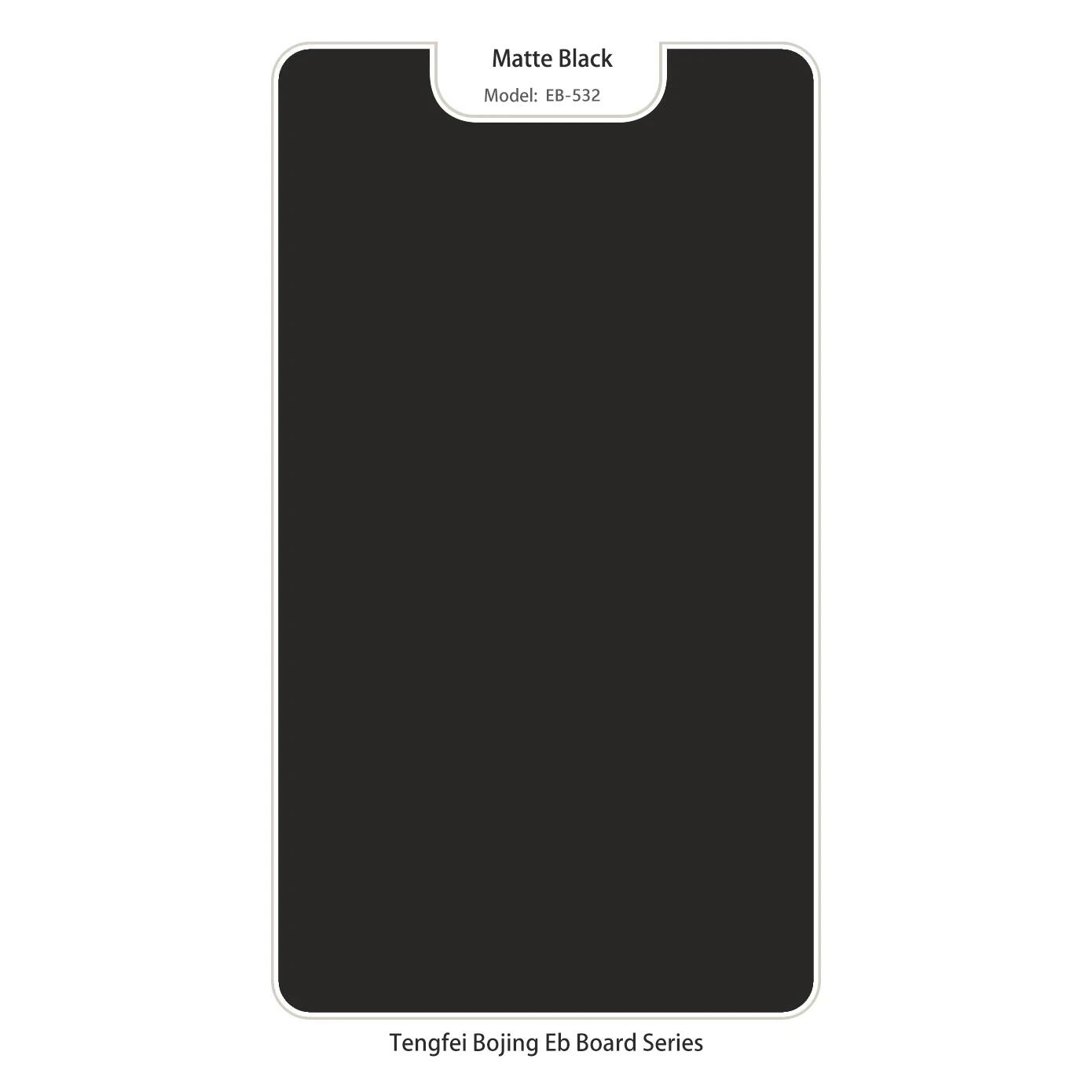
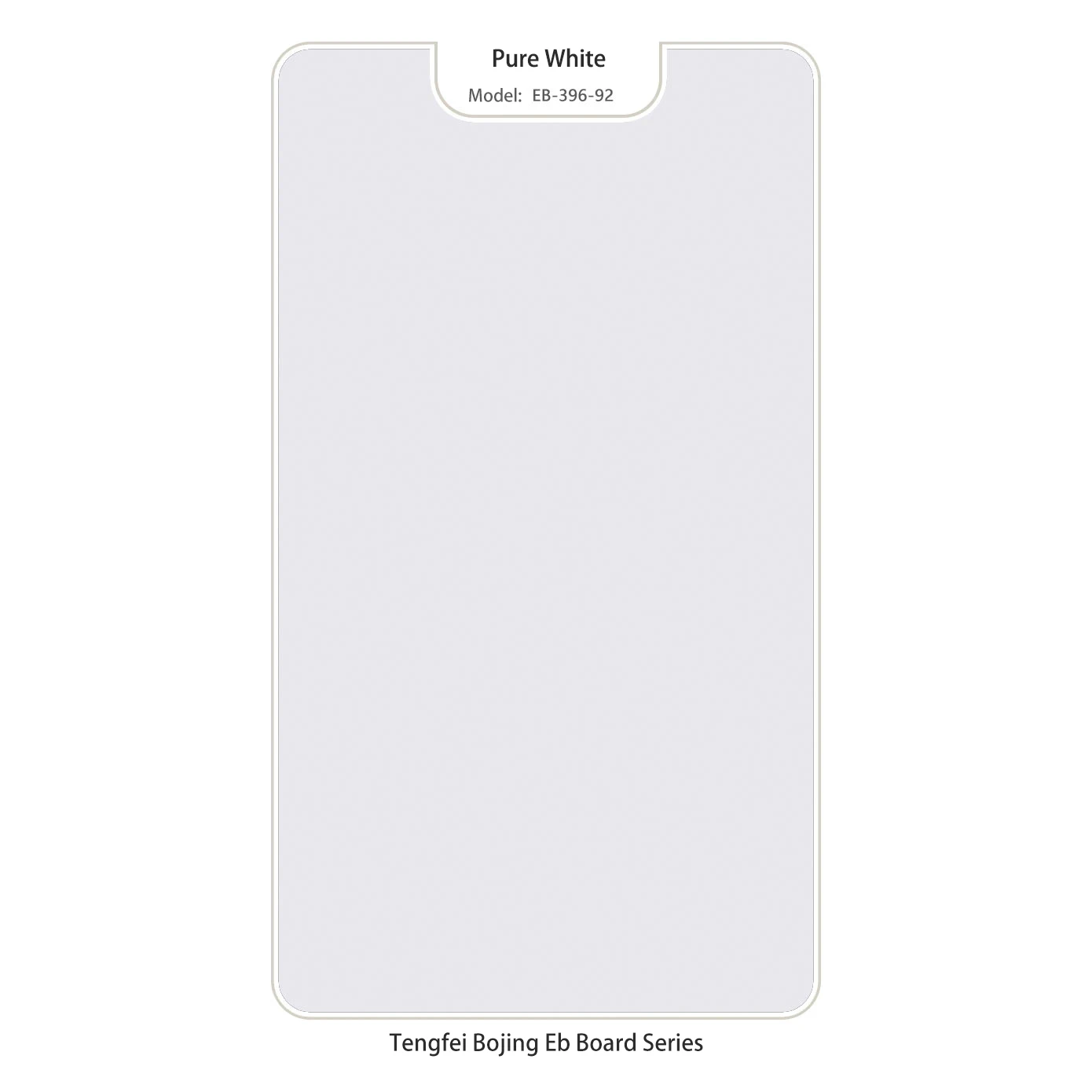
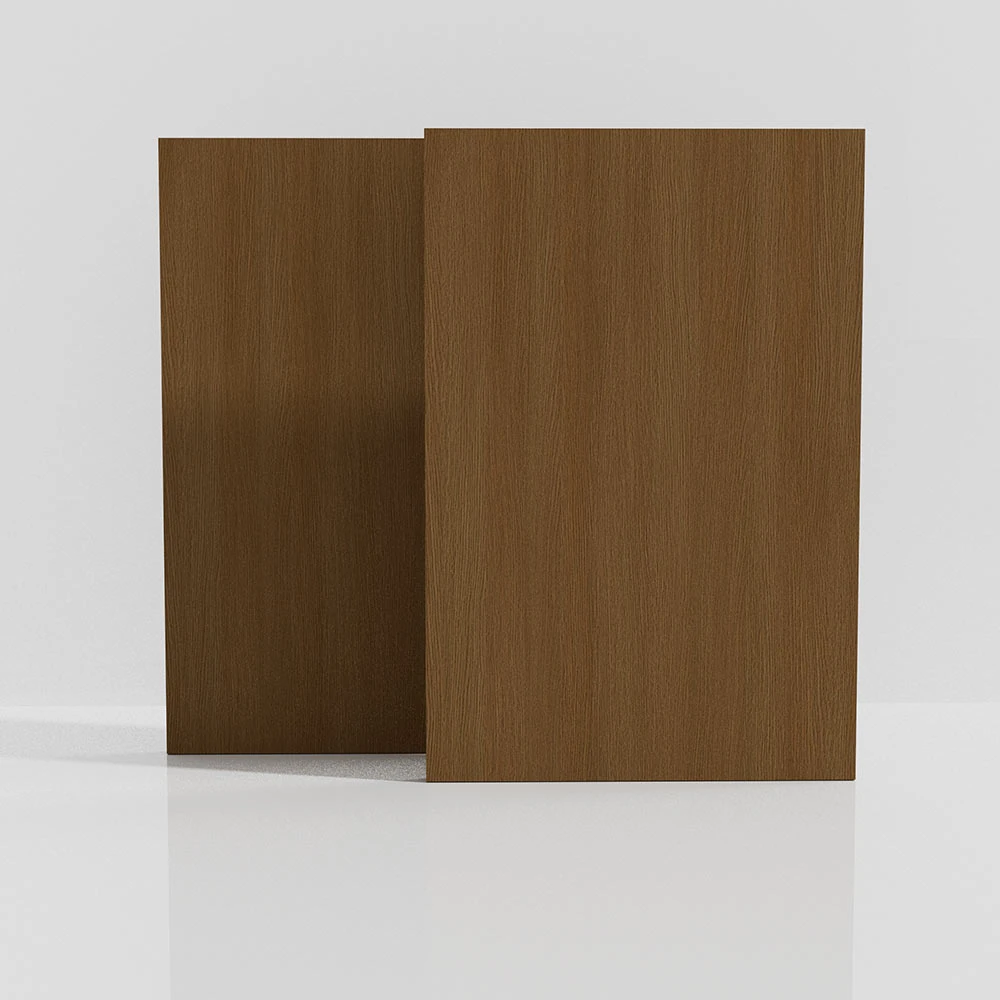
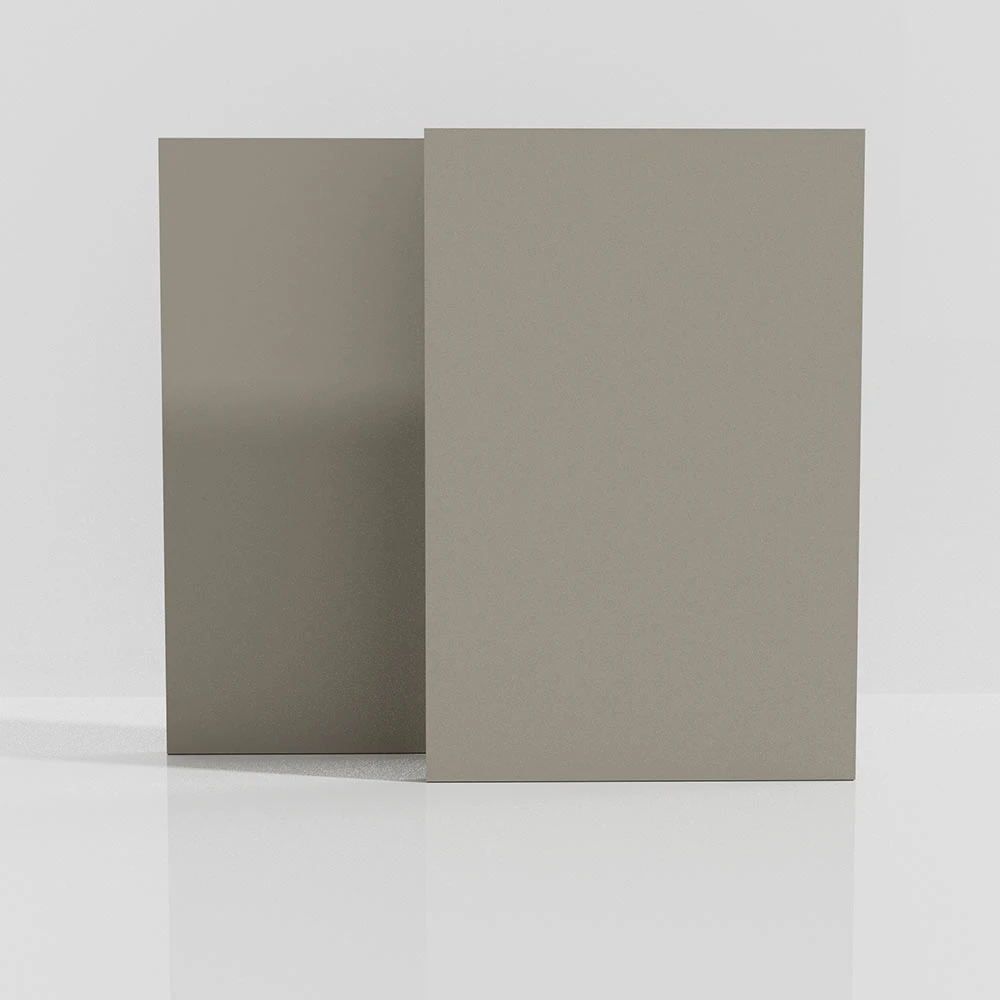
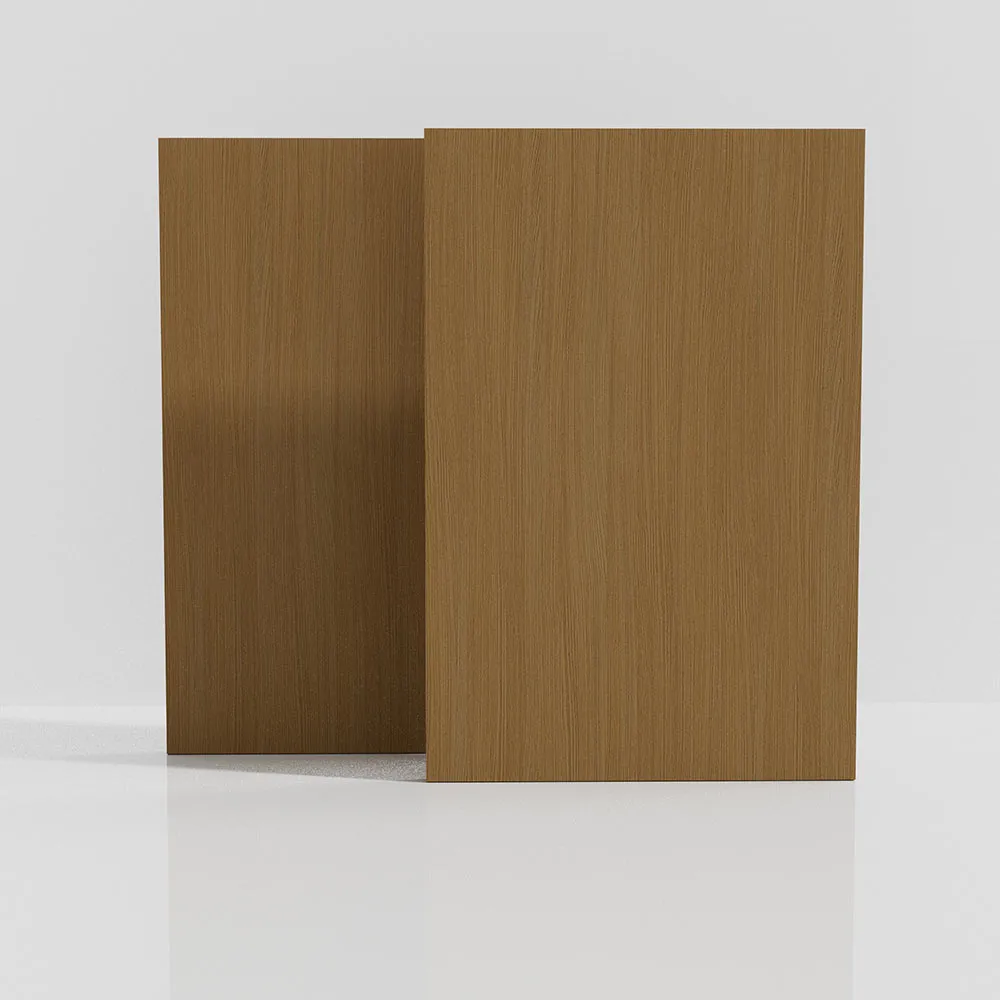
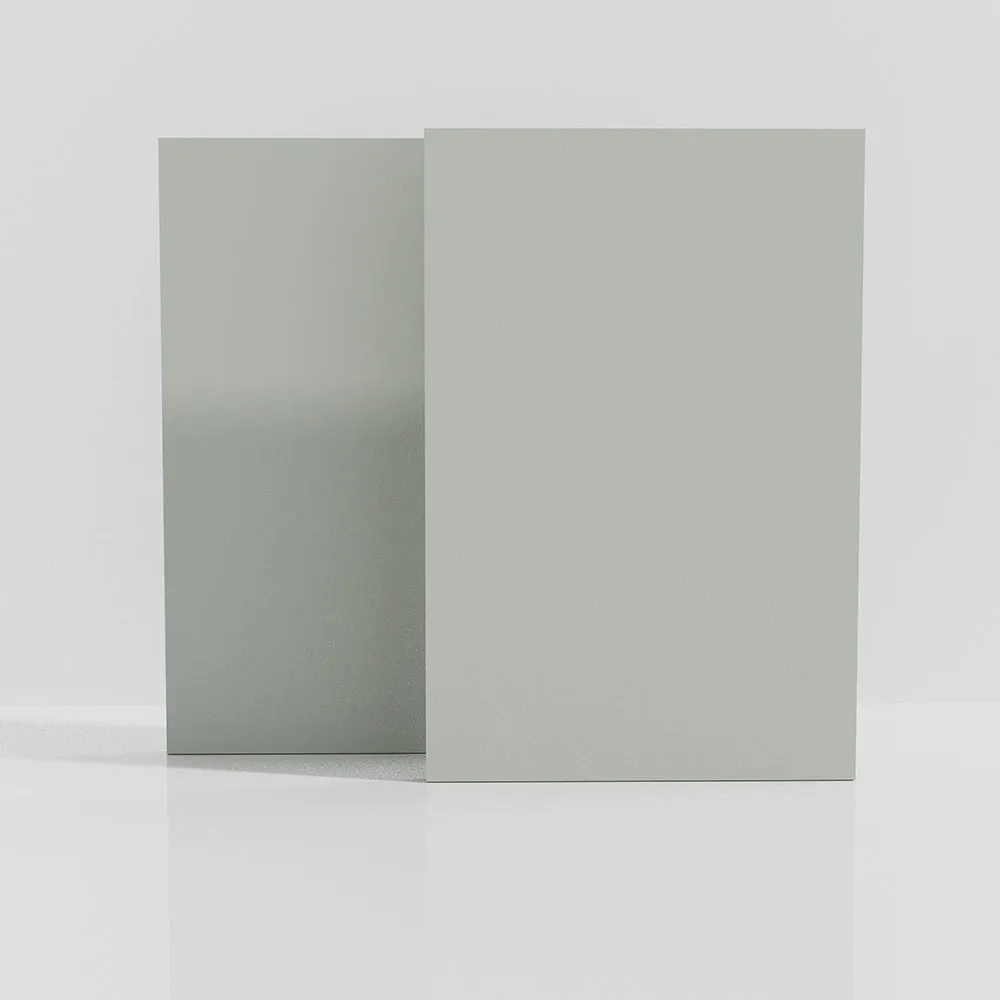
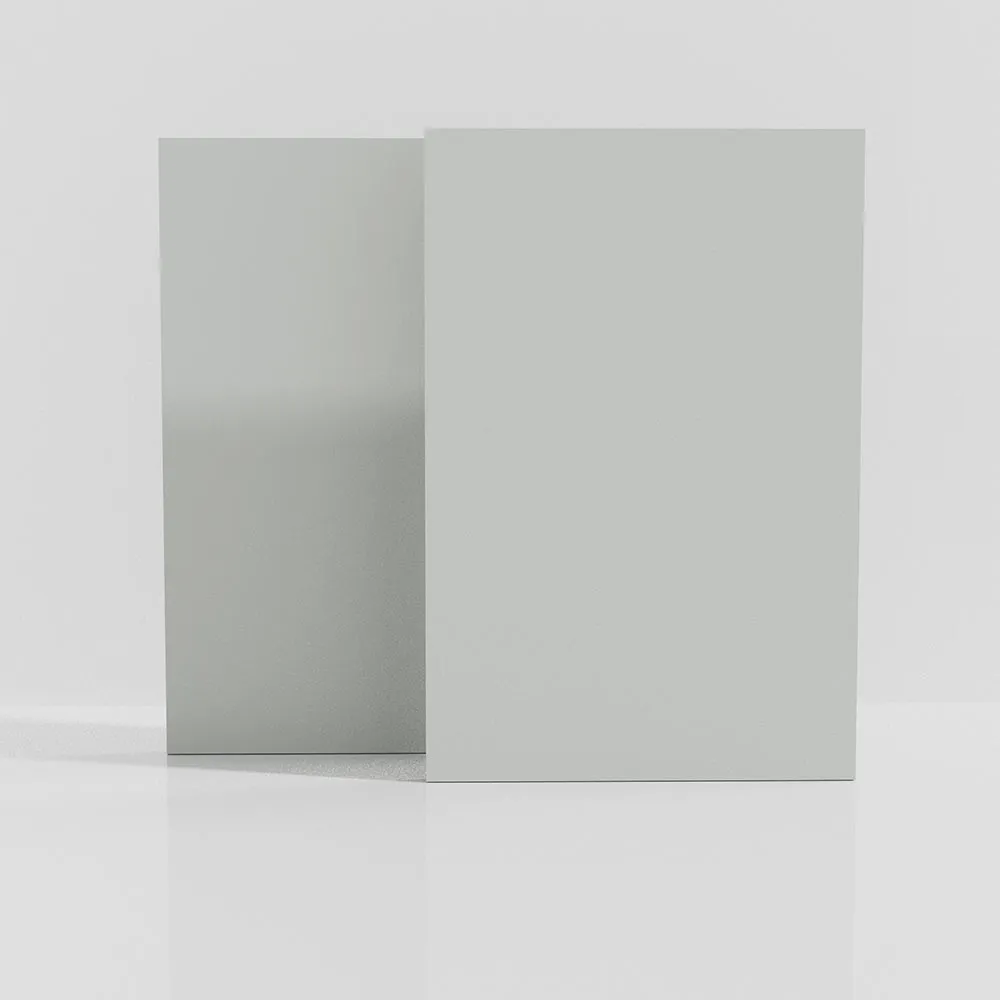
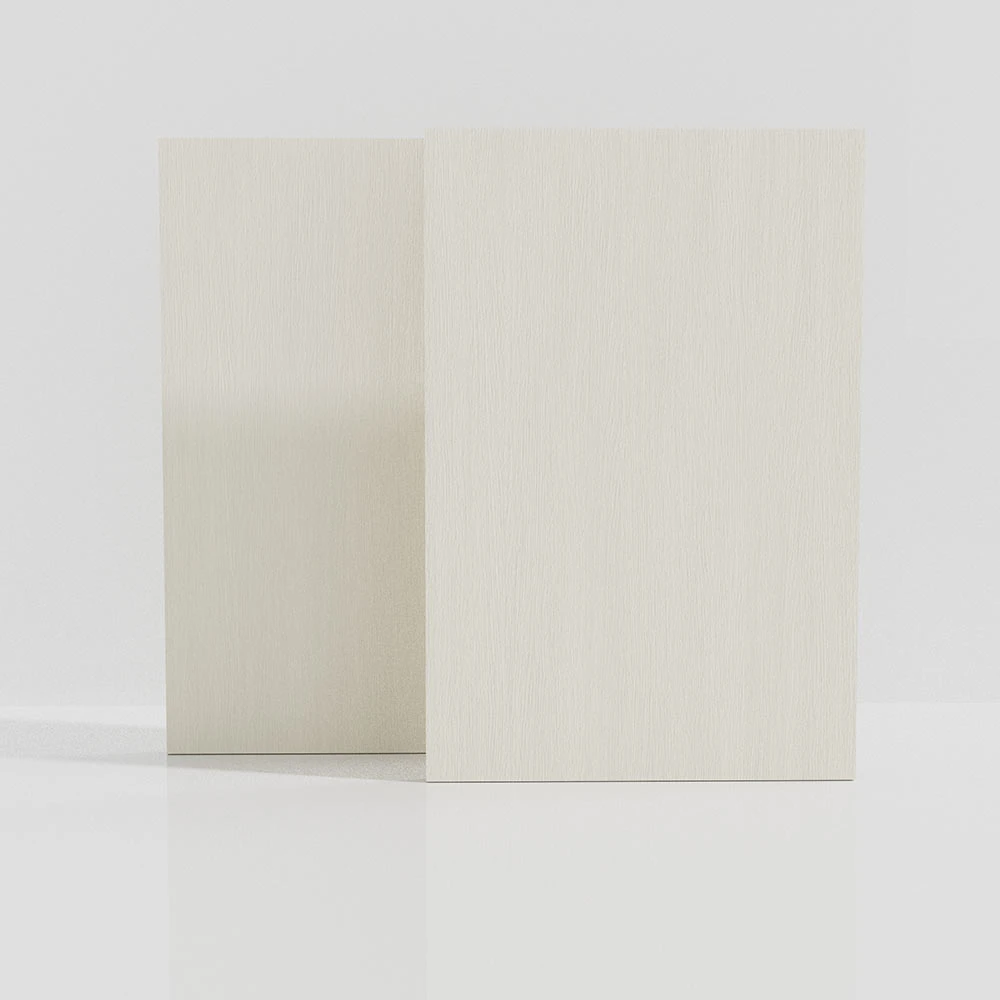
Let’s strip it down to basics. MDF is an engineered wood product made by compressing wood fibres with resin under heat and pressure. When these boards are coloured—usually by laminating or impregnating pigments into the surface—they gain a distinct advantage for interior applications where color consistency and durability matter.
The term coloured MDF board price refers simply to the monetary cost associated with purchasing these coloured panels. This price reflects several factors—material quality, colour technology, manufacturing method, and, of course, marketplace demand.
Put simply, it’s the tag attached to a product that balances aesthetics, performance, and cost-efficiency.
Mini Takeaway:
- Coloured MDF boards combine wood-based fibres and pigments for aesthetic utility.
- The price hinges on manufacturing processes, raw materials, and demand.
Core Factors Influencing Coloured MDF Board Price
1. Raw Material Quality
The base wood fibres and resins’ grade significantly impact final pricing. High-density raw materials with sustainable certifications often cost more but deliver better strength and color retention.
2. Colour Application Technique
Whether using direct lamination, UV coating, or melamine finishes, the process complexity changes the cost. UV coatings, for instance, offer better scratch resistance but boost price.
3. Thickness and Dimensions
Larger or thicker boards usually command higher prices, but sometimes their durability compensates for the cost over time.
4. Supply Chain and Geographic Location
Shipping costs, import duties, and proximity to manufacturing hubs can alter prices by up to 20–30%. This is why local suppliers might sometimes offer better “real cost” deals.
5. Environmental Standards and Certifications
Eco-friendly or low-emission MDF boards come with a premium, but increasingly, companies prefer paying a little extra to meet ISO or FSC standards.
Typical Product Specifications at a Glance
| Specification |
Standard Range |
Remarks |
| Thickness |
3mm – 25mm |
Custom thickness available upon request |
| Density |
600 – 800 kg/m³ |
Higher density for more durable boards |
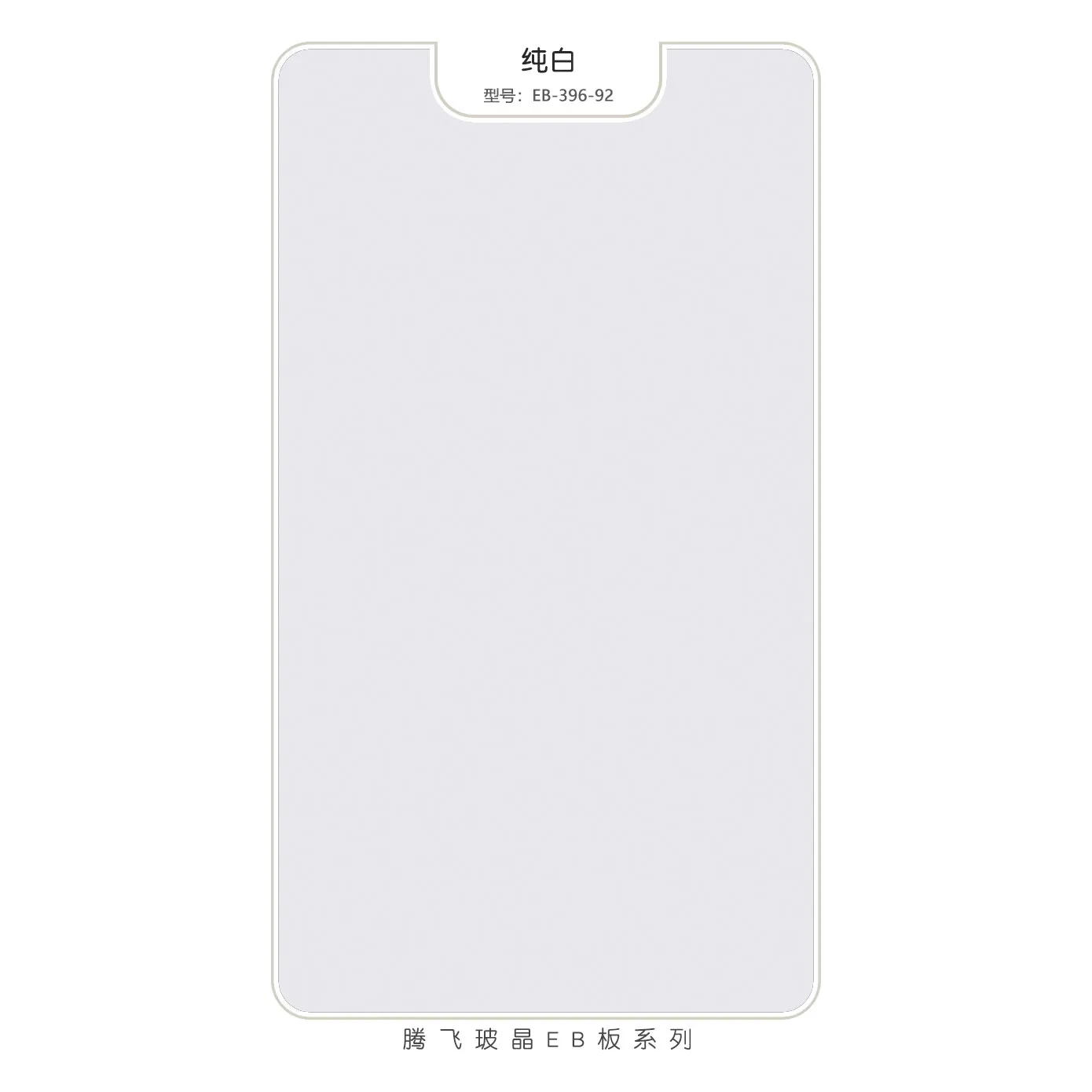
| Colour Palette |
Over 100 standard colours |
Custom colours via RAL/ Pantone matching |
| Finish Type |
Matte, Glossy, Semi-Gloss |
UV-resistant coatings available |
| Emission Standards |
E0, E1 (Low Formaldehyde) |
Meets international environmental compliance |
Global Applications and Real-World Use Cases
Coloured MDF boards have found homes in a variety of industries and regions:
- Retail Environments: Stores use coloured MDF for shelving and display units where eye-catching colours boost customer engagement.
- Hospitality & Offices: Hotels and co-working spaces favor coloured MDF for wall panels and reception counters that demand style and durability.
- Educational Facilities: Schools and universities often use coloured MDF for durability combined with fun, vibrant spaces for learning.
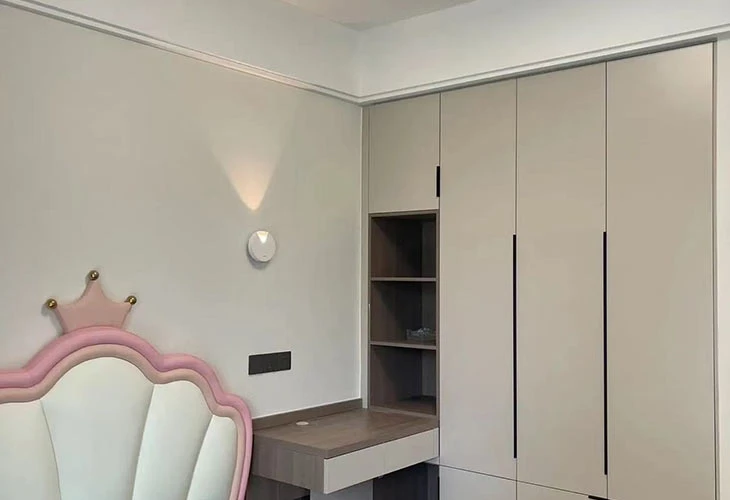
- Residential Interior Design: Kitchens, wardrobes, and furniture makers appreciate the flexibility and price balance coloured MDF offers.
- Manufacturing Hubs in Asia and Europe: Large factories leverage affordable local pricing and steady supply chains to meet global demand. For example, Chinese manufacturers are key players exporting competitively priced coloured MDF worldwide.
In post-disaster zones where rapid rebuilding is essential, coloured MDF boards offer a lightweight yet durable solution for modular interiors, bringing a bit of normality in tough times.
Mini Takeaway:
- Diverse sectors benefit from coloured MDF for both aesthetic and functional reasons.
- Global supply chains impact availability and pricing, especially in high-demand regions.
The Advantages and Long-Term Benefits of Choosing Coloured MDF
Here’s where the story gets interesting. The priced nuances aside, coloured MDF boards offer tangible benefits:
- Cost Efficiency: Compared to solid wood or natural veneers, coloured MDF offers a predictable, budget-friendly alternative.
- Sustainability: Many manufacturers use recycled wood fibres, reducing deforestation pressure.
- Design Freedom: Extensive colour options allow innovators and designers to stay ahead of trends.
- Durability: Resistance to warping and chipping can mean longer-lasting installations.
- Social Impact: Affordable materials enable broader access to quality interiors, uplifting communities.
On an emotional level, the satisfaction of using eco-friendly, visually pleasing materials creates trust between suppliers and customers — a subtle, but meaningful bond.
Looking Ahead: Future Trends in Coloured MDF Pricing
Technology will continue shaping the coloured MDF landscape. Expect to see:
- Smart Coatings: Nano-technology that prevents stains or graffiti, reducing maintenance costs.
- Digital Colour Matching: AI-driven production tailored to precise client palettes, trimming waste and cost.
- Green Certification: Increasing regulations push manufacturers to adopt renewable materials that could mildly raise prices but add value.
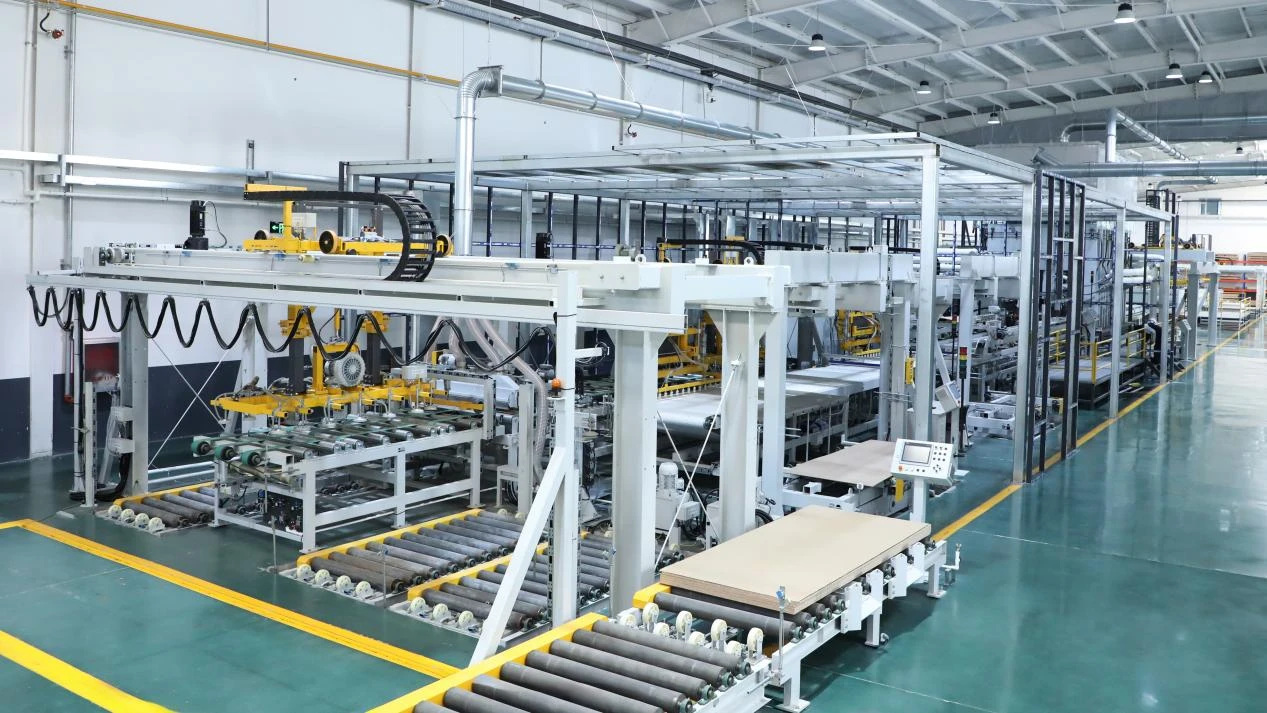
- Automation: Smarter production lines reducing labor costs, potentially stabilizing prices despite raw material volatility.
For buyers, staying tuned to these trends means adapting procurement and design strategies in lockstep with evolving market conditions.
Facing Challenges in Pricing & How to Navigate Them
Of course, none of this is simple. Challenges include:
- Price Volatility: Wood and resin prices can spike unexpectedly due to climate events or political trade issues.
- Quality Inconsistencies: Imports sometimes vary in coating or density, risking rework costs.
- Environmental Compliance Costs: Keeping up with stringent emission standards might add to manufacturing expenses.
How do professionals overcome this? Many recommend: building long-term supplier relationships, bulk procurement during price lulls, and demanding certifications upfront. Some also invest in quality testing labs or digital procurement platforms that alert them to market shifts.
Coloured MDF Board Price: Vendor Comparison
| Vendor |
Price Range (USD/m²) |
Colour Options |
Eco Certifications |
Location |
| Tengfei MDF |
$12 - $18 |
120+ |
FSC, E0 |
China |
| EuroWood Panels |
$15 - $22 |
85 |
PEFC, E1 |
Germany |
| Pacific Colours |
$10 - $16 |
100+ |
ISO 14001 |
USA |
FAQ: Common Questions on Coloured MDF Board Price
Q1: How does thickness affect the coloured MDF board price?
A: Thicker MDF boards use more raw materials and require longer manufacturing times, leading to higher prices. However, they also offer greater durability and may prove more cost-effective over time depending on the application.
Q2: Why are eco-certified coloured MDF boards often pricier?
A: Environmental certifications (like FSC or E0) require sustainable sourcing and reduced emissions during production, which increase costs. Still, these products offer better indoor air quality and support responsible forestry.
Q3: Can coloured MDF boards be custom coloured, and does it affect price?
A: Yes, custom colours matching RAL or Pantone codes are widely available but often come with added setup and production costs, slightly increasing the coloured mdf board price.
Q4: How can international buyers manage fluctuating coloured MDF board prices?
A: Strategic purchasing during off-peak seasons, establishing long-term contracts with suppliers, and working with local agents help mitigate price volatilities and ensure stable supply.
Q5: Are coloured MDF boards suitable for outdoor projects?
A: Generally, MDF (coloured or not) is intended for interior use due to moisture sensitivity. Specialized treatments and coatings can improve outdoor performance but also increase costs significantly.
Conclusion: The Value Behind Coloured MDF Board Price
To wrap this up — understanding coloured MDF board price goes beyond dollars and cents. It’s about knowing the intricate dance of raw materials, production techniques, certification, and market demand that shape each purchase decision. For manufacturers, architects, and designers, mastering this knowledge can shift projects from budget nightmares to streamlined success stories.
If you’re looking to explore or source high-quality and competitively priced coloured MDF boards, have a look at our catalogue. It’s where value, variety, and expertise converge.
Stay curious, stay savvy.
References
- UNIDO - Wood Industry Statistics
- Wikipedia - Medium-density fibreboard
- ISO 14001 Environmental Management