Why Understanding Green MDF Board Price Matters Globally
In a world moving at breakneck speed toward sustainability, every material counts—not just by what it does today but how it shapes tomorrow. Green MDF boards stand out as a quietly powerful piece of this ecological puzzle. And if you’ve ever wondered about “green MDF board price,” you’re already dipping a toe into a critical conversation that spans industries, continents, and ideals.
But why exactly does the price of these eco-friendly wood panels matter? Because it's more than dollars and cents. It’s about accessibility of sustainable resources, the scalability of green construction, and the global drive to reduce forest depletion while maintaining cost-effective production. Understanding green MDF board price unlocks a big-picture view of how eco-conscious materials can transform markets and communities alike.
The Global Context: Sustainability Meets Industry Demand
Take a moment to consider that the United Nations forecasts a world population close to 9.7 billion by 2050, with urban areas swelling rapidly (UN Population Facts). Construction demand is set to skyrocket, and raw material choices will play a starring role. ISO standards, for instance, are pushing timber industries toward greener practices.
However, raw timber faces limitations from deforestation concerns. Enter Medium-Density Fiberboard (MDF) — a versatile wood composite made from recycled fibers, often linked with sustainable forestry, especially when marketed as “green MDF.” The price of green MDF board hence becomes a bellwether for balancing environmental responsibility against economic realities.
Yet challenges linger—a subtle tension between supply chain costs, manufacturing innovations, and consumer willingness to pay a premium for sustainability. Navigating through “green MDF board price” helps address these challenges.
What Does ‘Green MDF Board Price’ Actually Mean?
On the surface, “green MDF board price” might seem straightforward—but it’s layered. It refers to the market cost of MDF boards made or certified through environmentally friendly processes. These boards utilize recycled wood fibers, non-toxic binders, and often comply with certifications such as FSC or CARB compliant emissions (Wikipedia – MDF).
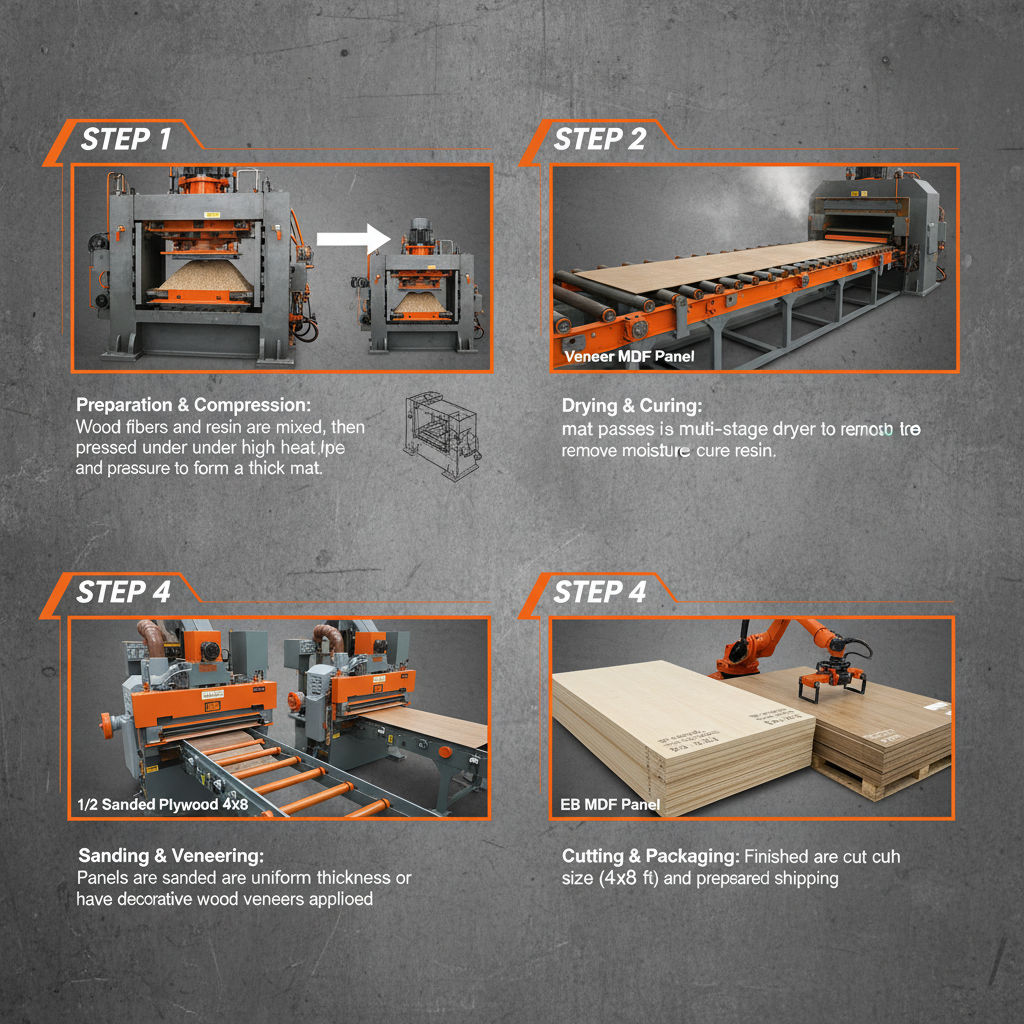
Green MDF boards support industries hungry for sustainable alternatives—from furniture making to interior construction—where environmental impact, worker safety, and long-term durability intersect. Pricing these boards is no simple matter; it reflects production methods, material sourcing, transportation, and compliance with environmental standards.
Key Factors Influencing Green MDF Board Price
1. Material Quality and Source
Higher-grade raw fibers from post-consumer waste or sustainably managed forests elevate costs but also add credibility. Technically, green MDF ensures lower emissions of formaldehyde, which is a big deal in indoor applications.
2. Manufacturing Technology
Innovations in eco-friendly resins and energy-efficient pressing machinery make production cleaner but sometimes pricier. Manufacturers investing in ISO 14001 environmental management often pass some costs downstream.
3. Thickness and Density Variations
Thicker or denser MDF boards generally cost more due to increased raw material and pressing cycles. The green aspect often means fewer additives and more natural bonding, influencing price tension.
4. Transportation and Location
Supply chains globally are stressed, especially for green products needing certification checks. Shipping from Asia to Europe or North America can add unpredictable premiums, especially when “green” logistics are prioritized.
5. Certification and Compliance Costs
Eco-label certifications aren’t free. They demand paperwork, audits, and ongoing compliance, all part of the price tag embedded in green MDF boards.
6. Market Demand and Volume
As more green projects arise, demand increases, but intermittent supply or market hesitance can cause price fluctuations. Bulk buyers often get better pricing, creating an incentive to scale usage.
Product Specification Table: Typical Green MDF Board Characteristics
| Specification |
Value |
Unit |
| Density |
700-750 |
kg/m³ |
| Thickness Range |
3-25 |
mm |
| Formaldehyde Emission |
| mg/L (CARB Phase 2 Compliant) |
| Moisture Content |
6-8 |
% |
| Certification |
FSC, ISO 14001 |
- |
Global Applications of Green MDF Boards
It’s fascinating how these sustainably crafted boards find homes worldwide:
- Europe and North America: Eco-conscious furniture companies leverage green MDF for stylish, non-toxic interiors.
- Asia-Pacific: Rapid urban development spurs demand for affordable, sustainable building materials—making green MDF an attractive alternative.
- Post-disaster Relief: NGOs use MDF-based modular structures for rapid deployment housing, appreciating its light weight and sustainability.
- Industrial Design: Prototyping centers prefer green MDF due to cost-effectiveness and ease of machining.
For example, a NGO in the Philippines turned to green MDF boards to build semi-permanent shelters after typhoons, citing lower toxicity and rapid assembly — factors that made the projects more acceptable to affected residents.
Mini Takeaway:
Green MDF board price impacts both the feasibility and sustainability of global construction and manufacturing efforts. While economics matter, the environmental and social context makes this an investment in the planet’s future.
Advantages and Long-Term Value of Investing in Green MDF
When you peel back the layers (pun intended), here’s what green MDF brings to the table:
- Cost-Efficiency: Compared to solid wood, greener MDF offers a balance of durability at a more accessible price point.
- Environmental Responsibility: Reduced deforestation impact and low emissions contribute to cleaner air and enhanced worker safety.
- Durability & Versatility: Suitable for furniture, cabinetry, wall paneling—crafted to last without the hefty price tag.
- Social Impact: Using green materials supports sustainable forest management, empowering communities and preserving habitats.
- Innovation Potential: As manufacturers develop zero-formaldehyde binders and circular economy models, green MDF boards become future-proof choices.
Emotionally, many buyers feel reassured investing in products that won't harm families or workers. Logically, it makes economic and regulatory sense in an era where green certifications mean business—and access.
Future Trends Driving Green MDF Pricing
Looking ahead, there’s a wave of tech and policy that’s likely to influence green MDF board price:
- Bio-Based Adhesives: The slow but steady move from synthetic resins to natural binders could reshape costs and properties.
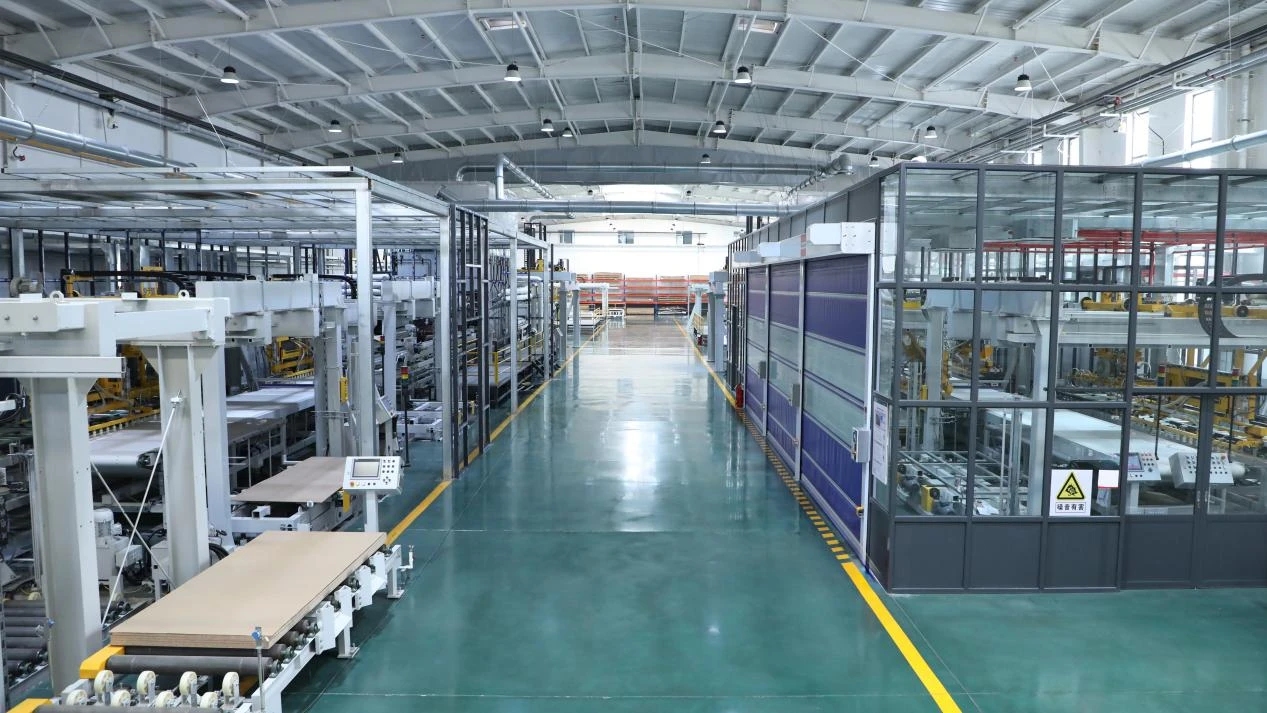
- Automation and Smart Manufacturing: Industry 4.0 factories may reduce waste and energy consumption, trimming expenses.
- Circular Economy Models: More recycled materials entering supply chains means fluctuating but potentially lower prices.
- Green Energy Integration: Factories powered by renewables can claim better sustainability metrics but might pass on transitional costs.
- Regulatory Pressures: Tighter emission caps worldwide will redefine what “green” even means in MDF, impacting cost structures.
Challenges in Pricing and Sustainability—and How They’re Tackled
Of course, not everything is rosy. Here’s the kicker:
- Price Volatility: Raw material shortages or shipping delays can spike the green MDF board price without warning.
- Awareness and Trust: Greenwashing concerns confuse buyers; not all “green” MDF is created equal.
- Scale of Production: Small manufacturers may struggle with certification costs, keeping price points higher.
But solutions exist—industry consortia are encouraging transparency, and advances in automated quality controls sharpen compliance. Meanwhile, volume contracts and long-term supply deals help stabilize pricing.
Vendor Comparison Table: Leading Green MDF Suppliers
| Vendor |
Average Price (per m²) |
Certifications |
Supply Regions |
Sustainability Notes |
| GreenWood Panels Inc. |
$18 - $22 |
FSC, ISO 14001 |
North America, Europe |
Uses 60% recycled fibers, low VOC binders |
| EcoFiber MDF Ltd. |
$16 - $20 |
CARB Phase 2, FSC |
Asia-Pacific |
Renewable energy-powered production |
| Sustainable Boards Co. |
$20 - $24 |
FSC, PEFC |
Europe |
Zero-added formaldehyde resins |
Frequently Asked Questions About Green MDF Board Price
Q1: What factors most significantly affect the price of green MDF boards?
A: Pricing depends mostly on raw material quality, certifications (like FSC or CARB), manufacturing technology, and logistic costs. Eco-certified adhesives and energy-efficient production add to costs but improve product sustainability and indoor air quality.
Q2: Is green MDF more expensive than traditional MDF, and is it worth the difference?
A: Generally, green MDF boards carry a slight price premium due to sustainable sourcing and certifications. However, the benefits in reduced emissions, health safety, and environmental impact often justify this cost in the long term, especially for commercial projects prioritizing sustainability.
Q3: How can I verify that the green MDF board I’m buying meets recognized environmental standards?
A: Always request certification documents such as FSC, PEFC, or CARB compliance reports. Additionally, reputable vendors often provide detailed product datasheets outlining their sustainability credentials and third-party testing results.
Q4: Are there regional price differences for green MDF boards?
A: Yes, geography impacts both raw material availability and shipping expenses, leading to variation. For instance, boards made close to certified fiber supplies or large manufacturing hubs tend to be more competitively priced.
Q5: Can purchasing green MDF boards have a positive social impact beyond environmental benefits?
A: Definitely. Supporting certified sustainable forests promotes responsible land use, community development, and improved worker safety. These social benefits often ripple through supply chains and local economies.
Wrapping Up: The Bottom Line on Green MDF Board Price
Frankly, navigating green MDF board price is like watching a dance between nature, industry, and market forces. It’s never static, always evolving—punctuated by innovation, regulations, and consumer values. But for businesses and individuals serious about sustainability, it offers a tangible pathway to greener buildings, safer products, and more resilient supply chains.
So, the real takeaway? Invest wisely, ask the right questions, and keep an eye on evolving certifications and technologies. And if you want a solid starting point to explore options and current pricing for green MDF, check out this resource. It’s a good place to see how price and sustainability can align practically.
Before you go, just remember: green MDF is more than just a board. It’s a quiet revolution in how we build and think.
References
- United Nations Population Division
- ISO 14001 Environmental Management
- Wikipedia – Medium-density fibreboard