Understanding High Gloss Acrylic MDF Board Price: What You Need to Know
At first glance, “high gloss acrylic MDF board price” might sound like a dry topic — just numbers and specs floating in a sea of industrial jargon. But oddly enough, this quite specific search phrase connects to a wider global story, one that touches on design innovation, sustainability, and the evolving costs in manufacturing and construction worldwide.
The world’s furniture, cabinetry, and interior design sectors rely heavily on MDF (Medium Density Fiberboard), especially those shiny, seamless, high gloss acrylic-finished panels that bring modern spaces to life. But the price of these boards fluctuates, shaped by material costs, technology, and market dynamics. Understanding where that price sits, why it changes, and what it means might even impact decisions as far-reaching as urban development and environmental policies.
So, what drives the high gloss acrylic MDF board price? Why does it matter beyond just the cost tag? And how are industries, designers, and end-users making sense of it all? In the next sections, we'll unpack the meaning, major factors, global applications, and future trends surrounding these in-demand materials.
Mini Takeaway: The price of high gloss acrylic MDF board isn’t just a number — it’s a pulse check on material tech, market supply chains, and global demand for sleek, affordable surfaces.
Global Context: The Market Pulse Behind High Gloss Acrylic MDF Boards
Worldwide, furniture manufacturing was valued at around $545 billion in 2023 (Statista)—with an increasing tilt towards modern, laminate, and acrylic-finished boards. Acrylic coatings give MDF a mirror-like finish that’s prized in contemporary interiors, commercial spaces, and even luxury vehicles.
However, raw material costs — particularly wood fibers and acrylic resins — are influenced by geopolitical tensions, supply chain hiccups, and economic inflation. According to the World Bank, global commodity prices spiked nearly 10% during the last two years, affecting industrial boards’ pricing. This creates a ripple effect on the high gloss acrylic MDF board price, impacting everything from small cabinet shops in Europe to large contract manufacturers in Asia.
A key challenge manufacturers face is balancing quality with cost efficiency, especially when customers demand both durability and aesthetic shine without skyrocketing budgets. This tension fuels innovation in board production tech, making price tracking a must for market players.
Mini Takeaway: The high gloss acrylic MDF board price reflects global market trends and material costs — knowing the price helps professionals navigate production and design choices wisely.
What Exactly Is High Gloss Acrylic MDF Board Price?
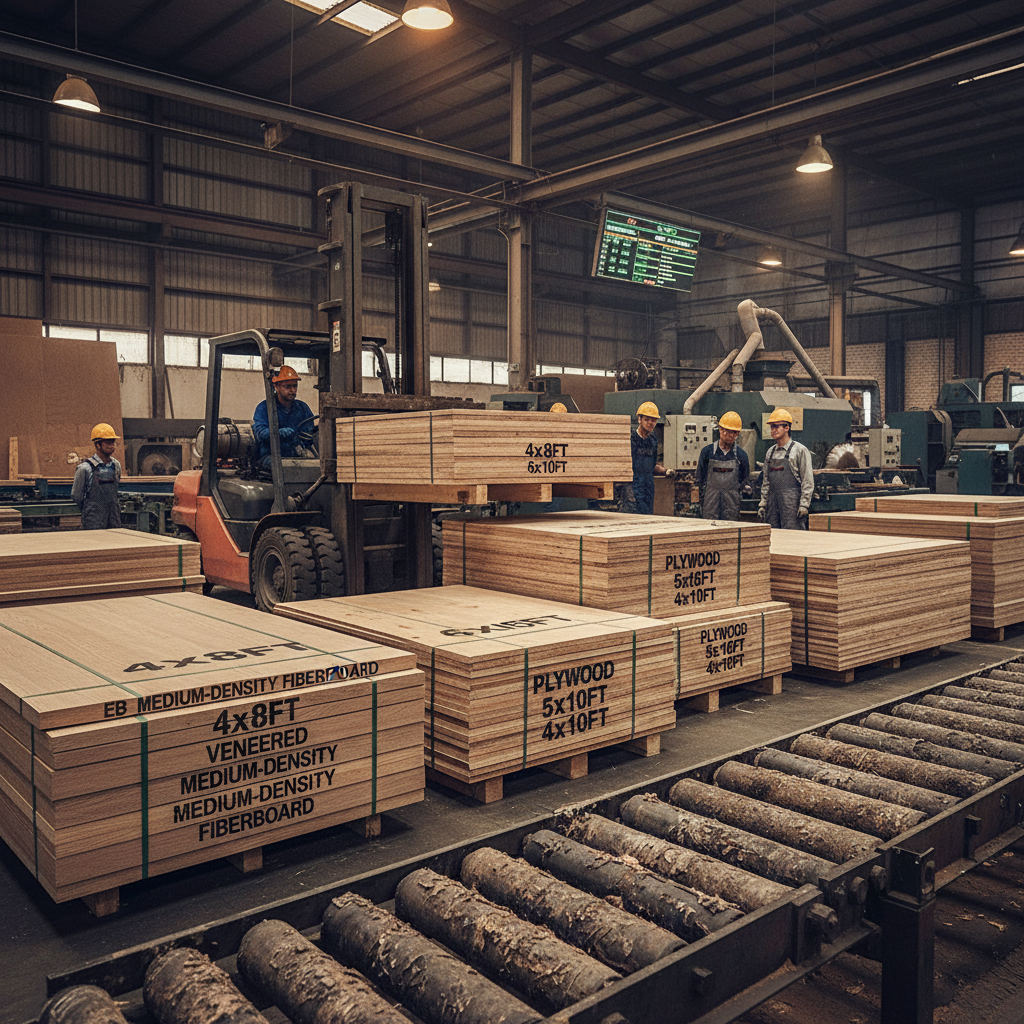
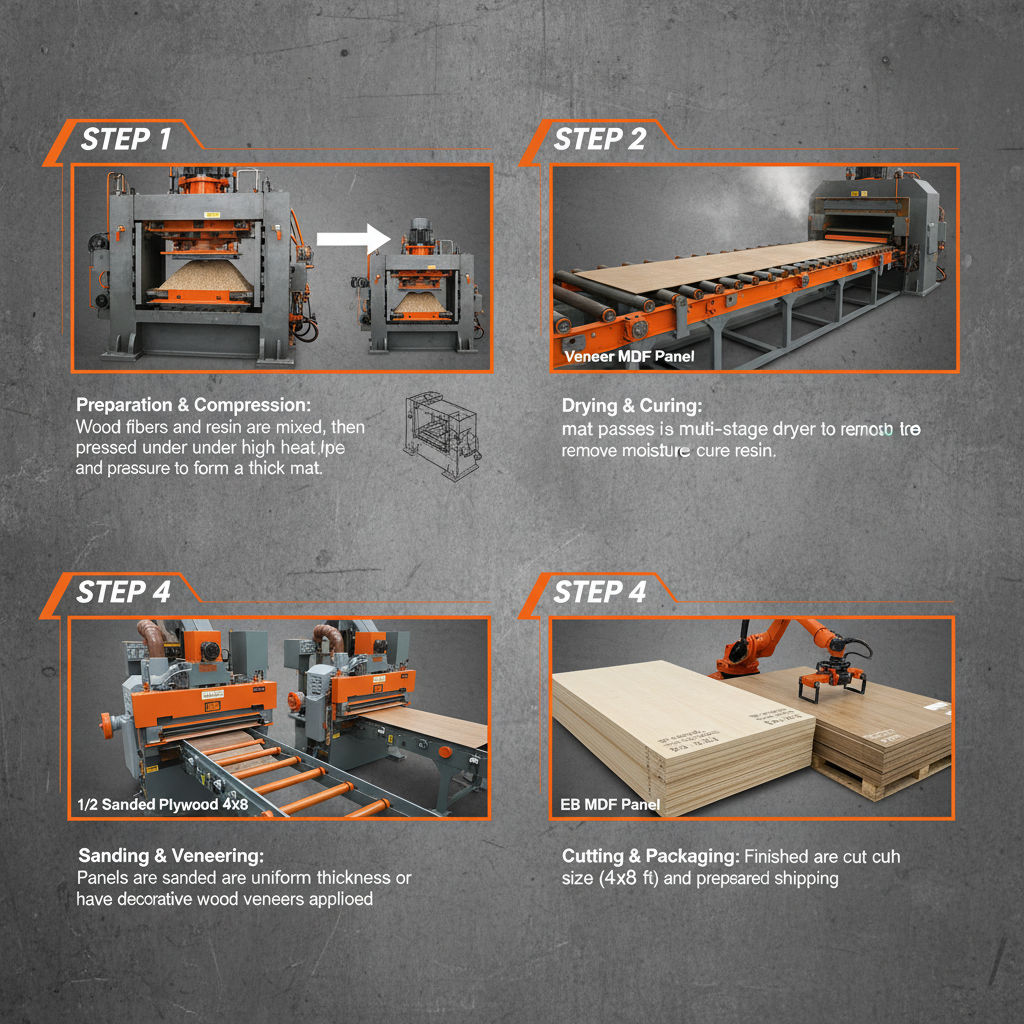
Let’s demystify the phrase: “high gloss acrylic MDF board price” refers to the cost of medium density fiberboards finished with a high gloss acrylic layer. MDF itself is engineered wood made by compressing wood fibers with resin binders, resulting in a smooth, stable panel. Acrylic is a synthetic polymer applied as a glossy coating, offering reflectivity, moisture resistance, and impact durability.
The “price” indicates the market cost per unit, usually per square foot or board, influenced by size, thickness, finish quality, and supplier. So when someone asks about the high gloss acrylic MDF board price, they want to know the going rate for a finished product ready for manufacturing or installation.
In modern industry terms, these boards combine functional stability (no warping, easy cutting) with aesthetic appeal, making them vital in furniture, cabinetry, and architectural panels worldwide.
Mini Takeaway: This pricing reflects not just raw materials but finishing technology — blending the practical with the visual in one product.
Key Factors Influencing High Gloss Acrylic MDF Board Price
1. Material Quality
Wood fiber grade and acrylic resin purity significantly affect cost. Better raw materials ensure durability and finish longevity but push prices higher. Lower-grade material might cut upfront costs but save less in the long run.
2. Thickness and Size
Standard MDF boards are 12mm or 18mm thick, but specialty sizes command different prices. The thicker, the pricier; oversize panels can also increase transport costs.
3. Manufacturing Technology
Advanced coating techniques like multi-layer acrylic finishing or UV curing yield shinier, tougher surfaces but come at a premium. Traditional methods lower costs but compromise finish quality.
4. Supply Chain & Location
Where the boards are made matters. Asian producers often offer competitive prices due to economies of scale; European or North American boards might bear higher costs but stricter quality controls.
5. Market Demand
Trendy finishes or colors drive up demand — think glossy white surfaces dominating modern kitchens. Seasonal and economic shifts cause price fluctuations.
6. Environmental Regulations
Compliance with eco-friendly standards may increase manufacturing costs but appeal to green-conscious consumers.
| Specification |
Typical Range |
Impact on Price |
| Thickness |
6mm - 25mm |
Higher thickness = Higher price |
| Board Size |
1220 x 2440 mm standard |
Custom sizes add to cost |
| Gloss Level |
>90% reflectivity |
Higher gloss raises price |
| Acrylic Layer Thickness |
150-300 microns |
Thicker layers cost more |
| Origin |
Asia, Europe, NA |
Local regulations impact price |
Mini Takeaway: Multiple technical and market factors weave together to set the
high gloss acrylic MDF board price — understanding each helps make smarter buying decisions.
Global Applications and Real-World Use Cases
In Europe, these boards adorn sleek kitchen cabinets and minimalist office partitions — their durable, glossy surface resists wear and makes cleaning a breeze. In Asia, manufacturers pivot towards mass production for export markets, meeting growing demand in North America and the Middle East.
Hospitals and commercial institutions appreciate the hygienic, moisture-resistant qualities, often opting for high gloss acrylic MDF panels in high-traffic areas. Oddly enough, even automotive interiors have started trial runs with these boards for lightweight, scratch-resistant panels — proving the material’s versatility.
In post-disaster housing relief projects, affordability and rapid assembly matter most. While high gloss acrylic MDF boards aren’t standard here, cheaper acrylic-coated panels sometimes substitute to add aesthetics without heavy costs.
Mini Takeaway: High gloss acrylic MDF boards thrive across industries and geographies, valued for both looks and practicality.
Advantages and Long-Term Value of High Gloss Acrylic MDF Boards
- Cost Efficiency: Cheaper than solid wood yet visually striking.
- Sustainability: MDF uses wood fibers from recycled sources, while acrylic finishes are increasingly recyclable.
- Durability: Scratch and moisture resistant, extending product lifespan.
- Design Flexibility: Highly customizable gloss levels and colors.
- Emotional Resonance: Offers the feeling of luxury at a fraction of the price — perfect for businesses aiming to impress clients.
Beyond aesthetics, these boards represent a social commitment to smarter material use and lower environmental footprints — a trust increasingly valued by customers and designers alike.
Mini Takeaway: The value of high gloss acrylic MDF board price goes beyond cost — it unlocks sustainability, durability, and emotional appeal.
Future Trends: What’s Next for High Gloss Acrylic MDF Boards?
Innovation tends to march on. Expect rising demand for “green” acrylic MDF boards, made with biodegradable resins or low-VOC coatings. Digital printing on acrylic surfaces is another game-changer, enabling bespoke patterns without extra cost.
Automation in finishing lines reduces labor costs and boosts uniformity, potentially moderating the price. Suppliers also explore thinner acrylic layers that retain gloss but cut back material use.
Interestingly, smart integration — acrylic boards embedded with sensors or LEDs for interactive decor — sprouts from R&D labs, hinting at a very different future aesthetic.
Mini Takeaway: Sustainability, digital customization, and smart tech are reshaping how prices — and value — of high gloss acrylic MDF boards evolve.
Challenges and Smart Solutions
Common hurdles include supply chain volatility, inconsistent quality from low-cost producers, and environmental concerns over acrylic resins. Some manufacturers respond by strict sourcing policies and investing in eco-friendly material science. Others build closer relationships with end-users, offering mixed inventory models that balance price against guarantees.
Innovative coatings that self-heal minor scratches or use water-based acrylics could ease durability and pollution worries. Meanwhile, virtual reality tools enable buyers to preview high gloss boards in real rooms, reducing costly returns.
Mini Takeaway: Challenges exist, but the industry’s rising to them — smarter materials, tighter controls, and smarter buying all help.
FAQ: Your Top Questions About High Gloss Acrylic MDF Board Price
- Q: Why does the high gloss acrylic MDF board price vary so much between suppliers?
- A: Differences in raw material quality, manufacturing technology, location (import fees), and brand reputation cause price variations. It’s best to balance cost with quality for durable results.
- Q: Can I use high gloss acrylic MDF boards in moist environments like bathrooms?
- A: Yes, the acrylic layer offers moisture resistance but always check for certified waterproof grades if prolonged exposure is expected.
- Q: How does thickness affect price and performance?
- A: Thicker boards cost more but offer better structural support and longevity, especially in cabinetry or wall paneling.
- Q: Are eco-friendly acrylic MDF boards available, and do they cost more?
- A: Yes, environmentally certified boards with low VOC emissions or recycled components exist. They tend to be priced slightly higher but justify the cost with sustainability benefits.
Vendor Comparison: Navigating Availability and Pricing
| Supplier |
Location |
Typical Price (USD/msf) |
Quality Rating |
Notes |
| Tengfei MDF |
China |
$25 - 30 |
High |
Competitive price & eco-focused |
| EuroPanels |
Germany |
$35 - 42 |
Very High |
Premium finishes, stricter controls |
| AmeriBoard |
USA |
$30 - 38 |
High |
Strong service & delivery times |
Wrapping It Up: Why Tracking High Gloss Acrylic MDF Board Price Matters
In the end, keeping an eye on the high gloss acrylic MDF board price offers more than budgeting clarity — it opens a window into evolving materials science, market realities, and the quest for combining beauty with resilience.
If you’re a manufacturer, designer, or buyer, knowing these prices helps you make informed choices that balance aesthetics, cost, and sustainability. I know from chatting with experts that investing a little time here saves big headaches later — whether it’s sourcing, production delays, or customer complaints about wear.
Curious how to get the best deals or specs? Visit our website for in-depth info and up-to-date pricing: high gloss acrylic mdf board price.
Happy sourcing — sometimes the shiniest surfaces have the most complex stories.
- Wikipedia: Medium-density fibreboard (MDF)
- World Bank Commodity Market Data
- Statista: Furniture Manufacturing Industry