The Real Value Behind Understanding High Gloss MDF Board Price
If you've ever wandered through a sleek kitchen showroom or admired modern office interiors, chances are you've encountered high gloss MDF boards—those shiny, smooth surfaces that catch the eye and elevate ordinary furniture into statement pieces. But beyond the gleam and aesthetic appeal lies a crucial question for designers, manufacturers, and buyers alike: what's the high gloss MDF board price really about? Knowing the price isn't just about budget planning; it reveals so much about sourcing, quality, and global economic factors influencing the materials industry today.
Globally, the medium-density fiberboard (MDF) market is shifting dramatically. According to a recent ISO report, demand for specialized surface finishes like high gloss coatings has surged by roughly 12% annually. Yet material costs, including resin, pigments, and labor, fluctuate wildly depending on geography, raw material supply, and manufacturing method. So unlocking the puzzle of high gloss MDF board price sheds light on broader industry trends and challenges.
Why the Price of High Gloss MDF Boards Matters Globally
In an era leaning heavily into sustainability and cost-efficiency, understanding the pricing nuances of high gloss MDF is crucial. The World Bank recently highlighted that wood-based panel industries, including MDF, are among the top contributors to circular economy goals, reducing deforestation by maximizing wood fiber use. Without affordable, high-quality MDF boards, many affordable housing projects, office refurbishments, and even humanitarian aid construction could suffer supply bottlenecks or inflated costs.
But it’s not just about environmental impact. Price fluctuations often reflect deeper supply chain issues—think raw material scarcity, changes in energy prices for factories, and even trade tariffs. For businesses tailoring projects to local or international markets, grasping how these variables affect the high gloss mdf board price means smarter purchasing and more reliable project timelines.
What Does High Gloss MDF Board Price Actually Mean?
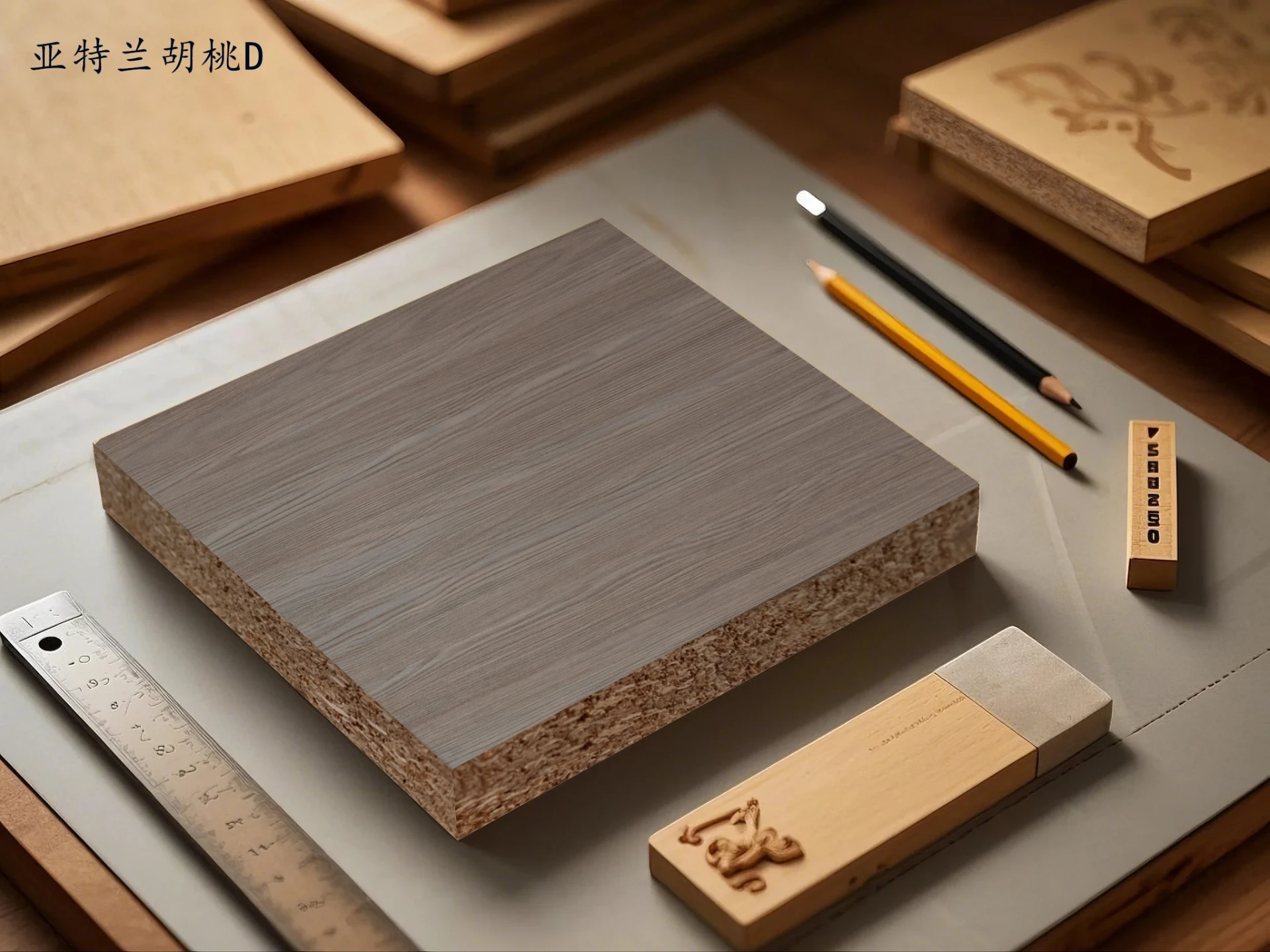
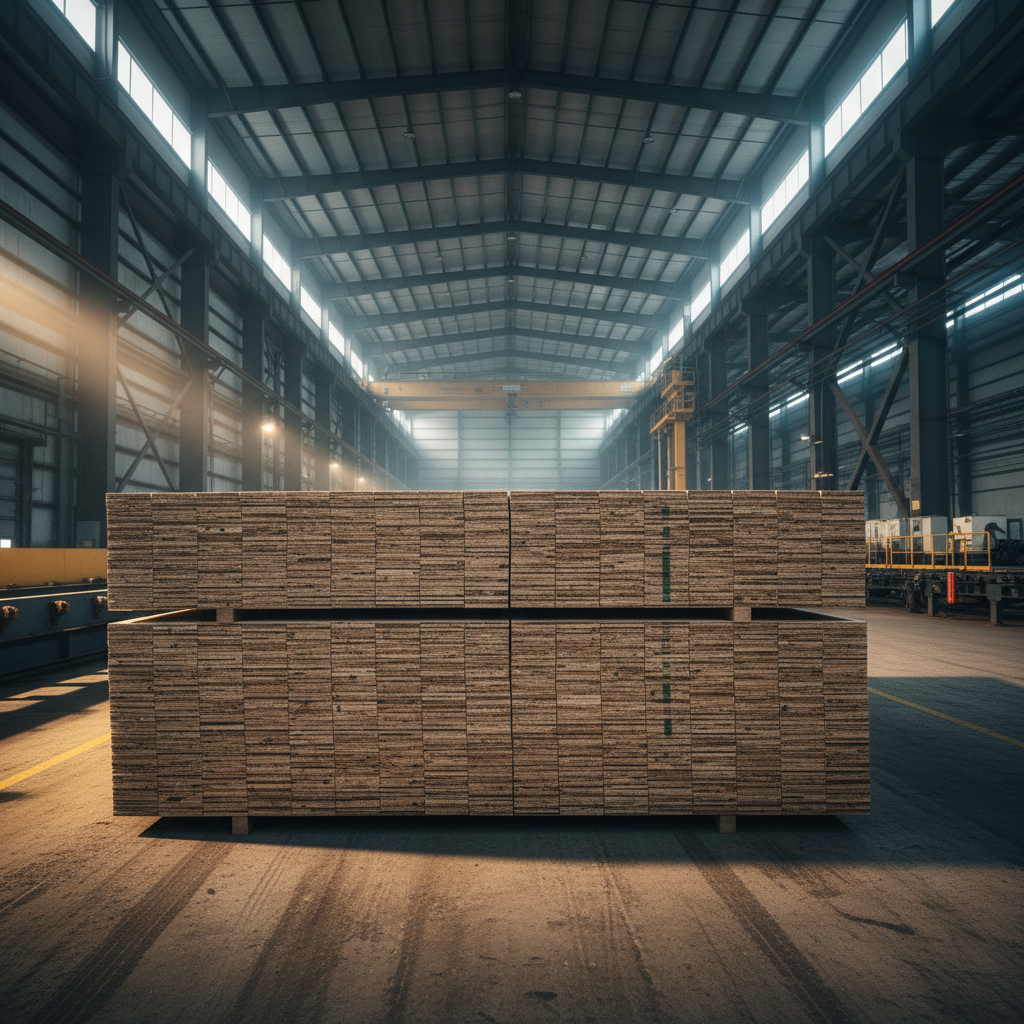
Let’s take a step back. MDF stands for Medium Density Fiberboard—a composite wood product manufactured by breaking down hardwood or softwood residuals into fibers, combining them with wax and resin, then forming panels under high temperature and pressure. “High gloss” refers to the surface finish, achieved through specialized lacquers or coatings that create that mirror-like shine.
When we talk about the high gloss MDF board price, we mean the cost per unit (often per square meter or sheet) that factors not just raw MDF manufacturing but the additional finishing processes, quality controls, and sometimes logistics. Because these boards are popular for modern kitchens, wardrobes, and office furniture, the price both reflects quality and impacts market accessibility worldwide.
Mini takeaway:
Price is more than numbers—it’s a reflection of quality, craftsmanship, supply chains, and even environmental policies that collectively shape high gloss MDF’s place in the global market.
Key Factors Influencing High Gloss MDF Board Pricing
1. Durability and Surface Quality
The durability of high gloss MDF isn't just a buzzword; it affects how much finish costs. Premium lacquers resist UV, scratches, and moisture better. Manufacturers using layered coatings increase expenses but deliver lasting shine—worth it if your client wants longevity.
2. Manufacturing Technology
Modern CNC machining paired with automated finishing tools reduce errors and waste, sometimes lowering the price despite higher initial investment. Conversely, handmade or semi-automated finishing can add artisan value but elevate costs.
3. Material Sourcing and Sustainability
Boards made from FSC-certified wood fibers or using low-VOC (Volatile Organic Compound) finishes typically command higher prices. But they're increasingly demanded by eco-conscious consumers and organizations, shifting the global supply-demand balance.
4. Transport and Logistics
Since MDF panels are bulky and relatively heavy, shipping contributes noticeably to prices. Regional availability of raw materials or finished panels can make local products cheaper, while imports with tariffs bump costs.
5. Market Demand and Economic Conditions
Oddly enough, sometimes the price reflects simple economics: booming construction sectors boost demand, pushing prices up, while economic slowdowns can deflate prices or stall projects entirely.
Mini takeaway:
From raw fiber certification to where the factory sits on the map, many threads interweave to pull the high gloss MDF board price up or down.
Specification Table of a Typical High Gloss MDF Board
| Specification |
Value/Range |
| Panel Size |
2440 x 1220 mm (8'x4') |
| Thickness |
12 mm to 25 mm |
| Density |
700–850 kg/m³ |
| Gloss Level |
80–95 GU (Gloss Units) |
| Core Material |
Wood fibers + Urea Formaldehyde resin |
| Surface Finish |
High gloss UV-cured lacquer or acrylic film |
| Price Range (per sheet) |
$25 - $45 USD (varies by region) |
How Different Vendors Stack Up
| Vendor |
Average Price (USD/sheet) |
Certification |
Lead Time |
Sustainability Focus |
| Tengfei MDF |
$30 - $38 |
FSC, ISO 9001 |
7–10 days |
High (eco-friendly finishes) |
| GlobalWood Panels |
$28 - $35 |
PEFC certified |
10–14 days |
Medium |
| EcoBoard Ltd. |
$32 - $40 |
FSC, GREENGUARD Gold |
8–12 days |
Very High |
Where High Gloss MDF Boards Shine Worldwide
Looking beyond the showroom walls, high gloss MDF boards have found a wide variety of applications globally. In Europe, for example, the furniture and kitchen cabinet sectors increasingly embrace high gloss finishes because they align with minimalist and contemporary design trends favored by consumers. The Asia-Pacific region, buoyed by rapid urbanization and booming construction sectors, often pushes demand for affordable yet visually impressive interior paneling.
Even in humanitarian contexts, high gloss MDF panels play unexpected roles. Certain NGOs have utilized these boards for temporary yet dignified shelter interiors after natural disasters—when speed and ease of assembly matter but aesthetics and durability can’t be ignored. Post-disaster reconstruction projects in parts of Southeast Asia have reported significant improvements in curb appeal and occupant morale using such materials.
Mini takeaway:
Whether it’s a designer’s dream kitchen in Milan or a post-flood temporary school in the Philippines, understanding the high gloss MDF board price helps organizations plan smarter, faster, and more sustainably.
Advantages and Long-Term Value of Choosing High Gloss MDF
- Cost Efficiency: Compared to solid wood or more complex laminates, high gloss MDF delivers premium style at a more accessible price point.
- Eco-conscious Material: Uses recycled fibers and frequently sourced from sustainably managed forests, reducing deforestation.
- Reliability: Smooth, consistent surfaces with low maintenance requirements.
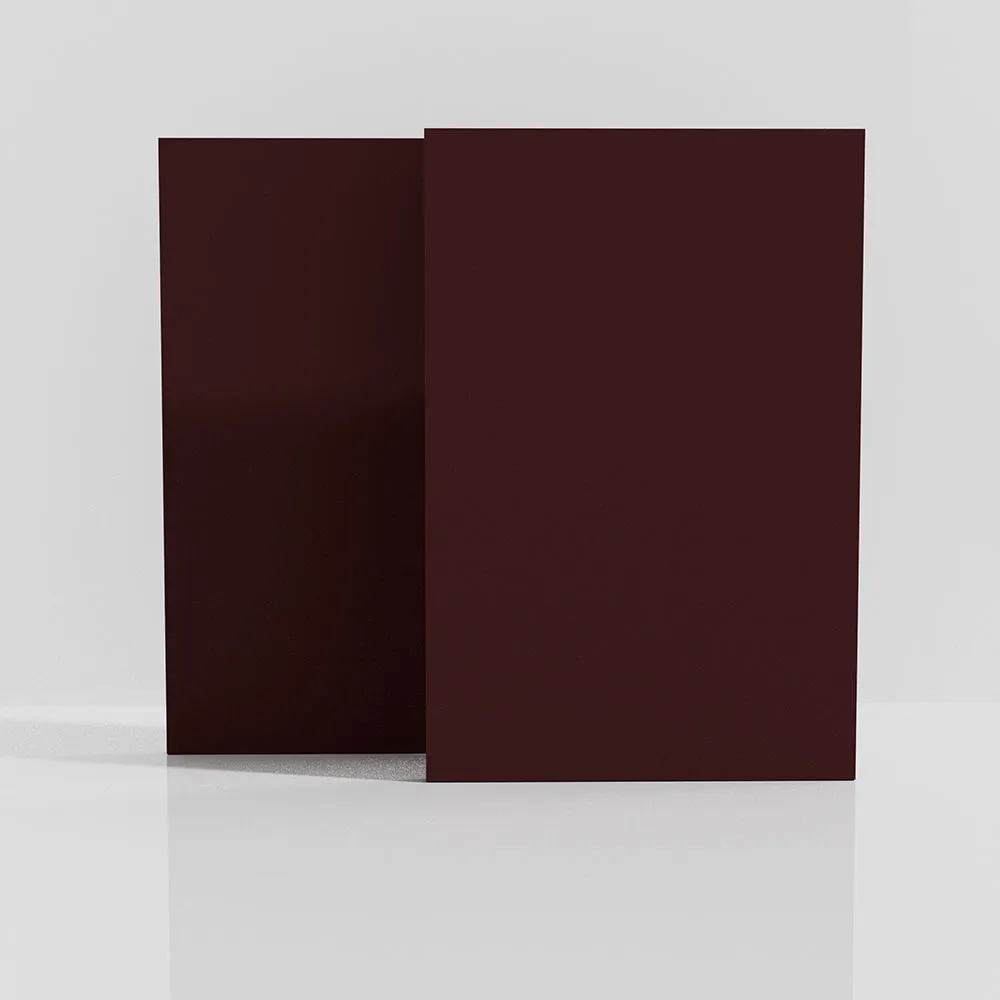
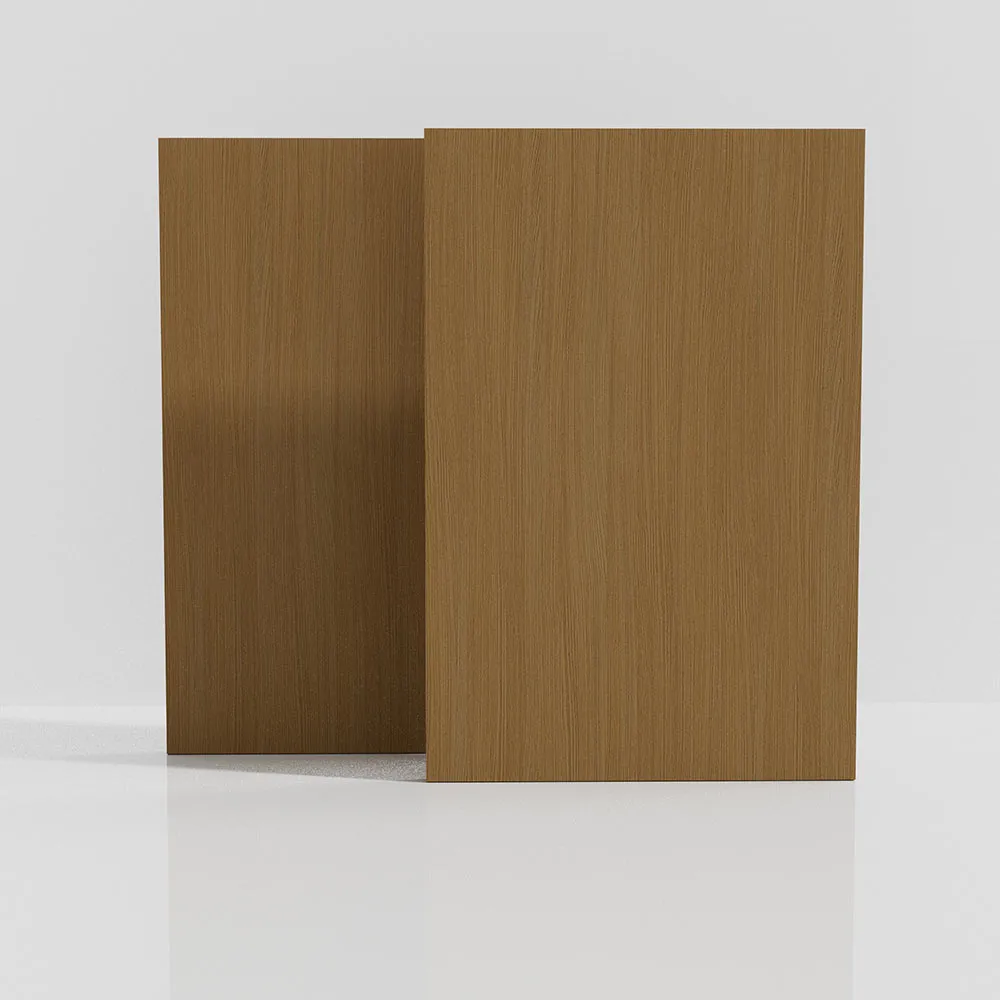
- Aesthetic Flexibility: Available in many colors and finishes, ideal for custom design.
- Emotional Impact: Reflective, bright surfaces enhance spaces and uplift moods—a subtle but real social value.
Future Trends: Innovation in MDF Prices and Sustainability
Eco-innovation continues shaping high gloss MDF prices. Companies are experimenting with water-based UV curing systems that cut energy costs while improving finish durability. Digital printing onto MDF is also advancing, which might slightly raise prices but opens vast customization options.
Automating production further and integrating smarter supply chain management reduces waste and ensures pricing transparency—two things buyers will applaud as sustainability becomes non-negotiable. There's talk about bio-based resins replacing formaldehyde-based adhesives, which could raise prices initially but—with tighter regulations coming—may become standard.
Challenges and How the Industry Is Tackling Them
Despite its many perks, high gloss MDF faces challenges like vulnerability to moisture if not properly sealed, or potential VOC emissions if low-quality resins are used. The price can jump unexpectedly due to resin or pigment shortages. Then there’s transport damage—shiny surfaces are easier to mar during shipping.
Innovative approaches include improved CNC cutting to reduce edge imperfections, enhanced protective films for transport, and better supply chain forecasting models to manage cost spikes. Some vendors offer buy-back or recycling schemes, helping reduce waste and stabilize prices over time.
FAQ: Common Queries About High Gloss MDF Board Price
- What determines the price difference between different high gloss MDF boards?
- The main factors are finish quality, panel thickness, wood fiber grade, resin type, and whether the products hold sustainability certifications. Also, the vendor’s location influences labor and logistics costs.
- How should I interpret the price per sheet in terms of project budgeting?
- Consider not just the board price but additional costs like cutting, edge banding, transport, and installation. For large projects, negotiate bulk discounts and factor in lead times, which can vary and affect costs indirectly.
- Are high gloss MDF boards environmentally friendly despite their coatings?
- Many modern high gloss MDF products use water-based or UV-cured lacquers with low VOC emissions and come from forests certified by FSC or PEFC. It's important to ask vendors about their environmental claims and certifications.
- Can I get samples to verify quality before purchasing?
- Yes, most reputable vendors offer small samples, sometimes with different gloss levels and thicknesses, to help you make informed choices before committing to full orders.
Wrapping Up: Why Knowing High Gloss MDF Board Price Matters Long-Term
To sum it all up, the high gloss MDF board price isn’t just a dollar figure tossed around in procurement meetings. It’s a signal—of material quality, of supply chain health, and of the broader push to balance beauty, durability, and sustainability in modern interiors. For anyone navigating today’s wood-based panel market, understanding these prices means more confident decisions, fewer surprises, and ultimately, more successful projects.
If you want to explore competitive pricing and reliable suppliers, I highly recommend checking out high gloss mdf board price offers from trusted vendors like Tengfei MDF—the industry keeps turning, and being ahead means knowing your specs AND your price.
References
- ISO: Wood-Based Panels Market Report
- World Bank: Environment and Sustainable Materials
- Wikipedia: Medium-density fibreboard