MDF 18mm Board Price: Understanding Value in Modern Wood-Based Panels
When it comes to materials in woodworking, furniture, or construction—Medium Density Fiberboard, or MDF, is pretty much a staple. But the 18mm variant, in particular, carries significance you might not immediately spot unless you’re in the industry or a DIY enthusiast. In this article, we'll explore why the mdf 18mm board price matters on a global scale and what influences this price, so you get a rounded understanding that’s more than just dollars and cents. Frankly, knowing these details can help businesses optimize costs, improve project quality, and promote sustainable sourcing.
Introduction: Global Context Behind MDF 18mm Board Pricing
Wood-based panels, including MDF, dominate the global interior design and construction markets due to their cost efficiency and versatility. According to data from the ISO standards on wood-based panels, the production and trade of MDF boards have seen steady growth worldwide, particularly in Asia-Pacific and Europe. However, fluctuating raw material costs and international logistics challenges have introduced volatility in MDF prices. Managing the mdf 18mm board price effectively becomes a core challenge for contractors and manufacturers alike — especially with sustainability concerns linked to deforestation and carbon footprints.
Here’s the issue: MDF must balance affordability with quality, durability, and environmental impact in a competitive global market. Keeping price points stable, while ensuring the board meets all standards, is not trivial.
Defining MDF 18mm Board Price
In essence, "mdf 18mm board price" refers to the cost per unit (often per square meter or sheet) of medium density fiberboard that is 18 millimeters thick. MDF is engineered from wood fibers glued under heat and pressure, offering a smooth, sturdy, and uniform panel that’s perfect for cabinetry, shelving, and interior partitions.
The thickness, 18mm, is favored because it strikes a nice middle ground between structural strength and weight. Its pricing can be influenced by raw material quality, production methods, regional supply chains, and even import tariffs — so it’s not just about the wood fiber inside but the whole ecosystem around it.
Key Factors Influencing CNC MDF 18mm Board Price
1. Raw Material Quality and Source
The type of wood fiber used and its origin significantly impact the price. Sustainable plantations might increase costs but offer environmental advantages—a tradeoff many modern consumers demand.
2. Manufacturing Process and Adhesives
Some MDF uses formaldehyde-based resins, others opt for eco-friendlier alternatives. The choice affects both cost and compliance with environmental regulations.
3. Market Demand and Supply Chains
Global shipping issues can cause price spikes—as seen during pandemic-related disturbances. Plus, demand rises seasonally or with booming real estate markets.
4. Thickness and Dimensions
18mm thickness is somewhat mid-tier, so pricing differs when comparing to, say, 12mm or 25mm boards, which vary in applications and demand.
5. Finishing and Treatment
Boards with pre-laminated surfaces or moisture resistance cost more but are essential for certain environments.
Product Specifications for Typical 18mm MDF Board
| Specification |
Typical Value |
Notes |
| Thickness |
18 mm |
Standard panel thickness |
| Density |
640 - 700 kg/m³ |
Medium density range |
| Moisture Content |
6-8% |
Standard for indoor use |
| Formaldehyde Emission |
E1 or lower |
Safe for residential use |
| Dimensions (L x W) |
2440mm x 1220mm |
Typical sheet size |
Mini takeaway: Thickness, density, moisture content, and emissions are key technical specs that shape the price and suitability of 18mm MDF boards.
Global Applications & Use Cases
The versatility of an 18mm MDF board means you’ll find it in diverse settings around the world:
- Furniture manufacturing: Used widely in cabinet doors, office desks, and shelving—especially in Europe and Asia where cost-effective, smooth panels are required.
- Interior paneling: From hotels in the Middle East to residential construction in North America, the board’s stability and finish allow for customizable designs.
- Packaging and displays: Retail sectors globally utilize MDF for sturdy displays and point-of-sale stands.
- DIY projects: Home renovation markets across Australia and New Zealand prize 18mm MDF for ease of cutting and finishing.
In post-disaster reconstruction efforts, such as in Southeast Asia after typhoons, quick and affordable materials like MDF boards often form the backbone of temporary housing and community centers. This practical use underscores the importance of understanding mdf 18mm board price to optimize relief budgets.
Vendor Comparison: Popular 18mm MDF Board Suppliers
| Vendor |
Price / m² (USD) |
Emission Class |
Sustainability Certification |
Region |
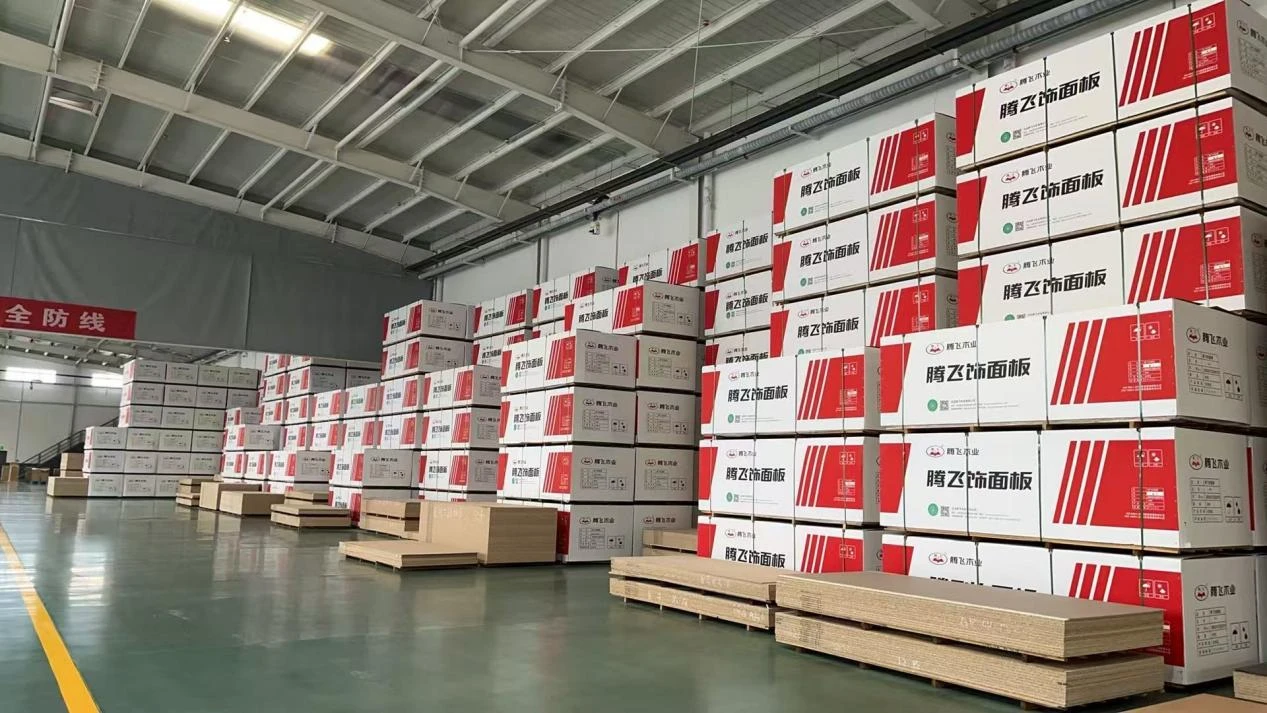
| Tengfei MDF |
$12.50 |
E1 |
FSC Certified |
China |
| GreenWood Panels |
$14.00 |
E0 |
PEFC Certified |
Europe |
| EcoFiber Boards |
$13.00 |
E1 |
SFI Certified |
North America |
Advantages & Long-Term Value
The true worth of understanding the mdf 18mm board price lies in recognizing its advantages beyond the mere cost. Here’s what I find are the core benefits:
- Cost efficiency: MDF 18mm often provides a cheaper alternative to solid wood, with consistent quality—helping optimize project budgets.
- Sustainability: When sourced responsibly, MDF supports forest management and reduces wood waste by utilizing residual fibers.
- Design flexibility: Its smooth surface finishes beautifully with veneers, paints, or laminates, delivering aesthetically pleasing results.
- Reliability and durability: Adequate thickness ensures strength for load-bearing but lightweight enough for ease of handling, especially in cabinetry.
Emotionally, stable and sustainable products like MDF contribute to feeling secure in living and working spaces—and, oddly enough, create an understated trust in the environment’s future.
Future Trends & Innovations in MDF 18mm Board Pricing
Looking ahead, the industry is turning sharply toward greener adhesives, reduced emissions, and digital sourcing efficiencies. Advances in automated production lines will likely reduce human error and drive prices down. Moreover, emerging bio-based resins could replace formaldehyde, potentially altering cost dynamics.
“Smart boards” with embedded sensors for humidity or structural health might become a reality but at a premium initially. Also, circular economy initiatives focusing on recycled MDF could affect raw material pricing and even open new markets, marrying technology with sustainability.
Challenges & Solutions in Managing MDF 18mm Board Costs
Not everything is sunshine here. Price fluctuations due to raw material shortages or logistics cause headaches. Plus, some cheap MDF products compromise quality or emit harmful VOCs — raising health and environmental flags.
Solutions include:
- Choosing suppliers with transparent sourcing and environmental certifications.
- Investing in long-term partnership contracts to stabilize prices.
- Monitoring market trends and raw material indexes closely.
- Adopting innovative adhesives that comply with tighter environmental regulations.
Frequently Asked Questions About MDF 18mm Board Price
- What factors most influence the price of 18mm MDF boards?
- The raw material quality, type of adhesive used, market demand, and supply chain logistics are the prime factors impacting MDF prices. Environmental certifications and finishing treatments also play roles.
- Is a lower-priced MDF board always the best choice?
- Not necessarily. Cheaper boards may compromise on density, formaldehyde emissions, and durability. It’s essential to balance price with quality and environmental safety standards.
- Where can I find sustainable 18mm MDF boards?
- Look for FSC, PEFC, or SFI certifications from suppliers like Tengfei MDF or GreenWood Panels, which ensure responsible forest management and eco-friendly production.
- How does thickness affect the MDF board price?
- Thicker boards generally cost more due to additional raw materials and processing. The 18mm thickness is popular because it balances strength and affordability.
Conclusion
Understanding the mdf 18mm board price isn’t just a matter of crunching numbers—it’s about appreciating what underpins those numbers: raw materials, production tech, environmental impact, and market forces. Knowing these intricacies supports smarter purchasing and plays into broader sustainability efforts.
If you want to dive deeper or explore current pricing and product options, I suggest you visit our website. We keep tabs on the evolving landscape so you don't have to.
Final thought: MDF 18mm panels are quietly powering design and construction worldwide—the more you know about their pricing, the better placed you are for success.
References
- ISO 16895: Wood-based panels — Terminology and classification
- Wikipedia: Medium-density fibreboard
- Forest Stewardship Council (FSC)