Add: No.8 Xinxing Street, North Zone, Zhengding High-tech Industrial Development Zone, Hebei, China
CONTACT US
+8615030171059


CONTACT US
+8615030171059
If you’ve watched the contract interiors market lately, you’ll know the walnut revival hasn’t fizzled out—designers still want warm, low-sheen grains that photograph beautifully and wear well in daily use. That’s where Atalanta Walnut D has been sneaking into specs. It’s a melamine-faced MDF decor board that aims to balance price, consistency, and that “real wood without the drama” vibe. To be honest, that’s a tricky trifecta.
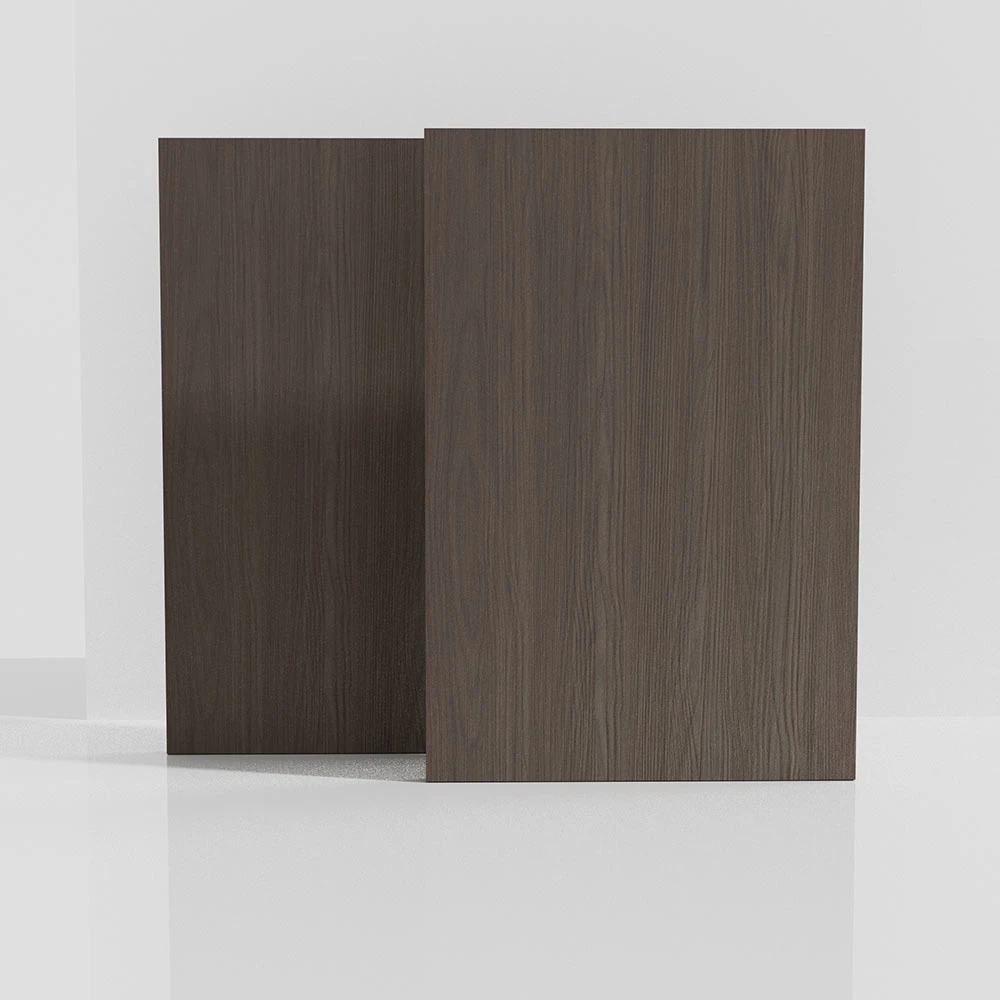
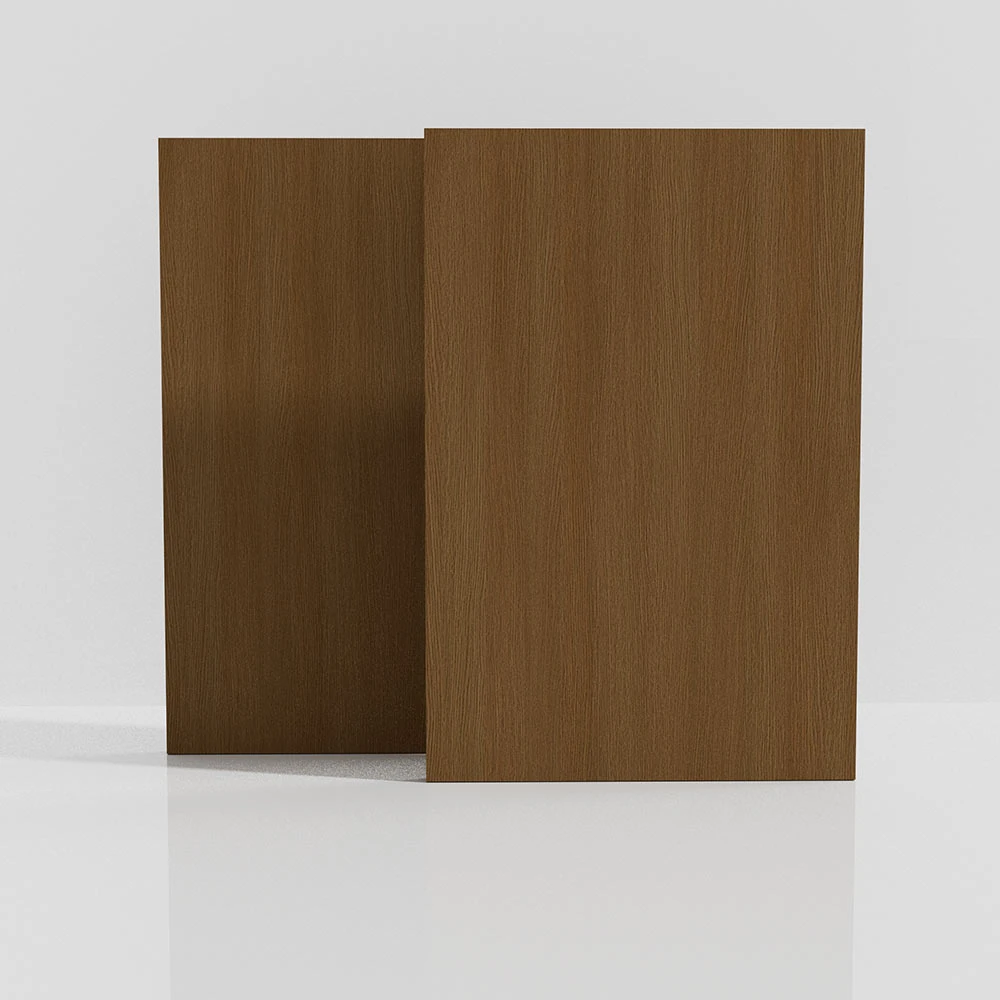
Atalanta Walnut D is produced in Hebei, China (No.8 Xinxing Street, North Zone, Zhengding High-tech Industrial Development Zone). The core is engineered MDF with a walnut D decor—subtle cathedrals, pared-back sap contrast, matte finish. It’s the sort of board shopfitters like because sheets look consistent under retail lighting, which, as many customers say, saves time on sorting and matching.
| Parameter | Typical value (≈, real-world use may vary) |
|---|---|
| Core material / Density | MDF, ≈ 730 kg/m³ |
| Thickness range | 5–25 mm (common: 9, 12, 16, 18 mm) |
| Sheet sizes | 1220×2440 mm; 1830×2750 mm on request |
| Surface / Gloss | Melamine decor, synchronized walnut grain, ≈ 6–10 GU matte |
| Formaldehyde emissions | E1 (EN 717-1 ≤0.124 mg/m³); CARB Phase 2 / EPA TSCA Title VI compliant |
| Moisture swelling (24 h, EN 317) | ≤ 10% |
| Surface wear (EN 14323) | ≥ 350 cycles (furniture-grade) |
| Fire performance | ASTM E84 Class B; Class A available with FR core |
| Expected service life | ≈ 10–15 years interior duty |
Atalanta Walnut D shows up in hospitality millwork, retail wall systems, residential cabinets, office storage, even elevator lobbies (non-traffic panels). The advantage? Visual consistency, quicker machining than veneer, and pricing that—actually—lets you roll the look across large footprints without cost shocks. Installers say edges route cleanly at 18 mm with sharp carbide; I’d still pretest for chip-out on 12 mm if you’re pushing feed rates.
Options include thickness, MR/FR cores, backer balance, matched ABS/PVC edge banding (0.5–2.0 mm), and CNC pre-nesting. Lead times vary by batch size; around 12–20 days is typical once decor stock is in.
| Vendor/Panel | Price tier | Lead time | Emissions class | Customization |
|---|---|---|---|---|
| Atalanta Walnut D (Hebei) | Mid | ≈ 2–3 weeks | E1; CARB/TSCA-ready | High (size, core, edging) |
| Local generic walnut decor | Low–Mid | Fast (stock) | E1 | Moderate |
| Premium import (EU) | High | 4–6 weeks | E0/E1, FSC options | High |
Look for test reports referencing EN 717-1 (emissions), EN 14323 (surface qualities), EN 13986 (construction use), and, where required, ASTM E84. FSC/PEFC chain-of-custody can be arranged subject to stock—ask for the certificate code. As always, verify batch-specific data before a large roll-out.
A 72-key boutique spec’d Atalanta Walnut D for corridor wainscots and room headboard panels. Installer opted for 16 mm MR core, matte finish, and pre-matched 1 mm ABS edging. Outcome? Clean seams, consistent tone down a 20 m run. No touch-ups post handover—surprisingly rare.
Note: Data above reflects typical production; on-site results vary with handling, climate, and finishing choices.
Tengfei Platinum EB Particle Panels - Matte Black
Tengfei Platinum EB Particle High-Gloss Panels - Pure white
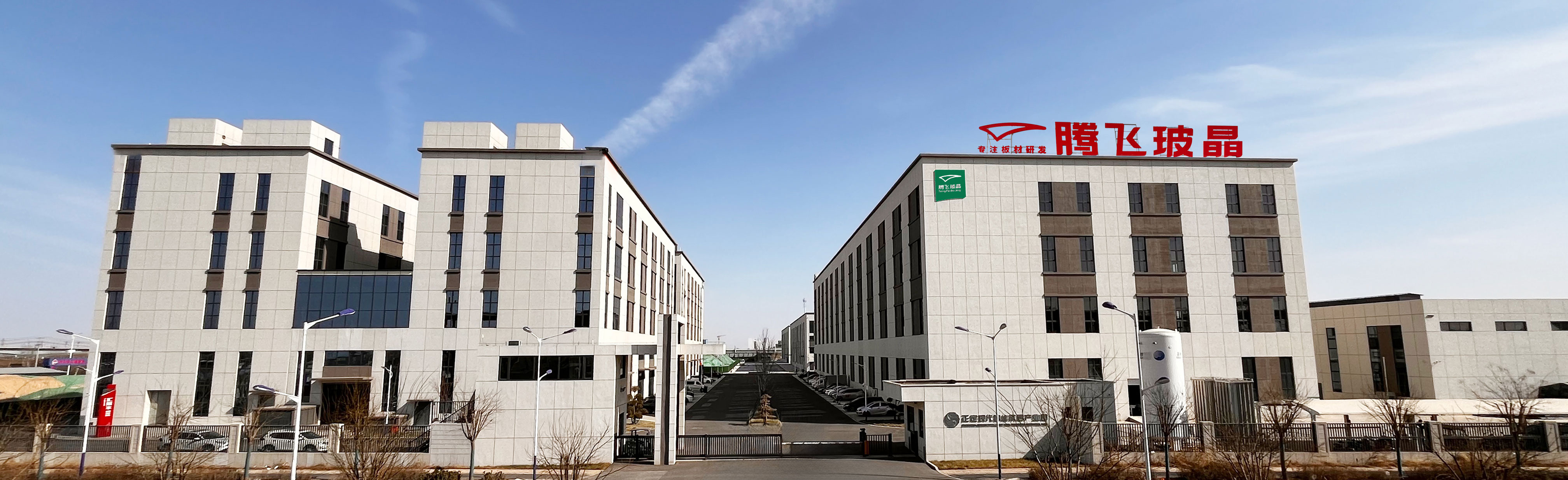
To provide reliable solutions through quality products!