Add: No.8 Xinxing Street, North Zone, Zhengding High-tech Industrial Development Zone, Hebei, China
CONTACT US
+8615030171059


CONTACT US
+8615030171059
I’ve been around polyurethane components long enough to know the spec sheet never tells the whole story. With PU767, the headline is durability—yet the subtext is smarter sourcing and tighter QC. The product comes out of No.8 Xinxing Street, North Zone, Zhengding High-tech Industrial Development Zone, Hebei, China, which, to be honest, has quietly become a polyurethane cluster. Actually, that matters for lead times and consistency more than most buyers expect.
In broad strokes, PU767 is a polyurethane-based, wear-resistant part used across conveying, sealing, damping, and protective interfaces. The trend? Plants are swapping brittle plastics for resilient PU to cut downtime. Many customers say they’re chasing “predictable” service life rather than theoretical max hardness. It seems that’s where this SKU has been positioned—balanced toughness, sane pricing, and decent customization.
| Model | PU767 |
| Polymer system | Cast polyurethane (ether-based) ≈ abrasion-focused |
| Hardness | Shore A 85 ±3 (ASTM D2240 / ISO 868) |
| Density | ≈ 1.20 g/cm³ |
| Abrasion (Taber) | 60–90 mg loss / 1000 cycles, CS-10, 1 kg (ASTM D4060) |
| Temperature range | -30°C to +90°C continuous; short peaks to 110°C |
| Chemical resistance | Good vs. oils, fuels, mild acids/alkalis; avoid strong oxidizers |
| Service life | ≈ 3–5 years heavy-duty; 5–8 years moderate duty |
| Certs & compliance | ISO 9001 factory; RoHS/REACH materials declaration |
Materials: ether-based PU prepolymer, chain extender, curatives; release agents. Methods: degassed casting, controlled cure schedule, optional hot-post-cure. Machining: trimming, profiling, surface finishing (Ra ≈ 1.6–3.2 μm). Testing: hardness (ASTM D2240), abrasion (ASTM D4060), tensile/elongation (ASTM D412), adhesion where bonded (ASTM D903). Batch traceability and retained samples—at least that’s what the better plants do; I asked.
| Vendor | Lead time | Certs | Customization | Notes |
|---|---|---|---|---|
| Factory (Hebei, China) | 7–15 days | ISO 9001, RoHS/REACH declaration | Cut-size, colors, bonding | Direct tech feedback; better traceability |
| Regional distributor | Stock to 5 days | Varies | Limited | Fast, but fewer custom options |
| Import aggregator | 3–6 weeks | Mixed | On request | Cost-effective at large MOQs |
Furniture plant, Jiangsu: swapped UHMW-PE wear strips for PU767; changeover interval moved from 5 to 11 weeks, Taber wear recorded ≈72 mg/1000 cycles. Line downtime reduced 18% quarter-on-quarter.
3PL conveyor hub, Europe: used PU767 bumpers on merge points; noise down ≈3 dB(A), part survivability through winter cold snaps improved (no embrittlement cracks observed).
“Not the hardest PU we’ve tried, but it takes abuse without crumbling,” one maintenance lead told me. Another mentioned the lot-to-lot color consistency was “boringly reliable,” which—oddly—matters when you run visual inspections.
Tested against ASTM D2240 (hardness), ASTM D4060 (abrasion), ASTM D412 (tensile), and, where bonded, ASTM D903 (peel). Material declarations aligned to EU REACH and RoHS. Always ask for batch COA and, if you can, third-party lab data.
Authoritative citations
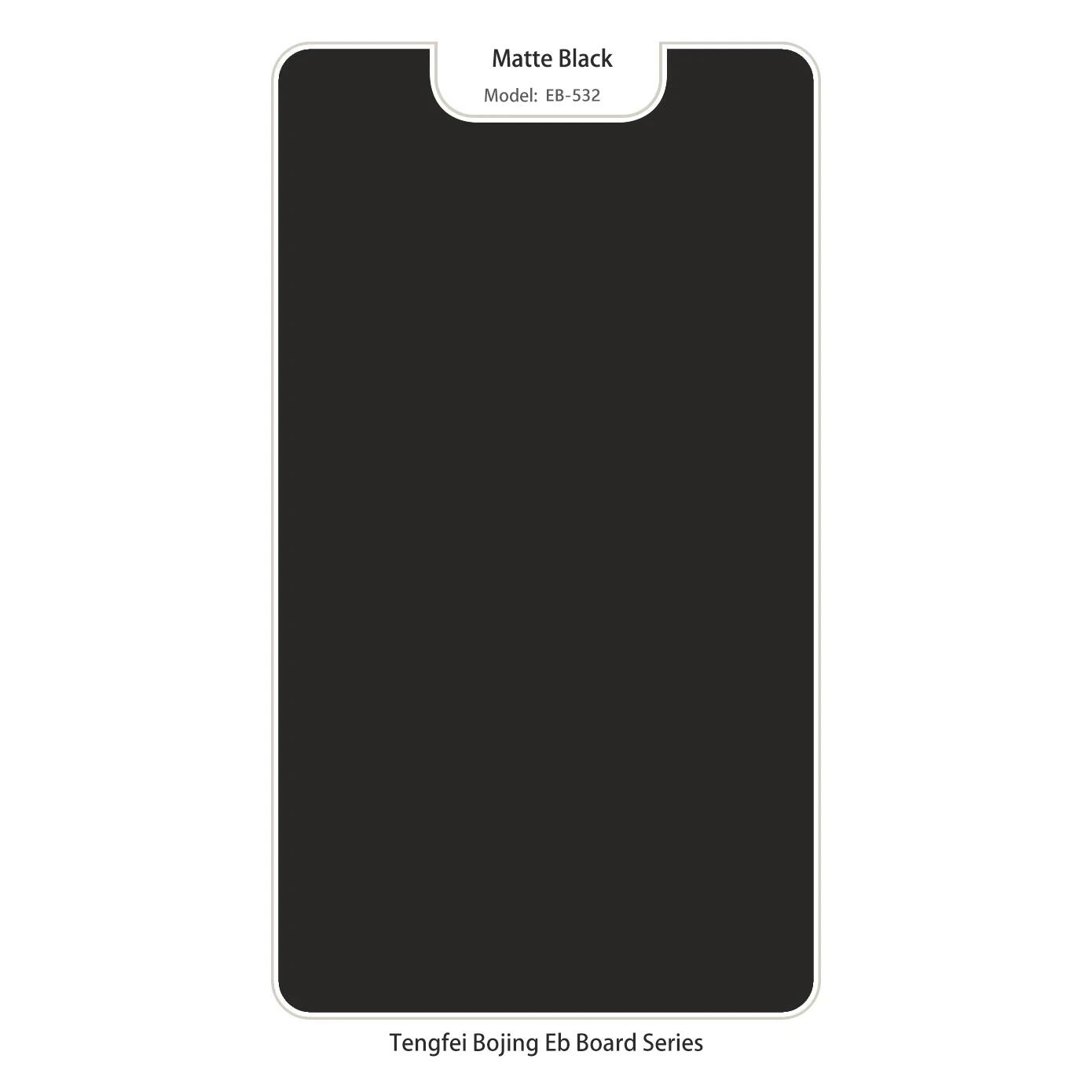
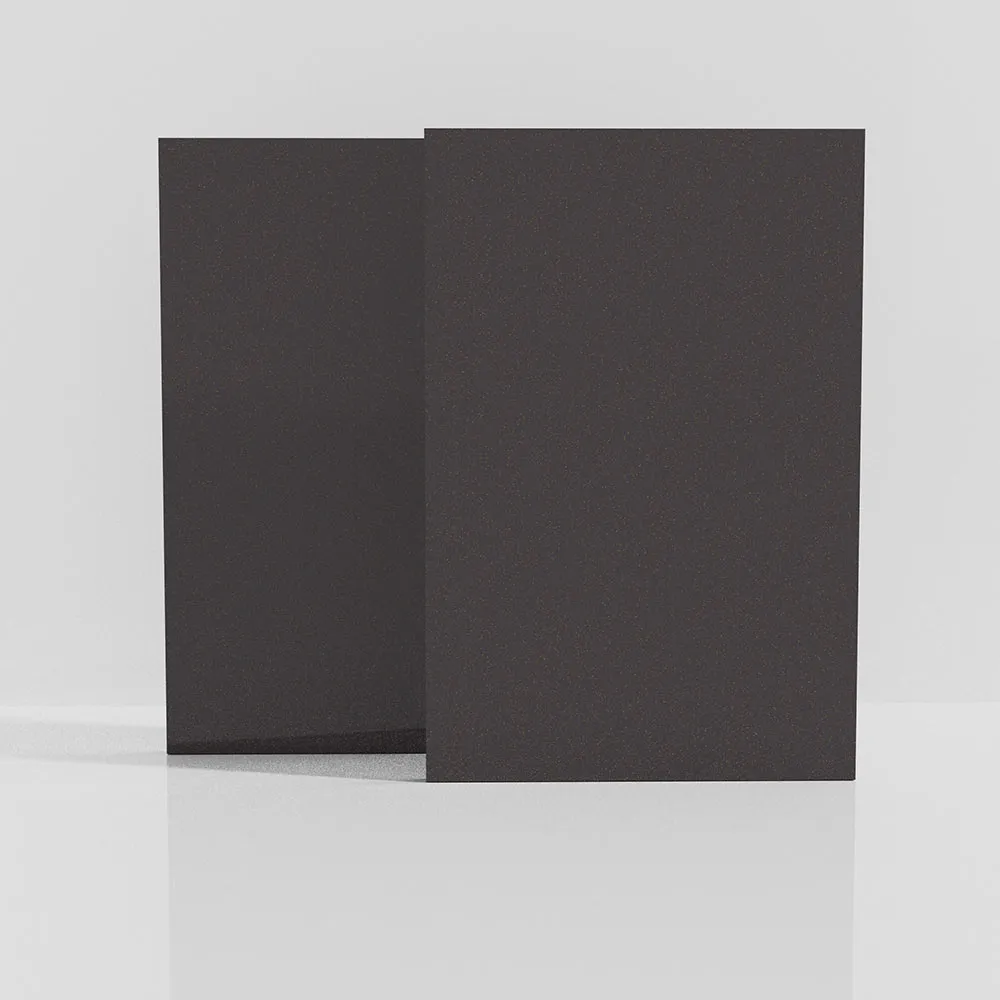
Tengfei Platinum EB Particle Panels - Matte Black
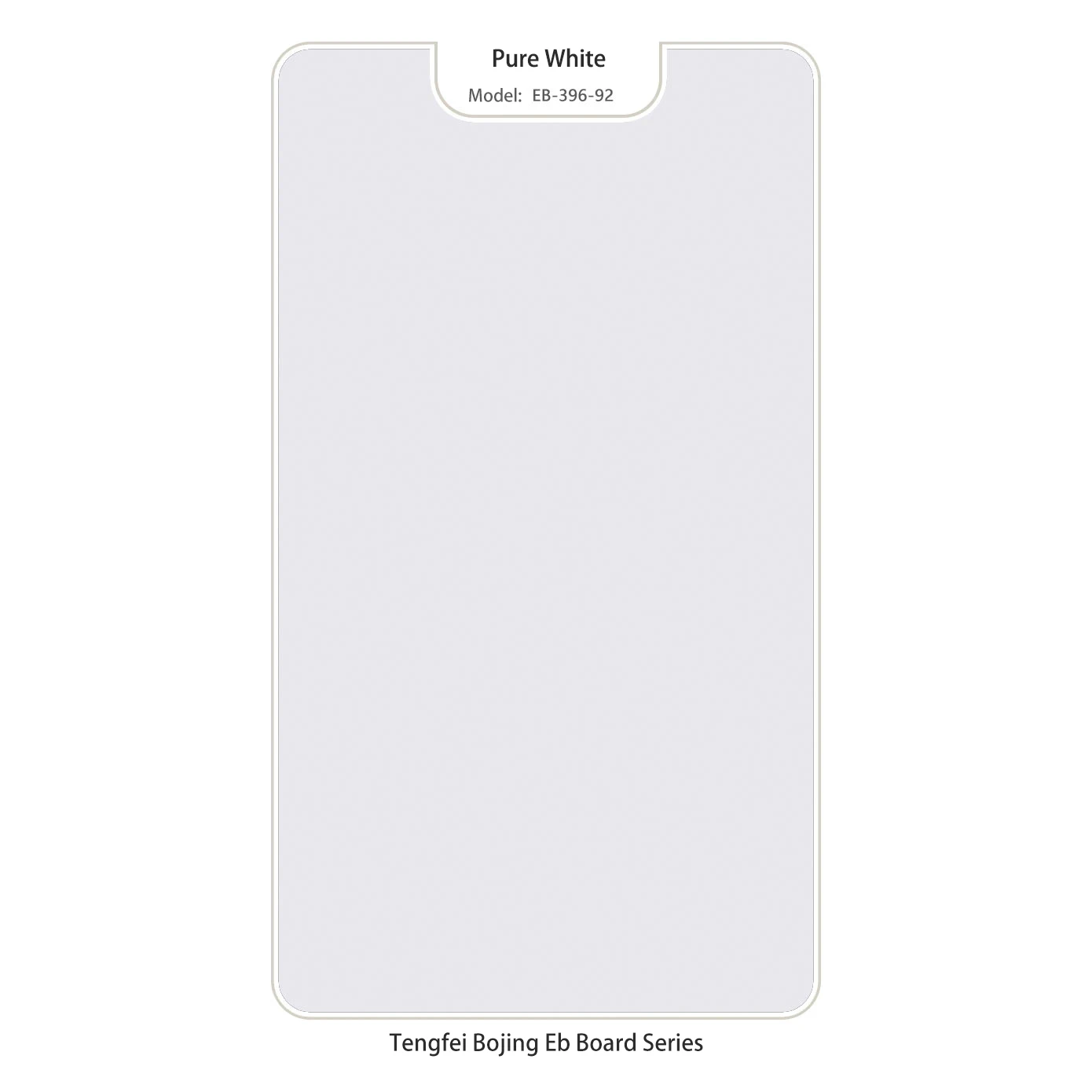
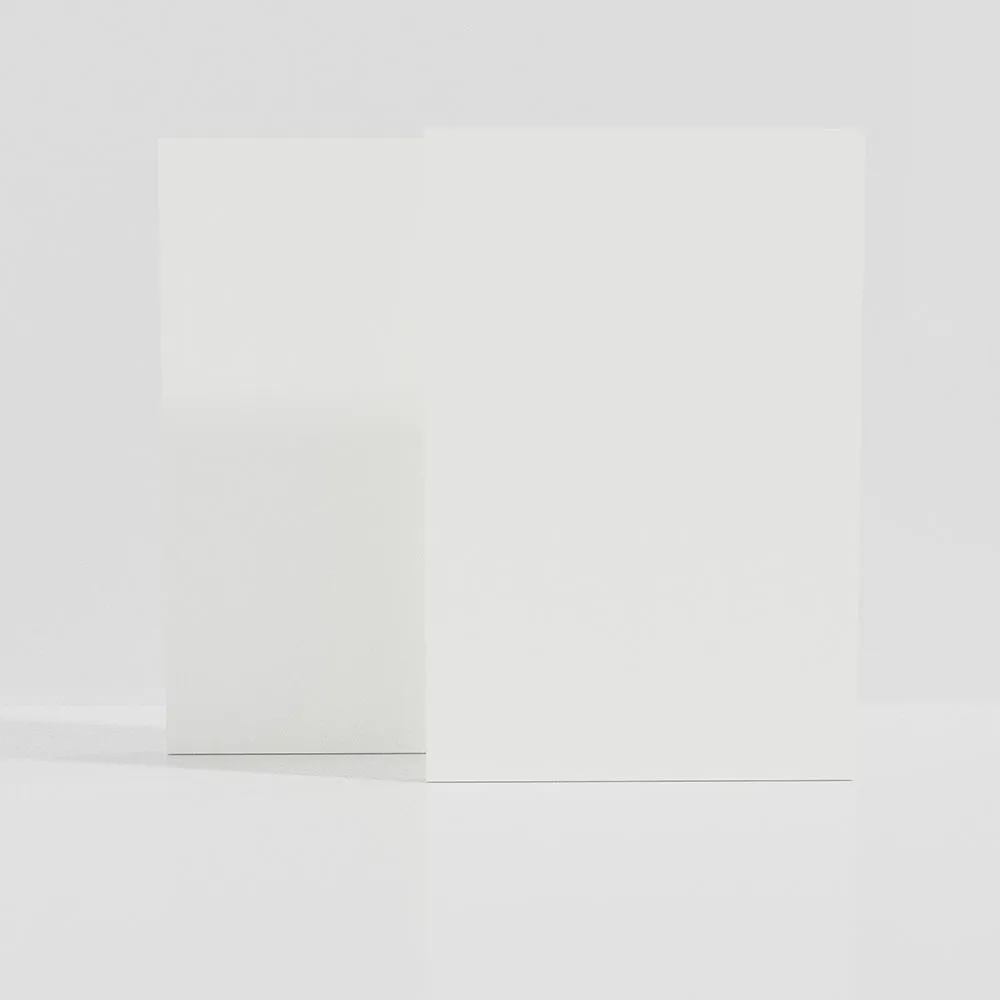
Tengfei Platinum EB Particle High-Gloss Panels - Pure white
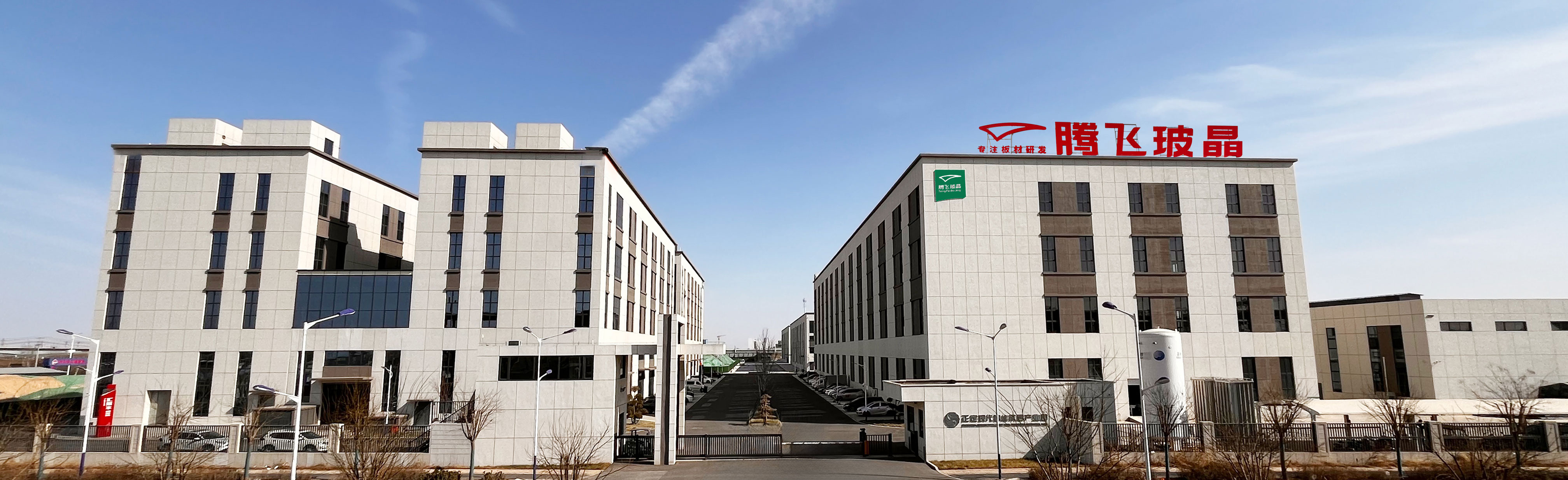
To provide reliable solutions through quality products!