Add: No.8 Xinxing Street, North Zone, Zhengding High-tech Industrial Development Zone, Hebei, China
CONTACT US
+8615030171059


CONTACT US
+8615030171059
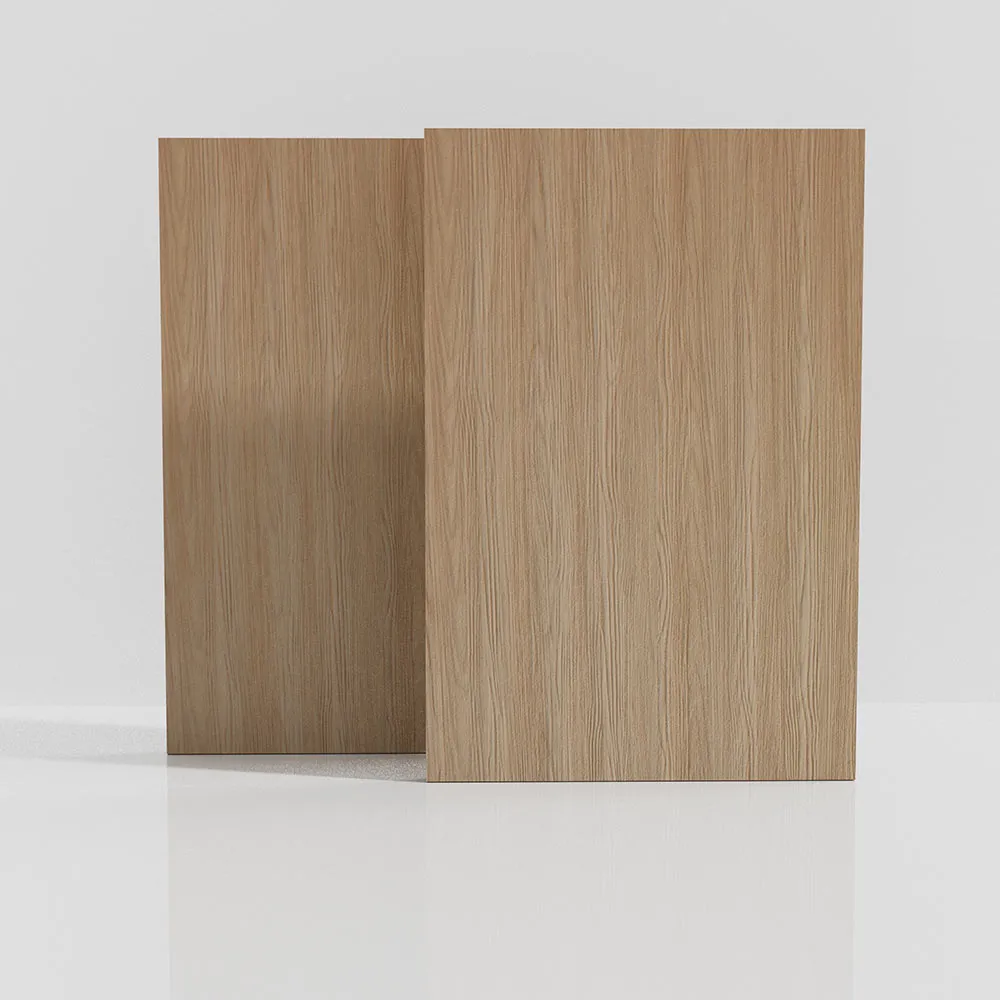
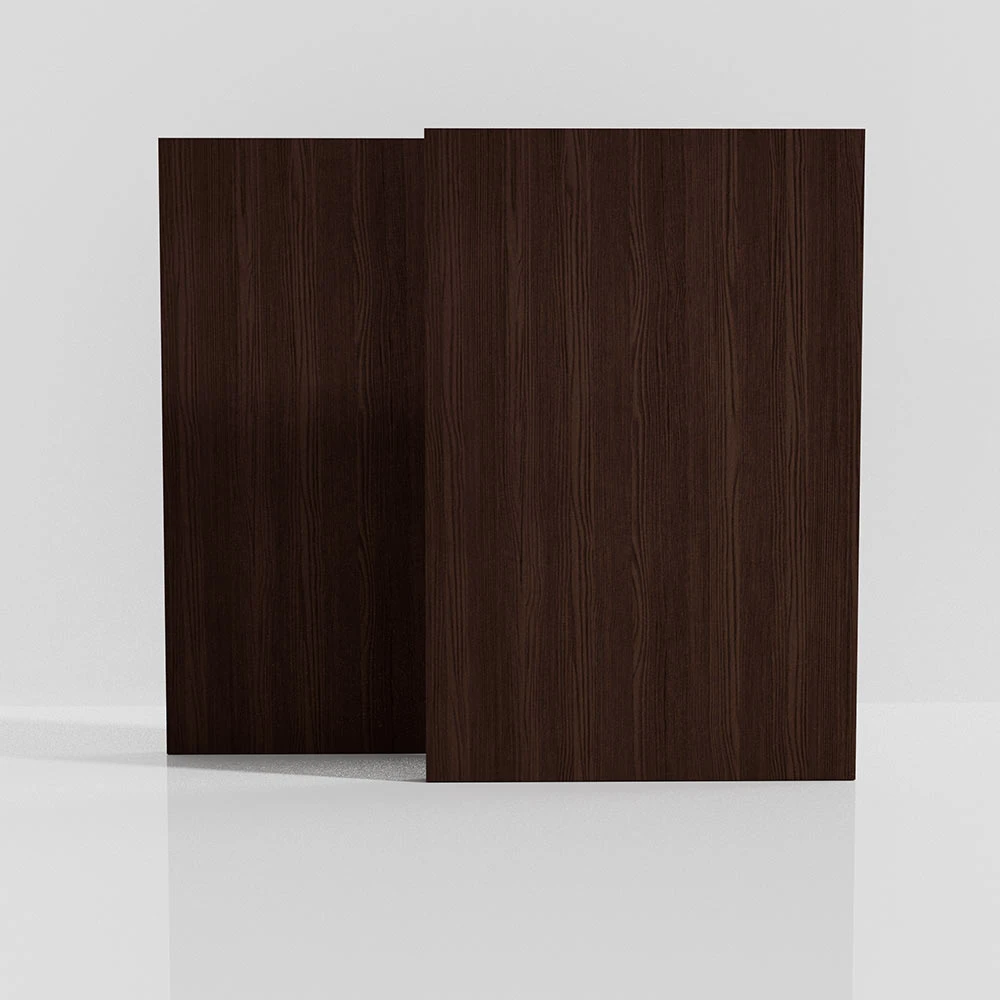
If you work in interiors or shopfitting, you’ve probably noticed a shift: warm, honest oaks are back. Not the orange-tinted ones—clean-grained, contemporary, and easy to pair with stone and soft metals. That’s where Primary Color Oak 001 has been quietly winning specs in cafés, co-working floors, and, yes, surprisingly, rental kitchens that need to last.
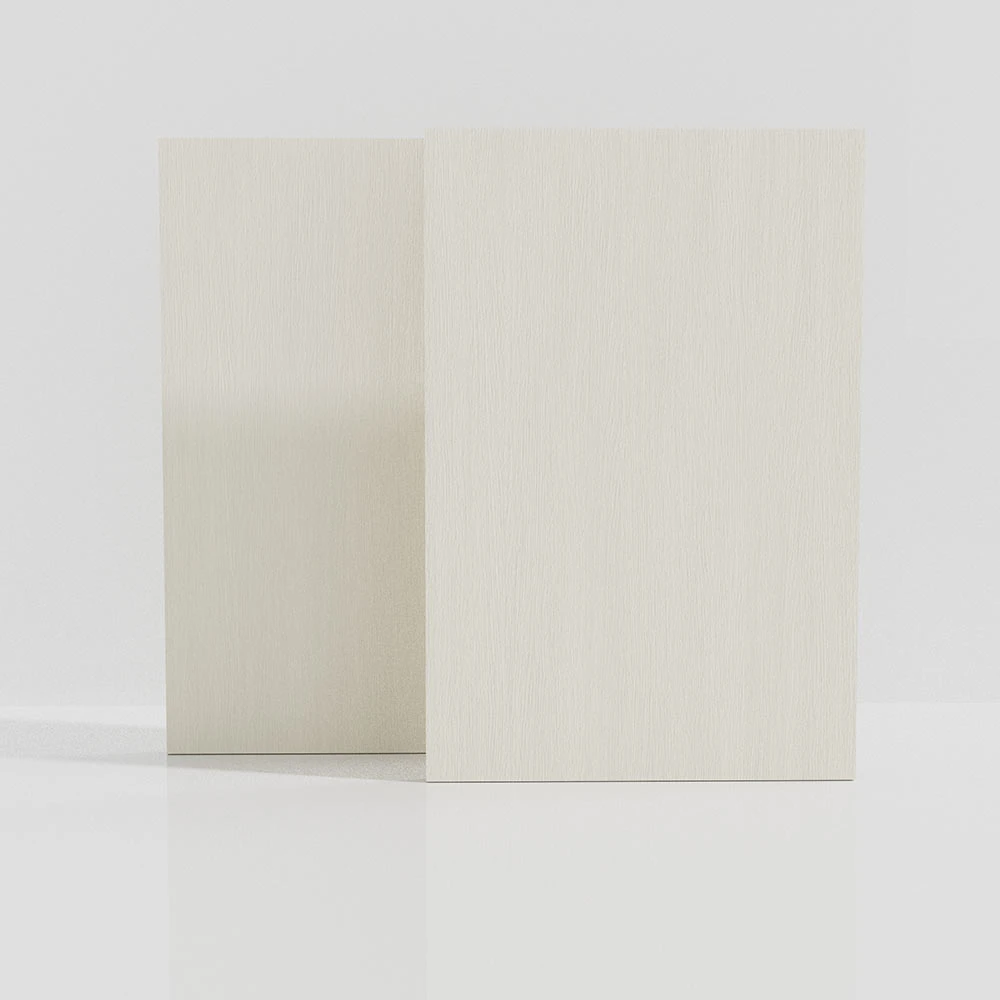
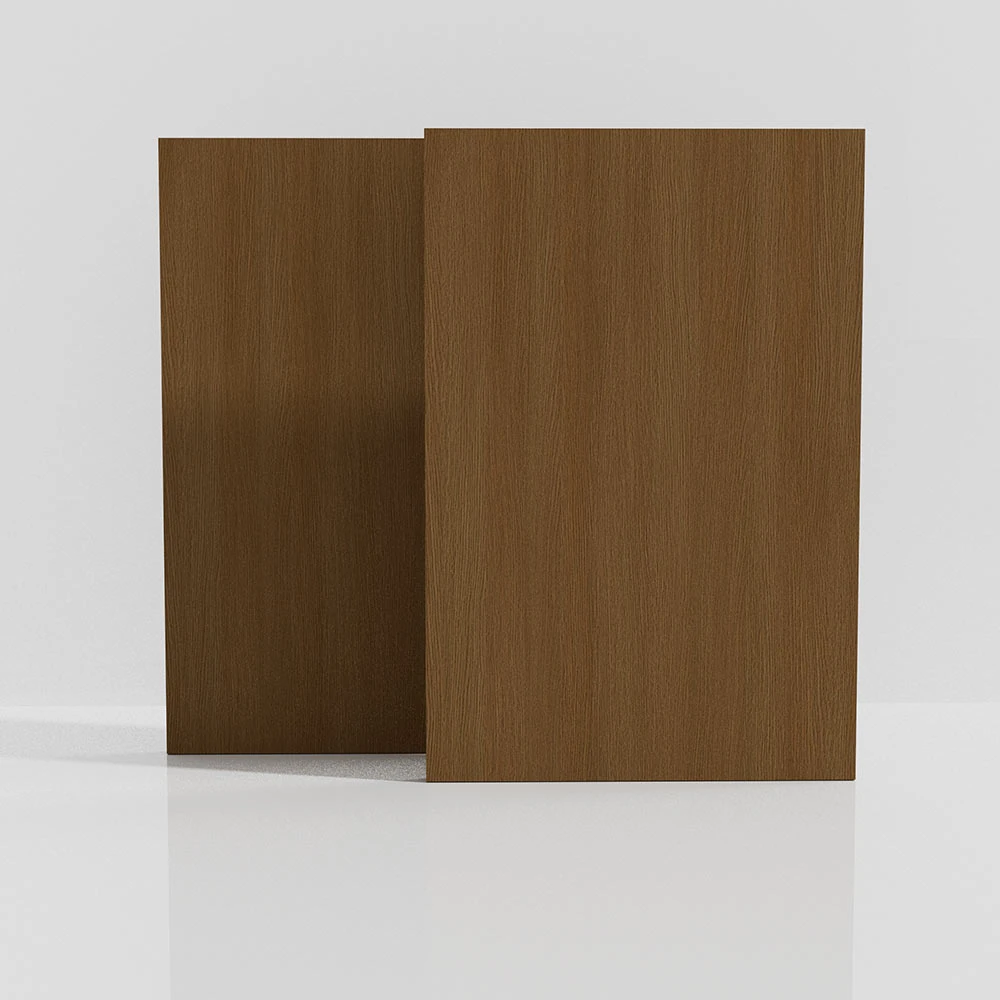
Primary Color Oak 001 is an engineered decorative board: oak-tone decor layer on a stable MDF core, finished with an electron-beam–cured (EBC) surface. That EBC top keeps the feel matte and tactile (low-gloss ≈ 6–10 GU at 60°) while resisting stains and micro-scratches. The wood print is calibrated for neutral undertones—less yellow, more “gallery oak.” In person, it reads calm, which is harder to pull off than it sounds.
| Thickness options | 8, 12, 16, 18, 25 mm (custom on request) |
| Sheet size | 1220×2440 mm standard; larger panels ≈ 1830×2750 mm on inquiry |
| Surface gloss | Matt, 6–10 GU @60° (≈) |
| Abrasion | EN 438-2 IP ≥ 150 (typical lab data) |
| Formaldehyde | E1; CARB P2 / EPA TSCA Title VI compliant |
| Origin | No.8 Xinxing Street, North Zone, Zhengding High-tech Industrial Development Zone, Hebei, China |
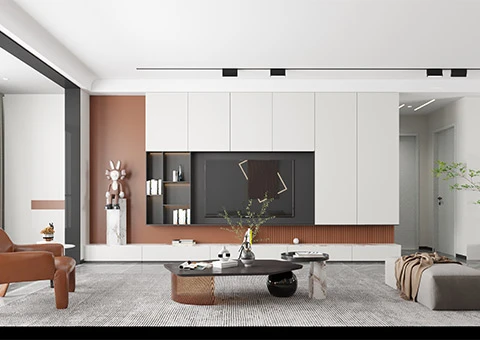
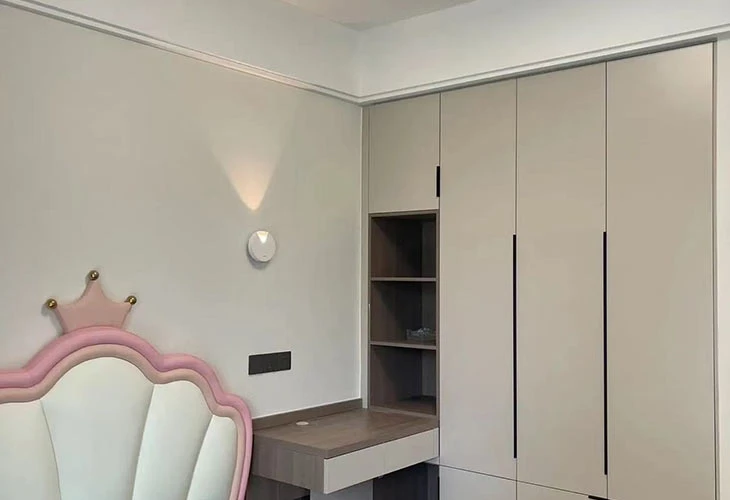
Use Primary Color Oak 001 in kitchen carcasses and fronts (with matching edge), retail fixtures, hotel headboards, café counters, and—my favorite—acoustic baffles where the matte oak read cuts glare. Installers tell me edges machine cleanly on a fresh 2+1 compression tool; feeds around 6–8 m/min work nicely.
| Vendor | Surface tech | Emission class | Lead time | Notes |
| Primary Color Oak 001 (Tengfei EB MDF) | E-beam cured matte | E1 / CARB P2 | ≈ 2–4 weeks | Consistent tone; good scratch resistance |
| Local Laminator A | PU rollcoat, low gloss | E1 | 1–2 weeks | Faster, but color drift between batches |
| Import Brand B | UV lacquer | E1 / TSCA VI | 4–6 weeks | Excellent scratch, higher cost ≈ +12–18% |
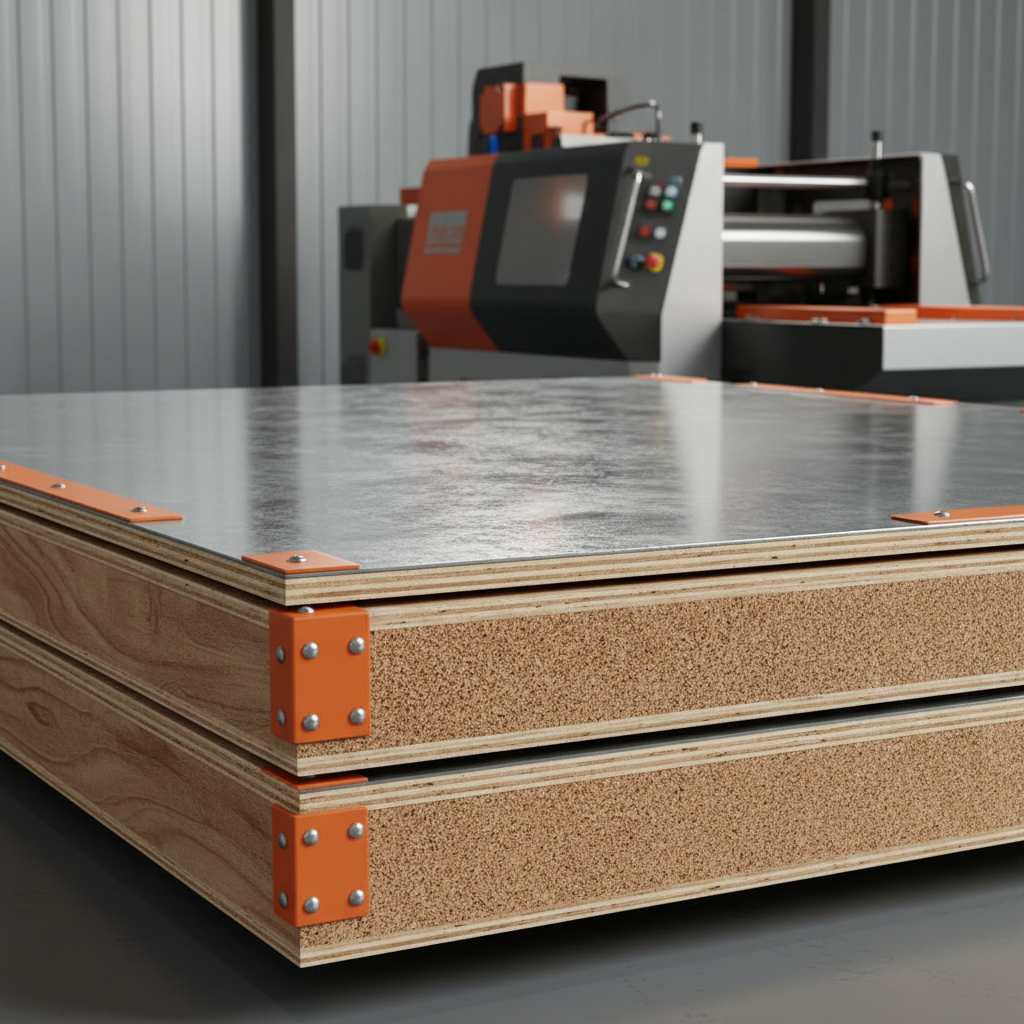
You can spec Primary Color Oak 001 with matching 0.6/1 mm ABS edge, alternative cores (moisture-resistant MDF for wet-area cabinetry), and cut-to-size. Palletization is tidy; corner guards actually arrive intact—sounds trivial until it’s not.
EN 622-5 for MDF substrate, EN 717-1 for emissions, EN 12720 for stain resistance, EN 438-2 for surface durability proxies, plus CARB Phase 2 / EPA TSCA Title VI. FSC sourcing is available on project request, which many customers now expect.
References
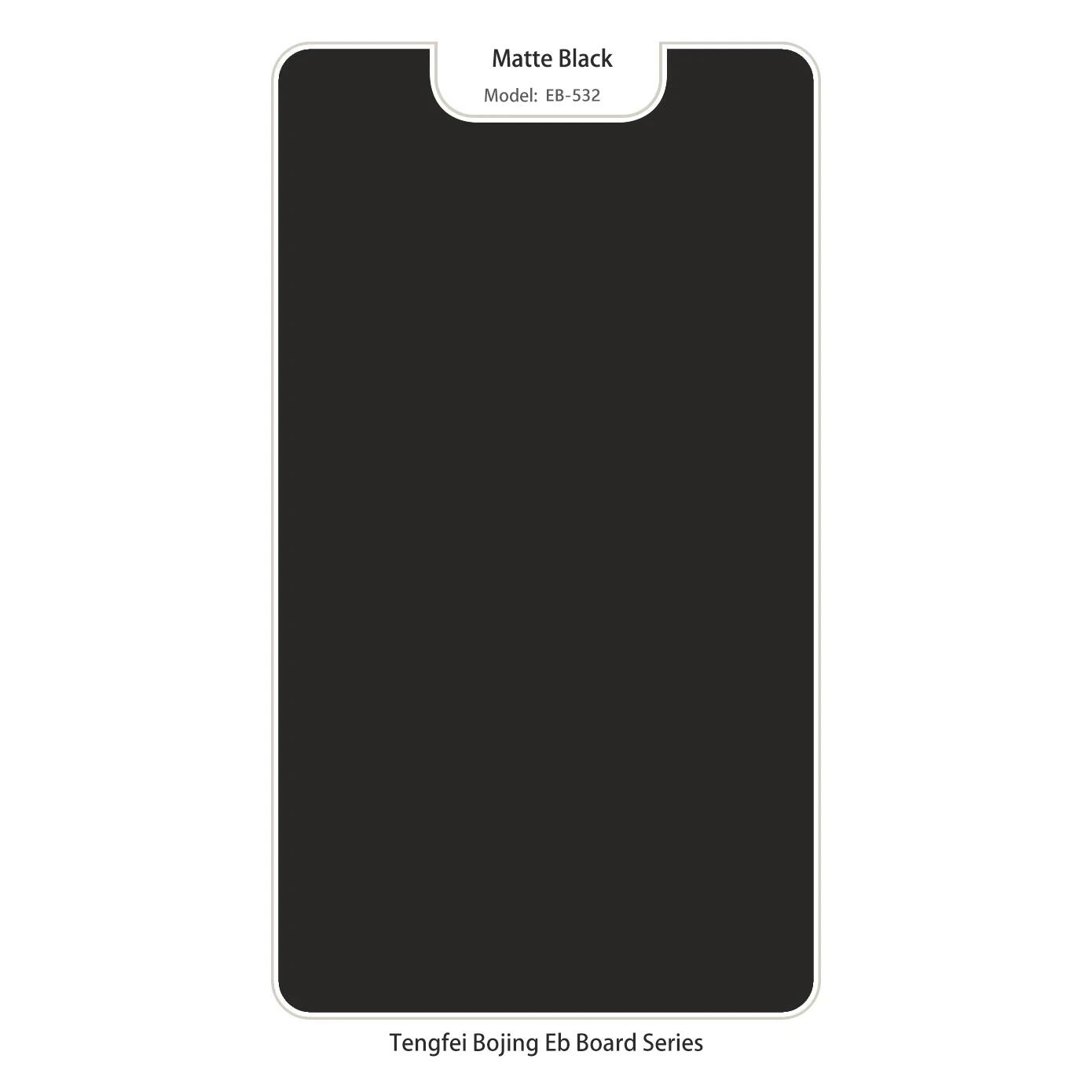
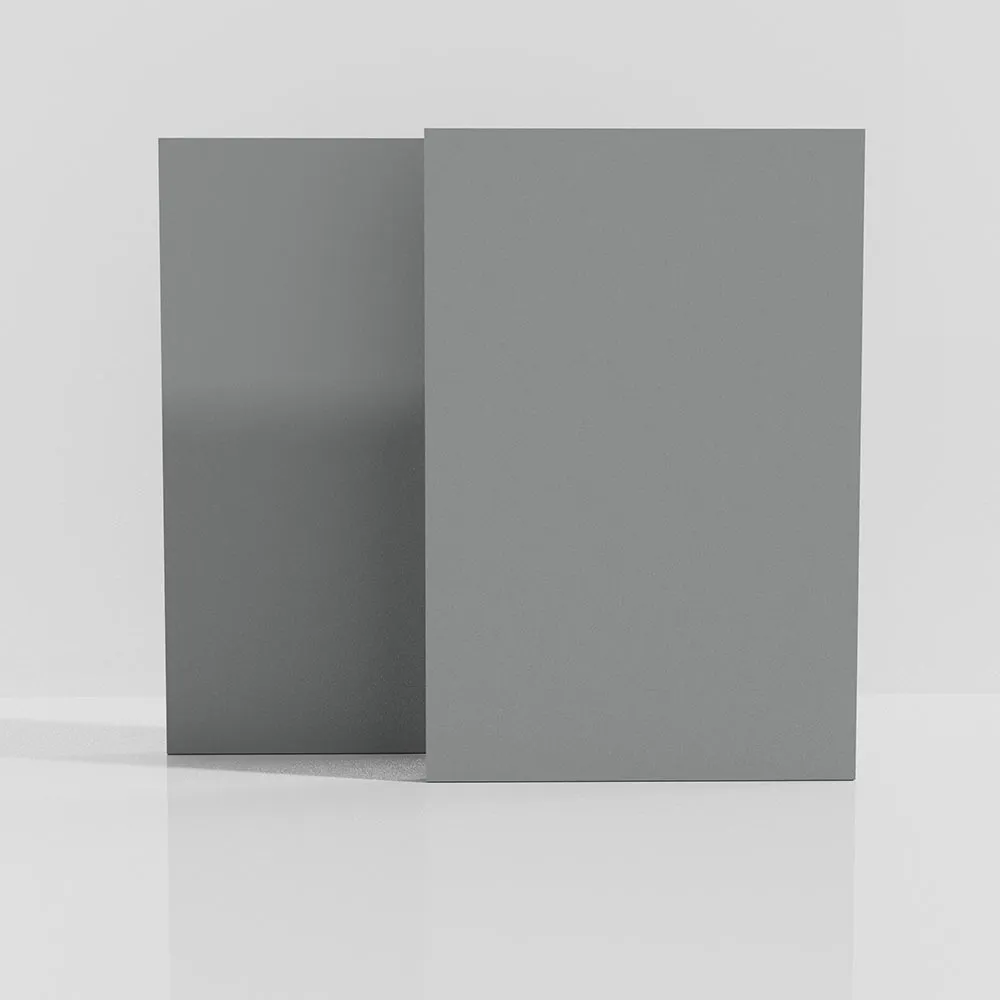
Tengfei Platinum EB Particle Panels - Matte Black
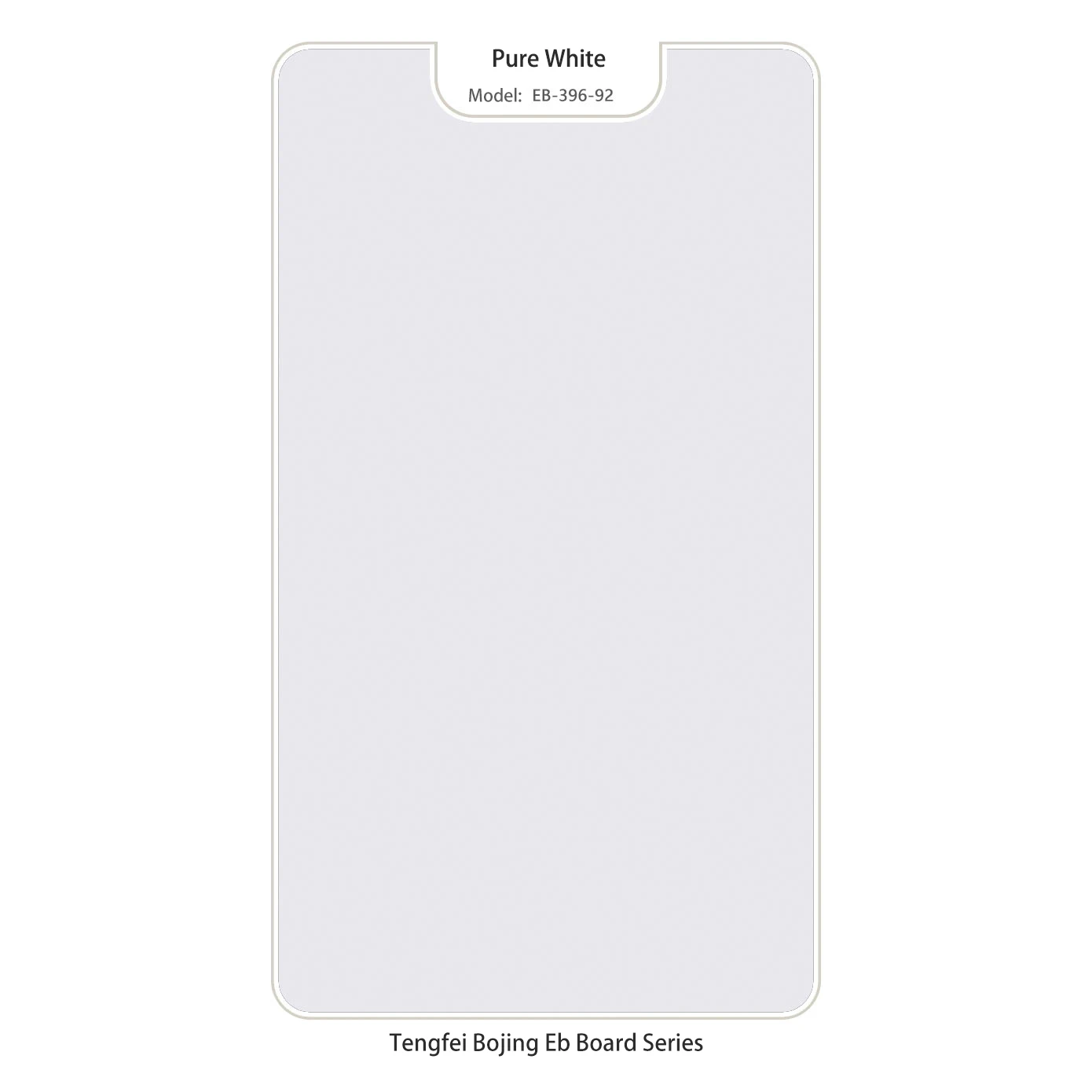
Tengfei Platinum EB Particle High-Gloss Panels - Pure white
To provide reliable solutions through quality products!