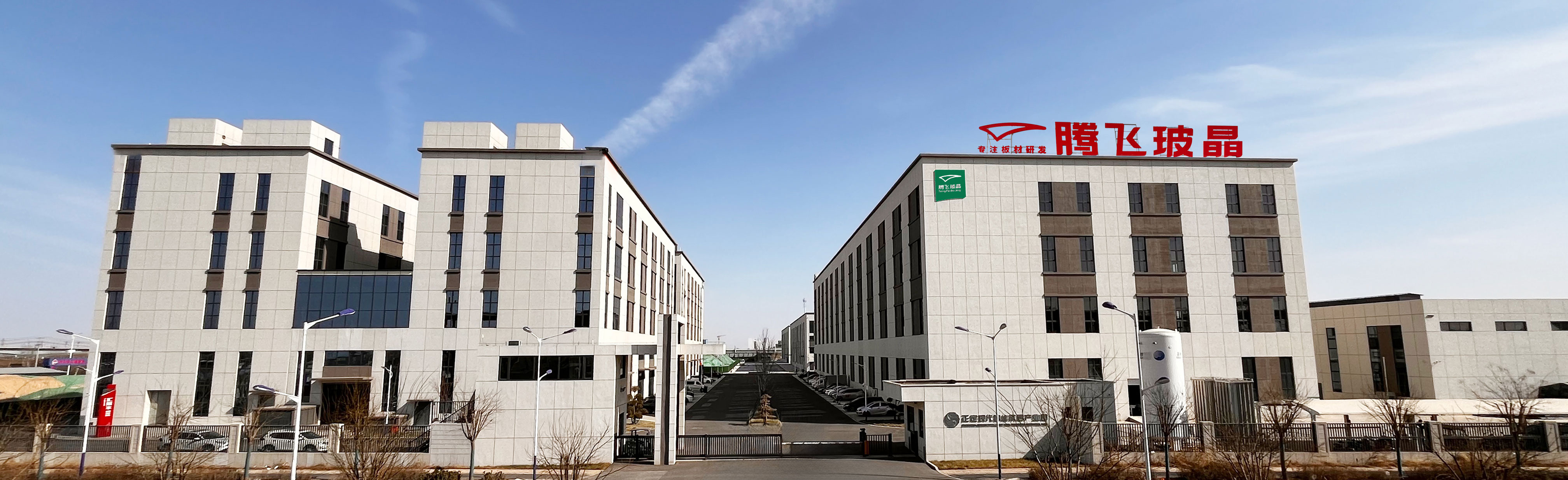
Add: No.8 Xinxing Street, North Zone, Zhengding High-tech Industrial Development Zone, Hebei, China
CONTACT US
+8615030171059


CONTACT US
+8615030171059
If you’ve been watching the adhesives market, you’ve probably noticed a shift toward cleaner chemistry and tougher bonds. That’s where PU702 keeps popping up in my notes—especially among cabinet makers and transportation interiors. To be honest, I expected yet another “me too” PUR. Instead, field installers told me it runs cleaner at the roller, and lab data backs a few bold claims. Small caveat: real-world setups vary, so dial in your line speed and temp.
PU702 is a moisture-curing reactive PUR hot melt aimed at edge-banding and panel lamination. The resin is manufactured in Zhengding High-tech Industrial Development Zone, Hebei, China—No.8 Xinxing Street, to be exact—which, fun fact, has become a mini cluster for polymer processing. Industry-wide, we’re seeing a tilt toward solvent-free chemistries that still hit demanding peel/shear numbers and pass RoHS/REACH. This one slots neatly into that narrative.
| Chemistry | MDI-based reactive PUR hot melt (solvent-free) |
| Application temperature | ≈120–140°C (real-world use may vary with substrate/line speed) |
| Viscosity @130°C | ≈8,000–12,000 mPa·s |
| Open time | around 3–6 min (ambient 23°C, 50% RH) |
| Peel strength (ASTM D903) | ≥20 N/25 mm on PVC-to-MDF after 24 h cure |
| Lap shear (ASTM D1002 / ISO 4587) | ≈8–12 MPa (substrate-dependent) |
| Heat resistance | Up to 120°C continuous, short peaks ~150°C |
| Service life of joints | 10–15 years in indoor conditions (estimated) |
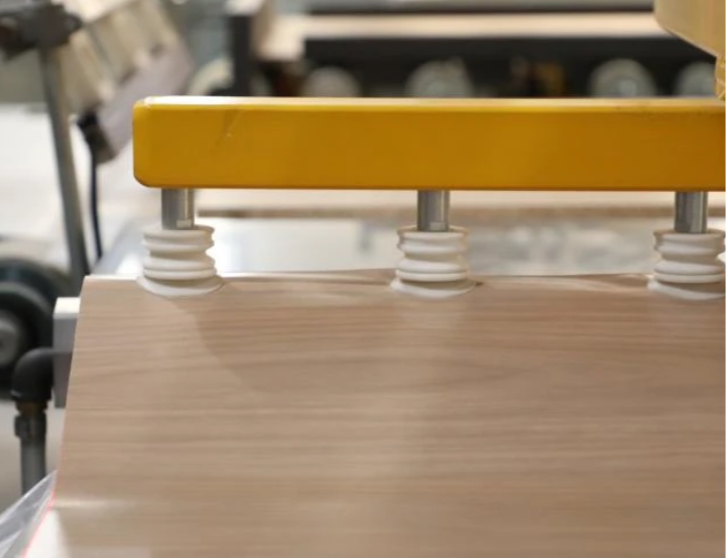
Edge-banding on MDF/particleboard (PVC/ABS/veneer), postforming, and light aluminum trims. Advantages users mention: quick green strength, tidy bead, and fewer touch-ups. I guess the low stringing is what operators love most—less cleanup.
| Vendor | Origin | Chemistry | Viscosity window | Customization | Lead time |
|---|---|---|---|---|---|
| Tengfei (PU702) | Hebei, China | Reactive PUR HM | ≈8k–12k mPa·s @130°C | Yes: open time, color, packaging | 2–4 weeks (typical) |
| GlobalBrand X | EU | Reactive PUR HM | ≈10k–14k mPa·s | Limited SKUs, stable supply | 3–6 weeks |
| RegionalMaker Y | SE Asia | PUR/PO blends | ≈6k–9k mPa·s | Yes, MOQ applies | 2–8 weeks |
You can spec PU702 with different open-time profiles, pale vs. neutral color, and packaging (granules, cartridges, slugs). Many customers say edge darkening is minimal on light veneers—nice touch if you sell premium kitchen lines.
In a 12-week trial at a cabinet plant (line speed 16–20 m/min; 130°C pot), PU702 achieved peel ≥22 N/25 mm (ASTM D903) on PVC/MDF, with less than 1% rework due to edge lift. After 72 h humidity aging (95% RH, 40°C), joints held above 18 N/25 mm—imperfect test rig, but still impressive.
References:
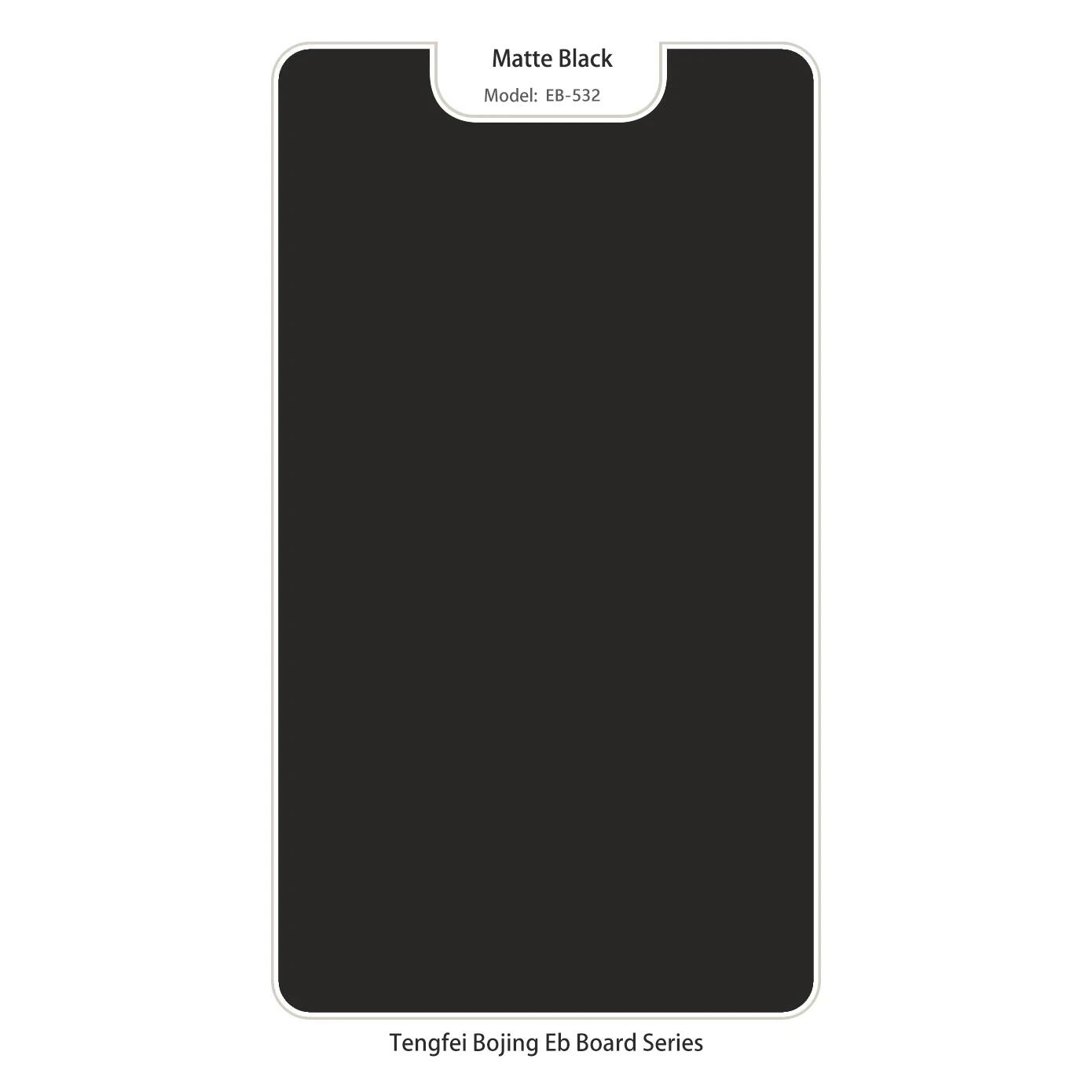
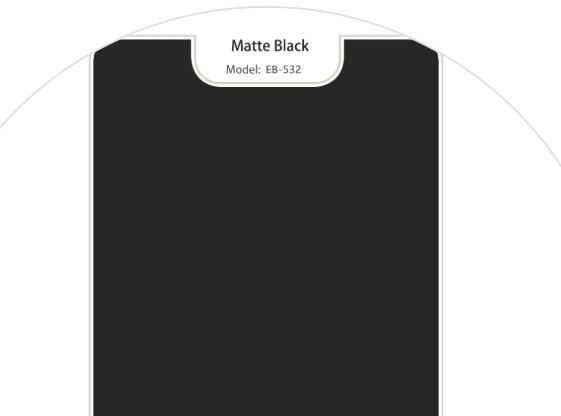
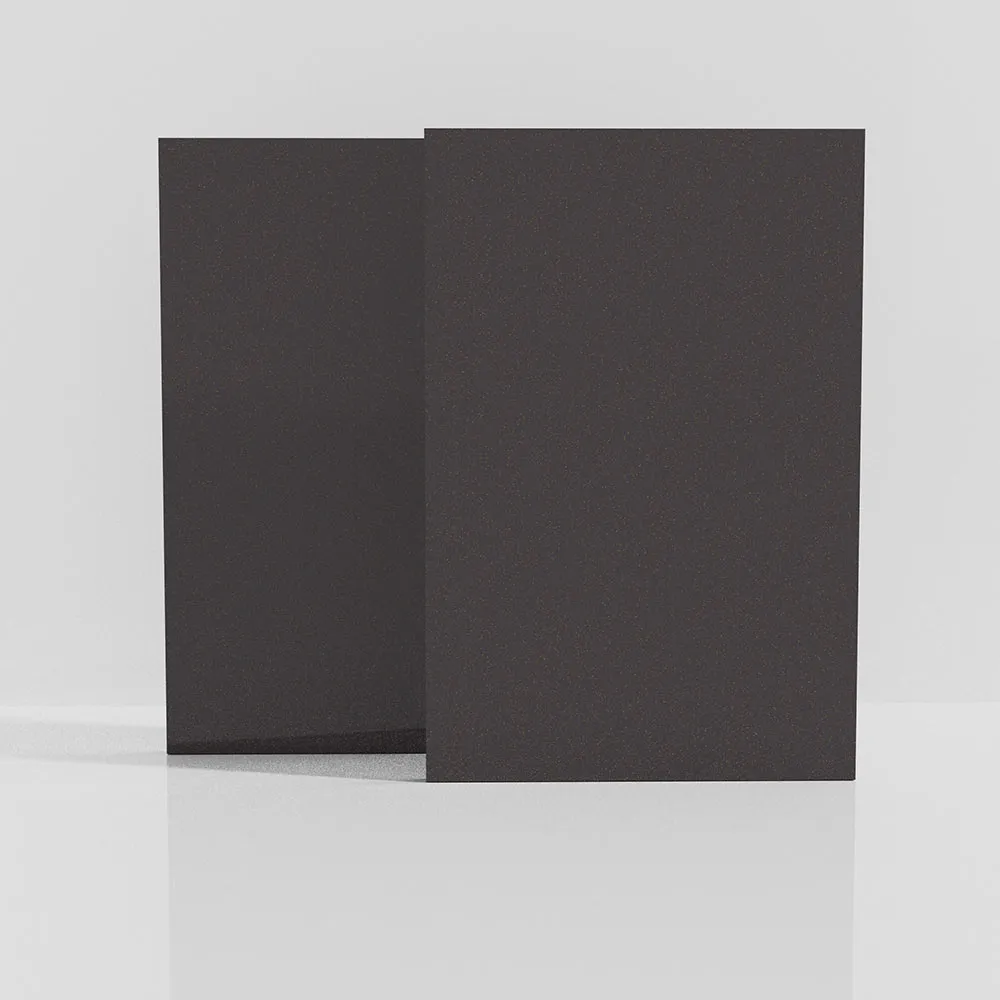
Tengfei Platinum EB Particle Panels - Matte Black
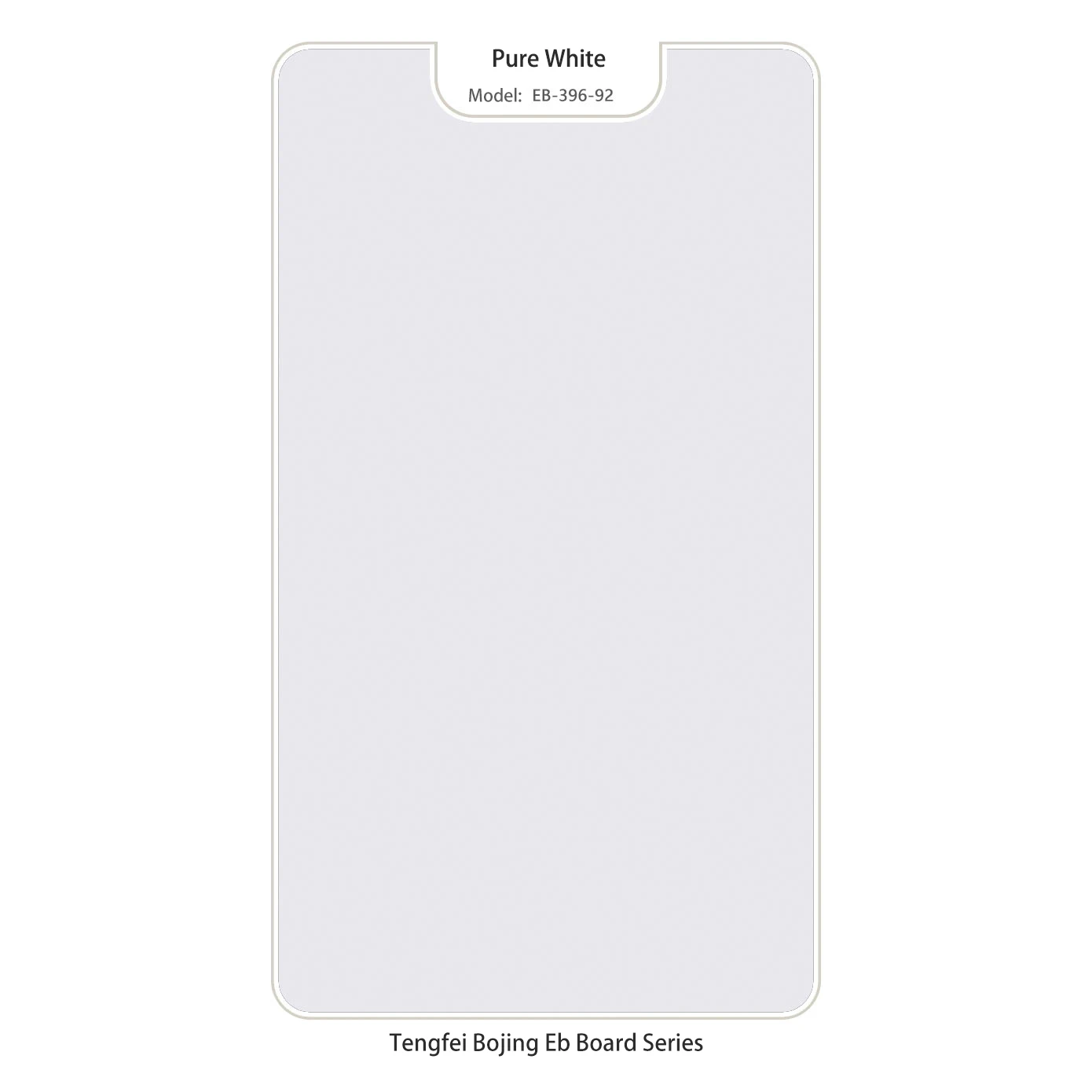
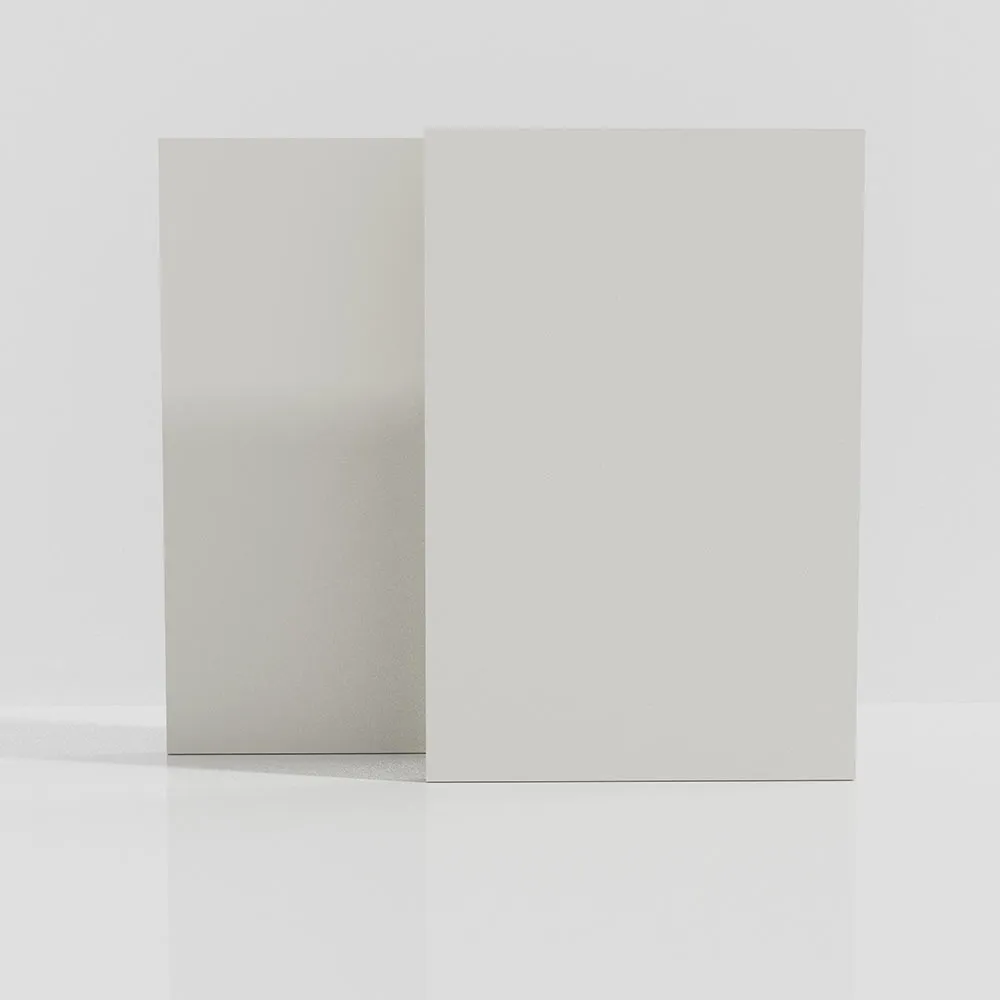
Tengfei Platinum EB Particle High-Gloss Panels - Pure white
To provide reliable solutions through quality products!