Add: No.8 Xinxing Street, North Zone, Zhengding High-tech Industrial Development Zone, Hebei, China
CONTACT US
+8615030171059


CONTACT US
+8615030171059
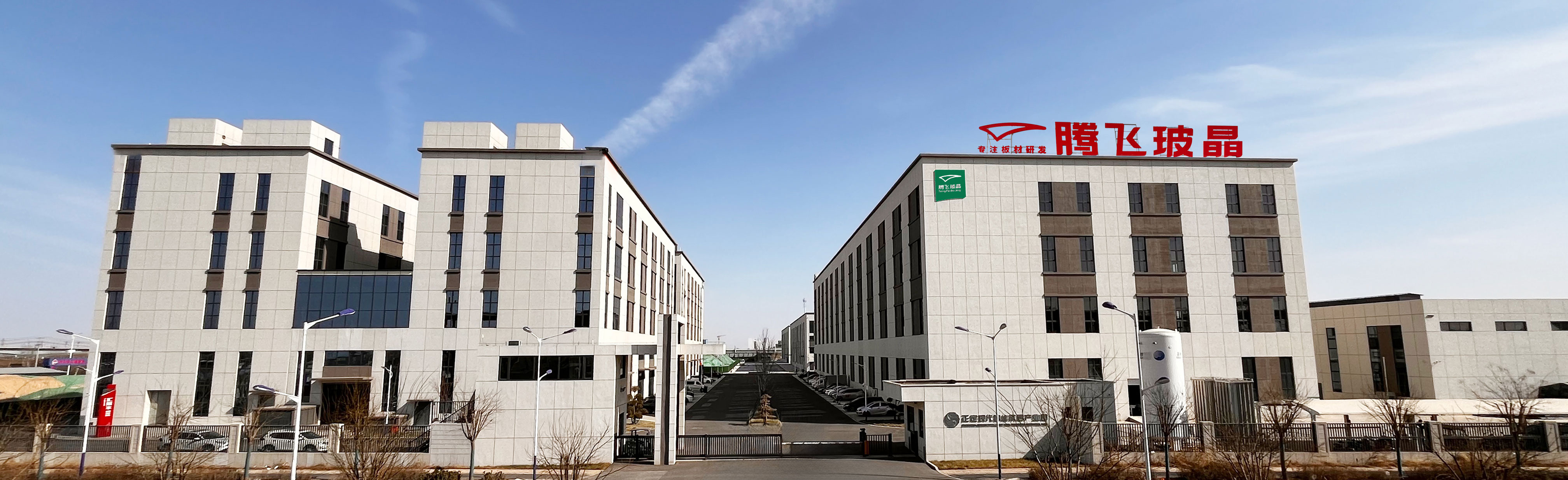
If you’ve spent any time on shop floors lately, you’ve heard the chatter about PU201. To be honest, I was skeptical at first—another “do‑everything” glue? But after talking with line managers and poking through lab data, it seems this polyurethane system is earning its keep, especially where MDF, laminated boards, plastics, and light metals need reliable bonds without the mess. Origin matters too: this product ships from No.8 Xinxing Street, North Zone, Zhengding High-tech Industrial Development Zone, Hebei, China—an area that’s quietly become a hub for engineered adhesives.
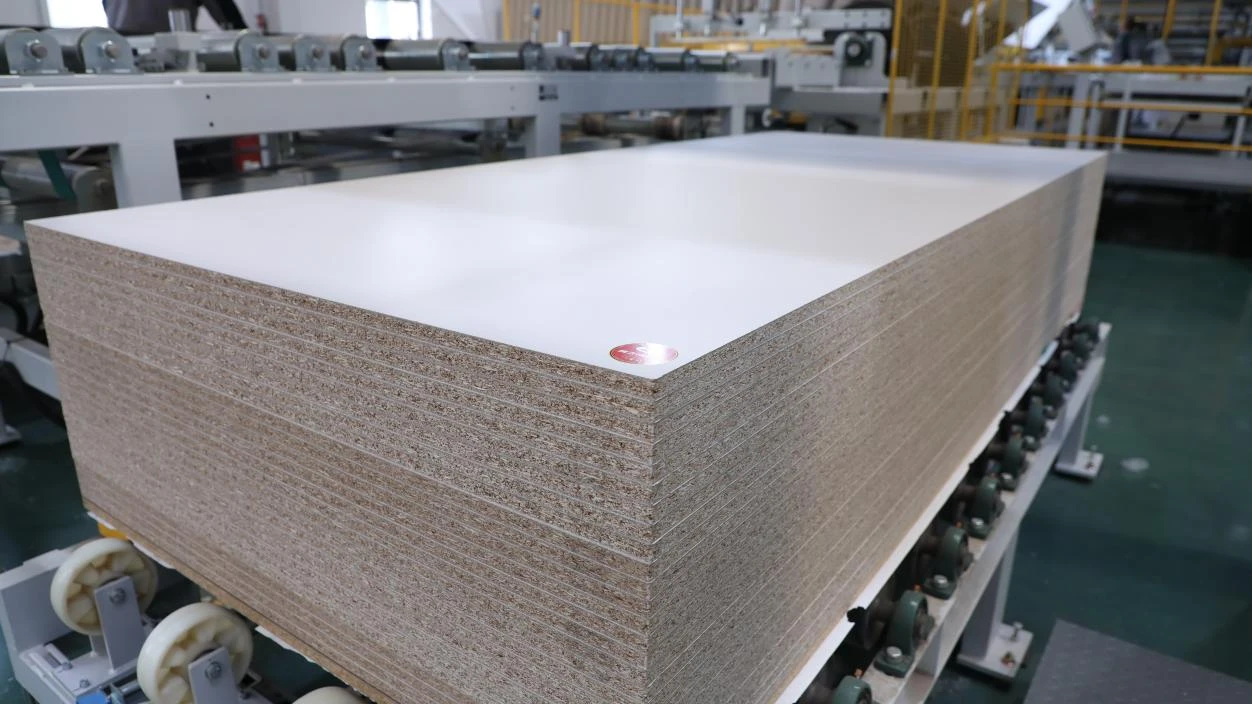
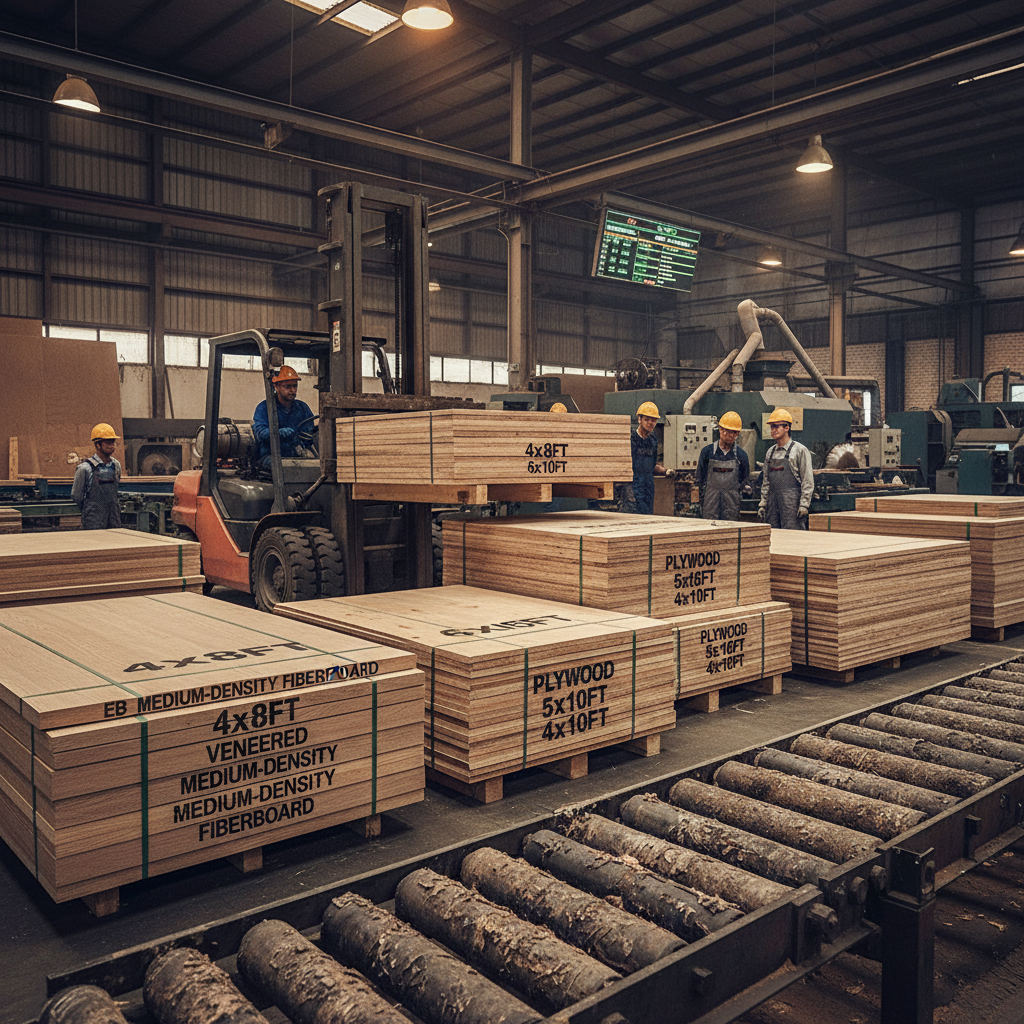
A typical production lot of PU201 prepared for outbound QA.
Two things dominate: low‑VOC compliance and automation‑friendly rheology. In fact, many customers say they’re swapping solvent systems for moisture‑curing PUR because it balances green compliance with line speed. PU201 leans into that—stable flow for slot‑die or roller coaters, plus fast green strength so you don’t babysit parts forever.
| Base chemistry | Moisture‑curing polyurethane (PUR) |
| Viscosity (120°C) | ≈6,000–9,000 mPa·s (Brookfield, real‑world may vary) |
| Open time | 2–6 minutes @ 20–25°C / 50% RH |
| Initial set / press time | 30–90 seconds under 0.3–0.6 MPa clamp |
| Lap shear strength | ≥10 MPa on MDF (ISO 4587 / ASTM D1002) |
| Peel strength | ≥3.5 N/mm on PVC edge band (GB/T 2790) |
| Heat resistance | Up to ≈120°C intermittent; −30°C low‑temp integrity |
| VOC | Designed to meet GB 33372 and low‑VOC targets (check lot COA) |
| Service life | ≈10–15 years indoors, depending on substrate and climate |
Materials: MDF/particleboard, PVC/ABS edge bands, HPL, coated metals, certain elastomers (test first). Surface prep: dust‑free, 8–12% wood moisture, wipe plastics with isopropanol; light abrasion improves metals. Application: 110–140°C via roller/slot die or bead; aim for 100–150 g/m² on edges, 40–80 g/m² on laminations. Pressing: 0.3–0.6 MPa, 30–90 s. Cure: moisture crosslinks over 24 h; functional handling in minutes. Testing: ISO 4587/ASTM D1002 lap shear; GB/T 2790 peel; heat aging 70°C/7 d; humidity 40°C/95% RH/7 d.
| Vendor | Polymer | Lap Shear | VOC | Lead Time | Customization |
|---|---|---|---|---|---|
| TENGFEI (PU201) | PUR | ≥10 MPa (ISO 4587) | Low (GB 33372 targeted) | 10–15 days typical | Viscosity/open‑time tuning |
| Vendor A (generic PUR) | PUR | 8–9 MPa | Low‑medium | 3–4 weeks | Limited |
| Vendor B (EVA hot melt) | EVA | 3–5 MPa | Medium | 1–2 weeks | Color only |
PU201 can be trimmed for warmer/cooler plants (open time shift ±30–40%). Datasheets typically show compliance intent for RoHS and REACH SVHC; formal letters and COAs are batch‑specific. Factory QA runs ISO 9001/14001 systems; audit summaries are available under NDA.
A Tier‑1 cabinetry OEM in Zhejiang swapped EVA for PU201 on PVC edge banding. Line speed held at 24 m/min; rework dropped ≈32% over 8 weeks, with peel failures moving from adhesive to cohesive (the good kind). Operators noted “cleaner corners” and “less stringing.” Not scientific, but it tracks with the lab curves.
Always verify with ISO 4587 and GB/T 2790 before scaling. Real‑world life depends on heat, UV, and substrate chemistry; indoor assemblies typically see ≈10–15 years. Exterior or structural loads? Get an applications engineer involved, seriously.
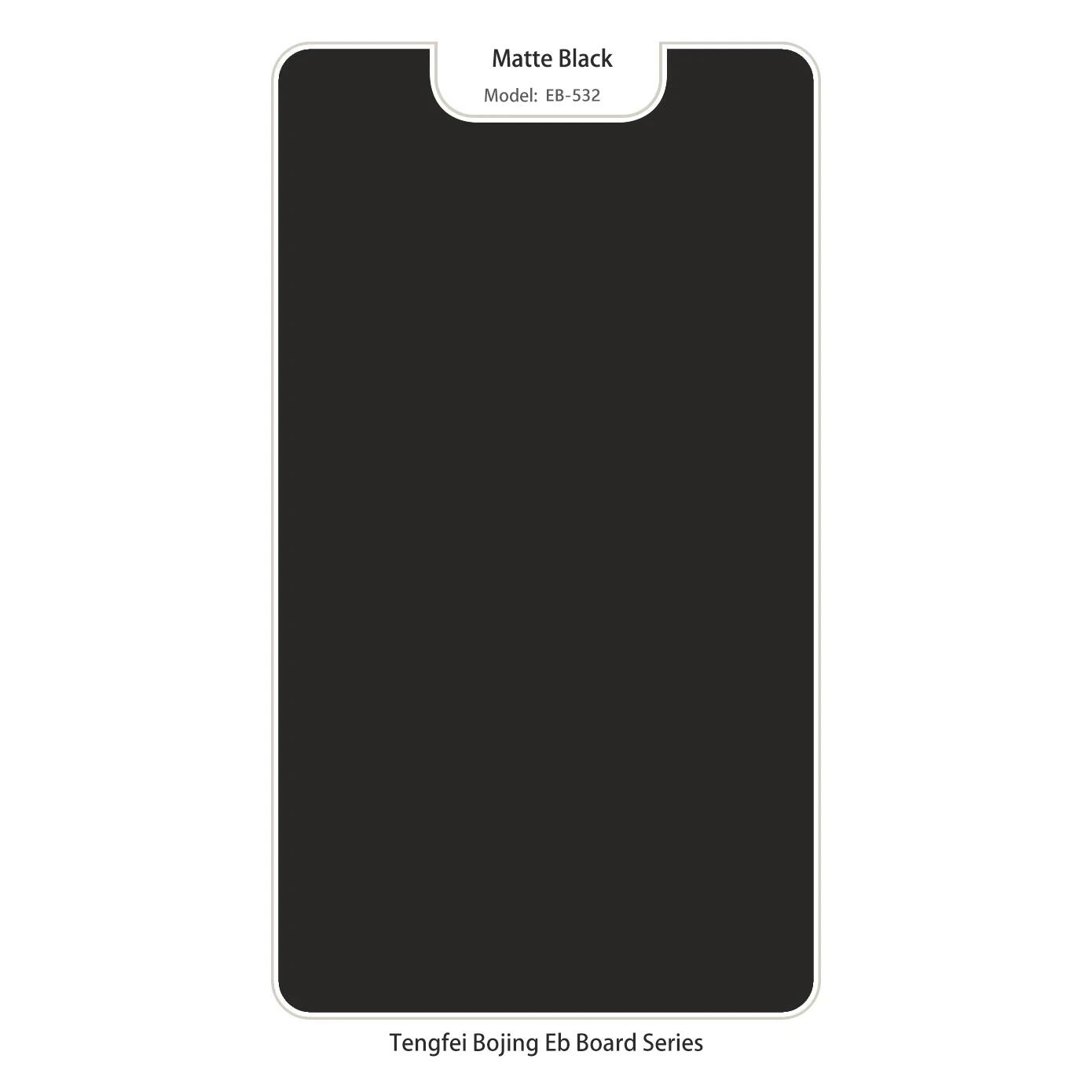
Tengfei Platinum EB Particle Panels - Matte Black
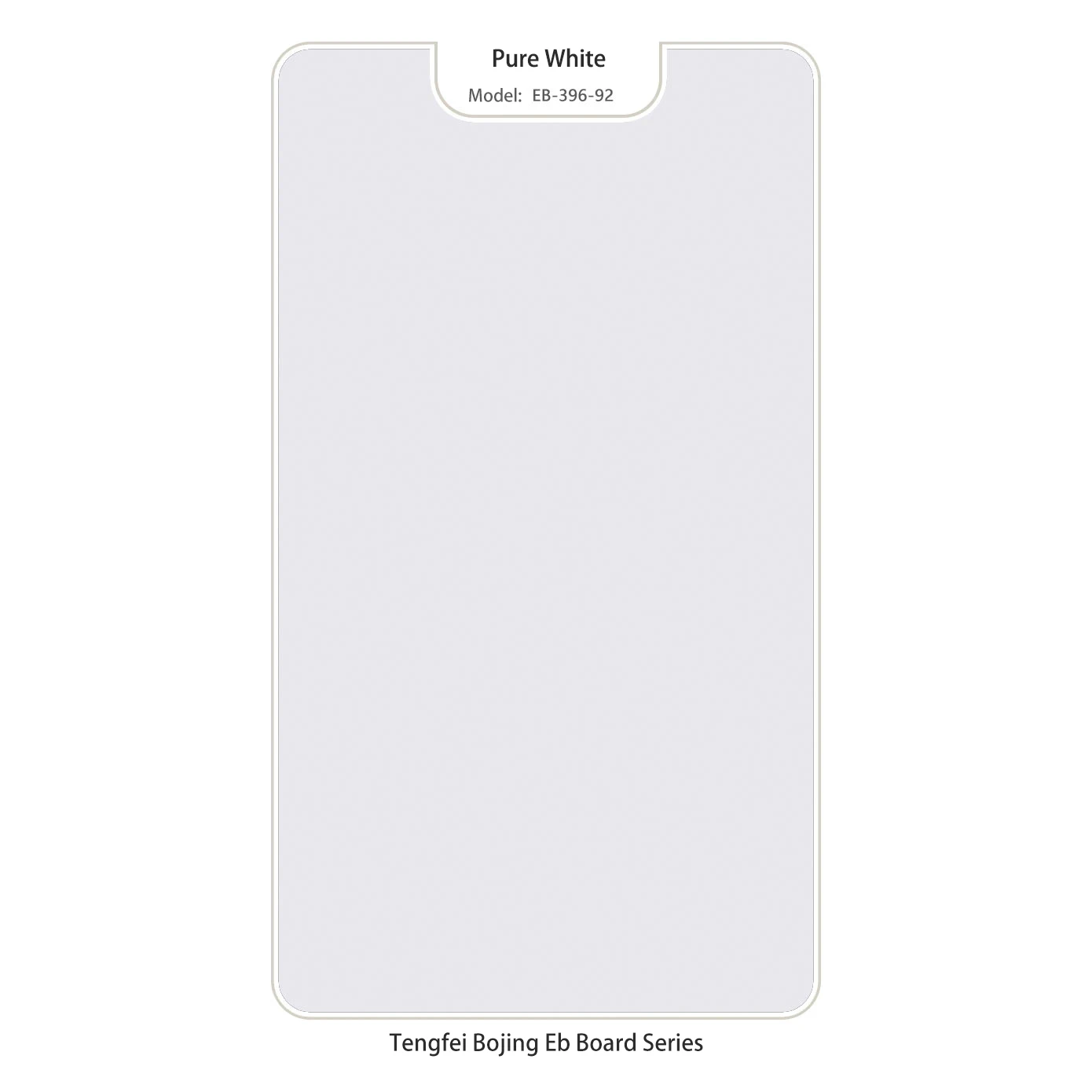
Tengfei Platinum EB Particle High-Gloss Panels - Pure white
To provide reliable solutions through quality products!