The Essential Guide to MDF Particle Board Price: What You Need to Know
When it comes to affordable, versatile, and sustainable materials in construction and furniture-making, medium-density fiberboard (MDF) particle board stands out. But the "mdf particle board price" isn’t just about cost — it reflects a web of factors ranging from raw material quality to global supply dynamics. Understanding its pricing is not only key for businesses managing budgets but also for industries aiming for sustainable yet cost-effective solutions worldwide.
Global Context: Why MDF Particle Board Pricing Matters
Globally, the wood-based panels market is projected to exceed USD 80 billion by 2027, according to Statista. MDF particle board plays a vital role here — it’s a backbone material in furniture factories from Southeast Asia to Europe. The price fluctuations directly impact production costs, consumer prices, and ultimately, the feasibility of projects ranging from residential buildings to humanitarian shelters.
Countries with booming construction sectors, like India and Brazil, witness sharp shifts in mdf particle board price due to changes in raw material imports and transportation costs. Also, with rising emphasis on sustainable materials, the demand for responsibly sourced MDF is pushing prices in new directions.
What Exactly Is MDF Particle Board Price?
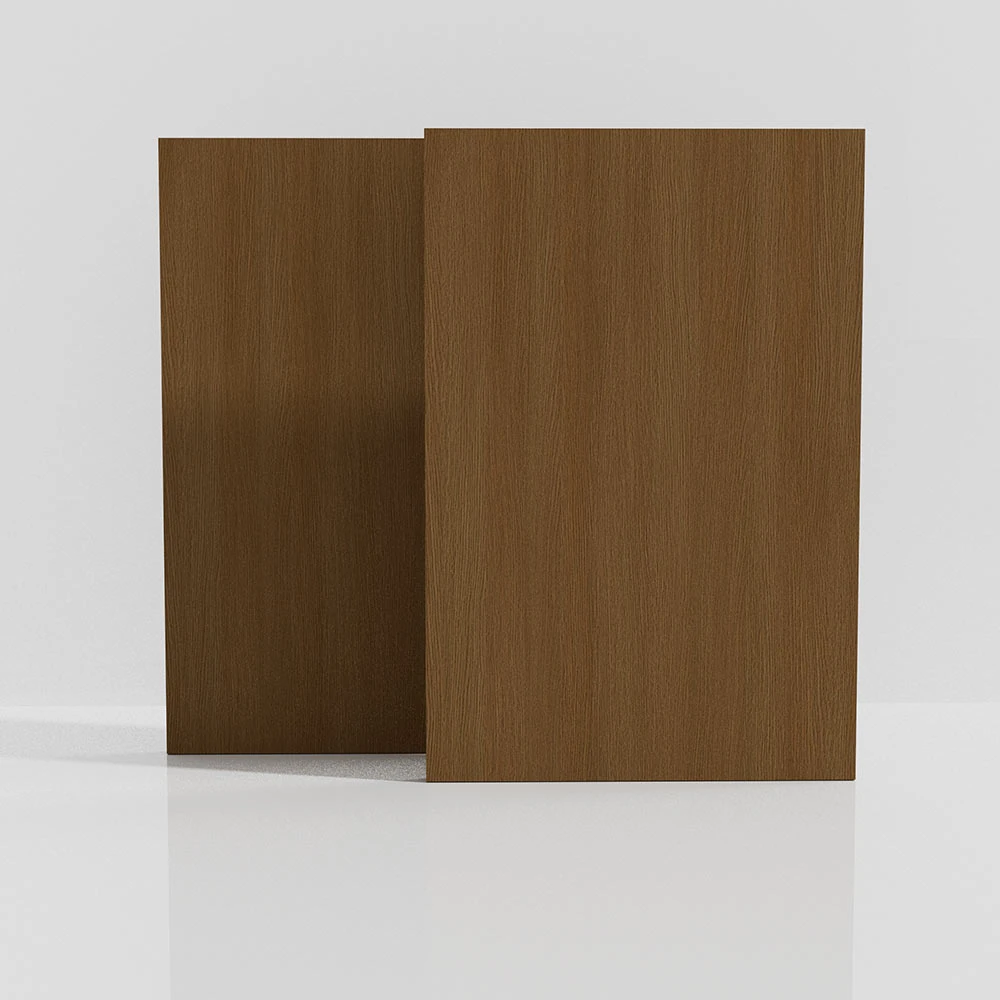
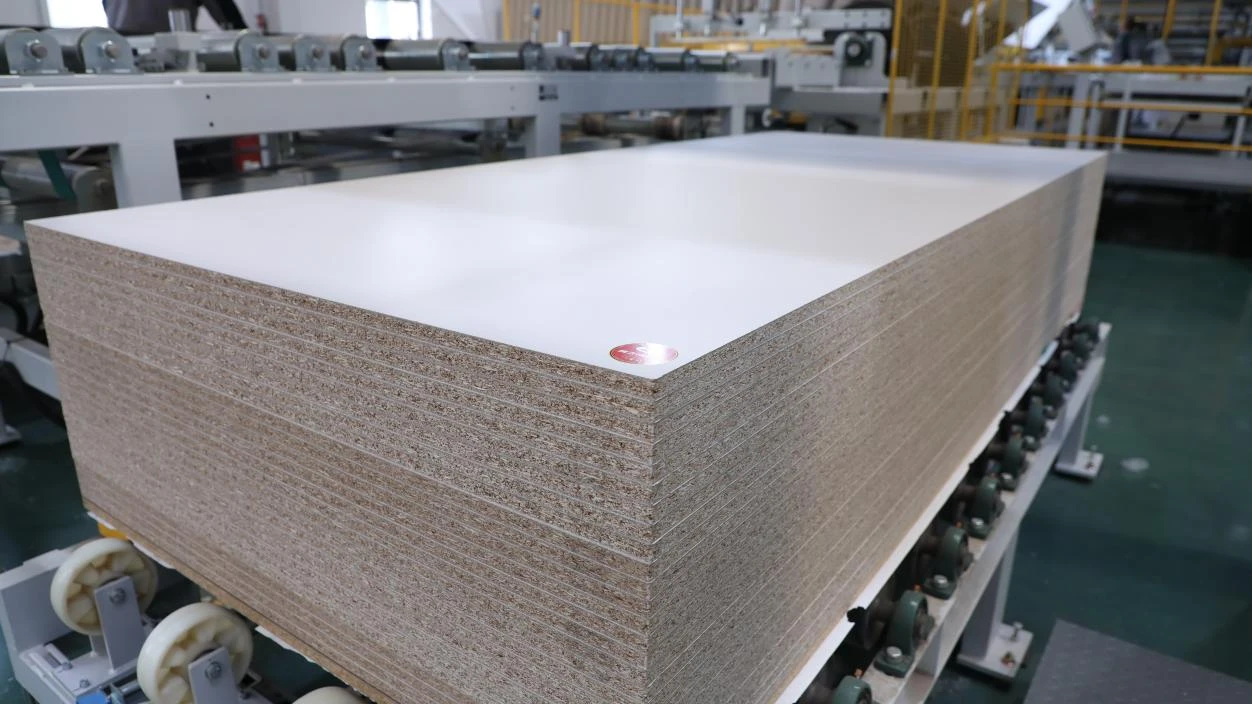
Simply put, mdf particle board price refers to the cost per unit (usually per sheet or cubic meter) of medium-density fiberboard particle board. MDF particle board comprises wood fibers compressed with resin under high pressure to create a smooth, dense sheet. It's a popular alternative to solid wood that balances durability with affordability.
Because MDF is engineered rather than natural wood, pricing reflects factors beyond just the wood fibers — for example, resin type, pressing technique, sheet thickness, and finishing. Its affordability makes MDF particle board essential in industries that need mass-produced, reliable materials, including furniture manufacturing, cabinetry, and interior decoration.
Key Factors Influencing MDF Particle Board Price
1. Raw Material Quality
Wood fibers sourced from hardwood or softwood species affect price and final board robustness. Higher fiber purity and sustainable certification also add premium.
2. Thickness and Density
Thickness varies from 3mm to 30mm or more, with density defining the board’s strength and weight. Thicker, denser boards command higher prices.
3. Manufacturing Process
Advanced resin types (like urea-formaldehyde or melamine) and pressing temperatures impact durability and environmental safety, influencing cost.
4. Supply Chain & Logistics
Demand peaks, transport costs, tariffs, and global disruptions (like Covid-19) play big roles. For example, higher fuel prices often trickle down into MDF prices unaffected by raw material costs alone.
5. Market Demand & Environmental Policies
Growing demand for eco-friendly and certified wood panels tends to increase prices but also opens opportunities for premium product lines.
6. Currency Exchange Rates
Because MDF boards are often traded internationally, currency fluctuations between supplier and buyer countries can alter the final price.
Typical MDF Particle Board Specifications
| Specification |
Value |
Unit |
| Thickness Range |
3–30 |
mm |
| Density |
600–800 |
kg/m³ |
| Formaldehyde Emission Class |
E0, E1 |
Standard |
| Typical Surface Finish |
Melamine, Veneer |
- |
| Sheet Dimensions |
2440 x 1220 |
mm (length x width) |
Mini takeaway: MDF particle board prices are influenced by a mix of intrinsic qualities like thickness and fiber quality, plus external factors such as supply chain and environmental standards.
Global Applications & Use Cases of MDF Particle Board
From urban offices in Europe to rural housing projects in Africa, MDF particle boards serve many industries. Furniture manufacturers rely on MDF boards because they're easy to cut, paint, and finish. Architecturally, they’re used in interior wall paneling, cabinetry, and moldings.
Oddly enough, their adaptability has made them vital even in humanitarian contexts. For example, NGOs use MDF particle boards in rapid shelter construction where wood scarcity is common. In post-disaster zones like the Philippines, affordable MDF boards replaced traditional lumber — speeding rebuild times while controlling costs.
Regions like Southeast Asia and Latin America have seen MDF as a practical solution for expanding middle-class housing, driven by mdf particle board price that undercuts solid wood alternatives.
Vendor Price Comparison: Leading MDF Particle Board Suppliers
Comparing MDF Particle Board Prices (per sheet 2440x1220mm, 18mm thick)
| Vendor |
Region |
Price Range |
Sustainability Certifications |
| Tengfei MDF Co. |
China |
$12.50 – $15.00 |
FSC, CARB Phase 2 |
| GreenWood Panels Ltd. |
Europe |
$18.00 – $22.00 |
PEFC, FSC |
| EcoBoard Solutions |
North America |
$17.00 – $20.00 |
CARB Phase 2, LEED |
Mini takeaway: Prices significantly vary by geography, certification level, and vendor reputation. Opting for environmentally certified MDF may cost more upfront but supports sustainability and regulatory compliance long-term.
Advantages & Long-Term Value of MDF Particle Board
- Cost Efficiency: MDF is almost always cheaper than solid wood for comparable applications.
- Consistency & Finish: Its smooth surface ensures superior paint adherence and aesthetic versatility.
- Sustainability: Often made from recycled wood fibers and sawdust — a bonus for eco-conscious projects.
- Structural Stability: Less prone to warping or cracking than natural timber, offering long service life.
- Social Impact: Affordable MDF empowers furniture businesses in emerging economies, supporting jobs and local craftsmanship.
Emerging Trends & Innovations
Technology keeps pushing MDF particle board forward. I’m particularly intrigued by ongoing research into bio-resins replacing traditional synthetic resins — potentially lowering toxic emissions. Digital automation in MDF manufacturing improves quality control and reduces waste. Also, circular economy initiatives are encouraging reuse and recycling of MDF scraps in new boards.
Challenges & Expert Solutions
Of course, MDF particle boards aren’t perfect. Issues include moisture sensitivity that can cause swelling, and formaldehyde emissions linked to some resin types. Luckily, many manufacturers now offer moisture-resistant MDF versions and ultra-low emission resins. Storage and installation practices adapted to local climates can also mitigate swelling problems.
FAQ: Frequently Asked Questions About MDF Particle Board Price
- Q: What factors most affect the price of MDF particle boards?
- A: Key drivers include material thickness, resin type, surface finish, supplier location, and global supply-demand trends.
- Q: Is it worth choosing certified sustainable MDF if the price is higher?
- A: Yes. Certified MDF supports responsible forestry, reduces environmental impact, and often meets stricter quality standards, offering long-term value.
- Q: Can MDF particle boards be used outdoors?
- A: Standard MDF is not recommended outdoors due to water sensitivity. Special exterior-grade MDF variants with moisture-resistant resins are available.
- Q: How can I get the best price on MDF boards?
- A: Buying in bulk, selecting regional suppliers like Tengfei MDF, and considering seasonal price fluctuations can help reduce costs.
Conclusion
In real terms, understanding mdf particle board price is more than a budgeting exercise. It connects to global supply chains, environmental responsibility, and industry innovation. Choosing the right MDF means balancing initial cost with long-term reliability and impact. For businesses and builders aiming for a sustainable yet cost-effective edge, diving deep into these factors is essential.
For accurate, up-to-date pricing and certified quality, feel free to visit our website. It’s a good starting point to explore options tailored to your needs.
Sometimes, the best decision is the one that leaves you thinking, “Yep, that was worth it.”
References
- Wikipedia - Medium-density fibreboard
- International Organization for Standardization (ISO)
- Statista - Wood-based Panels Market Data