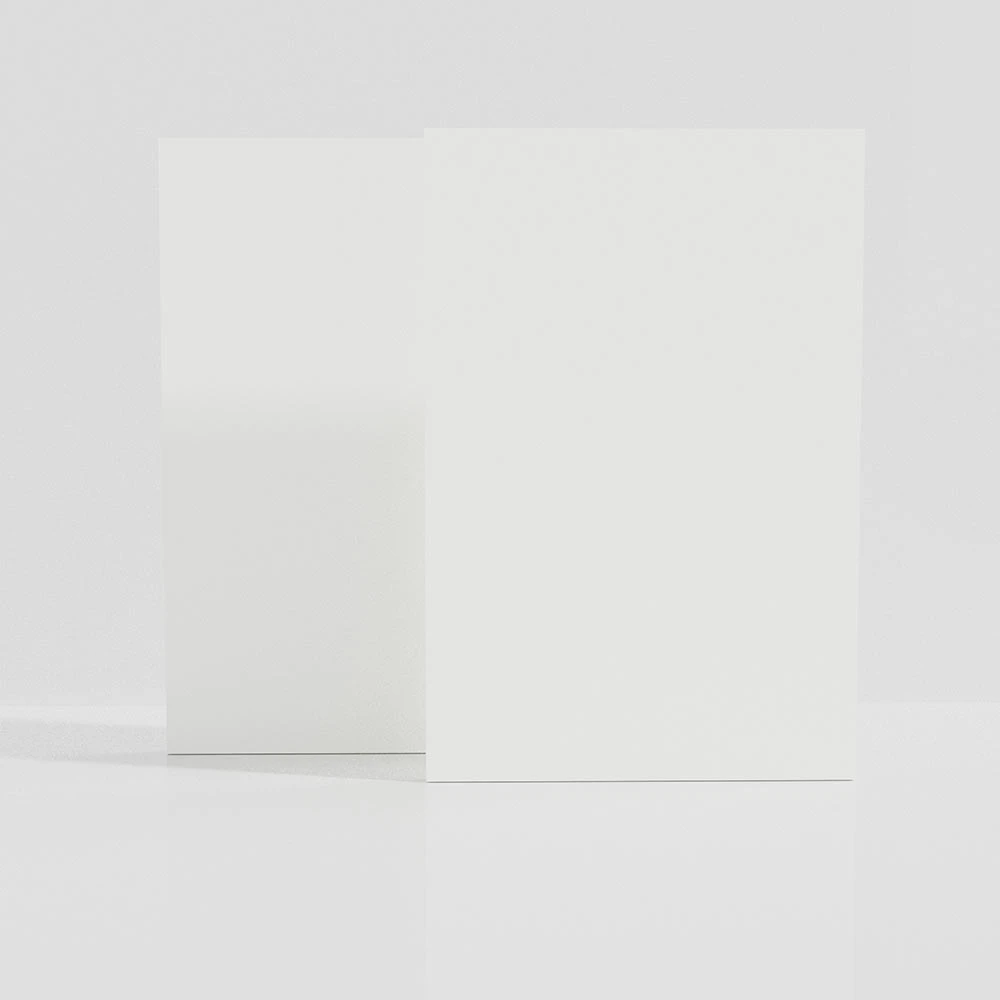
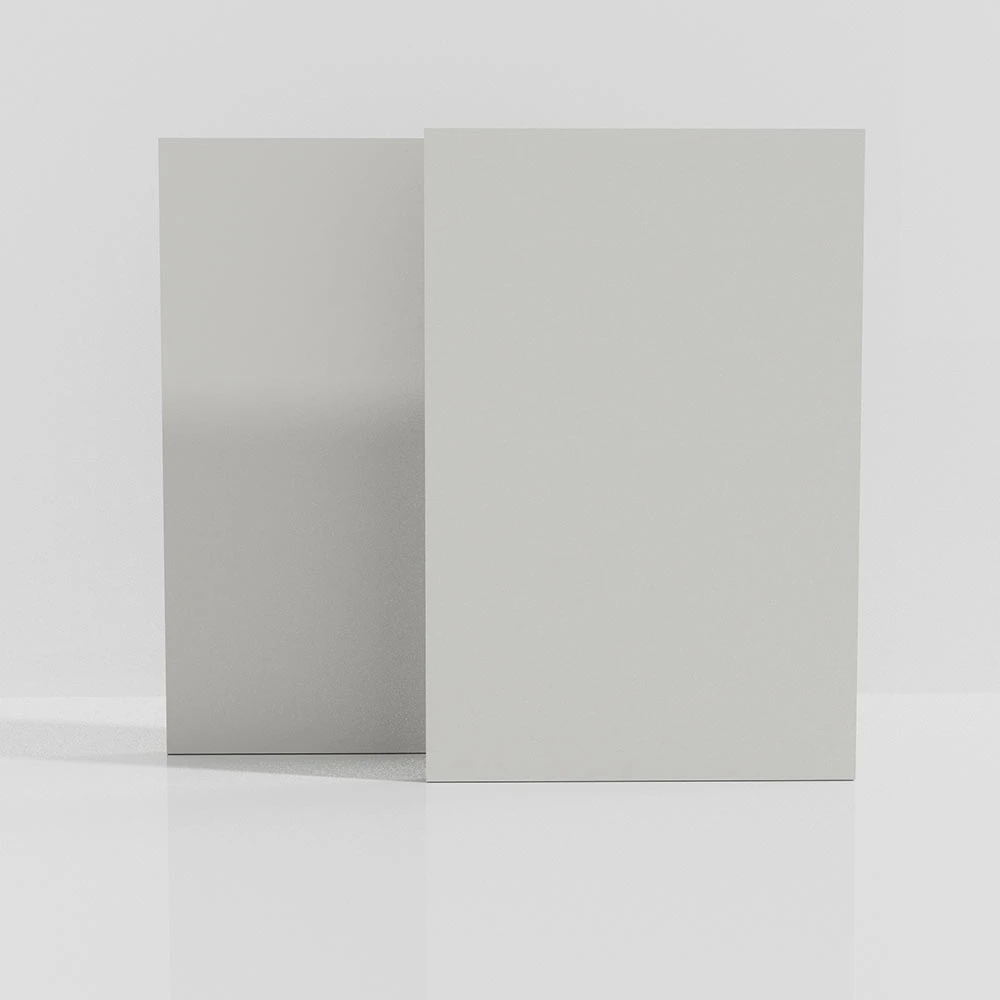
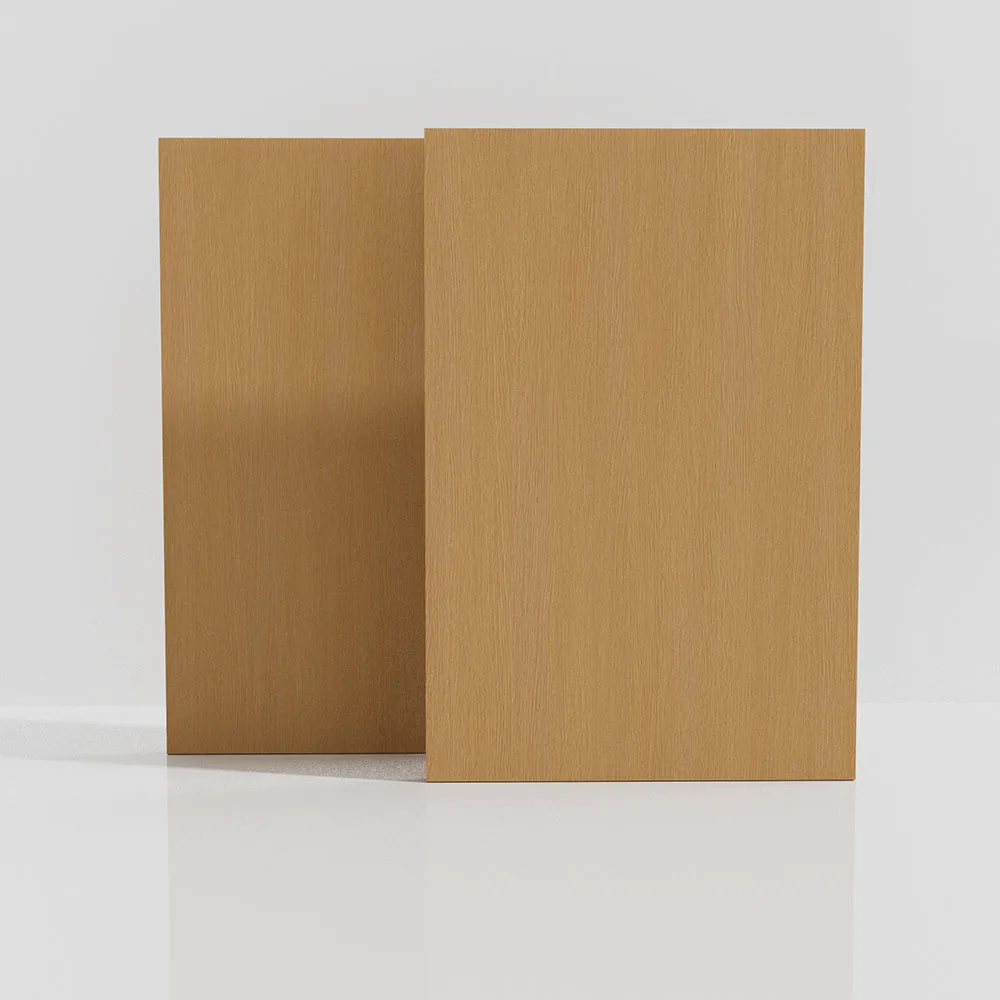
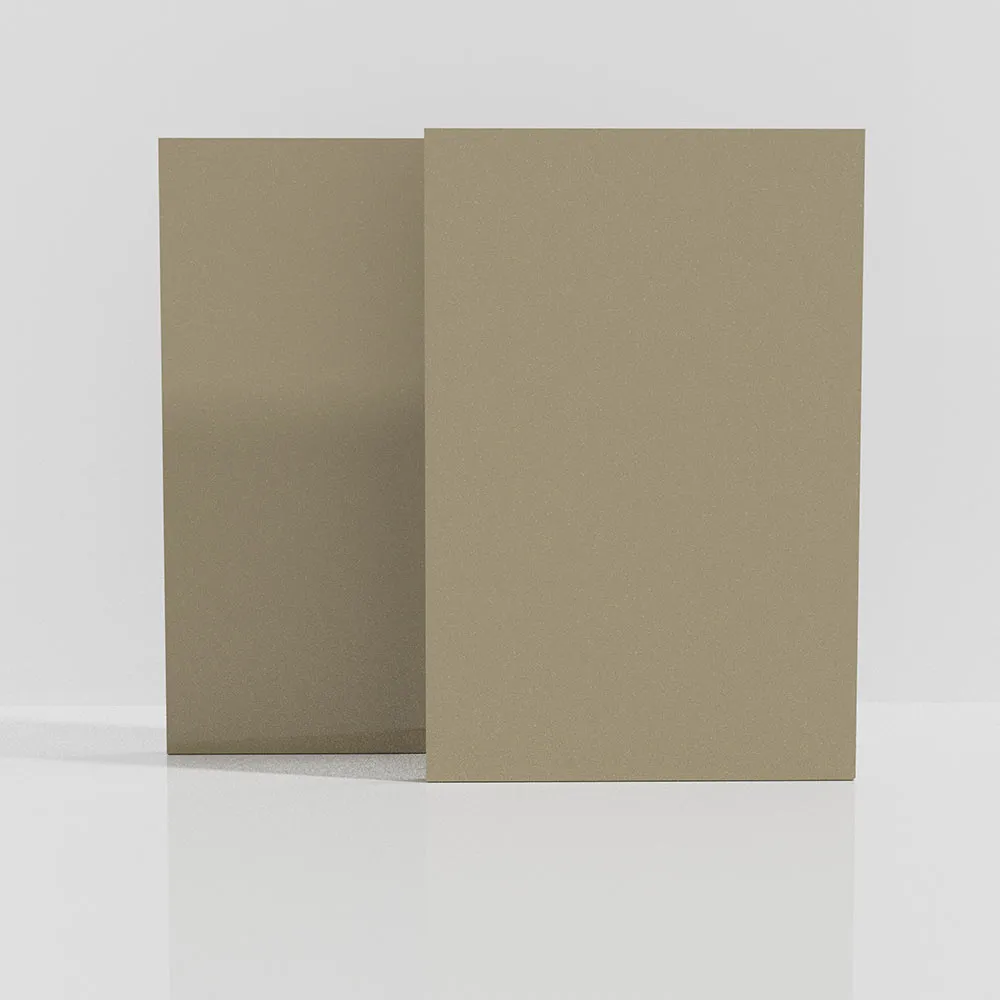
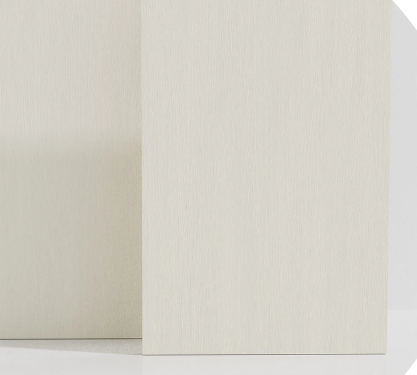
White Plywood is a key solution in the industry, specifically within commercial, construction, and interior design sectors. This article explores how https://www.tengfeiebmdf.com supports professionals with durable, high-performance products, and explains why this product is an ideal choice for businesses in these sectors.
Table of Contents
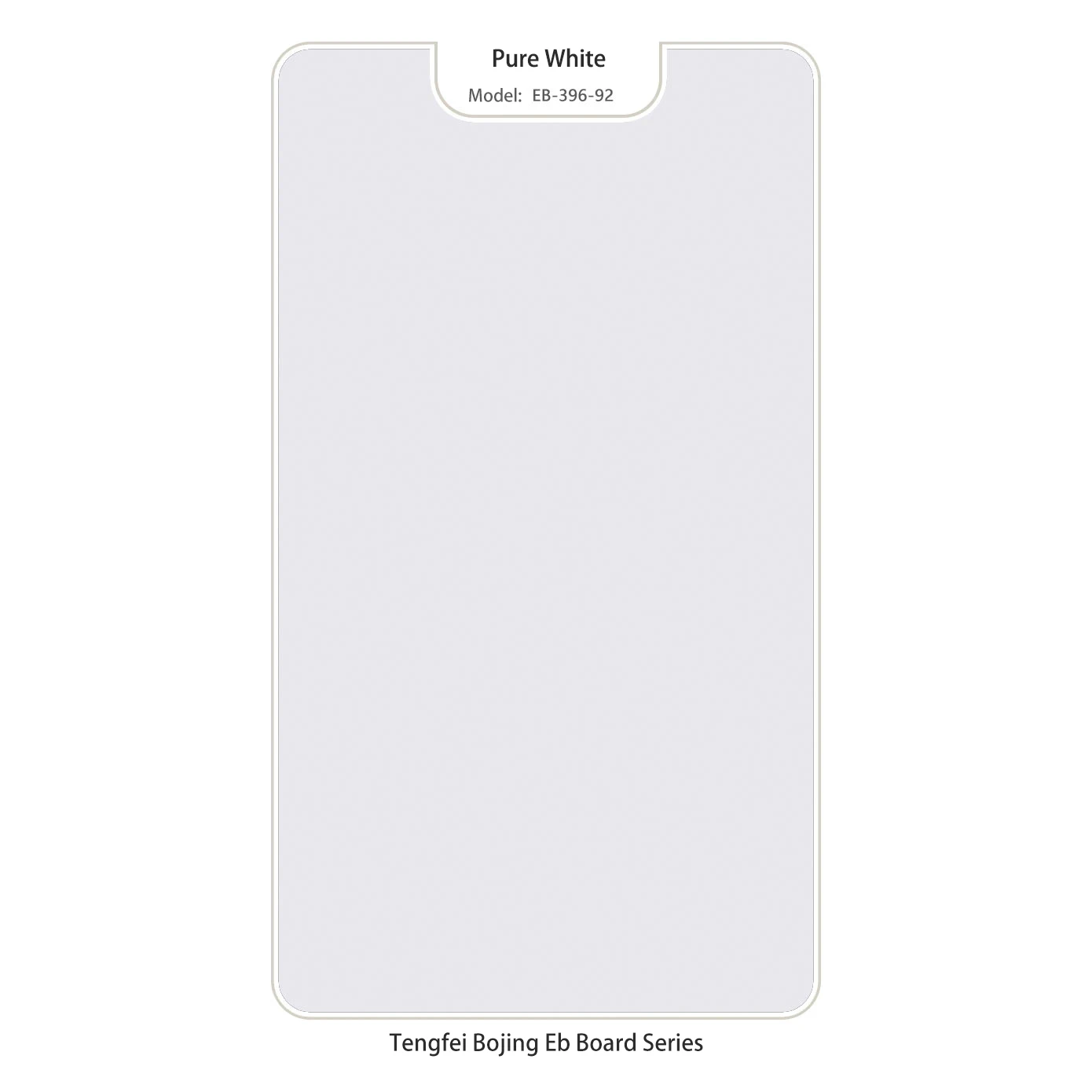
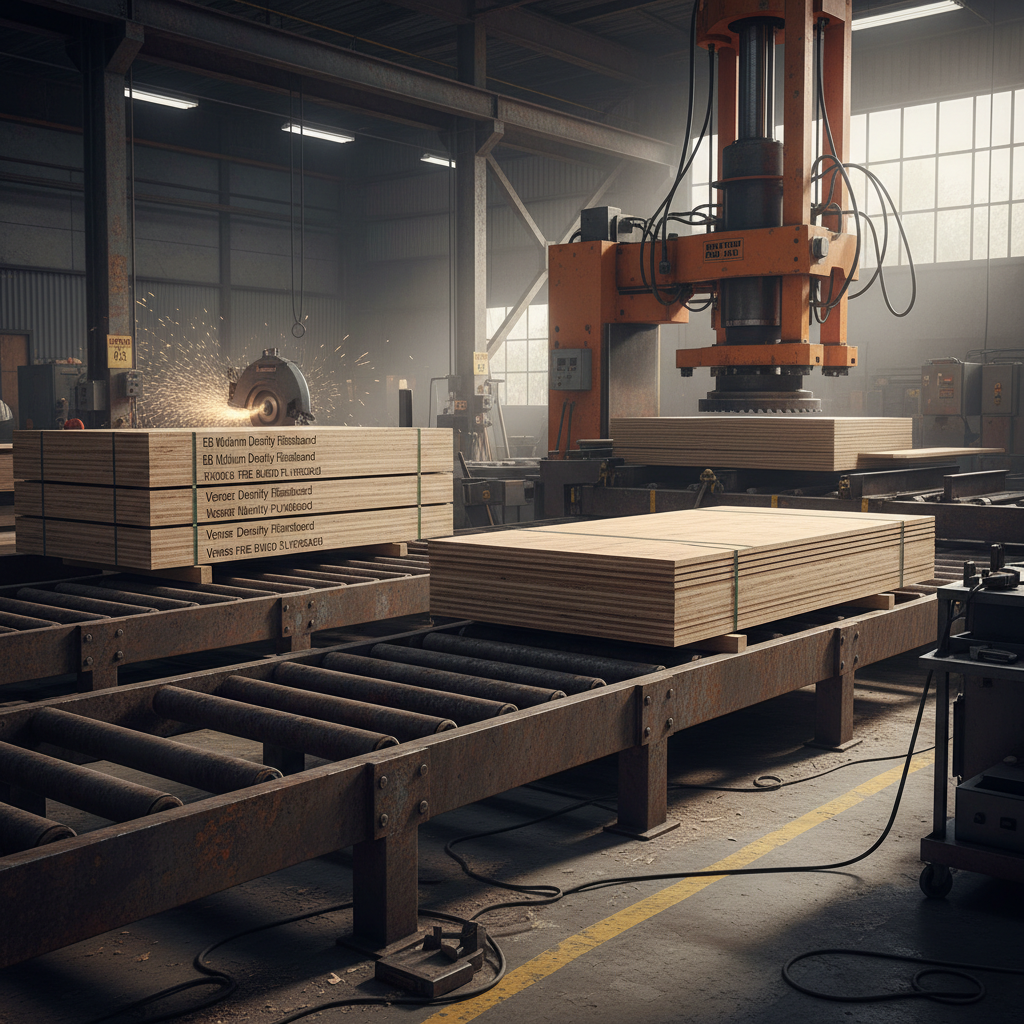
White plywood, frankly, is just plywood with a smooth white finish applied, often lacquered or melamine-faced, giving it an elegant, versatile appearance. But it’s not just the look — underneath is a layered construction that adds strength and resilience. For B2B decision makers in commercial builds or furniture production, this means a material that’s lightweight but tough, easy to work with and reliable over time. I suppose you could say it’s where form meets function in the wood panel industry.
- White plywood typically consists of 5-7 veneer layers, multi-directionally laminated for stiffness.
- The white surface is often melamine or polyurethane coated, which enhances durability and whiteness.
- At Tengfei, their white plywood undergoes strict quality control ensuring precise thickness and surface uniformity, critical in cabinetry and fit-outs.
| Specification |
Details |
| Veneer Layers |
5 - 7 layers, cross laminated |
| Surface Finish |
Melamine / Polyurethane coating |
| Thickness Range |
6 mm - 25 mm |
| Standard Sheet Size |
1220 mm x 2440 mm (4’ x 8’) |
| Moisture Content |
8-12% |
Honestly, white plywood is a favorite in places where aesthetics matter but structural integrity can’t be compromised. Architects, designers, and fabricators often turn to it for commercial interiors, retail shelving, wall paneling, and even bespoke furniture pieces. Because of the white finish, it’s easier to coordinate with diverse design schemes without extra painting or finishing work — a real time saver.
- Used widely in office partitions, hotels, and store fixtures due to its clean appearance.
- Competitive advantage: combines dimensional stability with low formaldehyde emissions, meeting stricter environmental standards.
- Resistant to scratches, impact, and moisture — oddly enough it often outperforms standard MDF in rough-use cases.
Vendor Comparison: Popular White Plywood Suppliers
| Feature |
Tengfei |
Competitor A |
Competitor B |
| Surface Finish Quality |
High gloss, uniform |
Matte with inconsistencies |
Semi-gloss |
| Formaldehyde Emissions |
E0 (ultra-low) |
E1 |
E2 |
| Custom Thickness Options |
Yes (6-25 mm) |
Limited |
No |
| Delivery Lead Time |
2 weeks |
4+ weeks |
3 weeks |
| Price (per sheet) |
$$ |
$ |
$$$ |
Cost, Maintenance & User Experience
When looking at the total cost of ownership, white plywood is frankly a smart investment. It may not be the absolute cheapest option upfront, but its durability saves money on repairs and replacement. Maintenance is minimal — a damp cloth usually does the trick — and the coated finish means it doesn’t absorb stains or water easily, which is a big plus in commercial environments.
- ROI improves with fewer disruptions caused by damaged or delaminated panels over time.
- Customer feedback from architectural firms praises its workability and consistent supply, especially from suppliers like Tengfei.
- End users note the practical balance between design flexibility and ruggedness on the jobsite.
Sustainability & Market Trends
Sustainability has become non-negotiable lately, and here white plywood actually fits in quite well. Manufacturers at https://www.tengfeiebmdf.com increasingly use FSC-certified wood and low-emission adhesives, stepping up to stricter regulations like CARB Phase 2 and E0 formaldehyde standards. This trend isn’t just regulatory; customers want materials that reflect environmental responsibility. Oddly enough, the market for white plywood finished with eco-friendly coatings is growing faster than many expected, signaling that function and green credentials can coexist.
- Increasing demand in commercial interiors drives innovation in sustainable manufacturing processes.
- Technological advances in coatings allow for better UV and scratch resistance while lowering VOC emissions.
- The long-term market looks solid as regulatory bodies and buyers prioritize eco-conscious products.
Frequently Asked Questions about White Plywood
- What is White Plywood and how does it work?
- White plywood is a layered wood panel coated with a white finish, mainly used to provide a combination of strength and appealing aesthetics. The layers of veneer are glued crosswise, increasing stability, while the white surface protects and beautifies the panel.
- What are the main benefits of using White Plywood in industrial applications?
- Its key advantages include durability, resistance to moisture and abrasion, and easy maintenance. It also delivers consistent quality and low emissions, making it excellent for indoor use.
- How does White Plywood compare to traditional alternatives?
- Compared to MDF or untreated plywood, white plywood offers a ready-to-use surface that often requires no further finishing. It’s typically stronger, with better moisture resistance and cleaner indoor air quality compliance.
- What industries can benefit most from White Plywood implementation?
- Leading sectors include commercial interior design, office and retail furniture manufacturing, and construction for decorative paneling. Many large-scale fit-out projects rely on it.
Conclusion on White Plywood from china
To wrap it up, white plywood offers B2B buyers a reliable balance of aesthetics, strength, and environmental responsibility — all key ingredients for modern construction and design projects. Tengfei’s range, accessible at their website, is a good representation of how quality white plywood can serve industrial needs efficiently. Whether you’re outfitting a new office or producing retail fixtures, it’s worth considering as part of your material lineup.
A solid choice for those balancing design and durability — white plywood just keeps fitting the bill.