Add: No.8 Xinxing Street, North Zone, Zhengding High-tech Industrial Development Zone, Hebei, China
CONTACT US
+8615030171059


CONTACT US
+8615030171059
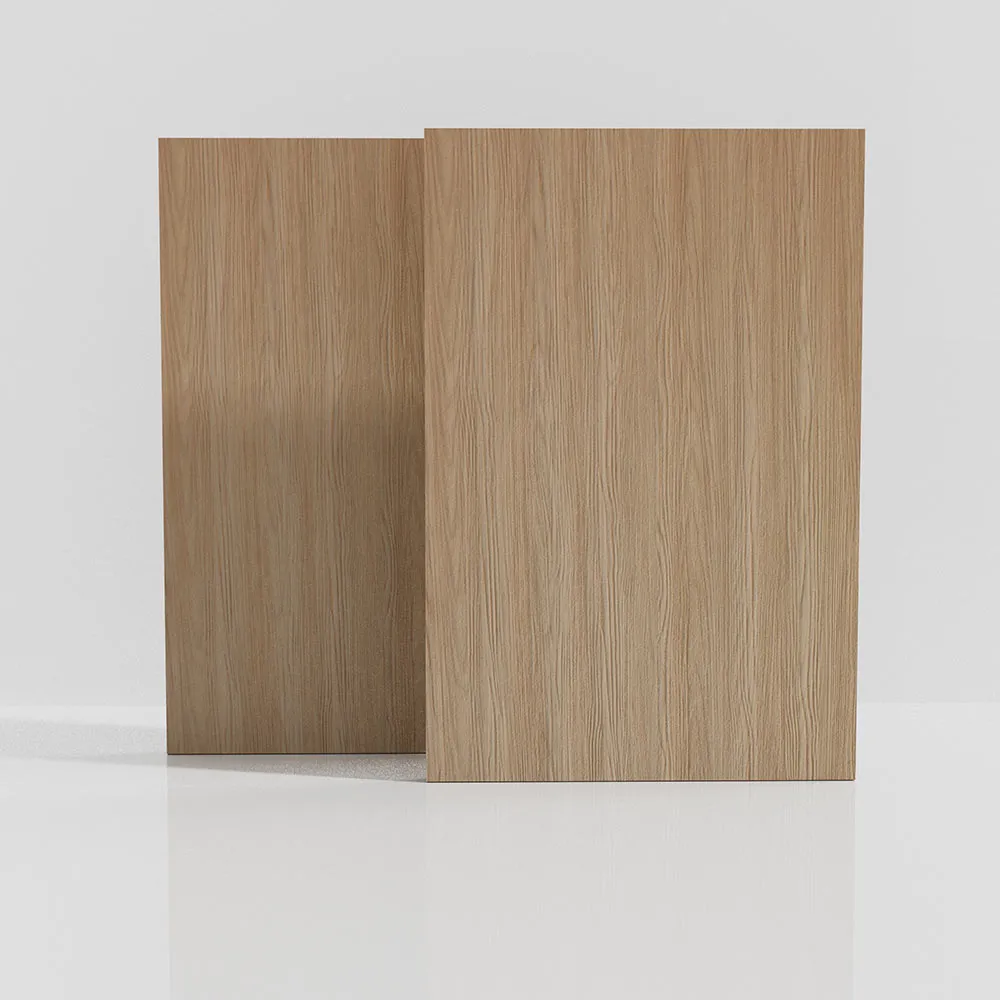
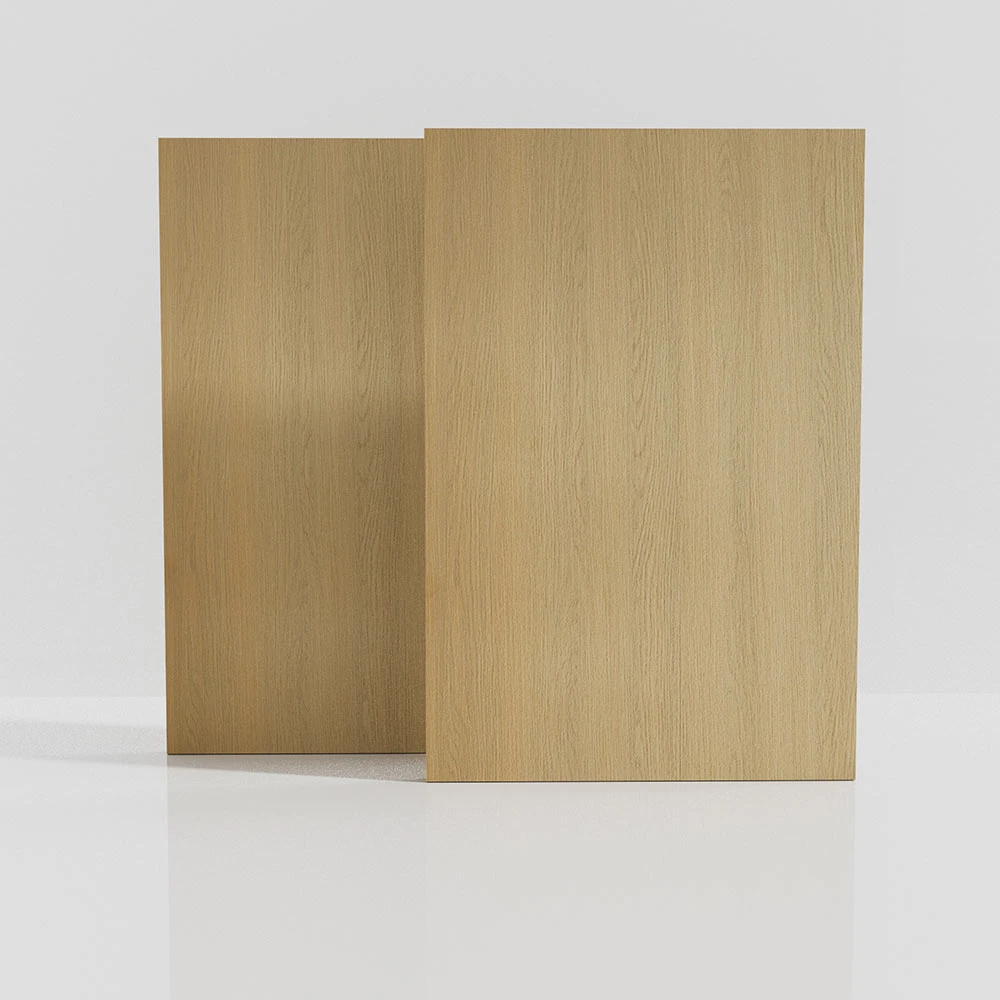
1/16 plywood, also known as 1.5mm plywood, is a versatile and lightweight wood panel widely used in various applications. From crafts and modeling to furniture components and packaging, its thin profile and affordability make it a popular choice. This article provides an in-depth look at 1/16 plywood, covering its properties, applications, benefits, and where to source high-quality sheets. We'll also delve into comparisons with other plywood thicknesses and explore how to select the right grade for your project. Learn more about our plywood selection at Tengfei EBMDF.
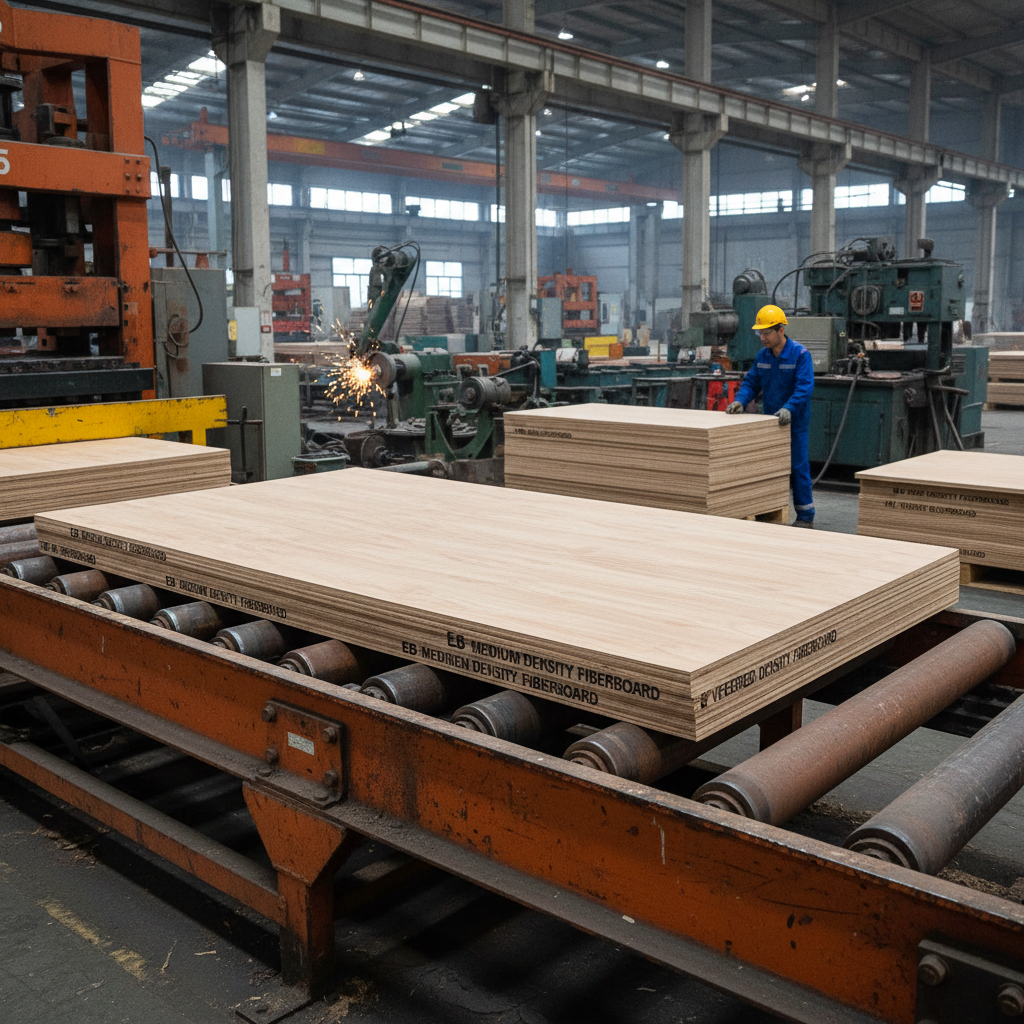
1/16 plywood is a thin sheet of plywood measuring approximately 1.5 millimeters (or 1/16 of an inch) in thickness. It's typically constructed from layers of wood veneer bonded together with adhesives. The number of plies (layers) can vary, influencing its strength and flexibility. Common wood species used in 1/16 plywood include birch, poplar, and maple. The thinness of this plywood makes it incredibly easy to cut, shape, and work with, making it ideal for intricate designs and projects. It’s a cost-effective alternative to solid wood in situations where strength isn't the primary concern.
Key Highlights: Lightweight, easy to cut, versatile, and cost-effective. Ideal for crafts, modeling, and backing materials.
The versatility of 1/16 plywood allows it to be used in a wide array of projects. Common applications include: model building (airplanes, boats, cars), dollhouse construction, laser cutting projects, scroll saw work, backing for framed artwork, drawer bottoms, cabinet backing, and decorative accents. It's frequently utilized in crafts requiring a bendable yet stable material. Because of its smooth surface, it also serves as an excellent base for painting and applying veneers. Many hobbyists and professionals rely on 1/16 plywood for quick and efficient project completion.
Application Benefits:
• Ideal for small-scale projects.
• Easy to manipulate for intricate designs.
• Provides a smooth surface for finishing.
• Affordable and readily available.
Choosing the right plywood thickness depends on the application. 1/16 plywood is the thinnest commonly available option. Here’s a comparison:
Plywood is graded based on the quality of the face veneers. Common grades include A, B, C, and D. 'A' grade has the fewest imperfections, while 'D' grade has the most. For projects where the appearance is important, an A or B grade is recommended. For hidden applications, like backing, a C or D grade may be sufficient. The type of adhesive used also matters – exterior-grade plywood is water-resistant, while interior-grade is not. Tengfei EBMDF offers a variety of plywood grades to meet your specific project needs.
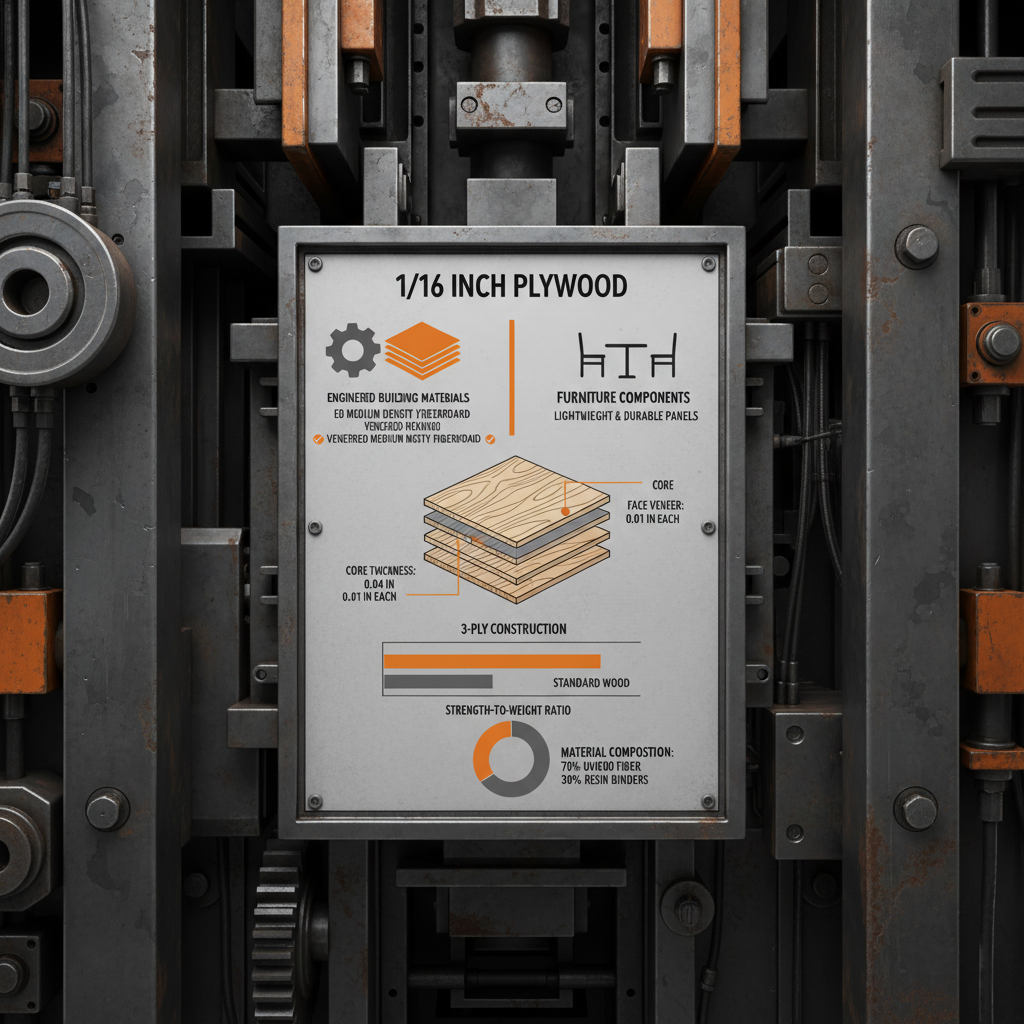
When sourcing 1/16 plywood, quality and consistency are crucial. Look for suppliers with a good reputation and a wide selection of grades and species. Tengfei EBMDF is a leading supplier of plywood products, offering competitive pricing, reliable delivery, and excellent customer service. We stock a variety of 1/16 plywood options to suit a broad range of applications.
1/16 plywood is a fantastic material for a variety of projects, offering a balance of affordability, workability, and versatility. By understanding its properties, applications, and grading options, you can make informed decisions and achieve excellent results. Don't hesitate to explore the options available at Tengfei EBMDF to find the perfect 1/16 plywood for your next endeavor.
Because of its thinness, 1/16 plywood is best cut with a sharp utility knife, a scroll saw, or a laser cutter. A utility knife requires multiple passes with a straight edge for clean cuts. Scroll saws are excellent for intricate designs, and laser cutters provide the most precise and clean edges. When using any tool, it's crucial to secure the plywood firmly to prevent splintering or movement during cutting. Using a fresh blade for the utility knife or scroll saw will significantly improve the cut quality.
Yes, 1/16 plywood can be readily painted or stained. However, it’s recommended to apply a primer first to seal the wood and ensure even coverage. Water-based paints and stains are generally preferred as they are less likely to warp the thin plywood. Light sanding before priming will create a smoother surface for better adhesion. For a professional finish, apply multiple thin coats rather than one thick coat.
Generally, 1/16 plywood is not recommended for prolonged outdoor use unless it's specifically exterior-grade plywood. Exterior-grade plywood is treated with water-resistant adhesives and may have a waterproof coating. Even with exterior-grade plywood, it's best to protect it with a sealant or paint to further enhance its durability. Regular untreated 1/16 plywood will quickly deteriorate when exposed to the elements.
Tengfei Platinum EB Particle Panels - Matte Black
Tengfei Platinum EB Particle High-Gloss Panels - Pure white

To provide reliable solutions through quality products!