Add: No.8 Xinxing Street, North Zone, Zhengding High-tech Industrial Development Zone, Hebei, China
CONTACT US
+8615030171059


CONTACT US
+8615030171059
When undertaking construction or renovation projects, the choice of materials is paramount, especially when fire safety is a concern. 1 2 fire rated plywood offers a robust and reliable solution, providing a balance of structural integrity and fire resistance. This article will delve into the specifics of this plywood, its applications, and the factors influencing its fire rating. Understanding these aspects is vital for ensuring building compliance and, most importantly, the safety of occupants. We’ll cover everything from its composition to best practices for utilization.
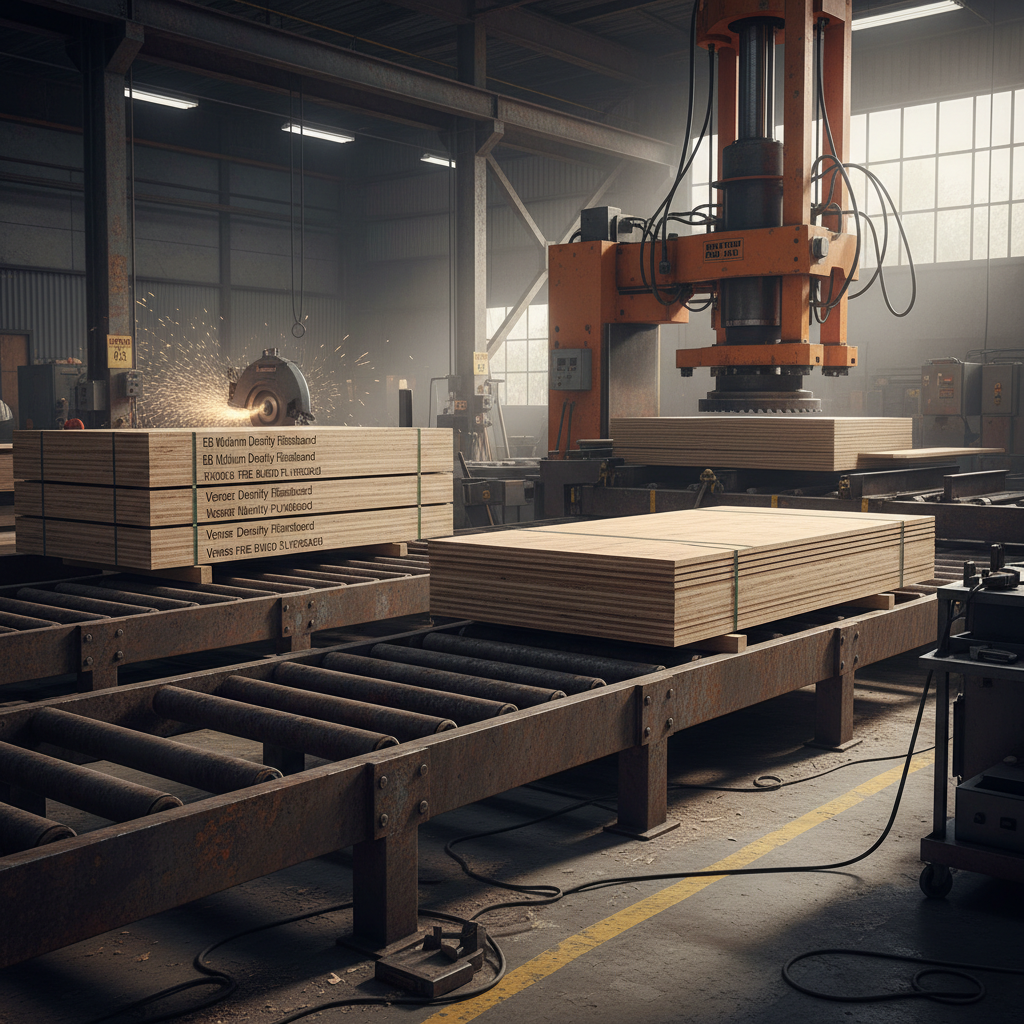
1/2 inch fire rated plywood is a type of engineered wood panel designed to resist the spread of flames for a specified period. The "fire rating" refers to the duration, typically expressed in minutes or hours, that the plywood can withstand direct flame exposure before failing to maintain its structural integrity or allowing flames to penetrate. This resistance is achieved through the use of specialized wood treatments, bonding agents, and manufacturing processes. It’s crucial to note that a fire rating doesn’t mean the plywood is fireproof; it merely slows down flame propagation, providing valuable time for evacuation and fire suppression efforts. Different grades and treatments are available, impacting the final fire resistance level. Tengfei EBMDF specializes in providing high-quality fire-rated plywood solutions.
Key Highlights: This plywood is engineered for flame retardancy without significantly compromising structural strength. It’s an essential component in creating fire-safe environments.
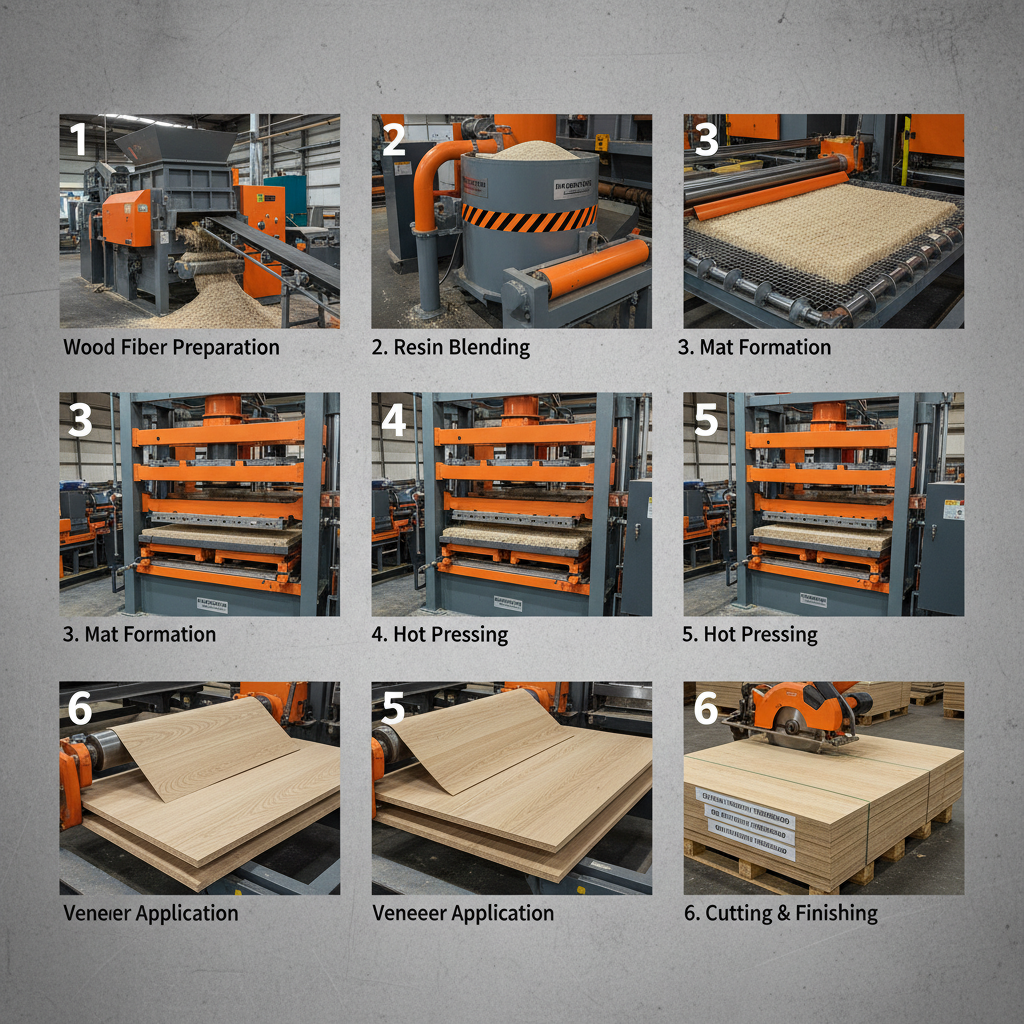
The fire resistance of plywood isn't inherent in the wood itself. It's achieved through a combination of treatments and manufacturing techniques. One common method involves impregnating the wood with fire-retardant chemicals – typically phosphates or borates – that release non-combustible gases when exposed to heat. These gases dilute the oxygen supply around the flame, hindering combustion. Furthermore, the type of adhesive used in bonding the wood veneers plays a crucial role. Certain adhesives are formulated to be more resistant to heat and flame spread. Finally, the density and thickness of the plywood also influence its fire rating; thicker panels generally offer greater resistance.
Fire Resistance Techniques:
• Chemical impregnation with fire retardants.
• Use of heat-resistant adhesives.
• Increased plywood density and thickness.
• Specialized surface coatings for enhanced protection.
1/2 inch fire rated plywood finds extensive use in a variety of construction and interior design applications where fire safety is critical. Common applications include: wall and ceiling linings in commercial buildings, fire-resistant doors and partitions, structural components in fire-rated assemblies, and decorative panels in public spaces. It’s particularly prevalent in areas subject to strict building codes, such as schools, hospitals, and high-rise structures. Furthermore, it is a popular choice for creating fire-resistant enclosures around electrical and mechanical systems. It’s important to verify that the plywood meets the specific fire rating requirements of the intended application.
The fire rating of plywood is usually expressed in minutes, indicating how long it can resist fire spread. A 20-minute fire rating means the plywood can withstand direct flame exposure for at least 20 minutes before failing. Higher ratings (e.g., 45, 60, 90 minutes) signify greater fire resistance. It’s important to remember that these ratings are determined under standardized laboratory conditions and represent the minimum performance level. Factors like installation quality, surrounding materials, and the intensity of the fire can influence actual performance. Always consult local building codes and regulations to determine the appropriate fire rating for your specific project. Contact Tengfei EBMDF for expert advice on selecting the right plywood for your needs.
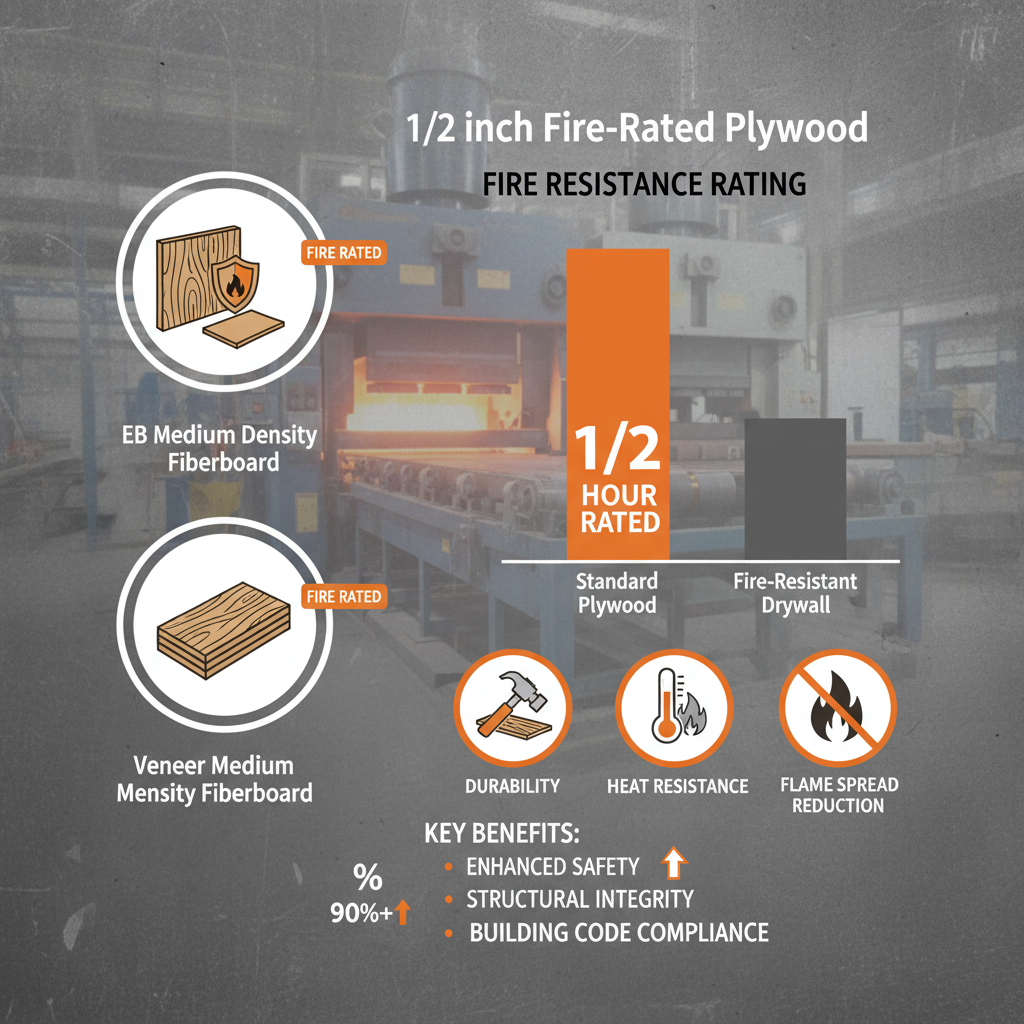
Investing in 1 2 fire rated plywood is a crucial step in enhancing building safety and protecting lives. By understanding its properties, applications, and limitations, you can make informed decisions to create a more secure environment. Proper selection, installation, and adherence to building codes are essential for maximizing its effectiveness. Don’t compromise on safety – choose a reliable supplier and prioritize fire-resistant materials in your construction projects.
These terms are often used interchangeably, but they have distinct meanings. “Fire-retardant” means a material resists ignition and slows the spread of flames, but will eventually burn. “Fireproof” implies complete immunity to fire, which is virtually impossible to achieve in practical applications. 1/2 inch fire rated plywood is fire-retardant, not fireproof, as it will eventually succumb to prolonged flame exposure.
Look for a label or stamp on the plywood indicating its fire rating and the testing standard it meets (e.g., ASTM E84, UL 723). Ensure the label is from a reputable testing laboratory. Documentation from the manufacturer, such as a product data sheet, should also specify the fire rating. If unsure, consult with a qualified building inspector or fire safety professional.
Some fire rated plywood is specifically treated for exterior use and can withstand exposure to the elements. However, it’s crucial to choose plywood that is both fire-rated and weather-resistant. Check the manufacturer’s specifications to ensure it’s suitable for your intended exterior application. Regular maintenance may be required to maintain its fire resistance and structural integrity.
The cost of fire rated plywood varies depending on the thickness, fire rating, grade, and supplier. Generally, it is more expensive than standard plywood due to the added fire-retardant treatments and manufacturing processes. Prices can range from $50 to $150 per sheet for a 1/2 inch panel, but this is an estimate and can fluctuate based on market conditions and specific product features. Contact Tengfei EBMDF for a detailed price quote.
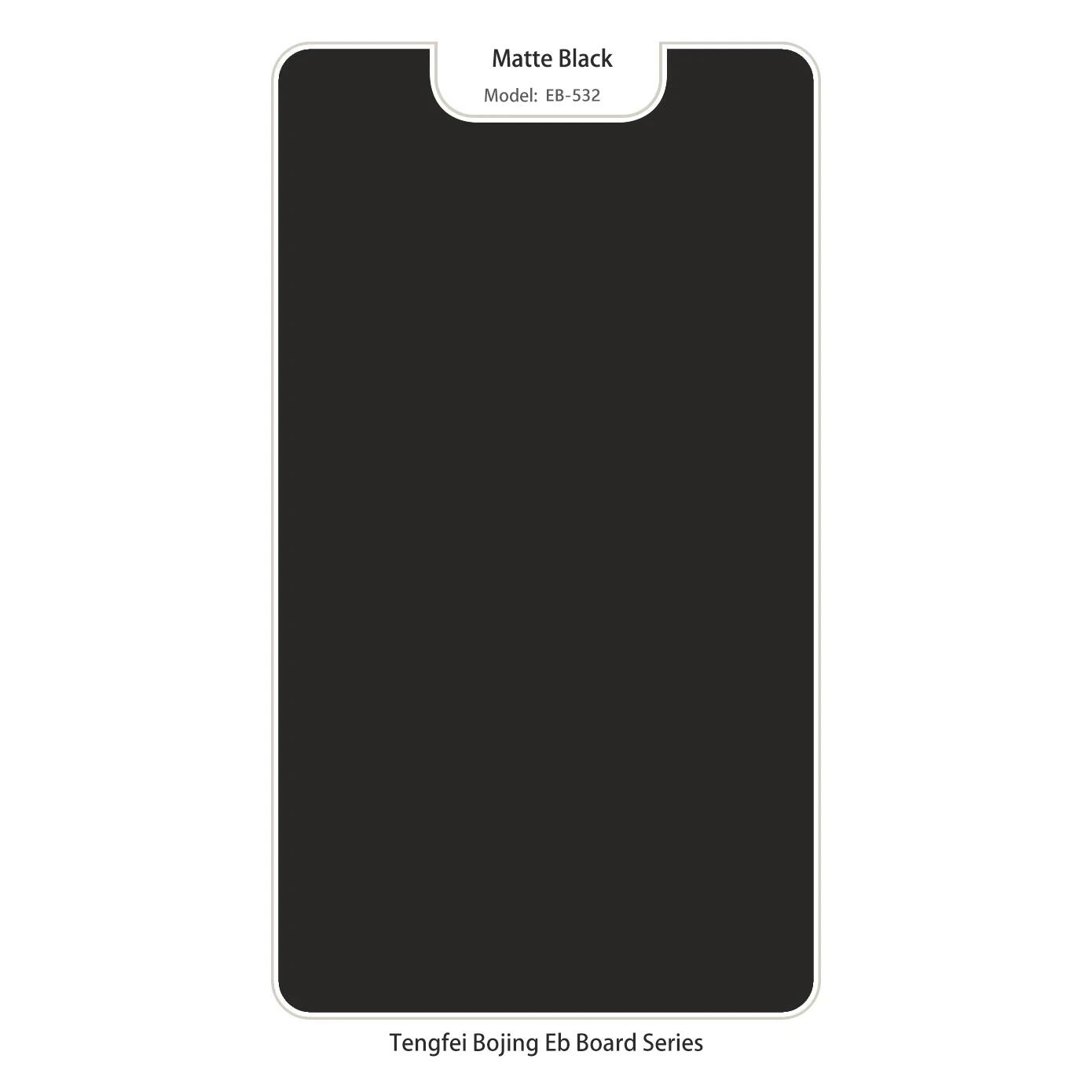
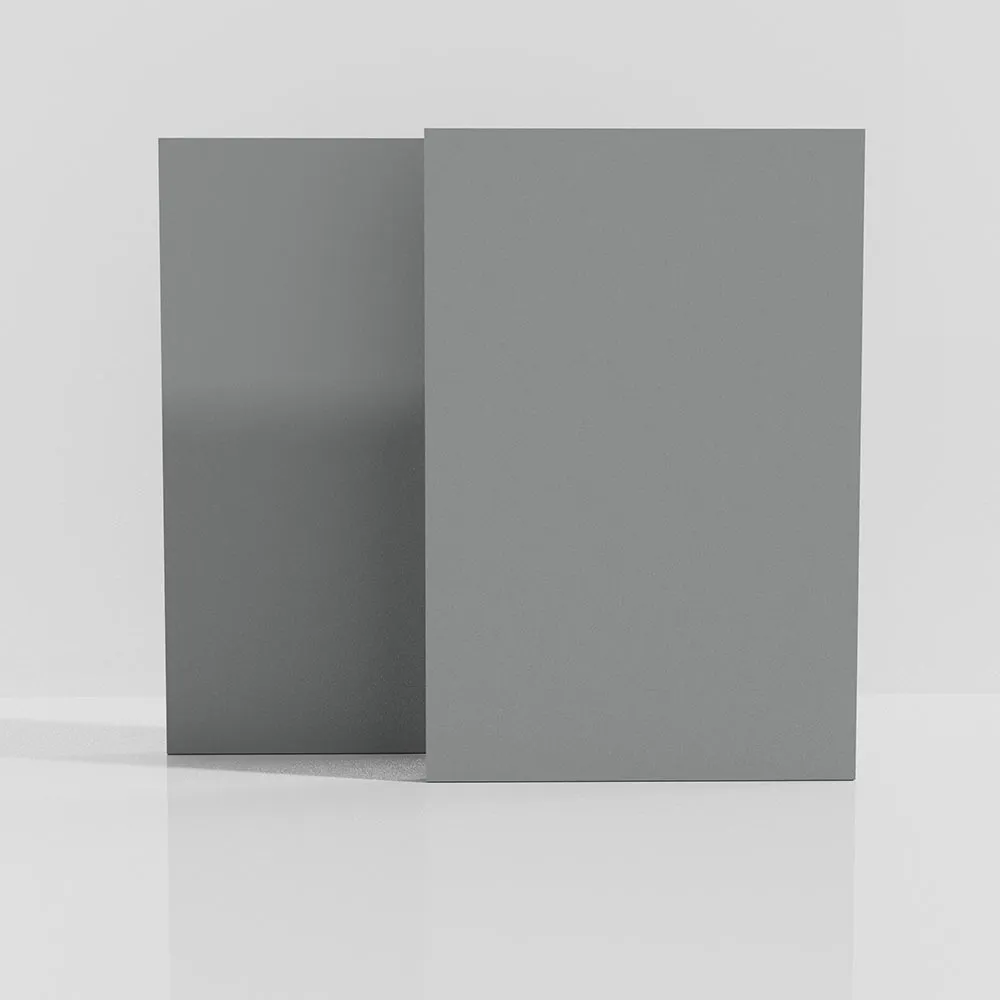
Tengfei Platinum EB Particle Panels - Matte Black
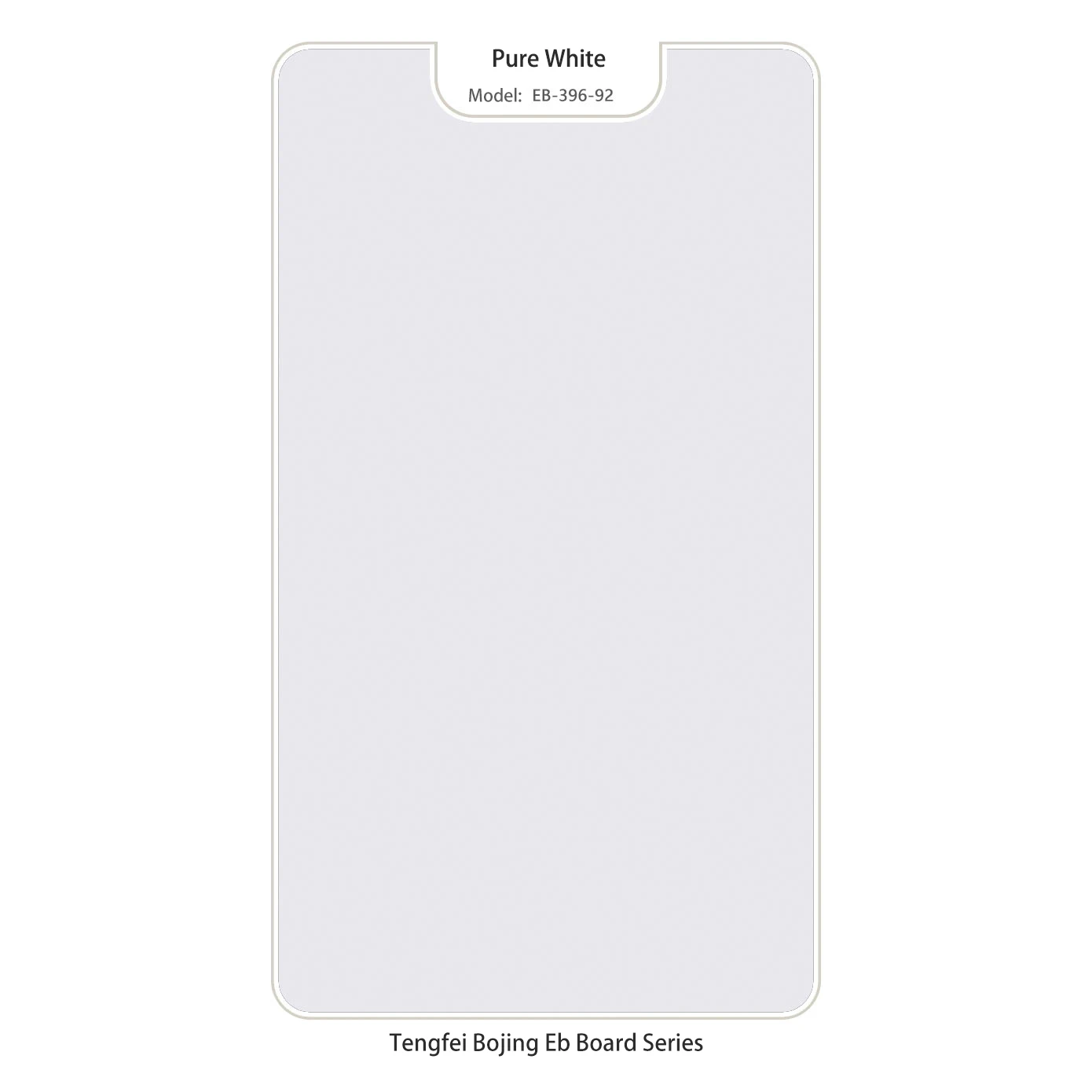
Tengfei Platinum EB Particle High-Gloss Panels - Pure white
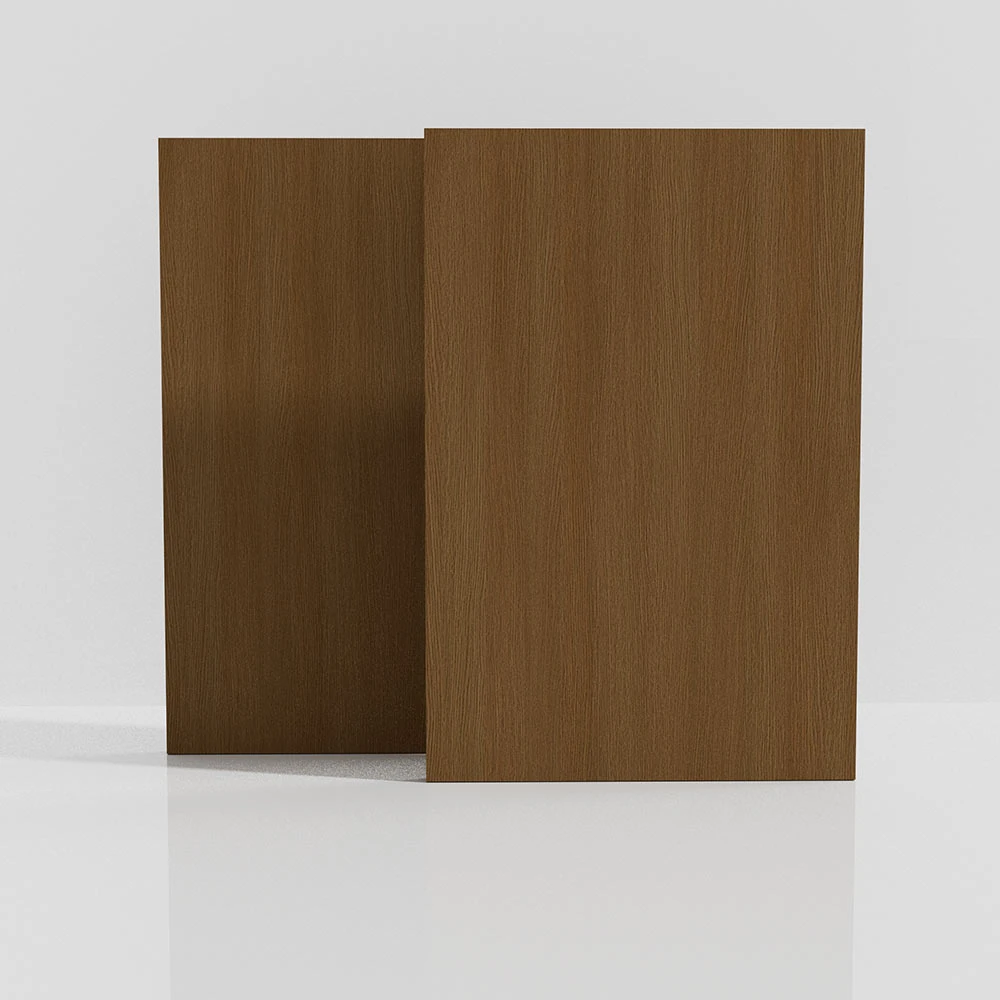
To provide reliable solutions through quality products!