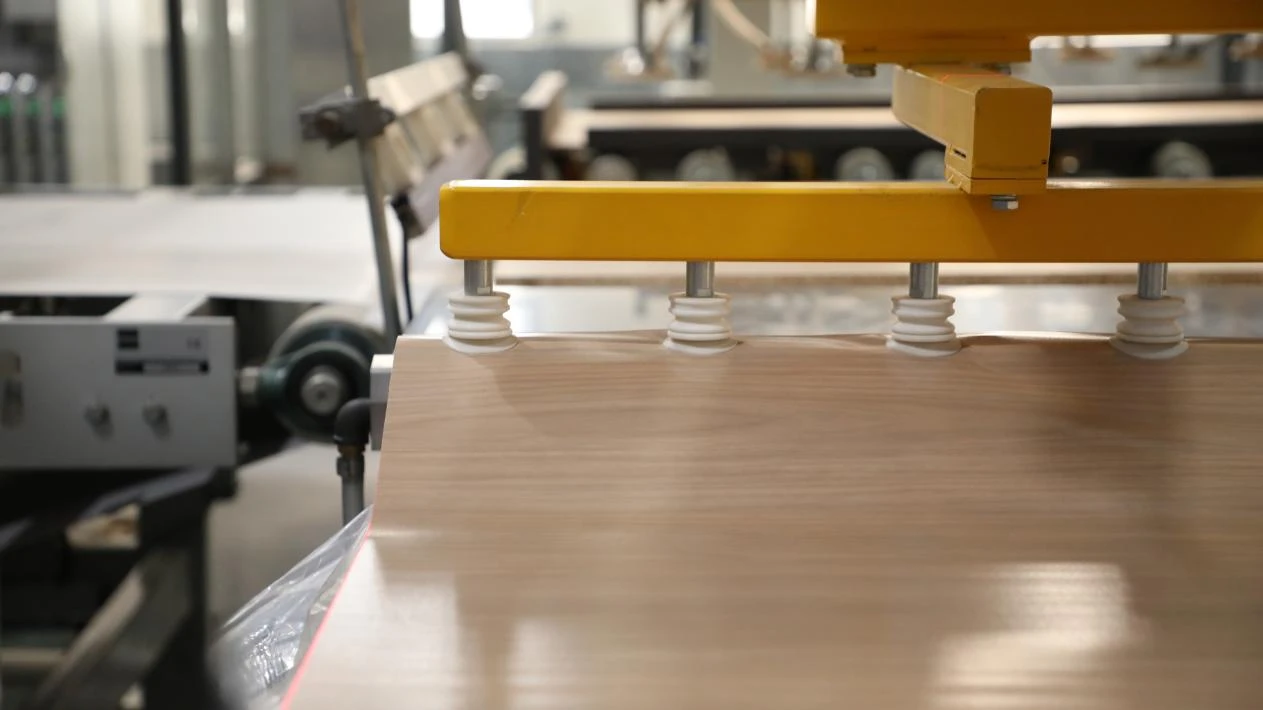
Add: No.8 Xinxing Street, North Zone, Zhengding High-tech Industrial Development Zone, Hebei, China
CONTACT US
+8615030171059


CONTACT US
+8615030171059
1 16 inch plywood, also known as 1/16" plywood, is a versatile material commonly used in a wide range of applications, from crafting and model making to furniture construction and interior design. Its thin profile and flexibility make it ideal for projects requiring lightweight and easily manipulated wood. This article will explore the characteristics, uses, benefits, and considerations when working with 1 16 inch plywood, and will highlight why Tengfei EBMDF offers high-quality options to meet your needs. Choosing the right plywood is crucial for the success of your project, and we'll cover how to do just that.
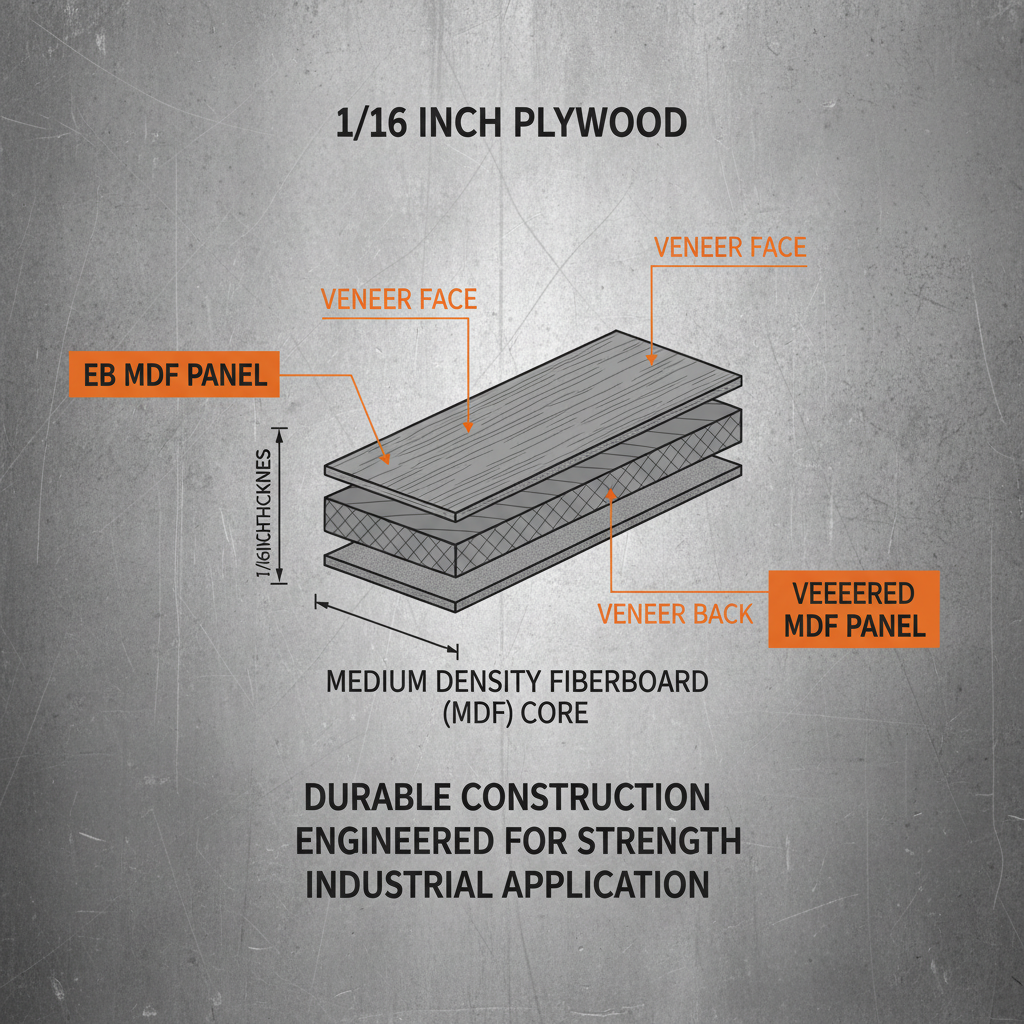
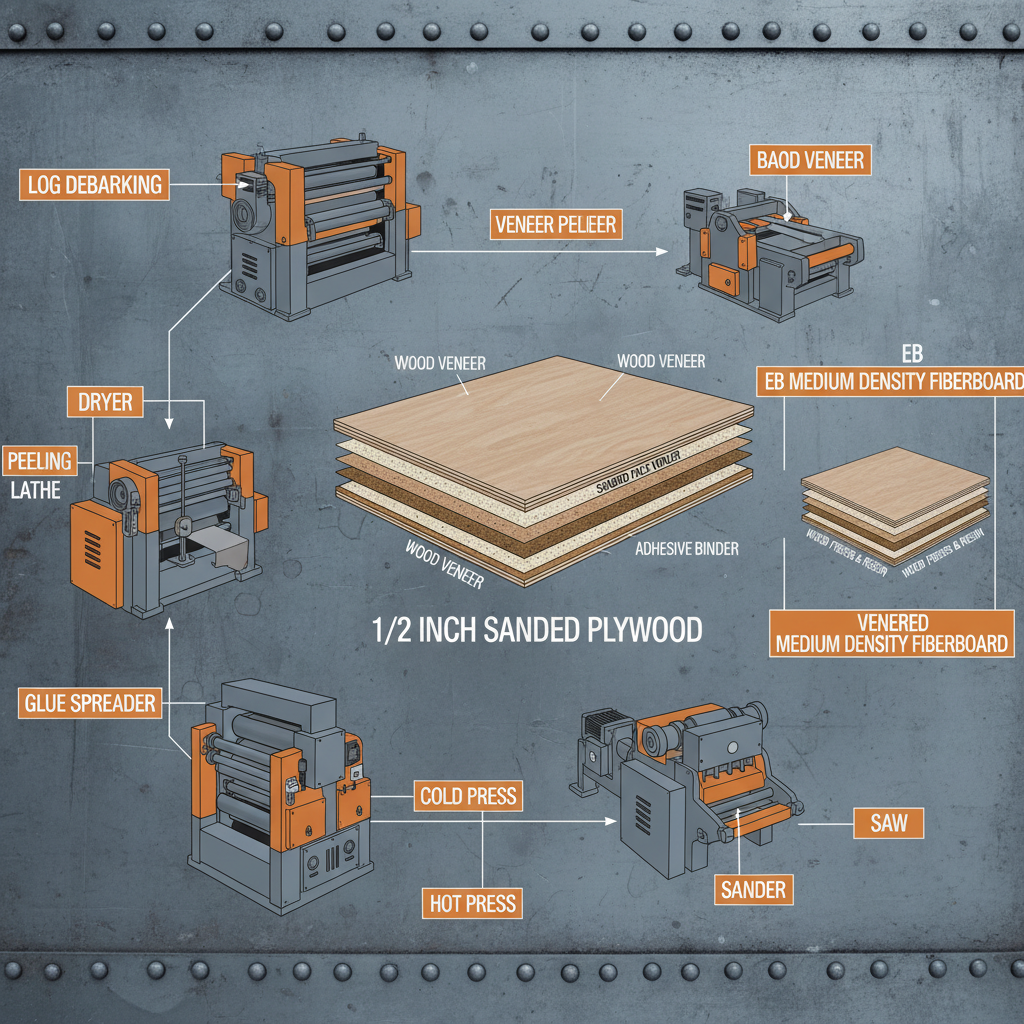
1/16 inch plywood is an engineered wood product constructed from thin layers of wood veneer glued together under heat and pressure. This lamination process creates a stable and strong sheet material, despite its minimal thickness. Commonly, it’s constructed using a core of softwood like poplar or pine, faced with higher-quality veneers like birch or maple. Its thinness makes it easy to cut, bend, and shape, opening up a wide array of creative possibilities. The density and quality of the wood veneers significantly impact the plywood’s strength and finish. Exploring the different types of plywood available from Tengfei EBMDF can help you find the perfect material for your project.
Key Highlights: A versatile engineered wood product, constructed from thin layers of wood veneer. Ideal for projects needing lightweight and easily manipulated wood.
Due to its flexibility and lightweight nature, 1/16 inch plywood finds its application in diverse areas. Model building, where precision and ease of cutting are paramount, is a frequent use case. Craft projects, such as creating intricate designs or decorative elements, also benefit from its manageable thickness. It’s also frequently used as a backing material for artwork, as a layer in laser cutting projects, and as a component in small-scale furniture construction. The thinness makes it a valuable resource for creating curved surfaces and internal structures. At Tengfei EBMDF, we supply plywood suitable for both hobbyist and professional applications.
Popular Uses:
• Model building
• Craft projects and decorative elements
• Backing for artwork
• Laser cutting
• Small-scale furniture components
Like any material, 1/16 inch plywood has its own set of advantages and disadvantages. On the positive side, its flexibility, lightweight nature, and low cost make it accessible for a wide range of projects. It's easy to cut with a variety of tools, including utility knives, saws, and laser cutters. However, its thinness also translates to lower strength and durability compared to thicker plywood options. It’s more prone to warping or bending under stress, and less resistant to impacts. Selecting the right grade and veneer type is key to mitigating these drawbacks. The team at Tengfei EBMDF can assist you in selecting the appropriate plywood grade for your specific application.
The grade of plywood significantly influences its appearance and performance. A-grade plywood exhibits the fewest imperfections and is ideal for projects where aesthetics are important. B-grade plywood has some minor cosmetic defects, but remains suitable for many applications. C-grade plywood has more imperfections and is often used for structural purposes where appearance isn’t a concern. The veneer type also matters: birch and maple provide a smooth, high-quality finish, while poplar and pine are more economical options. At Tengfei EBMDF, we offer a diverse range of grades and veneer types to match your specific project needs and budget.
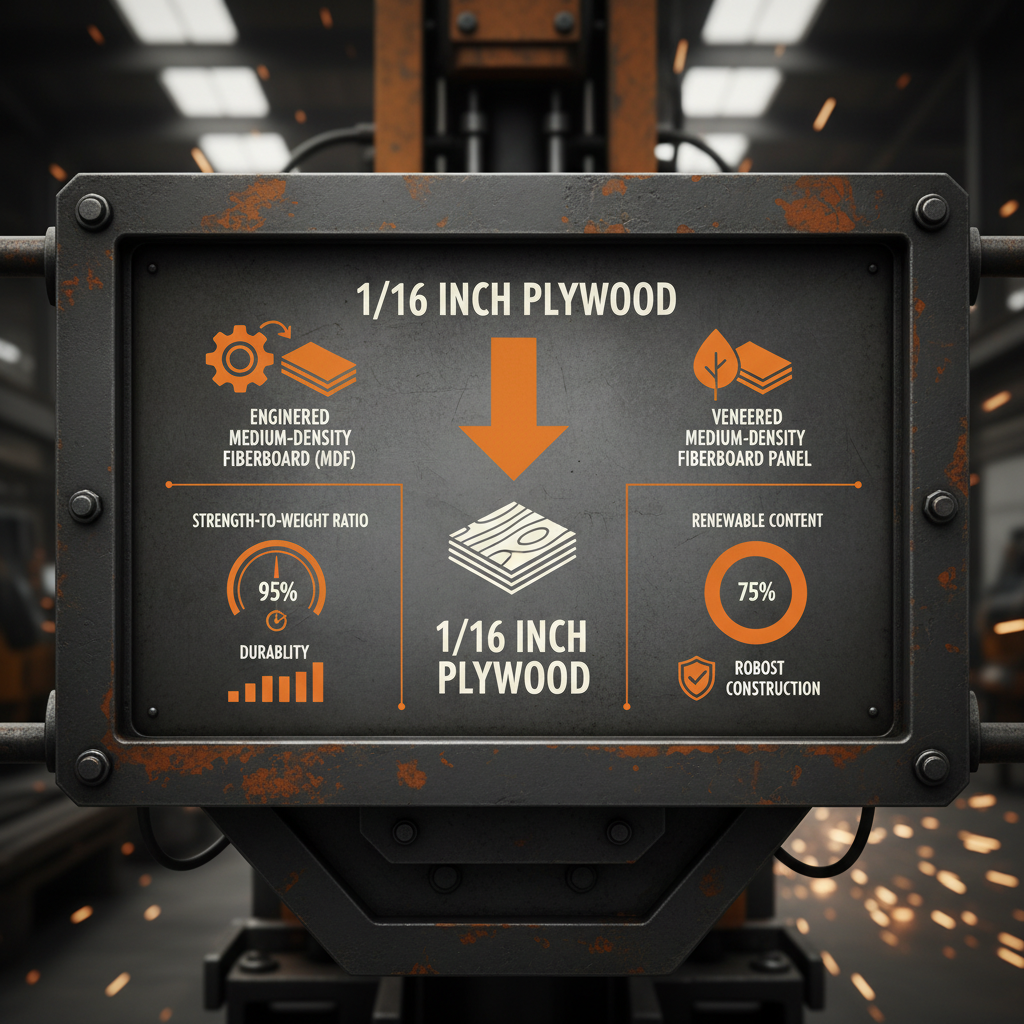
When working with 1/16 inch plywood, careful handling and appropriate techniques are essential. Use sharp blades to minimize splintering. Sanding edges before finishing can create a smoother appearance. When gluing, use a fast-drying adhesive specifically designed for wood. Consider reinforcing corners and edges for increased strength. For larger projects, support the plywood adequately to prevent warping. Proper preparation and execution will ensure a professional and durable outcome. The resources and expertise available at Tengfei EBMDF can help you succeed with your project.
1/16 inch plywood is a fantastic material for a diverse range of projects, offering flexibility, affordability, and ease of use. By understanding its characteristics and utilizing the right techniques, you can achieve outstanding results. Tengfei EBMDF is your trusted partner for high-quality plywood solutions. Don't hesitate to explore our selection and leverage our expertise to bring your creative vision to life.
For 1/16 inch plywood, a fast-drying wood glue is generally recommended. Cyanoacrylate (super glue) is suitable for quick bonding but can be brittle. PVA glue (white glue) is a good all-around choice but requires clamping during drying. Consider a polyurethane glue for a stronger, water-resistant bond. The specific adhesive will depend on the project requirements and the materials being joined. Ensure the adhesive is compatible with the plywood's veneer type for optimal results. Always follow the manufacturer's instructions for application and drying times.
Yes, 1/16 inch plywood can be painted or stained. However, due to its thinness, proper surface preparation is crucial. Sand the plywood thoroughly to create a smooth surface and remove any imperfections. Apply a wood conditioner before staining to ensure even absorption. Use a primer before painting to improve adhesion and prevent the paint from soaking into the wood. Several thin coats are preferable to one thick coat for a more durable and consistent finish.
A variety of tools can be used to cut 1/16 inch plywood. A sharp utility knife with a fresh blade is effective for straight cuts. A hobby knife or X-acto knife is ideal for intricate details. A fine-toothed saw, such as a coping saw or scroll saw, can also be used. Laser cutters provide precise and clean cuts. Regardless of the tool, always use a sharp blade and support the plywood to prevent splintering or bending during cutting.
Generally, 1/16 inch plywood is not recommended for prolonged outdoor use unless it's specifically treated for weather resistance. It's susceptible to moisture damage, warping, and delamination when exposed to the elements. If outdoor use is necessary, consider using marine-grade plywood and applying a waterproof sealant or paint to protect it. Even with protection, its lifespan outdoors will be significantly shorter compared to thicker, treated plywood.
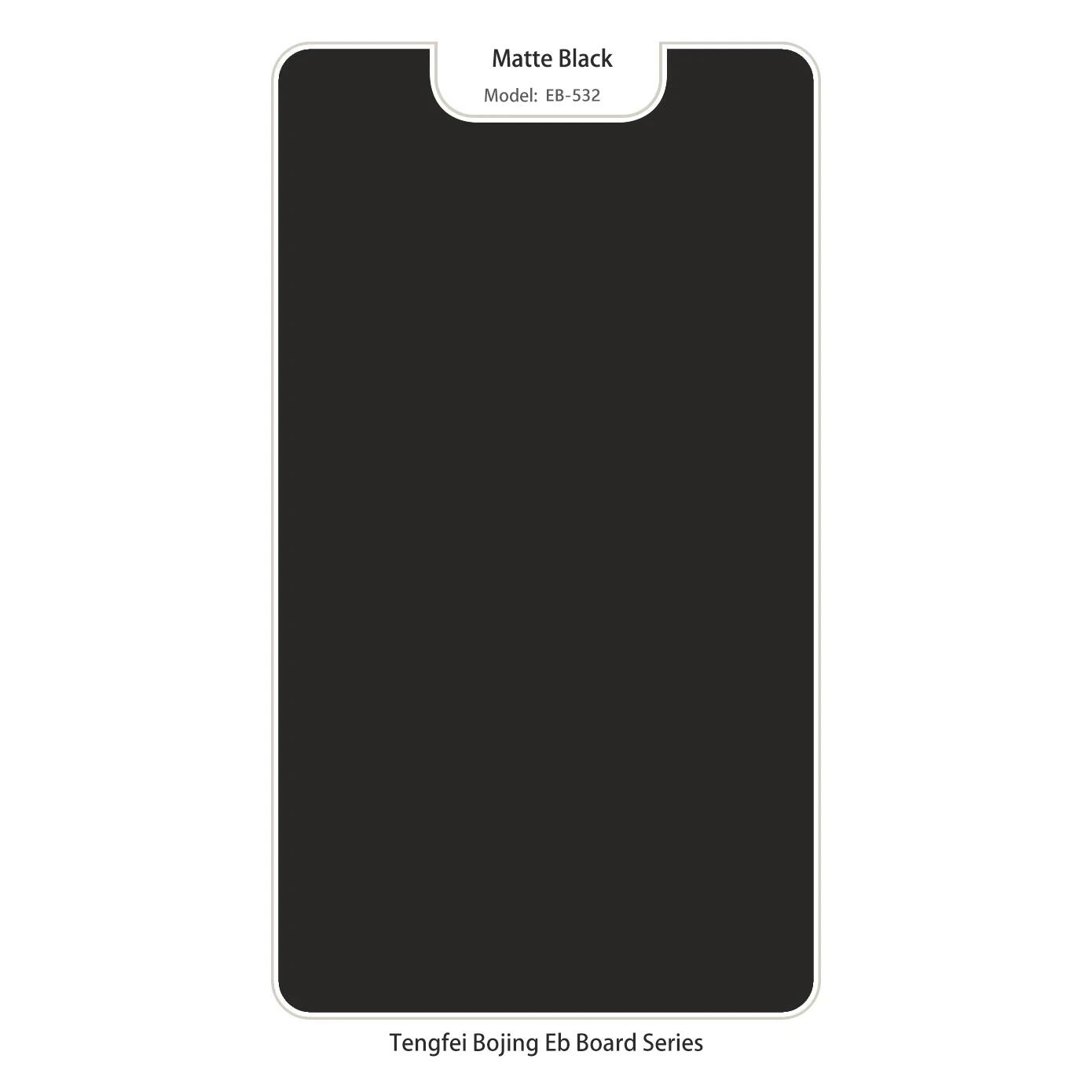
Tengfei Platinum EB Particle Panels - Matte Black
Tengfei Platinum EB Particle High-Gloss Panels - Pure white

To provide reliable solutions through quality products!