What Is Cream MDF Board, and What Makes It Suitable for Modern Interiors?
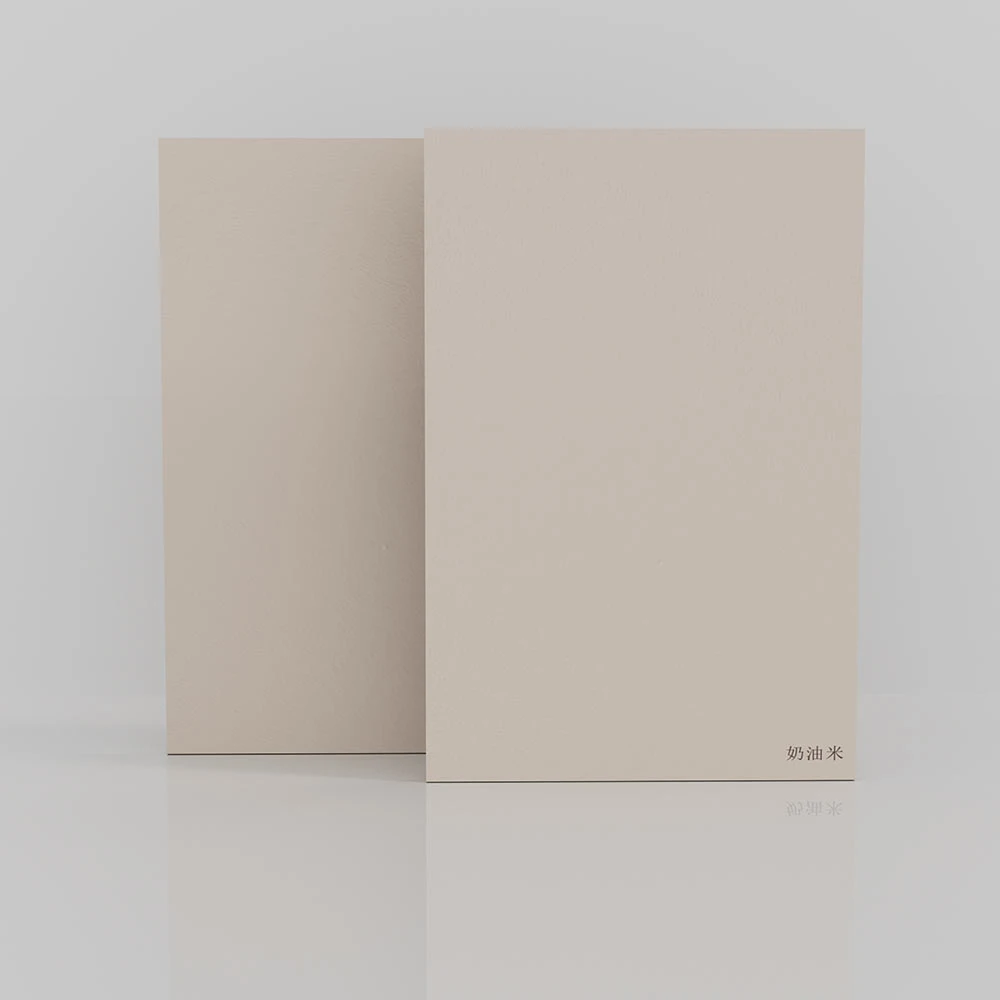
Cream MDF Board is a decorative panel option for furniture makers and interior designers who want a warm, neutral color rather than a stark white surface. Its cream tone can create a softer visual effect while keeping the clean, understated appearance favored in contemporary interiors.
The MDF substrate provides a uniform structure that supports accurate cutting, routing, and component fabrication when the board grade is selected for the intended application. Depending on the surface treatment, cream-colored MDF panels can suit flat cabinet fronts, furniture components, shelving, and decorative interior features.
For furniture manufacturers, color consistency across production batches is an important consideration. A consistent cream finish helps maintain a coordinated look across multiple cabinet doors, furniture panels, and fitted interior components. Buyers should also confirm the surface texture, panel dimensions, thickness tolerance, and finishing requirements before placing bulk orders.
When sourcing Cream MDF Board from Tengfei, buyers can discuss the intended furniture design, preferred appearance, and project specifications to identify a suitable decorative panel solution.
How to Choose Cream MDF Board for Kitchen Cabinets and Wardrobes
Choosing Cream MDF Board for kitchen cabinets and wardrobes involves more than selecting an attractive color. Buyers should consider the intended use, surface finish, edge treatment, and environmental conditions of the finished furniture.
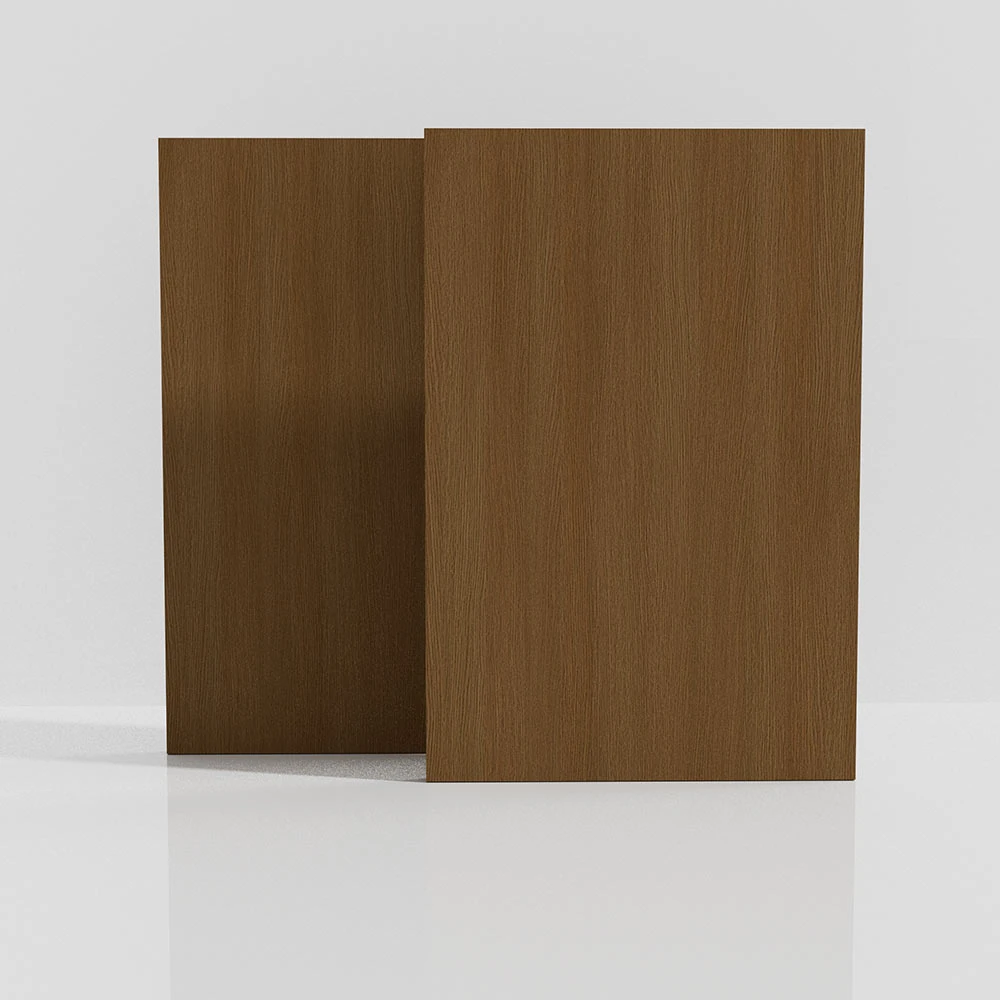
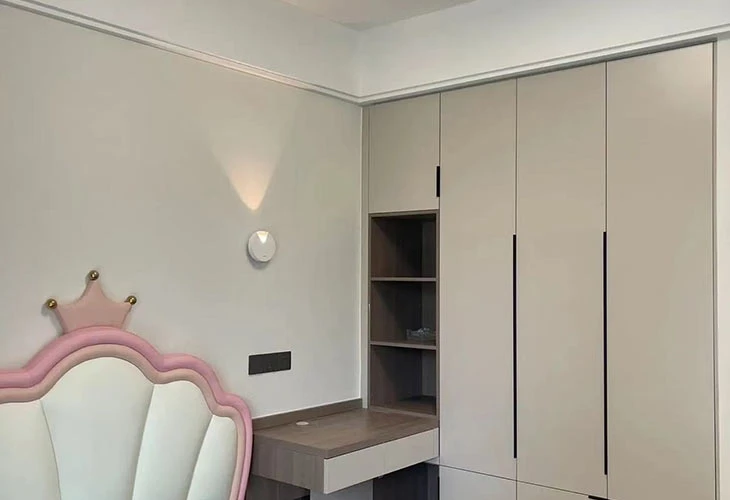
For wardrobe doors and bedroom storage, a soft cream finish can complement woodgrain panels, neutral walls, and darker hardware. In kitchen cabinetry, cream-colored panels can create a bright and welcoming appearance while pairing well with stone-look countertops, wood accents, and metal handles.
The appropriate board specification depends on the application. Cabinet doors and exposed furniture panels may require a finished decorative surface, while internal components may use a different material or finish. Buyers should confirm whether the selected board is suitable for the required machining, edge banding, and assembly process.
Kitchen and bathroom projects also require particular attention to moisture exposure. Standard MDF should not automatically be treated as moisture-resistant, and suitability depends on the board grade, surface system, and installation conditions.
Tengfei can discuss your cabinet design, preferred cream tone, and processing requirements to help determine which panel specification best fits your furniture manufacturing project.
Cream MDF Board vs. White MDF Board: Which Color Is Better for Furniture?
Cream MDF Board and White MDF Board are both versatile choices for furniture and interior panel production, but they create different visual effects. Cream offers a warmer, softer appearance, while white generally produces a cleaner, brighter contrast.
Cream-colored panels work well in interiors that combine warm woodgrain, beige stone, brushed metal, or earthy decorative elements. They can help furniture feel welcoming without introducing a strong color contrast. White panels, on the other hand, are often selected for crisp minimalist interiors, high-contrast designs, and projects that call for a brighter overall palette.
The right choice also depends on the surrounding materials and lighting. A cream finish may appear more yellow or beige under warm lighting, while a white surface can look cooler under the same conditions. For large furniture orders, buyers should review physical samples alongside the actual countertop, flooring, and wall finishes.
Color alone does not determine board performance. Core quality, surface treatment, thickness, and environmental specifications should also be assessed. By comparing samples and technical data before production, furniture manufacturers can select the appropriate panel for both design consistency and manufacturing needs.
Cream Melamine Faced MDF vs. Painted MDF: Key Differences
When selecting cream-colored furniture panels, buyers should distinguish between the MDF substrate and the decorative surface applied to it. Cream Melamine Faced MDF typically uses a melamine-based decorative layer, while painted MDF receives a coating system designed to create the specified color and surface appearance.
Melamine-faced panels can be suitable for furniture production that requires a consistent decorative finish across repeated components. Painted MDF offers flexibility in coating appearance, including different sheen levels and color matching options, depending on the paint system and production process.
The choice affects more than appearance. Buyers should evaluate scratch and stain resistance, cleaning requirements, edge finishing, machining compatibility, and the expected service environment based on the actual product specification. Neither surface type should be assumed to have identical performance across all manufacturers and grades.
It is also important to verify whether the Cream MDF Board being purchased is an EB-coated panel, a melamine-faced product, or another decorative board construction. These terms describe different surface systems and should not be used interchangeably.
Before selecting a panel for mass production, request surface samples and relevant technical information. This helps manufacturers align the finish with their production process, furniture design, and end-user requirements.
What Thickness and Sheet Size Should You Choose for Cream MDF Board?
The right Cream MDF Board thickness and sheet size depend on the finished component, furniture design, and manufacturing process. Cabinet doors, wardrobe panels, shelving, drawer fronts, and decorative wall elements may have different structural and fabrication requirements.
When comparing MDF sheets, buyers should review nominal thickness, width, length, thickness tolerance, density, and surface condition. Consistent dimensions can simplify cutting plans, improve material utilization, and reduce unnecessary adjustments during furniture production.
Sheet size is equally important for production efficiency. Larger panels may help reduce joints or improve cutting yield for certain components, while smaller formats may be easier to handle in workshops with limited equipment or storage space. The best option depends on the dimensions of the finished parts and the layout of the cutting line.
Buyers should also confirm whether the decorative surface is applied to one side or both sides, and whether the edges require sealing or banding after machining. These details affect the finished appearance and the amount of additional processing needed.
For bulk purchasing, provide the required dimensions, target application, estimated order quantity, and finishing preferences when requesting a quotation from Tengfei. Actual thicknesses and sheet sizes should be confirmed against the available product specifications.
Cream MDF Board FAQs
1. What Is Cream MDF Board?
Cream MDF Board is a medium-density fiberboard panel featuring a cream-colored decorative surface. It is suitable for furniture manufacturing and interior decoration where a warm, neutral appearance is desired. The exact surface construction depends on the product specification.
2. What Is Cream MDF Board Used For?
Cream MDF Board can be used for wardrobe panels, cabinet doors, shelving, furniture components, and decorative interior panels, provided the selected board grade and finish meet the application requirements.
3. What Is the Difference Between Cream MDF Board and White MDF Board?
Cream MDF Board has a warmer, softer appearance, while White MDF Board creates a brighter, cleaner look. Cream panels pair well with woodgrain finishes, beige tones, and warm interior palettes. The best choice depends on the desired design and surrounding materials.
4. Is Cream MDF Board Suitable for Kitchen Cabinets?
Cream MDF Board can be suitable for kitchen cabinet doors and other interior components when the board grade and surface finish are appropriate. Standard MDF is not waterproof, so buyers should consider moisture exposure and confirm the product's suitability before use in kitchens.
5. What Thicknesses and Sizes Are Available for Cream MDF Board?
Available thicknesses and sheet sizes depend on the manufacturer's product range. Buyers should confirm the required dimensions, thickness tolerance, surface finish, and available specifications with Tengfei before placing an order.
6. What Surface Finishes Are Available for Cream MDF Board?
Cream-colored MDF panels may be available with different decorative surface treatments, depending on the manufacturer. Buyers should confirm whether the selected product uses an EB coating, melamine facing, paint, or another finish, and request samples to check the color and texture.
7. How Do You Clean and Maintain Cream MDF Board?
Clean finished Cream MDF Board with a soft cloth and a mild cleaning solution suitable for the surface. Avoid abrasive cleaners, excessive water, and prolonged moisture exposure. Follow the surface manufacturer's care instructions to maintain the appearance of the decorative finish.
8. How Can I Get a Quote for Cream MDF Board in Bulk?
To request a bulk quotation from Tengfei, provide your required thickness, sheet size, surface finish, estimated order quantity, and delivery destination. You can also request product samples and available technical specifications to evaluate the board before confirming your order.