Understanding 18mm plywood sheet price: What Influences Cost in Industrial Uses
Having spent over a decade in the industrial equipment sector, I’ve come to appreciate how sometimes what seems like a small spec—in this case, an 18mm thickness plywood sheet—can make quite a difference in both cost and performance. You might think plywood is just plywood, but, frankly, there’s a lot beneath the surface that affects the price you pay.
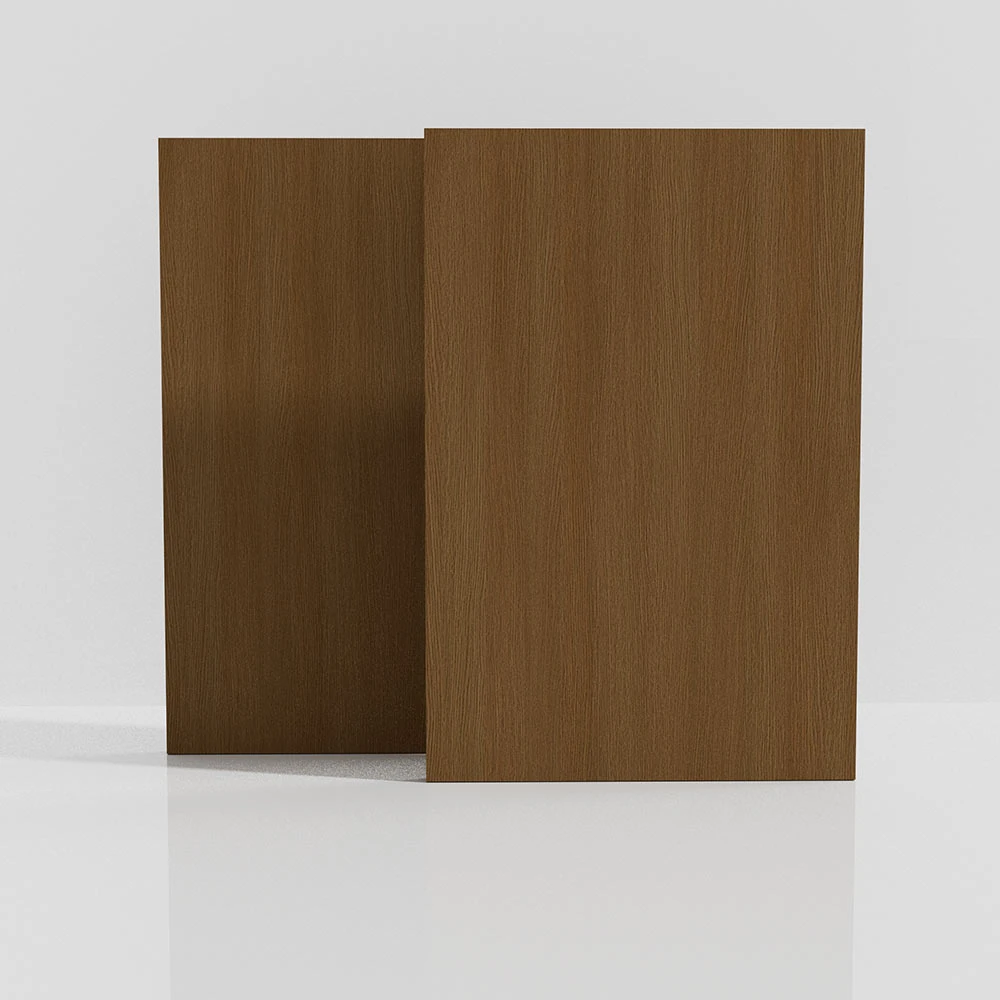
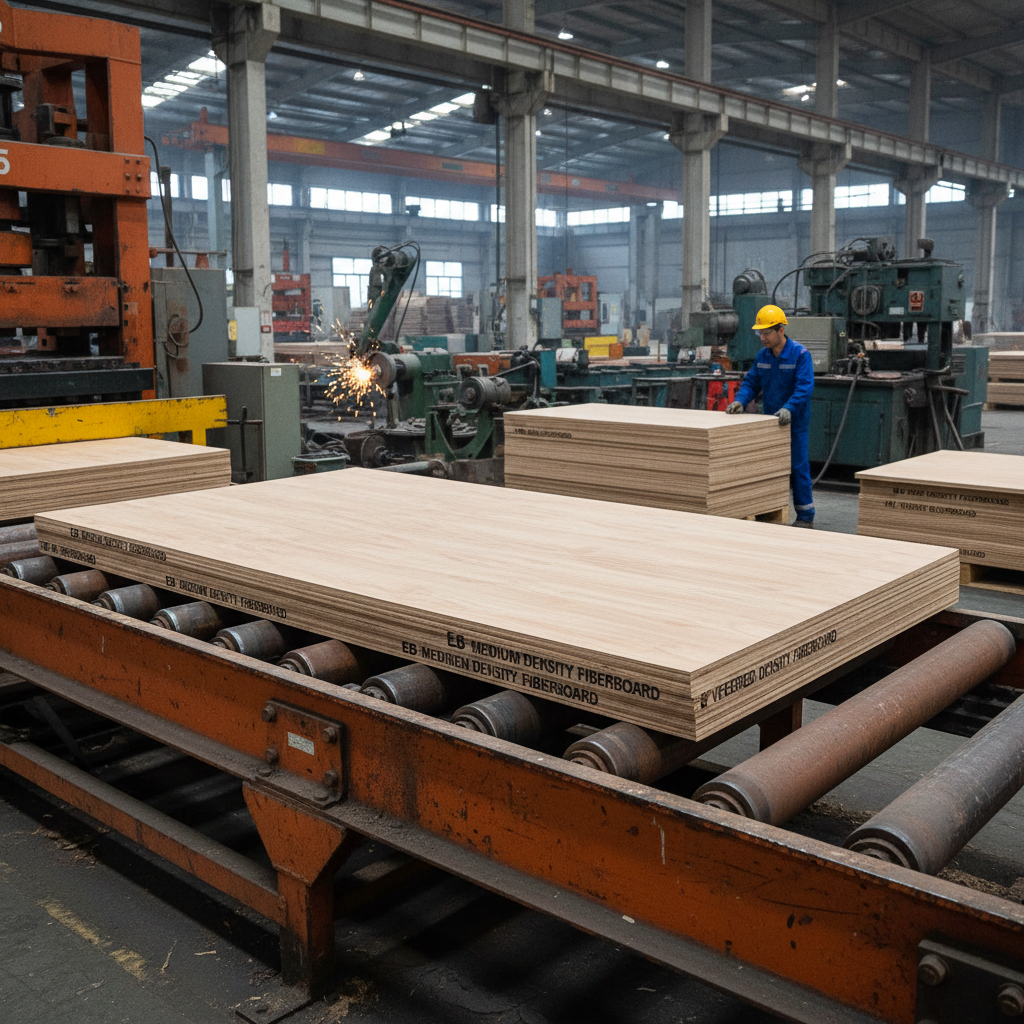
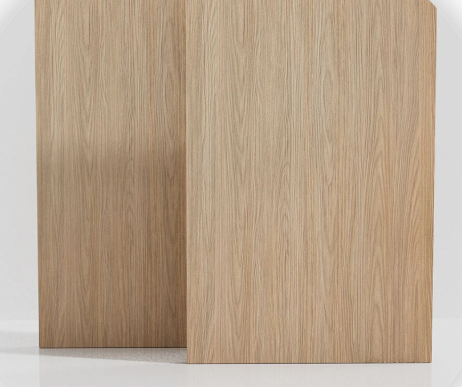
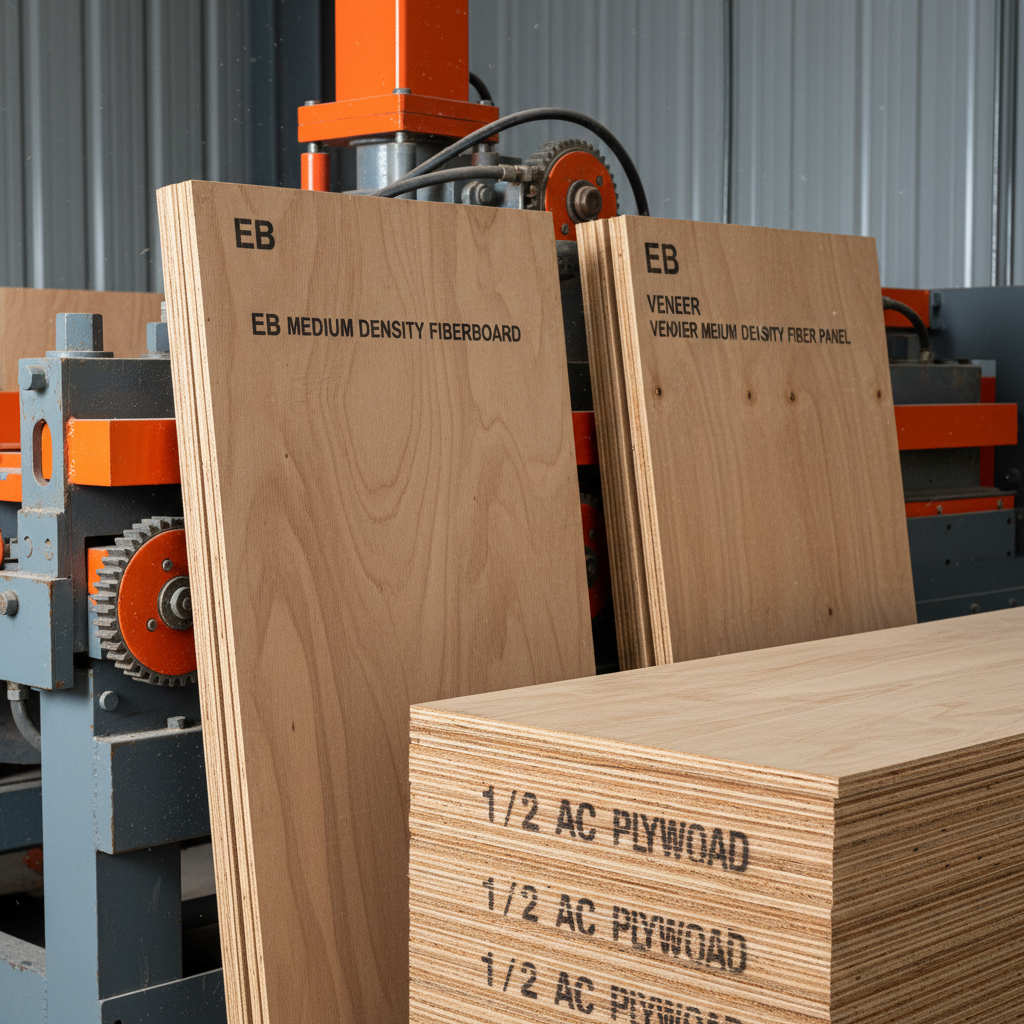
First off, some basics. An 18mm plywood sheet is often a sweet spot thickness for many applications: sturdy enough for structural uses yet still manageable for fabrication. Manufacturers typically source high-quality wood veneers—hardwoods or softwoods depending on the grade—and bond them with resins that meet specific strength and moisture resistance standards.
The price you see reflects this mix of materials and production technology. Oddly enough, regional timber availability plays a role too; plywood made from locally sourced wood can sometimes undercut imports, but specialized plywood types or certifications, such as FSC or CARB compliance, push the cost up a notch.
For instance, I recall working with a client who needed heavy-duty workbench panels. Their initial budget underestimated the cost significantly because they didn’t consider moisture-resistant resin treatments needed for damp environments, which bump up the price. It’s those fine details—bonding type, veneer grade, finishing—that matter.
Typical 18mm Plywood Sheet Specifications
| Feature |
Value |
| Thickness |
18mm (±0.3mm) |
| Material |
Poplar, Birch, or Pine Veneers |
| Glue Type |
Phenolic, Melamine, or E0 Formaldehyde-Free |
| Size |
1220mm x 2440mm / 4' x 8' |
| Density |
600–700 kg/m³ |
| Surface Finish |
Sanded or BWR (Boiling Water Resistant) |
Pricing varies across suppliers, obviously, so I thought it’s useful to share a comparison I’ve seen between three reputable plywood vendors I’ve encountered over the years. Not surprisingly, the pricing gap often signals differences in quality assurance and supply chain strength:
Vendor Comparison: 18mm Plywood Sheet Price and Quality
| Vendor |
Price per Sheet (USD) |
Moisture Resistance |
Certification |
Lead Time |
| Tengfei |
$35–$38 |
BWR Standard |
FSC, CARB Compliant |
1 week |
| Vendor A |
$30–$34 |
Standard |
None |
2 weeks |
| Vendor B |
$40–$45 |
Marine Grade |
FSC Certified |
3 days |
I’m often asked, “Is it worth going for that extra-cost marine grade or FSC certified plywood?” Well, if your work involves outdoor structures or environments with high moisture, it’s a yes. You end up minimizing callbacks, delays, and frankly, wasted money on replacements.
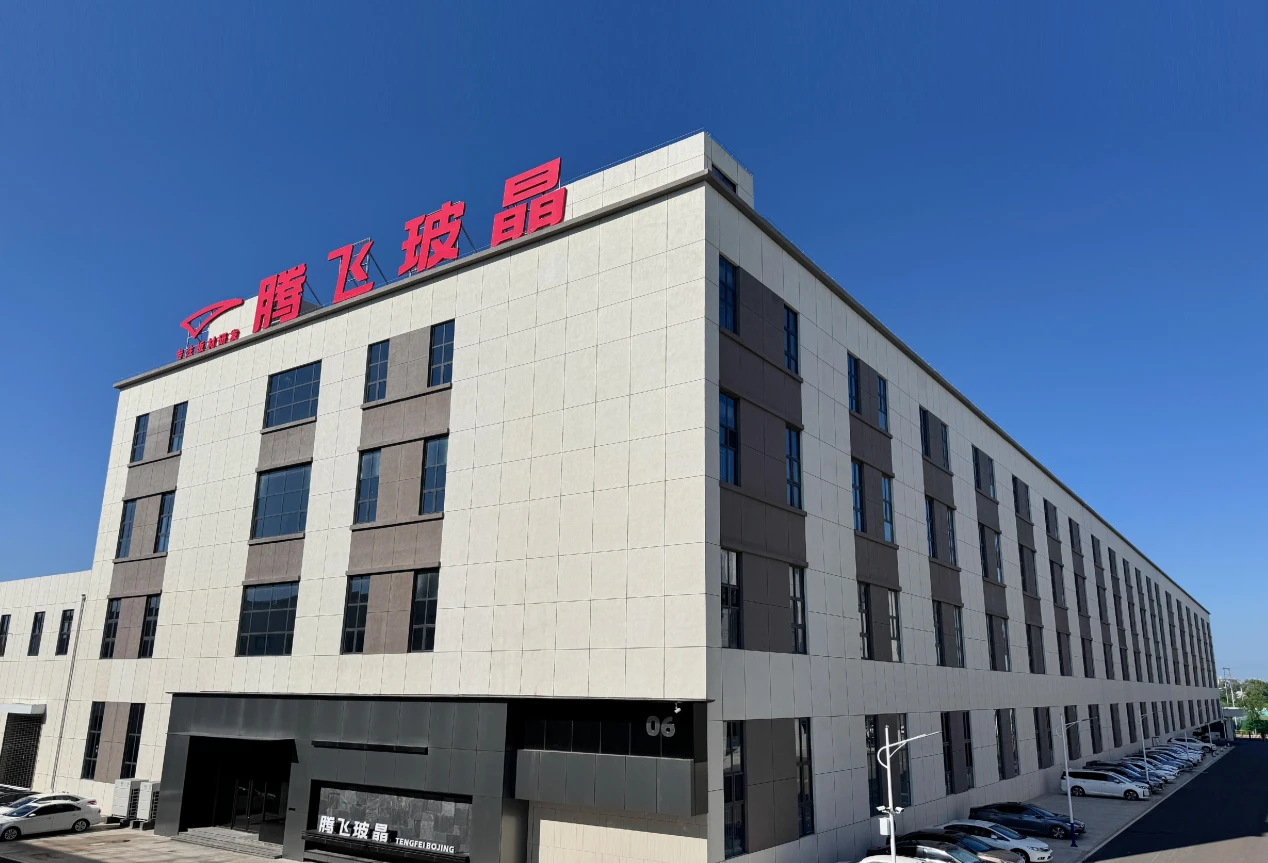
On the other hand, if you’re fabricating indoor cabinetry or office partitions, that standard 18mm plywood from a reliable source like Tengfei covers all your bases without breaking the bank.
To wrap up, in real terms, 18mm plywood sheet price depends on a tangle of factors – raw material quality, certifications, production technology, and logistics. I suppose what really counts is matching your specific project’s needs to the right supplier and grade. That way, you get more value rather than just chasing the lowest number on the sticker.
In many ways, plywood pricing is a subtle art in sourcing—you learn to read between specs, trust verified vendors, and occasionally rely on a hunch backed by years of seeing what holds up and what doesn’t.
So, the next time you’re budgeting for plywood, keep this snapshot in mind: thickness, treatment, and certification all factor in. Pricing isn’t just about numbers; it’s about peace of mind on your project’s longevity.
And that’s the kind of insight I hope is helpful—it’s not just cost, it’s cost with confidence.
References:
- Timber Traders Association Reports, 2023
- FSC Certification Guidelines, 2024
- Industry Trends in Plywood Manufacturing, Woodworking Journal 2023