Add: No.8 Xinxing Street, North Zone, Zhengding High-tech Industrial Development Zone, Hebei, China
CONTACT US
+8615030171059


CONTACT US
+8615030171059
When sourcing materials for your projects, understanding the nuances of plywood grades and thicknesses is crucial. Tengfei EBMDF specializes in high-quality plywood, and this article will delve into the specifics of 1 1/2" plywood – its uses, advantages, and how it differs from other thicknesses. Whether you’re a seasoned contractor or a DIY enthusiast, this guide will provide valuable insights into leveraging the strength and versatility of this essential building material. We'll cover everything from common applications to factors influencing cost and quality.
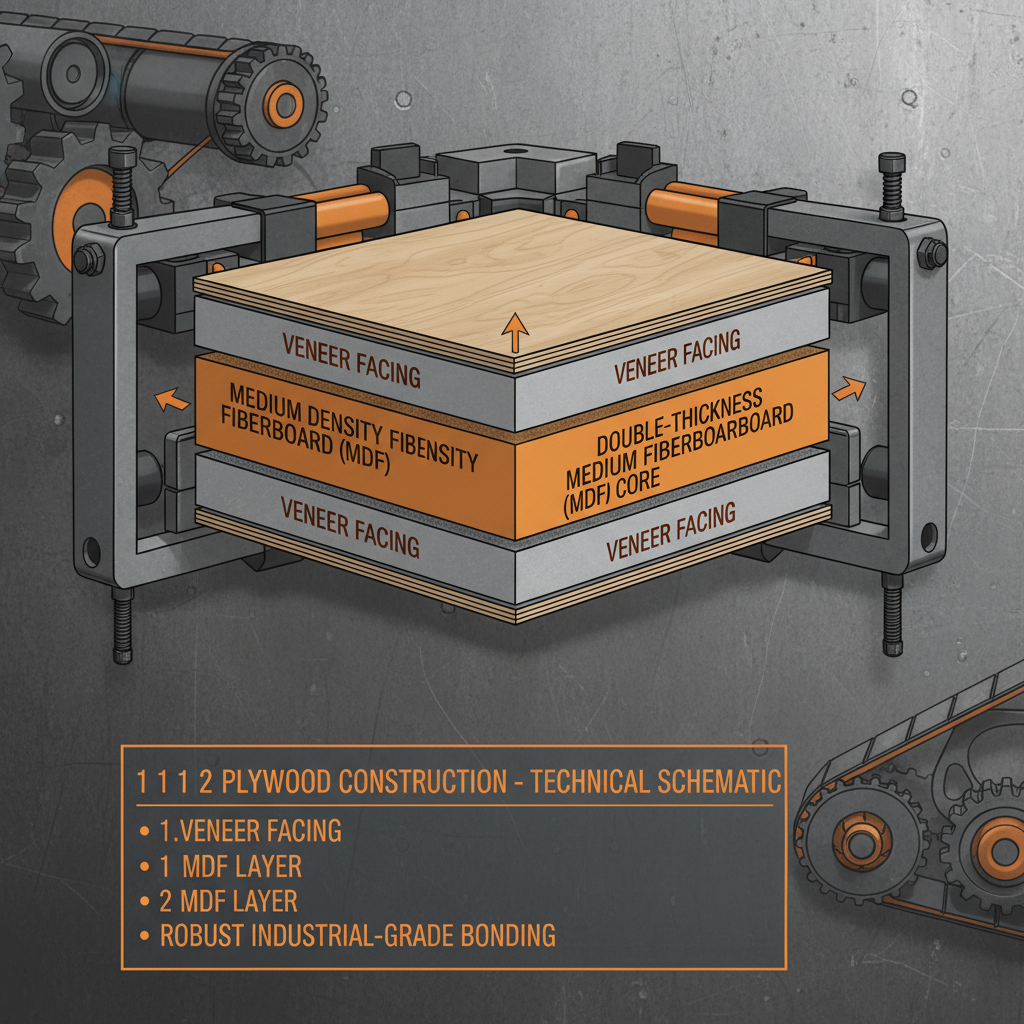
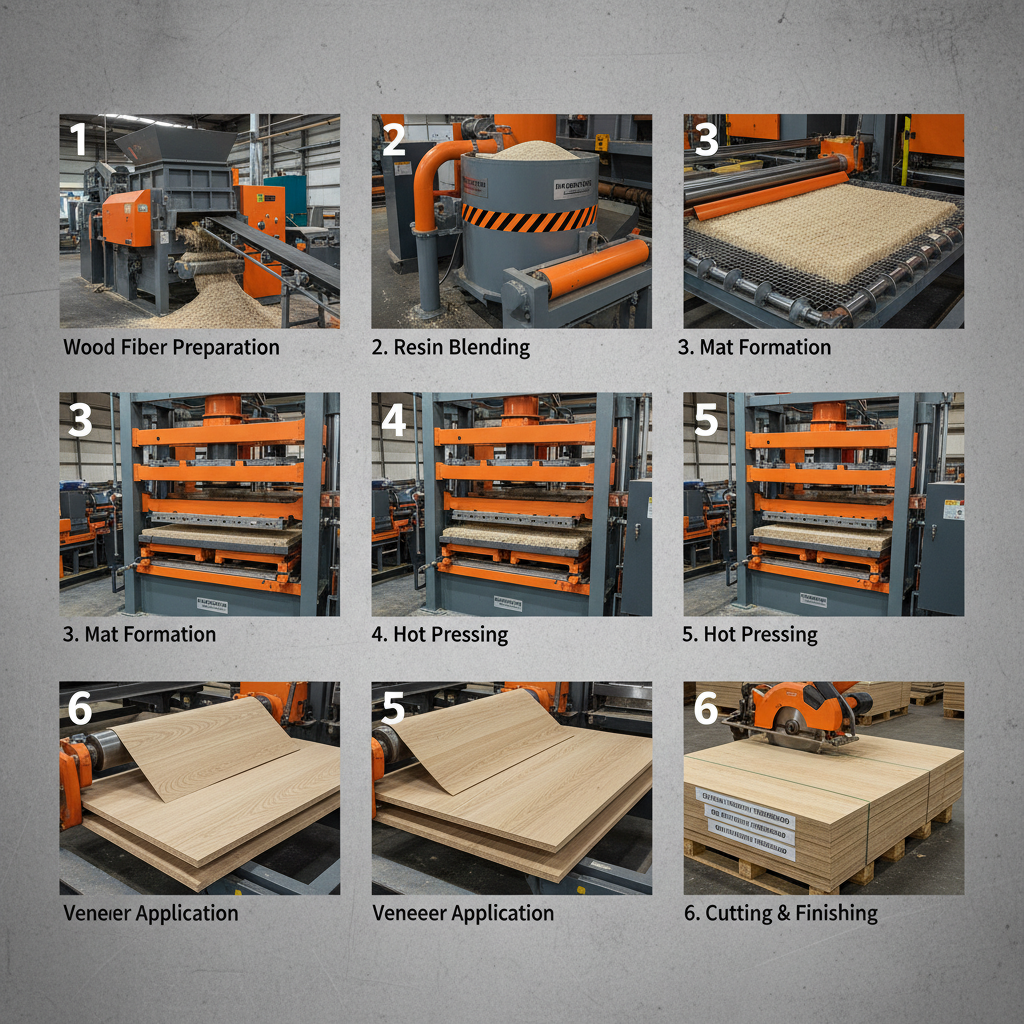
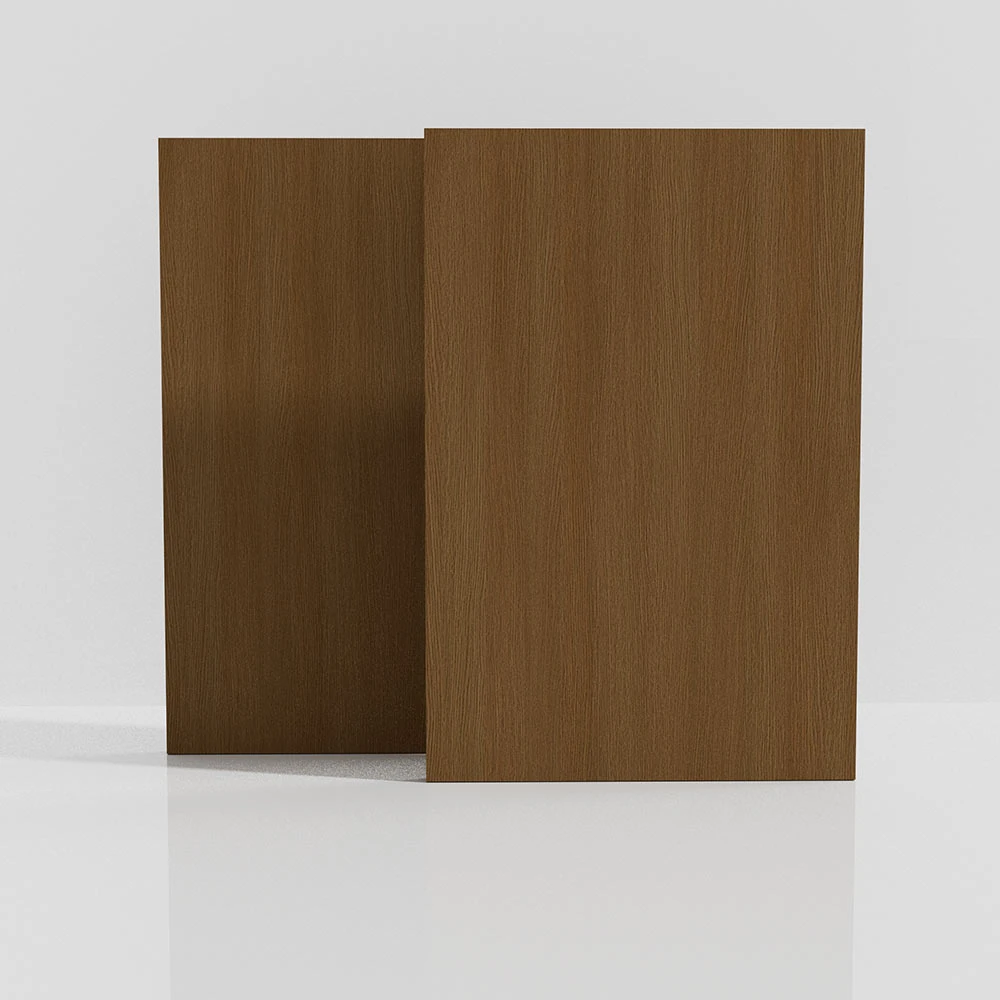
1 1/2" plywood (also expressed as 1.5 inches) refers to plywood sheets that are approximately 38.1mm thick. It's a composite material made by bonding thin layers of wood veneer together with adhesives. The alternating grain direction of these layers provides exceptional strength and stability, making it significantly more resistant to warping, splitting, and cracking than solid wood. This thickness offers a substantial balance between weight, strength, and cost, making it ideal for a wide range of structural and decorative applications. It's a popular choice for projects requiring robust support and lasting durability.
Key Highlights: 1 1/2" plywood offers exceptional strength and stability due to its layered construction. It's resistant to warping, splitting, and cracking, making it a durable choice for various applications.
The versatility of 1 1/2" plywood makes it suitable for a broad spectrum of projects. Some common applications include:
The strength and resilience of this thickness make it an excellent choice for projects demanding structural integrity and longevity.
Application Benefits:
• High load-bearing capacity
• Excellent stability and resistance to deformation
• Versatile for structural and decorative purposes
Choosing the right plywood thickness is crucial for project success. Here’s a comparison of 1 1/2" plywood with other commonly used thicknesses:
The price of 1 1/2" plywood can vary depending on several factors. These include:
At Tengfei EBMDF, we strive to offer competitive pricing on all our plywood products without compromising quality.
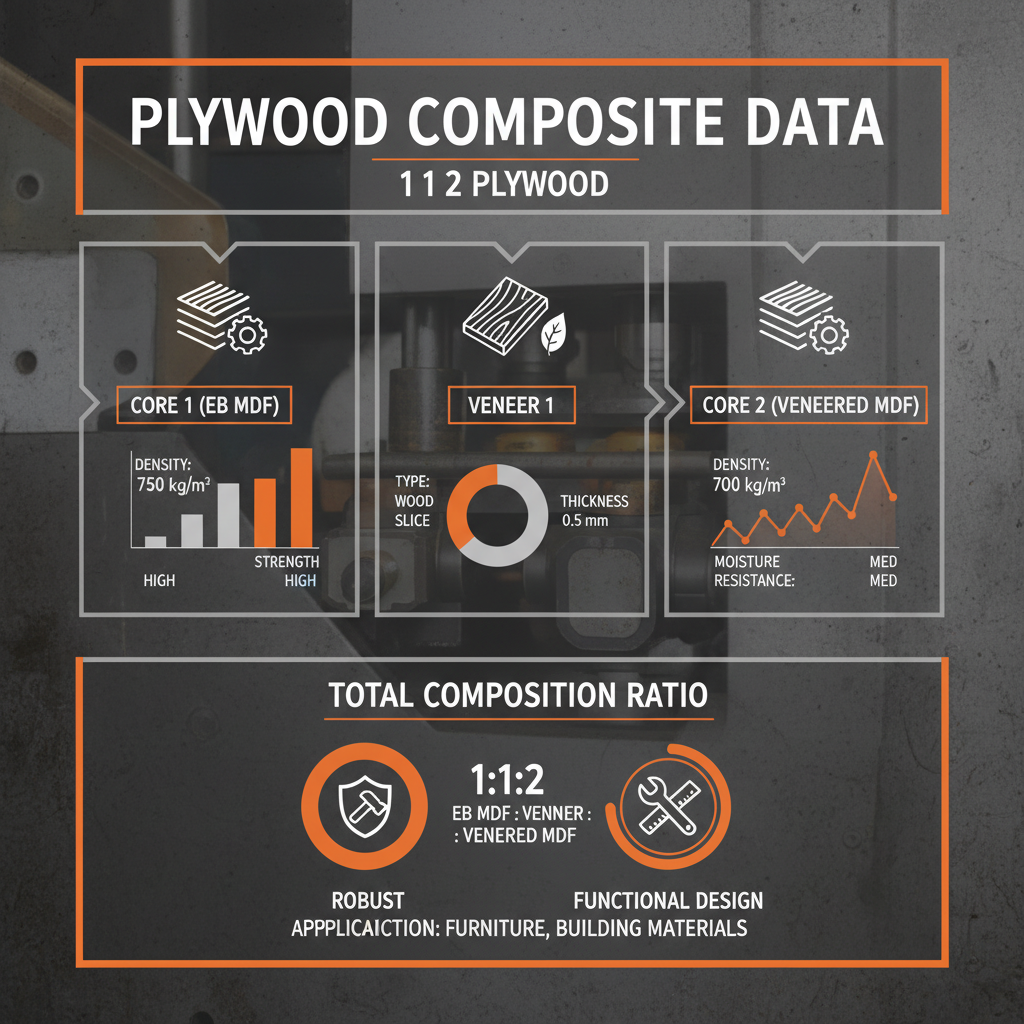
Plywood is graded based on its appearance and the number of defects. Common grades include A, B, C, and D, with A being the highest quality and D being the lowest. For projects where appearance is important, such as furniture, A or B grade plywood is recommended. For structural applications where appearance is less critical, C or D grade plywood may be sufficient. Understanding these grades will help you select the most cost-effective option for your needs. Contact us for assistance in selecting the appropriate grade for your project!
Investing in high-quality 1 1/2" plywood from a reputable supplier like Tengfei EBMDF ensures a durable, stable, and reliable foundation for your projects. Consider the application, required strength, and budget when selecting the appropriate grade and species. By making informed choices, you can maximize the value and longevity of your construction efforts.
The maximum span for 1 1/2" plywood subflooring depends on the joist spacing and the intended load. Generally, with joists spaced 16 inches on center, a span of up to 18-24 inches is acceptable for typical residential applications. However, it's crucial to consult local building codes and engineering specifications to determine the appropriate span for your specific project. Exceeding the recommended span can lead to excessive deflection and structural failure. Always prioritize safety and adhere to established guidelines.
Yes, but it's essential to use exterior-grade plywood specifically designed for outdoor use. Exterior-grade plywood is treated with preservatives to resist moisture, rot, and insect damage. Look for plywood that is labeled as "Exposure 1" or "Exterior" compliant. Untreated plywood will quickly deteriorate when exposed to the elements. Proper sealing and painting can further extend the lifespan of exterior plywood.
Accurate calculation is key to avoiding waste and delays. Start by creating a detailed drawing of your project with all dimensions. Then, calculate the area of each plywood sheet required. Add extra material (typically 10-15%) for cuts, mistakes, and waste. Consider the grain direction when planning your cuts to maximize efficiency. You can also use online plywood calculators or consult with a knowledgeable salesperson at Tengfei EBMDF for assistance.
Always wear safety glasses and a dust mask when cutting or sanding plywood, as the dust can be irritating to the eyes and respiratory system. Use sharp tools and follow manufacturer's instructions. Securely support plywood sheets when cutting to prevent accidents. Be mindful of splinters and wear gloves to protect your hands. Work in a well-ventilated area to minimize exposure to fumes from adhesives or finishes.
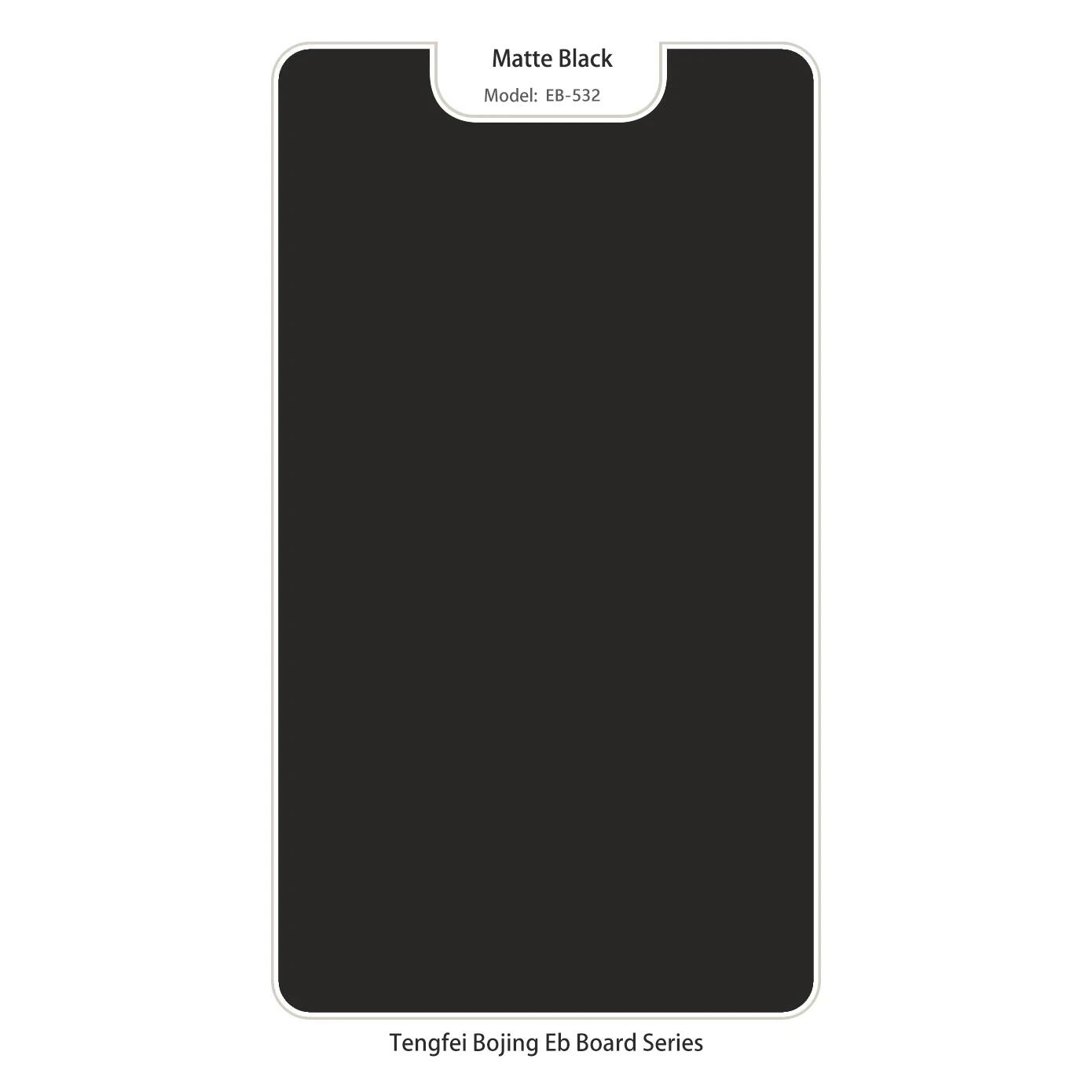
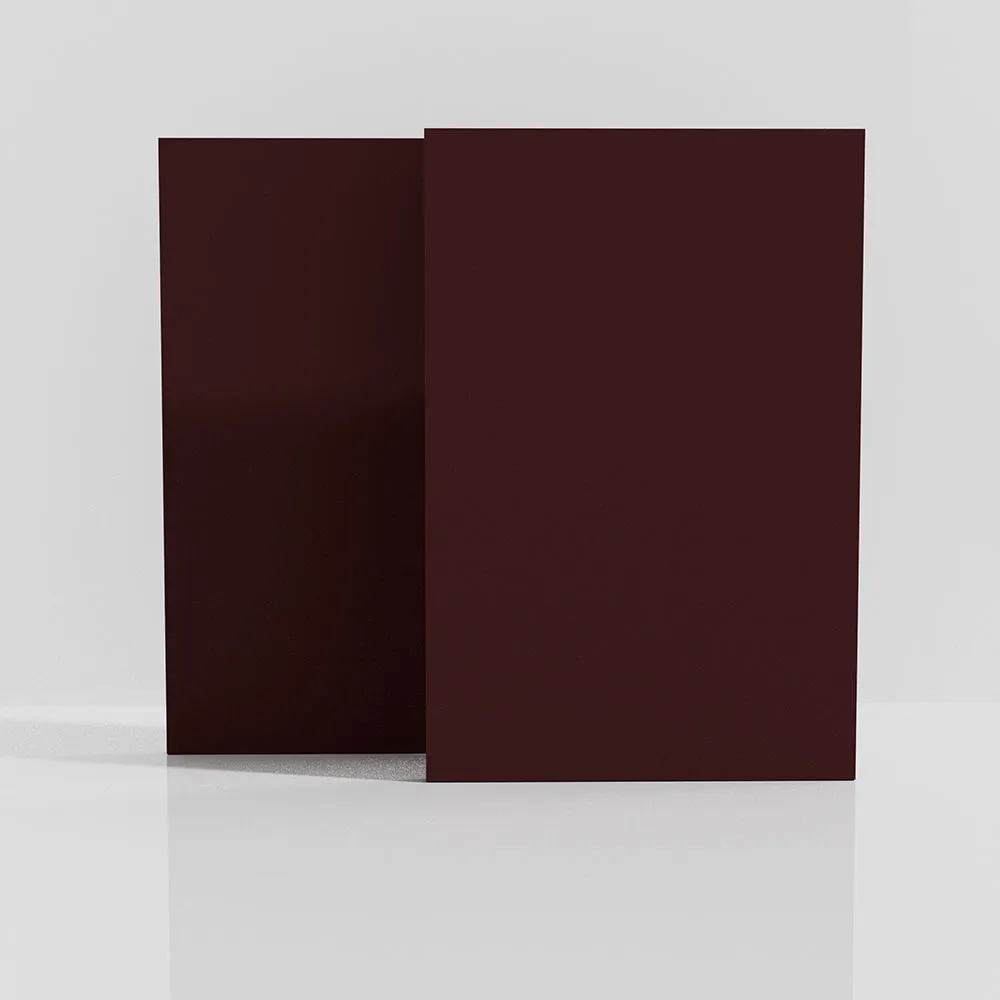
Tengfei Platinum EB Particle Panels - Matte Black
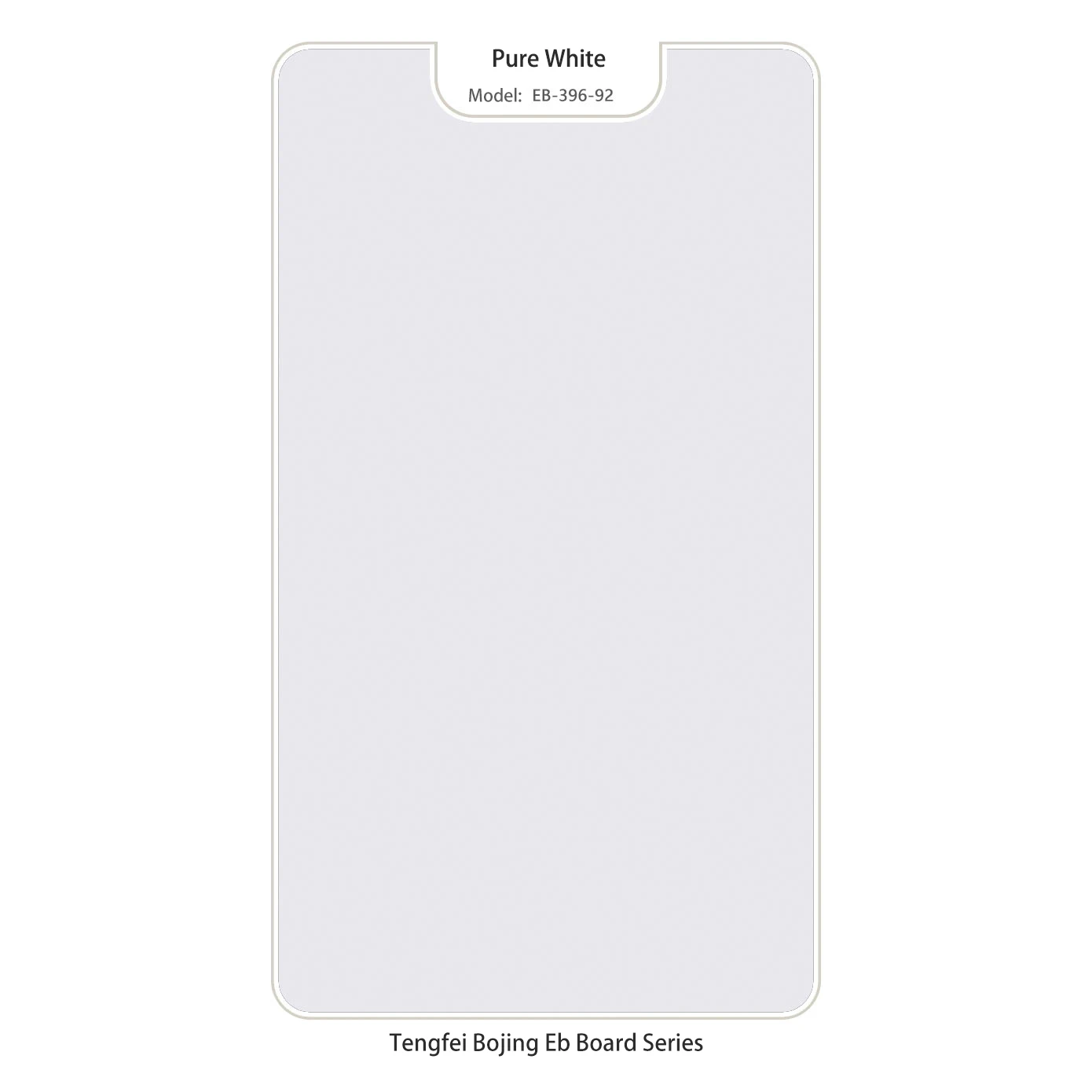
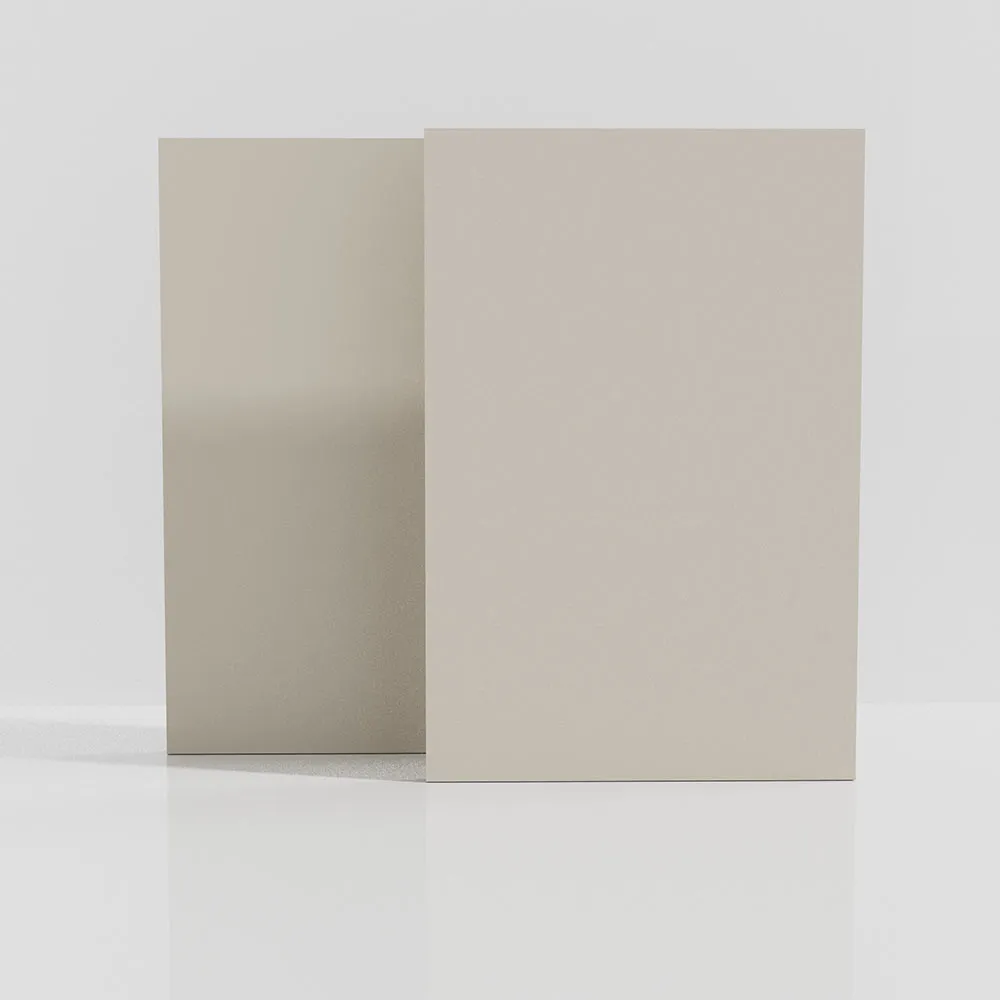
Tengfei Platinum EB Particle High-Gloss Panels - Pure white
To provide reliable solutions through quality products!