Indirizzo: No.8 Xinxing Street, Zona Nord, Zona di Sviluppo Industriale ad Alta Tecnologia di Zhengding, Hebei, Cina

CONTATTACI

+8615030171059
221231instagram-fill1251 search
Set 09 2025
share:

In the demanding landscape of industrial infrastructure, precision-engineered components are not merely parts; they are the bedrock of operational integrity and efficiency. The 7J series represents a pinnacle of manufacturing excellence, designed to meet the rigorous demands of critical B2B applications across diverse sectors. This article delves into the technical prowess, application versatility, and strategic advantages offered by the 7J, providing a comprehensive overview for technical decision-makers and engineers.

Industry Trends Driving Demand for High-Performance Components

The global industrial sector is undergoing a transformative period, characterized by an increasing emphasis on operational efficiency, sustainability, and digitalization. Key trends include:

  • Energy Efficiency: Industries are striving to reduce energy consumption, making components that minimize friction, optimize flow, or enhance power transmission highly desirable. The drive for lower carbon footprints necessitates solutions that are inherently more efficient.
  • Corrosion and Wear Resistance: Operating environments are becoming more aggressive, with exposure to corrosive chemicals, extreme temperatures, and abrasive media. Components like 7J, engineered for superior resistance, extend service life and reduce maintenance costs.
  • Asset Performance Management (APM): The integration of IoT and AI for predictive maintenance and real-time monitoring demands components with robust and predictable performance, where material integrity and manufacturing consistency are paramount.
  • Supply Chain Resiliency: Geopolitical shifts and global disruptions highlight the need for reliable supply chains and components that meet stringent international standards, reducing dependency on single-source suppliers and ensuring consistent quality.
  • Customization and Modularity: As industrial processes become more specialized, the demand for customizable solutions that integrate seamlessly into existing or novel systems is growing. Manufacturers capable of delivering tailored configurations gain a competitive edge.

These trends collectively underscore the critical need for advanced components such as the 7J series, which offers unparalleled durability, precision, and adaptability to meet the evolving demands of modern industrial operations.

Manufacturing Process Flow of the 7J Series

The manufacturing of the 7J series is a meticulously controlled, multi-stage process designed to ensure exceptional material integrity, dimensional accuracy, and performance characteristics. Our commitment to quality begins with raw material selection and extends through final testing.

Product Materials:

  • High-Grade Alloys: Typically utilizes specialized alloys such as Super Duplex Stainless Steels (e.g., UNS S32750/S32760), Nickel-based alloys (e.g., Inconel 625/718), or proprietary high-strength steel composites, selected for their exceptional resistance to corrosion, high temperatures, and mechanical stress.
  • Precision Forgings/Castings: Initial forms are typically produced via precision forging for superior grain structure and mechanical properties, or specialized investment casting for intricate geometries with excellent surface finish.
  • Surface Treatment Coatings: Depending on the application, surfaces may be treated with advanced coatings like PVD (Physical Vapor Deposition), DLC (Diamond-Like Carbon), or specialized ceramic composites for enhanced wear resistance, reduced friction, or specific chemical inertness.

Manufacturing Processes (Schematic Steps):

  1. Material Sourcing & Inspection:

    Incoming raw materials (ingots, bars) undergo stringent chemical composition analysis (Spectroscopy) and mechanical property testing (Tensile Strength, Hardness per ASTM E8/E10) to ensure adherence to specified metallurgical standards (e.g., ASTM A182, A276).

  2. Primary Forming (Forging/Casting):

    Forging: Hot forging processes (e.g., open-die, closed-die) are employed to achieve optimal grain flow, enhancing fatigue resistance and strength. Controlled cooling rates are critical. Casting: Investment casting (lost-wax process) is utilized for complex geometries, ensuring high dimensional accuracy and superior surface finish, followed by solution annealing and quenching.

  3. Heat Treatment:

    Precision heat treatment cycles (solution annealing, precipitation hardening, stress relief) are performed in controlled atmospheric furnaces to optimize mechanical properties, achieve desired hardness (e.g., HRC 30-45), and ensure microstructural stability. Adherence to AMS 2750 for pyrometry is standard.

  4. CNC Machining:

    Multi-axis CNC machining centers are used for precision turning, milling, and grinding operations. Tolerances are typically held to ±0.005 mm, ensuring exact fit and function. Advanced tooling and cutting strategies minimize material stress and achieve optimal surface finish (e.g., Ra 0.8 µm).

  5. Surface Finishing & Coating:

    Parts undergo deburring, polishing, and then specialized surface treatments such as passivation (per ASTM A967), electro-polishing, or application of wear-resistant coatings (e.g., HVOF thermal spray for tungsten carbide). This step is crucial for extending service life and enhancing corrosion resistance.

  6. Assembly & Integration (if applicable):

    For complex assemblies, components are integrated in a cleanroom environment, ensuring precise alignment and sealing. Each assembly undergoes functional testing.

  7. Final Inspection & Testing:

    Dimensional Inspection: CMM (Coordinate Measuring Machine) ensures all critical dimensions are within specification. Non-Destructive Testing (NDT): Includes Ultrasonic Testing (UT), Magnetic Particle Inspection (MPI), Liquid Penetrant Inspection (LPI) per ASTM E1444/E165/E114 to detect subsurface flaws. Material Verification: PMI (Positive Material Identification) ensures correct alloy composition. Performance Testing: Hydrostatic testing, pneumatic testing, or functional cycle testing (e.g., 10,000 cycles at rated pressure) simulate operational conditions.

  8. Packaging & Documentation:

    Parts are carefully packaged to prevent damage during transit, accompanied by full traceability documentation, material certificates, and test reports.

Testing Standards & Certifications:

Our manufacturing facilities are ISO 9001:2015 certified, reflecting our commitment to quality management. Products adhere to global standards including but not limited to:

  • ISO Standards: ISO 17025 (testing labs), ISO 15156 (materials for H2S environments), ISO 5208 (pressure testing).
  • ANSI/ASME Standards: ASME B16.34 (valves), ASME B31.1/B31.3 (piping codes), ANSI/NACE MR0175 (sour service).
  • API Specifications: API 6A (wellhead and Christmas tree equipment), API 6D (pipeline valves).
  • CE Marking: For compliance with European safety, health, and environmental protection directives.

These certifications ensure that every 7J component meets or exceeds the most stringent industry requirements, guaranteeing reliability and safety in critical operations.

Technical Specifications of the 7J Series

The 7J series is engineered for high performance under extreme conditions. Below are typical technical parameters and material properties that underpin its robust design.

General Product Specifications (Example Configuration):

Parameter Value / Specification
Nominal Diameter Range DN15 - DN600 (½" - 24")
Pressure Rating PN10 - PN420 (Class 150 - Class 2500)
Temperature Range -196°C to +600°C (-321°F to +1112°F)
Body Material Options Carbon Steel (WCB), Stainless Steel (CF8M), Super Duplex (CD3MN), Hastelloy C276, Inconel 625
Connection Type Flanged (RF, RTJ), Welded (BW, SW), Threaded (NPT)
Leakage Class ANSI/FCI 70-2 Class VI (Bubble Tight)
Design Standards ASME B16.34, API 600, EN 12516, ISO 14313
Actuation (if applicable) Manual, Pneumatic, Electric, Hydraulic

Key Material Properties (Example for Super Duplex UNS S32750):

Property Value Standard/Condition
Tensile Strength (UTS) ≥ 800 MPa (116 ksi) ASTM A928, Room Temperature
Yield Strength (0.2% Offset) ≥ 550 MPa (80 ksi) ASTM A928, Room Temperature
Elongation ≥ 15% ASTM A928
Hardness (Brinell) ≤ 310 HB ASTM E10
Corrosion Resistance (PREN) ≥ 40 Pitting Resistance Equivalent Number
Impact Strength (Charpy V-Notch) ≥ 60 J at -50°C ASTM E23

These parameters illustrate the superior mechanical strength and excellent corrosion resistance inherent in the materials selected for the 7J series, ensuring reliability in aggressive environments.

Application Scenarios and Target Industries

The robust design and versatile material options of the 7J series make it indispensable across a spectrum of critical industrial applications. Its reliability under severe conditions provides distinct advantages.

Target Industries:

  • Petrochemical & Oil & Gas: Essential for upstream (wellhead, offshore platforms), midstream (pipelines, terminals), and downstream (refineries, chemical processing plants) operations where high pressures, corrosive media (H2S, CO2), and extreme temperatures are common.
  • Power Generation: Utilized in both conventional (steam, gas turbines) and renewable (geothermal, concentrated solar power) plants for steam, water, and fuel handling systems, especially where high thermal cycling or erosive fluids are present.
  • Metallurgy: Critical in steel mills, aluminum smelters, and foundries for controlling aggressive coolants, high-temperature gases, and abrasive slurries, contributing to process stability and safety.
  • Water Supply & Drainage: Deployed in large-scale municipal water treatment plants, desalination facilities, and industrial wastewater management systems, particularly for handling raw water, corrosive chemicals, and high-pressure distribution networks.
  • Mining & Mineral Processing: Robust enough for abrasive slurries, chemical leaching processes, and high-pressure water jets in mineral extraction and refining.
  • Pharmaceutical & Biotechnology: Specified for sterile processing, media transfer, and utility lines where purity, corrosion resistance, and ease of cleaning are paramount.

Typical Application Scenarios & Advantages:

  • High-Pressure Fluid Control in Offshore Platforms:

    The 7J ensures reliable operation in demanding subsea and topside applications, handling crude oil, natural gas, and injected seawater at pressures up to 10,000 psi. Its superior corrosion resistance (PREN >40 for Super Duplex variants) drastically extends service life in saline environments, reducing the frequency and cost of maintenance interventions and enhancing safety by preventing leaks.

  • Chemical Processing with Aggressive Media:

    In chemical reactors and distillation columns, components are exposed to strong acids (e.g., concentrated sulfuric acid, hydrochloric acid) and alkalis. Using Hastelloy or Inconel versions of the 7J prevents chemical attack, maintaining process purity and significantly reducing downtime associated with component failure, offering unparalleled chemical compatibility.

  • Steam and Condensate Management in Power Plants:

    High-temperature, high-pressure steam lines require components capable of withstanding thermal shock and erosion. The 7J's robust design and material stability at temperatures up to 600°C ensure consistent flow control and minimize energy losses, directly contributing to improved plant efficiency and reduced operational costs.

  • Desalination Plant High-Pressure Pumping:

    Reverse osmosis desalination demands components that can handle highly corrosive seawater at extreme pressures (up to 80 bar). The 7J’s advanced materials resist chloride-induced pitting and crevice corrosion, ensuring long-term reliability and reducing the lifecycle cost of water production.

These diverse applications underscore the critical role of the 7J series in enabling reliable, efficient, and safe industrial operations under the most challenging conditions.

Technical Advantages and Performance Metrics

The inherent design and material selection of the 7J series confer a multitude of technical advantages that directly translate into operational benefits for B2B clients.

Key Advantages:

  • Exceptional Corrosion Resistance: Utilizing advanced alloys, the 7J exhibits superior resistance to a wide range of corrosive agents, including chlorides, acids, and caustics. This extends component lifespan by up to 300% compared to standard stainless steels in aggressive environments, as verified by salt spray tests (ASTM B117) showing no red rust after 2000 hours.
  • High Temperature & Pressure Integrity: Engineered to maintain structural integrity and sealing performance across extreme temperature variations (-196°C to +600°C) and pressures up to PN420 (Class 2500). This ensures reliability in applications such as supercritical steam systems and high-pressure chemical reactors.
  • Minimized Leakage & Emissions: Precision machining and advanced sealing technologies (e.g., live-loaded packing, metallic seats) result in Class VI bubble-tight shut-off. This minimizes fugitive emissions, aligning with ISO 15848-1 standards and contributing to environmental compliance and safety.
  • Extended Service Life & Reduced Maintenance: The combination of robust materials, optimized design, and rigorous manufacturing processes leads to significantly longer operational cycles. Customers report a 40-50% reduction in scheduled maintenance and replacement costs over a 5-year period for 7J installations versus conventional components.
  • Enhanced Flow Efficiency: Optimized internal geometries reduce pressure drop and turbulence, leading to more efficient fluid transfer and lower pumping energy requirements. This translates to measurable energy savings, particularly in large-scale piping networks.
  • Superior Mechanical Strength: High tensile and yield strengths allow for robust designs capable of withstanding significant mechanical stress, vibration, and thermal cycling without degradation, ensuring consistent performance in dynamic industrial settings.

Vendor Comparison: 7J Series vs. Standard Solutions

When evaluating critical industrial components, the distinction between a specialized solution like the 7J series and generic alternatives becomes evident. This comparison highlights why investing in purpose-built engineering delivers superior long-term value.

Comparison Table: 7J Series vs. Standard Industrial Components

Feature 7J Series (Advanced) Standard Industrial Component (Generic)
Material Selection High-grade Super Duplex, Hastelloy, Inconel alloys. Fully traceable to certified mills. Standard Stainless Steel (304/316), Carbon Steel. Variable mill sources.
Corrosion Resistance Excellent (PREN >40, suitable for highly corrosive environments, H2S/Cl- rich). Moderate (susceptible to pitting/crevice corrosion in aggressive media).
Pressure & Temperature Range Wide (up to Class 2500, -196°C to +600°C), stable across extremes. Limited (typically Class 300-600, -30°C to +200°C), performance degrades at extremes.
Sealing Performance ANSI/FCI 70-2 Class VI (Bubble Tight), low fugitive emissions (ISO 15848-1). ANSI/FCI 70-2 Class IV-V, higher potential for leakage.
Manufacturing Process Precision CNC, controlled heat treatment, rigorous NDT, ISO 9001. Standard machining, basic quality control.
Service Life & MTBF Extended (5-10+ years in critical service), high MTBF (Mean Time Between Failures). Standard (1-3 years in critical service), lower MTBF.
Total Cost of Ownership (TCO) Higher initial investment, significantly lower operational costs (maintenance, energy, downtime). Lower initial investment, higher operational costs (frequent replacement, energy loss, safety risks).

The comparison clearly demonstrates that while standard components may offer a lower upfront cost, the specialized engineering and superior material science of the 7J series result in a dramatically lower Total Cost of Ownership (TCO) and enhanced operational reliability over its extensive service life. This strategic investment mitigates risks, reduces unforeseen expenditures, and ensures long-term operational continuity.

Customized Solutions with the 7J Series

Recognizing that off-the-shelf solutions rarely perfectly fit every unique industrial challenge, we offer extensive customization capabilities for the 7J series. Our engineering team collaborates closely with clients to tailor solutions that meet precise operational parameters and system integration requirements.

Areas of Customization:

  • Material Modifications: Beyond our standard offerings, we can incorporate exotic alloys (e.g., Titanium, Zirconium) for ultra-specific chemical resistance or extreme temperature applications. This includes bespoke cladding or overlay welding for critical surfaces.
  • Dimensional & Connection Adjustments: Tailored face-to-face dimensions, specific flange drilling patterns, or unique weld end preparations to seamlessly integrate into existing pipeline geometries without costly system redesigns.
  • Actuation & Automation Integration: Custom actuator sizing, integration with specific control systems (e.g., HART, Foundation Fieldbus, Profibus), incorporation of limit switches, positioners, or intelligent diagnostics for advanced process control and remote monitoring.
  • Surface Finishes & Coatings: Application of specialized coatings such as Nickel-Phosphorus for enhanced hardness, PTFE linings for highly aggressive chemical services, or specific surface roughness for sanitary applications (e.g., Ra < 0.25 µm).
  • Specialized Testing & Certification: Beyond standard requirements, we can conduct client-specific performance tests (e.g., cryogenic testing, high-cycle endurance testing) or secure additional third-party certifications (e.g., ATEX, SIL, fire-safe per API 6FA/API 607).
  • Design Features: Modifications to internal trim components for specific flow characteristics (e.g., anti-cavitation, low-noise designs), addition of bypass lines, or integration of sampling ports.

Our experienced engineering team leverages decades of expertise to provide detailed design analysis, material selection consultation, and rapid prototyping, ensuring that the customized 7J solution precisely matches the operational envelope and maximizes performance for the client's unique challenges. This collaborative approach minimizes risk and optimizes long-term asset value.

Application Case Studies

Case Study 1: Enhanced Durability in a Seawater Desalination Plant

Client: Major Middle Eastern Desalination Operator
Challenge: Existing stainless steel components in the high-pressure pumping section of a Reverse Osmosis (RO) plant were experiencing premature failure due to severe chloride-induced pitting and crevice corrosion, leading to frequent downtime and high maintenance costs. Operational pressure was 65 bar, handling raw seawater at 35°C.

Solution: The client replaced critical components with the 7J series, manufactured from Super Duplex Stainless Steel (UNS S32750). These components were specifically designed with enhanced surface passivation and precise internal geometries to minimize stagnant areas.

Results: After three years of continuous operation, the 7J components exhibited no signs of corrosion or leakage, a marked improvement over the previous components that typically failed within 12-18 months. This led to a 75% reduction in unscheduled maintenance events in that section, a 20% increase in plant uptime, and an estimated annual savings of $250,000 in replacement parts and labor. The enhanced reliability also contributed to achieving consistent water production targets.

Case Study 2: Optimizing Flow Control in a High-Temperature Petrochemical Reactor

Client: Leading European Chemical Manufacturer
Challenge: A critical reactor system handling highly corrosive chemical intermediates (e.g., chlorinated hydrocarbons) at 450°C and 80 bar required robust flow control components. Traditional materials were prone to stress corrosion cracking and erosion, causing severe product contamination and safety concerns.

Solution: Our team provided customized 7J units made from Hastelloy C-276, specifically engineered for high-temperature chemical compatibility. The internal trim was designed with a multi-stage pressure reduction configuration to mitigate erosion and cavitation, and the external body featured a specialized thermal barrier coating.

Results: The installation of the customized 7J components eliminated the previously observed stress corrosion cracking and erosion issues. Product purity improved by 99.8%, and the mean time between maintenance for these components extended from 6 months to over 4 years. The client reported enhanced safety, reduced operational risks, and a significant improvement in process yield due to stable flow control.

Trustworthiness: FAQ, Lead Time, Warranty, & Support

Frequently Asked Questions (FAQ):

Q: What is the typical service life of a 7J component?

A: With proper selection and installation for the given application, the 7J series is designed for a service life exceeding 10 years in many demanding industrial environments. Our advanced material and design choices significantly contribute to this longevity.

Q: How do you ensure the quality of materials for the 7J series?

A: We implement a rigorous material verification process, including 100% Positive Material Identification (PMI) on all critical components and comprehensive material test reports (MTRs) from certified mills. Our suppliers are pre-qualified and regularly audited for compliance with international standards like ASTM and EN.

Q: Can the 7J series operate in cryogenic temperatures?

A: Yes, specific configurations of the 7J series, particularly those manufactured from specialized austenitic stainless steels or nickel alloys, are designed and tested for cryogenic service down to -196°C (-321°F) to meet stringent low-temperature impact requirements (e.g., ASTM A350 LF2, LF3 standards).

Q: What environmental regulations do your products comply with?

A: Our products are designed to meet or exceed international environmental standards, including low fugitive emissions requirements (ISO 15848-1) and directives such as RoHS and REACH where applicable. We are committed to sustainable manufacturing practices.

Lead Time & Fulfillment:

Standard 7J series components typically have a lead time of 6-8 weeks, depending on specific configuration and order volume. For customized solutions or large-scale projects, lead times are determined on a case-by-case basis through detailed project planning and can range from 10-16 weeks. We maintain strategic stock levels of common raw materials and finished goods to support urgent demands and offer expedited manufacturing options for critical requirements.

Warranty Commitments:

We stand behind the quality and performance of our 7J series with a comprehensive 24-month warranty from the date of installation or 30 months from the date of shipment, whichever comes first. This warranty covers defects in material and workmanship under normal operating conditions. Full warranty terms and conditions are available upon request.

Customer Support Information:

Our dedicated technical support team is available globally to assist with product selection, technical inquiries, installation guidance, and after-sales service. We offer:

  • 24/7 online technical portal and email support.
  • Regional service centers for on-site assistance and expedited spare parts delivery.
  • Training programs for client engineers and maintenance staff on product operation and maintenance.
  • Dedicated account managers for strategic partnerships and project coordination.

For immediate assistance, please visit our website or contact our global support line at +86-XXX-XXXX-XXXX (placeholder) or email support@tengfeiebmdf.com (placeholder).

References

  1. ASM International. "ASM Handbook, Volume 1: Properties and Selection: Irons, Steels, and High-Performance Alloys." 10th ed., 2012.
  2. American Society of Mechanical Engineers (ASME). "BPVC Section VIII – Rules for Construction of Pressure Vessels." Latest edition.
  3. International Organization for Standardization (ISO). "ISO 15848-1: Industrial valves – Measurement, test and qualification procedures for fugitive emissions – Part 1: Classification system and qualification procedures for type testing of valves." 2015.
  4. NACE International. "MR0175/ISO 15156: Petroleum and natural gas industries—Materials for use in H2S-containing environments in oil and gas production." 2020.
  5. API (American Petroleum Institute). "API Specification 6A: Specification for Wellhead and Christmas Tree Equipment." 21st ed., 2018.
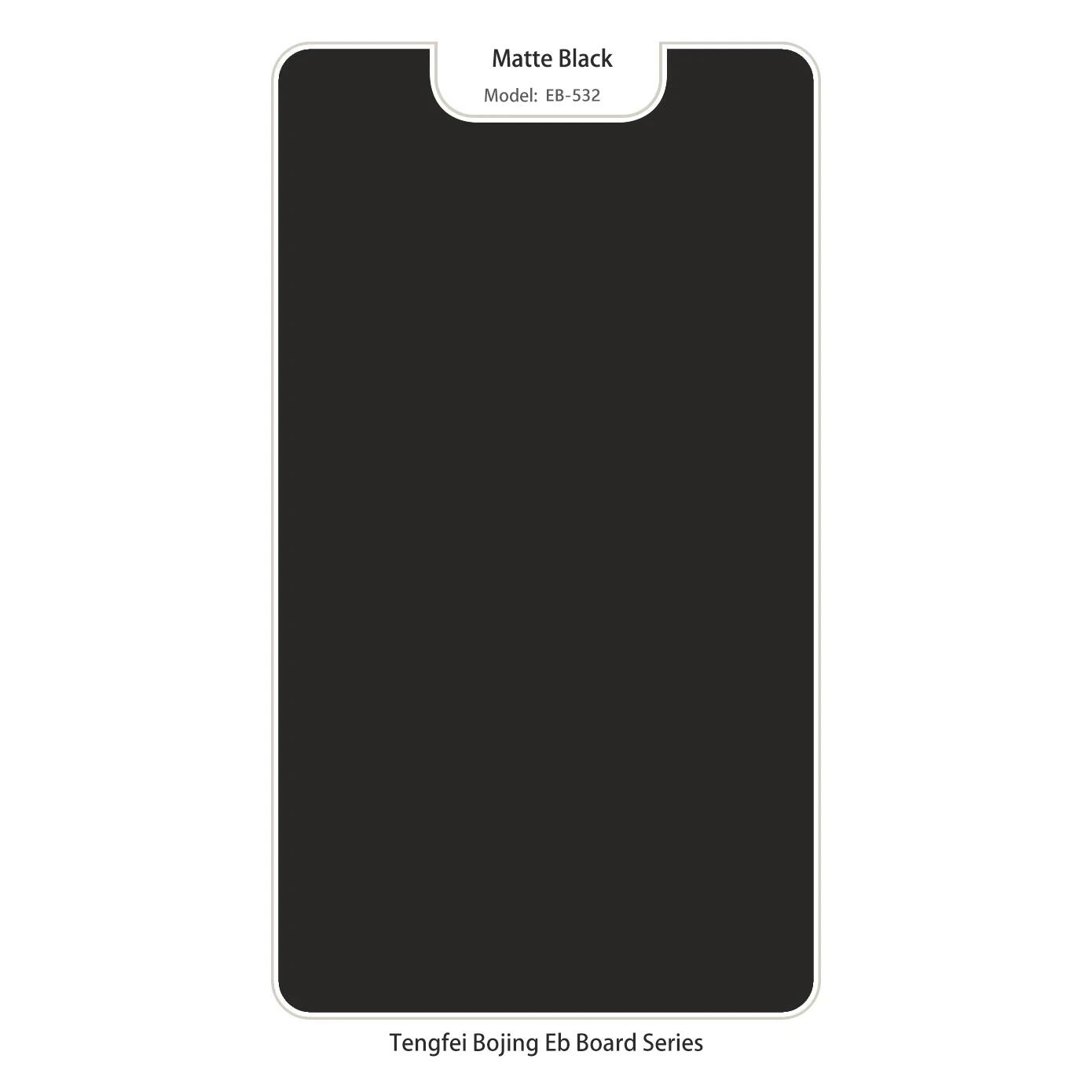
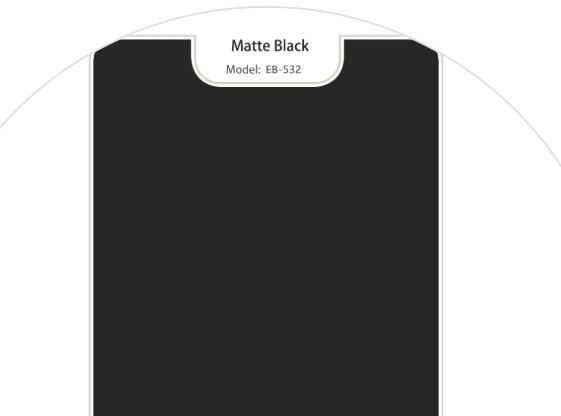
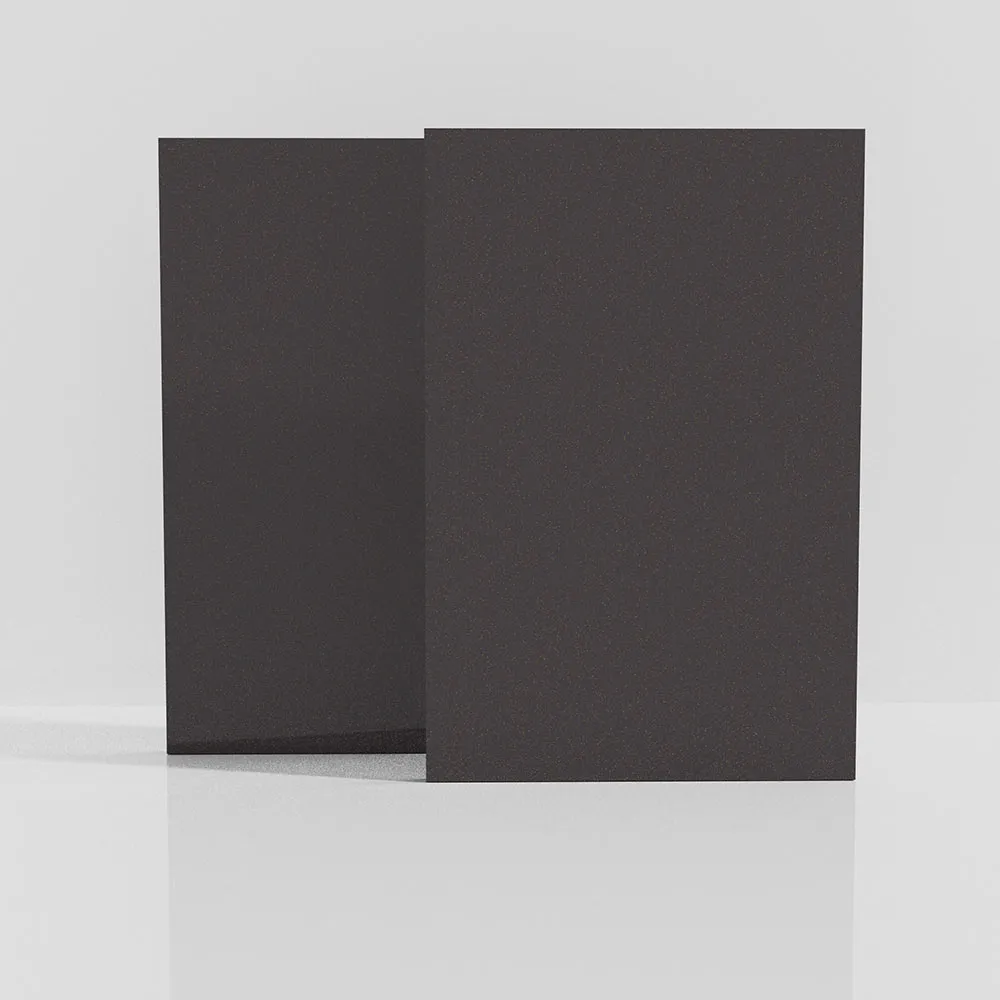
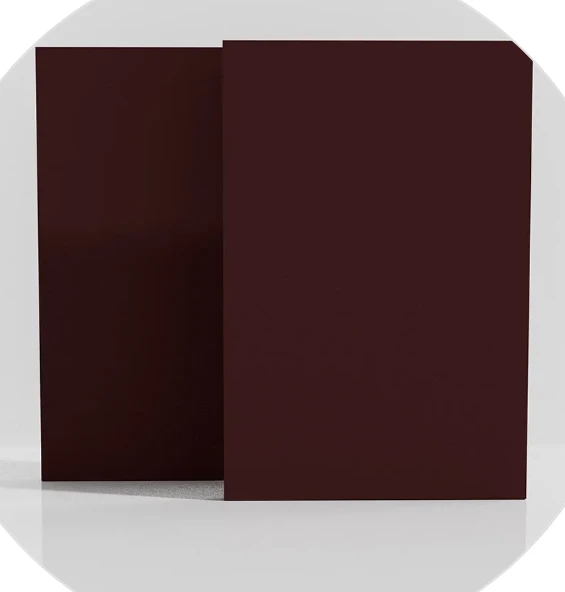
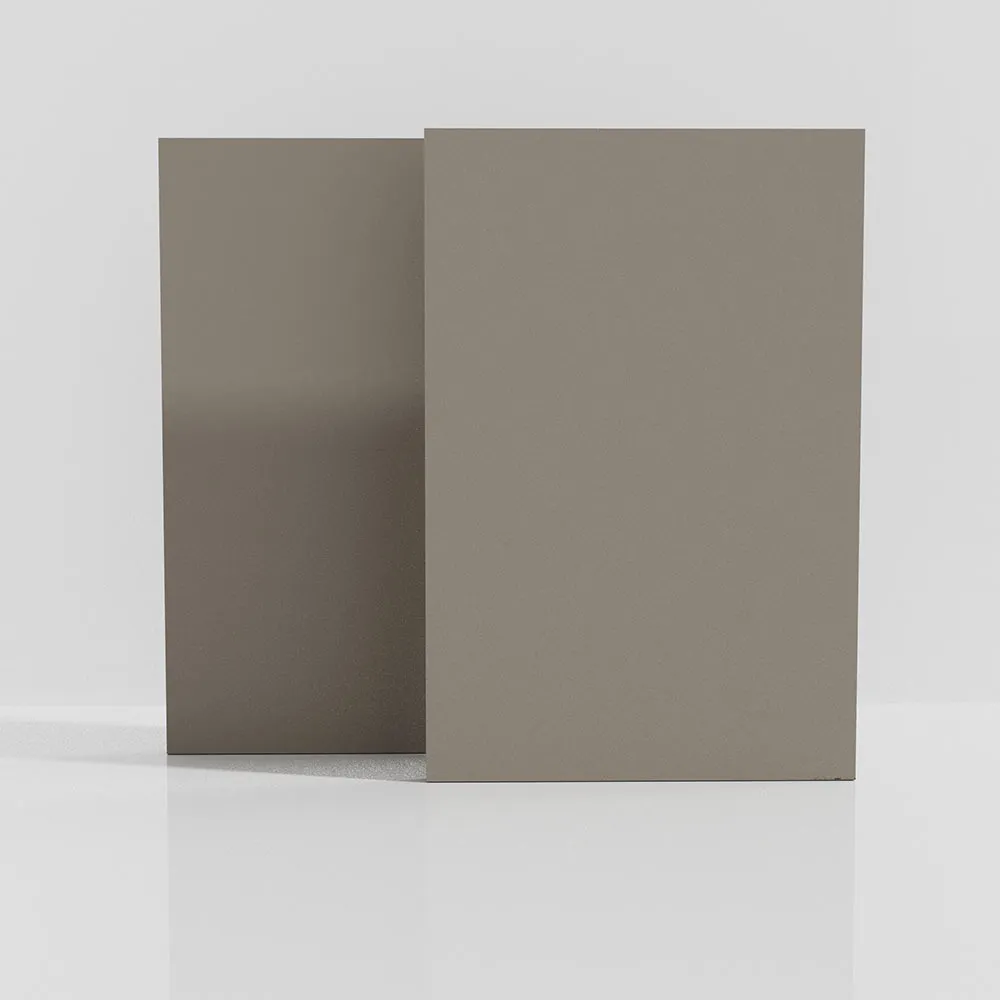
  •  Tengfei Platinum EB Particle Panels - Matte Black

     Pannelli in particelle Tengfei Platinum EB - Nero opaco

    I pannelli in particelle Tengfei Platinum EB impiegano la tecnologia di polimerizzazione EB (Electron Beam) per la produzione di mobili, tavoli/sedie, pareti divisorie, pavimenti e porte a pannello, ideali per spazi residenziali e uffici. Le caratteristiche includono: Anti-invecchiamento/Resistente all'ingiallimento/Resistente alla corrosione/Non lascia segni/Facile da pulire/Resistente alle impronte/Autodissipante/Antibatterico/Inodore/Colore fedele all'originale/Tonalità precisa. La finitura Nero Opaco si abbina elegantemente a stili di design contemporanei, tra cui il Minimalismo Moderno, l'Industriale di Lusso, il Razionalismo Italiano, lo Zen Orientale e il Glamour Sobrio, rappresentando una soluzione cromatica universale per interni sofisticati.
    VISUALIZZA TUTTO
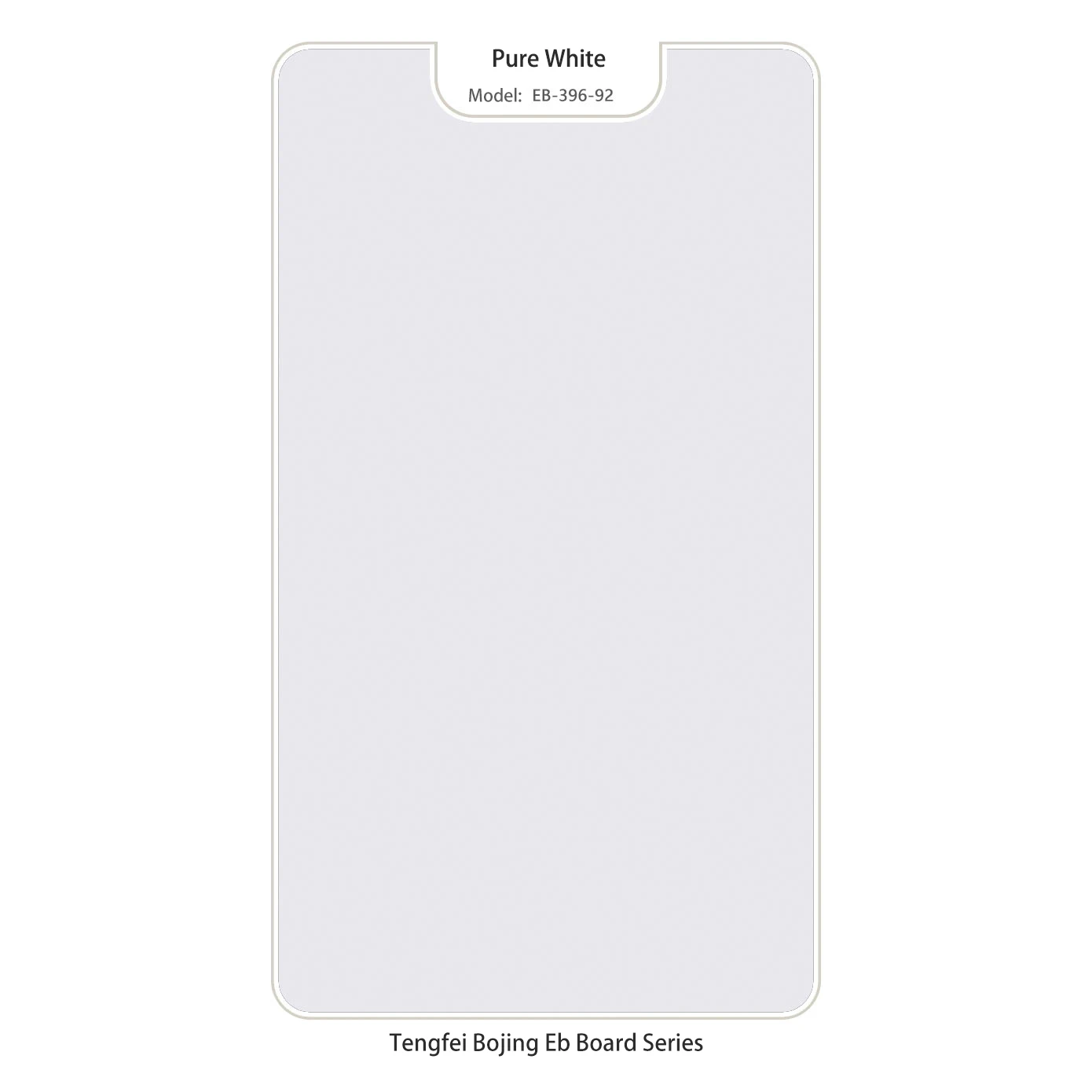
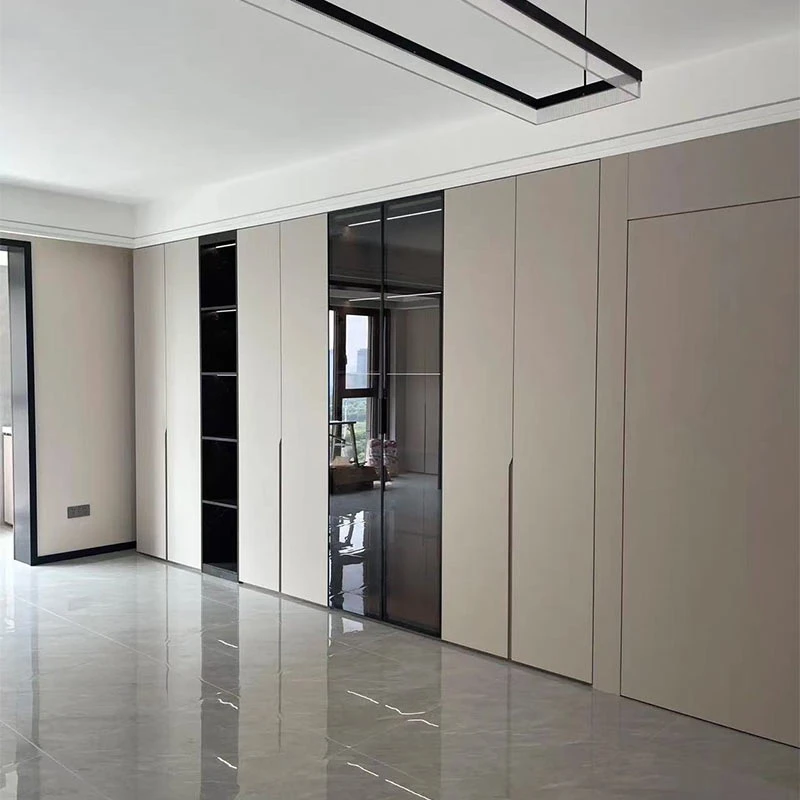
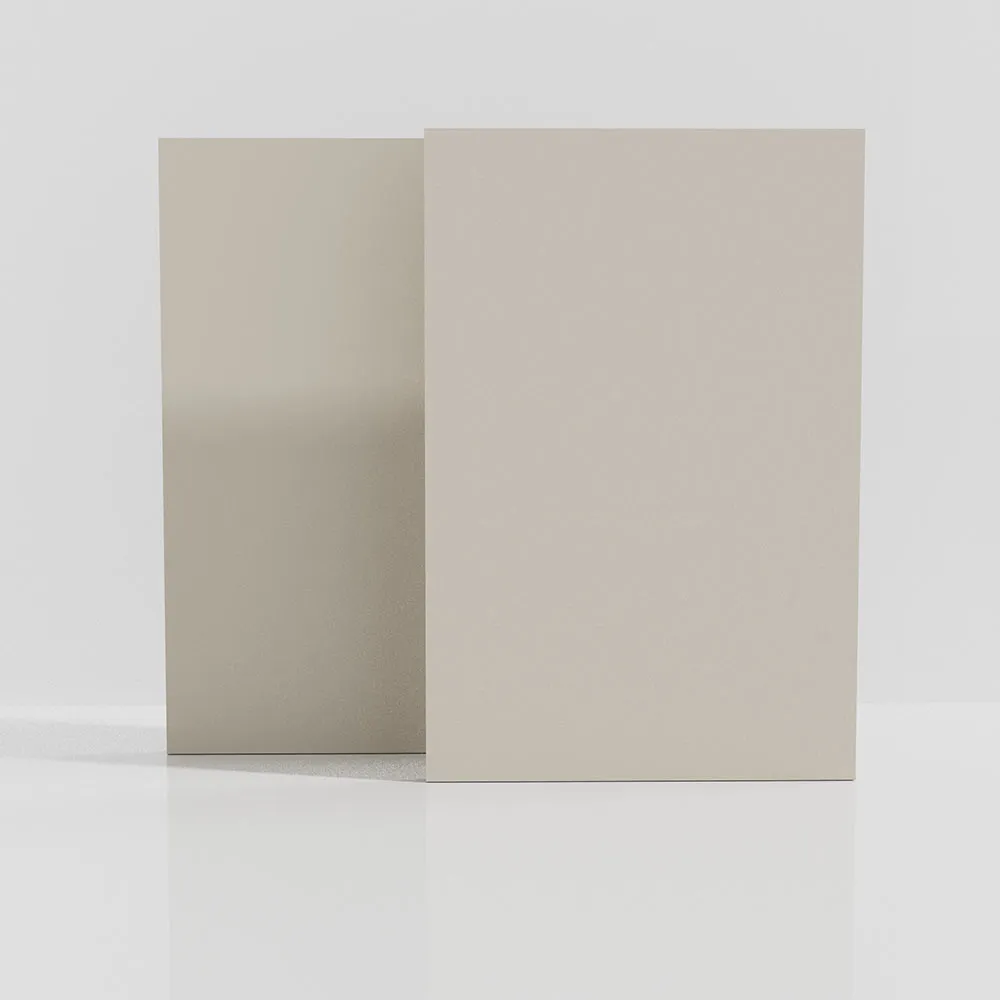
  • Tengfei Platinum EB Particle High-Gloss Panels - Pure white

    Pannelli Tengfei Platinum EB Particle High-Gloss - Bianco puro

    I pannelli Tengfei Bojing EB High-Gloss sfruttano l'avanzata tecnologia di polimerizzazione a fascio di elettroni per offrire una riproduzione cromatica vibrante e una luminosità superficiale superiore. Ideali per la realizzazione di mobili, mobili da toeletta, armadi, sistemi di stoccaggio, mobili per l'intrattenimento, vetrine, piani di lavoro e bar in ambienti domestici e d'ufficio, questi pannelli ridefiniscono l'estetica funzionale. Progettati con resistenza all'invecchiamento, resistenza all'ingiallimento e immunità alla corrosione, mantengono le superfici incontaminate grazie alle proprietà antimacchia, autodissipanti e alla manutenzione semplice. La superficie antibatterica garantisce ambienti igienici e privi di odori, mentre la fedeltà cromatica e la precisa uniformità delle tonalità garantiscono l'integrità del design. La variante Pure White High-Gloss si integra perfettamente con i paradigmi del minimalismo moderno, del lusso contemporaneo e del design scandinavo, offrendo versatilità cromatica per applicazioni spazialmente trasformative.
    VISUALIZZA TUTTO
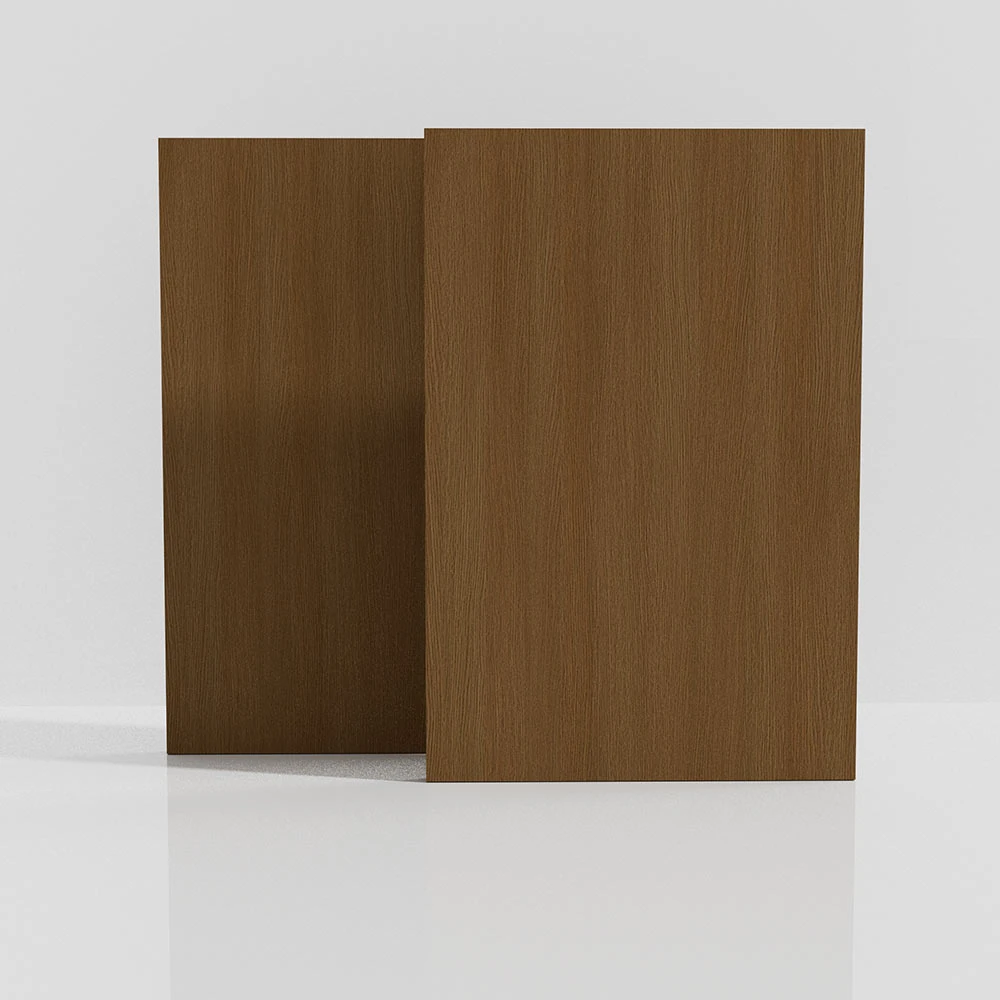
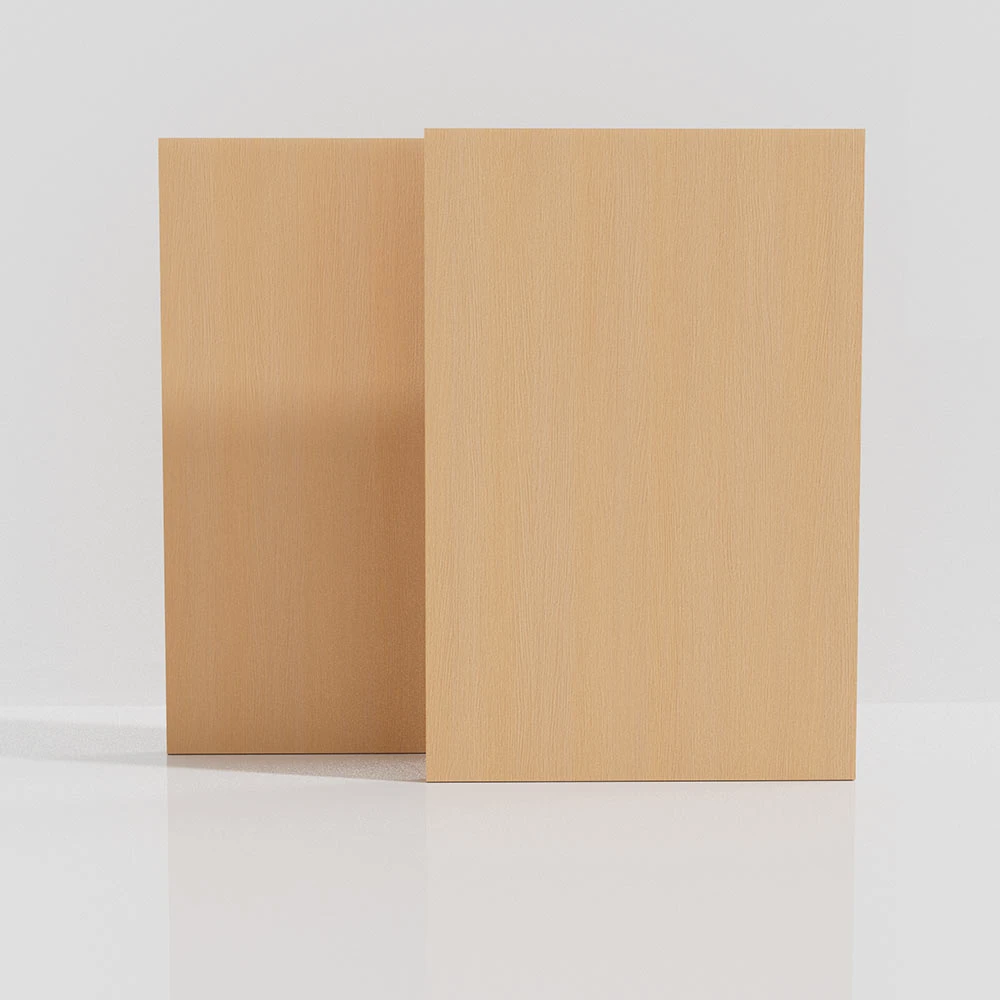
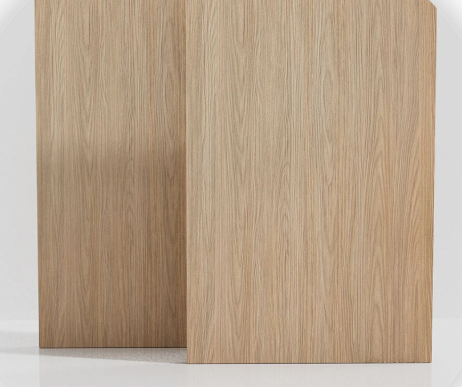
  • Primary Color Oak 102

    Colore primario Rovere 102

    Primary Color Oak 102 è caratterizzato da una calda tonalità di rovere naturale che aggiunge un'eleganza senza tempo e un tocco di fascino organico a qualsiasi spazio.
    VISUALIZZA TUTTO
veneer factory

Fornire soluzioni affidabili attraverso prodotti di qualità!

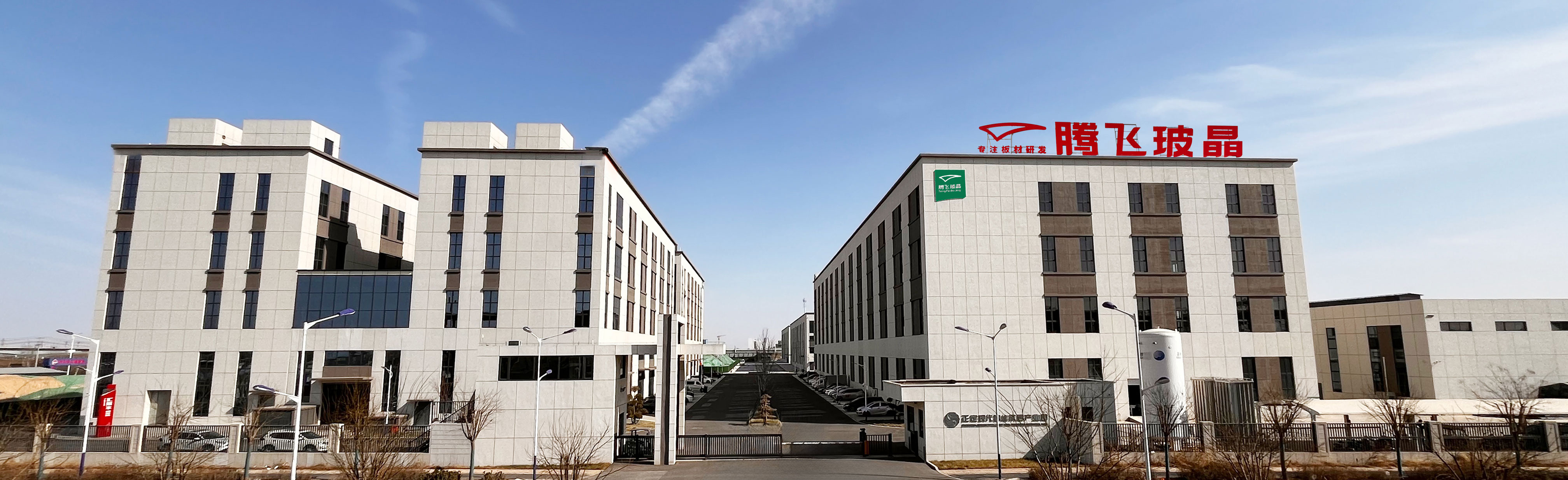
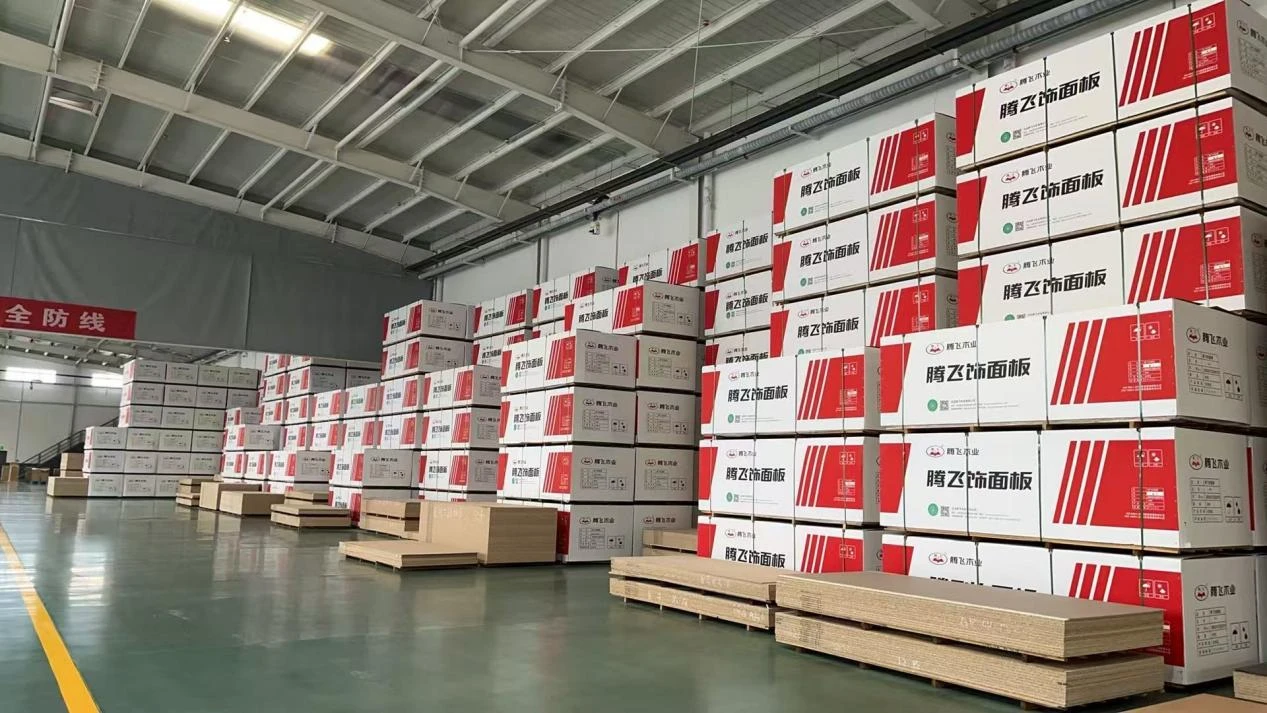
Hebei Bojing Technology Co., Ltd. è specializzata nella produzione di pannelli in MDF EB e pannelli in MDF impiallacciato, offrendo ai clienti materiali ad alte prestazioni per l'arredamento d'interni, la produzione di mobili e applicazioni architettoniche. Con un impegno costante per l'innovazione, la precisione e la soddisfazione del cliente, forniamo prodotti che combinano durata, estetica e convenienza per soddisfare le diverse esigenze dei mercati globali.
Benvenuti alla nostra pagina dedicata alle novità, dove troverete le ultime informazioni e tendenze su EB MDF e Veneer MDF.
Thu 08
2025
Bold and Affordable Wood Veneer Styles
In the realm of modern interior design and furniture production, wood veneer remains a celebrated material for its elegance, versatility, and economic value.
Sun 08
2025
Black MDF shelf board load capacity
Black MDF shelf board load capacity is a critical factor for ensuring the safety, durability, and fu
Mon 01
2026
Current 25 mm Plywood Price Trends & Specs | Industrial Insights
Discover key factors influencing 25 mm plywood price, specs, and top vendors. Expert insights for industrial buyers and project planners.
Tue 07
2025
Revolutionize Interiors with Cutting-Edge UV Board Solutions
Modern interior design demands materials that combine aesthetics, durability, and environmental friendliness.
Mon 09
2025
PF1018F EB MDF Board - Hebei Bojing Technology | Eco-Friendly, Durable Interior Solutions
Product Overview The PF1018F is a high-performance EB MDF (Eco-Board Medium Density Fiberboard) desi
Sat 12
2025
Understanding MDF Medium Density Fiberboard: Global Benefits & Applications
The Real Impact of MDF Medium Density Fiberboard: Why It Matters Globally When you hear “mdf m
Tue 07
2025
Why Choose Wood Veneer for Your Next Project? Discover the Advantages
Wood veneer has surged in popularity for both interior design and cabinetry projects due to its unique ability to combine natural beauty with cost-efficiency and sustainability.
Sat 03
2026
Comprehensive Guide to 1 2 inch CDX Plywood Applications and Benefits
When undertaking construction, DIY projects, or any application requiring a robust and reliable wood panel, CDX plywood is often a go-to choice. Specifically, 1 2 inch CDX plywood offers a balance of strength, affordability, and workability. This article will provide an in-depth look at what CDX plywood is, its uses, benefits, and things to consider when making a purchase. We’ll cover everything from grading to potential applications to help you make an informed decision. CDX plywood is a type of exterior-grade plywood commonly used in construction. The “CDX” designation refers to the quality of the veneer plies used in its construction. ‘C’ and ‘D’ denote the veneer quality, while 'X' indicates it is made with waterproof glue, making it suitable for exterior applications. 'C' grade veneers may have some knots or imperfections, while 'D' grade veneers typically have more. However, the combination ensures a structurally sound panel at a competitive price point. It's frequently chosen for sheathing walls, roofing, and subflooring due to its cost-effectiveness and resilience. The term "1 2 inch" refers to the nominal thickness of the plywood. However, it’s important to note that plywood thickness is typically slightly less than the nominal measurement. A 1 2 inch sheet will actually measure around 0.9375 inches (23.8mm) thick. Standard sheet sizes for CDX plywood are 4ft x 8ft, but other dimensions can be available depending on the supplier. 1 2 inch CDX plywood is remarkably versatile and finds application in a wide range of projects. Common uses include: wall and roof sheathing, subflooring under carpet or tile, creating formwork for concrete pouring, building sheds and other outdoor structures, crafting furniture, and even crafting DIY projects.
Mon 09
2025
Refine Interior Elegance with Bold Wood Veneer Selections
Interior design has evolved beyond basic form and function. In today’s luxury-driven environments, the materials you choose speak volumes about your aesthetic and priorities.
Sat 12
2025
Essential Guide to MDF Cutting Boards: Durable & Cost-Effective Solutions
The Rising Importance of MDF Cutting Boards in Modern Kitchens and Industries At first glance, an md
Tue 02
2026
Comprehensive Guide to Plywood Sheet Price 8x4 for Construction and DIY Projects
When embarking on construction, DIY projects, or industrial applications, selecting the right plywood is crucial. A key factor in this decision is understanding the plywood sheet price 8x4. This guide will delve into the factors influencing plywood costs, explore different grades and types, and provide a comprehensive overview to help you make informed purchasing decisions. Knowing these details will ensure you get the best value for your investment. Several factors contribute to the price of an 8x4 plywood sheet. The wood species used is a major determinant, with hardwoods like birch and maple generally costing more than softwoods such as pine or fir. Plywood grade also plays a significant role; higher grades with fewer defects command higher prices. Furthermore, thickness, the number of plies, and the type of adhesive used all impact the overall cost.
Tue 07
2025
Enhance Interiors with Premium Wood Veneer Solutions
In contemporary interior design, the natural beauty and sophistication of wood are unparalleled.
Set 08 2025
share:

In the demanding landscape of industrial infrastructure, precision-engineered components are not merely parts; they are the bedrock of operational integrity and efficiency. The 7J series represents a pinnacle of manufacturing excellence, designed to meet the rigorous demands of critical B2B applications across diverse sectors. This article delves into the technical prowess, application versatility, and strategic advantages offered by the 7J, providing a comprehensive overview for technical decision-makers and engineers.

Industry Trends Driving Demand for High-Performance Components

The global industrial sector is undergoing a transformative period, characterized by an increasing emphasis on operational efficiency, sustainability, and digitalization. Key trends include:

  • Energy Efficiency: Industries are striving to reduce energy consumption, making components that minimize friction, optimize flow, or enhance power transmission highly desirable. The drive for lower carbon footprints necessitates solutions that are inherently more efficient.
  • Corrosion and Wear Resistance: Operating environments are becoming more aggressive, with exposure to corrosive chemicals, extreme temperatures, and abrasive media. Components like 7J, engineered for superior resistance, extend service life and reduce maintenance costs.
  • Asset Performance Management (APM): The integration of IoT and AI for predictive maintenance and real-time monitoring demands components with robust and predictable performance, where material integrity and manufacturing consistency are paramount.
  • Supply Chain Resiliency: Geopolitical shifts and global disruptions highlight the need for reliable supply chains and components that meet stringent international standards, reducing dependency on single-source suppliers and ensuring consistent quality.
  • Customization and Modularity: As industrial processes become more specialized, the demand for customizable solutions that integrate seamlessly into existing or novel systems is growing. Manufacturers capable of delivering tailored configurations gain a competitive edge.

These trends collectively underscore the critical need for advanced components such as the 7J series, which offers unparalleled durability, precision, and adaptability to meet the evolving demands of modern industrial operations.

Manufacturing Process Flow of the 7J Series

The manufacturing of the 7J series is a meticulously controlled, multi-stage process designed to ensure exceptional material integrity, dimensional accuracy, and performance characteristics. Our commitment to quality begins with raw material selection and extends through final testing.

Product Materials:

  • High-Grade Alloys: Typically utilizes specialized alloys such as Super Duplex Stainless Steels (e.g., UNS S32750/S32760), Nickel-based alloys (e.g., Inconel 625/718), or proprietary high-strength steel composites, selected for their exceptional resistance to corrosion, high temperatures, and mechanical stress.
  • Precision Forgings/Castings: Initial forms are typically produced via precision forging for superior grain structure and mechanical properties, or specialized investment casting for intricate geometries with excellent surface finish.
  • Surface Treatment Coatings: Depending on the application, surfaces may be treated with advanced coatings like PVD (Physical Vapor Deposition), DLC (Diamond-Like Carbon), or specialized ceramic composites for enhanced wear resistance, reduced friction, or specific chemical inertness.

Manufacturing Processes (Schematic Steps):

  1. Material Sourcing & Inspection:

    Incoming raw materials (ingots, bars) undergo stringent chemical composition analysis (Spectroscopy) and mechanical property testing (Tensile Strength, Hardness per ASTM E8/E10) to ensure adherence to specified metallurgical standards (e.g., ASTM A182, A276).

  2. Primary Forming (Forging/Casting):

    Forging: Hot forging processes (e.g., open-die, closed-die) are employed to achieve optimal grain flow, enhancing fatigue resistance and strength. Controlled cooling rates are critical. Casting: Investment casting (lost-wax process) is utilized for complex geometries, ensuring high dimensional accuracy and superior surface finish, followed by solution annealing and quenching.

  3. Heat Treatment:

    Precision heat treatment cycles (solution annealing, precipitation hardening, stress relief) are performed in controlled atmospheric furnaces to optimize mechanical properties, achieve desired hardness (e.g., HRC 30-45), and ensure microstructural stability. Adherence to AMS 2750 for pyrometry is standard.

  4. CNC Machining:

    Multi-axis CNC machining centers are used for precision turning, milling, and grinding operations. Tolerances are typically held to ±0.005 mm, ensuring exact fit and function. Advanced tooling and cutting strategies minimize material stress and achieve optimal surface finish (e.g., Ra 0.8 µm).

  5. Surface Finishing & Coating:

    Parts undergo deburring, polishing, and then specialized surface treatments such as passivation (per ASTM A967), electro-polishing, or application of wear-resistant coatings (e.g., HVOF thermal spray for tungsten carbide). This step is crucial for extending service life and enhancing corrosion resistance.

  6. Assembly & Integration (if applicable):

    For complex assemblies, components are integrated in a cleanroom environment, ensuring precise alignment and sealing. Each assembly undergoes functional testing.

  7. Final Inspection & Testing:

    Dimensional Inspection: CMM (Coordinate Measuring Machine) ensures all critical dimensions are within specification. Non-Destructive Testing (NDT): Includes Ultrasonic Testing (UT), Magnetic Particle Inspection (MPI), Liquid Penetrant Inspection (LPI) per ASTM E1444/E165/E114 to detect subsurface flaws. Material Verification: PMI (Positive Material Identification) ensures correct alloy composition. Performance Testing: Hydrostatic testing, pneumatic testing, or functional cycle testing (e.g., 10,000 cycles at rated pressure) simulate operational conditions.

  8. Packaging & Documentation:

    Parts are carefully packaged to prevent damage during transit, accompanied by full traceability documentation, material certificates, and test reports.

Testing Standards & Certifications:

Our manufacturing facilities are ISO 9001:2015 certified, reflecting our commitment to quality management. Products adhere to global standards including but not limited to:

  • ISO Standards: ISO 17025 (testing labs), ISO 15156 (materials for H2S environments), ISO 5208 (pressure testing).
  • ANSI/ASME Standards: ASME B16.34 (valves), ASME B31.1/B31.3 (piping codes), ANSI/NACE MR0175 (sour service).
  • API Specifications: API 6A (wellhead and Christmas tree equipment), API 6D (pipeline valves).
  • CE Marking: For compliance with European safety, health, and environmental protection directives.

These certifications ensure that every 7J component meets or exceeds the most stringent industry requirements, guaranteeing reliability and safety in critical operations.

Technical Specifications of the 7J Series

The 7J series is engineered for high performance under extreme conditions. Below are typical technical parameters and material properties that underpin its robust design.

General Product Specifications (Example Configuration):

Parameter Value / Specification
Nominal Diameter Range DN15 - DN600 (½" - 24")
Pressure Rating PN10 - PN420 (Class 150 - Class 2500)
Temperature Range -196°C to +600°C (-321°F to +1112°F)
Body Material Options Carbon Steel (WCB), Stainless Steel (CF8M), Super Duplex (CD3MN), Hastelloy C276, Inconel 625
Connection Type Flanged (RF, RTJ), Welded (BW, SW), Threaded (NPT)
Leakage Class ANSI/FCI 70-2 Class VI (Bubble Tight)
Design Standards ASME B16.34, API 600, EN 12516, ISO 14313
Actuation (if applicable) Manual, Pneumatic, Electric, Hydraulic

Key Material Properties (Example for Super Duplex UNS S32750):

Property Value Standard/Condition
Tensile Strength (UTS) ≥ 800 MPa (116 ksi) ASTM A928, Room Temperature
Yield Strength (0.2% Offset) ≥ 550 MPa (80 ksi) ASTM A928, Room Temperature
Elongation ≥ 15% ASTM A928
Hardness (Brinell) ≤ 310 HB ASTM E10
Corrosion Resistance (PREN) ≥ 40 Pitting Resistance Equivalent Number
Impact Strength (Charpy V-Notch) ≥ 60 J at -50°C ASTM E23

These parameters illustrate the superior mechanical strength and excellent corrosion resistance inherent in the materials selected for the 7J series, ensuring reliability in aggressive environments.

Application Scenarios and Target Industries

The robust design and versatile material options of the 7J series make it indispensable across a spectrum of critical industrial applications. Its reliability under severe conditions provides distinct advantages.

Target Industries:

  • Petrochemical & Oil & Gas: Essential for upstream (wellhead, offshore platforms), midstream (pipelines, terminals), and downstream (refineries, chemical processing plants) operations where high pressures, corrosive media (H2S, CO2), and extreme temperatures are common.
  • Power Generation: Utilized in both conventional (steam, gas turbines) and renewable (geothermal, concentrated solar power) plants for steam, water, and fuel handling systems, especially where high thermal cycling or erosive fluids are present.
  • Metallurgy: Critical in steel mills, aluminum smelters, and foundries for controlling aggressive coolants, high-temperature gases, and abrasive slurries, contributing to process stability and safety.
  • Water Supply & Drainage: Deployed in large-scale municipal water treatment plants, desalination facilities, and industrial wastewater management systems, particularly for handling raw water, corrosive chemicals, and high-pressure distribution networks.
  • Mining & Mineral Processing: Robust enough for abrasive slurries, chemical leaching processes, and high-pressure water jets in mineral extraction and refining.
  • Pharmaceutical & Biotechnology: Specified for sterile processing, media transfer, and utility lines where purity, corrosion resistance, and ease of cleaning are paramount.

Typical Application Scenarios & Advantages:

  • High-Pressure Fluid Control in Offshore Platforms:

    The 7J ensures reliable operation in demanding subsea and topside applications, handling crude oil, natural gas, and injected seawater at pressures up to 10,000 psi. Its superior corrosion resistance (PREN >40 for Super Duplex variants) drastically extends service life in saline environments, reducing the frequency and cost of maintenance interventions and enhancing safety by preventing leaks.

  • Chemical Processing with Aggressive Media:

    In chemical reactors and distillation columns, components are exposed to strong acids (e.g., concentrated sulfuric acid, hydrochloric acid) and alkalis. Using Hastelloy or Inconel versions of the 7J prevents chemical attack, maintaining process purity and significantly reducing downtime associated with component failure, offering unparalleled chemical compatibility.

  • Steam and Condensate Management in Power Plants:

    High-temperature, high-pressure steam lines require components capable of withstanding thermal shock and erosion. The 7J's robust design and material stability at temperatures up to 600°C ensure consistent flow control and minimize energy losses, directly contributing to improved plant efficiency and reduced operational costs.

  • Desalination Plant High-Pressure Pumping:

    Reverse osmosis desalination demands components that can handle highly corrosive seawater at extreme pressures (up to 80 bar). The 7J’s advanced materials resist chloride-induced pitting and crevice corrosion, ensuring long-term reliability and reducing the lifecycle cost of water production.

These diverse applications underscore the critical role of the 7J series in enabling reliable, efficient, and safe industrial operations under the most challenging conditions.

Technical Advantages and Performance Metrics

The inherent design and material selection of the 7J series confer a multitude of technical advantages that directly translate into operational benefits for B2B clients.

Key Advantages:

  • Exceptional Corrosion Resistance: Utilizing advanced alloys, the 7J exhibits superior resistance to a wide range of corrosive agents, including chlorides, acids, and caustics. This extends component lifespan by up to 300% compared to standard stainless steels in aggressive environments, as verified by salt spray tests (ASTM B117) showing no red rust after 2000 hours.
  • High Temperature & Pressure Integrity: Engineered to maintain structural integrity and sealing performance across extreme temperature variations (-196°C to +600°C) and pressures up to PN420 (Class 2500). This ensures reliability in applications such as supercritical steam systems and high-pressure chemical reactors.
  • Minimized Leakage & Emissions: Precision machining and advanced sealing technologies (e.g., live-loaded packing, metallic seats) result in Class VI bubble-tight shut-off. This minimizes fugitive emissions, aligning with ISO 15848-1 standards and contributing to environmental compliance and safety.
  • Extended Service Life & Reduced Maintenance: The combination of robust materials, optimized design, and rigorous manufacturing processes leads to significantly longer operational cycles. Customers report a 40-50% reduction in scheduled maintenance and replacement costs over a 5-year period for 7J installations versus conventional components.
  • Enhanced Flow Efficiency: Optimized internal geometries reduce pressure drop and turbulence, leading to more efficient fluid transfer and lower pumping energy requirements. This translates to measurable energy savings, particularly in large-scale piping networks.
  • Superior Mechanical Strength: High tensile and yield strengths allow for robust designs capable of withstanding significant mechanical stress, vibration, and thermal cycling without degradation, ensuring consistent performance in dynamic industrial settings.

Vendor Comparison: 7J Series vs. Standard Solutions

When evaluating critical industrial components, the distinction between a specialized solution like the 7J series and generic alternatives becomes evident. This comparison highlights why investing in purpose-built engineering delivers superior long-term value.

Comparison Table: 7J Series vs. Standard Industrial Components

Feature 7J Series (Advanced) Standard Industrial Component (Generic)
Material Selection High-grade Super Duplex, Hastelloy, Inconel alloys. Fully traceable to certified mills. Standard Stainless Steel (304/316), Carbon Steel. Variable mill sources.
Corrosion Resistance Excellent (PREN >40, suitable for highly corrosive environments, H2S/Cl- rich). Moderate (susceptible to pitting/crevice corrosion in aggressive media).
Pressure & Temperature Range Wide (up to Class 2500, -196°C to +600°C), stable across extremes. Limited (typically Class 300-600, -30°C to +200°C), performance degrades at extremes.
Sealing Performance ANSI/FCI 70-2 Class VI (Bubble Tight), low fugitive emissions (ISO 15848-1). ANSI/FCI 70-2 Class IV-V, higher potential for leakage.
Manufacturing Process Precision CNC, controlled heat treatment, rigorous NDT, ISO 9001. Standard machining, basic quality control.
Service Life & MTBF Extended (5-10+ years in critical service), high MTBF (Mean Time Between Failures). Standard (1-3 years in critical service), lower MTBF.
Total Cost of Ownership (TCO) Higher initial investment, significantly lower operational costs (maintenance, energy, downtime). Lower initial investment, higher operational costs (frequent replacement, energy loss, safety risks).

The comparison clearly demonstrates that while standard components may offer a lower upfront cost, the specialized engineering and superior material science of the 7J series result in a dramatically lower Total Cost of Ownership (TCO) and enhanced operational reliability over its extensive service life. This strategic investment mitigates risks, reduces unforeseen expenditures, and ensures long-term operational continuity.

Customized Solutions with the 7J Series

Recognizing that off-the-shelf solutions rarely perfectly fit every unique industrial challenge, we offer extensive customization capabilities for the 7J series. Our engineering team collaborates closely with clients to tailor solutions that meet precise operational parameters and system integration requirements.

Areas of Customization:

  • Material Modifications: Beyond our standard offerings, we can incorporate exotic alloys (e.g., Titanium, Zirconium) for ultra-specific chemical resistance or extreme temperature applications. This includes bespoke cladding or overlay welding for critical surfaces.
  • Dimensional & Connection Adjustments: Tailored face-to-face dimensions, specific flange drilling patterns, or unique weld end preparations to seamlessly integrate into existing pipeline geometries without costly system redesigns.
  • Actuation & Automation Integration: Custom actuator sizing, integration with specific control systems (e.g., HART, Foundation Fieldbus, Profibus), incorporation of limit switches, positioners, or intelligent diagnostics for advanced process control and remote monitoring.
  • Surface Finishes & Coatings: Application of specialized coatings such as Nickel-Phosphorus for enhanced hardness, PTFE linings for highly aggressive chemical services, or specific surface roughness for sanitary applications (e.g., Ra < 0.25 µm).
  • Specialized Testing & Certification: Beyond standard requirements, we can conduct client-specific performance tests (e.g., cryogenic testing, high-cycle endurance testing) or secure additional third-party certifications (e.g., ATEX, SIL, fire-safe per API 6FA/API 607).
  • Design Features: Modifications to internal trim components for specific flow characteristics (e.g., anti-cavitation, low-noise designs), addition of bypass lines, or integration of sampling ports.

Our experienced engineering team leverages decades of expertise to provide detailed design analysis, material selection consultation, and rapid prototyping, ensuring that the customized 7J solution precisely matches the operational envelope and maximizes performance for the client's unique challenges. This collaborative approach minimizes risk and optimizes long-term asset value.

Application Case Studies

Case Study 1: Enhanced Durability in a Seawater Desalination Plant

Client: Major Middle Eastern Desalination Operator
Challenge: Existing stainless steel components in the high-pressure pumping section of a Reverse Osmosis (RO) plant were experiencing premature failure due to severe chloride-induced pitting and crevice corrosion, leading to frequent downtime and high maintenance costs. Operational pressure was 65 bar, handling raw seawater at 35°C.

Solution: The client replaced critical components with the 7J series, manufactured from Super Duplex Stainless Steel (UNS S32750). These components were specifically designed with enhanced surface passivation and precise internal geometries to minimize stagnant areas.

Results: After three years of continuous operation, the 7J components exhibited no signs of corrosion or leakage, a marked improvement over the previous components that typically failed within 12-18 months. This led to a 75% reduction in unscheduled maintenance events in that section, a 20% increase in plant uptime, and an estimated annual savings of $250,000 in replacement parts and labor. The enhanced reliability also contributed to achieving consistent water production targets.

Case Study 2: Optimizing Flow Control in a High-Temperature Petrochemical Reactor

Client: Leading European Chemical Manufacturer
Challenge: A critical reactor system handling highly corrosive chemical intermediates (e.g., chlorinated hydrocarbons) at 450°C and 80 bar required robust flow control components. Traditional materials were prone to stress corrosion cracking and erosion, causing severe product contamination and safety concerns.

Solution: Our team provided customized 7J units made from Hastelloy C-276, specifically engineered for high-temperature chemical compatibility. The internal trim was designed with a multi-stage pressure reduction configuration to mitigate erosion and cavitation, and the external body featured a specialized thermal barrier coating.

Results: The installation of the customized 7J components eliminated the previously observed stress corrosion cracking and erosion issues. Product purity improved by 99.8%, and the mean time between maintenance for these components extended from 6 months to over 4 years. The client reported enhanced safety, reduced operational risks, and a significant improvement in process yield due to stable flow control.

Trustworthiness: FAQ, Lead Time, Warranty, & Support

Frequently Asked Questions (FAQ):

Q: What is the typical service life of a 7J component?

A: With proper selection and installation for the given application, the 7J series is designed for a service life exceeding 10 years in many demanding industrial environments. Our advanced material and design choices significantly contribute to this longevity.

Q: How do you ensure the quality of materials for the 7J series?

A: We implement a rigorous material verification process, including 100% Positive Material Identification (PMI) on all critical components and comprehensive material test reports (MTRs) from certified mills. Our suppliers are pre-qualified and regularly audited for compliance with international standards like ASTM and EN.

Q: Can the 7J series operate in cryogenic temperatures?

A: Yes, specific configurations of the 7J series, particularly those manufactured from specialized austenitic stainless steels or nickel alloys, are designed and tested for cryogenic service down to -196°C (-321°F) to meet stringent low-temperature impact requirements (e.g., ASTM A350 LF2, LF3 standards).

Q: What environmental regulations do your products comply with?

A: Our products are designed to meet or exceed international environmental standards, including low fugitive emissions requirements (ISO 15848-1) and directives such as RoHS and REACH where applicable. We are committed to sustainable manufacturing practices.

Lead Time & Fulfillment:

Standard 7J series components typically have a lead time of 6-8 weeks, depending on specific configuration and order volume. For customized solutions or large-scale projects, lead times are determined on a case-by-case basis through detailed project planning and can range from 10-16 weeks. We maintain strategic stock levels of common raw materials and finished goods to support urgent demands and offer expedited manufacturing options for critical requirements.

Warranty Commitments:

We stand behind the quality and performance of our 7J series with a comprehensive 24-month warranty from the date of installation or 30 months from the date of shipment, whichever comes first. This warranty covers defects in material and workmanship under normal operating conditions. Full warranty terms and conditions are available upon request.

Customer Support Information:

Our dedicated technical support team is available globally to assist with product selection, technical inquiries, installation guidance, and after-sales service. We offer:

  • 24/7 online technical portal and email support.
  • Regional service centers for on-site assistance and expedited spare parts delivery.
  • Training programs for client engineers and maintenance staff on product operation and maintenance.
  • Dedicated account managers for strategic partnerships and project coordination.

For immediate assistance, please visit our website or contact our global support line at +86-XXX-XXXX-XXXX (placeholder) or email support@tengfeiebmdf.com (placeholder).

References

  1. ASM International. "ASM Handbook, Volume 1: Properties and Selection: Irons, Steels, and High-Performance Alloys." 10th ed., 2012.
  2. American Society of Mechanical Engineers (ASME). "BPVC Section VIII – Rules for Construction of Pressure Vessels." Latest edition.
  3. International Organization for Standardization (ISO). "ISO 15848-1: Industrial valves – Measurement, test and qualification procedures for fugitive emissions – Part 1: Classification system and qualification procedures for type testing of valves." 2015.
  4. NACE International. "MR0175/ISO 15156: Petroleum and natural gas industries—Materials for use in H2S-containing environments in oil and gas production." 2020.
  5. API (American Petroleum Institute). "API Specification 6A: Specification for Wellhead and Christmas Tree Equipment." 21st ed., 2018.
  •  Tengfei Platinum EB Particle Panels - Matte Black

     Pannelli in particelle Tengfei Platinum EB - Nero opaco

    I pannelli in particelle Tengfei Platinum EB impiegano la tecnologia di polimerizzazione EB (Electron Beam) per la produzione di mobili, tavoli/sedie, pareti divisorie, pavimenti e porte a pannello, ideali per spazi residenziali e uffici. Le caratteristiche includono: Anti-invecchiamento/Resistente all'ingiallimento/Resistente alla corrosione/Non lascia segni/Facile da pulire/Resistente alle impronte/Autodissipante/Antibatterico/Inodore/Colore fedele all'originale/Tonalità precisa. La finitura Nero Opaco si abbina elegantemente a stili di design contemporanei, tra cui il Minimalismo Moderno, l'Industriale di Lusso, il Razionalismo Italiano, lo Zen Orientale e il Glamour Sobrio, rappresentando una soluzione cromatica universale per interni sofisticati.
    VISUALIZZA TUTTO
  • Tengfei Platinum EB Particle High-Gloss Panels - Pure white

    Pannelli Tengfei Platinum EB Particle High-Gloss - Bianco puro

    I pannelli Tengfei Bojing EB High-Gloss sfruttano l'avanzata tecnologia di polimerizzazione a fascio di elettroni per offrire una riproduzione cromatica vibrante e una luminosità superficiale superiore. Ideali per la realizzazione di mobili, mobili da toeletta, armadi, sistemi di stoccaggio, mobili per l'intrattenimento, vetrine, piani di lavoro e bar in ambienti domestici e d'ufficio, questi pannelli ridefiniscono l'estetica funzionale. Progettati con resistenza all'invecchiamento, resistenza all'ingiallimento e immunità alla corrosione, mantengono le superfici incontaminate grazie alle proprietà antimacchia, autodissipanti e alla manutenzione semplice. La superficie antibatterica garantisce ambienti igienici e privi di odori, mentre la fedeltà cromatica e la precisa uniformità delle tonalità garantiscono l'integrità del design. La variante Pure White High-Gloss si integra perfettamente con i paradigmi del minimalismo moderno, del lusso contemporaneo e del design scandinavo, offrendo versatilità cromatica per applicazioni spazialmente trasformative.
    VISUALIZZA TUTTO
  • Primary Color Oak 102

    Colore primario Rovere 102

    Primary Color Oak 102 è caratterizzato da una calda tonalità di rovere naturale che aggiunge un'eleganza senza tempo e un tocco di fascino organico a qualsiasi spazio.
    VISUALIZZA TUTTO
veneer factory

Fornire soluzioni affidabili attraverso prodotti di qualità!

Hebei Bojing Technology Co., Ltd. è specializzata nella produzione di pannelli in MDF EB e pannelli in MDF impiallacciato, offrendo ai clienti materiali ad alte prestazioni per l'arredamento d'interni, la produzione di mobili e applicazioni architettoniche. Con un impegno costante per l'innovazione, la precisione e la soddisfazione del cliente, forniamo prodotti che combinano durata, estetica e convenienza per soddisfare le diverse esigenze dei mercati globali.
Benvenuti alla nostra pagina dedicata alle novità, dove troverete le ultime informazioni e tendenze su EB MDF e Veneer MDF.
Thu 01
2026
Comprehensive Guide to 18mm Marine Plywood Price for B2B Buyers
Explore the benefits, specifications, cost factors, and sustainable trends of 18mm marine plywood. Learn why Teng Fei is a trusted supplier for industrial-grade marine plywood.
Mon 09
2025
MDF Wall Paneling for Modern Interiors
MDF wall paneling has emerged as a versatile and stylish choice for modern interiors, blending functionality with aesthetic appeal to transform spaces.
Wed 09
2025
Moisture resistance in faced MDF products
Moisture resistance is a critical attribute in faced MDF products, determining their suitability for humid environments such as kitchens, bathrooms, and basements. Faced MDF, which includes faced mdf, wood veneer boards, and sheet veneer wood, relies on both the core material and the facing layer to resist moisture absorption, swelling, and warping.
Tue 07
2025
Durable Solutions with Modern Wood-Based Materials
In today’s construction and furniture industries, selecting the right material is crucial to achieving both longevity and aesthetic appeal.
Sun 12
2025
MDF Peg Board: Affordable & Sustainable Storage Solution for Industry and Retail
Understanding MDF Peg Board: An Unsung Hero in Modern Industry If you’ve ever walked into a we
Sun 01
2026
19mm Plywood 8x4 Price | Durable & Cost-Effective Industrial Plywood Solutions
Explore the benefits, costs, and sustainability of 19mm Plywood 8x4 from Tengfei. Perfect for construction, furniture, and manufacturing sectors. Competitive pricing with reliable quality.
Sun 08
2025
Walnut MDF sheets edge treatment options
Walnut MDF sheets edge treatment options are critical for enhancing the aesthetics, durability, and
Sun 01
2026
Understanding 20 Mm Plywood Price: Quality, Uses, and Market Insights for B2B Buyers
Explore detailed insights on 20 Mm plywood pricing, specifications, benefits, and sustainability. Ideal for B2B decision makers sourcing quality plywood from trusted suppliers like Tengfei.
Sat 12
2025
PU727 | High-Performance, Durable, In Stock, Fast Shipping
PU727 is a key solution in the chemical industry industry, specifically within polymer materials and
Thu 04
2026
Ultimate Guide to Using 1 2 sheet of plywood for Your Projects
Whether you are a seasoned contractor or a weekend DIY enthusiast, understanding the nuances of material sizing is key to project success. A 1 2 sheet of plywood—essentially a half-sheet cut from a standard 4x8 panel—offers the perfect balance of manageability and surface area. Using smaller dimensions can significantly reduce waste, lower transportation costs, and make handling much easier in tight spaces. In this comprehensive guide, we will explore the best uses, specifications, and procurement tips for these versatile panels to ensure your next build is both efficient and professional.
Tue 01
2026
25mm Waterproof Plywood Price - Insider Insights & Specs
Discover expert insights on 25mm waterproof plywood price, specs, and vendor comparison for durable industrial applications. Reliable and cost-effective choice.
Sat 04
2026
Comprehensive Guide to Understanding 1 2 Pressure Treated Plywood Applications
Pressure treated plywood is a versatile material widely used in construction, outdoor projects, and various industrial applications. It’s engineered to resist decay, insects, and fungal growth, making it ideal for environments exposed to moisture and the elements. Understanding the different grades, applications, and proper handling of 1 2 pressure treated plywood is crucial for ensuring project longevity and safety. This article will explore the key aspects of this essential building material, providing insights for both professionals and DIY enthusiasts.
tel +8615030171059 tel icon15

Se sei interessato ai nostri prodotti, puoi scegliere di lasciare qui i tuoi dati e ti contatteremo al più presto.