Адрес: ул. Синьсин № 8, Северная зона, Зона развития высокотехнологичной промышленности Чжэндин, провинция Хэбэй, Китай

СВЯЗАТЬСЯ С НАМИ

+8615030171059
221231instagram-fill1251 search
Сен 09 2025
share:

In the demanding landscape of industrial infrastructure, precision-engineered components are not merely parts; they are the bedrock of operational integrity and efficiency. The 7J series represents a pinnacle of manufacturing excellence, designed to meet the rigorous demands of critical B2B applications across diverse sectors. This article delves into the technical prowess, application versatility, and strategic advantages offered by the 7J, providing a comprehensive overview for technical decision-makers and engineers.

Industry Trends Driving Demand for High-Performance Components

The global industrial sector is undergoing a transformative period, characterized by an increasing emphasis on operational efficiency, sustainability, and digitalization. Key trends include:

  • Energy Efficiency: Industries are striving to reduce energy consumption, making components that minimize friction, optimize flow, or enhance power transmission highly desirable. The drive for lower carbon footprints necessitates solutions that are inherently more efficient.
  • Corrosion and Wear Resistance: Operating environments are becoming more aggressive, with exposure to corrosive chemicals, extreme temperatures, and abrasive media. Components like 7J, engineered for superior resistance, extend service life and reduce maintenance costs.
  • Asset Performance Management (APM): The integration of IoT and AI for predictive maintenance and real-time monitoring demands components with robust and predictable performance, where material integrity and manufacturing consistency are paramount.
  • Supply Chain Resiliency: Geopolitical shifts and global disruptions highlight the need for reliable supply chains and components that meet stringent international standards, reducing dependency on single-source suppliers and ensuring consistent quality.
  • Customization and Modularity: As industrial processes become more specialized, the demand for customizable solutions that integrate seamlessly into existing or novel systems is growing. Manufacturers capable of delivering tailored configurations gain a competitive edge.

These trends collectively underscore the critical need for advanced components such as the 7J series, which offers unparalleled durability, precision, and adaptability to meet the evolving demands of modern industrial operations.

Manufacturing Process Flow of the 7J Series

The manufacturing of the 7J series is a meticulously controlled, multi-stage process designed to ensure exceptional material integrity, dimensional accuracy, and performance characteristics. Our commitment to quality begins with raw material selection and extends through final testing.

Product Materials:

  • High-Grade Alloys: Typically utilizes specialized alloys such as Super Duplex Stainless Steels (e.g., UNS S32750/S32760), Nickel-based alloys (e.g., Inconel 625/718), or proprietary high-strength steel composites, selected for their exceptional resistance to corrosion, high temperatures, and mechanical stress.
  • Precision Forgings/Castings: Initial forms are typically produced via precision forging for superior grain structure and mechanical properties, or specialized investment casting for intricate geometries with excellent surface finish.
  • Surface Treatment Coatings: Depending on the application, surfaces may be treated with advanced coatings like PVD (Physical Vapor Deposition), DLC (Diamond-Like Carbon), or specialized ceramic composites for enhanced wear resistance, reduced friction, or specific chemical inertness.

Manufacturing Processes (Schematic Steps):

  1. Material Sourcing & Inspection:

    Incoming raw materials (ingots, bars) undergo stringent chemical composition analysis (Spectroscopy) and mechanical property testing (Tensile Strength, Hardness per ASTM E8/E10) to ensure adherence to specified metallurgical standards (e.g., ASTM A182, A276).

  2. Primary Forming (Forging/Casting):

    Forging: Hot forging processes (e.g., open-die, closed-die) are employed to achieve optimal grain flow, enhancing fatigue resistance and strength. Controlled cooling rates are critical. Casting: Investment casting (lost-wax process) is utilized for complex geometries, ensuring high dimensional accuracy and superior surface finish, followed by solution annealing and quenching.

  3. Heat Treatment:

    Precision heat treatment cycles (solution annealing, precipitation hardening, stress relief) are performed in controlled atmospheric furnaces to optimize mechanical properties, achieve desired hardness (e.g., HRC 30-45), and ensure microstructural stability. Adherence to AMS 2750 for pyrometry is standard.

  4. CNC Machining:

    Multi-axis CNC machining centers are used for precision turning, milling, and grinding operations. Tolerances are typically held to ±0.005 mm, ensuring exact fit and function. Advanced tooling and cutting strategies minimize material stress and achieve optimal surface finish (e.g., Ra 0.8 µm).

  5. Surface Finishing & Coating:

    Parts undergo deburring, polishing, and then specialized surface treatments such as passivation (per ASTM A967), electro-polishing, or application of wear-resistant coatings (e.g., HVOF thermal spray for tungsten carbide). This step is crucial for extending service life and enhancing corrosion resistance.

  6. Assembly & Integration (if applicable):

    For complex assemblies, components are integrated in a cleanroom environment, ensuring precise alignment and sealing. Each assembly undergoes functional testing.

  7. Final Inspection & Testing:

    Dimensional Inspection: CMM (Coordinate Measuring Machine) ensures all critical dimensions are within specification. Non-Destructive Testing (NDT): Includes Ultrasonic Testing (UT), Magnetic Particle Inspection (MPI), Liquid Penetrant Inspection (LPI) per ASTM E1444/E165/E114 to detect subsurface flaws. Material Verification: PMI (Positive Material Identification) ensures correct alloy composition. Performance Testing: Hydrostatic testing, pneumatic testing, or functional cycle testing (e.g., 10,000 cycles at rated pressure) simulate operational conditions.

  8. Packaging & Documentation:

    Parts are carefully packaged to prevent damage during transit, accompanied by full traceability documentation, material certificates, and test reports.

Testing Standards & Certifications:

Our manufacturing facilities are ISO 9001:2015 certified, reflecting our commitment to quality management. Products adhere to global standards including but not limited to:

  • ISO Standards: ISO 17025 (testing labs), ISO 15156 (materials for H2S environments), ISO 5208 (pressure testing).
  • ANSI/ASME Standards: ASME B16.34 (valves), ASME B31.1/B31.3 (piping codes), ANSI/NACE MR0175 (sour service).
  • API Specifications: API 6A (wellhead and Christmas tree equipment), API 6D (pipeline valves).
  • CE Marking: For compliance with European safety, health, and environmental protection directives.

These certifications ensure that every 7J component meets or exceeds the most stringent industry requirements, guaranteeing reliability and safety in critical operations.

Technical Specifications of the 7J Series

The 7J series is engineered for high performance under extreme conditions. Below are typical technical parameters and material properties that underpin its robust design.

General Product Specifications (Example Configuration):

Parameter Value / Specification
Nominal Diameter Range DN15 - DN600 (½" - 24")
Pressure Rating PN10 - PN420 (Class 150 - Class 2500)
Temperature Range -196°C to +600°C (-321°F to +1112°F)
Body Material Options Carbon Steel (WCB), Stainless Steel (CF8M), Super Duplex (CD3MN), Hastelloy C276, Inconel 625
Connection Type Flanged (RF, RTJ), Welded (BW, SW), Threaded (NPT)
Leakage Class ANSI/FCI 70-2 Class VI (Bubble Tight)
Design Standards ASME B16.34, API 600, EN 12516, ISO 14313
Actuation (if applicable) Manual, Pneumatic, Electric, Hydraulic

Key Material Properties (Example for Super Duplex UNS S32750):

Property Value Standard/Condition
Tensile Strength (UTS) ≥ 800 MPa (116 ksi) ASTM A928, Room Temperature
Yield Strength (0.2% Offset) ≥ 550 MPa (80 ksi) ASTM A928, Room Temperature
Elongation ≥ 15% ASTM A928
Hardness (Brinell) ≤ 310 HB ASTM E10
Corrosion Resistance (PREN) ≥ 40 Pitting Resistance Equivalent Number
Impact Strength (Charpy V-Notch) ≥ 60 J at -50°C ASTM E23

These parameters illustrate the superior mechanical strength and excellent corrosion resistance inherent in the materials selected for the 7J series, ensuring reliability in aggressive environments.

Application Scenarios and Target Industries

The robust design and versatile material options of the 7J series make it indispensable across a spectrum of critical industrial applications. Its reliability under severe conditions provides distinct advantages.

Target Industries:

  • Petrochemical & Oil & Gas: Essential for upstream (wellhead, offshore platforms), midstream (pipelines, terminals), and downstream (refineries, chemical processing plants) operations where high pressures, corrosive media (H2S, CO2), and extreme temperatures are common.
  • Power Generation: Utilized in both conventional (steam, gas turbines) and renewable (geothermal, concentrated solar power) plants for steam, water, and fuel handling systems, especially where high thermal cycling or erosive fluids are present.
  • Metallurgy: Critical in steel mills, aluminum smelters, and foundries for controlling aggressive coolants, high-temperature gases, and abrasive slurries, contributing to process stability and safety.
  • Water Supply & Drainage: Deployed in large-scale municipal water treatment plants, desalination facilities, and industrial wastewater management systems, particularly for handling raw water, corrosive chemicals, and high-pressure distribution networks.
  • Mining & Mineral Processing: Robust enough for abrasive slurries, chemical leaching processes, and high-pressure water jets in mineral extraction and refining.
  • Pharmaceutical & Biotechnology: Specified for sterile processing, media transfer, and utility lines where purity, corrosion resistance, and ease of cleaning are paramount.

Typical Application Scenarios & Advantages:

  • High-Pressure Fluid Control in Offshore Platforms:

    The 7J ensures reliable operation in demanding subsea and topside applications, handling crude oil, natural gas, and injected seawater at pressures up to 10,000 psi. Its superior corrosion resistance (PREN >40 for Super Duplex variants) drastically extends service life in saline environments, reducing the frequency and cost of maintenance interventions and enhancing safety by preventing leaks.

  • Chemical Processing with Aggressive Media:

    In chemical reactors and distillation columns, components are exposed to strong acids (e.g., concentrated sulfuric acid, hydrochloric acid) and alkalis. Using Hastelloy or Inconel versions of the 7J prevents chemical attack, maintaining process purity and significantly reducing downtime associated with component failure, offering unparalleled chemical compatibility.

  • Steam and Condensate Management in Power Plants:

    High-temperature, high-pressure steam lines require components capable of withstanding thermal shock and erosion. The 7J's robust design and material stability at temperatures up to 600°C ensure consistent flow control and minimize energy losses, directly contributing to improved plant efficiency and reduced operational costs.

  • Desalination Plant High-Pressure Pumping:

    Reverse osmosis desalination demands components that can handle highly corrosive seawater at extreme pressures (up to 80 bar). The 7J’s advanced materials resist chloride-induced pitting and crevice corrosion, ensuring long-term reliability and reducing the lifecycle cost of water production.

These diverse applications underscore the critical role of the 7J series in enabling reliable, efficient, and safe industrial operations under the most challenging conditions.

Technical Advantages and Performance Metrics

The inherent design and material selection of the 7J series confer a multitude of technical advantages that directly translate into operational benefits for B2B clients.

Key Advantages:

  • Exceptional Corrosion Resistance: Utilizing advanced alloys, the 7J exhibits superior resistance to a wide range of corrosive agents, including chlorides, acids, and caustics. This extends component lifespan by up to 300% compared to standard stainless steels in aggressive environments, as verified by salt spray tests (ASTM B117) showing no red rust after 2000 hours.
  • High Temperature & Pressure Integrity: Engineered to maintain structural integrity and sealing performance across extreme temperature variations (-196°C to +600°C) and pressures up to PN420 (Class 2500). This ensures reliability in applications such as supercritical steam systems and high-pressure chemical reactors.
  • Minimized Leakage & Emissions: Precision machining and advanced sealing technologies (e.g., live-loaded packing, metallic seats) result in Class VI bubble-tight shut-off. This minimizes fugitive emissions, aligning with ISO 15848-1 standards and contributing to environmental compliance and safety.
  • Extended Service Life & Reduced Maintenance: The combination of robust materials, optimized design, and rigorous manufacturing processes leads to significantly longer operational cycles. Customers report a 40-50% reduction in scheduled maintenance and replacement costs over a 5-year period for 7J installations versus conventional components.
  • Enhanced Flow Efficiency: Optimized internal geometries reduce pressure drop and turbulence, leading to more efficient fluid transfer and lower pumping energy requirements. This translates to measurable energy savings, particularly in large-scale piping networks.
  • Superior Mechanical Strength: High tensile and yield strengths allow for robust designs capable of withstanding significant mechanical stress, vibration, and thermal cycling without degradation, ensuring consistent performance in dynamic industrial settings.

Vendor Comparison: 7J Series vs. Standard Solutions

When evaluating critical industrial components, the distinction between a specialized solution like the 7J series and generic alternatives becomes evident. This comparison highlights why investing in purpose-built engineering delivers superior long-term value.

Comparison Table: 7J Series vs. Standard Industrial Components

Feature 7J Series (Advanced) Standard Industrial Component (Generic)
Material Selection High-grade Super Duplex, Hastelloy, Inconel alloys. Fully traceable to certified mills. Standard Stainless Steel (304/316), Carbon Steel. Variable mill sources.
Corrosion Resistance Excellent (PREN >40, suitable for highly corrosive environments, H2S/Cl- rich). Moderate (susceptible to pitting/crevice corrosion in aggressive media).
Pressure & Temperature Range Wide (up to Class 2500, -196°C to +600°C), stable across extremes. Limited (typically Class 300-600, -30°C to +200°C), performance degrades at extremes.
Sealing Performance ANSI/FCI 70-2 Class VI (Bubble Tight), low fugitive emissions (ISO 15848-1). ANSI/FCI 70-2 Class IV-V, higher potential for leakage.
Manufacturing Process Precision CNC, controlled heat treatment, rigorous NDT, ISO 9001. Standard machining, basic quality control.
Service Life & MTBF Extended (5-10+ years in critical service), high MTBF (Mean Time Between Failures). Standard (1-3 years in critical service), lower MTBF.
Total Cost of Ownership (TCO) Higher initial investment, significantly lower operational costs (maintenance, energy, downtime). Lower initial investment, higher operational costs (frequent replacement, energy loss, safety risks).

The comparison clearly demonstrates that while standard components may offer a lower upfront cost, the specialized engineering and superior material science of the 7J series result in a dramatically lower Total Cost of Ownership (TCO) and enhanced operational reliability over its extensive service life. This strategic investment mitigates risks, reduces unforeseen expenditures, and ensures long-term operational continuity.

Customized Solutions with the 7J Series

Recognizing that off-the-shelf solutions rarely perfectly fit every unique industrial challenge, we offer extensive customization capabilities for the 7J series. Our engineering team collaborates closely with clients to tailor solutions that meet precise operational parameters and system integration requirements.

Areas of Customization:

  • Material Modifications: Beyond our standard offerings, we can incorporate exotic alloys (e.g., Titanium, Zirconium) for ultra-specific chemical resistance or extreme temperature applications. This includes bespoke cladding or overlay welding for critical surfaces.
  • Dimensional & Connection Adjustments: Tailored face-to-face dimensions, specific flange drilling patterns, or unique weld end preparations to seamlessly integrate into existing pipeline geometries without costly system redesigns.
  • Actuation & Automation Integration: Custom actuator sizing, integration with specific control systems (e.g., HART, Foundation Fieldbus, Profibus), incorporation of limit switches, positioners, or intelligent diagnostics for advanced process control and remote monitoring.
  • Surface Finishes & Coatings: Application of specialized coatings such as Nickel-Phosphorus for enhanced hardness, PTFE linings for highly aggressive chemical services, or specific surface roughness for sanitary applications (e.g., Ra < 0.25 µm).
  • Specialized Testing & Certification: Beyond standard requirements, we can conduct client-specific performance tests (e.g., cryogenic testing, high-cycle endurance testing) or secure additional third-party certifications (e.g., ATEX, SIL, fire-safe per API 6FA/API 607).
  • Design Features: Modifications to internal trim components for specific flow characteristics (e.g., anti-cavitation, low-noise designs), addition of bypass lines, or integration of sampling ports.

Our experienced engineering team leverages decades of expertise to provide detailed design analysis, material selection consultation, and rapid prototyping, ensuring that the customized 7J solution precisely matches the operational envelope and maximizes performance for the client's unique challenges. This collaborative approach minimizes risk and optimizes long-term asset value.

Application Case Studies

Case Study 1: Enhanced Durability in a Seawater Desalination Plant

Client: Major Middle Eastern Desalination Operator
Challenge: Existing stainless steel components in the high-pressure pumping section of a Reverse Osmosis (RO) plant were experiencing premature failure due to severe chloride-induced pitting and crevice corrosion, leading to frequent downtime and high maintenance costs. Operational pressure was 65 bar, handling raw seawater at 35°C.

Solution: The client replaced critical components with the 7J series, manufactured from Super Duplex Stainless Steel (UNS S32750). These components were specifically designed with enhanced surface passivation and precise internal geometries to minimize stagnant areas.

Results: After three years of continuous operation, the 7J components exhibited no signs of corrosion or leakage, a marked improvement over the previous components that typically failed within 12-18 months. This led to a 75% reduction in unscheduled maintenance events in that section, a 20% increase in plant uptime, and an estimated annual savings of $250,000 in replacement parts and labor. The enhanced reliability also contributed to achieving consistent water production targets.

Case Study 2: Optimizing Flow Control in a High-Temperature Petrochemical Reactor

Client: Leading European Chemical Manufacturer
Challenge: A critical reactor system handling highly corrosive chemical intermediates (e.g., chlorinated hydrocarbons) at 450°C and 80 bar required robust flow control components. Traditional materials were prone to stress corrosion cracking and erosion, causing severe product contamination and safety concerns.

Solution: Our team provided customized 7J units made from Hastelloy C-276, specifically engineered for high-temperature chemical compatibility. The internal trim was designed with a multi-stage pressure reduction configuration to mitigate erosion and cavitation, and the external body featured a specialized thermal barrier coating.

Results: The installation of the customized 7J components eliminated the previously observed stress corrosion cracking and erosion issues. Product purity improved by 99.8%, and the mean time between maintenance for these components extended from 6 months to over 4 years. The client reported enhanced safety, reduced operational risks, and a significant improvement in process yield due to stable flow control.

Trustworthiness: FAQ, Lead Time, Warranty, & Support

Frequently Asked Questions (FAQ):

Q: What is the typical service life of a 7J component?

A: With proper selection and installation for the given application, the 7J series is designed for a service life exceeding 10 years in many demanding industrial environments. Our advanced material and design choices significantly contribute to this longevity.

Q: How do you ensure the quality of materials for the 7J series?

A: We implement a rigorous material verification process, including 100% Positive Material Identification (PMI) on all critical components and comprehensive material test reports (MTRs) from certified mills. Our suppliers are pre-qualified and regularly audited for compliance with international standards like ASTM and EN.

Q: Can the 7J series operate in cryogenic temperatures?

A: Yes, specific configurations of the 7J series, particularly those manufactured from specialized austenitic stainless steels or nickel alloys, are designed and tested for cryogenic service down to -196°C (-321°F) to meet stringent low-temperature impact requirements (e.g., ASTM A350 LF2, LF3 standards).

Q: What environmental regulations do your products comply with?

A: Our products are designed to meet or exceed international environmental standards, including low fugitive emissions requirements (ISO 15848-1) and directives such as RoHS and REACH where applicable. We are committed to sustainable manufacturing practices.

Lead Time & Fulfillment:

Standard 7J series components typically have a lead time of 6-8 weeks, depending on specific configuration and order volume. For customized solutions or large-scale projects, lead times are determined on a case-by-case basis through detailed project planning and can range from 10-16 weeks. We maintain strategic stock levels of common raw materials and finished goods to support urgent demands and offer expedited manufacturing options for critical requirements.

Warranty Commitments:

We stand behind the quality and performance of our 7J series with a comprehensive 24-month warranty from the date of installation or 30 months from the date of shipment, whichever comes first. This warranty covers defects in material and workmanship under normal operating conditions. Full warranty terms and conditions are available upon request.

Customer Support Information:

Our dedicated technical support team is available globally to assist with product selection, technical inquiries, installation guidance, and after-sales service. We offer:

  • 24/7 online technical portal and email support.
  • Regional service centers for on-site assistance and expedited spare parts delivery.
  • Training programs for client engineers and maintenance staff on product operation and maintenance.
  • Dedicated account managers for strategic partnerships and project coordination.

For immediate assistance, please visit our website or contact our global support line at +86-XXX-XXXX-XXXX (placeholder) or email support@tengfeiebmdf.com (placeholder).

References

  1. ASM International. "ASM Handbook, Volume 1: Properties and Selection: Irons, Steels, and High-Performance Alloys." 10th ed., 2012.
  2. American Society of Mechanical Engineers (ASME). "BPVC Section VIII – Rules for Construction of Pressure Vessels." Latest edition.
  3. International Organization for Standardization (ISO). "ISO 15848-1: Industrial valves – Measurement, test and qualification procedures for fugitive emissions – Part 1: Classification system and qualification procedures for type testing of valves." 2015.
  4. NACE International. "MR0175/ISO 15156: Petroleum and natural gas industries—Materials for use in H2S-containing environments in oil and gas production." 2020.
  5. API (American Petroleum Institute). "API Specification 6A: Specification for Wellhead and Christmas Tree Equipment." 21st ed., 2018.
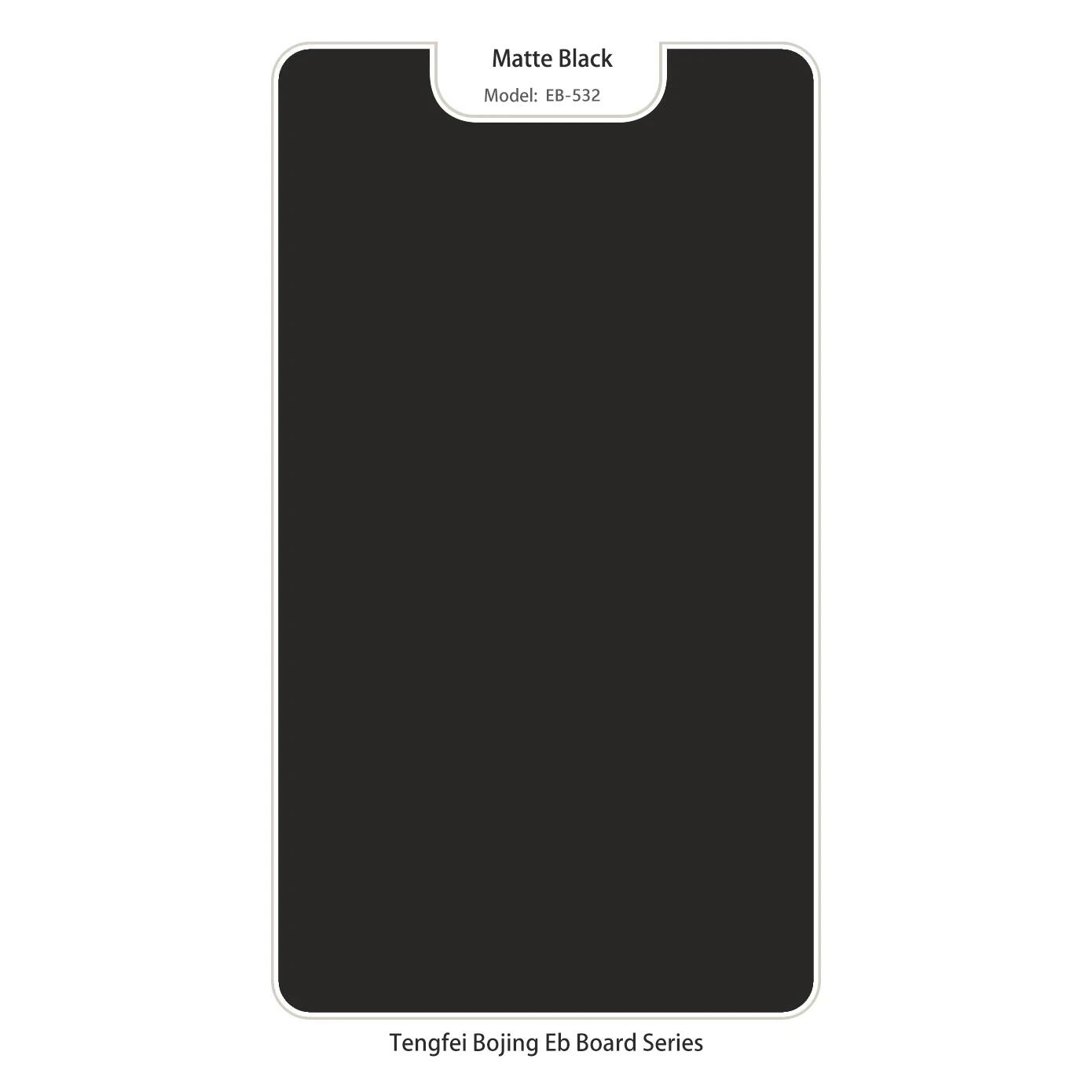
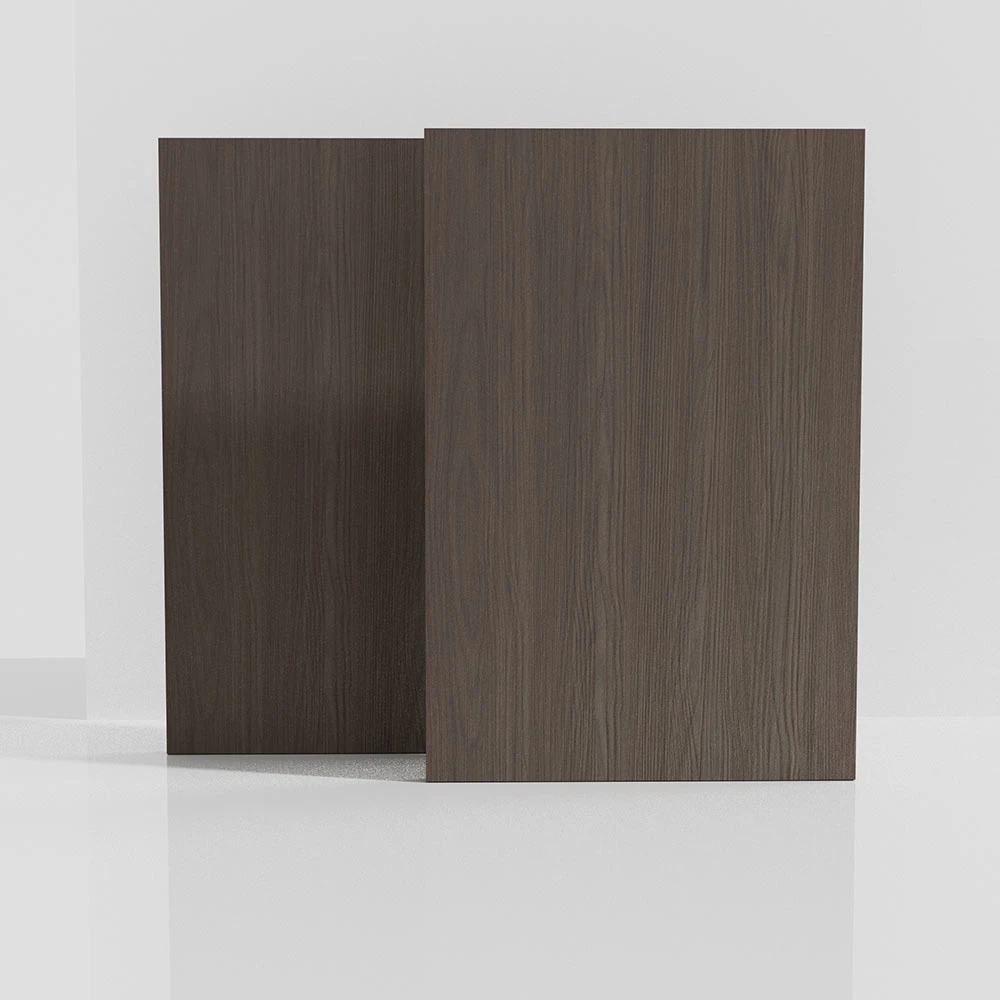
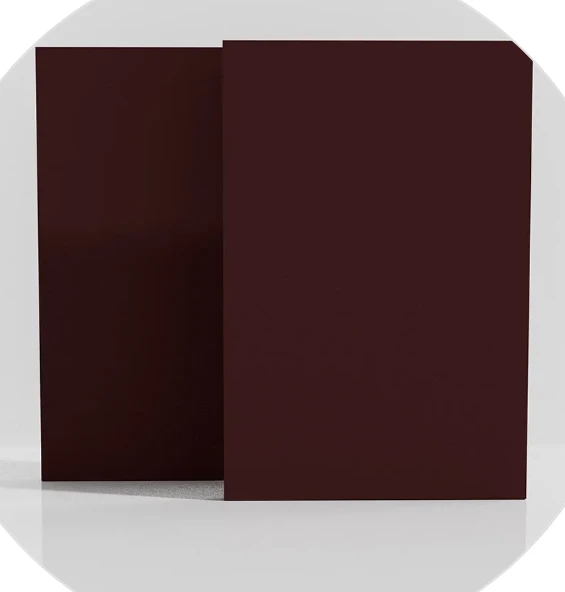
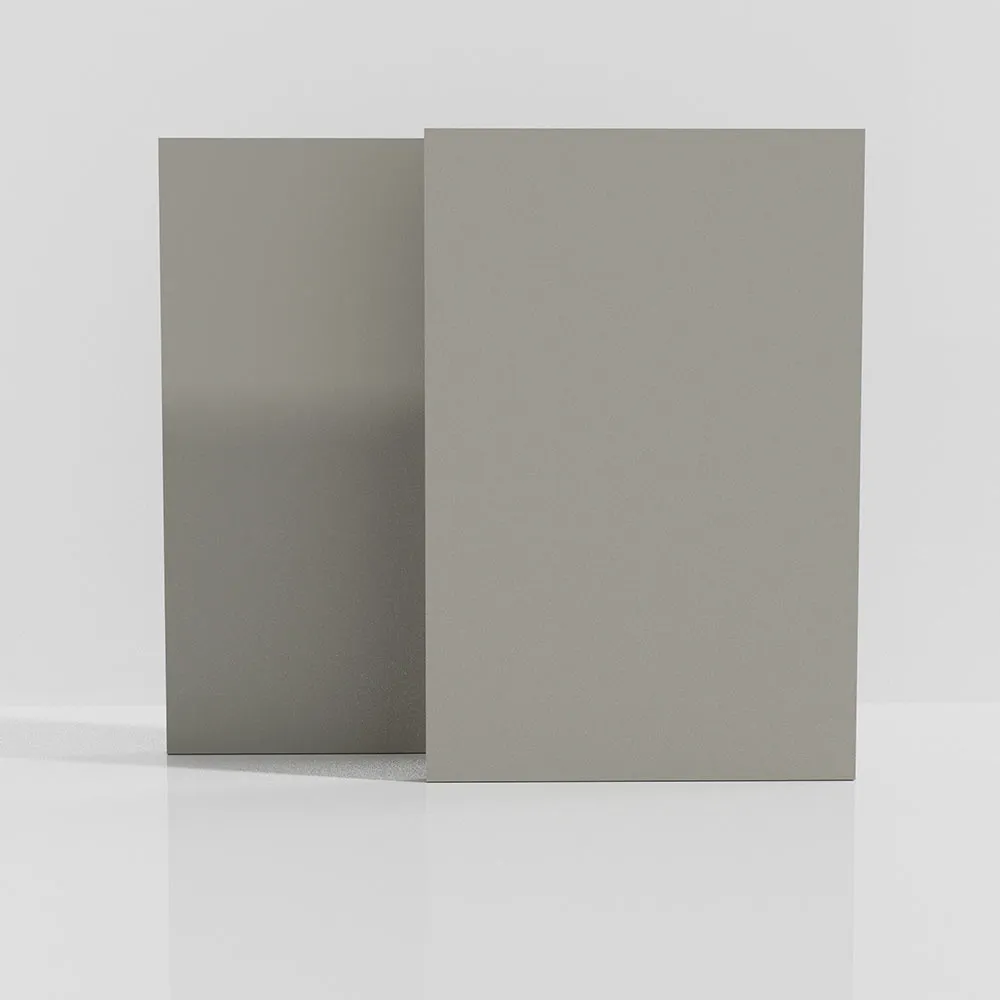
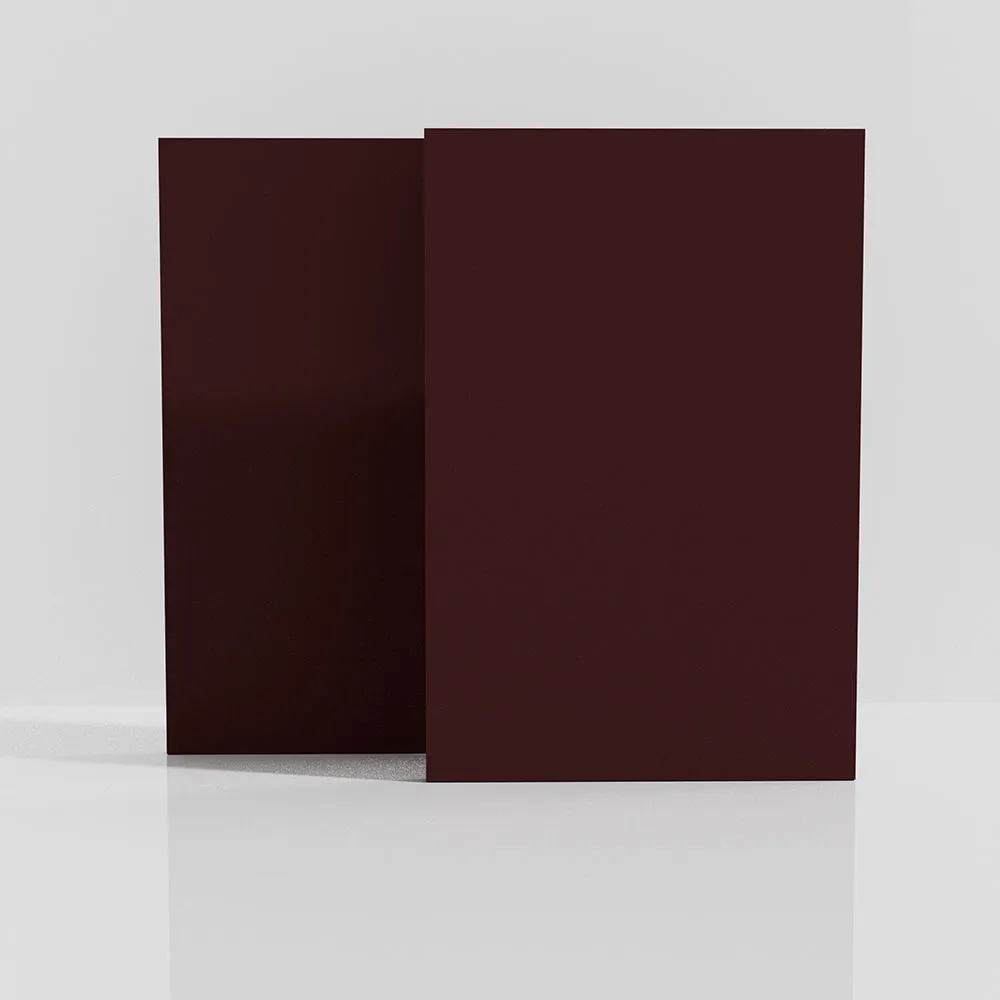
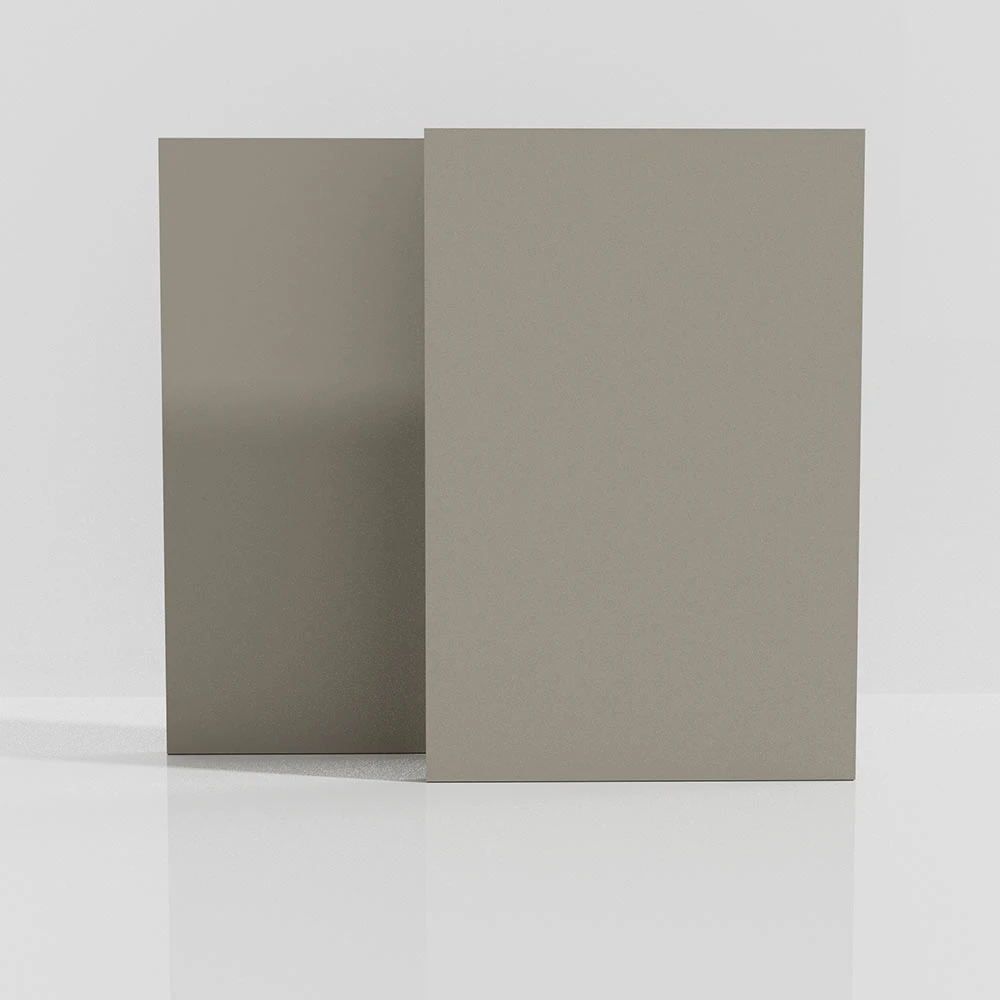
  •  Tengfei Platinum EB Particle Panels - Matte Black

     Панели Tengfei Platinum EB Particle - матово-черный

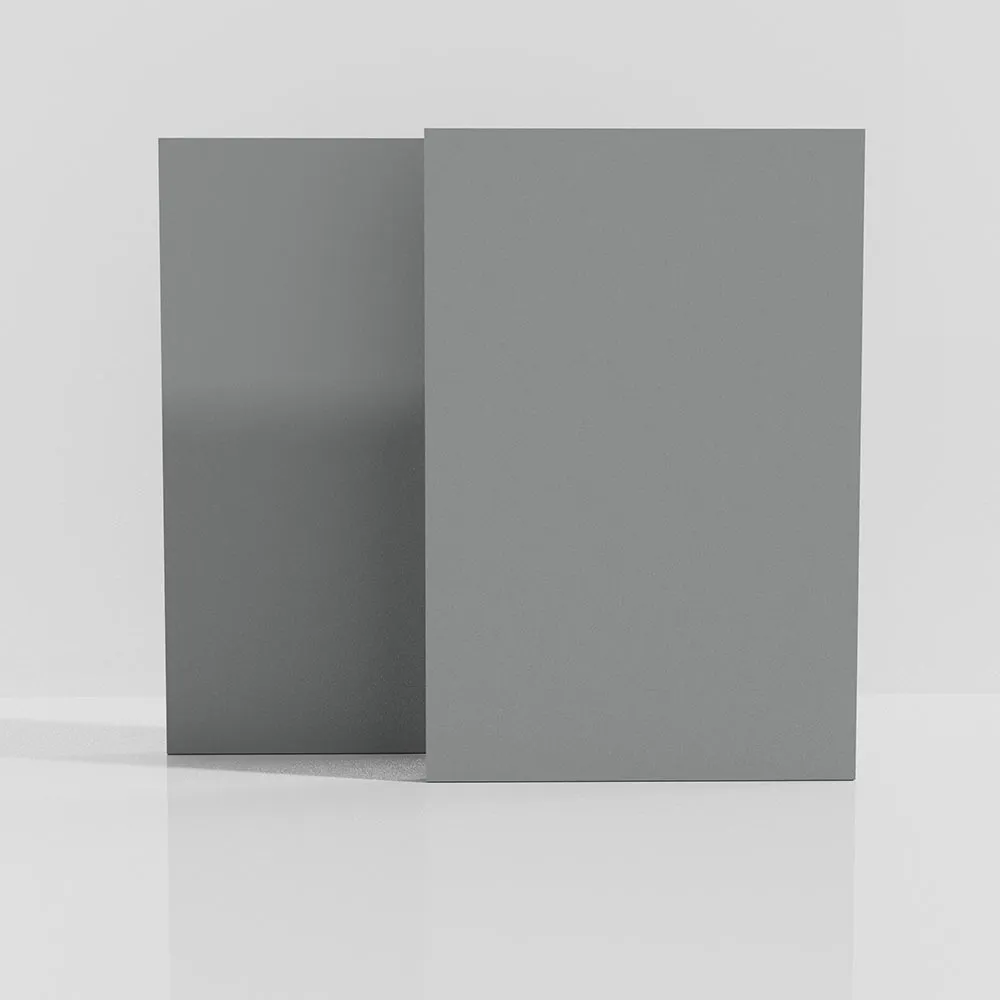
    Tengfei Platinum EB Particle Panels использует технологию отверждения EB (электронный луч) для производства панельной мебели, столов/стульев, декоративных стен, напольных покрытий и дверей в стиле плит, идеально подходящих для жилых/офисных помещений. Характеристики включают: антивозрастной/устойчивый к пожелтению/устойчивый к коррозии/не оставляющий следов/легкоочищаемый/устойчивый к отпечаткам пальцев/саморассеивающий/антибактериальный/без запаха/настоящий цвет/точный оттенок Отделка Matte Black элегантно дополняет эстетику современного дизайна, включая современный минимализм, роскошный промышленный стиль, итальянский рационализм, восточный дзен и сдержанный гламурный стиль, выступая в качестве универсального хроматического решения для изысканных интерьеров.
    СМОТРЕТЬ ВСЕ
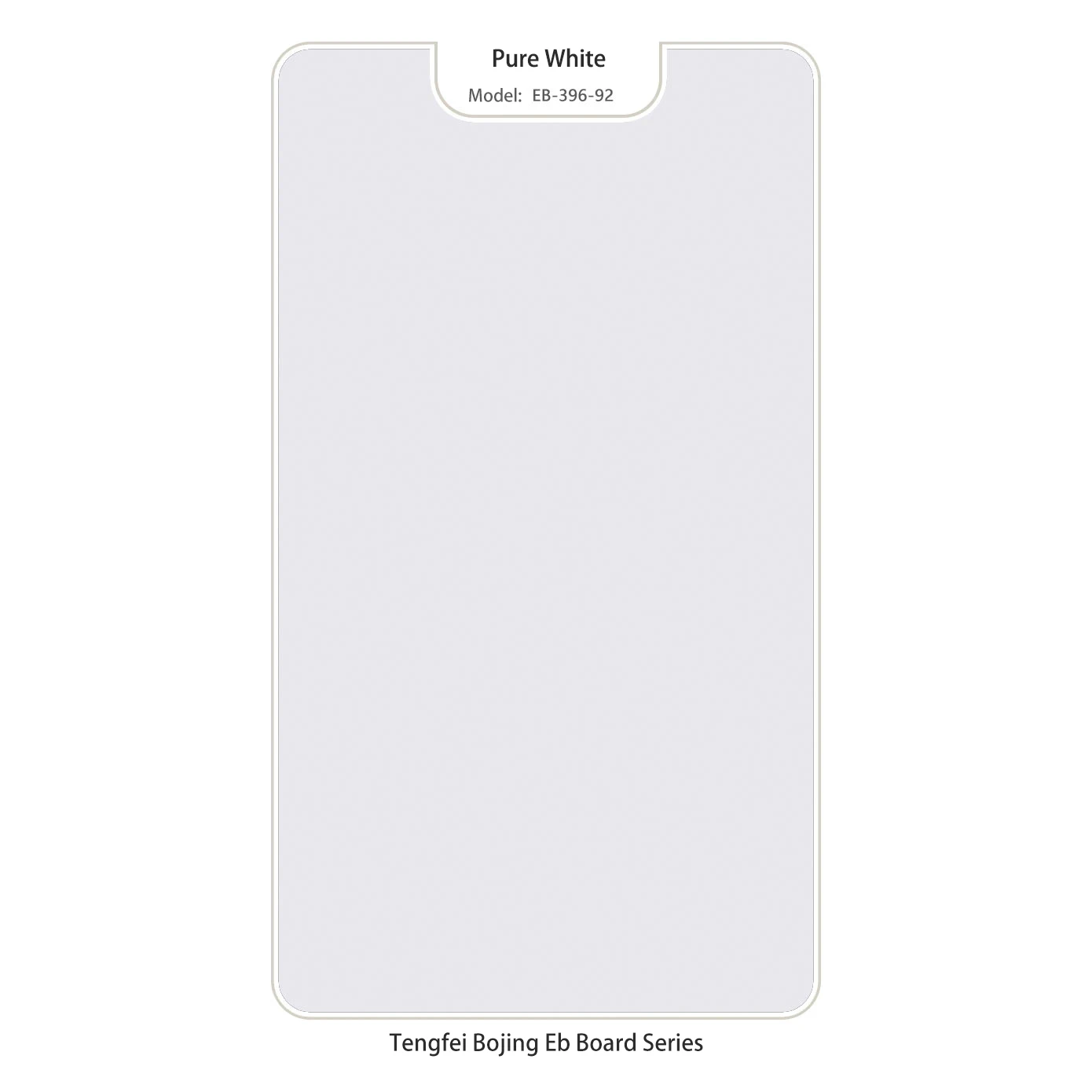
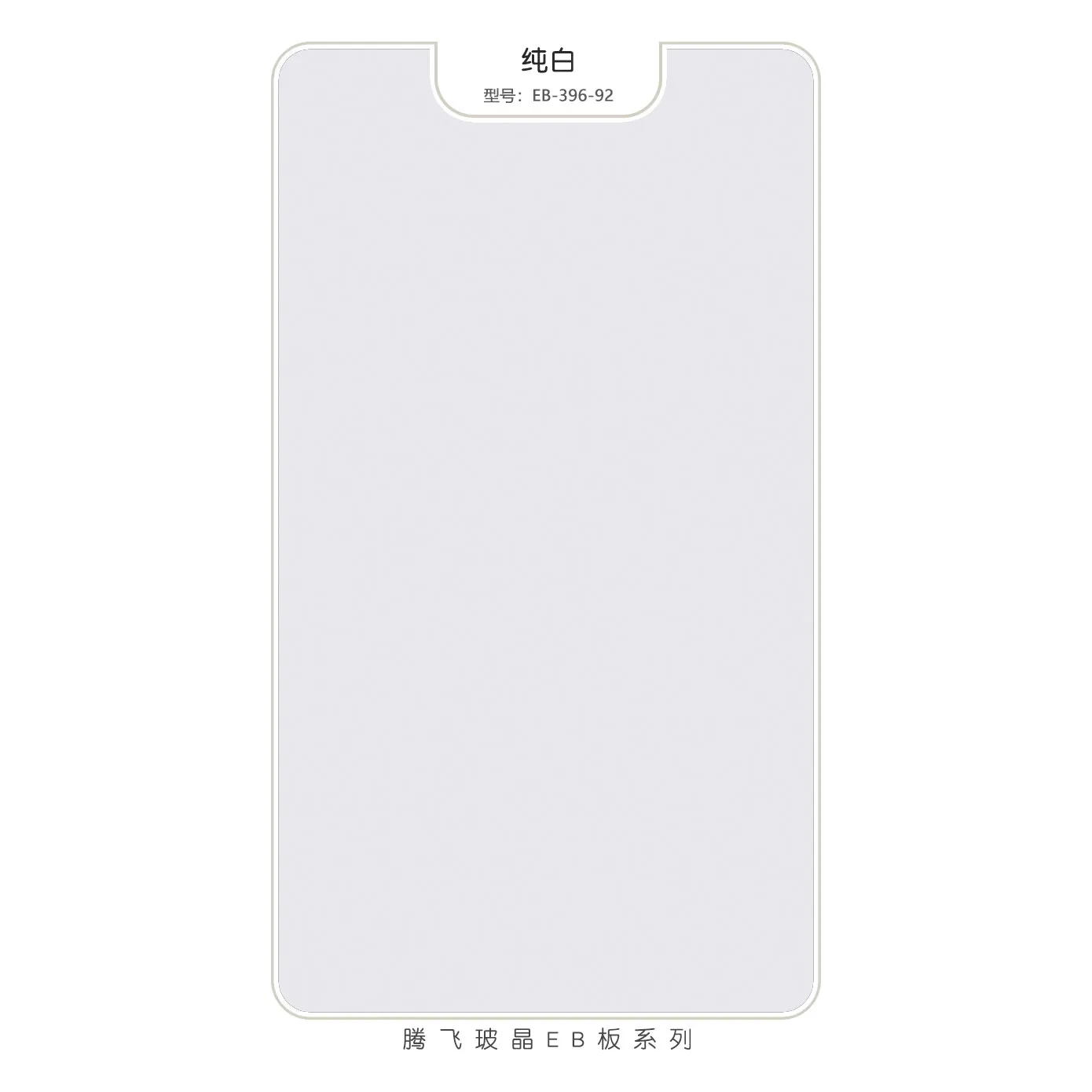
  • Tengfei Platinum EB Particle High-Gloss Panels - Pure white

    Панели Tengfei Platinum EB Particle High-Gloss - Чисто-белый

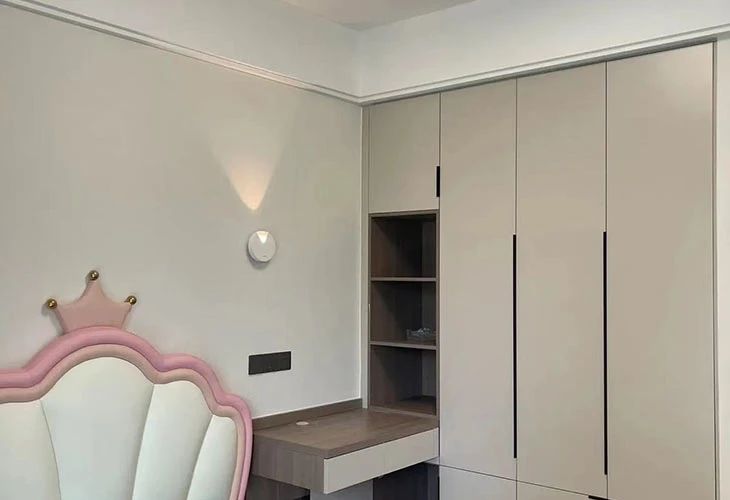
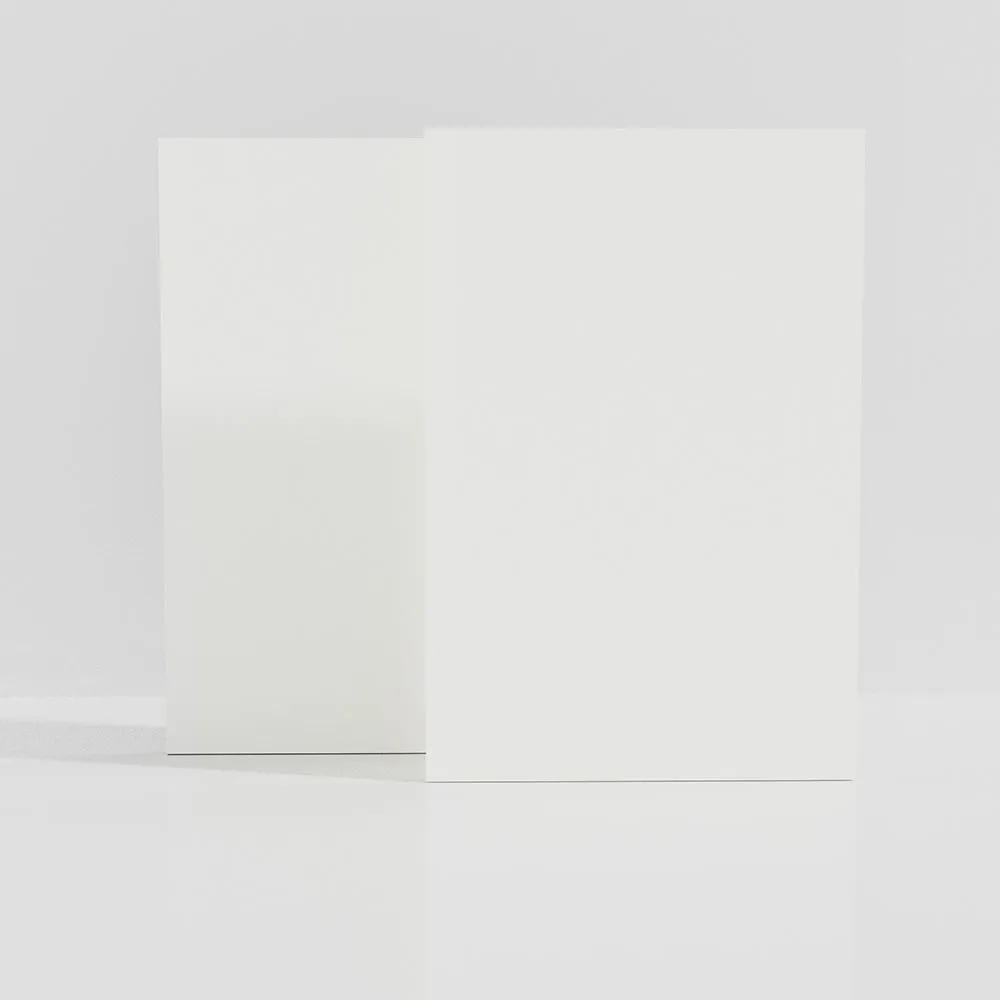
    Панели Tengfei Bojing EB High-Gloss используют передовую технологию отверждения электронным лучом для обеспечения яркой цветопередачи и превосходной светимости поверхности. Идеально подходящие для изготовления шкафов, туалетных столиков, гардеробов, систем хранения, развлекательных устройств, витрин, столешниц и барных установок в домашних и офисных помещениях, эти панели переопределяют функциональную эстетику. Разработанные с ​устойчивостью к старению, ​устойчивостью к пожелтению и ​невосприимчивостью к коррозии, они сохраняют первозданную поверхность благодаря ​устойчивости к пятнам с ​саморассеивающимися свойствами и ​легкому обслуживанию. ​Антибактериальная поверхность обеспечивает гигиеническую среду без запахов, в то время как ​истинная цветопередача с точной постоянством оттенка гарантирует целостность дизайна. Вариант Pure White High-Gloss органично сочетается с современным минимализмом, Contemporary Luxe и скандинавскими парадигмами дизайна, предлагая цветовую универсальность для пространственных преобразований.
    СМОТРЕТЬ ВСЕ
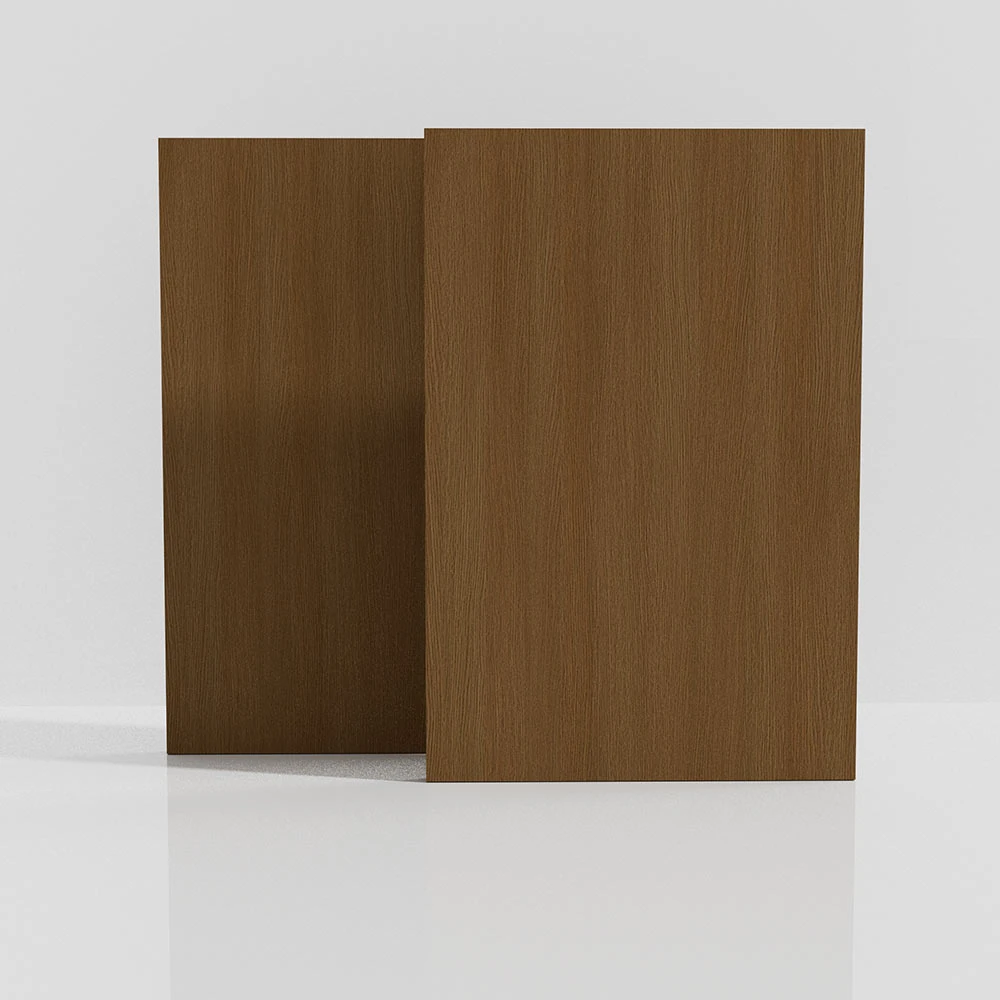
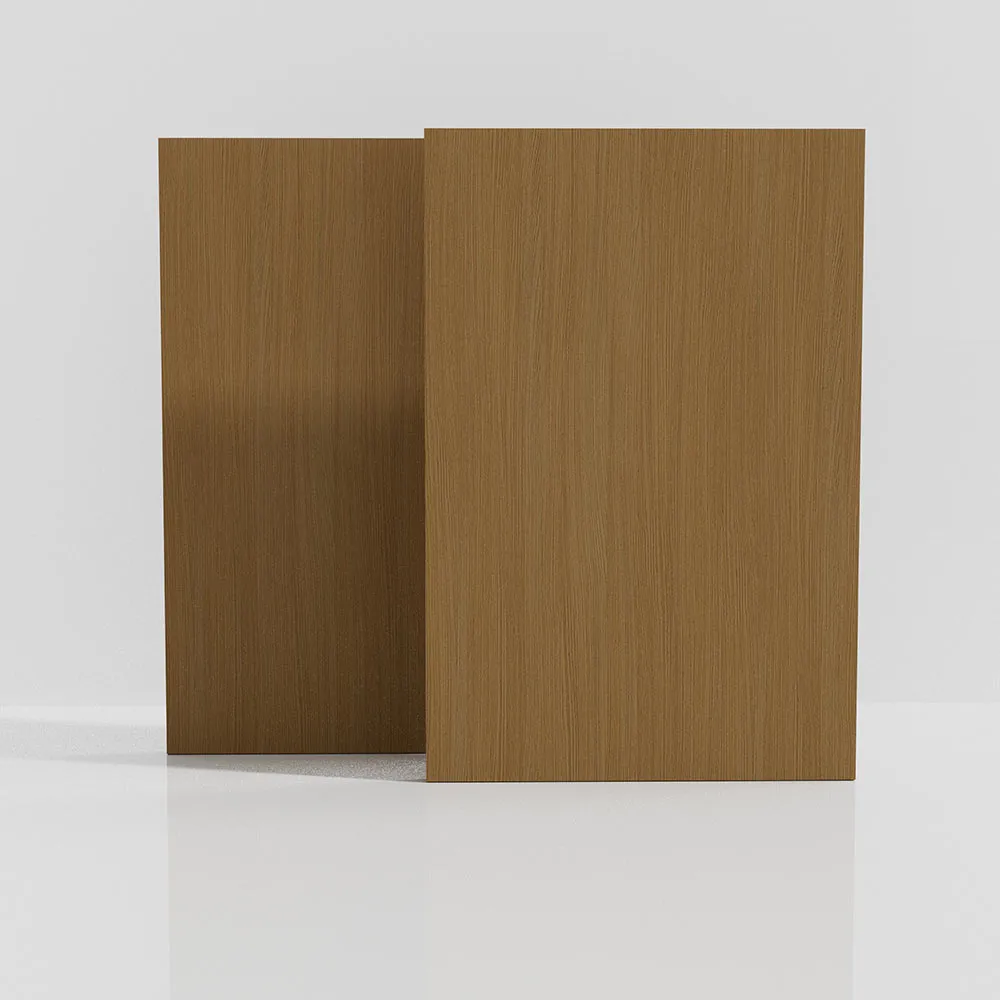
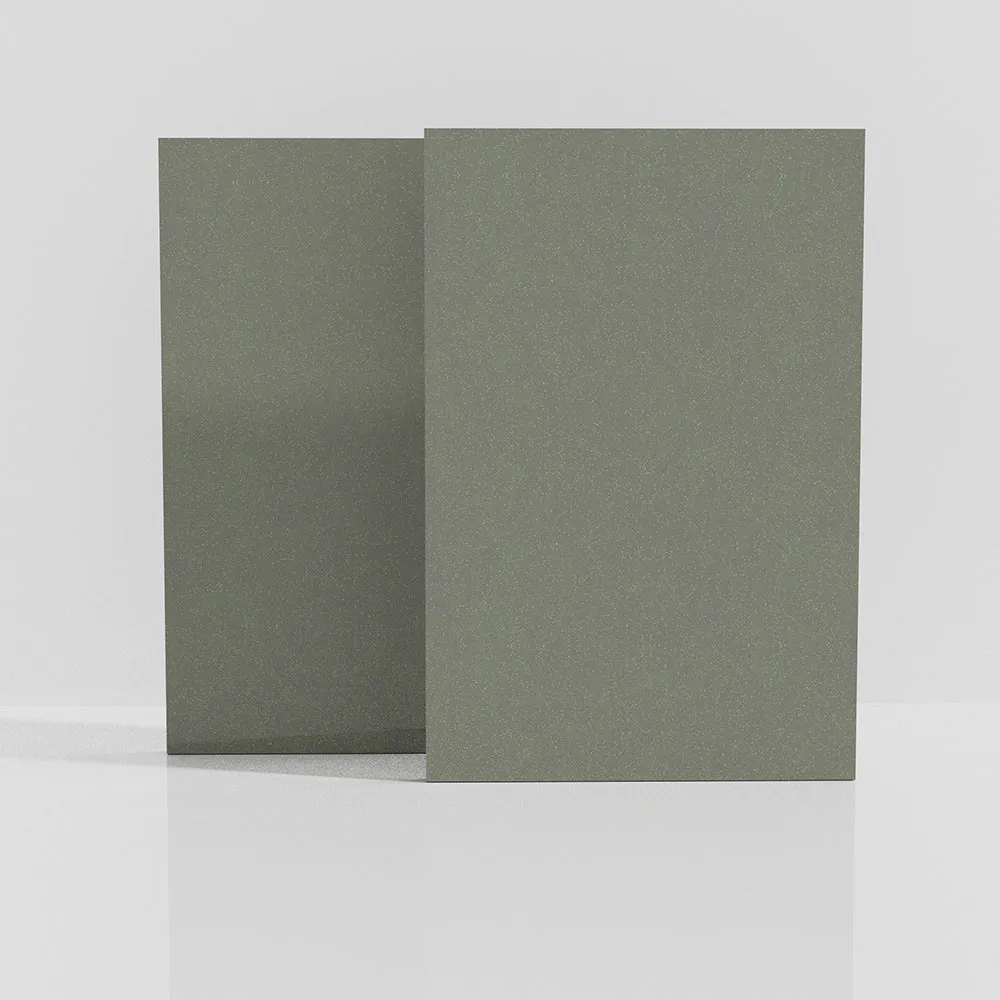
  • Primary Color Oak 102

    Основной цвет Дуб 102

    Основной цвет Дуб 102 отличается теплым, натуральным тоном дуба, который добавит любому пространству вневременную элегантность и нотку органического очарования.
    СМОТРЕТЬ ВСЕ
veneer factory

Предоставлять надежные решения посредством качественной продукции!

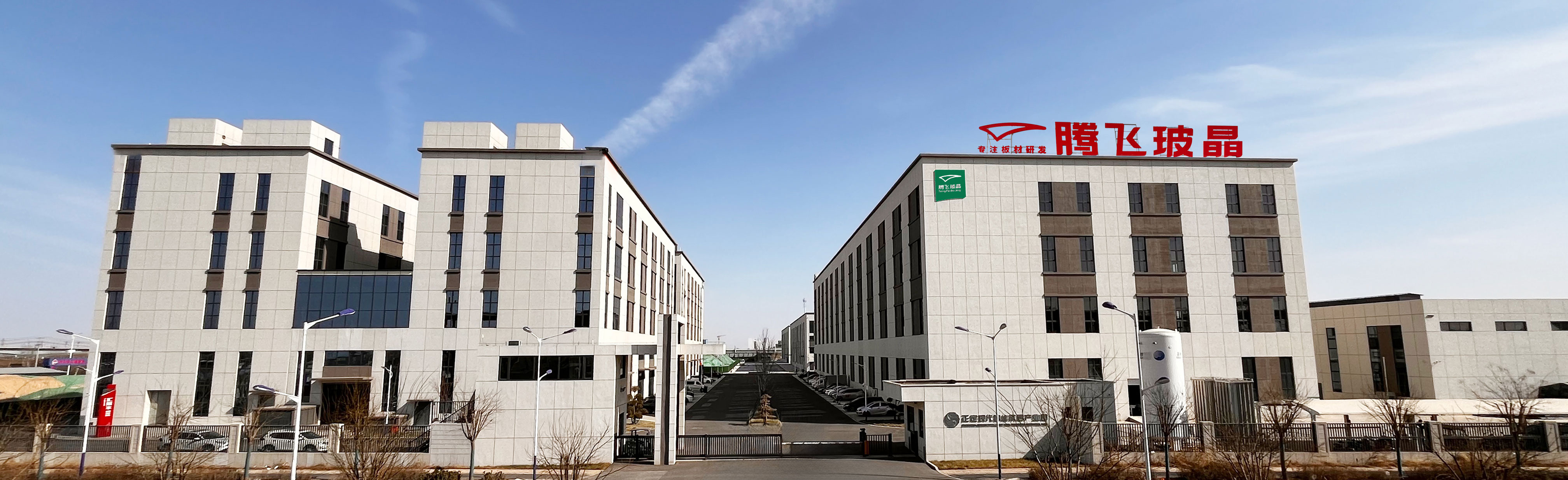
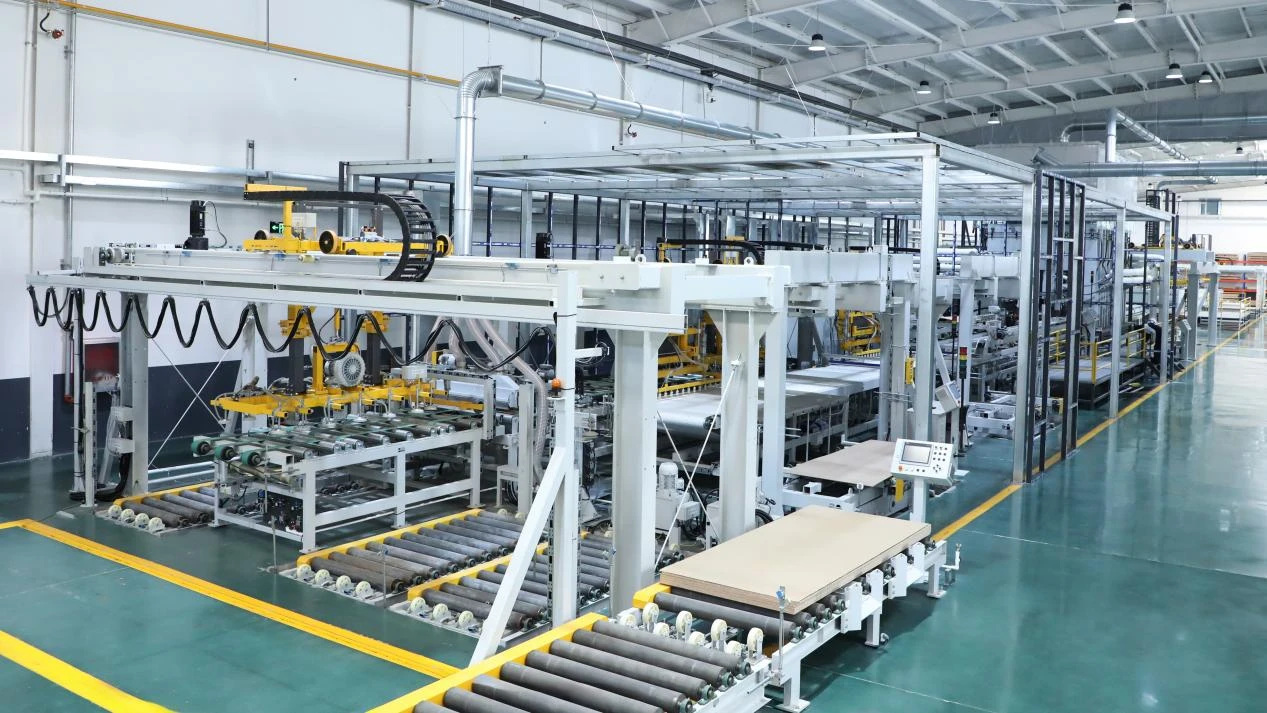
Hebei bojing technology co., ltd. специализируется на производстве плит МДФ EB и плит МДФ Veneer, предлагая клиентам высокопроизводительные материалы для внутренней отделки, производства мебели и архитектурных приложений. С приверженностью инновациям, точности и удовлетворенности клиентов мы поставляем продукцию, которая сочетает в себе долговечность, эстетику и экономическую эффективность для удовлетворения разнообразных потребностей мировых рынков.
Добро пожаловать на нашу новостную страницу, где вы найдете самую свежую информацию и тенденции в области EB MDF и шпонированной MDF.
Thu 10
2025
Atalanta Walnut D: Rich Grain, Durable Finish—Why Buy It?
Field Notes on a Walnut-Look Workhorse: Atalanta Walnut D If you’ve watched the contract inter
Fri 10
2025
Alsbai: Premium Quality Products & Innovative Solutions
Navigating Innovation: Top EB MDF and Single Board MDF Panel Manufacturers at Ligna Ligna, the world
Пт 04
2025
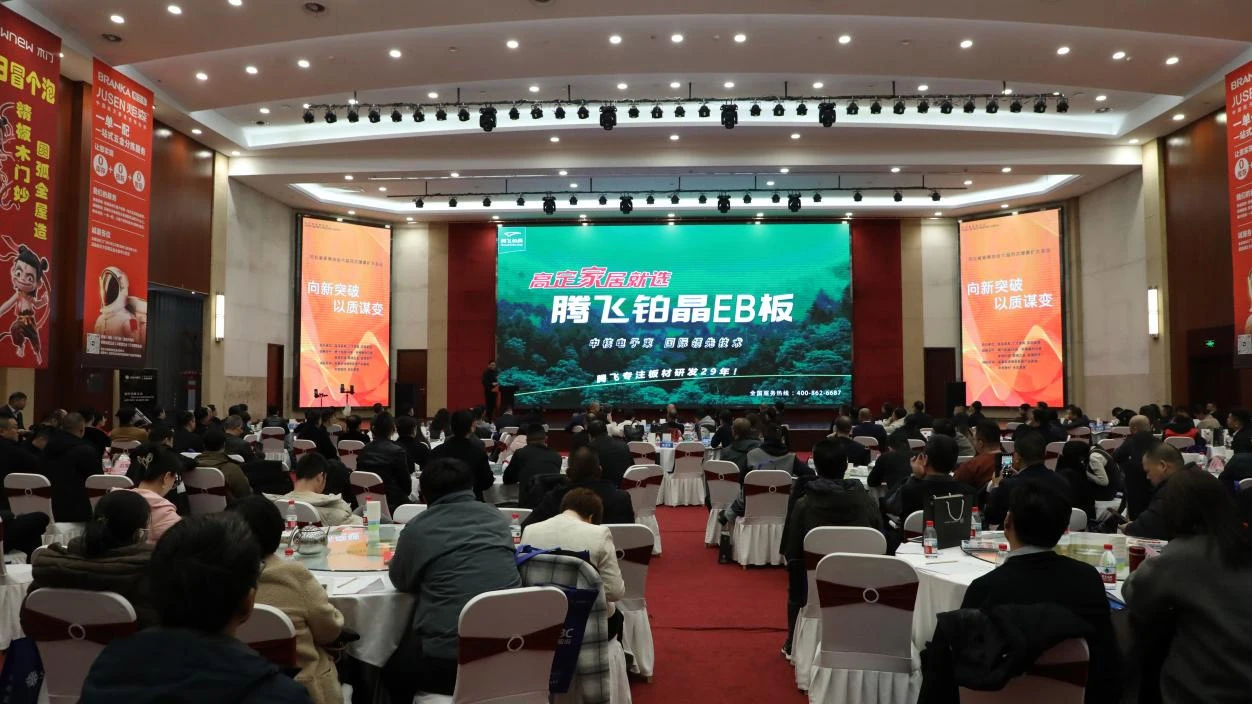
Hebei Bojing Chairman Tian Wenyong introduces Eb electron beam technology
25 февраля председатель правления Hebei Bojing Technology Co., Ltd. Тянь Вэньюн принял участие в четвертом расширенном заседании шестого состава директоров Ассоциации производителей мебели провинции Хэбэй и выступил с докладом.
Fri 12
2025
Fashion Grey: Premium, Versatile Color for Home & Fashion
Fashion Grey is a key solution in the home building materials industry, specifically within Decorati
Sat 12
2025
Discover the Benefits of MDF High Gloss Board | Durable & Eco-Friendly Panels
Understanding MDF High Gloss Board: Why It Matters Worldwide When you hear the term mdf high gloss b
Mon 11
2025
PF1017F | In Stock, Competitive Price, Fast Shipping
PF1017F is a key solution in the Electronic Information industry, specifically within Electronic com
Thu 08
2025
Vibrant Interior Possibilities with Colored MDF Board Choices
Medium Density Fiberboard (MDF) has evolved far beyond its origins as a basic material for economical furniture and cabinetry.
Mon 09
2025
[PU705] – Advanced Sensor for Industrial Automation Solutions
PU705 is a key solution in the chemical industry industry, specifically within polymer materials and
Mon 09
2025
MDF Wall Paneling for Modern Interiors
MDF wall paneling has emerged as a versatile and stylish choice for modern interiors, blending functionality with aesthetic appeal to transform spaces.
Пт 04
2025
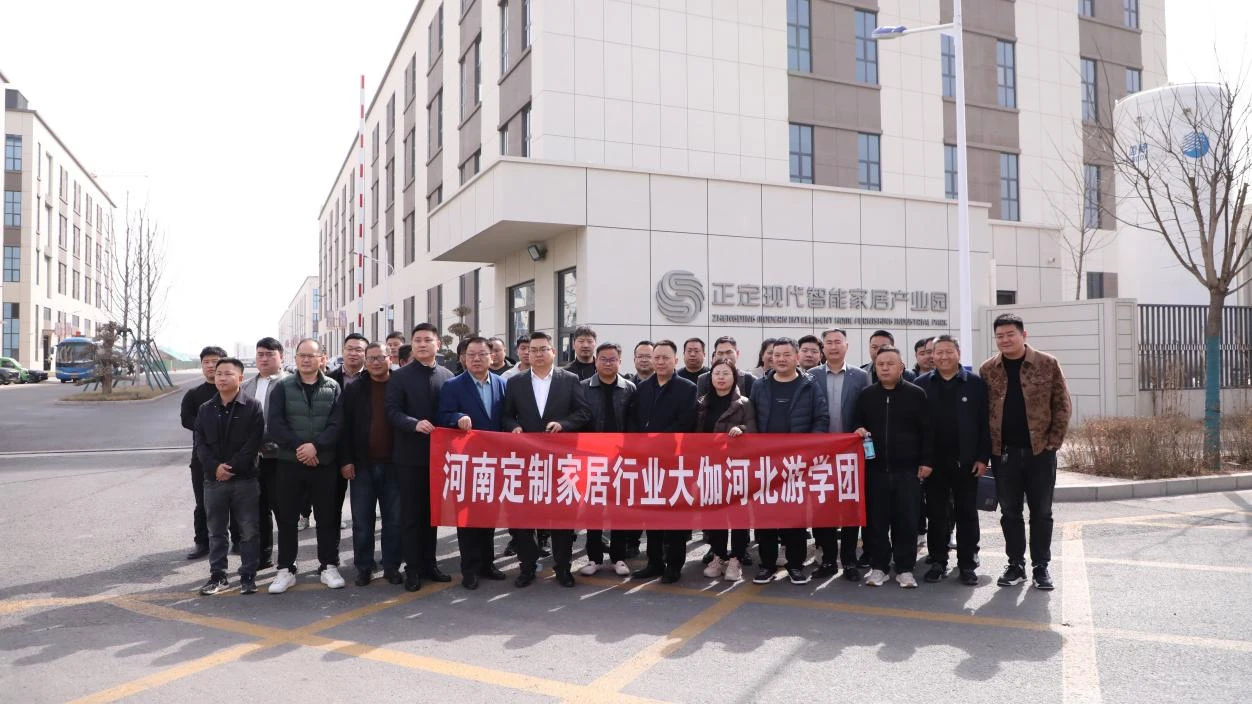
Yu-Ji Custom Home Furnishing Industry Initiates Intelligent New Engine, Tengfei Platinum EB Board Pilots Green Intelligent Creation.
13 марта группа из провинции Хэбэй, занимающаяся изготовлением кофе на заказ в мебельной промышленности провинции Хэнань, посетила промышленный парк современных умных домов Чжэндин и посетила строящиеся и обустроенные предприятия парка.
Fri 08
2025
How Can Walnut Paneling and Veneers Transform Your Interior Design?
When it comes to enhancing the aesthetic appeal and value of your home or commercial space, selecting the right wood finishes plays a crucial role.
Mon 10
2025
Mo Landi Bai: Elegant Morandi White for Sophisticated Designs
Strategic Importance of Advanced Engineered Materials in Modern Industries In today's rapidly evolvi
Сен 08 2025
share:

In the demanding landscape of industrial infrastructure, precision-engineered components are not merely parts; they are the bedrock of operational integrity and efficiency. The 7J series represents a pinnacle of manufacturing excellence, designed to meet the rigorous demands of critical B2B applications across diverse sectors. This article delves into the technical prowess, application versatility, and strategic advantages offered by the 7J, providing a comprehensive overview for technical decision-makers and engineers.

Industry Trends Driving Demand for High-Performance Components

The global industrial sector is undergoing a transformative period, characterized by an increasing emphasis on operational efficiency, sustainability, and digitalization. Key trends include:

  • Energy Efficiency: Industries are striving to reduce energy consumption, making components that minimize friction, optimize flow, or enhance power transmission highly desirable. The drive for lower carbon footprints necessitates solutions that are inherently more efficient.
  • Corrosion and Wear Resistance: Operating environments are becoming more aggressive, with exposure to corrosive chemicals, extreme temperatures, and abrasive media. Components like 7J, engineered for superior resistance, extend service life and reduce maintenance costs.
  • Asset Performance Management (APM): The integration of IoT and AI for predictive maintenance and real-time monitoring demands components with robust and predictable performance, where material integrity and manufacturing consistency are paramount.
  • Supply Chain Resiliency: Geopolitical shifts and global disruptions highlight the need for reliable supply chains and components that meet stringent international standards, reducing dependency on single-source suppliers and ensuring consistent quality.
  • Customization and Modularity: As industrial processes become more specialized, the demand for customizable solutions that integrate seamlessly into existing or novel systems is growing. Manufacturers capable of delivering tailored configurations gain a competitive edge.

These trends collectively underscore the critical need for advanced components such as the 7J series, which offers unparalleled durability, precision, and adaptability to meet the evolving demands of modern industrial operations.

Manufacturing Process Flow of the 7J Series

The manufacturing of the 7J series is a meticulously controlled, multi-stage process designed to ensure exceptional material integrity, dimensional accuracy, and performance characteristics. Our commitment to quality begins with raw material selection and extends through final testing.

Product Materials:

  • High-Grade Alloys: Typically utilizes specialized alloys such as Super Duplex Stainless Steels (e.g., UNS S32750/S32760), Nickel-based alloys (e.g., Inconel 625/718), or proprietary high-strength steel composites, selected for their exceptional resistance to corrosion, high temperatures, and mechanical stress.
  • Precision Forgings/Castings: Initial forms are typically produced via precision forging for superior grain structure and mechanical properties, or specialized investment casting for intricate geometries with excellent surface finish.
  • Surface Treatment Coatings: Depending on the application, surfaces may be treated with advanced coatings like PVD (Physical Vapor Deposition), DLC (Diamond-Like Carbon), or specialized ceramic composites for enhanced wear resistance, reduced friction, or specific chemical inertness.

Manufacturing Processes (Schematic Steps):

  1. Material Sourcing & Inspection:

    Incoming raw materials (ingots, bars) undergo stringent chemical composition analysis (Spectroscopy) and mechanical property testing (Tensile Strength, Hardness per ASTM E8/E10) to ensure adherence to specified metallurgical standards (e.g., ASTM A182, A276).

  2. Primary Forming (Forging/Casting):

    Forging: Hot forging processes (e.g., open-die, closed-die) are employed to achieve optimal grain flow, enhancing fatigue resistance and strength. Controlled cooling rates are critical. Casting: Investment casting (lost-wax process) is utilized for complex geometries, ensuring high dimensional accuracy and superior surface finish, followed by solution annealing and quenching.

  3. Heat Treatment:

    Precision heat treatment cycles (solution annealing, precipitation hardening, stress relief) are performed in controlled atmospheric furnaces to optimize mechanical properties, achieve desired hardness (e.g., HRC 30-45), and ensure microstructural stability. Adherence to AMS 2750 for pyrometry is standard.

  4. CNC Machining:

    Multi-axis CNC machining centers are used for precision turning, milling, and grinding operations. Tolerances are typically held to ±0.005 mm, ensuring exact fit and function. Advanced tooling and cutting strategies minimize material stress and achieve optimal surface finish (e.g., Ra 0.8 µm).

  5. Surface Finishing & Coating:

    Parts undergo deburring, polishing, and then specialized surface treatments such as passivation (per ASTM A967), electro-polishing, or application of wear-resistant coatings (e.g., HVOF thermal spray for tungsten carbide). This step is crucial for extending service life and enhancing corrosion resistance.

  6. Assembly & Integration (if applicable):

    For complex assemblies, components are integrated in a cleanroom environment, ensuring precise alignment and sealing. Each assembly undergoes functional testing.

  7. Final Inspection & Testing:

    Dimensional Inspection: CMM (Coordinate Measuring Machine) ensures all critical dimensions are within specification. Non-Destructive Testing (NDT): Includes Ultrasonic Testing (UT), Magnetic Particle Inspection (MPI), Liquid Penetrant Inspection (LPI) per ASTM E1444/E165/E114 to detect subsurface flaws. Material Verification: PMI (Positive Material Identification) ensures correct alloy composition. Performance Testing: Hydrostatic testing, pneumatic testing, or functional cycle testing (e.g., 10,000 cycles at rated pressure) simulate operational conditions.

  8. Packaging & Documentation:

    Parts are carefully packaged to prevent damage during transit, accompanied by full traceability documentation, material certificates, and test reports.

Testing Standards & Certifications:

Our manufacturing facilities are ISO 9001:2015 certified, reflecting our commitment to quality management. Products adhere to global standards including but not limited to:

  • ISO Standards: ISO 17025 (testing labs), ISO 15156 (materials for H2S environments), ISO 5208 (pressure testing).
  • ANSI/ASME Standards: ASME B16.34 (valves), ASME B31.1/B31.3 (piping codes), ANSI/NACE MR0175 (sour service).
  • API Specifications: API 6A (wellhead and Christmas tree equipment), API 6D (pipeline valves).
  • CE Marking: For compliance with European safety, health, and environmental protection directives.

These certifications ensure that every 7J component meets or exceeds the most stringent industry requirements, guaranteeing reliability and safety in critical operations.

Technical Specifications of the 7J Series

The 7J series is engineered for high performance under extreme conditions. Below are typical technical parameters and material properties that underpin its robust design.

General Product Specifications (Example Configuration):

Parameter Value / Specification
Nominal Diameter Range DN15 - DN600 (½" - 24")
Pressure Rating PN10 - PN420 (Class 150 - Class 2500)
Temperature Range -196°C to +600°C (-321°F to +1112°F)
Body Material Options Carbon Steel (WCB), Stainless Steel (CF8M), Super Duplex (CD3MN), Hastelloy C276, Inconel 625
Connection Type Flanged (RF, RTJ), Welded (BW, SW), Threaded (NPT)
Leakage Class ANSI/FCI 70-2 Class VI (Bubble Tight)
Design Standards ASME B16.34, API 600, EN 12516, ISO 14313
Actuation (if applicable) Manual, Pneumatic, Electric, Hydraulic

Key Material Properties (Example for Super Duplex UNS S32750):

Property Value Standard/Condition
Tensile Strength (UTS) ≥ 800 MPa (116 ksi) ASTM A928, Room Temperature
Yield Strength (0.2% Offset) ≥ 550 MPa (80 ksi) ASTM A928, Room Temperature
Elongation ≥ 15% ASTM A928
Hardness (Brinell) ≤ 310 HB ASTM E10
Corrosion Resistance (PREN) ≥ 40 Pitting Resistance Equivalent Number
Impact Strength (Charpy V-Notch) ≥ 60 J at -50°C ASTM E23

These parameters illustrate the superior mechanical strength and excellent corrosion resistance inherent in the materials selected for the 7J series, ensuring reliability in aggressive environments.

Application Scenarios and Target Industries

The robust design and versatile material options of the 7J series make it indispensable across a spectrum of critical industrial applications. Its reliability under severe conditions provides distinct advantages.

Target Industries:

  • Petrochemical & Oil & Gas: Essential for upstream (wellhead, offshore platforms), midstream (pipelines, terminals), and downstream (refineries, chemical processing plants) operations where high pressures, corrosive media (H2S, CO2), and extreme temperatures are common.
  • Power Generation: Utilized in both conventional (steam, gas turbines) and renewable (geothermal, concentrated solar power) plants for steam, water, and fuel handling systems, especially where high thermal cycling or erosive fluids are present.
  • Metallurgy: Critical in steel mills, aluminum smelters, and foundries for controlling aggressive coolants, high-temperature gases, and abrasive slurries, contributing to process stability and safety.
  • Water Supply & Drainage: Deployed in large-scale municipal water treatment plants, desalination facilities, and industrial wastewater management systems, particularly for handling raw water, corrosive chemicals, and high-pressure distribution networks.
  • Mining & Mineral Processing: Robust enough for abrasive slurries, chemical leaching processes, and high-pressure water jets in mineral extraction and refining.
  • Pharmaceutical & Biotechnology: Specified for sterile processing, media transfer, and utility lines where purity, corrosion resistance, and ease of cleaning are paramount.

Typical Application Scenarios & Advantages:

  • High-Pressure Fluid Control in Offshore Platforms:

    The 7J ensures reliable operation in demanding subsea and topside applications, handling crude oil, natural gas, and injected seawater at pressures up to 10,000 psi. Its superior corrosion resistance (PREN >40 for Super Duplex variants) drastically extends service life in saline environments, reducing the frequency and cost of maintenance interventions and enhancing safety by preventing leaks.

  • Chemical Processing with Aggressive Media:

    In chemical reactors and distillation columns, components are exposed to strong acids (e.g., concentrated sulfuric acid, hydrochloric acid) and alkalis. Using Hastelloy or Inconel versions of the 7J prevents chemical attack, maintaining process purity and significantly reducing downtime associated with component failure, offering unparalleled chemical compatibility.

  • Steam and Condensate Management in Power Plants:

    High-temperature, high-pressure steam lines require components capable of withstanding thermal shock and erosion. The 7J's robust design and material stability at temperatures up to 600°C ensure consistent flow control and minimize energy losses, directly contributing to improved plant efficiency and reduced operational costs.

  • Desalination Plant High-Pressure Pumping:

    Reverse osmosis desalination demands components that can handle highly corrosive seawater at extreme pressures (up to 80 bar). The 7J’s advanced materials resist chloride-induced pitting and crevice corrosion, ensuring long-term reliability and reducing the lifecycle cost of water production.

These diverse applications underscore the critical role of the 7J series in enabling reliable, efficient, and safe industrial operations under the most challenging conditions.

Technical Advantages and Performance Metrics

The inherent design and material selection of the 7J series confer a multitude of technical advantages that directly translate into operational benefits for B2B clients.

Key Advantages:

  • Exceptional Corrosion Resistance: Utilizing advanced alloys, the 7J exhibits superior resistance to a wide range of corrosive agents, including chlorides, acids, and caustics. This extends component lifespan by up to 300% compared to standard stainless steels in aggressive environments, as verified by salt spray tests (ASTM B117) showing no red rust after 2000 hours.
  • High Temperature & Pressure Integrity: Engineered to maintain structural integrity and sealing performance across extreme temperature variations (-196°C to +600°C) and pressures up to PN420 (Class 2500). This ensures reliability in applications such as supercritical steam systems and high-pressure chemical reactors.
  • Minimized Leakage & Emissions: Precision machining and advanced sealing technologies (e.g., live-loaded packing, metallic seats) result in Class VI bubble-tight shut-off. This minimizes fugitive emissions, aligning with ISO 15848-1 standards and contributing to environmental compliance and safety.
  • Extended Service Life & Reduced Maintenance: The combination of robust materials, optimized design, and rigorous manufacturing processes leads to significantly longer operational cycles. Customers report a 40-50% reduction in scheduled maintenance and replacement costs over a 5-year period for 7J installations versus conventional components.
  • Enhanced Flow Efficiency: Optimized internal geometries reduce pressure drop and turbulence, leading to more efficient fluid transfer and lower pumping energy requirements. This translates to measurable energy savings, particularly in large-scale piping networks.
  • Superior Mechanical Strength: High tensile and yield strengths allow for robust designs capable of withstanding significant mechanical stress, vibration, and thermal cycling without degradation, ensuring consistent performance in dynamic industrial settings.

Vendor Comparison: 7J Series vs. Standard Solutions

When evaluating critical industrial components, the distinction between a specialized solution like the 7J series and generic alternatives becomes evident. This comparison highlights why investing in purpose-built engineering delivers superior long-term value.

Comparison Table: 7J Series vs. Standard Industrial Components

Feature 7J Series (Advanced) Standard Industrial Component (Generic)
Material Selection High-grade Super Duplex, Hastelloy, Inconel alloys. Fully traceable to certified mills. Standard Stainless Steel (304/316), Carbon Steel. Variable mill sources.
Corrosion Resistance Excellent (PREN >40, suitable for highly corrosive environments, H2S/Cl- rich). Moderate (susceptible to pitting/crevice corrosion in aggressive media).
Pressure & Temperature Range Wide (up to Class 2500, -196°C to +600°C), stable across extremes. Limited (typically Class 300-600, -30°C to +200°C), performance degrades at extremes.
Sealing Performance ANSI/FCI 70-2 Class VI (Bubble Tight), low fugitive emissions (ISO 15848-1). ANSI/FCI 70-2 Class IV-V, higher potential for leakage.
Manufacturing Process Precision CNC, controlled heat treatment, rigorous NDT, ISO 9001. Standard machining, basic quality control.
Service Life & MTBF Extended (5-10+ years in critical service), high MTBF (Mean Time Between Failures). Standard (1-3 years in critical service), lower MTBF.
Total Cost of Ownership (TCO) Higher initial investment, significantly lower operational costs (maintenance, energy, downtime). Lower initial investment, higher operational costs (frequent replacement, energy loss, safety risks).

The comparison clearly demonstrates that while standard components may offer a lower upfront cost, the specialized engineering and superior material science of the 7J series result in a dramatically lower Total Cost of Ownership (TCO) and enhanced operational reliability over its extensive service life. This strategic investment mitigates risks, reduces unforeseen expenditures, and ensures long-term operational continuity.

Customized Solutions with the 7J Series

Recognizing that off-the-shelf solutions rarely perfectly fit every unique industrial challenge, we offer extensive customization capabilities for the 7J series. Our engineering team collaborates closely with clients to tailor solutions that meet precise operational parameters and system integration requirements.

Areas of Customization:

  • Material Modifications: Beyond our standard offerings, we can incorporate exotic alloys (e.g., Titanium, Zirconium) for ultra-specific chemical resistance or extreme temperature applications. This includes bespoke cladding or overlay welding for critical surfaces.
  • Dimensional & Connection Adjustments: Tailored face-to-face dimensions, specific flange drilling patterns, or unique weld end preparations to seamlessly integrate into existing pipeline geometries without costly system redesigns.
  • Actuation & Automation Integration: Custom actuator sizing, integration with specific control systems (e.g., HART, Foundation Fieldbus, Profibus), incorporation of limit switches, positioners, or intelligent diagnostics for advanced process control and remote monitoring.
  • Surface Finishes & Coatings: Application of specialized coatings such as Nickel-Phosphorus for enhanced hardness, PTFE linings for highly aggressive chemical services, or specific surface roughness for sanitary applications (e.g., Ra < 0.25 µm).
  • Specialized Testing & Certification: Beyond standard requirements, we can conduct client-specific performance tests (e.g., cryogenic testing, high-cycle endurance testing) or secure additional third-party certifications (e.g., ATEX, SIL, fire-safe per API 6FA/API 607).
  • Design Features: Modifications to internal trim components for specific flow characteristics (e.g., anti-cavitation, low-noise designs), addition of bypass lines, or integration of sampling ports.

Our experienced engineering team leverages decades of expertise to provide detailed design analysis, material selection consultation, and rapid prototyping, ensuring that the customized 7J solution precisely matches the operational envelope and maximizes performance for the client's unique challenges. This collaborative approach minimizes risk and optimizes long-term asset value.

Application Case Studies

Case Study 1: Enhanced Durability in a Seawater Desalination Plant

Client: Major Middle Eastern Desalination Operator
Challenge: Existing stainless steel components in the high-pressure pumping section of a Reverse Osmosis (RO) plant were experiencing premature failure due to severe chloride-induced pitting and crevice corrosion, leading to frequent downtime and high maintenance costs. Operational pressure was 65 bar, handling raw seawater at 35°C.

Solution: The client replaced critical components with the 7J series, manufactured from Super Duplex Stainless Steel (UNS S32750). These components were specifically designed with enhanced surface passivation and precise internal geometries to minimize stagnant areas.

Results: After three years of continuous operation, the 7J components exhibited no signs of corrosion or leakage, a marked improvement over the previous components that typically failed within 12-18 months. This led to a 75% reduction in unscheduled maintenance events in that section, a 20% increase in plant uptime, and an estimated annual savings of $250,000 in replacement parts and labor. The enhanced reliability also contributed to achieving consistent water production targets.

Case Study 2: Optimizing Flow Control in a High-Temperature Petrochemical Reactor

Client: Leading European Chemical Manufacturer
Challenge: A critical reactor system handling highly corrosive chemical intermediates (e.g., chlorinated hydrocarbons) at 450°C and 80 bar required robust flow control components. Traditional materials were prone to stress corrosion cracking and erosion, causing severe product contamination and safety concerns.

Solution: Our team provided customized 7J units made from Hastelloy C-276, specifically engineered for high-temperature chemical compatibility. The internal trim was designed with a multi-stage pressure reduction configuration to mitigate erosion and cavitation, and the external body featured a specialized thermal barrier coating.

Results: The installation of the customized 7J components eliminated the previously observed stress corrosion cracking and erosion issues. Product purity improved by 99.8%, and the mean time between maintenance for these components extended from 6 months to over 4 years. The client reported enhanced safety, reduced operational risks, and a significant improvement in process yield due to stable flow control.

Trustworthiness: FAQ, Lead Time, Warranty, & Support

Frequently Asked Questions (FAQ):

Q: What is the typical service life of a 7J component?

A: With proper selection and installation for the given application, the 7J series is designed for a service life exceeding 10 years in many demanding industrial environments. Our advanced material and design choices significantly contribute to this longevity.

Q: How do you ensure the quality of materials for the 7J series?

A: We implement a rigorous material verification process, including 100% Positive Material Identification (PMI) on all critical components and comprehensive material test reports (MTRs) from certified mills. Our suppliers are pre-qualified and regularly audited for compliance with international standards like ASTM and EN.

Q: Can the 7J series operate in cryogenic temperatures?

A: Yes, specific configurations of the 7J series, particularly those manufactured from specialized austenitic stainless steels or nickel alloys, are designed and tested for cryogenic service down to -196°C (-321°F) to meet stringent low-temperature impact requirements (e.g., ASTM A350 LF2, LF3 standards).

Q: What environmental regulations do your products comply with?

A: Our products are designed to meet or exceed international environmental standards, including low fugitive emissions requirements (ISO 15848-1) and directives such as RoHS and REACH where applicable. We are committed to sustainable manufacturing practices.

Lead Time & Fulfillment:

Standard 7J series components typically have a lead time of 6-8 weeks, depending on specific configuration and order volume. For customized solutions or large-scale projects, lead times are determined on a case-by-case basis through detailed project planning and can range from 10-16 weeks. We maintain strategic stock levels of common raw materials and finished goods to support urgent demands and offer expedited manufacturing options for critical requirements.

Warranty Commitments:

We stand behind the quality and performance of our 7J series with a comprehensive 24-month warranty from the date of installation or 30 months from the date of shipment, whichever comes first. This warranty covers defects in material and workmanship under normal operating conditions. Full warranty terms and conditions are available upon request.

Customer Support Information:

Our dedicated technical support team is available globally to assist with product selection, technical inquiries, installation guidance, and after-sales service. We offer:

  • 24/7 online technical portal and email support.
  • Regional service centers for on-site assistance and expedited spare parts delivery.
  • Training programs for client engineers and maintenance staff on product operation and maintenance.
  • Dedicated account managers for strategic partnerships and project coordination.

For immediate assistance, please visit our website or contact our global support line at +86-XXX-XXXX-XXXX (placeholder) or email support@tengfeiebmdf.com (placeholder).

References

  1. ASM International. "ASM Handbook, Volume 1: Properties and Selection: Irons, Steels, and High-Performance Alloys." 10th ed., 2012.
  2. American Society of Mechanical Engineers (ASME). "BPVC Section VIII – Rules for Construction of Pressure Vessels." Latest edition.
  3. International Organization for Standardization (ISO). "ISO 15848-1: Industrial valves – Measurement, test and qualification procedures for fugitive emissions – Part 1: Classification system and qualification procedures for type testing of valves." 2015.
  4. NACE International. "MR0175/ISO 15156: Petroleum and natural gas industries—Materials for use in H2S-containing environments in oil and gas production." 2020.
  5. API (American Petroleum Institute). "API Specification 6A: Specification for Wellhead and Christmas Tree Equipment." 21st ed., 2018.
  •  Tengfei Platinum EB Particle Panels - Matte Black

     Панели Tengfei Platinum EB Particle - матово-черный

    Tengfei Platinum EB Particle Panels использует технологию отверждения EB (электронный луч) для производства панельной мебели, столов/стульев, декоративных стен, напольных покрытий и дверей в стиле плит, идеально подходящих для жилых/офисных помещений. Характеристики включают: антивозрастной/устойчивый к пожелтению/устойчивый к коррозии/не оставляющий следов/легкоочищаемый/устойчивый к отпечаткам пальцев/саморассеивающий/антибактериальный/без запаха/настоящий цвет/точный оттенок Отделка Matte Black элегантно дополняет эстетику современного дизайна, включая современный минимализм, роскошный промышленный стиль, итальянский рационализм, восточный дзен и сдержанный гламурный стиль, выступая в качестве универсального хроматического решения для изысканных интерьеров.
    СМОТРЕТЬ ВСЕ
  • Tengfei Platinum EB Particle High-Gloss Panels - Pure white

    Панели Tengfei Platinum EB Particle High-Gloss - Чисто-белый

    Панели Tengfei Bojing EB High-Gloss используют передовую технологию отверждения электронным лучом для обеспечения яркой цветопередачи и превосходной светимости поверхности. Идеально подходящие для изготовления шкафов, туалетных столиков, гардеробов, систем хранения, развлекательных устройств, витрин, столешниц и барных установок в домашних и офисных помещениях, эти панели переопределяют функциональную эстетику. Разработанные с ​устойчивостью к старению, ​устойчивостью к пожелтению и ​невосприимчивостью к коррозии, они сохраняют первозданную поверхность благодаря ​устойчивости к пятнам с ​саморассеивающимися свойствами и ​легкому обслуживанию. ​Антибактериальная поверхность обеспечивает гигиеническую среду без запахов, в то время как ​истинная цветопередача с точной постоянством оттенка гарантирует целостность дизайна. Вариант Pure White High-Gloss органично сочетается с современным минимализмом, Contemporary Luxe и скандинавскими парадигмами дизайна, предлагая цветовую универсальность для пространственных преобразований.
    СМОТРЕТЬ ВСЕ
  • Primary Color Oak 102

    Основной цвет Дуб 102

    Основной цвет Дуб 102 отличается теплым, натуральным тоном дуба, который добавит любому пространству вневременную элегантность и нотку органического очарования.
    СМОТРЕТЬ ВСЕ
veneer factory

Предоставлять надежные решения посредством качественной продукции!

Hebei bojing technology co., ltd. специализируется на производстве плит МДФ EB и плит МДФ Veneer, предлагая клиентам высокопроизводительные материалы для внутренней отделки, производства мебели и архитектурных приложений. С приверженностью инновациям, точности и удовлетворенности клиентов мы поставляем продукцию, которая сочетает в себе долговечность, эстетику и экономическую эффективность для удовлетворения разнообразных потребностей мировых рынков.
Добро пожаловать на нашу новостную страницу, где вы найдете самую свежую информацию и тенденции в области EB MDF и шпонированной MDF.
Sun 11
2025
Arctic Ash LVP Flooring | Waterproof, Scratch Resistant
Arctic Ash is a key solution in the consumer goods industry, specifically within Personal Care and H
Sun 11
2025
PU201 Polyurethane Sealant: Fast-Cure, Strong, Weatherproof
PU201 is a key solution in the chemical industry industry, specifically within polymer materials and
Tue 12
2025
10mm Plywood 8x4 Price – Affordable, Durable Panels for Industrial Use
Explore the key benefits and latest pricing trends of 10mm Plywood 8x4 panels from reliable Chinese supplier Tengfei. Discover technical specs, cost analysis, and sustainability insights.
Tue 09
2025
Discover Jaipur Red Granite: Premium, Durable & Elegant Slabs
Advancing Industrial Performance: The Rise of High-Performance Alloys The glo
Mon 03
2026
Comprehensive Guide to 1 1 8 Plywood Properties Uses and Sourcing
1 1 8 plywood, also known as 3mm plywood, is a versatile and widely used wood panel prized for its strength-to-weight ratio and cost-effectiveness. It's a staple material in a diverse range of applications, from furniture making and crafts to construction and packaging. This article will provide an in-depth exploration of 1 1 8 plywood, covering its properties, uses, grades, and sourcing options. Whether you're a DIY enthusiast, a professional builder, or involved in import/export, understanding this material is crucial. 1 1 8 plywood gets its name from its thickness – approximately 1/8 of an inch, or 3mm. It is constructed by gluing together thin layers (veneers) of wood grain, with the grain direction of each layer running perpendicular to the adjacent ones. This cross-graining process is what gives plywood its exceptional strength and stability, preventing it from splitting or warping easily. Different wood species can be used to create plywood, influencing its appearance, durability, and cost. The quality of the adhesive also significantly impacts the plywood’s performance and resistance to moisture.
Sat 12
2025
Understanding MDF Board Sheets: Practical Insights for Industrial Use
A Veteran's Take on MDF Board Sheets in Industry Stuff like MDF board sheet often flies under the ra
Tue 09
2025
Tengfei Platinum Pure White EB Particle High-Gloss Panels
Tengfei Platinum EB Particle High-Gloss Panels - Pure white is a key solution in the manufacturing
Mon 11
2025
PF1006G Gigabit Switch – Compact, Reliable, Plug-and-Play
PF1006G is a key solution in the Electronic Information industry, specifically within Manufacturing
Пт 04
2025
Hebei Bojing Chairman Tian Wenyong introduces Eb electron beam technology
25 февраля председатель правления Hebei Bojing Technology Co., Ltd. Тянь Вэньюн принял участие в четвертом расширенном заседании шестого состава директоров Ассоциации производителей мебели провинции Хэбэй и выступил с докладом.
Wed 01
2026
Understanding 3 4 Cdx Plywood Price – Durable & Cost-Effective Plywood for B2B
Explore the benefits, costs, and sustainability of 3 4 CDX plywood. Learn why www.tengfeiebmdf.com is a trusted supplier for high-quality plywood in construction and industry.
Tue 07
2025
Why Choose Wood Veneer for Your Next Project? Discover the Advantages
Wood veneer has surged in popularity for both interior design and cabinetry projects due to its unique ability to combine natural beauty with cost-efficiency and sustainability.
Fri 01
2026
Affordable 18mm Plywood Sheet Price – Quality & Supplier Insights
Discover how 18mm plywood sheet price varies with quality, certifications, and suppliers. Expert tips for industrial buyers.
tel +8615030171059 tel icon15

Если вас интересует наша продукция, вы можете оставить здесь свою информацию, и мы свяжемся с вами в ближайшее время.