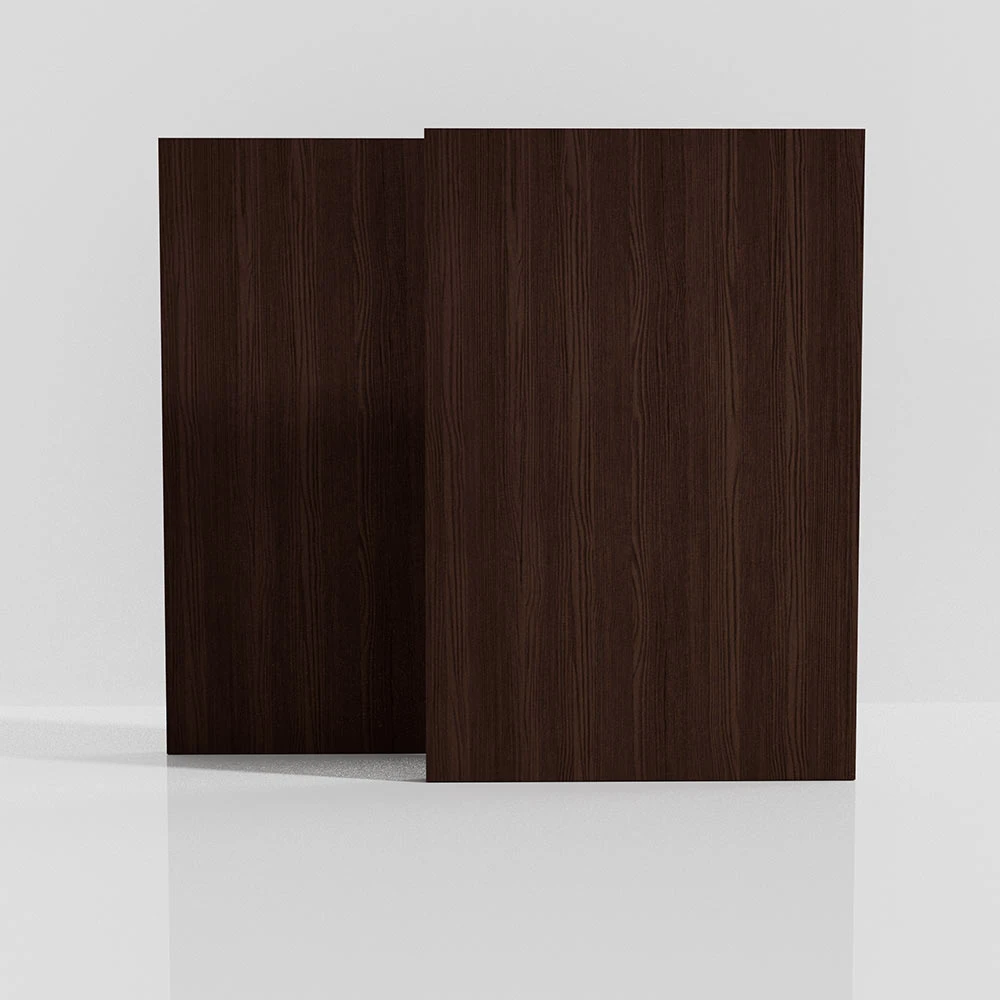
The Real Impact of MDF Medium Density Fiberboard: Why It Matters Globally
When you hear “mdf medium density fiberboard,” what usually comes to mind? For many, it’s just another building material—maybe something a bit bland, used behind the scenes in cabinetry or furniture. But here’s the kicker: this humble engineered wood product quietly drives entire industries worldwide, with benefits that ripple across sustainability, affordability, and versatility. As global demand for eco-friendlier construction materials and reliable manufacturing inputs grows, understanding MDF’s role isn't just an industrial curiosity — it’s a key to future-proofing supply chains and supporting circular economies.
To put it simply, mastering MDF’s properties and applications lets manufacturers, builders, and designers deliver cost-effective, sustainable solutions at scale. That ripple effect strengthens economies, reduces raw resource pressures, and often touches everyday lives in more ways than we realize.
Mini takeaway: MDF medium density fiberboard isn’t just a buzzword—it’s a cornerstone of modern affordable construction and sustainable manufacturing worldwide.
Global Context: MDF Medium Density Fiberboard on the World Stage
Globally, the wood-based panel industry—with MDF as a centerpiece—is booming. Market data from organizations such as the FAO and ISO show that demand for engineered wood products grew roughly 5% annually over the past decade. This shift is driven by increasing urbanization, housing shortages, and a growing emphasis on green materials replacing solid timber, which offers less waste-friendly options.
But here’s the challenge: while MDF offers sustainability perks, producing it efficiently — especially in emerging markets — requires consistent raw material supply and advanced manufacturing tech. Mismanagement could lead to environmental strain or compromise quality, defeating its purpose.
Mini takeaway: Understanding MDF's global rise helps grasp how industrial innovation can balance ecological concerns with booming construction needs.
What Exactly Is MDF Medium Density Fiberboard?
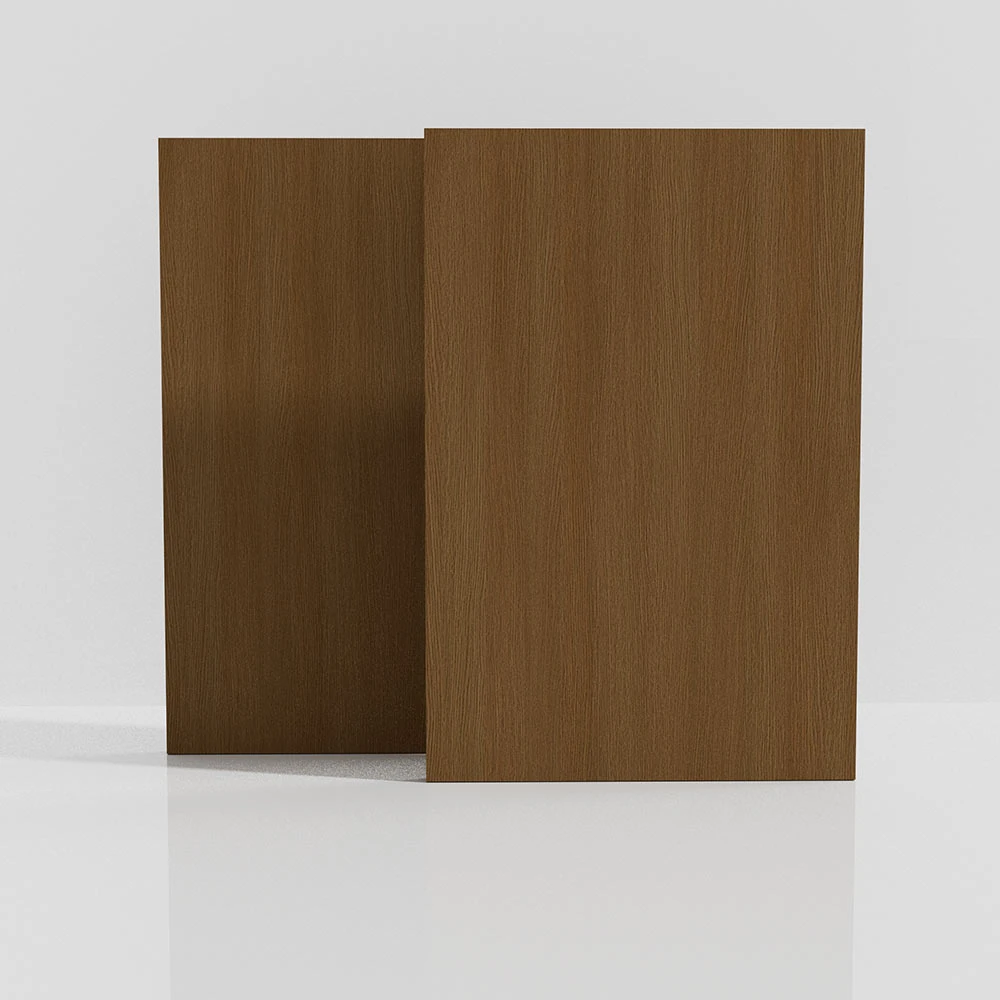
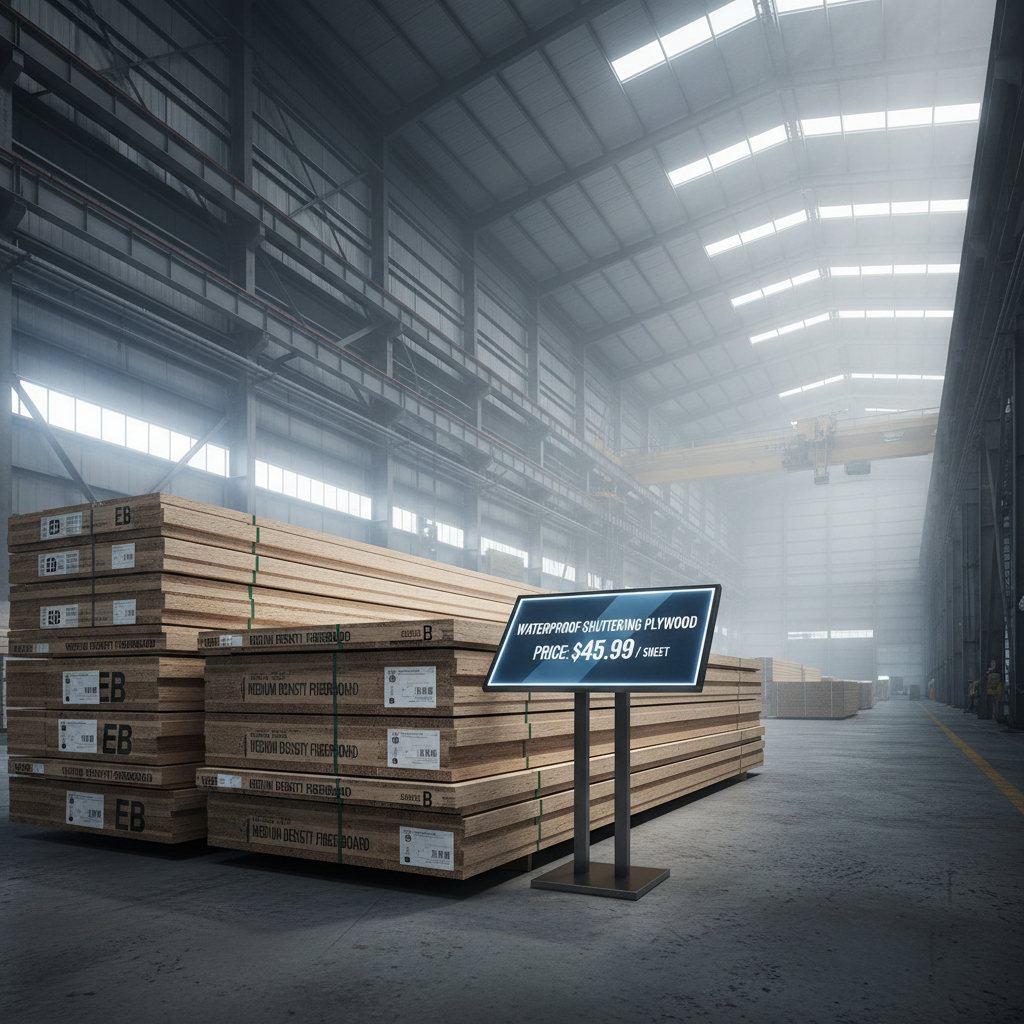
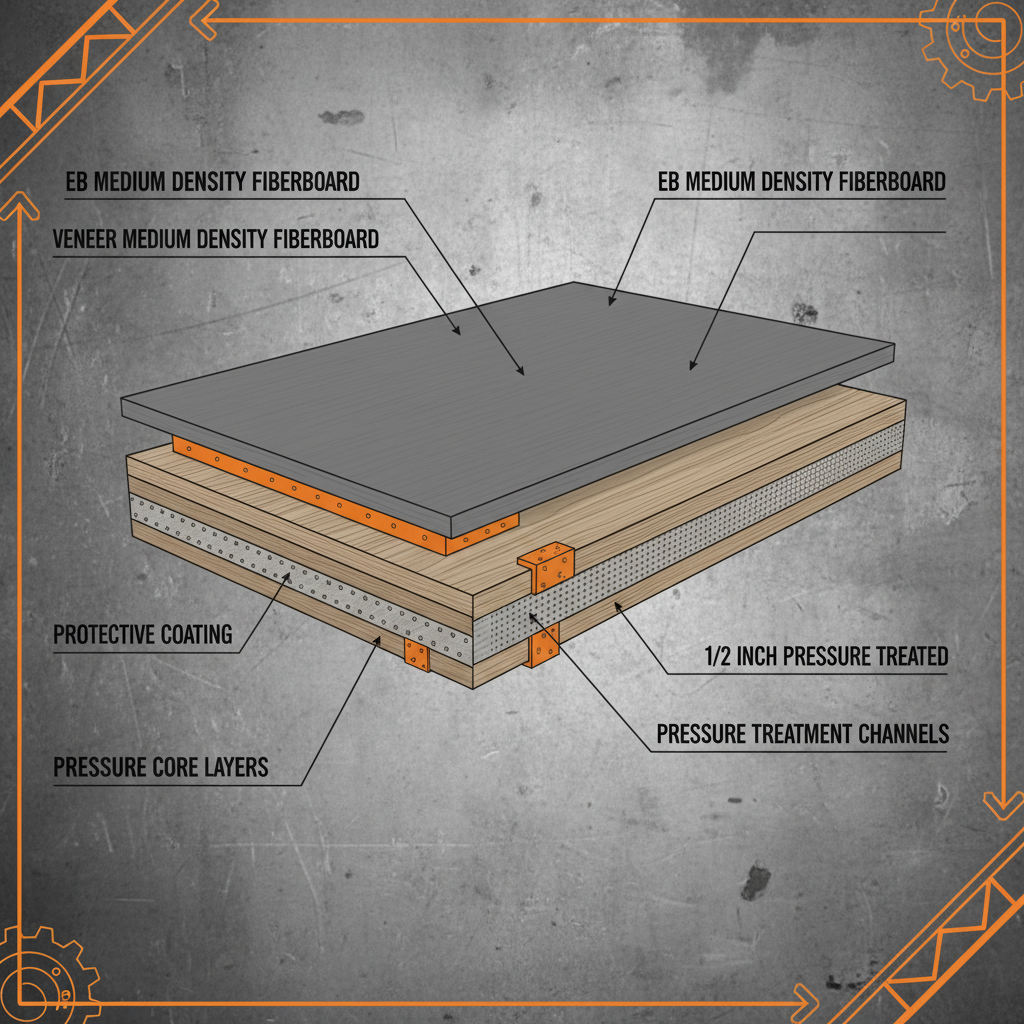
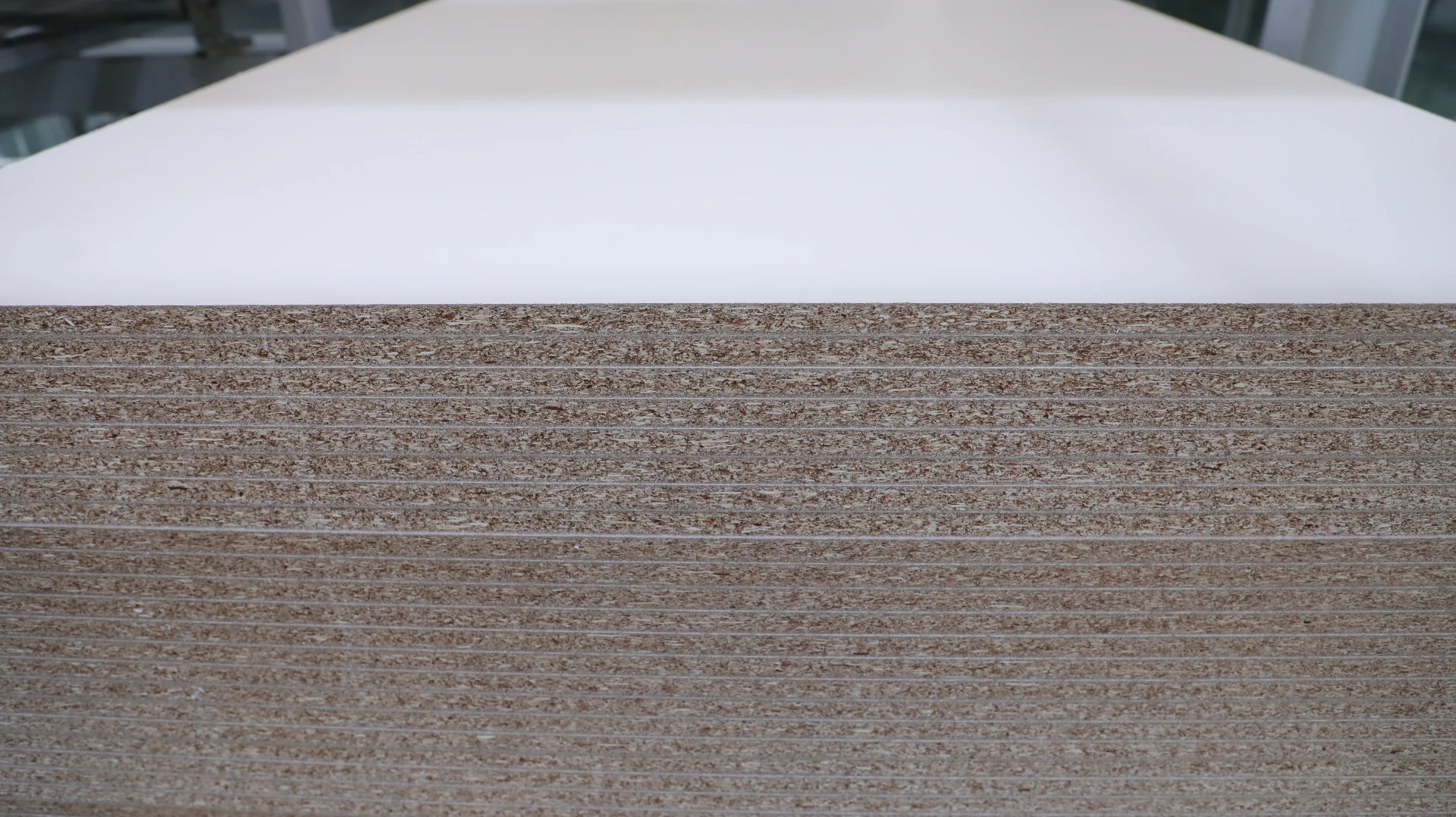
For those new to the term, MDF (medium density fiberboard) is a panel product made by breaking down hardwood or softwood residuals into wood fibers, combining them with wax and resin binders, and pressing them into flat panels under high temperature and pressure.
Think of it as a smartly engineered alternative to solid wood—uniform, smooth, and workable. This not only saves trees by utilizing wood scraps but delivers a consistent material that’s easier to machine and finish. In humanitarian and industrial sectors, MDF is often prized because it’s lightweight yet sturdy, scalable in size, and more cost-effective than plywood or particleboard.
mdf medium density fiberboard connects modern industry’s demands for material efficiency with social needs like affordable housing and durable furnishings in remote or underserved regions.
Key Factors That Make MDF So Popular
1. Durability & Stability
MDF combines density with fine fiber distribution, resulting in panels less prone to warping or splitting compared to traditional wood. This makes it ideal for furniture, cabinetry, and detailed molding.
2. Uniformity & Surface Smoothness
Its smooth, uniform surface accepts paints and veneers beautifully, enabling premium finishes without expensive surface prep.
3. Cost Efficiency
Produced from wood waste and faster manufacturing cycles, MDF lowers raw material expenses, making it a budget-friendly alternative—especially important for large-scale projects or disaster relief housing.
4. Scalability & Customization
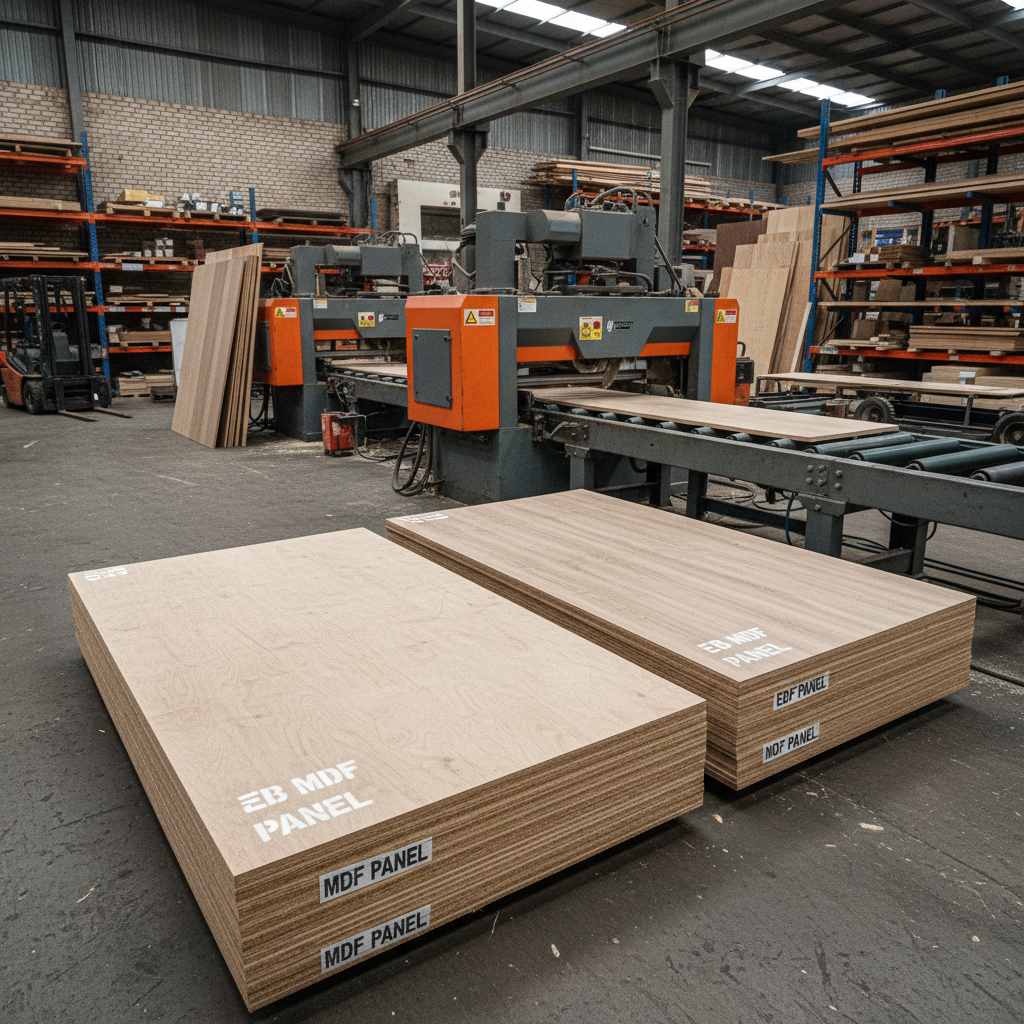
Sizes and thicknesses can be tailored, from thin panels for intricate crafts to thick structural sheets. Plus, suppliers often offer moisture-resistant or fire-retardant variations, broadening use cases.
5. Environmental Impact
Utilizing often-discarded wood fibers reduces logging pressure and landfill waste. Certifications like FSC encourage responsible sourcing, helping industries meet compliance and sustainability goals.
Mini takeaway: MDF’s combination of durability, affordability, and eco-friendliness explains why it’s become a go-to material in so many sectors.
Global Applications: Where MDF Really Makes a Difference
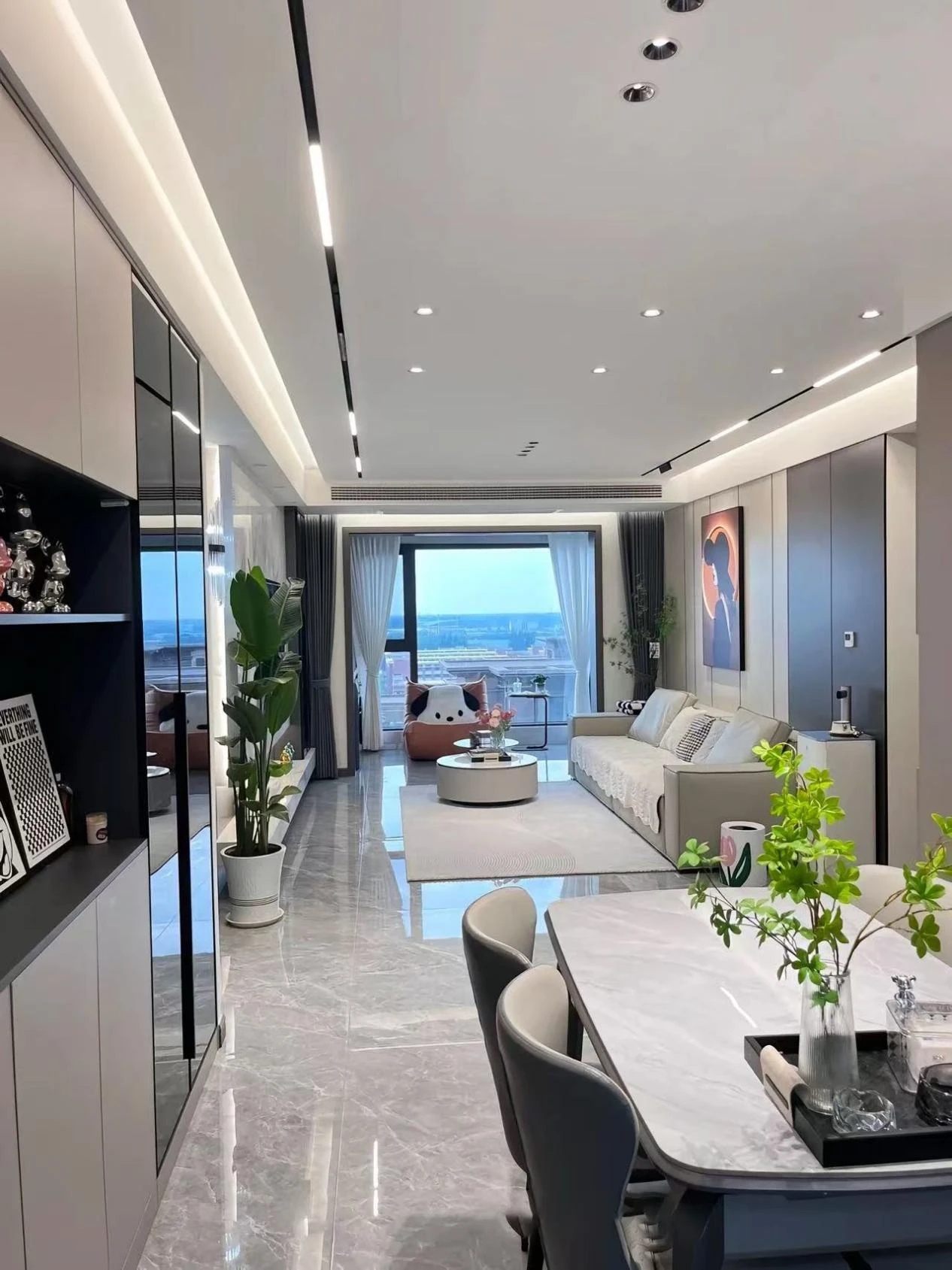
MDF's reach goes further than you might guess. In Europe and North America, it’s a staple for kitchens, furniture, and architectural millwork, prized for its finish quality and reliability. Asia’s rapidly growing construction market taps into MDF for affordable housing interiors and modular furniture.
Beyond commercial use, humanitarian organizations use MDF panels for fast-deploy housing in disaster zones—leveraging the material’s light weight and ease of transport. Industrial zones in Africa and Latin America find MDF helps local manufacturers produce cost-effective cabinetry and fixtures that support burgeoning middle-class demand for quality home goods.
One illustrative example? A non-profit in Southeast Asia that outfitted temporary health clinics post-flooding using MDF interior panels, balancing cost, durability, and rapid assembly in humid conditions.
Product Specifications of a Typical MDF Panel
| Specification |
Value |
Unit |
| Density |
700 - 800 |
kg/m³ |
| Thickness Range |
3 - 25 |
mm |
| Moisture Content |
6 - 8 |
% |
| Modulus of Rupture (MOR) |
15 - 30 |
MPa |
| Surface Finish |
Smooth, paintable, veneering compatible |
Top Vendors Compared: What Sets Them Apart?
| Vendor |
Product Range |
Sustainability Certifications |
Key Markets |
Customization Options |
| Tengfei MDF |
Standard, Moisture-Resistant, Fire-Retardant |
FSC, CARB Phase 2 |
Asia, Global Export |
Thickness, finish, size |
| Duraply |
Standard, Structural Grades |
PEFC Certified |
Europe, North America |
Limited |
| Arauco |
Wide range incl. E0 Low Formaldehyde |
FSC, SFI |
Americas, Asia |
Extensive |
Advantages & Long-Term Value of MDF Medium Density Fiberboard
From a practical standpoint, MDF brings a trifecta of benefits: cost savings, environmental responsibility, and versatility. It lowers production costs by using wood fibers otherwise discarded. It reduces pressure on virgin forests, helping global sustainability commitments. And it’s reliable — engineers often praise its consistent machining quality and clutch performance in humid or fluctuating climates.
On the emotional side, imagine a builder in a developing country able to offer quality furniture or housing that lasts — safer, more dignified spaces. MDF adds trust and innovation to these aspirations. Furniture makers have told me how MDF’s uniformity turns their creative ideas into reality without costly setbacks. When you stand back, it feels like this material quietly upgrades millions of lives.
Future Trends: Innovations in MDF Production & Use
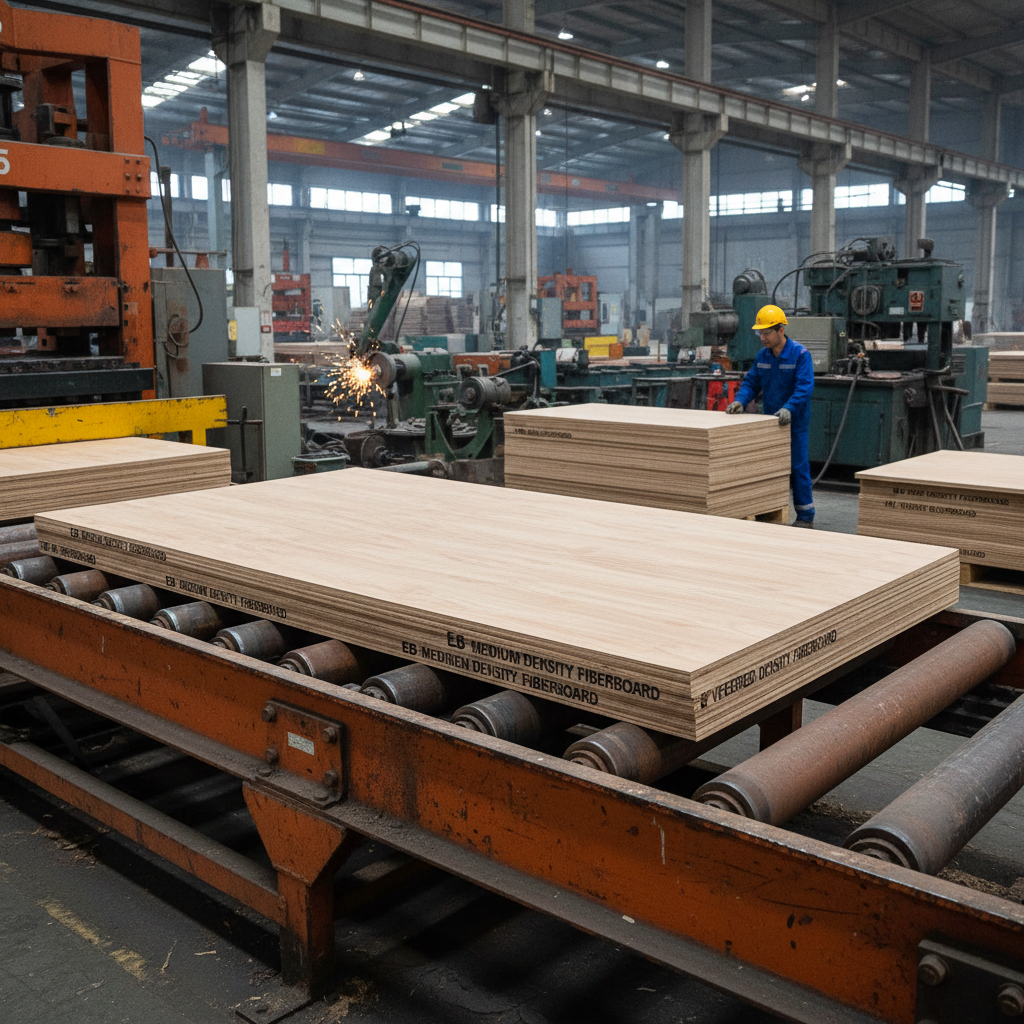
Looking ahead, MDF manufacturers are focusing on greener resin systems — shifting away from formaldehyde-based binders to bio-based or ultra-low emission variants. With digital transformation, automated production lines optimize efficiency and minimize waste, while 3D printing techniques probe MDF-like composites for bespoke shapes.
Environmental policies globally encourage recycled content and cradle-to-cradle certifications. Some vendors experiment with hybrid panels combining MDF with bamboo or agricultural residues, hoping to boost strength and lower carbon footprints further.
Challenges & Solutions
Of course, MDF isn’t without issues. Moisture sensitivity remains a problem in humid or wet environments unless special treatments apply. VOC emissions during production and cutting can pose health concerns if not properly controlled. Supply chain disruptions occasionally impact consistent raw fiber availability.
The industry’s response? New moisture-resistant formulations, improved ventilation systems in plants, and tighter supply chain integrations. Many engineers suggest pairing MDF with protective coatings or laminates in challenging settings, maximizing lifespan and performance.
FAQ: Frequently Asked Questions About MDF Medium Density Fiberboard
-
Q: How does MDF differ from plywood?
A: MDF comprises wood fibers bonded under heat and pressure, creating a dense, uniform panel. Plywood layers wood veneers glued crosswise for strength and less density variation. MDF is smoother, easier to machine, but less water-resistant than plywood.
-
Q: Can MDF be used outdoors?
A: Standard MDF is not suited for outdoor use because it absorbs moisture and swells. However, moisture-resistant or marine-grade MDF variants exist for semi-exposed environments—but they still require protective finishes.
-
Q: What makes MDF eco-friendly?
A: Its raw materials usually come from wood waste and smaller wood pieces, reducing reliance on old-growth forests. Plus, many manufacturers use sustainable sourcing certifications like FSC, and new resin systems minimize harmful emissions.
-
Q: Is MDF safe for indoor air quality?
A: Most modern MDF complies with strict formaldehyde emission standards (like CARB Phase 2). Proper cutting, ventilation, and sealing help maintain indoor air quality.
-
Q: How can NGOs procure MDF panels for quick construction projects?
A: NGOs should partner with reliable vendors who offer export-ready MDF products. Vendors like Tengfei provide international shipping and customization for project specifications, streamlining procurement.
Conclusion: Why MDF Medium Density Fiberboard Remains a Smart Choice
For industries and communities worldwide, MDF medium density fiberboard is more than just a panel—it’s a linchpin of sustainable growth and affordable innovation. Its balance of cost, durability, and environmental virtues means it will continue shaping furniture, construction, and design for decades. So next time you see that smooth panel, you might appreciate the thoughtful engineering and global impact behind it.
Fancy exploring high-quality, customizable MDF? Visit our website: Tengfei MDF Medium Density Fiberboard
References:
- FAO - Forest Products Statistics
- ISO 12460-5:2021 Wood-based panels — Sampling and conditioning
- Wikipedia - Medium-density fibreboard