Add: No.8 Xinxing Street, North Zone, Zhengding High-tech Industrial Development Zone, Hebei, China
CONTACT US
+8615030171059


CONTACT US
+8615030171059
When planning construction, renovation, or DIY projects, choosing the right plywood is crucial. 1 1/4 plywood, also known as 30mm plywood, is a popular choice for its balance of strength, weight, and cost-effectiveness. This article provides a detailed overview of 1 1/4 plywood, covering its characteristics, common applications, grades, and how to select the best option for your specific needs. Understanding the nuances of plywood will ensure a successful and long-lasting project.
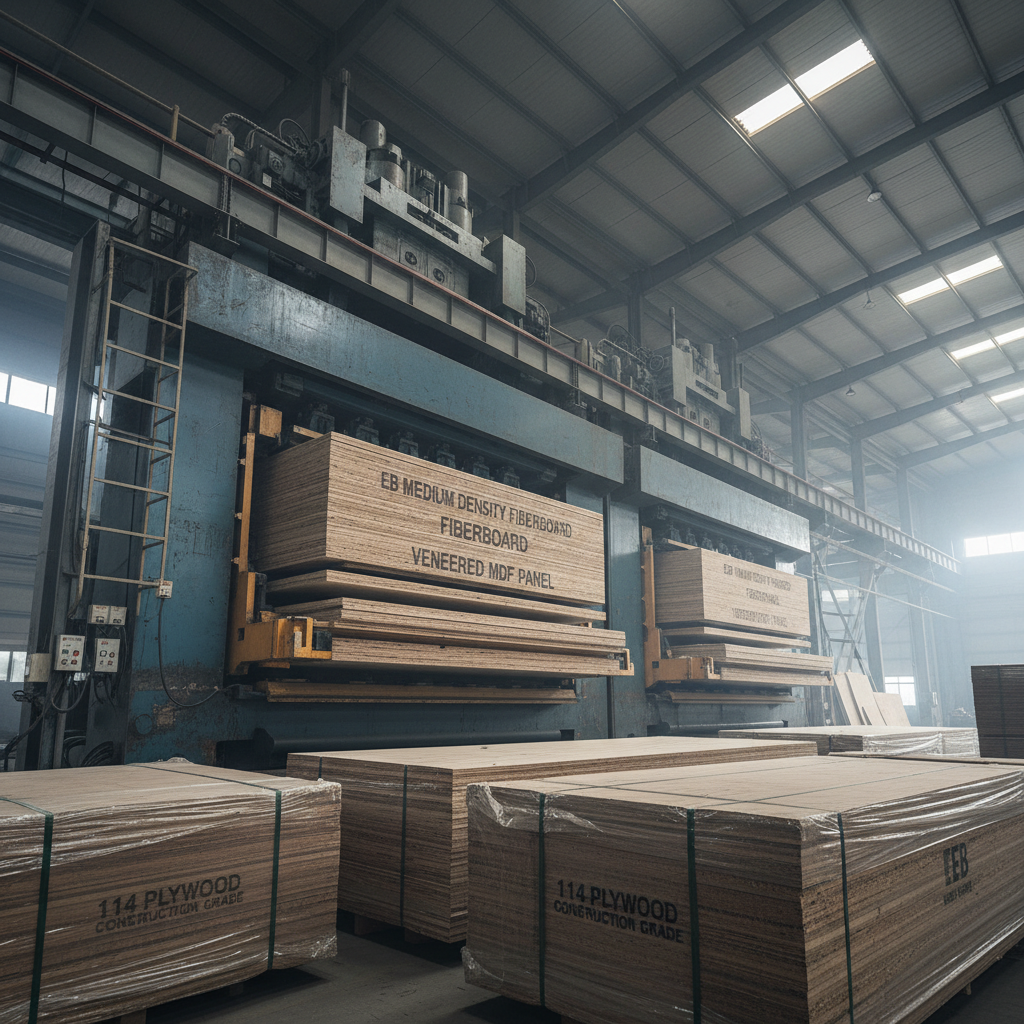
1 1/4 plywood refers to plywood with a thickness of approximately 30 millimeters or 1.25 inches. It's constructed by layering thin sheets of wood veneer together, with the grain of each layer running perpendicular to the adjacent layers. This cross-graining provides exceptional strength and resistance to warping, cracking, and splitting. Key features include its increased rigidity compared to thinner plywood, making it suitable for load-bearing applications. The use of quality wood veneers impacts the plywood’s overall performance and appearance. Choosing the right veneer for your project is important.
Key Highlights: Exceptional strength due to cross-graining; increased rigidity for load-bearing applications; versatility for various projects.
Due to its strength and stability, 1 1/4 plywood is utilized in a wide range of applications. It's a popular choice for subflooring, providing a solid base for flooring materials. It’s also frequently used in wall sheathing, contributing to the structural integrity of buildings. Furthermore, it’s ideal for constructing furniture, cabinets, shelving, and other interior features where a strong and durable material is required. You can explore various applications and plywood solutions on Tengfei EBMDF.
Application Benefits:
• Provides a strong and stable base for flooring.
• Enhances structural integrity of walls.
• Offers durability for furniture and cabinets.
• Versatile for a broad range of construction and DIY projects.
Plywood is graded based on its appearance and quality. Common grades include A, B, C, and D, with A being the highest quality and D being the lowest. Grade A plywood has a smooth, knot-free surface suitable for visible applications. Grade B has some minor imperfections. Grades C and D are typically used for structural applications where appearance is less important. There are also structural plywood grades that focus on strength and performance. Choosing the correct grade is essential for both aesthetic and structural needs.
Choosing the correct plywood thickness is essential for your project's success. While 1/2" and 3/4" plywood are common, 1 1/4" offers increased strength and stability for specific applications. 1/2" is suitable for lightweight projects, while 3/4" is a good all-around choice. However, for subflooring or situations requiring significant load-bearing capacity, 1 1/4" is often the preferred option. Consider the span length and load requirements when making your decision. You can find detailed product specifications and comparisons at Tengfei EBMDF.
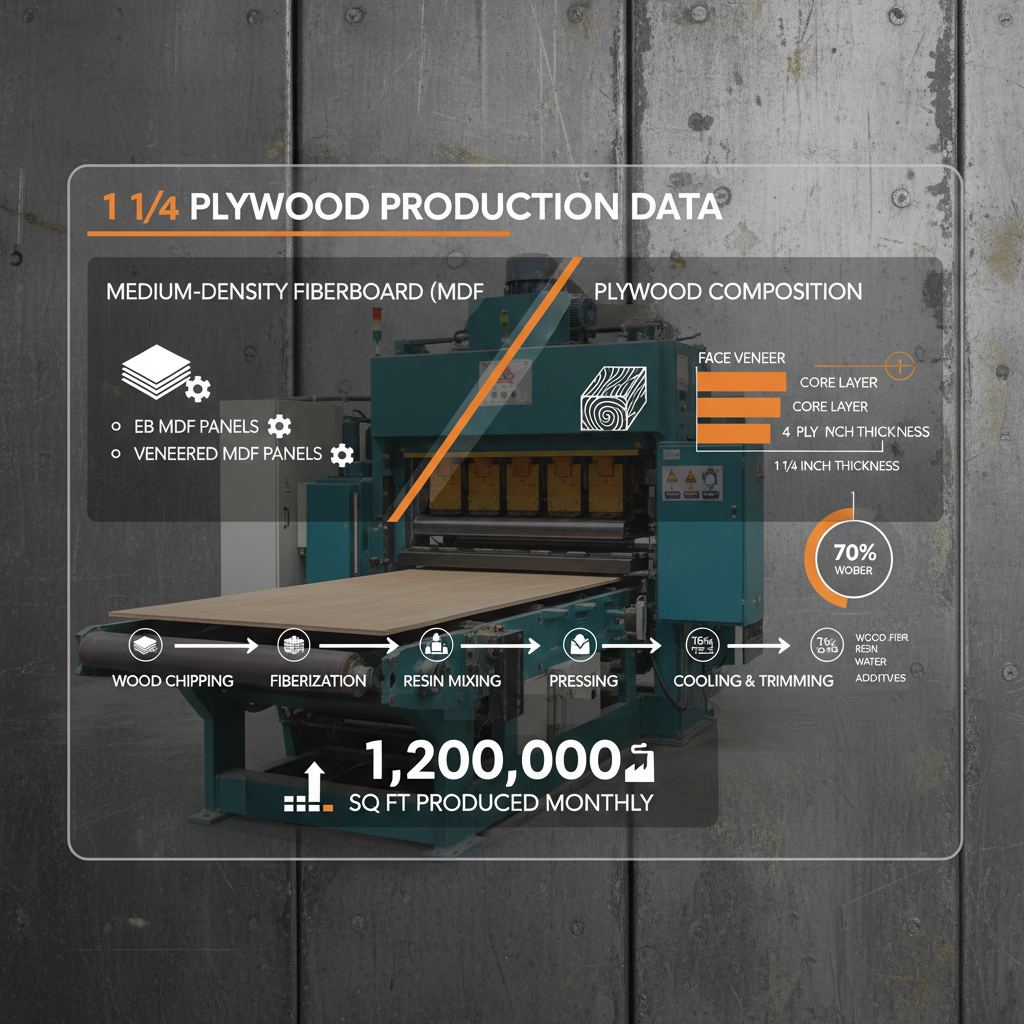
When purchasing 1 1/4 plywood, consider the wood species used (e.g., birch, pine, maple), as this impacts the strength, appearance, and cost. Also, check the plywood's moisture content – look for plywood that’s kiln-dried to a suitable moisture level. The quality of the adhesive used in the plywood is also important. Ensure that it meets industry standards for durability and water resistance. Finally, verify that the plywood is certified by reputable organizations, confirming it meets quality and sustainability standards.
Selecting the right 1 1/4 plywood is vital for project success. Considering factors like grade, wood species, and moisture content ensures you choose a product that meets your needs for strength, durability, and appearance. With its versatility and reliability, 1 1/4 plywood is an excellent choice for a wide array of construction and DIY endeavors.
Common wood species include birch, pine, maple, and poplar. Birch plywood is known for its strength and smooth surface, making it ideal for furniture and cabinets. Pine plywood is a more economical option suitable for general construction. Maple plywood is prized for its hardness and beautiful grain. The choice of wood species depends on the project requirements, budget, and desired aesthetic.
Moisture content significantly impacts plywood's stability and performance. If the moisture content is too high, the plywood can swell, warp, or delaminate. Kiln-dried plywood with a moisture content of around 6-8% is ideal for most applications. Proper storage and acclimation of plywood to the environment are essential to prevent moisture-related issues.
While 1 1/4 plywood can be used outdoors, it's crucial to choose an exterior-grade plywood treated for weather resistance. This type of plywood uses waterproof adhesives and is designed to withstand moisture, rot, and decay. Regular sealing and painting are recommended to further protect the plywood from the elements.
You can source high-quality 1 1/4 plywood from reputable lumberyards, hardware stores, and online suppliers. Tengfei EBMDF offers a wide selection of plywood grades and species to meet your project requirements. Look for suppliers that prioritize quality control and sustainable sourcing practices.
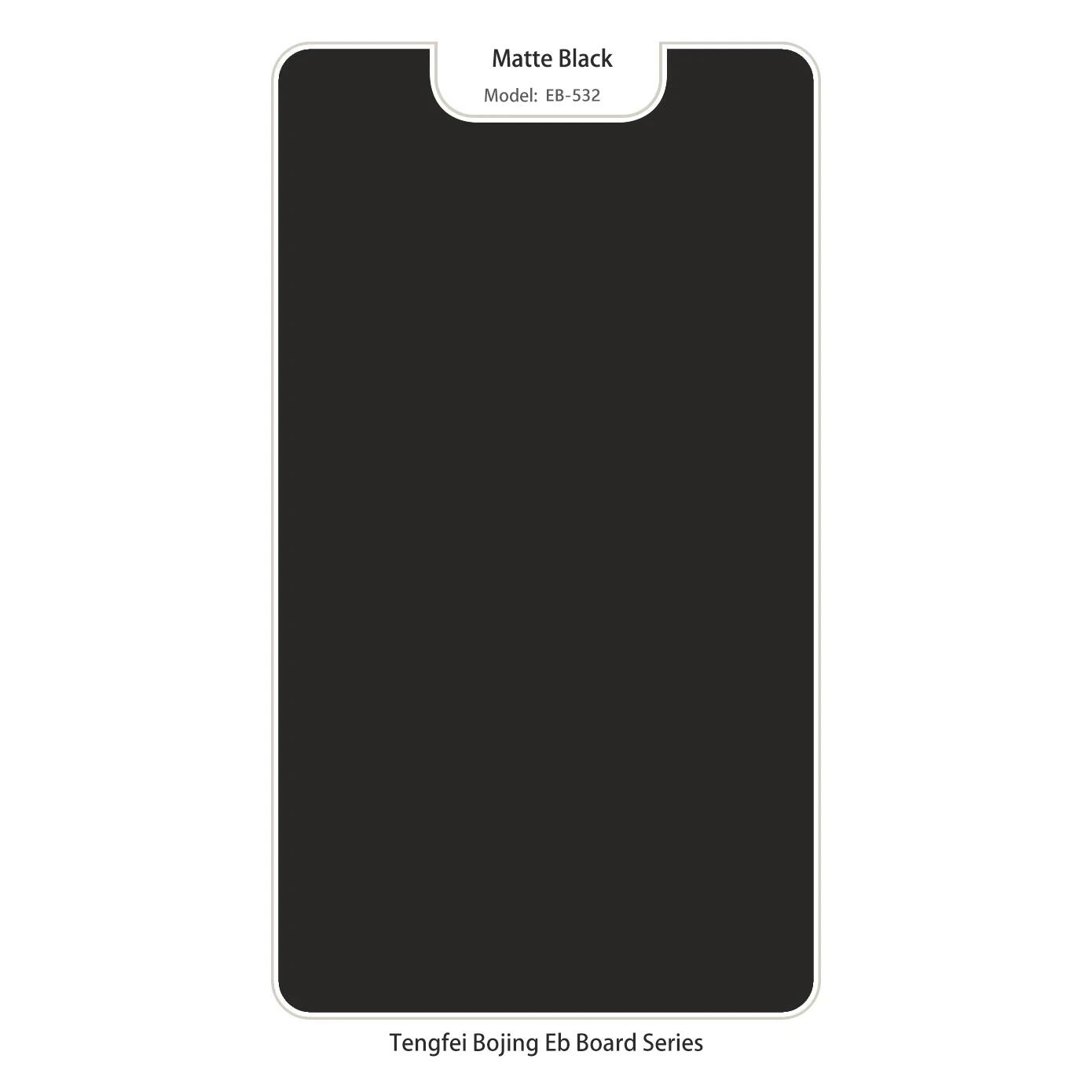
Tengfei Platinum EB Particle Panels - Matte Black
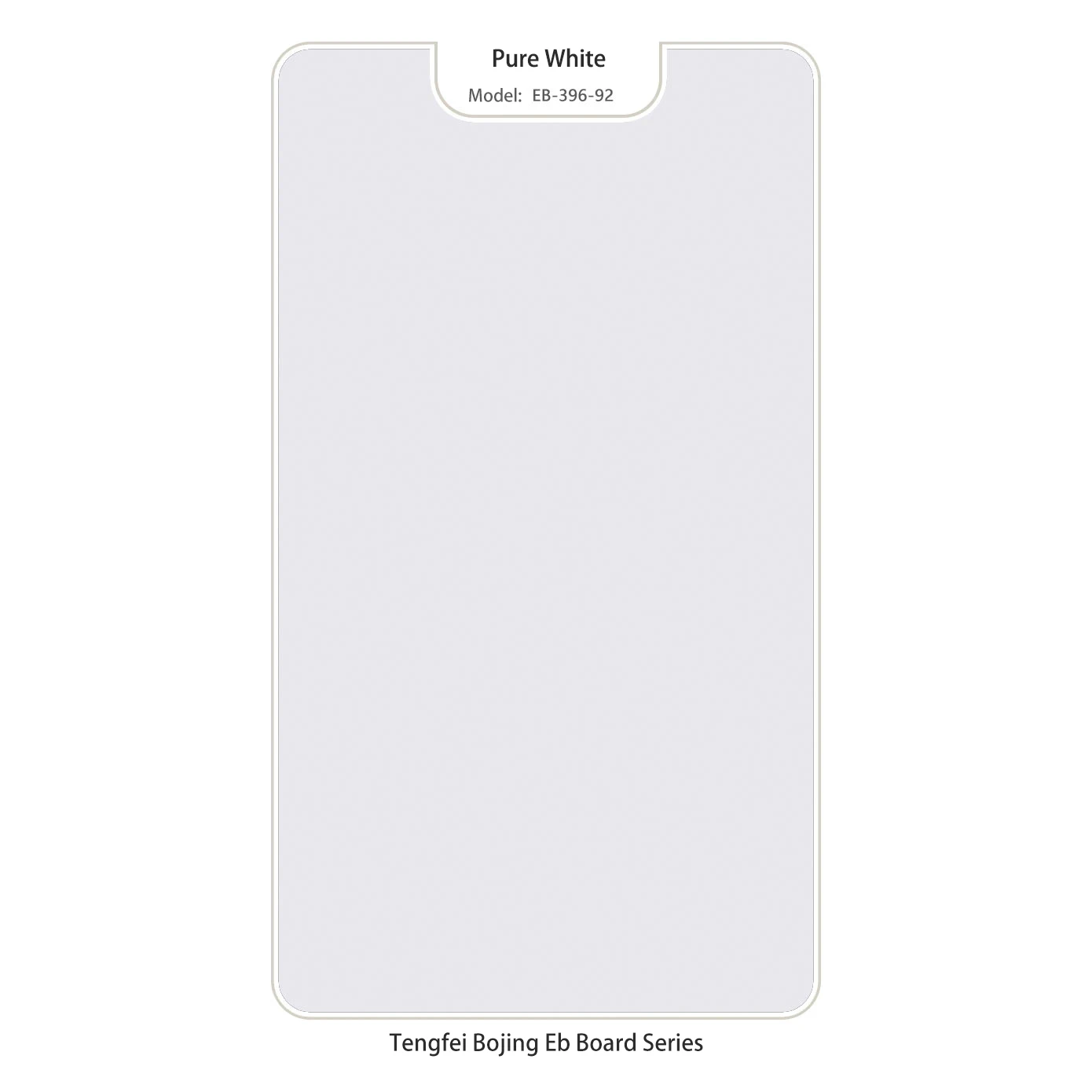
Tengfei Platinum EB Particle High-Gloss Panels - Pure white
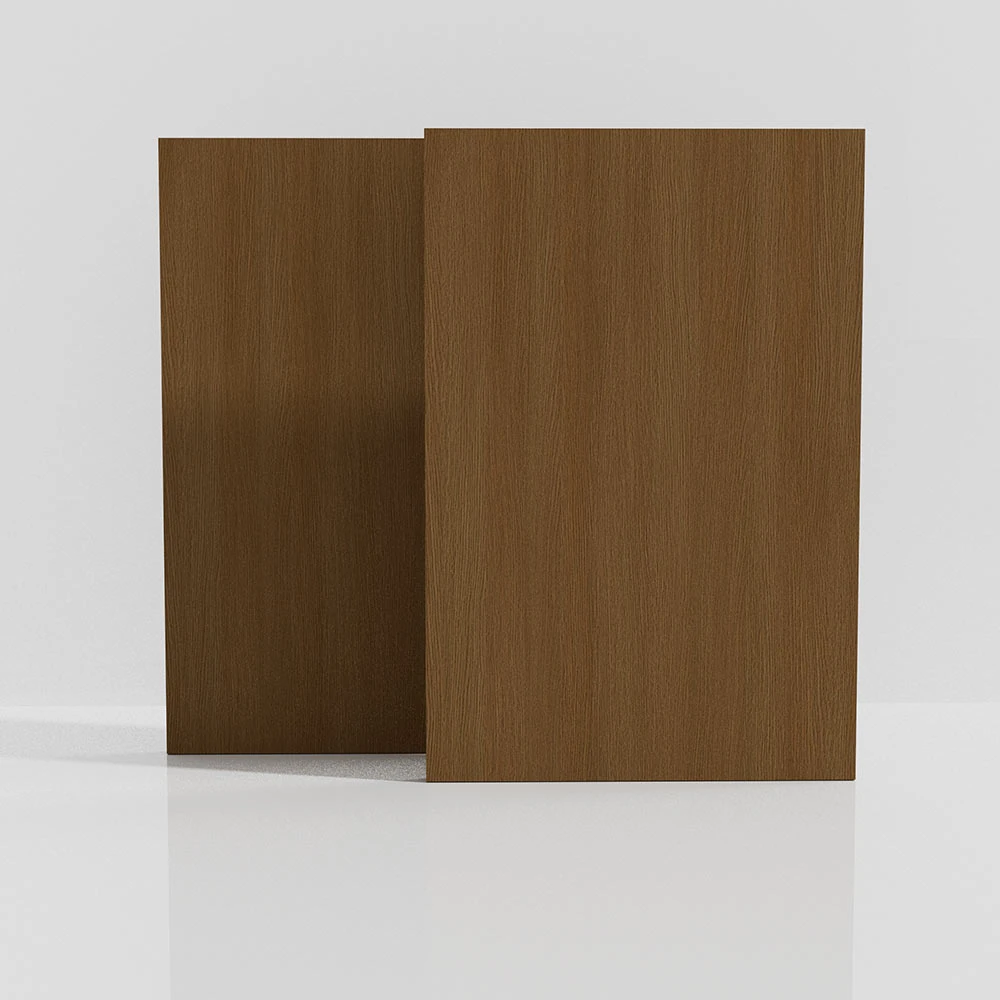

To provide reliable solutions through quality products!