Understanding 5mm MDF Board Price: Why It Matters Globally
If you've ever worked in construction, furniture-making, or interior design, chances are you've encountered medium-density fiberboard—commonly known as MDF. The 5mm MDF board price is more than just a number on the label; it’s a vital indicator for sourcing materials that balance durability, cost, and versatility. But why does this matter on a global scale? Well, MDF is one of the world’s most widely used engineered woods, with applications ranging from affordable flat-pack furniture to temporary structures in humanitarian relief efforts.
Being able to grasp the nuances behind the pricing of a standard thickness like 5mm MDF helps businesses and organizations make smarter purchase decisions that ripple through manufacturing supply chains worldwide. Plus, in a time when resource optimization and sustainability have become buzzwords, knowing where MDF fits (and how much it costs) turns from trivial to essential.
The Global Context of 5mm MDF Board Pricing
Globally, the wood panel industry represents tens of billions of dollars annually. According to Wikipedia, MDF constitutes a significant chunk of this sector with estimated consumption climbing steadily especially in Asia, Europe, and North America. The 5mm MDF board price acts as a bellwether reflecting raw material costs, transportation fees, and even international trade policies.
Take the timber shortage shocks caused by recent wildfires and supply chain disruptions; these events push manufacturers and end-users to carefully assess how much they can afford to pay, without sacrificing quality. Plus, the rise in eco-consciousness has introduced demand for low-emission or formaldehyde-free MDF variants, which come with distinct price implications.
All this means the price is not static—it swings, sometimes quite dramatically, forcing industries from furniture makers in Germany to home renovation DIYers in Australia to rethink procurement strategies.
Mini takeaway:
- The 5mm MDF board price reflects global supply chain health and material innovation.
- Price fluctuations influence industries far beyond woodworking—think construction, automotive, and even packaging.
What Does 5mm MDF Board Price Really Mean?
Let’s get down to brass tacks. MDF stands for medium-density fiberboard, a composite wood product made by breaking down hardwood and softwood residuals into fibers, combining them with wax and resin binder, then forming panels under heat and pressure. The “5mm” part refers to the thickness—a thinner sheet, often used for applications where weight and flexibility matter.
The 5mm MDF board price essentially denotes the cost per unit area (square meter or sheet) for this specific panel thickness. Knowing this helps buyers to accurately estimate costs for large-scale projects such as cabinetry or exhibition stands.
But here’s something you might not consider every day: this price also relates to how MDF fits humanitarian efforts where rapid, low-cost building materials are desperately needed. For example, in emergency shelter construction or modular furniture donations, thinner MDF sheets strike the optimal balance between strength and affordability.
Mini takeaway:
- “5mm MDF board price” is the market rate of a common, versatile engineered wood panel thickness.
- It plays a role both in industry and in critical humanitarian infrastructure.
Core Factors Affecting 5mm MDF Board Price
Raw Material Quality
The price heavily depends on the type and source of wood fibers. Higher-quality fibers often produce smoother, denser boards but increase costs. Alternatively, recycled or mixed fibers tend to be cheaper but might compromise surface quality.
Manufacturing Technology
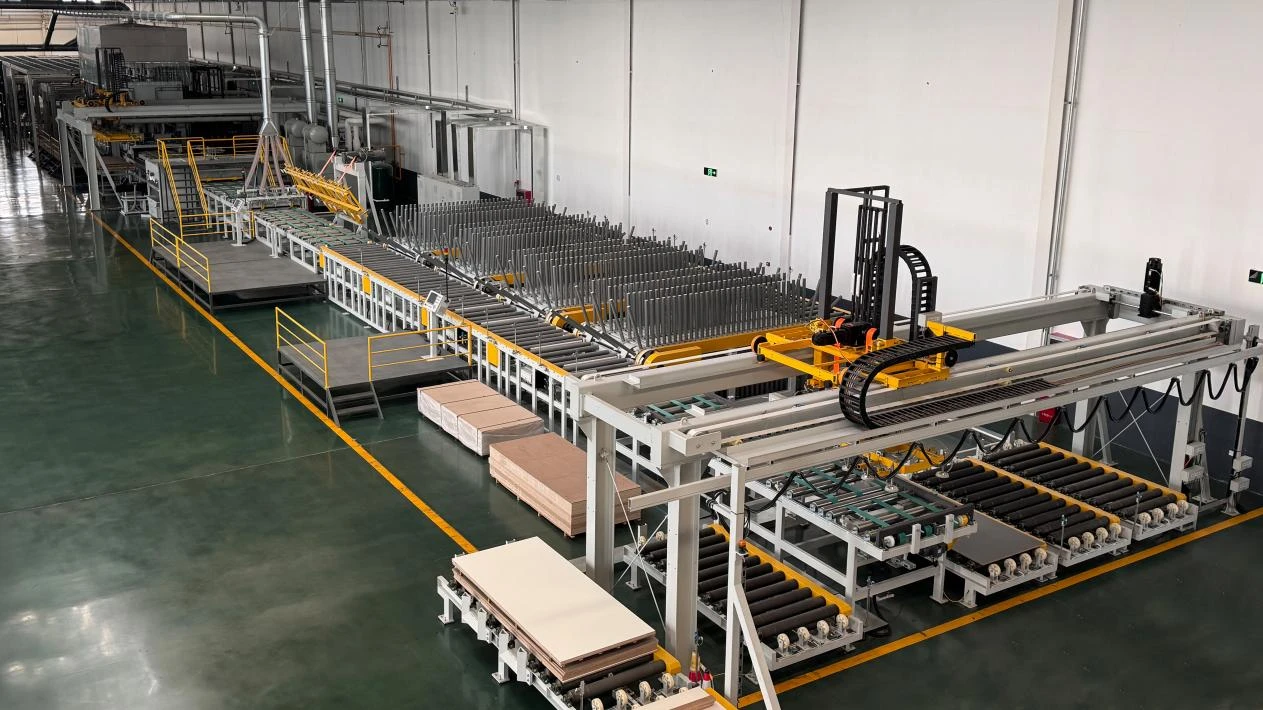
Advancements in pressing technology and resin formulations also influence pricing. Automated, energy-efficient factories can produce consistent 5mm sheets at lower costs, whereas smaller or less modern plants often charge a premium owing to inefficiency.
Supply Chain & Logistics
Since MDF is bulky and relatively heavy, shipping costs strongly impact overall price, especially for manufacturers importing timber or exporting finished boards internationally.
Thickness & Dimensions
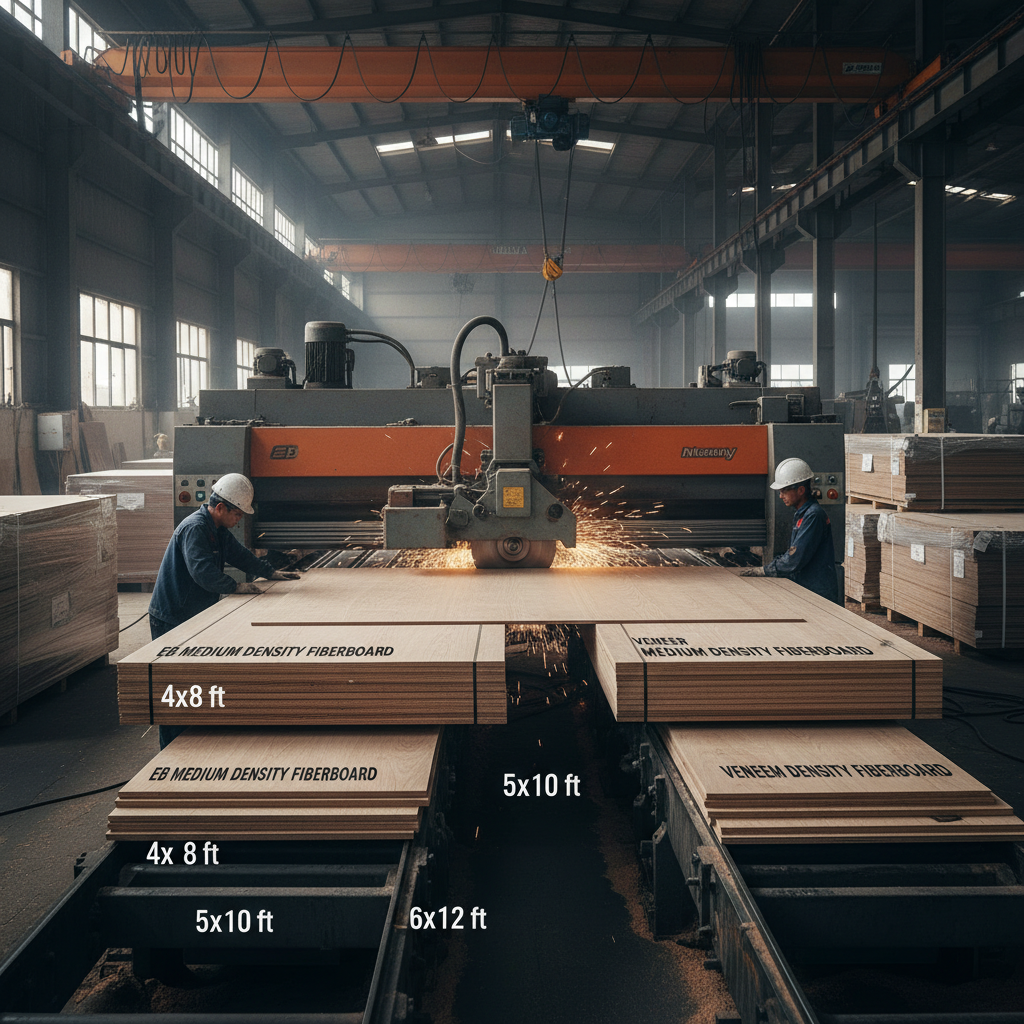
Though we focus here on 5mm sheets, minor differences in thickness tolerance and panel sizes can affect pricing tiers. Custom cuts or specialty finishes command extra fees.
Environmental Certifications
Boards carrying certifications like FSC (Forest Stewardship Council) or CARB (California Air Resources Board) compliance often cost more but appeal to green-conscious buyers worldwide.
5mm MDF Board Typical Specifications
| Parameter |
Typical Value |
| Thickness |
5 mm ± 0.2 mm |
| Density |
700 - 800 kg/m³ |
| Surface Finish |
Smooth (for painting or laminating) |
| Moisture Content |
6% - 12% |
| Formaldehyde Emissions |
E0 to E1 (low emission) |
| Standard Sizes |
2440 x 1220 mm |
Mini takeaway:
- Price depends on raw materials, process technology, logistics, and certifications.
- Even slight variations in thickness or certification compliance impact costs.
How 5mm MDF Boards Are Used Worldwide
In practical terms, a 5mm MDF board is prized for versatility. In Europe, these thin panels often serve in furniture backs, drawer bottoms, and decorative moldings. In Asia, demand surges for exhibition booths, custom packaging, and even DIY projects due to affordability and availability.
Interestingly, NGOs and relief agencies have adopted MDF for temporary shelter panels or school furniture kits, especially in countries rebuilding after natural disasters. For instance, post-typhoon reconstruction in the Philippines saw MDF sheets contribute to budget-friendly kits for classrooms. Also, growing trends in modular housing—especially in urban areas with limited space—favor thinner MDF to reduce weight without compromising rigidity.
Mini takeaway:
- MDF’s global reach spans from domestic furniture manufacturing to disaster relief infrastructure.
- 5mm boards’ lightweight nature enables flexible, innovative uses in tight-budget scenarios.
Advantages and Long-Term Value of Choosing 5mm MDF
Choosing the right thickness MDF usually boils down to balance. The economic value of 5mm MDF boards lies in their low cost per square meter while providing sufficient strength for many applications. Beyond logic, there’s an emotional appeal too – imagine providing affordable yet durable furniture to a family, or efficient building materials that help rebuild communities fast.
From a sustainability perspective, many manufacturers now produce MDF with recycled fibers and low-emission resins, reducing environmental footprints considerably. Reliability and uniformity of MDF boards also mean less waste in cutting and carpentry—the “leave no board behind” motto, if you will.
Mini takeaway:
- 5mm MDF offers solid cost-efficiency and functional value for various projects.
- Its expanding eco credentials and consistency add trust beyond the price tag.
Future Trends Impacting 5mm MDF Board Price
The market is evolving faster than you might expect. Innovations in bio-based adhesives and formaldehyde alternatives promise even greener MDF options soon, which may initially push prices but deliver huge long-term benefits.
Automation and digital inventory management will also streamline supply chains, potentially lowering transportation markups on 5mm MDF board price. Furthermore, regional trade agreements could influence tariffs and import regulations, either easing or complicating market access.
Mini takeaway:
- Eco-friendly materials and automation are set to shape next-gen pricing and availability.
- Geopolitical shifts will continue to ripple across the MDF board market worldwide.
Challenges and Best Practices for Managing Costs
Of course, no product is perfect. MDF boards can be sensitive to moisture, prone to swelling if poorly sealed, which might result in replacement costs not always covered in price comparisons. Additionally, quality variations between suppliers sometimes complicate the seemingly straightforward question—“what is a fair 5mm MDF board price?”
Choosing reputable manufacturers who provide product certifications, solid warranties, and consistent quality checks can ease these concerns. Some buyers experiment with economies of scale, mixing direct imports for bulk needs with local distributors for smaller batches and faster delivery.
Vendor Comparison for 5mm MDF Boards
| Vendor |
Price per Sheet (USD) |
FSC Certified |
Delivery Time |
Key Markets |
| Tengfei MDF Co. |
$12.50 |
Yes |
5-7 days |
Global Export |
| WoodCraft Panels |
$14.00 |
No |
3-5 days |
North America |
| EcoBoard Inc. |
$13.75 |
Yes |
7-10 days |
Europe & Asia |
Frequently Asked Questions About 5mm MDF Board Price
Q1: What factors should I consider to get the best 5mm MDF board price?
A: Look beyond the sticker price—check for certifications, quality consistency, delivery costs, and supplier reputation. Bulk buying can lower unit prices, but be wary of storage and wastage.
Q2: How does thickness affect the MDF board’s price and use?
A: Thinner boards like 5mm weigh less and cost less per sheet but offer less structural support, making them ideal for decorative panels or furniture backs, not load-bearing applications.
Q3: Is eco-certified MDF more expensive?
A: Typically, yes—because of sustainable sourcing and low-emission adhesives, eco-certified boards can cost 5-15% more but reduce environmental impact and improve indoor air quality, which might be worth it.
Q4: Can I order customized sizes of 5mm MDF boards?
A: Many vendors offer cutting services for a fee, allowing you to get precise dimensions for your project. This may affect the 5mm MDF board price, so factor in customization costs.
Conclusion: Why Keeping Track of 5mm MDF Board Price Is Smart Business
For anyone involved in manufacturing, design, or logistics, understanding the 5mm MDF board price goes well beyond shopping costs. It’s about making choices that ripple across supply chains, environmental impact, and even social welfare projects.
By choosing the right suppliers, keeping an eye on innovations, and balancing quality with price, businesses find they can maximize value without compromising sustainability or durability. Oddly enough, these thin, often overlooked sheets hold vast potential—and knowing their price trends keeps you ahead of the curve.
Looking for competitive pricing and certified quality? Visit our website: 5mm mdf board price.
References
- Medium-density fibreboard - Wikipedia
- ISO standards for wood-based panels
- Forest Stewardship Council - FSC