Understanding 6 mm MDF Board Price: Why It Matters Today
If you’ve ever browsed furnishing or construction supplies, chances are you stumbled upon 6 mm MDF boards – thin, versatile, and widely used in everything from cabinetry to decorative panels. But what's behind the number we often glance over – the 6 mm mdf board price? It’s not just about costs; it actually highlights the dynamics of raw materials, manufacturing, and global trade.
6 mm MDF board price is more than a tab on a shopping list. It reflects material technology trends, supply chain health, and even environmental considerations. For those working in carpentry, architecture, or furniture design, understanding these prices is crucial for budgeting, sustainability, and innovation.
The Global Context Behind 6 mm MDF Board Pricing
Globally, the medium-density fiberboard (MDF) market has shown rapid growth, driven by rising demand in Asia-Pacific, Europe, and even developing economies. The 6 mm mdf board price intricately ties to wood pulp availability, energy costs, and logistics challenges.
According to the Food and Agriculture Organization (FAO) of the United Nations, global wood production for industrial use slightly fluctuated over the last decade but is steadily rising in countries like China and India. These nations heavily influence MDF prices due to their manufacturing scale and consumption rates.1
Yet a challenge persists: sustainably sourcing raw fibers while keeping prices accessible. Fluctuating MDF board prices can delay construction projects or push businesses to switch to alternative materials, sometimes at the cost of quality or durability.
Mini takeaway: The global 6 mm MDF board price is a microcosm of raw material availability, energy markets, and international trade, impacting industries far beyond woodworking.
What Exactly Is 6 mm MDF Board Price?
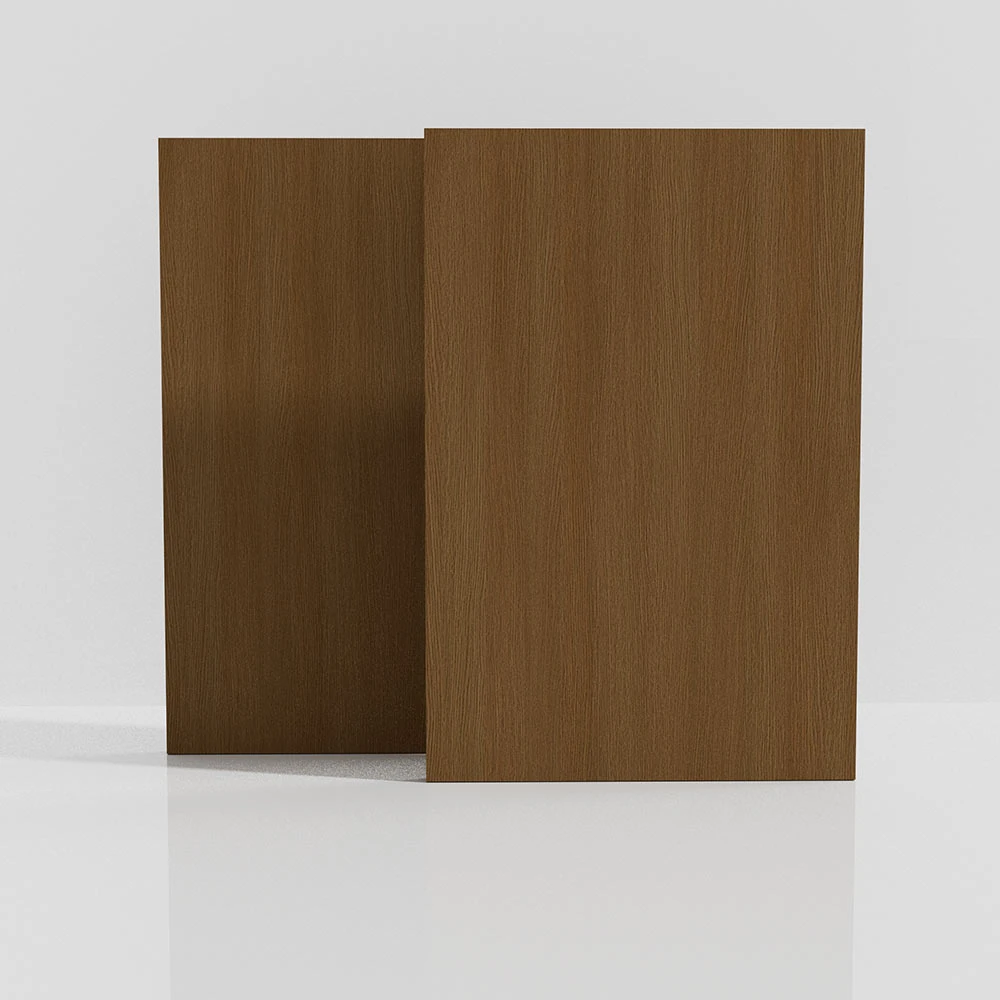
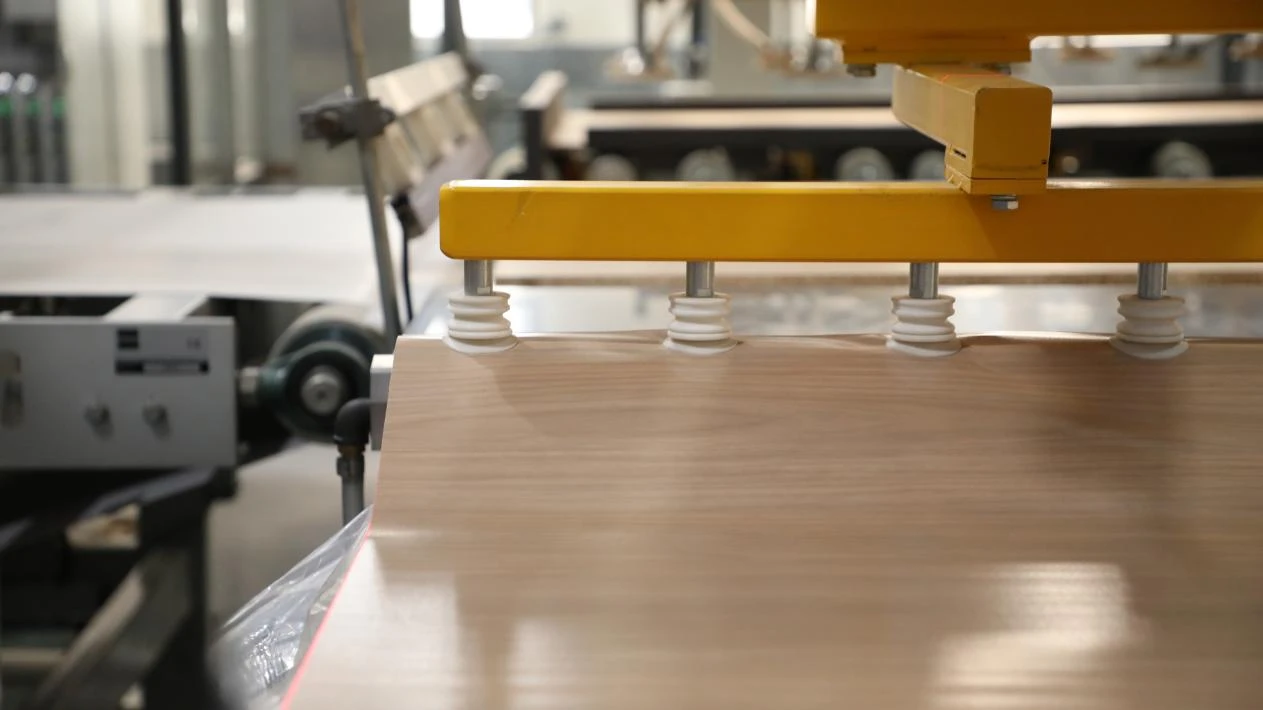
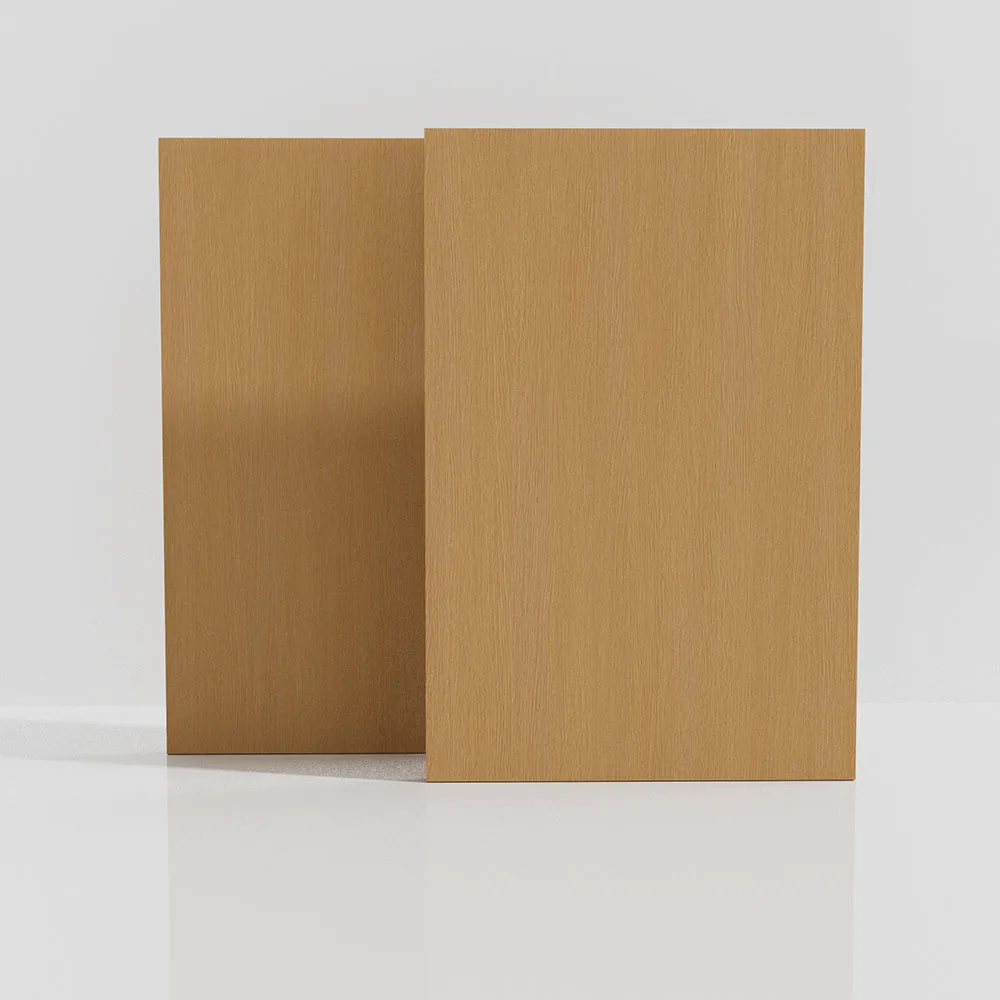
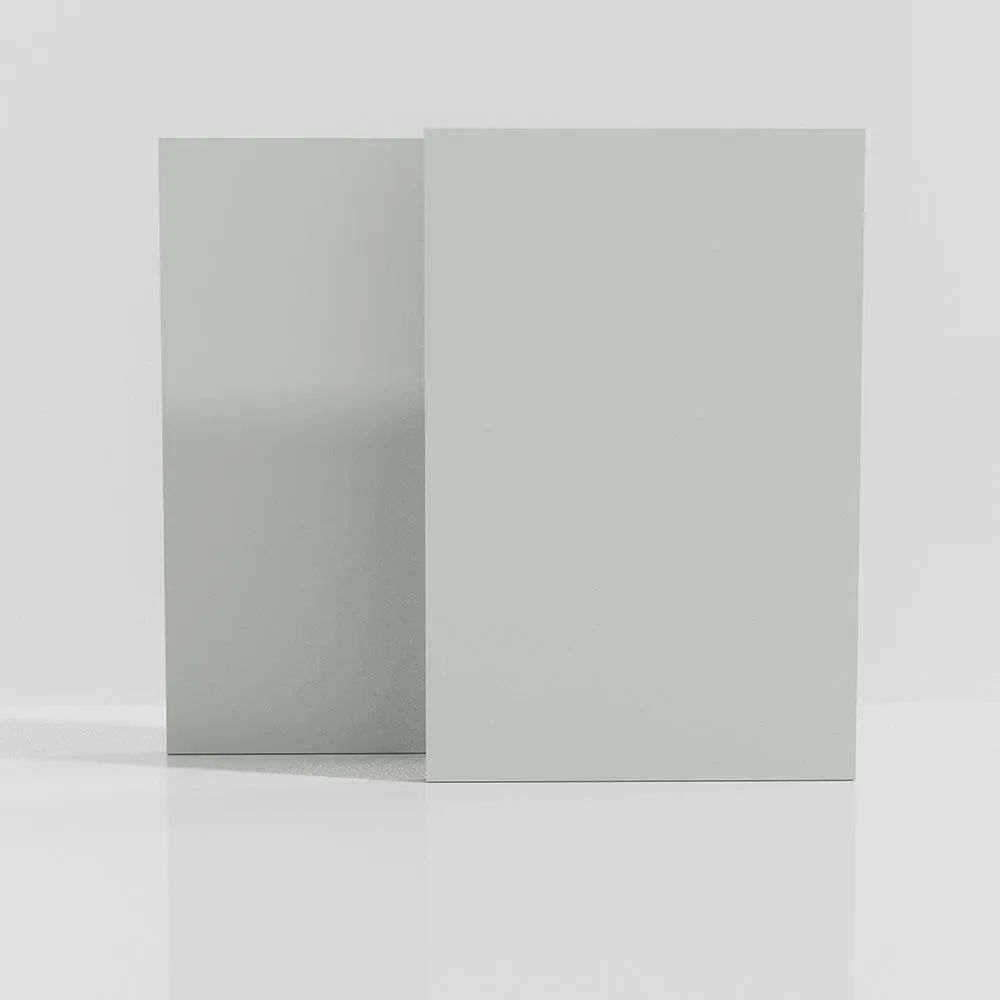
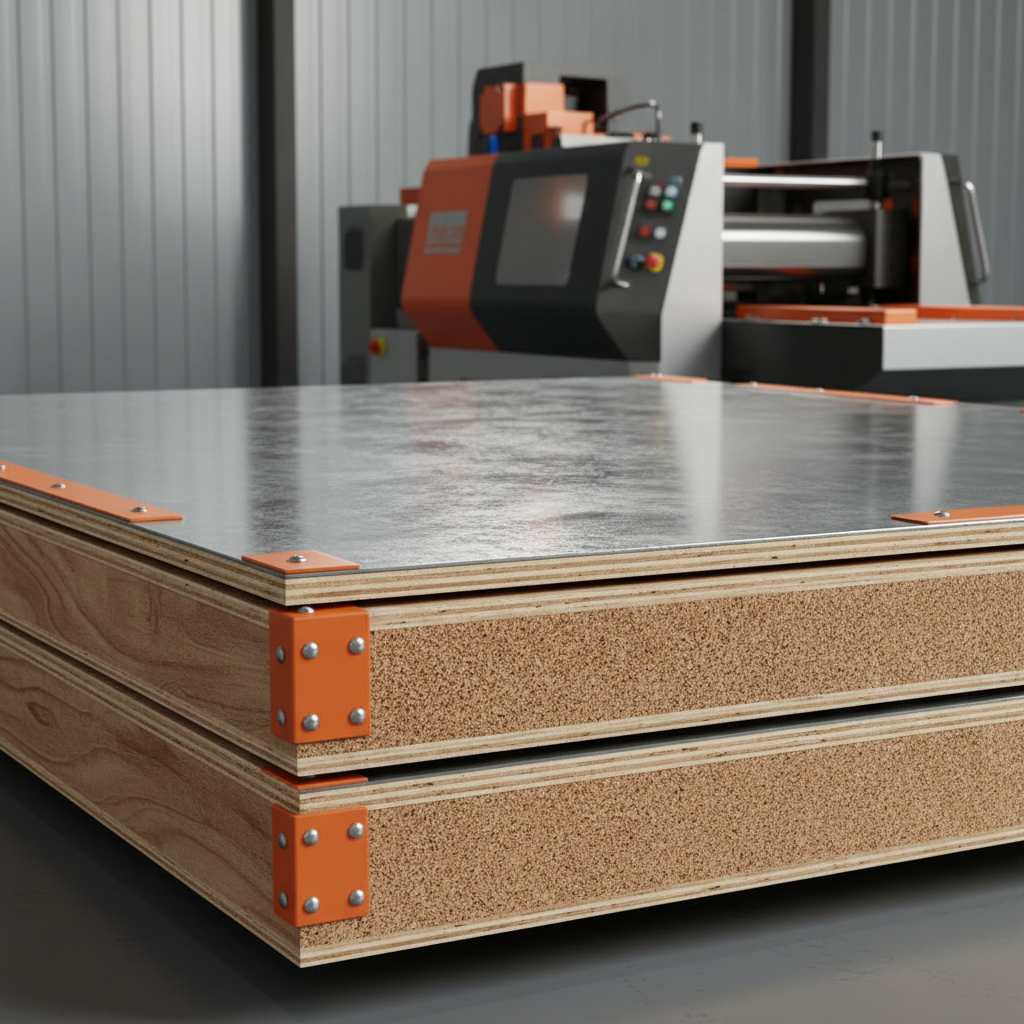
At face value, 6 mm MDF board price is simply the market cost for a one-panel medium-density fiberboard that’s 6 millimeters thick. MDF itself is an engineered wood product made by breaking down hardwood or softwood residuals into wood fibers, combining them with wax and resin binder, and forming panels by applying high temperature and pressure.
Why 6 mm? Because it's a popular thickness balancing strength and flexibility for detailed cutting, lightweight applications, and ease of finishing. This particular size is often favored in furniture facades, wall paneling, and craft projects.
From an industry perspective, the 6 mm mdf board price is influenced by:
- Raw material costs - wood fibers and adhesives
- Manufacturing technology and capacity
- Transportation and import/export tariffs
- Environmental regulations impacting production
Mini takeaway: The price you see is a reflection of complex production chains, resource management, and market demand—beyond just supply and demand in your local hardware store.
Key Factors Affecting 6 mm MDF Board Price
1. Raw Material Quality and Availability
Since MDF is made from wood fibers, the cost and quality of those fibers weigh heavily. Sustainable forestry practices and wood shortages can drive prices up.
2. Manufacturing Process Efficiency
Advanced pressing technologies and resin formulas have cut costs over time, but energy consumption remains a key expense influencing final pricing.
3. Thickness and Dimension Standards
Even slight variations from standardized 6 mm thickness can cause cost shifts – either due to additional material usage or production scrap rates.
4. Transportation and Logistic Costs
Because MDF panels are bulky but relatively light, freight pricing per volume is a significant cost driver — especially for international shipments with tariffs and customs.
5. Environmental Compliance
Stringent regulations on glue emissions (like formaldehyde limits) and waste disposal can increase costs but also improve product safety and eco-friendliness.
Mini takeaway: Price fluctuations are the natural outcome of material sourcing, manufacturing advances, and global transport economics working in tandem.
Product Specifications: Typical 6 mm MDF Board Overview
| Specification |
Details |
| Thickness |
6 mm (0.236 inches) |
| Density |
700–800 kg/m³ |
| Dimensions (standard panel) |
2440 x 1220 mm (8 x 4 feet) |
| Surface Finish |
Smooth, ready for laminating or painting |
| Moisture Resistance |
Moderate (special treatments available) |
| Typical Uses |
Furniture, cabinetry, decorative paneling, crafts |
Global Applications & Real-World Use Cases
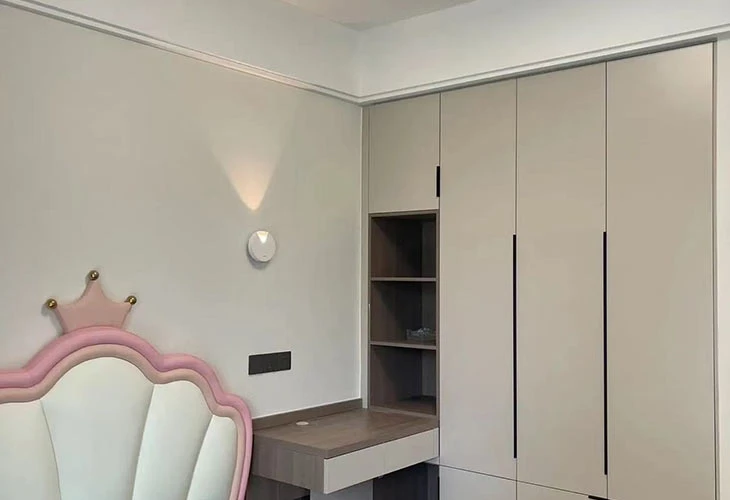
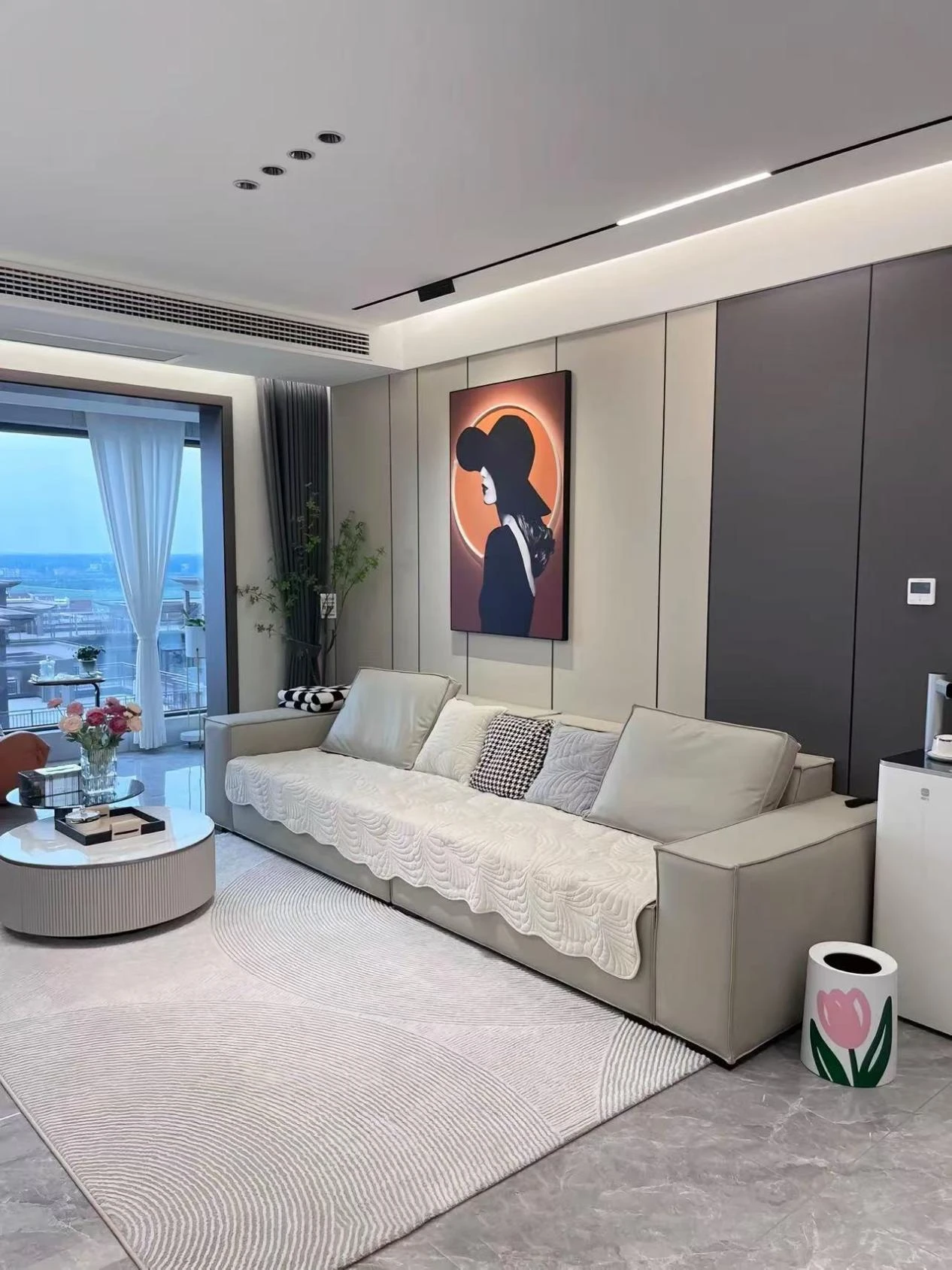
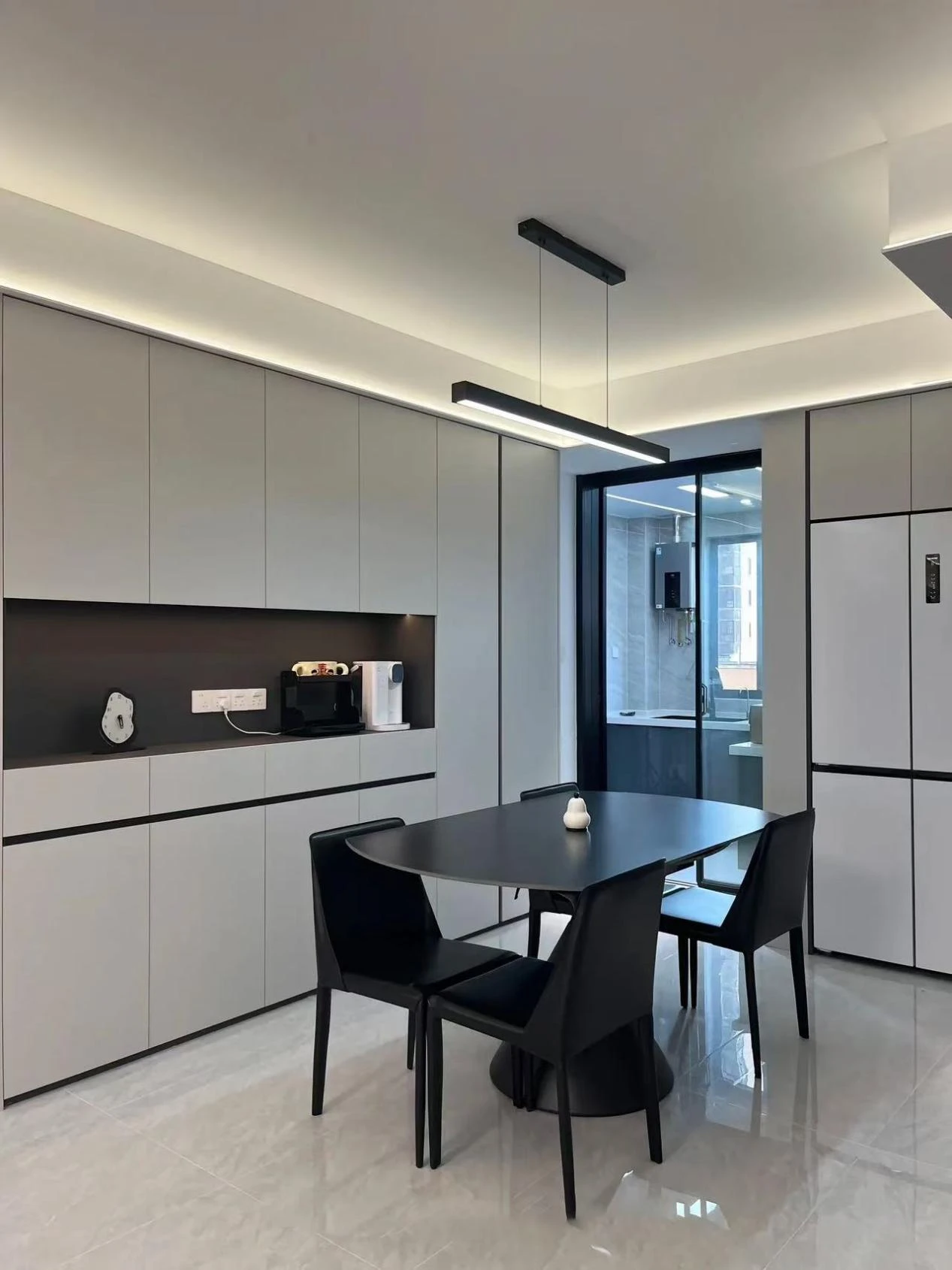
6 mm MDF boards are everywhere—but some places make more extensive use than others. In developed markets like Europe and North America, these boards are common in bespoke furniture and interior furnishings, prized for their consistent texture and easy finishing.
Oddly enough, emerging economies are seeing a rapid uptick in MDF consumption for affordable housing and modular furniture production. For example, in Southeast Asia, manufacturers combine 6 mm mdf board price affordability with local craftsmanship to meet growing urbanization demands.
In post-disaster reconstruction projects, lightweight yet sturdy MDF panels can be vital for temporary shelters or partitions. Some NGOs even use treated MDF as quick-deploy wall systems due to its ease of transport and assembly.
Vendor Comparison: Leading MDF Board Suppliers
| Vendor |
Price per m² (approx.) |
Thickness Options |
Eco Certifications |
Lead Time |
| Tengfei MDF Co. |
$7.50 |
3mm – 25mm |
FSC, CARB Phase 2 |
2 weeks |
| Global Wood Products |
$8.20 |
4mm – 30mm |
PEFC |
3 weeks |
| EcoPanel Makers |
$7.80 |
3mm – 18mm |
CARB Phase 2, GreenGuard |
1.5 weeks |
Advantages and Long-Term Value of MDF Boards
Why do many designers and builders opt for 6 mm MDF panels? The reasons go beyond price:
- Cost Effectiveness: Compared to solid wood, MDF offers similar appearance possibilities at a fraction of the cost.
- Versatility: It takes paint, veneer, and laminate easily, catering to aesthetic demands.
- Environmental Benefits: Utilizes recycled fibers and reduces wood waste.
- Consistency: Uniform density means fewer surprises when cutting or shaping.
- Reliability: Well-produced panels resist warping better than many alternatives.
On an emotional level, choosing MDF can embody a company's sustainability commitment or designer's pursuit of innovation within budget constraints — which frankly makes a difference when pitching clients or planning projects.
Emerging Trends & Innovations in MDF Manufacturing
The MDF industry is shrugging off old stereotypes of 'cheap, weak wood products.' Innovations like low-formaldehyde resins, automated precision pressing, and even hybrid boards—including recycled agricultural fibers—are shaking things up.
There’s also a growing trend toward digital customization: CNC-cut MDF panels tailored to architectural designs reducing waste and speeding up installation. And lest we forget sustainability buzzwords: many firms now pursue 100% renewable energy in production, impacting the 6 mm mdf board price but improving long-term ecological footprints.
Challenges and Solutions in Pricing & Usage
Still, it’s not all sunshine. MDF’s vulnerability to moisture means untreated boards can swell or degrade in humid environments. This requires more robust surface finishes or additives, adding cost.
Logistics remain tricky, especially for exporters dealing with customs delays that unpredictably spike shipping fees—and thus prices. Some suppliers now offer local warehousing or just-in-time delivery models to smooth these issues.
Finally, balancing affordability with greener production requires ongoing innovation, policy advocacy, and consumer education to drive demand for responsibly made MDF—because frankly, that’s what will stabilize 6 mm mdf board price in the future.
FAQ: Your Questions About 6 mm MDF Board Price Answered
- Q1: What affects the 6 mm MDF board price most significantly?
- A1: Raw wood fiber costs and resin prices have the biggest impact. Energy prices and transportation logistics also play major roles, especially for imported boards.
- Q2: Can I use 6 mm MDF for outdoor projects?
- A2: Generally, 6 mm MDF is not ideal for outdoor use unless specially treated for moisture resistance. Otherwise, it may warp or degrade quickly.
- Q3: How does the thickness influence MDF pricing?
- A3: Thicker panels require more raw materials and energy, increasing price. Many suppliers offer thinner options (like 3-5mm) cheaper, but trade-off strength.
- Q4: Are eco-certified MDF boards more expensive?
- A4: Often yes, due to additional sustainable sourcing and production measures. But the price premium supports healthier environments and safer indoor air quality.
- Q5: Where can I compare current 6 mm MDF board prices online?
- A5: Industry suppliers like Tengfei MDF Co. regularly update pricing, and market places track averages. Try this resource for competitive quotes.
Conclusion: Why Keeping an Eye on 6 mm MDF Board Price Pays Off
In the end, 6 mm mdf board price is a mirror reflecting broader economic patterns, technological progress, and environmental priorities. Whether you’re a craftsman, architect, or project manager, understanding its nuances helps you plan better, innovate smarter, and act more sustainably.
So next time you consider MDF panels for your project, remember – it’s not just about buying wood sheet; it’s about tapping into a whole ecosystem of factors that impact cost, quality, and planet health. Curious to learn more? Visit our website: https://www.tengfeiebmdf.com for the latest insights and offers.
References:
- Food and Agriculture Organization of the United Nations (FAO). “Global wood production trends.” FAO Forestry Statistics, 2023.
- International Organization for Standardization (ISO). “Environmental standards for wood-based panels.” ISO 16894.
- US Environmental Protection Agency (EPA). “Formaldehyde emission standards for composite wood products,” EPA Formaldehyde Emission Standards.