Understanding MDF Board 4x8 Price: Why It Matters Globally
Medium Density Fiberboard, or MDF, might sound like just another wood product, but the mdf board 4x8 price is actually a pivotal metric in industries worldwide. Why? Because this standard size—4 feet by 8 feet—represents one of the most common dimensions for MDF sheets used across numerous industries, ranging from furniture making to construction and packaging.
Understanding this commodity's price dynamics can illuminate not just material costs, but also broader economic and manufacturing trends, especially when raw materials become scarce or transportation costs fluctuate globally. Frankly, tracking MDF board prices can hint at shifts in supply chains, tariff impacts, or emerging sustainable alternatives in wood products.
Mini takeaway: The mdf board 4x8 price is more than a number—it's a window into global manufacturing and supply chain health.
Global Context: Why the MDF Board 4x8 Price Is a Barometer for Industry
If you glance at reports from agencies like the International Wood Products Association or even global economic bodies such as the World Bank, you'll see how materials like MDF correlate closely with manufacturing output and housing developments. According to recent trade data, wood product prices have seen notable volatility due to pandemic-related shipping slowdowns and rising raw material costs.
For instance, with housing starts in countries like the United States and China rebounding post-pandemic, demand for MDF sheets has surged, affecting the average mdf board 4x8 price. This introduces affordability challenges for small manufacturers and remodelers alike—often the first to feel raw material price hikes.
Oddly enough, even environmental policies have pushed prices up; many countries have tightened forestry regulations, making wood fiber more expensive and prompting producers to refine production techniques for sustainability—adding costs, but hopefully lessening ecological impact.
Mini takeaway: The 4x8 MDF board price reflects a mix of market demands, regulation, and supply chain complexity worldwide.
What Exactly Is “MDF Board 4x8 Price”?
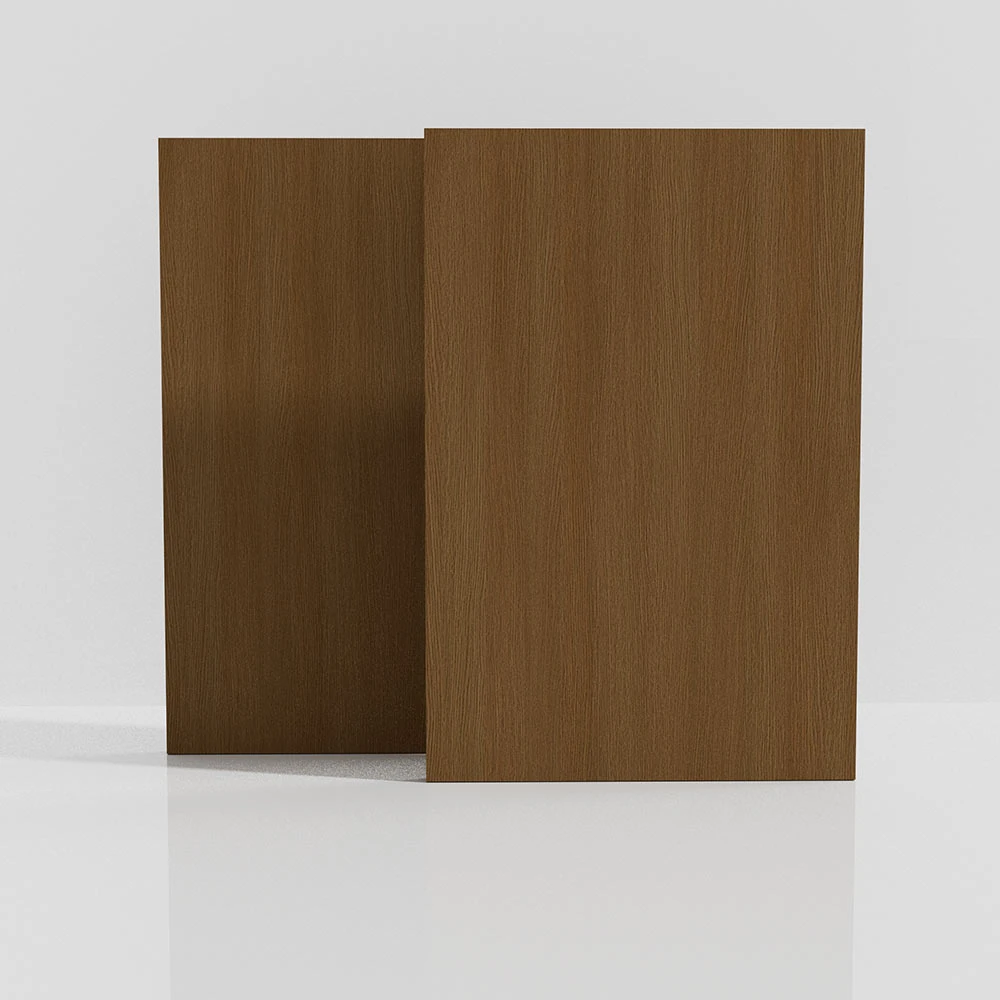
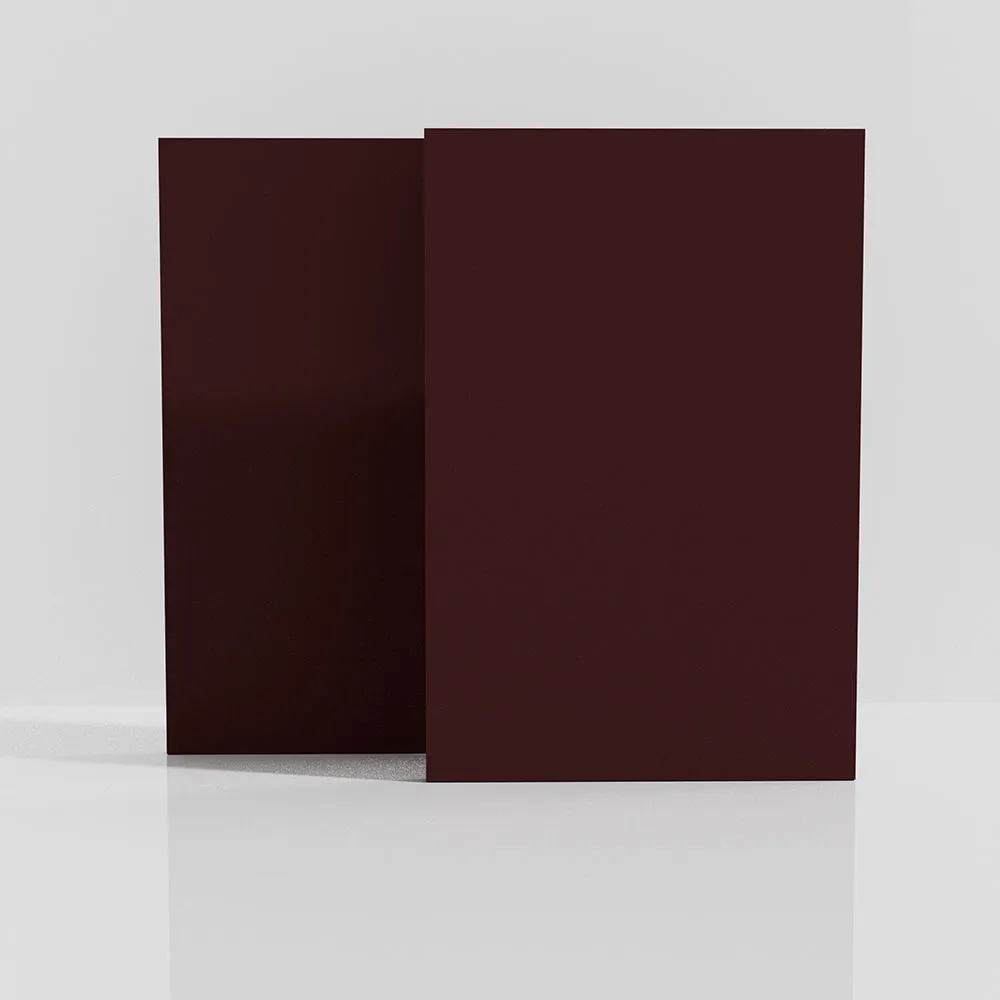
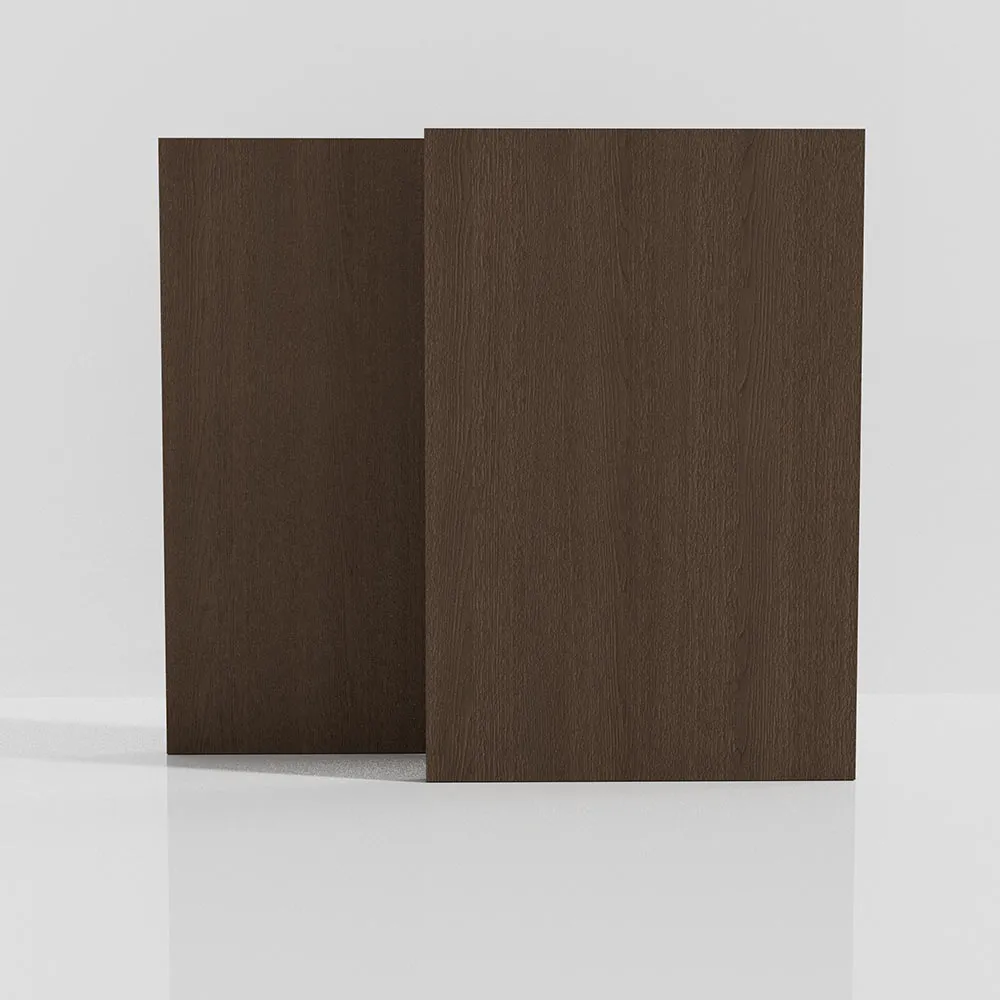
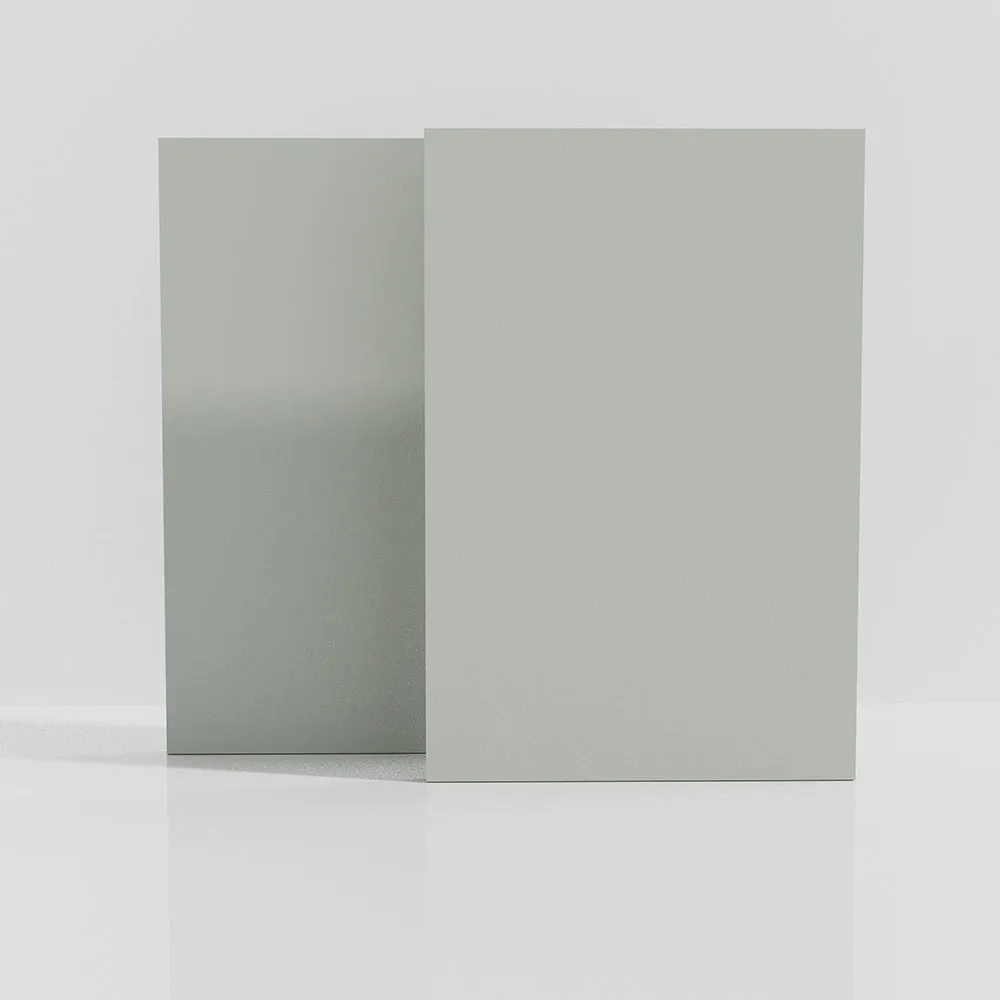
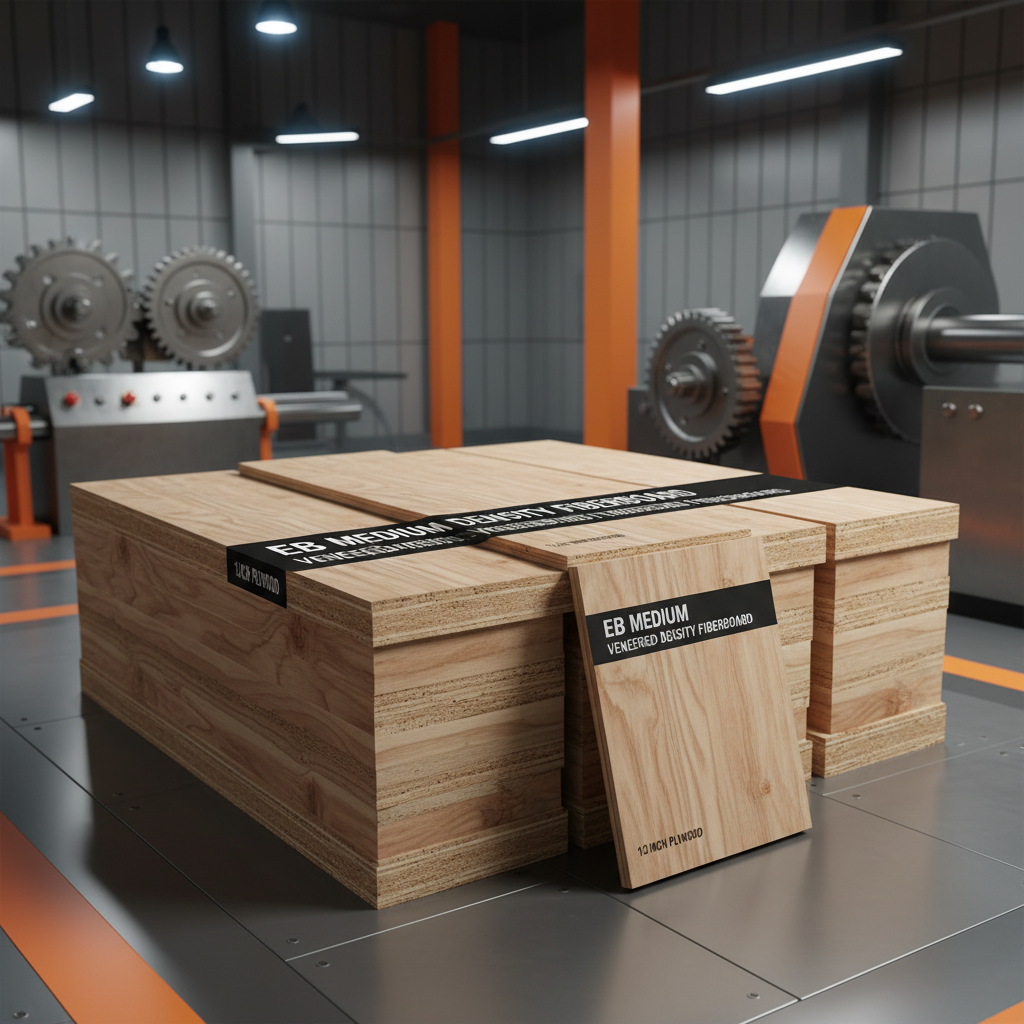
At its core, the mdf board 4x8 price refers to the cost of purchasing a sheet of medium density fiberboard that measures exactly 4 feet wide and 8 feet long. MDF itself is a man-made engineered wood product created by breaking down hardwood or softwood residuals into wood fibers and bonding them with resin under heat and pressure.
These standardized 4x8 sheets are favored in modern manufacturing because they offer a uniform density, smooth surface, and are easier to machine than plywood or particleboard. They’re crucial for building furniture, cabinetry, and even decorative wall panels. Given their consistent size, the price per sheet is a commonly referenced figure in purchasing decisions.
This price is important not only for industry players but also for humanitarian organizations that frequently use MDF for quick, temporary housing needs or disaster relief infrastructure, where cost-effectiveness and durability matter deeply.
Mini takeaway: “MDF board 4x8 price” specifically denotes the cost of a standard-size engineered wood panel used heavily worldwide.
Key Factors Influencing MDF Board Price
1. Material Quality & Density
The density of MDF boards (commonly ranging from 600 to 800 kg/m³) affects durability and finish quality, directly influencing the price. Higher-density boards cost more but provide better machining and smoother surfaces.
2. Resin and Adhesives Used
The type of resin—whether formaldehyde-based or newer low-emission alternatives—can greatly change cost structures due to raw material price and compliance with environmental standards like CARB or E0 grades.
3. Thickness & Size
While 4x8 sheet size is standard, thickness varies (usually from 1/4” to 1”), impacting price. Thicker boards consume more material and sometimes require specialized handling.
4. Production Location & Logistics
The country of manufacture plays a role since labor costs, regulatory guidelines, and shipping logistics directly influence end prices delivered to customers globally.
5. Market Demand & Supply Constraints
Seasonal demand in construction or manufacturing, raw material shortages, and global supply chain bottlenecks cause fluctuations in MDF board 4x8 price.
Mini takeaway: MDF board pricing hinges on a blend of quality, environmental compliance, manufacturing, and market forces.
| Specification |
Details |
| Standard Size |
4 ft x 8 ft (1220 mm x 2440 mm) |
| Thickness Range |
6 mm – 25 mm (1/4” – 1”) |
| Density |
600 – 800 kg/m³ |
| Common Resin Types |
Urea-formaldehyde, MDI, Phenol-formaldehyde |
| Eco-Certifications |
CARB Phase 2, FSC available |
Comparing Popular MDF Board Suppliers on 4x8 Pricing
| Supplier |
Country |
Average 4x8 MDF Price (USD) |
Certifications |
Strengths |
| Tengfei MDF |
China |
$24 – $30 |
CARB Phase 2, FSC |
Affordable, eco-friendly production |
| MDF USA |
USA |
$35 – $42 |
CARB Phase 2 |
High quality, reliable supply |
| EuroMDF |
Germany |
$40 – $50 |
FSC, PEFC |
Premium quality, sustainable sourcing |
Global Applications and Real-World Use Cases
MDF boards in the 4x8 size find themselves everywhere—from the sleek furniture in your living room to kitchen cabinetry, exhibition stands, and even in shipping container retrofits. In regions recovering from natural disasters, NGOs have used MDF to quickly fabricate temporary shelters that are both cost-effective and easy to transport. Oddly enough, it’s not just residential spaces; industrial zones use MDF panels as lightweight partitions or sound insulation.
Countries like India and Brazil, where rapid urbanization demands quick, economical building materials, benefit widely from the accessible price points of standardized MDF sheets. The flexibility of MDF allows artisans and manufacturers to innovate without breaking the bank.
Mini takeaway: 4x8 MDF boards bridge needs across continents—whether in affluent cities or emerging economies.
Advantages & Long-Term Value of MDF Boards
- Cost-effectiveness: MDF often costs less than plywood but provides a comparably smooth finish for painting or laminating.
- Consistency in quality: Unlike natural wood, MDF has uniform density and composition for consistent machining and finishing.
- Sustainability potential: Many producers now source from managed forests and use low-formaldehyde resins, making it more environmentally friendly.
- Emotional impact: For users—from home builders to disaster relief agencies—the material represents reliability, safety, and innovation in building practices.
Emerging Trends & Innovations
We’re seeing rapid advancement on eco-friendly MDF, like boards manufactured with bio-based adhesives or recycled fibers. Digital cutting and CNC machining tailored to standard 4x8 sheets improve precision and reduce waste, frankly changing how craftsmen and manufacturers think about production.
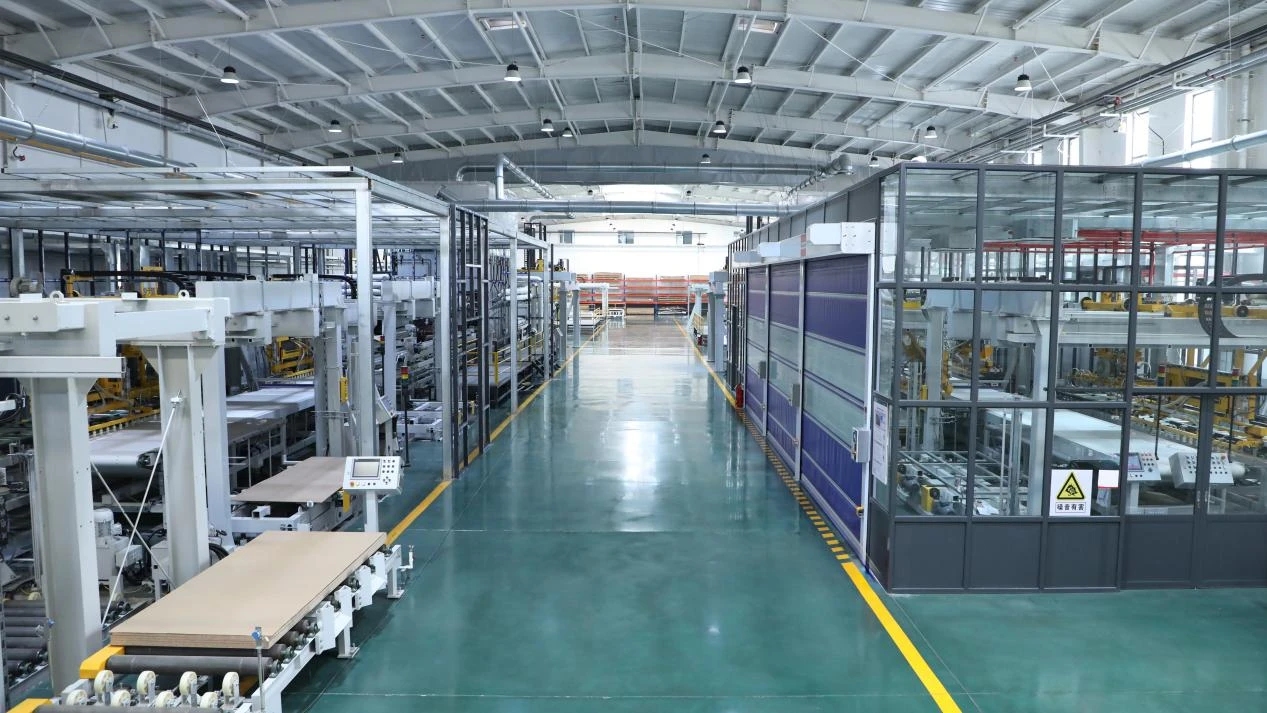
Automation in factories, coupled with strict ISO-certified sustainability protocols (ISO 14001), suggests future pricing may stabilize as efficiency grows. Meanwhile, new formulations to resist moisture or improve fire resistance could shift the current pricing models.
Challenges and Solutions in MDF Pricing & Usage
The main challenge remains raw material price volatility—wood fiber costs fluctuate due to climate change impacts and logging limits. Formaldehyde emission regulations also impose costs. To combat these, suppliers are investing in alternative raw materials, like agricultural residues, and adopting greener resins.
Transportation costs, especially for heavy sheets, also affect mdf board 4x8 price. Many companies optimize logistics by localizing production or employing just-in-time delivery to keep costs in check.
FAQ: Your MDF Board 4x8 Price Questions Answered
- What affects the price of a 4x8 MDF board the most?
- The primary factors are wood fiber cost, resin type, manufacturing location, and compliance with environmental certifications. Shipping and demand fluctuations also play a significant role.
- Is MDF durable enough for furniture making?
- Yes, especially higher-density MDF is favored for furniture due to its smooth finish and machinability. However, it’s less moisture-resistant than plywood, so surface treatment is advised.
- How can I find affordable MDF boards without compromising on quality?
- Look for suppliers with consistent quality certifications like CARB Phase 2 and FSC, and consider bulk purchasing or direct imports from reputable manufacturers such as mdf board 4x8 price vendors.
- Are there eco-friendly MDF options available?
- Definitely. Many modern MDF boards use low-emission resins and sustainably sourced fibers. Certifications like FSC and CARB Phase 2 ensure lower environmental impact.
Conclusion: Why Tracking MDF Board 4x8 Price Makes a Difference
At the end of the day, the mdf board 4x8 price is more than just an industrial figure. It’s a pulse check on industries that rely on engineered wood worldwide—affecting everything from your next custom cabinet to emergency housing projects miles away. Staying informed empowers buyers, builders, and manufacturers to make smart, sustainable, and cost-efficient decisions.
If you want to dive deeper into pricing trends or source reliable MDF sheets, do yourself a favor and visit mdf board 4x8 price. It’s a great resource for current market insights and product offerings.
Here’s to building smarter and greener, one sheet at a time.
– A reflection from someone who's handled MDF sourcing firsthand.
References
- ISO 16895-1:2017 - Wood-based panels
- Wikipedia on Medium-density fiberboard
- Wood Database: Global Material Trends