The Ins and Outs of MDF Board 18mm Price: What You Really Need to Know
If you’ve ever wandered through woodworking aisles or hopped online searching for durable building materials, mdf board 18mm price likely caught your eye. But it’s more than just a number on a price tag—it’s a key factor driving furniture manufacturing, construction, and even eco-friendly initiatives worldwide. Understanding it helps manufacturers control costs, distributors plan inventory, and buyers—well, get what they need without surprises.
Why the price of 18mm MDF matters globally
Medium-Density Fiberboard (MDF) is a staple in many industries, from cabinetry to interior paneling. The 18mm thickness strikes a sweet spot—sturdy enough to build solid structures but not too heavy or costly. Globally, the demand for affordable, consistent MDF is growing exponentially. According to the ISO's wood-based panels standards, uniformity in quality and pricing affects international trade value significantly.
However, the fluctuations in mdf board 18mm price pose challenges for mass producers and DIY enthusiasts alike. Raw material costs, transport logistics, and environmental regulations all factor into these dynamics, making it a vital piece of the puzzle in managing supply chains worldwide.
Defining MDF board 18mm price — what is it exactly?
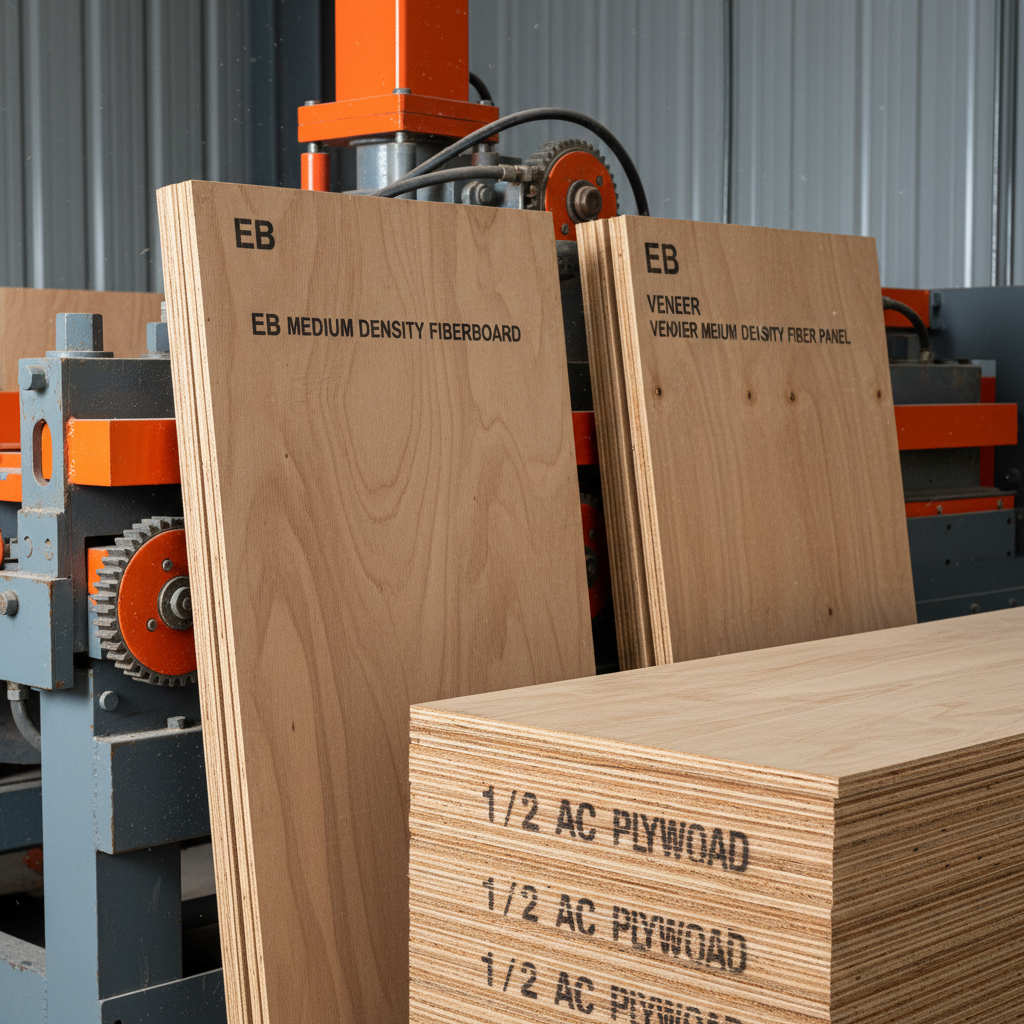
Simply put, the “mdf board 18mm price” refers to the cost per unit (usually per sheet or square meter) of medium-density fiberboard that is 18 millimeters thick. MDF itself is made by breaking down hardwood or softwood residuals into fibers, mixing them with wax and resin, then pressing them into panels under high temperature and pressure.
Why 18mm? It’s a standard thickness favored for its balance between weight, strength, and workability. From an industry perspective, this thickness offers a durable substrate for furniture, wall linings, and even soundproofing applications.
Key factors influencing mdf board 18mm price
1. Raw Material Quality and Supply Chain
The quality of wood fibers and resin ratios affect production cost. Regions with sustainable forestry programs tend to offer more stable pricing thanks to regulated supplies.
2. Manufacturing Process and Scale
Automation and energy-efficient processes can reduce costs, while smaller-scale producers may have higher prices reflecting labor and lower volumes.
3. Transportation and Logistics
Given MDF’s bulk and weight, shipping costs can dramatically impact final prices, especially for international buyers.
4. Environmental Regulations
Increasingly strict emissions and formaldehyde limits influence production techniques and thus costs.
5. Market Demand & Seasonal Fluctuations
Construction booms, particularly in emerging economies, push prices upward. Conversely, downturns lead to price drops or stagnation.
Typical MDF Board 18mm Specifications
| Specification |
Detail |
| Thickness |
18 mm (±0.2 mm) |
| Density |
650 - 750 kg/m³ |
| Formaldehyde Emission |
E1 Grade (≤ 0.124 mg/m³) |
| Surface Finish |
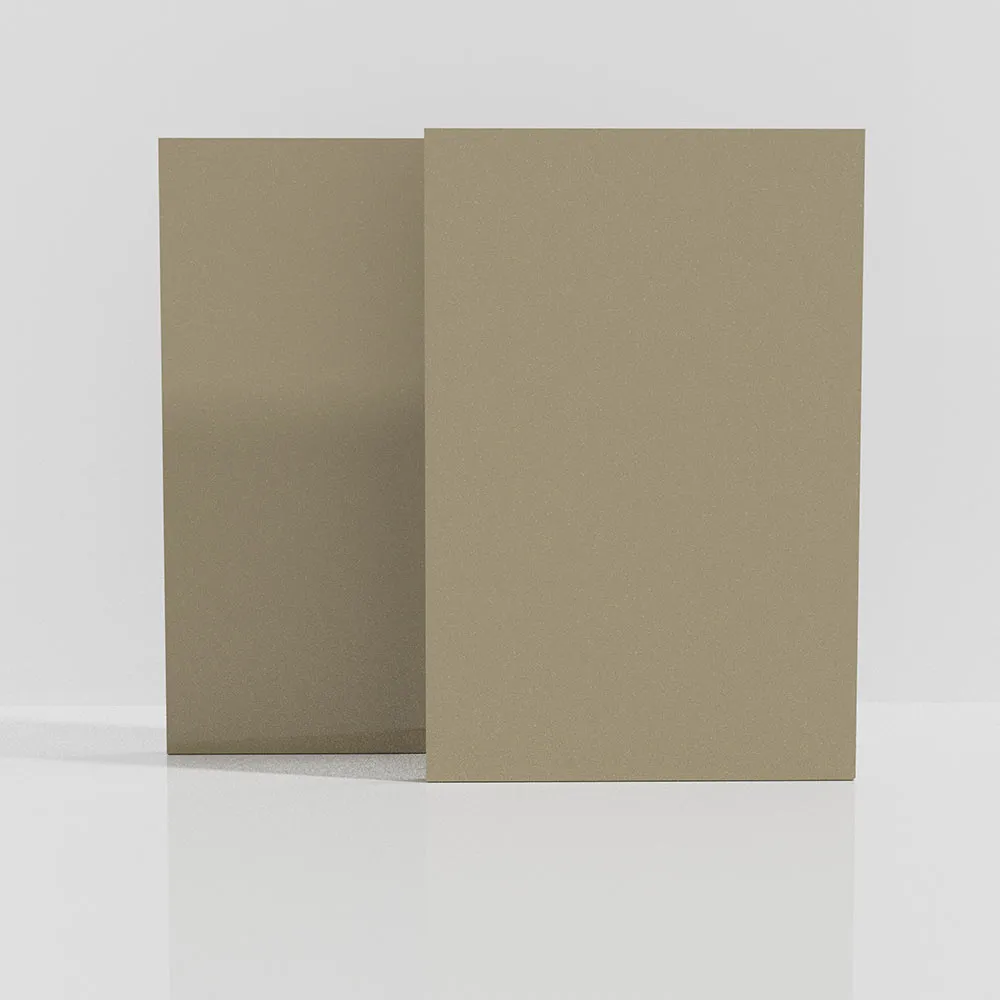
Smooth, ready for lamination/painting |
| Size |
2440 x 1220 mm standard sheet |
Global applications & use cases
From sprawling furniture factories in Asia to artisan woodworkers in Europe, 18mm MDF boards play a quiet but essential role. Oddly enough, they also find use in humanitarian contexts—take refugee shelters or temporary housing programs where lightweight, strong materials are prized.
- Furniture Manufacturing: Cabinets, shelves, and desk panels commonly utilize this size for stability and ease of finish.
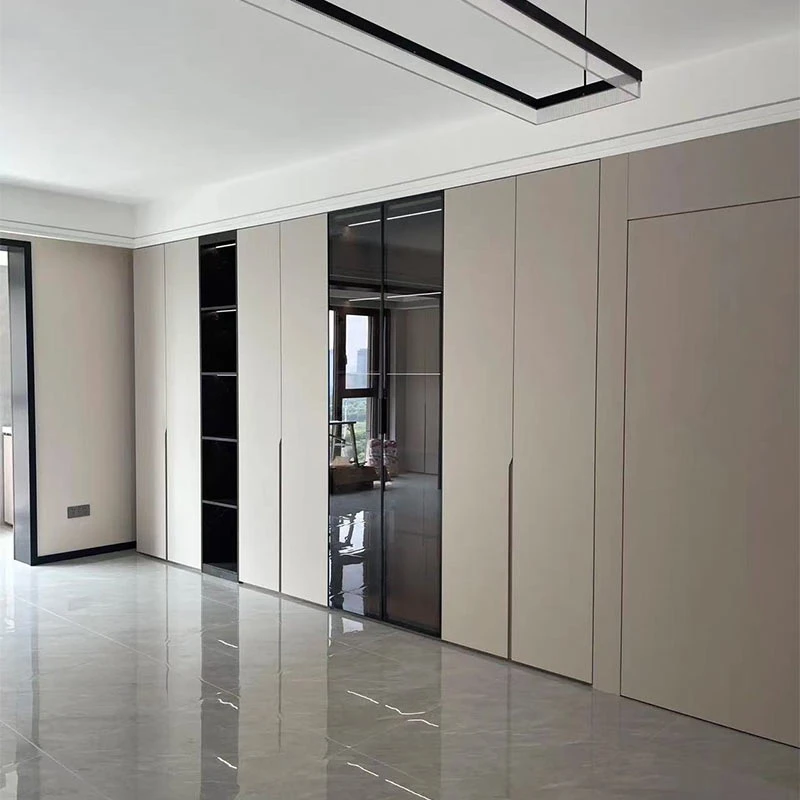
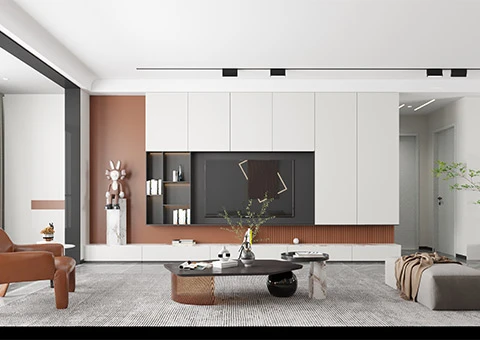
- Interior Design: Wall panelling and acoustic treatments benefit from its smooth surface and consistent thickness.
- Construction: Subflooring and partition walls where affordable, uniform material is necessary.
- Disaster Relief & Temporary Structures: NGOs sometimes use MDF panels for quick-to-install, sturdy walls.
Advantages and long-term value
Controlling and understanding the mdf board 18mm price translates directly to saving money without sacrificing quality. It supports sustainable forest management when producers source responsibly and keep emissions low. For buyers, an informed price allows for better budget planning and innovation investment. There's also something reassuring about seeing consistent pricing amid volatile markets—it builds trust with suppliers and consumers alike.
Future trends & innovations
Green innovations are shaking up the industry. Bio-based resins and lower formaldehyde emulsions are becoming more common as regulations tighten globally. Digital manufacturing techniques, like CNC cutting and automated finishing, are trimming labor costs, indirectly affecting prices.
Challenges & solutions
Cost volatility is a major headache. Raw material shortages, rising energy prices, and supply chain disruptions often hit prices hard. Quality inconsistencies among suppliers can mislead buyers who chase “cheap” offers but end up with subpar materials.
The solution? Greater transparency, certifications, and vendor auditing. Many industry specialists are calling for blockchain traceability or at least more rigorous third-party inspection to ensure price matches value.
Comparison of Leading MDF Board 18mm Vendors
| Vendor |
Average Price (per sheet) |
Quality Certification |
Shipping Region |
Eco-friendly Grade |
| Tengfei MDF |
$18.50 |
ISO 9001, E1 |
Global (focus Asia, Europe) |
Certified Low Emission |
| EcoWood Panels |
$20.75 |
FSC, CARB2 |
North America, Europe |
Ultra Low Emission Plus |
| Global Panels Co. |
$17.90 |
ISO 14001 |
Worldwide |
Standard Emission |
FAQ: Frequently Asked Questions About mdf board 18mm price
What makes the pricing fluctuate so frequently?
Pricing fluctuations come from raw material availability, shipping costs, energy price changes, and overall demand in construction and furniture industries. It’s a balancing act influenced by global economics.
Is 18mm thickness suitable for heavy-duty applications?
Yes, the 18mm MDF offers a good balance between strength and flexibility, ideal for shelving and cabinetry that need to bear moderate loads.
Where can I find the best prices without compromising quality?
Look for vendors with solid certifications and transparent sourcing practices, such as mdf board 18mm price listings. Sampling before orders is essential.
Are there sustainable MDF options with comparable prices?
Sustainable MDF typically costs a bit more due to eco-friendly resins and wood sourcing. However, prices are becoming competitive as the market evolves.
How do transport logistics impact MDF prices in remote areas?
Shipping bulky MDF boards raises costs, especially for locations far from ports or manufacturing centers, sometimes adding 10-20% to the base price.
Conclusion and Call to Action
Keeping a finger on the pulse of the mdf board 18mm price equips stakeholders with the knowledge to blend affordability, quality, and sustainability. It’s not just a line on a bill—it’s a connection between raw materials, manufacturing sophistication, and end-use value.
For those keen to explore competitive pricing and reliable sourcing, consider visiting https://www.tengfeiebmdf.com. A smart start to sourcing quality MDF at thoughtful prices.
Oddly enough, it feels good to know that paying attention to something as simple as a board’s price can ripple out into bigger, smarter decisions for industries and individuals around the globe.