MDF Board 18 mm Price: Understanding Its Global Impact and Industrial Value
Medium Density Fibreboard, better known to the woodworking and construction world as MDF, is a staple material. Now, when we talk about the mdf board 18 mm price, we’re not just looking at numbers but a bigger picture: how a consistent, affordable, and quality material like 18 mm MDF influences industries worldwide – from furniture manufacturing to building innovations. Why does this matter? Well, it’s about balancing cost, durability, availability, and sustainability, which are critical factors for businesses and environmental standards globally.
Global Context of MDF Board 18 mm Pricing
Globally, the demand for engineered wood products like MDF has soared. According to the Food and Agriculture Organization (FAO) of the UN, the wood panels market is expected to grow steadily, driven largely by urbanization and housing needs in emerging economies. But those price movements of 18 mm MDF boards can make or break projects since they are often chosen for their cost-efficiency and versatility.
For industries, sharp fluctuations in MDF costs complicate budgeting, sometimes forcing suppliers and manufacturers to switch materials. The mdf board 18 mm price is thus a critical index in market stability for wood products. Oddly enough, the price is also indirectly linked to global fiber supply chains and environmental policies affecting wood harvesting and recycling norms.
What Exactly is MDF Board 18 mm Price?
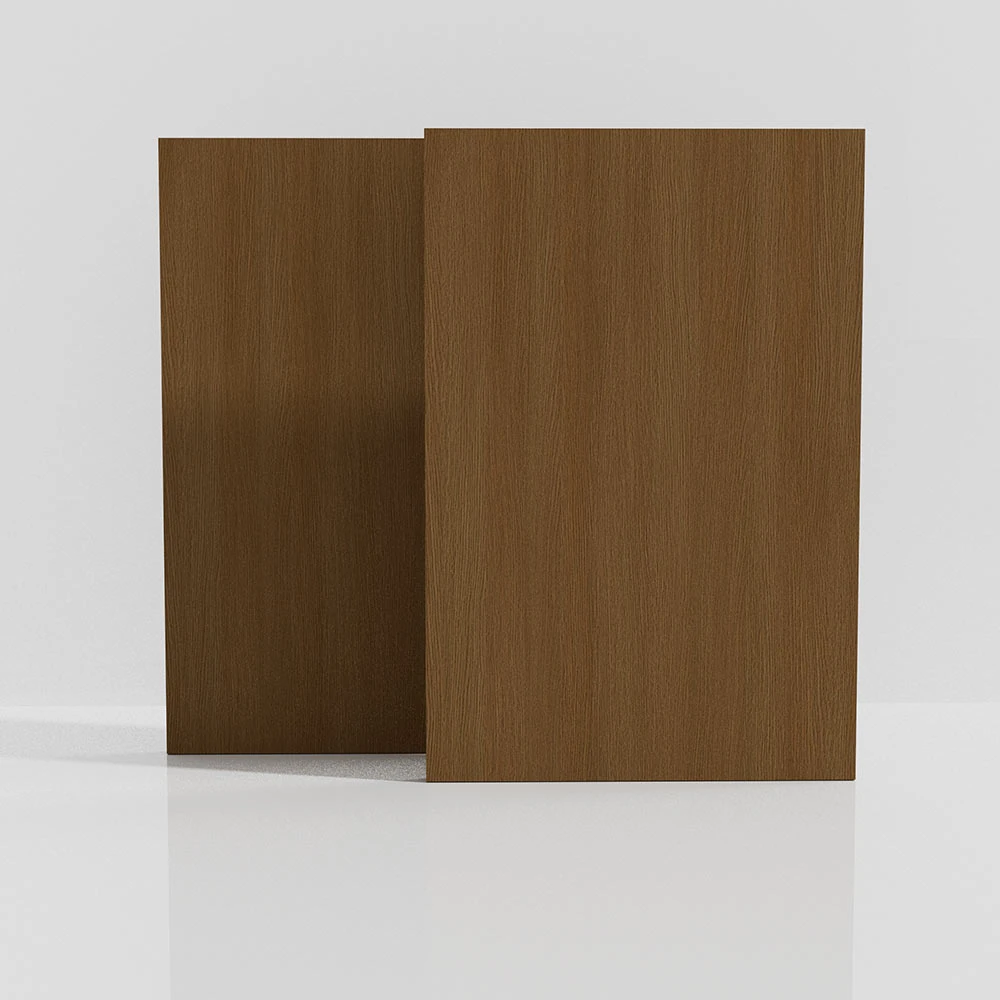
Simply put, MDF is an engineered wood made by breaking down hardwood or softwood residuals into fibers and bonding them with wax and resin under high pressure and heat. A thickness of 18 mm is quite popular since it strikes a balance—sturdy enough for furniture, cabinetry, and wall paneling but still workable.
The “price” refers to the cost per sheet or per square meter at this standard thickness, which depends on factors such as raw material quality, manufacturing processes, shipping distance, and local taxes or tariffs. It connects deeply with industries aiming for affordable yet dependable building materials—think of humanitarian shelters or modular furniture in developing markets.
Core Aspects Influencing MDF Board Pricing
1. Durability and Quality
18 mm MDF boards offer consistent density and a smooth surface, making them ideal for painting or laminating. Their resistance to warping and splitting affects their market price, as higher quality means longer-lasting products.
2. Cost Efficiency
Compared to solid wood, MDF is more affordable and utilizes leftover wood materials, making the price attractive for mass production. However, transport costs can add up, especially in regions far from manufacturing hubs.
3. Environmental Impact
Many suppliers now prioritize sustainable forestry and eco-friendly adhesives, which may raise the mdf board 18 mm price slightly but support global sustainability goals like those outlined by ISO 14001 standards.
4. Availability and Supply Chain
Global supply disruptions—say, due to political unrest or pandemic restrictions—can heighten MDF board costs. Local production reduces this risk but isn’t always viable everywhere.
5. Customization and Finish
Boards can be pre-finished, veneered, or cut to size, affecting the final price. The 18 mm thickness is often a default specification for these options.
Product Specifications at a Glance
| Specification |
Details |
| Thickness |
18 mm |
| Density |
Around 700-800 kg/m³ |
| Surface Finish |
Smooth, ready for laminates/paint |
| Standard Sheet Size |
2440 x 1220 mm (8' x 4') |
| Moisture Resistance |
Medium (special treatments available) |
Global Usage & Real-World Scenarios
- Furniture manufacturing: Affordable, uniform surface for cabinetry and shelving panels in North America and Europe.
- Construction: Interior partition walls and ceiling panels using 18 mm MDF for cost-effective housing solutions in Asia-Pacific regions.
- Humanitarian aid: Used by NGOs for quick modular structures and temporary housing where budgets are tight but quality can’t be compromised.
In remote industrial zones — say, mining camps in Africa — the balance between price and durability leads many operators to select 18 mm MDF boards for their on-site infrastructure. It’s fascinating how a seemingly simple price point like the mdf board 18 mm price reflects such a broad influence.
Advantages & Long-Term Perspective
Choosing MDF at the 18 mm rate appeals for several reasons:
- Cost savings: Lesser raw material waste and mass production lower procurement expenses.
- Sustainability: Often manufactured from recycled wood fibers, reducing deforestation.
- Consistent performance: Uniform density means less material failure and easier machining.
- Emotional value: For builders and users alike, it provides a sense of reliability and trust — that the furniture or shelter won’t just fall apart.
So, it's not just the price itself but what it stands for: accessibility, innovation, and practical sustainability.
Emerging Trends and Innovations
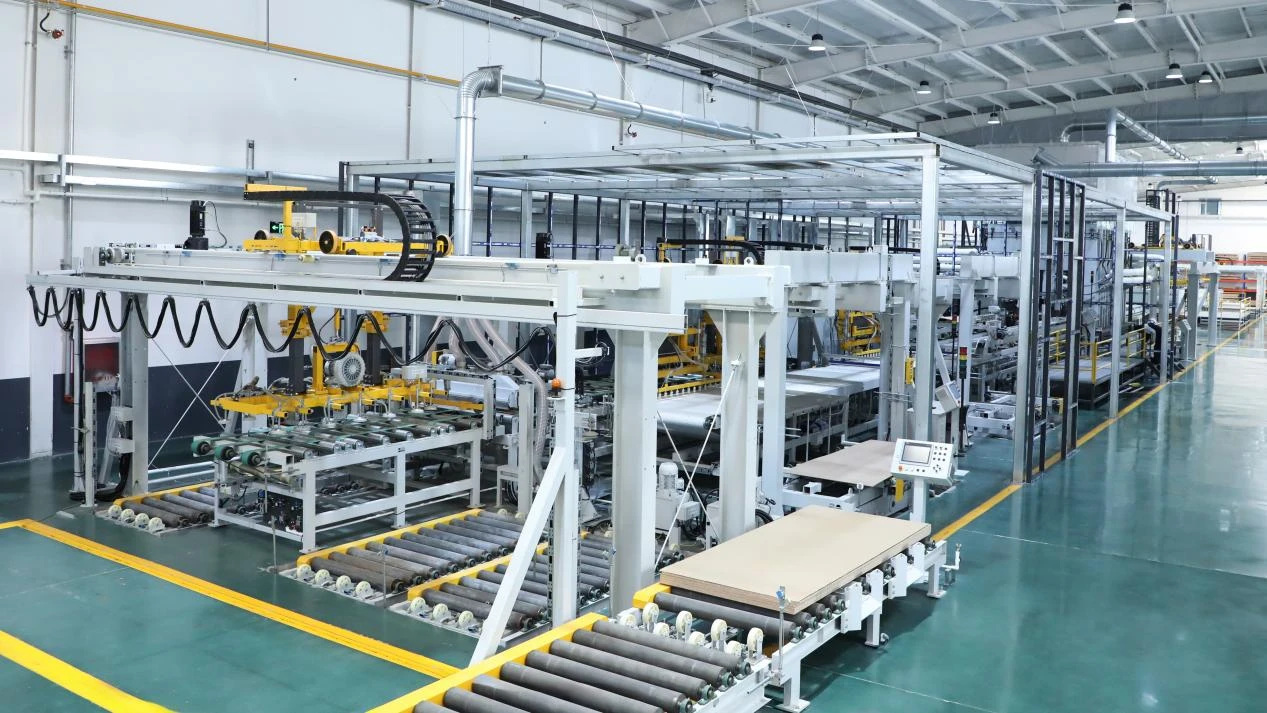
The MDF industry is gradually integrating greener adhesives (e.g., formaldehyde-free resins) and advanced manufacturing automation to improve consistency and environmental impact. Digitally controlled production lines allow customization of 18 mm sheets, reducing waste and improving turnaround.
Moreover, in line with ISO 50001 energy management standards, some manufacturers are shifting to renewable energy-powered plants — a subtle but pivotal factor influencing the mdf board 18 mm price in future markets.
Challenges & Practical Solutions
One ongoing issue is moisture sensitivity; untreated MDF can swell or degrade in humid conditions, limiting its use. Innovations like waterproof coatings and hybrid composite materials (MDF fused with plastics or resins) help address this—but they do push prices up.
Supply chain reliability, especially post-pandemic, also remains a concern. Companies with local manufacturing footprints tend to navigate these issues better, offering steadier pricing for 18 mm MDF.
Vendor Comparison: Key Players in MDF Board Pricing
| Vendor |
Base Price per Sheet |
Sustainability Certifications |
Lead Time |
Customization Options |
| Tengfei MDF |
$25 - $28 |
FSC, ISO 14001 |
2 weeks |
Cut-to-size, Pre-laminated |
| WoodTech Supplies |
$22 - $26 |
None |
1 week |
Standard size only |
| GreenBoard Corp. |
$27 - $30 |
FSC, LEED Compliant |
3 weeks |
Eco-friendly finishes |
Frequently Asked Questions About MDF Board 18 mm Price
- What affects the fluctuations in mdf board 18 mm price?
- Material raw costs, supply chain disruptions, environmental regulations, and demand spikes all influence the 18 mm MDF cost. Seasonal lumber availability and transportation fees also play key roles.
- Is 18 mm MDF good for outdoor projects?
- Generally, untreated MDF is not recommended outdoors due to moisture susceptibility. However, specially treated waterproof 18 mm MDF boards can perform reasonably well in semi-external environments.
- How do I compare MDF board prices effectively?
- Look beyond base price—consider certifications, customization options, delivery lead time, and after-sales support to judge the best value.
- Can NGOs use 18 mm MDF for temporary housing?
- Absolutely. It's cost-effective, easy to work with, and widely available. NGOs often select it for its balance between affordability and reasonable durability, especially in post-disaster relief.
Conclusion
In real terms, the mdf board 18 mm price is a window into an industry balancing cost, quality, and sustainability on a global scale. Understanding its nuances helps manufacturers, builders, and NGOs make informed choices that impact their projects’ success and environmental footprint.
If you want the latest competitive prices with guaranteed quality, visit our website: mdf board 18 mm price. It’s worth watching how this simple material continues to shape industries worldwide.
Mini takeaway: While the 18 mm MDF board is just one thickness among many, its pricing encapsulates a complex web of manufacturing prowess, supply chain management, and sustainability initiatives that matter more than ever in today’s market.
References:
- Wikipedia: Medium-density fibreboard
- FAO: Wood Panels Market Overview
- ISO 14001 Environmental Management