Understanding MDF Slat Board: Why It’s Gaining Global Attention
Manufactured wood products have morphed from simple building materials into versatile industrial heroes. Among these, mdf slat board has quietly won a significant place worldwide. Why does this particular engineered wood product matter so much today? Simply put, its blend of durability, cost efficiency, and adaptability helps solve critical challenges in construction, retail fixtures, and even humanitarian relief contexts.
As global urbanization continues to soar and sustainable materials become a priority, understanding what mdf slat board offers is both timely and practical. Whether you're a design professional, a logistics coordinator, or someone curious about green building solutions, it's a topic worth your time.
Mini takeaway: MDF slat boards marry cost, sustainability, and practicality in one package — making them an increasingly popular choice on many continents.
The Global Context: Why MDF Slat Boards Matter Now More Than Ever
According to the United Nations’ 2023 Sustainable Development Goals progress report, global infrastructure demands are growing faster than ever, largely driven by urban population growth and the need for affordable housing. The World Bank estimates around one billion people live in inadequate housing worldwide — a staggering figure that demands efficient, scalable building solutions.
Enter MDF slat boards. These engineered wood panels address not just availability but also cost and ecological impact. Industry data from ISO confirms that wood-based products like medium-density fiberboard (MDF) can significantly reduce carbon footprints compared to traditional lumber, thanks to optimized raw material use and lower transport weights.
That said, the challenge remains: how to make construction materials both affordable and sustainably sourced while maintaining quality? MDF slat boards are emerging as a key response.
Mini takeaway: With billions needing improved shelter, MDF slat boards offer scalable solutions that align with global sustainability and affordability goals.
What Exactly Is MDF Slat Board?
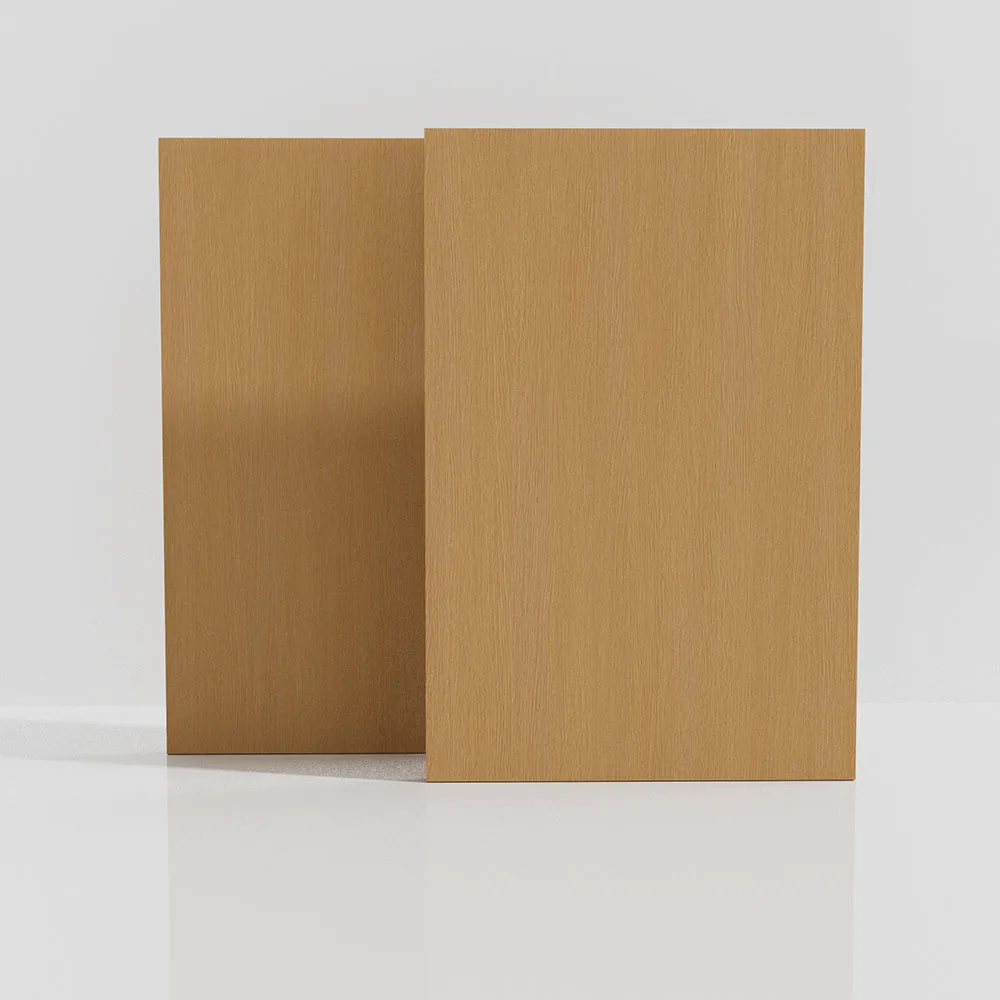
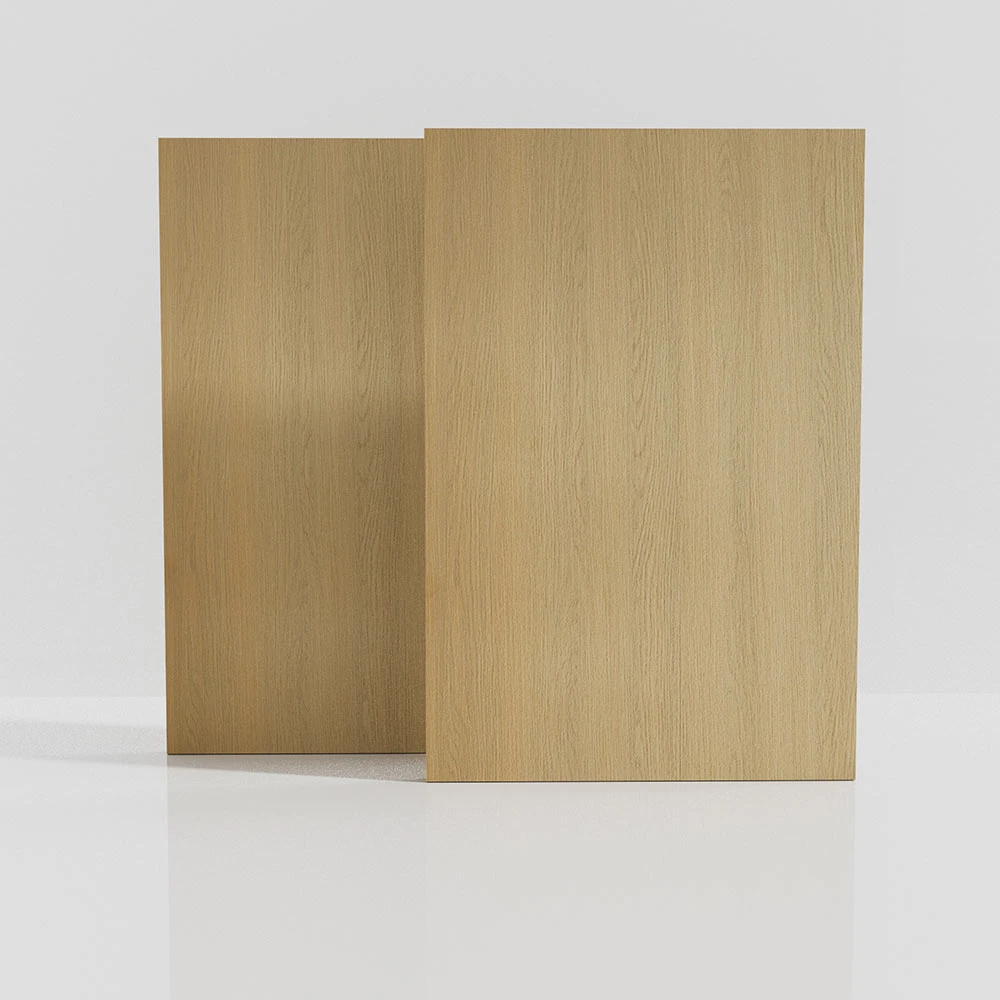
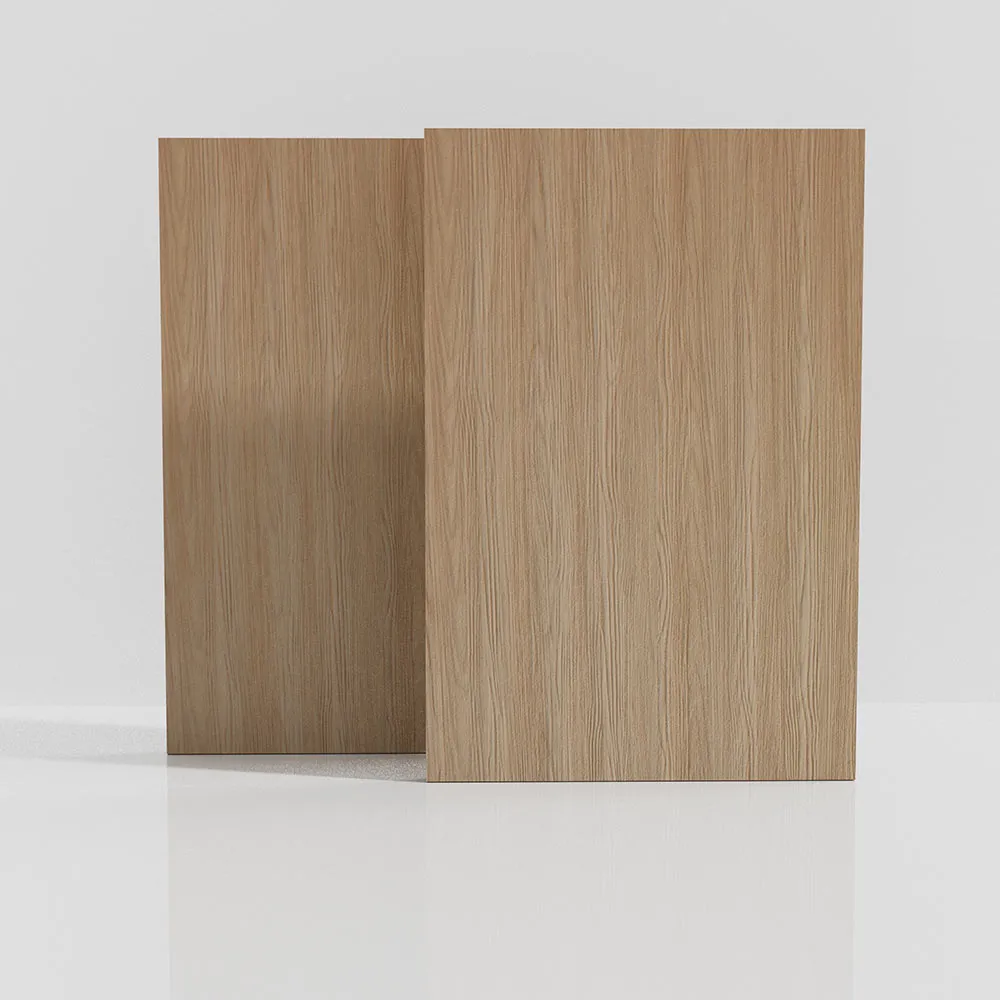
In its essence, an mdf slat board is a panel made from medium-density fiberboard formed into narrow, evenly spaced slats. These slats combine strength, smoothness, and dimensional stability, making them ideal for functional and decorative purposes alike.
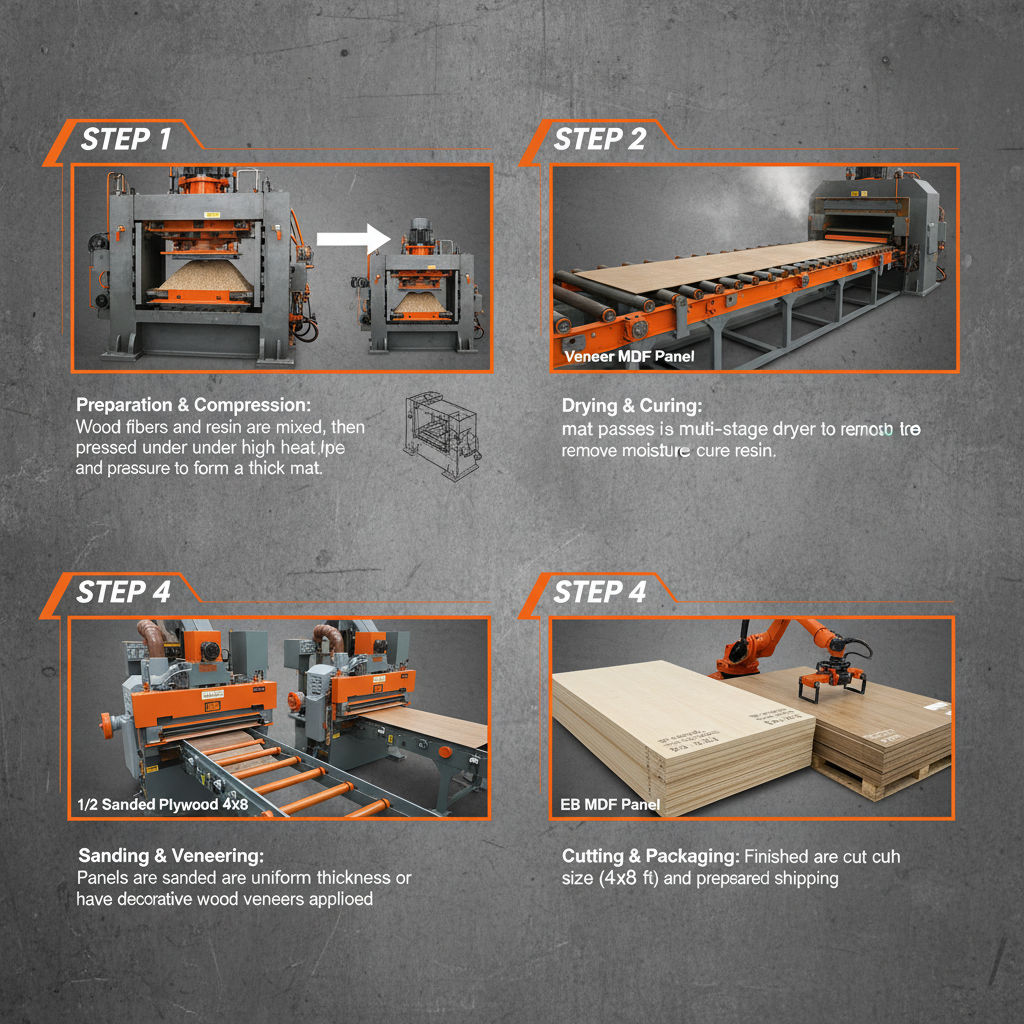
Technically, MDF is produced by breaking down hardwood or softwood residuals into fibers, often in a defibrator, then combining this with wax and resin binders under heat and pressure. When fashioned into slats, the result is a component that's lightweight but sturdy, easy to paint or finish, and resistant to warping.
Modern industries use it in retail shelving, acoustic wall panels, furniture, and even temporary modular housing elements — especially in regions where rapid deployment and durability count.
Mini takeaway: MDF slat boards are engineered wood panels shaped into narrow strips for versatile construction and design applications, balancing finishability with strength.
Core Components of MDF Slat Board Performance
1. Durability
Despite its relatively low density compared to hardwood, MDF slat boards benefit from engineered consistency. This means resistance to cracking or splitting along the slat edges—a plus for environments with repeated mechanical stress.
2. Cost Efficiency
MDF is generally more affordable than solid wood panels, thanks to recycled fiber use and less wasteful manufacturing. Slats further economize material use by focusing strength only where needed.
3. Ease of Customization
Whether painted, veneered, or laminated, MDF slat boards accept surface treatments smoothly, enabling brands or architects to customize designs without breaking budgets.
4. Sustainability
Many MDF producers now source fibers from certified sustainable forestry operations, with formaldehyde emission controls meeting ISO environmental standards, making these slat boards greener than many alternatives.
5. Versatility
From retail displays and cabinetry backings to acoustical paneling, the practical versatility of MDF slat boards spans industries and geographies.
Mini takeaway: Key aspects like cost, durability, and sustainability position MDF slat board as a practical material for diverse global needs.
Global Applications: Real-World Examples of MDF Slat Board Usage
Take retail chains in Europe: MDF slat boards are the backbone of lightweight, modular shelving systems — easy to install, adjust, and replace without costly downtime. In North America, interior designers rely on slat boards for acoustic treatments in commercial spaces, blending function and aesthetics.
In developing regions, humanitarian organizations have employed MDF slat structures for quick post-disaster shelter solutions, appreciating their lightweight transport and rapid assembly. Meanwhile, manufacturers in Southeast Asia are incorporating MDF slat panels into eco-friendly furniture lines, supporting local economies.
For example, a recent project by an NGO deploying modular housing in earthquake-prone areas of Nepal used MDF slat boards to reduce shipping weight by 30% while maintaining structural integrity and indoor comfort levels.
Mini takeaway: From retail to relief, MDF slat boards deliver cost-effective solutions adapted to regional needs worldwide.
Comparing Popular MDF Slat Board Specifications
| Specification |
Standard MDF Slat Board |
Premium Moisture-Resistant MDF |
Eco-Friendly Formaldehyde-Free MDF |
| Density (kg/m³) |
720 ± 30 |
750 ± 20 |
700 ± 25 |
| Thickness (mm) |
12 - 18 |
12 - 25 |
10 - 18 |
| Moisture Resistance |
None |
High |
Moderate |
| Surface Finish |
Smooth |
Smooth + Veneer Options |
Smooth |
| Fire Rating |
Class D |
Class C |
Class D |
Vendor Comparison: Who’s Leading in MDF Slat Board Supply?
| Supplier |
Product Range |
Price Range (USD) |
Sustainability Certification |
Lead Time |
| Tengfei MDF Ltd |
Standard, Moisture-Resistant, Eco-Friendly |
$25–$40 per sheet |
FSC, ISO 14001 |
2–3 weeks |
| GlobalWood Supplies |
Premium, Fire-Rated MDF |
$35–$50 per sheet |
PEFC |
3–5 weeks |
| EcoBoards International |
Formaldehyde-Free MDF, Recycled Content |
$30–$45 per sheet |
FSC, CARB Phase 2 |
2–4 weeks |
Why Choose MDF Slat Boards? Advantages & Long-Term Impact
- Cost-effectiveness: The manufacturing methods leverage recycled fibers, keeping prices competitive.
- Environmental responsibility: Sustainable fiber sourcing and low emissions reduce environmental toll.
- User safety: Smooth surfaces and consistent quality minimize risks during installation.
- Durability: Resistant to splitting means longer-lasting fixtures and fewer replacements.
- Aesthetic flexibility: Easily finishes allow designers to explore creativity.
- Social Impact: Suitable for rapid deployment housing, it supports dignity and safety in vulnerable settings.
Taken together, these advantages show that MDF slat board isn't just a product — it's a tool for innovation and responsible growth.
Innovations & Future Trends in MDF Slat Board
Looking ahead, manufacturers are exploring bio-based resins to entirely remove petrochemical binders, bolstering indoor air quality. Digital fabrication technologies also promise even more precise slat dimensions tailored for automated assembly lines. Green policies worldwide continue to incentivize low-emission products, nudging MDF suppliers toward cleaner processes.
Oddly enough, some innovators are even embedding sensors into slat panels for smart building applications — tracking humidity, temperature, and structural health. The idea of a “living wall” made from MDF slats is no longer science fiction.
Common Challenges & How Experts Suggest Overcoming Them
That said, MDF slat boards do have typical issues: sensitivity to prolonged moisture causing swelling, possible formaldehyde emissions from lower-quality resins, and limited structural load compared to solid wood. The good news? Specialized coatings and edge sealing drastically cut moisture problems, while suppliers accredited to CARB and E1 standards provide safer, low-emission products.
For load-bearing needs, hybrid solutions combining MDF slats with metal frames or reinforcing layers can fill the gap — engineers swear by such combinations in commercial and modular applications.
FAQ: Practical Questions About MDF Slat Boards
- Q: How long does an MDF slat board typically last in commercial settings?
- A: Under normal indoor conditions with proper finishing, MDF slat boards can last 10-15 years or more before needing replacement — which is quite respectable considering their affordability.
- Q: Is MDF slat board safe for indoor environments?
- A: Yes, provided you purchase CARB Phase 2 or E1 compliant MDF products, formaldehyde emissions are minimal and within regulatory limits.
- Q: Can I use MDF slat boards outdoors?
- A: Standard MDF is not recommended for outdoor use due to moisture sensitivity, but special moisture-resistant varieties exist that can withstand limited exterior conditions.
- Q: How quickly can NGOs deploy housing using MDF slat boards?
- A: Because of their lightweight and modular nature, MDF slat components enable quick assembly, sometimes cutting construction time by up to 50% compared to traditional timber framing.
Wrapping Up: Long-Term Benefits & Next Steps
To sum up, the humble mdf slat board packs a punch far bigger than its weight. Across continents and industries, it provides an affordable, sustainable, and versatile building block for future-ready solutions — from retail spaces to humanitarian shelters. If you’re considering materials that balance cost, performance, and ecology, MDF slat boards deserve a prime spot on your radar.
Ready to dive deeper or get tailored advice? Visit our website: https://www.tengfeiebmdf.com where we explore everything about MDF slat boards and their more imaginative uses.
Sometimes, the best materials feel invisible — quietly holding up entire systems behind the scenes. MDF slat board is definitely one of those under-the-radar heroes.
References:
1. United Nations Sustainable Development Goals Report 2023 — unstats.un.org
2. ISO Standards on Wood-Based Panels (ISO 12460) — iso.org
3. World Bank Report on Affordable Housing Needs 2022 — worldbank.org