Understanding MDF Sill Board: Why It Matters Globally
When it comes to housing construction and renovation, the humble sill board plays an arguably outsized role. Specifically, mdf sill board is gaining traction worldwide as a practical, sustainable solution for builders, architects, and engineers alike. But why should you care about this component? Well, globally, wood and composite building materials face supply pressure due to deforestation, urbanization, and climate challenges. An MDF (Medium Density Fiberboard) sill board offers a versatile option that combines durability, affordability, and environmental care — all crucial in the modern construction landscape.
In fact, according to the International Organization for Standardization (ISO), building material consumption is expected to rise steadily with global population growth. Finding efficient, eco-friendly materials like MDF sill boards can significantly reduce waste and carbon footprint while maintaining structural integrity.
Mini takeaway: Understanding what an MDF sill board is and why it’s essential provides insight into how sustainable construction can evolve globally.
The Big Picture: How MDF Sill Boards Fit Into Global Construction Trends
Construction is a sector buzzing with innovation but also weighed down by traditional material shortages and costs. Looking at the World Bank reports, demand for building materials is skyrocketing in urbanizing countries, especially in Asia and Africa. Yet, hardwood resources are finite, and transport logistics complicate the supply chain.
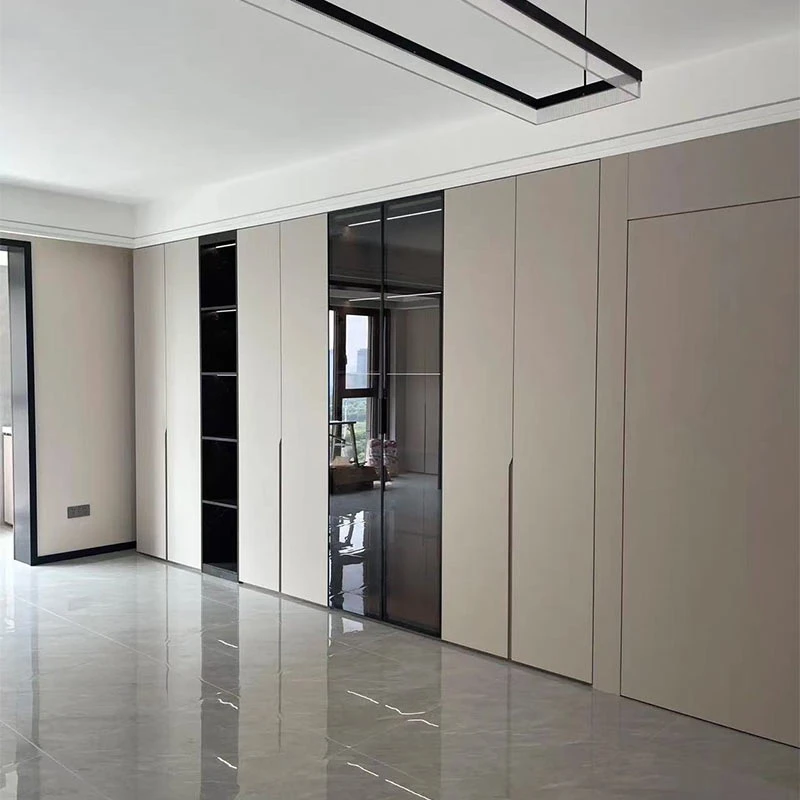
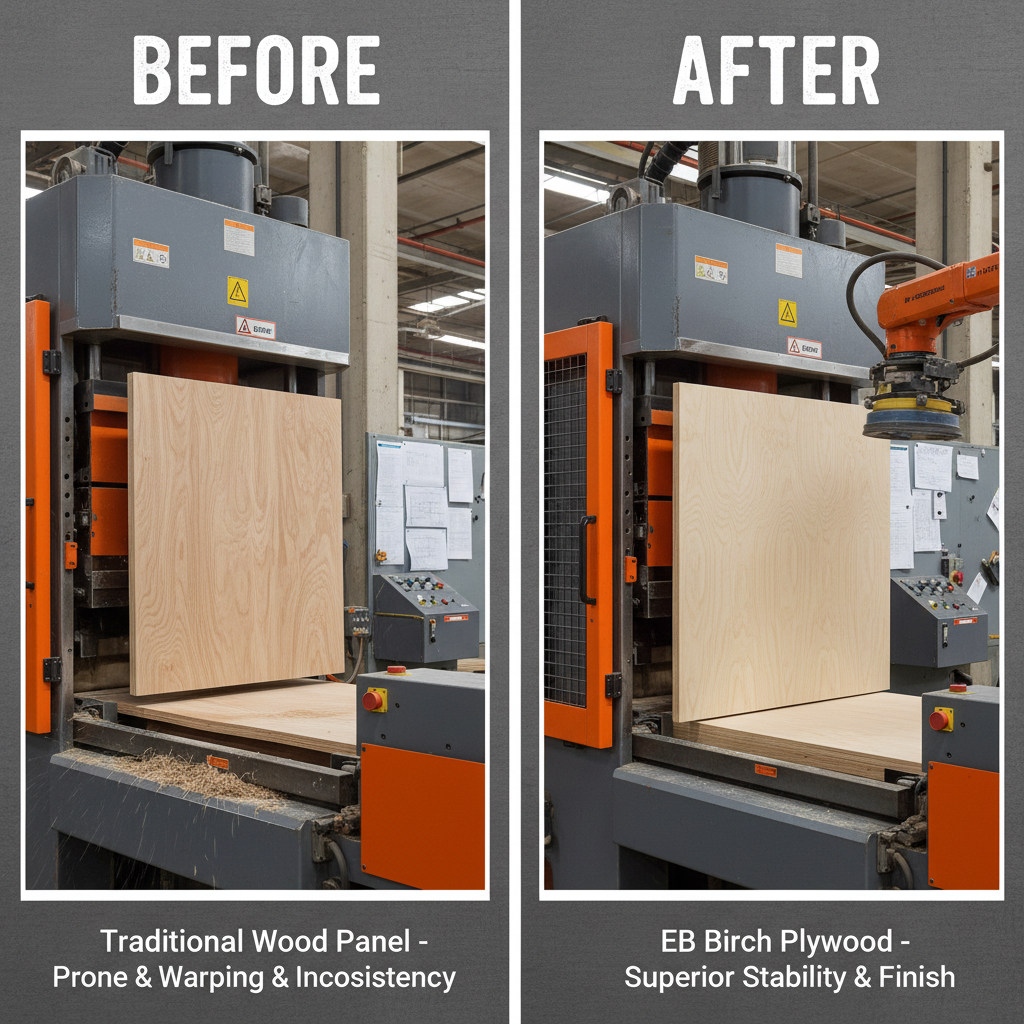
Enter the mdf sill board. Used under windows and doors, sill boards create a seal between structural elements and floors or walls. Traditionally made from solid timber or treated wood, MDF sill boards provide a controlled density composite that's less prone to warping and costs less.
Yet challenges remain: moisture resistance, durability in harsh climates, and adapting production to local standards. Tackling these problems head-on is why MDF sill boards aren’t just niche—but increasingly mainstream.
Mini takeaway: MDF sill boards answer global demands for affordable, reliable materials in fast-growing regions struggling with traditional lumber supply.
Defining the MDF Sill Board
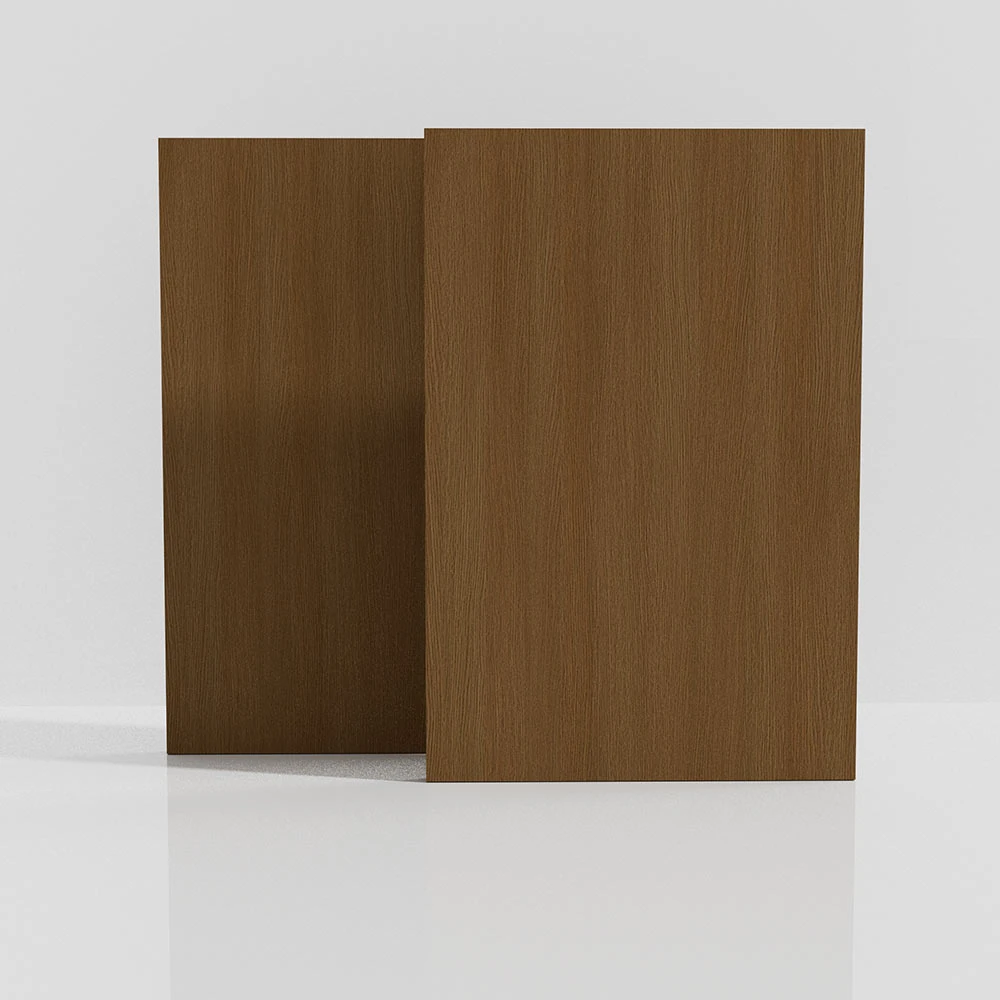
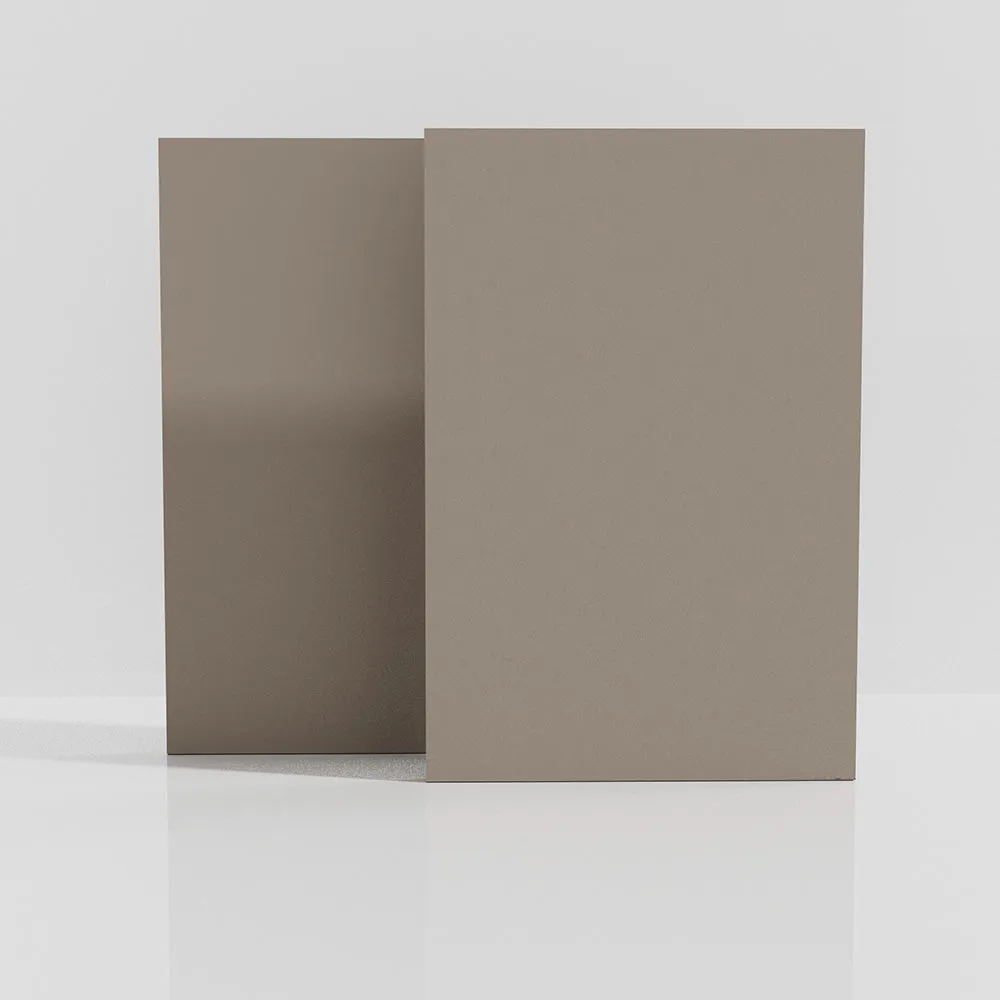
To put it simply, an mdf sill board is a dense engineered wood product molded into boards for building use, especially at the junction where window or door meets wall and floor. MDF is made by breaking down hardwood or softwood residuals into fibers, combining them with wax and resin binders, and pressing into panels under heat and pressure.
This engineered character gives MDF great strength and uniformity compared to natural wood. The “sill board” aspect refers to the portion that forms the base or threshold, which often deals with moisture and load transmission.
Far from just construction minutiae, MDF sill boards address humanitarian needs too. For example, in temporary housing after natural disasters, quick-to-install and cost-efficient sill boards matter immensely.
Mini takeaway: MDF sill boards are engineered wood panels used as base components in construction, combining strength and economy for modern building needs.
Core Factors Defining MDF Sill Boards
1. Durability
One of the main charms MDF sill boards offer is durability. Unlike natural wood that warps or cracks, MDF with resin binders resists deformation. Many product lines come treated to repel moisture, essential for sill boards which encounter indirect water exposure daily.
2. Cost Efficiency
Because MDF is produced from leftover fibers rather than solid timber, it saves trees and slashes material costs. For builders balancing budgets, the price-performance ratio wins points. It’s also easier to machine, further reducing labor time and waste.
3. Consistent Quality
Natural timber can vary drastically depending on the source and conditions. MDF panels offer uniform density and thickness, which translates to predictable installation and performance—a subtle but critical advantage for contractors.
4. Environmental Impact
Using MDF reduces pressure on timber forests, especially when sourced from responsibly managed suppliers. Additionally, MDF production can incorporate recycled fiber content, aligning with growing sustainability standards worldwide.
5. Customizability and Finish
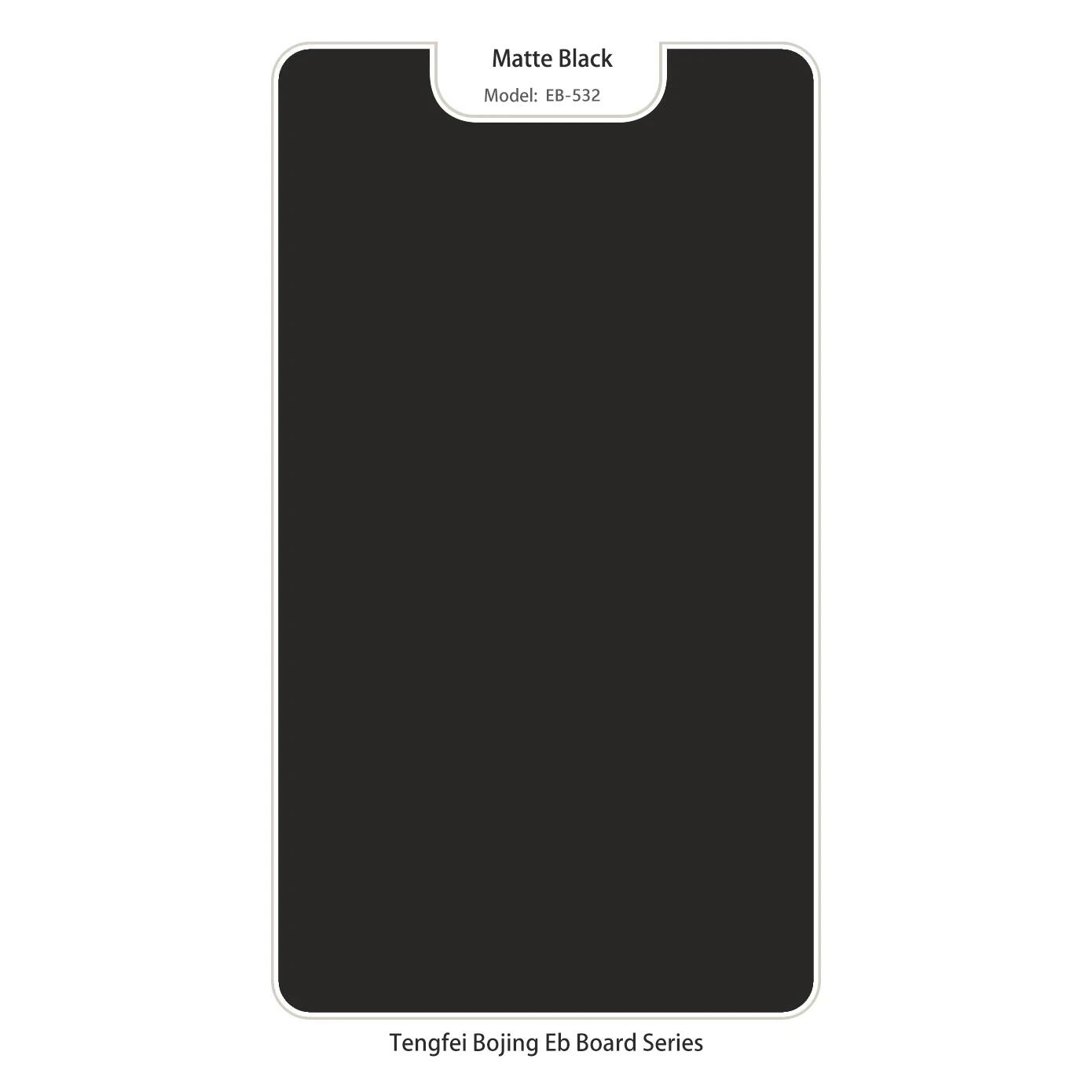
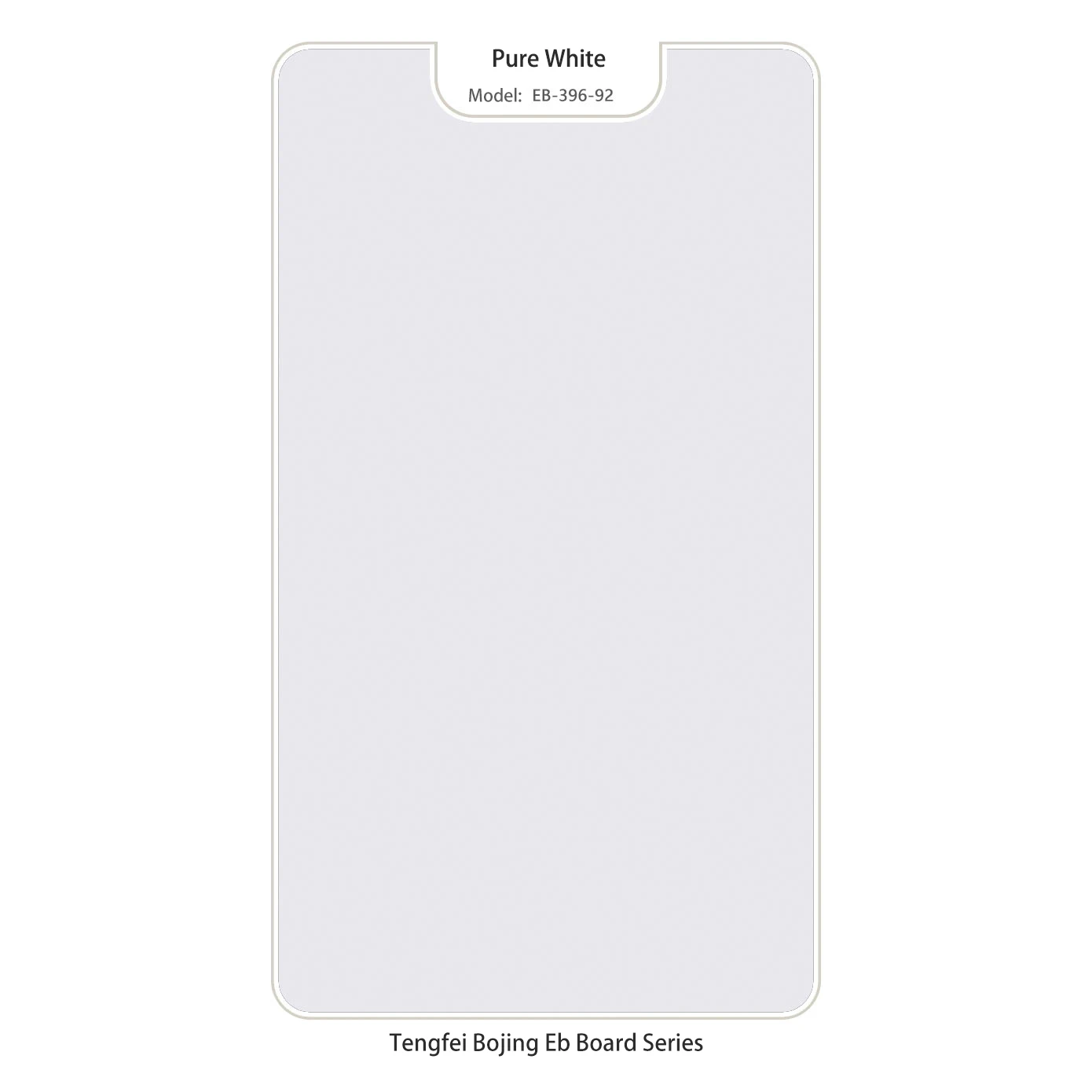
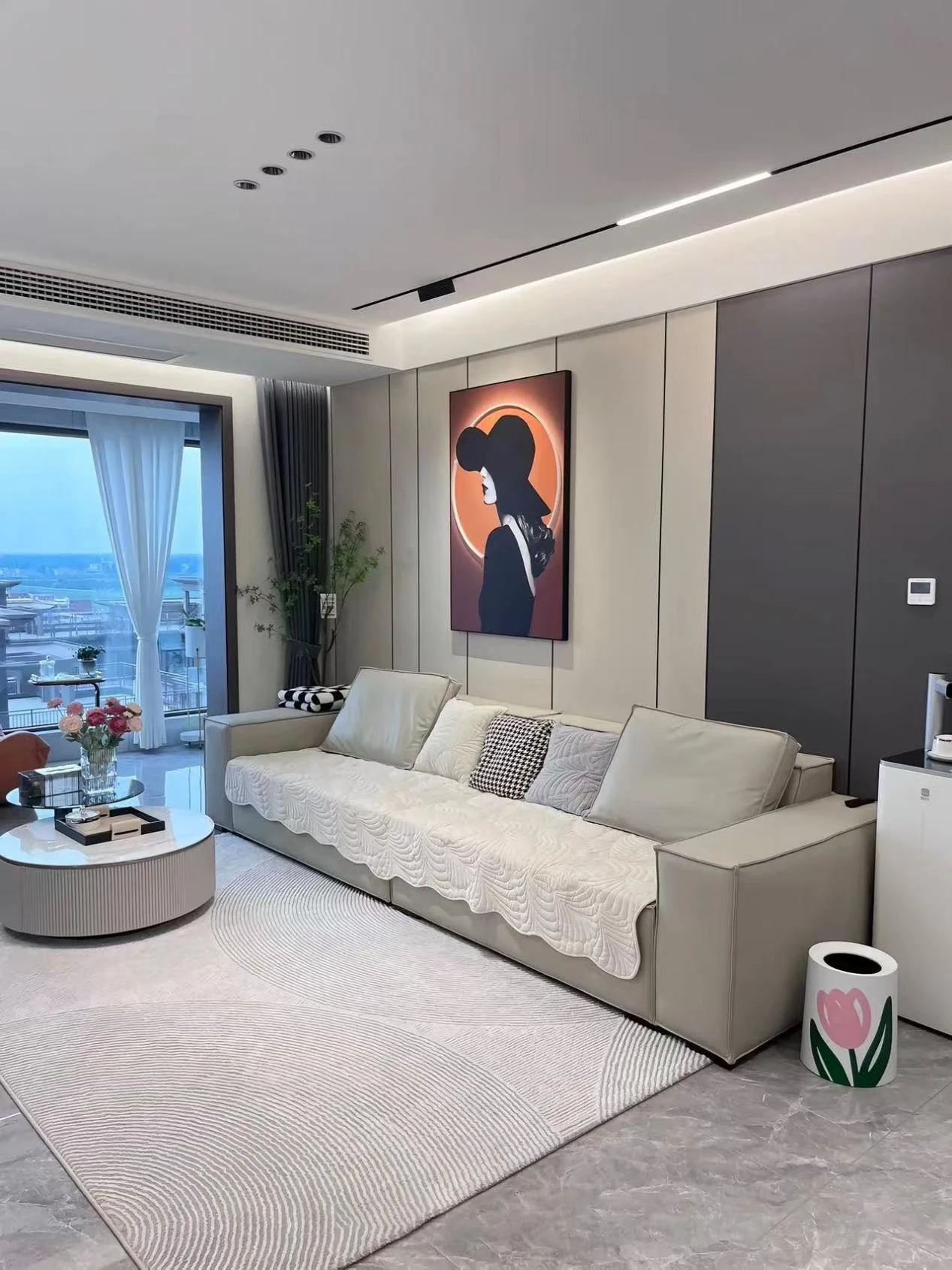
MDF sill boards can be easily cut, routed, and painted. Being porously homogeneous, they accept coatings and laminates well. This flexibility suits custom design demands without sacrificing function.
Mini takeaway: Durability, cost efficiency, consistency, eco-friendliness, and versatility are the pillars that make MDF sill boards a strong contender in modern building projects.
Global Applications and Real-World Use Cases
Different regions have embraced MDF sill boards in their own ways. In Europe, manufacturers follow strict EN standards for wood-based panels, ensuring top-quality for residential windows and insulated frames.
Meanwhile, in post-disaster zones in Southeast Asia, NGOs often use modular housing that relies on MDF sill boards for cost-effectiveness and rapid deployment. Similarly, industrial facilities in North America favor MDF for its moisture resistance in controlling leaks around door frames.
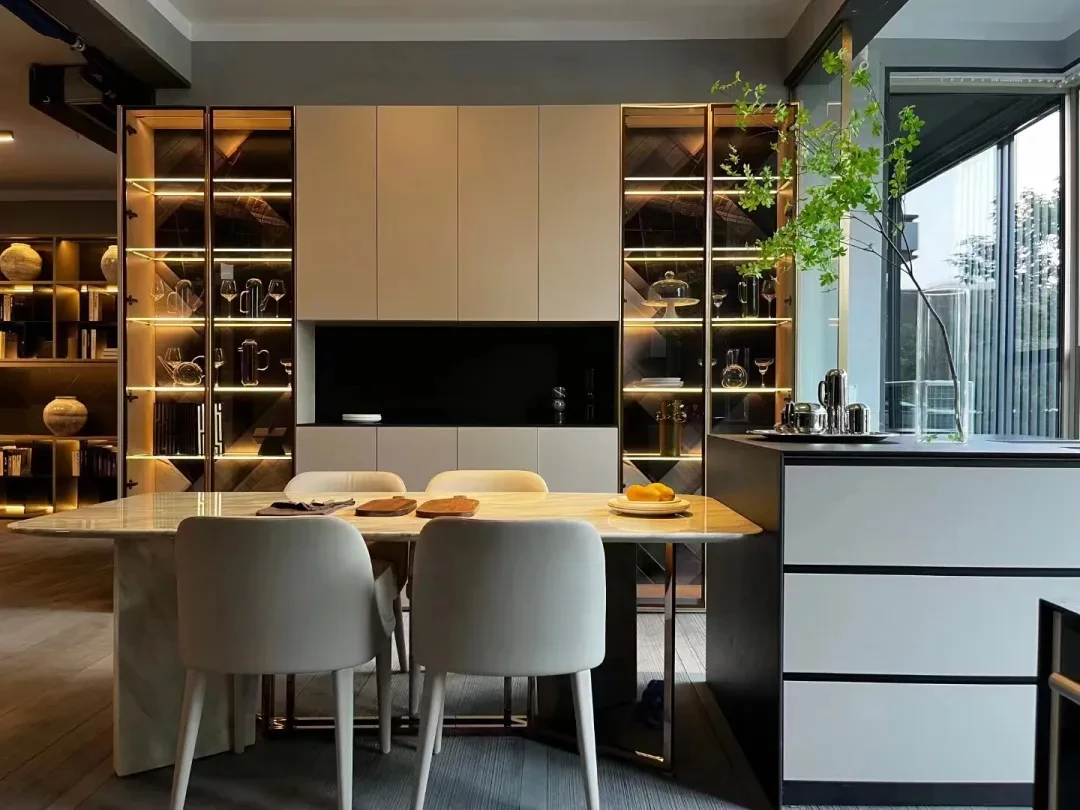
Even luxury constructions in Australia utilize high-grade MDF sill boards because they combine aesthetic ease with durability, reducing maintenance over time.
| Specification |
Typical Value |
| Density | 600-800 kg/m³ |
| Thickness Range | 12mm to 30mm |
| Moisture Resistance Treatment | Available (melamine-faced or sealed) |
| Thermal Conductivity | 0.12–0.15 W/(m·K) |
| Standard Dimensions | 2440mm x 1220mm sheets |
Mini takeaway: From disaster relief shelters in Asia to high-end housing in Australia, MDF sill boards bridge cost, performance, and local needs worldwide.
Long-Term Benefits of Choosing MDF Sill Boards
There’s more than meets the eye when picking materials. With MDF sill boards, the benefits run deep:
- Cost Savings: Reduced raw material use and machining ease lower overall project budgets.
- Sustainability: Using recycled or waste wood fibers makes MDF a friendlier planet choice.
- Structural Reliability: Reduced warping means longer-lasting seals that prevent drafts, water ingress, and pest entry.
- Social Impact: Affordable materials help in housing underserved urban populations and emergency shelters, contributing to human dignity and safety.
On a more personal note, many builders I know report feeling more confident with MDF sill boards because they “just work” without the guesswork involved in selecting natural wood elements. It’s that peace of mind that sometimes tip scales when deadlines and costs are tight.
Mini takeaway: MDF sill boards combine practical savings with social and environmental responsibility, building trust at every project stage.
Looking Ahead: Future Trends and Innovations
Green building is not just a buzzword but an urgent call to action. In that light, MDF technology is evolving fast. Researchers explore bio-resins to replace synthetic ones, boosting biodegradability. Digital fabrication methods—like CNC routing paired with software-driven optimization—are making custom MDF sill board production less wasteful and faster.
Additionally, policy shifts encouraging circular economy practices push manufacturers to use more recycled content and create easier-to-recycle MDF.
Oddly enough, some companies are testing nanotechnology coatings to further improve moisture and fire resistance without heavy chemical treatments — a huge leap for sill boards exposed to weather.
Mini takeaway: The future of MDF sill boards lies in greener chemistries, smarter manufacturing, and smarter design thinking.
Common Challenges and Ways to Overcome Them
No material is perfect. MDF sill boards face challenges like potential swelling if moisture barriers fail, sensitivity to prolonged water exposure, and questions about long-term biodegradability.
Expert builders suggest combining MDF sill boards with proper waterproof membranes and regular maintenance inspections to mitigate such risks. Innovations in sealants and melamine facings improve lifespan. Engineering teams also recommend training installers on correct fitting techniques to avoid premature failures.
Frequently Asked Questions About MDF Sill Board
- What makes MDF sill boards better than traditional wood sills?
- MDF sill boards offer uniform density and are less susceptible to warping or splitting. They're often more cost-effective and easier to finish and install, fitting well in modern construction workflows.
- How well do MDF sill boards handle moisture in humid climates?
- Standard MDF is vulnerable to moisture, but moisture-resistant treated MDF sill boards with melamine facings or sealed surfaces significantly improve water resistance when properly installed.
- Are MDF sill boards environmentally friendly?
- Yes, to a degree. They use wood fibers often recycled or from sustainable sources, reducing waste. However, the resins and adhesives used require careful handling — ongoing innovation aims to improve this.
- Can MDF sill boards be customized for different building standards globally?
- Absolutely. MDF panels can be cut to specific thicknesses, sizes, and finishes to meet regional building codes and aesthetic demands without sacrificing performance.
- How can builders source quality MDF sill boards internationally?
- Many vendors now offer export-ready MDF sill boards with certifications. Working with trusted suppliers and requesting samples ensures compatibility with local requirements.
Vendor Comparison: Popular MDF Sill Board Suppliers
| Vendor |
Price Range ($/sheet) |
Moisture Resistance |
Sustainability Certification |
Lead Time |
| Tengfei MDF Co. |
25 - 30 |
High (melamine faced) |
FSC, ISO 14001 |
2 weeks |
| Global Wood Panels |
28 - 35 |
Medium |
PEFC |
3-4 weeks |
| EcoBoard Solutions |
22 - 27 |
High (special sealant) |
FSC, GreenGuard |
1-2 weeks |
Wrapping It Up: Why MDF Sill Boards Are Here to Stay
In the end, the mdf sill board isn’t just another construction detail — it’s a small but telling piece of how building is changing worldwide. Cost pressures, environmental concerns, and quality demands converge and point toward engineered solutions.
If you’re involved in any building projects — whether residential, commercial, or emergency relief — taking a good look at MDF sill boards might save you money, heartache, and materials along the way.
Want to explore more or source reliable MDF sill boards? Visit our website for detailed product info and consultations: mdf sill board.
Mini takeaway: Sustainable building is about smart materials like MDF sill boards that blend performance, eco-consciousness, and affordability in ever-changing contexts.
References
- ISO Wood-based panels standards
- World Bank - Urban population growth
- Wikipedia - Medium-density fibreboard