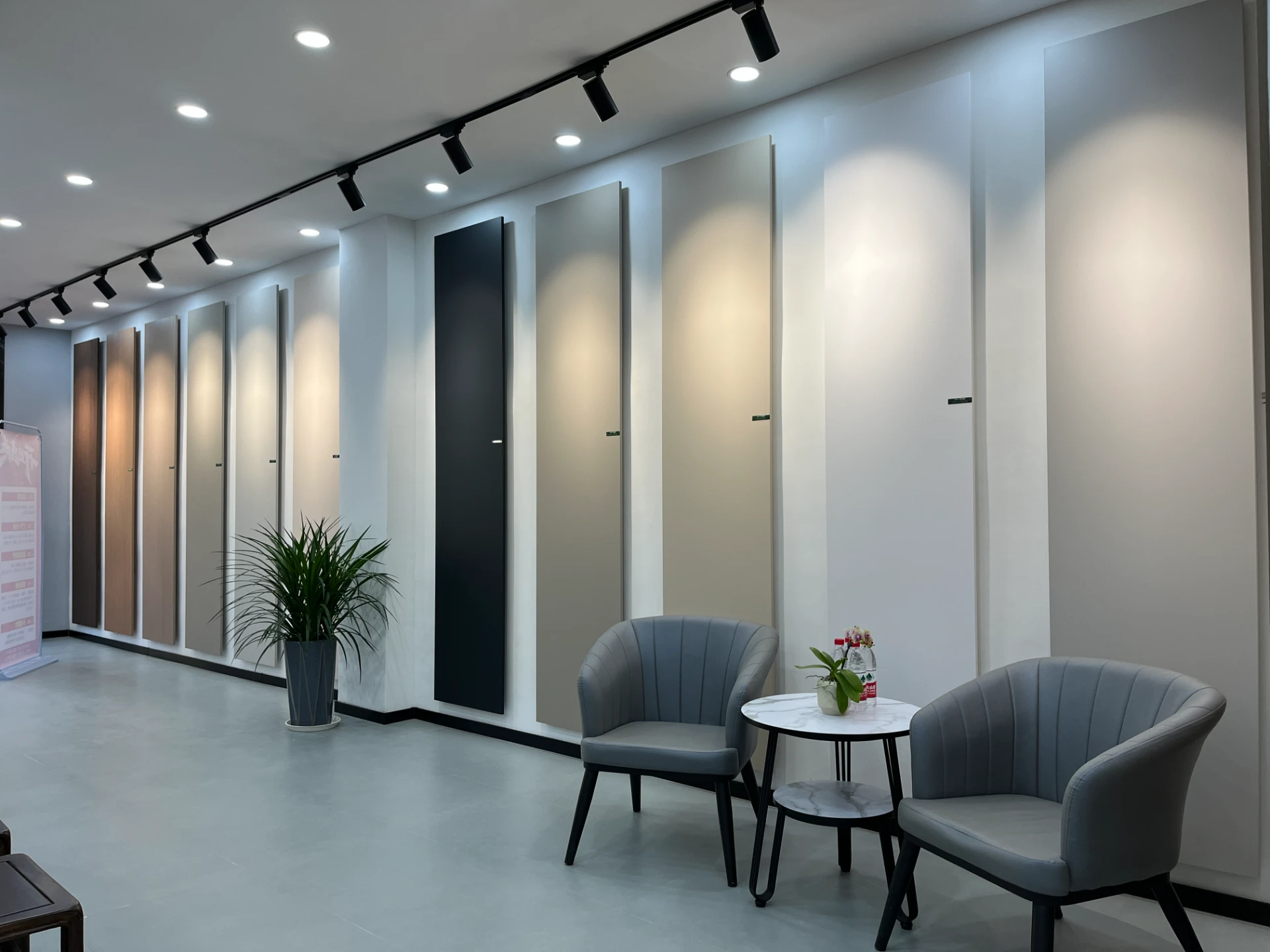
Understanding MDF Plain Board: Why It Matters Globally
If you work with wood-based panels or furniture manufacturing, you’ve probably heard of the mdf plain board. But beyond the workshop, this material plays a surprisingly significant role worldwide—whether in construction, industrial design, or even humanitarian projects. At its core, MDF (Medium-Density Fiberboard) plain boards are engineered wood products made by breaking down hardwood or softwood residuals into wood fibers, combining them with wax and resin binders, and forming panels by applying high temperature and pressure.
Why does this matter globally? Well, as urbanization accelerates and resources become scarcer, building materials that are cost-effective, customizable, and sustainable are more important than ever. MDF plain boards fit this bill exceptionally well. They help bridge the gap between quality and affordability, especially in developing regions where access to traditional solid wood is limited. Understanding how these boards work and where they’re going in the future isn't just trade jargon—it’s a peek into how industries solve complex material challenges worldwide.
Global Context: The Rise of MDF in a Changing Industry
The global wood-based panel market was valued at over $100 billion as of 2023, with MDF accounting for a significant share. According to ISO reports and recent World Bank data, demand for engineered wood is increasing by roughly 5-7% annually—mainly driven by construction booms in Asia-Pacific, Latin America, and parts of Africa.
Yet, one key challenge persists: traditional timber sources are dwindling. Countries face deforestation concerns, stricter regulations, and supply chain instability. MDF plain boards emerge as an answer to reduce raw wood consumption by repurposing wood fibers efficiently and uniformly. For humanitarian causes, too—think temporary housing or modular shelters after natural disasters—they offer lightweight, durable, and affordable solutions.
What Exactly Is MDF Plain Board?
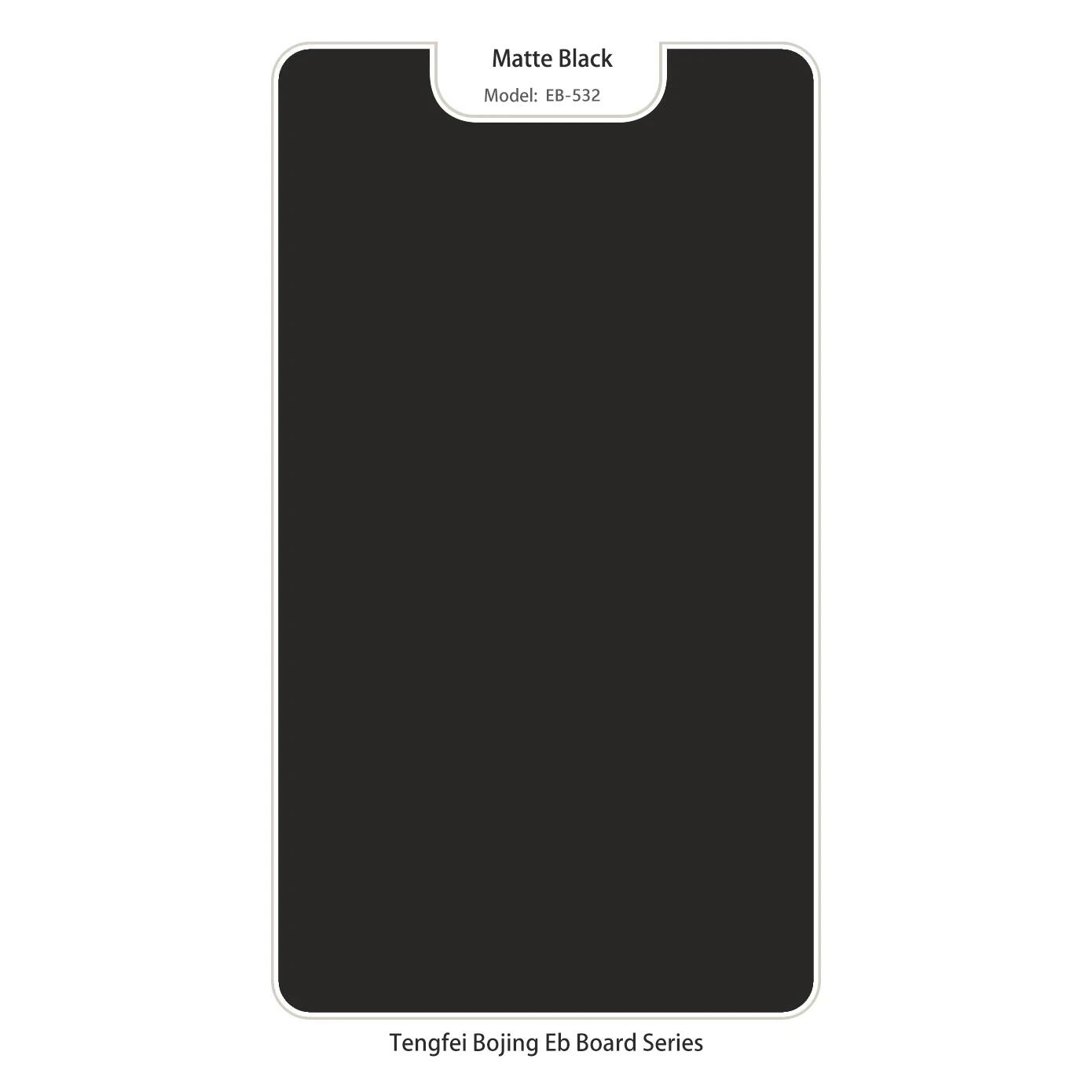
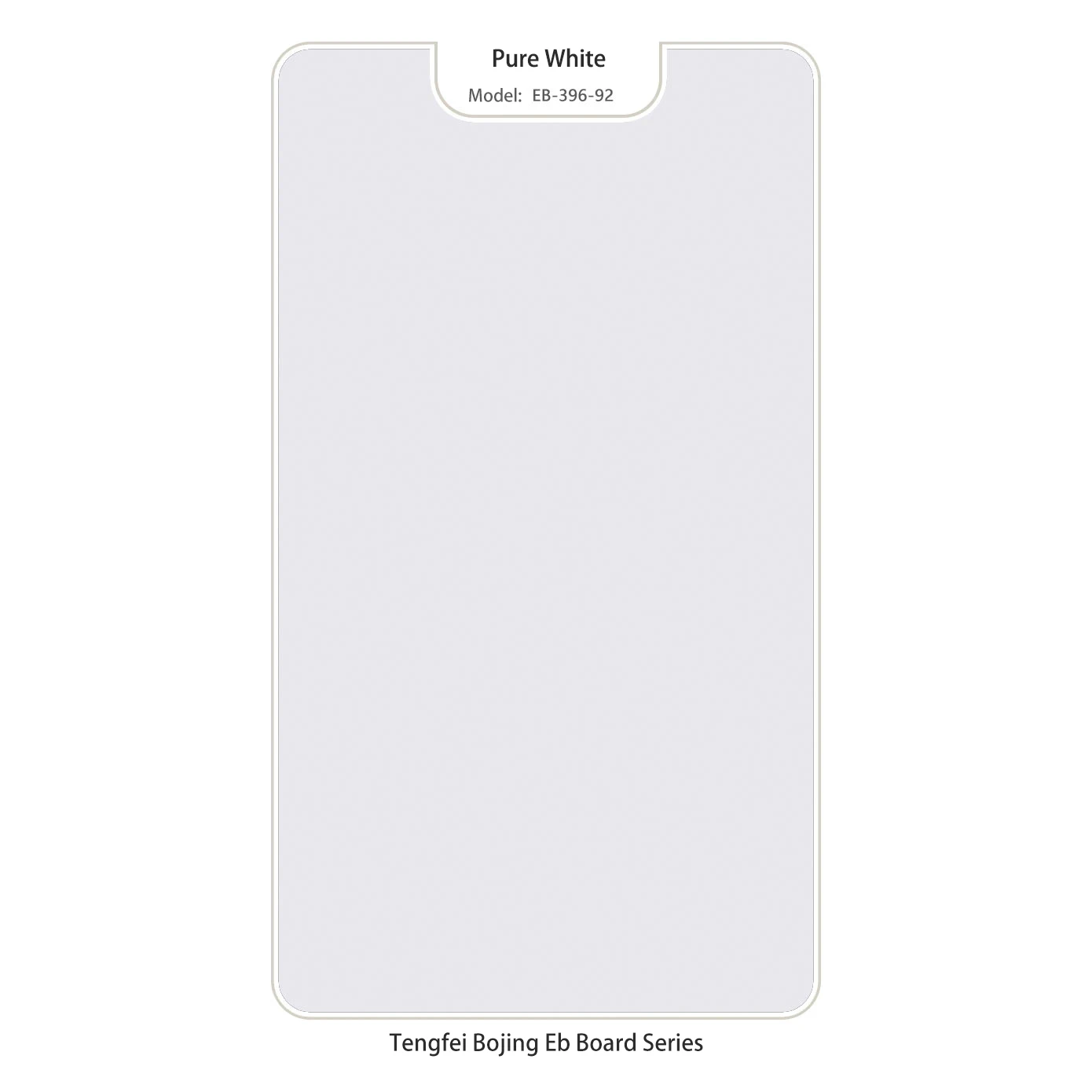
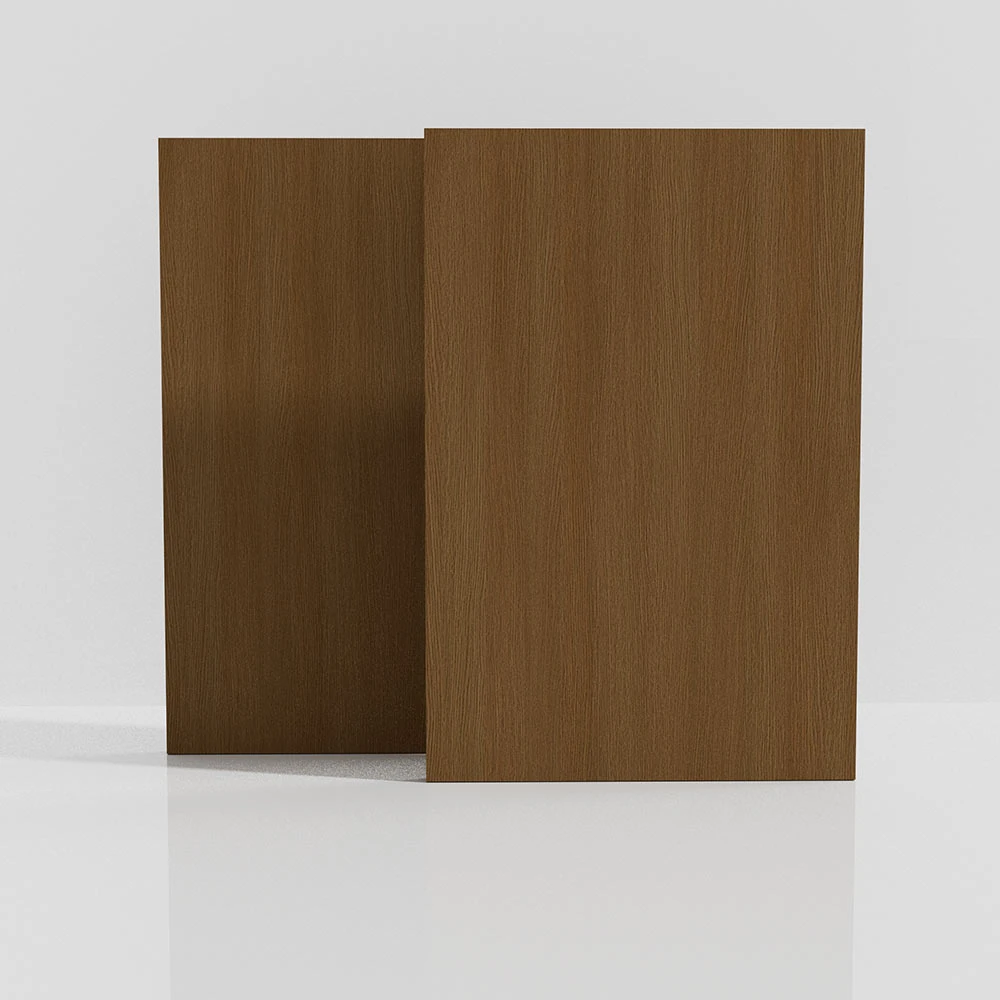
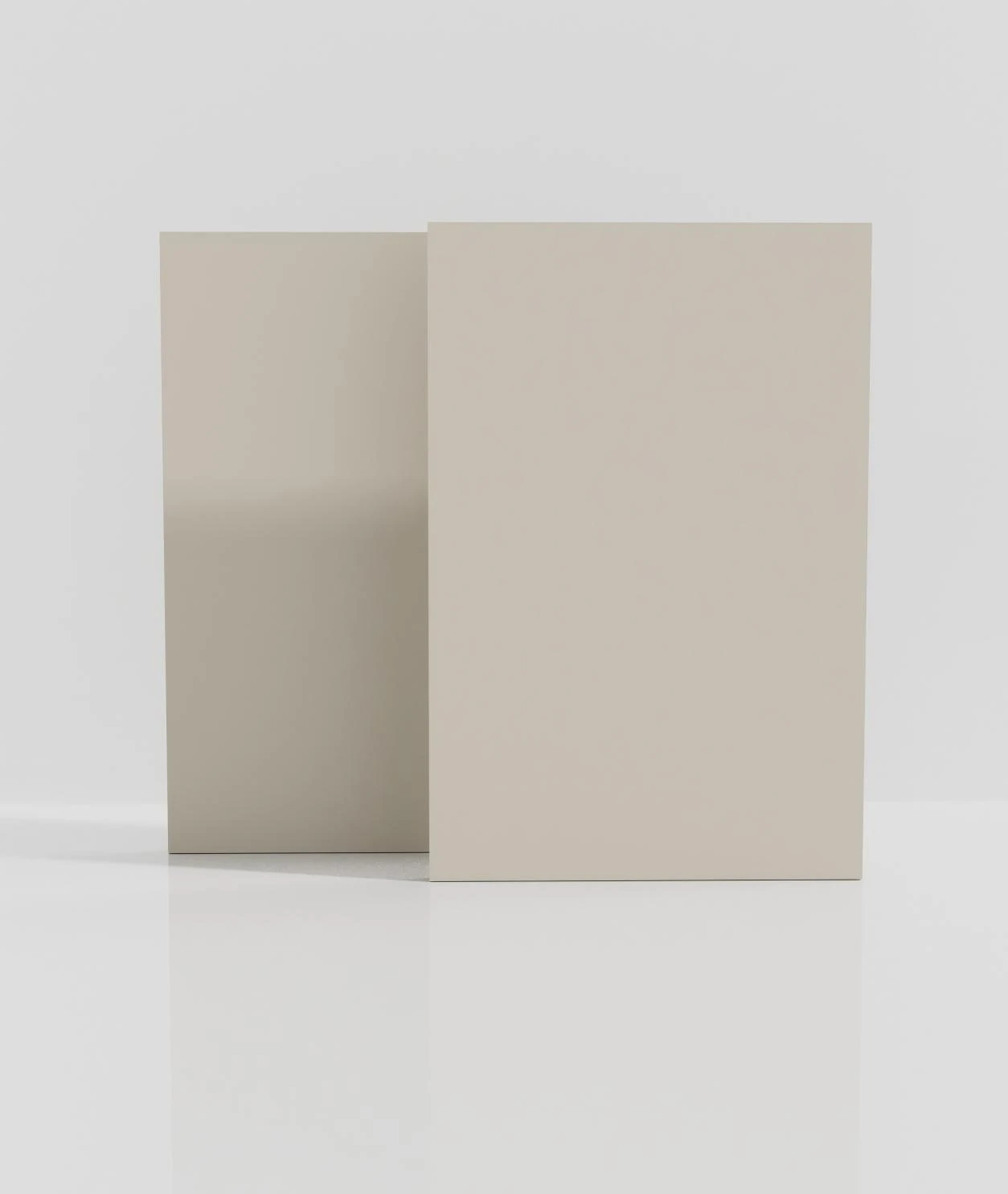
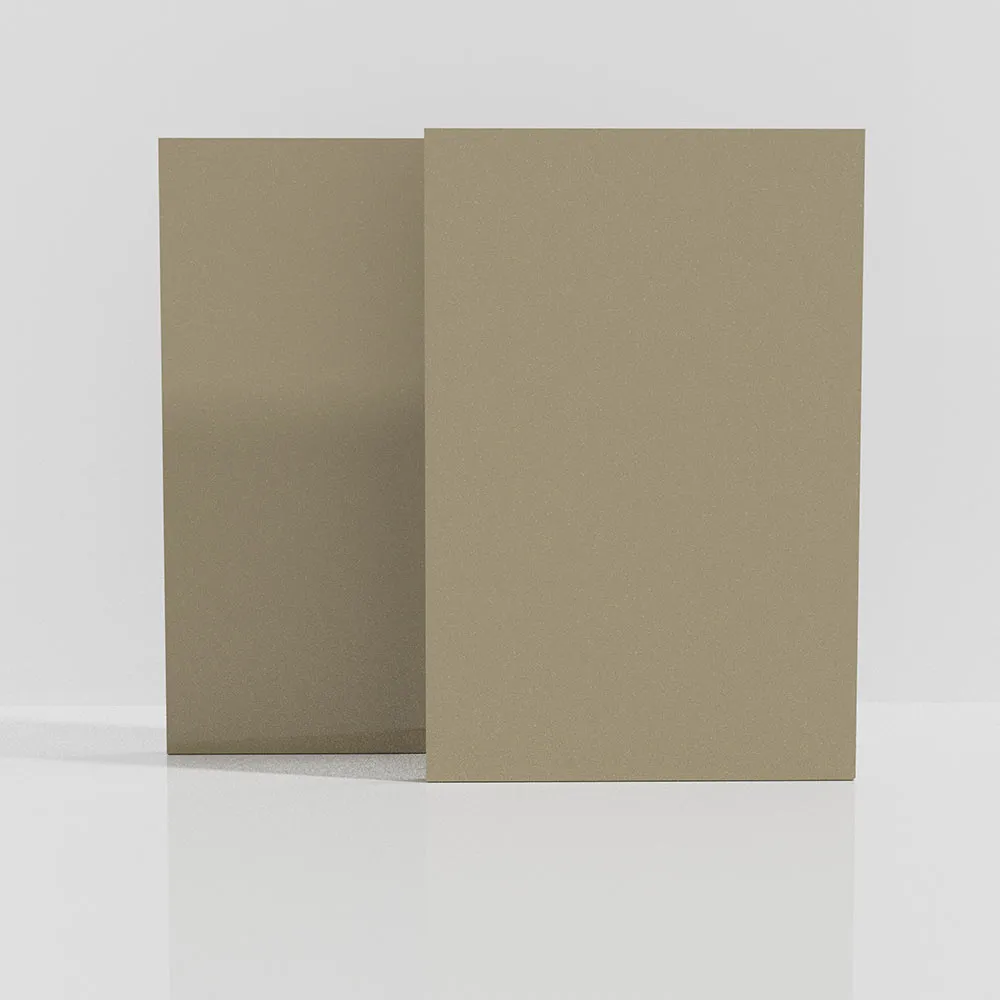
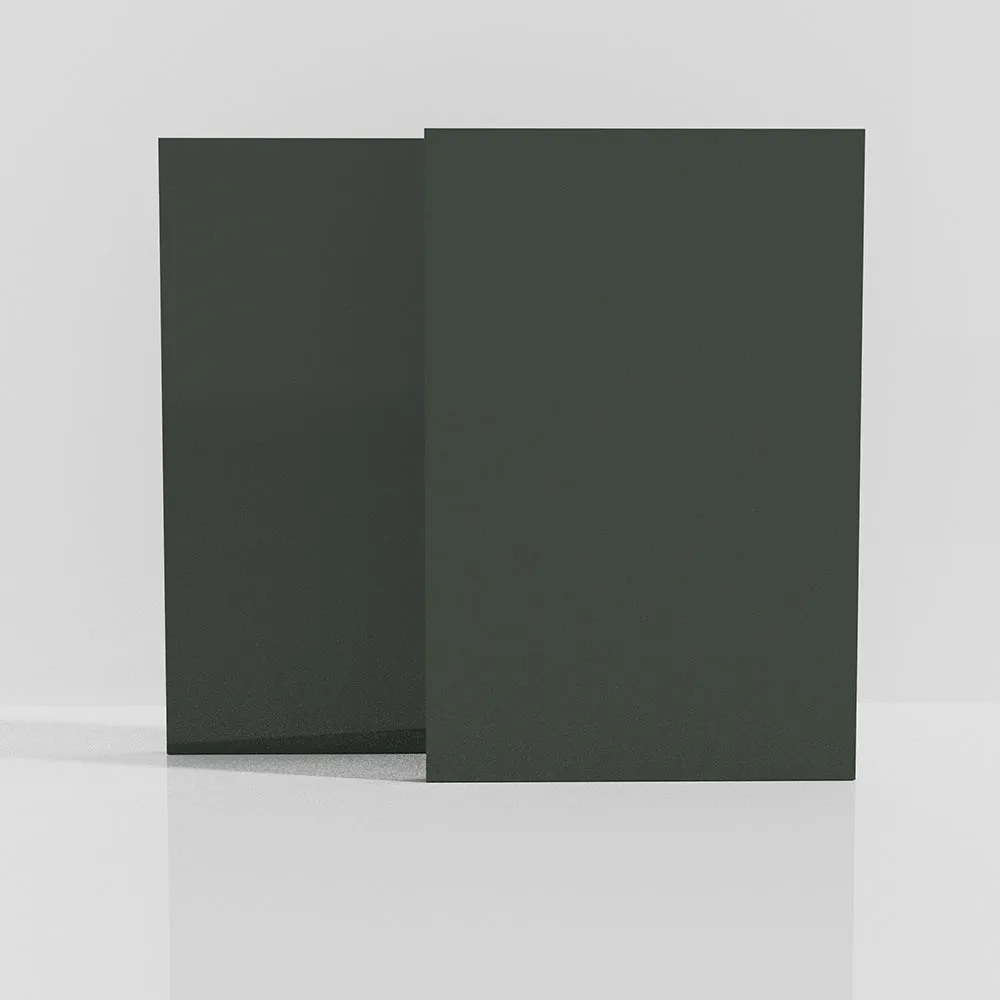
Put simply, mdf plain board is an engineered panel product composed primarily of wood fibers pressed and bonded into flat sheets without surface veneers or laminates. Unlike particle boards, MDF has a finer fiber structure, making it smoother and more consistent in density.
The 'plain' aspect means the board is raw—uncoated and unpainted—ideal for customization or finishing tailored to specific project needs. In fact, MDF boards power everything from kitchen cabinets and office furniture to exhibition stands and interior cladding.
In modern industry, MDF’s significance extends beyond aesthetics or carpentry; it fulfills technical needs requiring precise machining, reliable strength, and smooth surface finish. Even humanitarian engineering teams rely on MDF because it’s lightweight enough to transport yet sturdy enough for quick-assembly shelters or containers.
Core Components and Key Attributes of MDF Plain Board
1. Durability and Strength
While MDF isn’t as tough as hardwood, its uniform density makes it resistant to cracking and warping. This uniformity also means it sands, drills, and cuts without splintering—an engineer’s dream when precision counts.
2. Cost Efficiency
MDF plain boards come at a fraction of the price of solid wood and plywood. Since they’re manufactured from wood waste and fibers, they reduce lumber costs, making them very budget-friendly in both small and large-scale applications. It’s no surprise furniture companies and builders lean on them heavily.
3. Scalability and Customization
Because MDF sheets can be engineered in various thicknesses, sizes, and densities, they’re incredibly versatile. Whether you need thin panels for decorative moldings or thick, dense boards for structural components, MDF fits the bill.
4. Environmental Impact
Oddly enough, many don’t realize MDF boards might be greener than they seem. Sourcing recycled fibers and utilizing resin binders helps reduce waste. And with rising certifications like FSC and CARB compliance, manufacturers are making cleaner, lower-emission MDF available.
5. Surface Finish Versatility
Plain MDF is just a starting point. Its smooth surface allows for flawless painting, laminating, or veneering—enabling endless creativity.
Mini Takeaway: MDF plain board isn’t just wood pressed flat; it’s a carefully engineered solution built for strength, affordability, and environmental mindfulness.
Real-World Use Cases: Where MDF Plain Board Shines
- Furniture Manufacturing: Especially in global markets like China, India, and Brazil, MDF plain boards underpin affordable cabinetry and office setups.
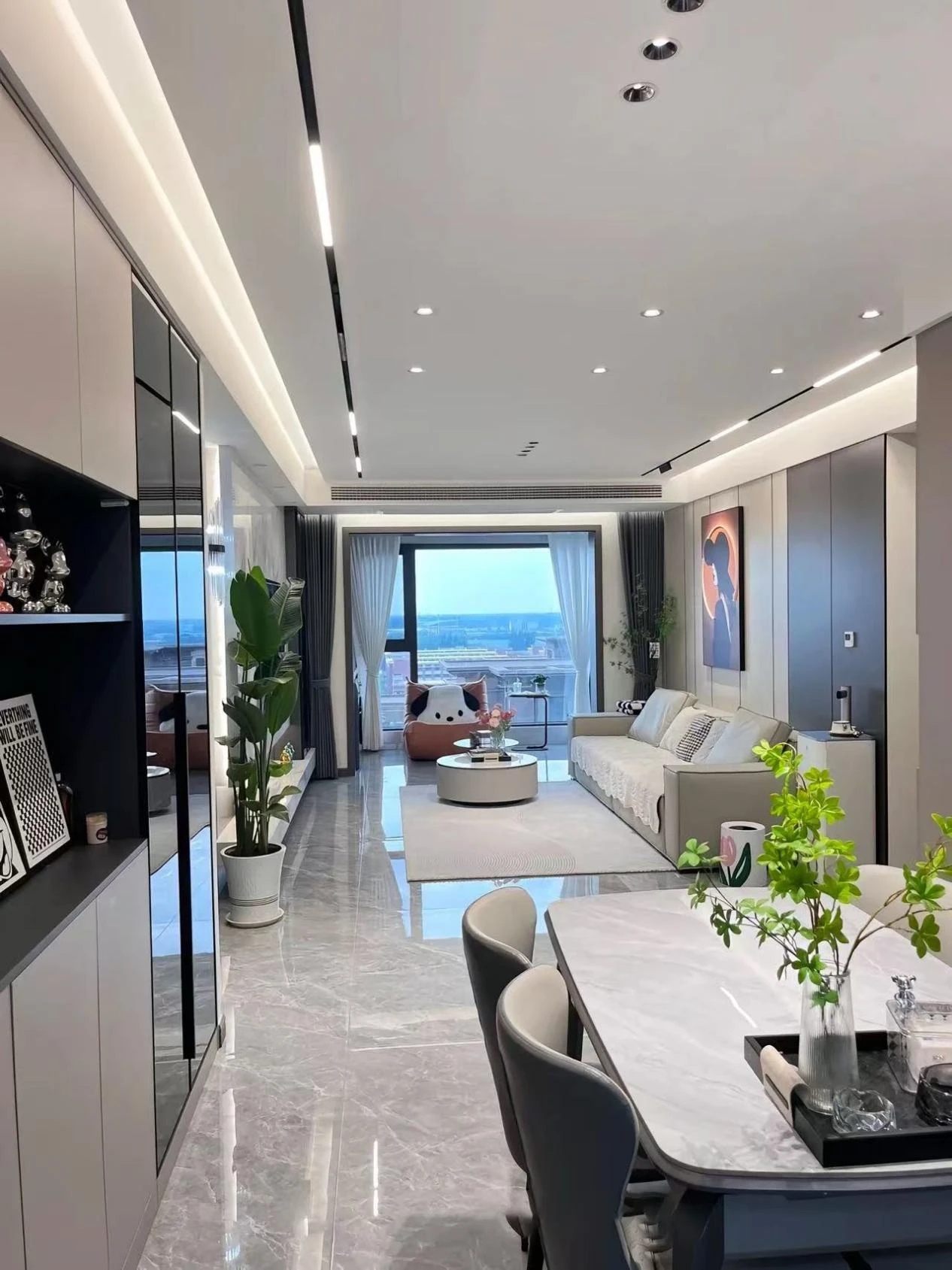
- Construction & Interior Design: MDF is widely used for wall paneling, molding, and decorative architectural elements across Europe and North America.
- Humanitarian Shelters: In disaster-hit regions of Southeast Asia, rapid-deployment shelters utilize MDF for walls and floors—balancing weight with durability.
- Retail Fixtures & Exhibitions: Companies rely on MDF boards to produce cost-effective, temporary display stands and kiosks.
- Industrial Applications: MDF serves as an insulator or core material in lightweight industrial containers shipped internationally.
For instance, in the Philippines, after typhoon disasters, aid organizations crafted makeshift homes from MDF due to its easy availability and rapid modular assembly. Similarly, industrial zones in Mexico use MDF for low-cost internal partitioning, optimizing factory layouts quickly.
MDF Plain Board: Tangible Benefits and Long-Term Value
The advantages aren’t just about price. Here are some ways MDF delivers steady returns in both logic and emotion:
- Affordable Access: It extends quality wood-panel products to communities that otherwise couldn’t afford traditional materials.
- Sustainability: Utilizing recycled fibers, MDF reduces demand for virgin timber, supporting forest preservation efforts (see Wikipedia - MDF).
- Social Value: Durable, safe shelter means dignity and security for displaced families.
- Industry Trust: Manufacturers value MDF’s reliability and ease of machining, reducing waste and defects.
- Design Potential: Smooth surfaces inspire creativity, bridging engineering with artistry.
At the end of the day, having a material that combines performance and ethical production goes beyond simple economics—it’s a commitment to innovation, sustainability, and social responsibility.
What’s Next? Future Trends Shaping MDF Plain Board
Something I’ve noticed lately: green credentials are driving innovation. Newer MDF products feature bio-based resins, reducing formaldehyde emissions significantly. Automated manufacturing now ensures tighter quality controls and less material waste, which is sort of a win-win.
Digitization lets companies customize MDF boards faster than ever—cutting intricate shapes on-demand for architectural features or even furniture prototypes. Meanwhile, the push for circular economy models means MDF recovery and recycling systems could grow dramatically, helping industries meet carbon goals.
In the future, expect combination panels—MDF cores fused with lightweight metals or composites—for enhanced strength and thermal properties, applicable to fast-deployment housing or transport sectors.
Common Challenges and Practical Solutions
Of course, MDF isn’t perfect. One typical snag is moisture susceptibility: untreated boards swell and weaken with water exposure. But innovations like water-resistant resin coatings and wax treatments mitigate this noticeably.
Also, the environmental concern around synthetic resins pushes manufacturers to explore natural adhesives and lower-formaldehyde alternatives continually.
Some production facilities invest in closed-loop systems to minimize emissions and recycle waste fibers, addressing pollution and sustainability head-on. Many engineers I spoke with emphasize that collaboration between manufacturers, certifiers, and end users is crucial to overcoming these challenges.
Frequently Asked Questions About MDF Plain Board
- Q: What makes MDF plain board preferable over plywood in furniture making?
- A: MDF offers a smoother surface without knots or voids unlike plywood, enabling superior finishes. It's also more uniform and cuts precisely, which saves time on sanding or repairs.
- Q: Can MDF plain board be used outdoors or in humid conditions?
- A: Standard MDF is vulnerable to moisture and may swell. However, specialized moisture-resistant MDF variants exist and are better suited for damp environments with proper sealing.
- Q: How sustainable is MDF compared to solid wood?
- A: MDF often uses recycled wood fibers and less raw timber, lowering environmental impact. When certified by bodies like FSC or CARB, it supports responsible forest management and lowered emissions.
- Q: Is MDF plain board easy to customize for different applications?
- A: Absolutely. Its consistent density allows clean cuts, drilling, and finishing, making it ideal for bespoke furniture, panels, and construction components.
- Q: How are MDF boards transported safely over long distances?
- A: Because MDF is heavy and can be fragile if not handled properly, boards are typically packed flat and protected with edge guards and waterproof wrapping to prevent damage and moisture exposure during shipping.
Product Specification Table: Typical MDF Plain Board Properties
| Specification |
Typical Values |
Notes |
| Thickness |
3 mm - 30 mm |
Custom cut available |
| Density |
650-800 kg/m³ |
Varies by grade |
| Modulus of Rupture |
12-20 MPa |
Structural flexibility measure |
| Moisture Content |
6-9% |
Higher in damp conditions |
| Formaldehyde Emission |
E1 / CARB Phase 2 |
Low emission, safe for interiors |
Vendor Comparison Table: Top MDF Plain Board Suppliers
| Supplier |
Country |
Price Range (USD/m²) |
Sustainability Certifications |
Lead Time |
| Tengfei MDF Co. |
China |
$6.50 - $8.00 |
FSC, CARB Phase 2 |
2-3 weeks |
| GreenBoards Ltd. |
Germany |
$7.00 - $9.50 |
FSC, PEFC |
3-4 weeks |
| EcoFiber Panels |
USA |
$7.50 - $10.00 |
CARB Phase 2, LEED |
1-2 weeks |
Wrapping Up: Why MDF Plain Board Deserves Your Attention
Over the years, it’s become clear that mdf plain board is more than just an economical alternative to solid wood; it’s a cornerstone material for the future of sustainable construction, manufacturing, and humanitarian aid. The way it blends performance, cost efficiency, and environmental responsibility is kind of inspiring if you think about it.
Want to see how mdf plain board can make a practical difference in your next project? Whether you’re building innovative interiors or contributing to global relief efforts, this material’s potential is well worth exploring.
References:
- Wikipedia - Medium-density fibreboard
- ISO Wood-based Panels Standards
- World Bank: World Development Indicators