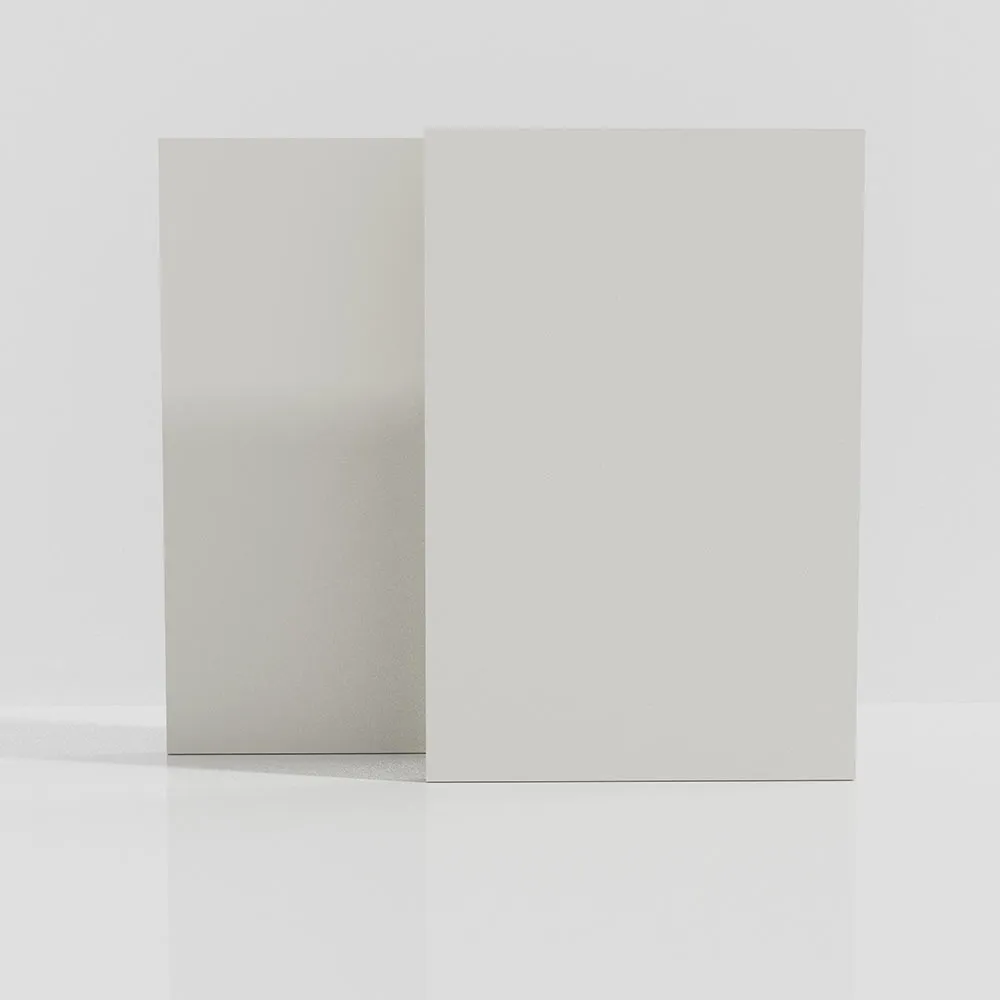
Understanding MDF Melamine Board: The Unsung Hero of Modern Interiors
Somewhere between raw materials and finished furniture lies a product that’s transformed countless living and working spaces worldwide: the mdf melamine board. You might not hear about it every day, but this composite marvel quietly powers efficient cabinetry, office fittings, and decorative surfaces globally. Why does it matter, you ask? Because in a world that craves affordability, sustainability, and consistency, mastering this material’s nuances is a game-changer for designers, manufacturers, and end-users alike.
Global Context & Why MDF Melamine Board Matters Today
The global wood composites market is expected to surge to over $110 billion by 2027, according to recent industry reports and data from organizations like the International Wood Products Association. Within this ecosystem, mdf melamine board occupies a significant share due to its affordability and adaptability. It addresses pressing challenges—like deforestation, cost reduction, and quality control—while enabling mass production without sacrificing aesthetics.
But here’s the kicker: traditional solid wood solutions struggle to meet the volume, uniformity, and environmental standards that modern construction and interior design demand. MDF melamine board steps in to bridge that gap—making interiors more accessible globally, from urban apartments in Europe to fast-growing middle-class homes in Southeast Asia.
Mini Takeaway: MDF melamine board is not just a material—it’s a response to global construction trends needing sustainable, consistent, and cost-effective wood alternatives.
What Exactly Is MDF Melamine Board?
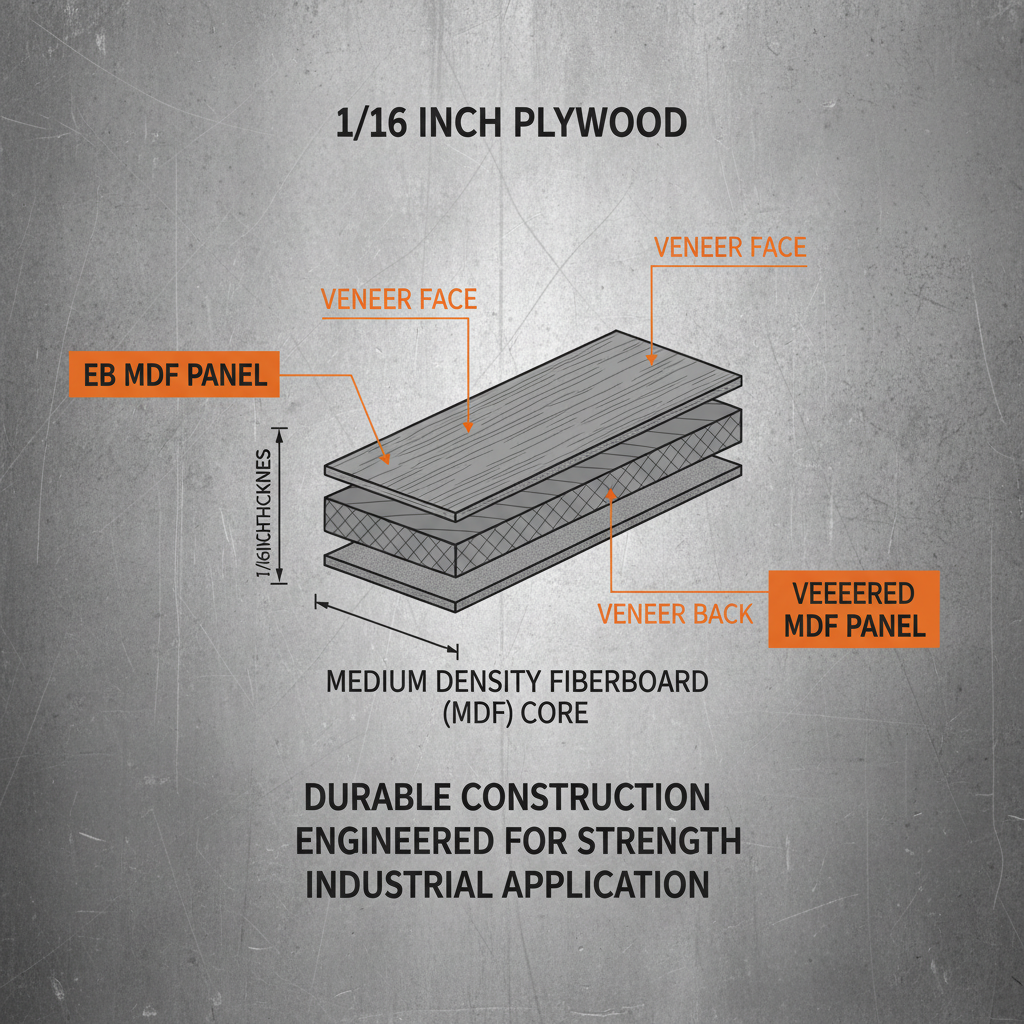
Simply put, MDF stands for Medium Density Fiberboard—think of it as compressed wood fibers glued under high pressure and heat to create uniform sheets. Melamine resin, on the other hand, is a synthetic polymer used as a decorative laminate coating. When you combine the two, you get a smooth, durable surface bonded to the MDF substrate, resulting in the mdf melamine board we depend on daily.
It’s like the perfect sandwich: core strength inside, stylish, easy-to-clean outer layers. That synergy places it at the intersection of function and form, answering industry needs for a product that’s customizable, cost-saving, and comparatively eco-friendly.
Core Components and What Makes MDF Melamine Board Tick
Durability and Surface Resistance
Melamine coatings are renowned for their resistance to scratches, stains, and heat. Many manufacturers apply multiple layers to enhance longevity—a feature that makes these boards ideal in kitchens and busy offices where surfaces take a beating daily. It’s the kind of toughness that makes you wonder how many years the same desk has faithfully served its user.
Cost Efficiency
Compared to solid wood or plywood, mdf melamine boards are relatively inexpensive. They strike a balance between quality and budget, making them popular among furniture makers and contractors alike. You get consistent thickness, flatness, and fewer defects — which means less waste and lower labor costs.
Design Versatility
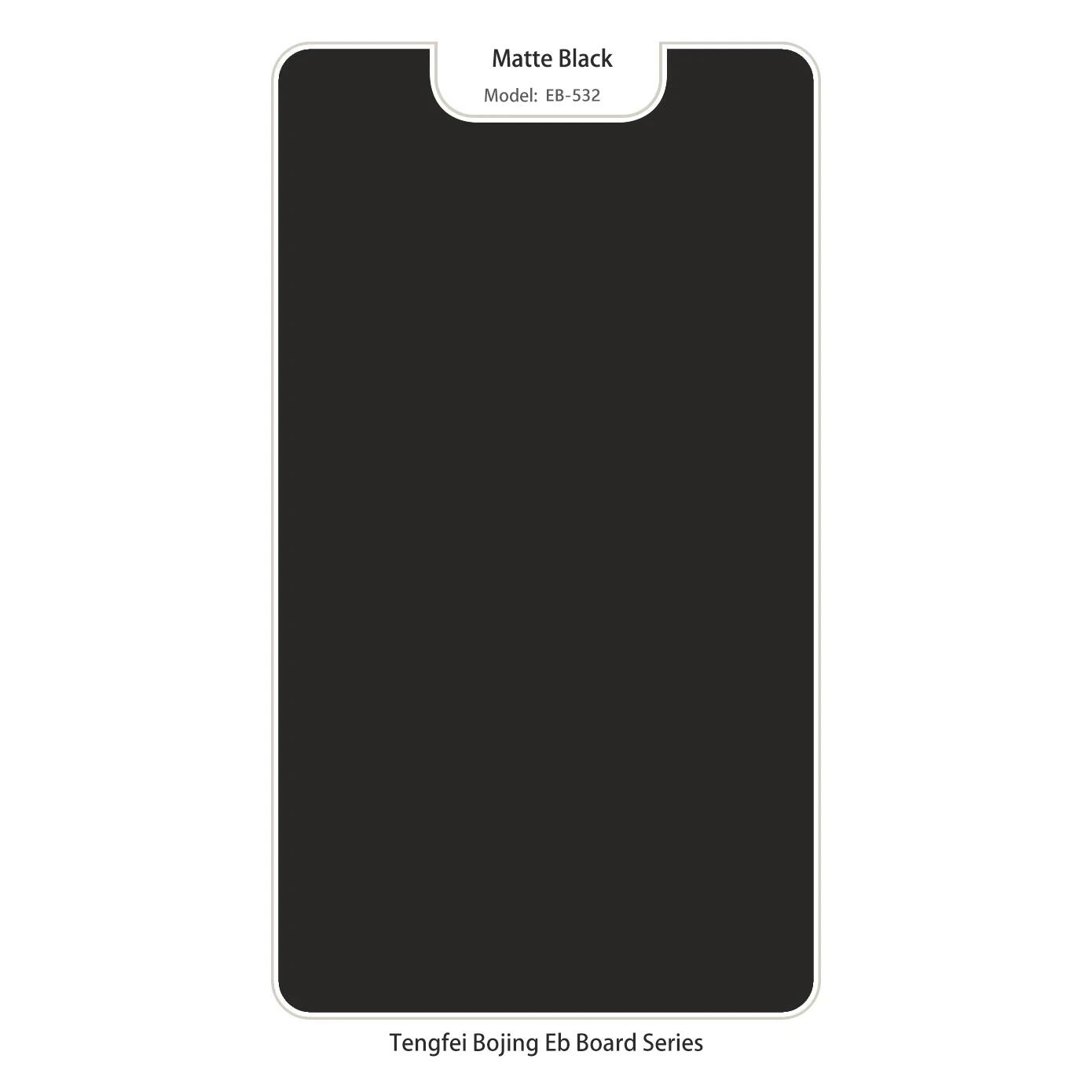
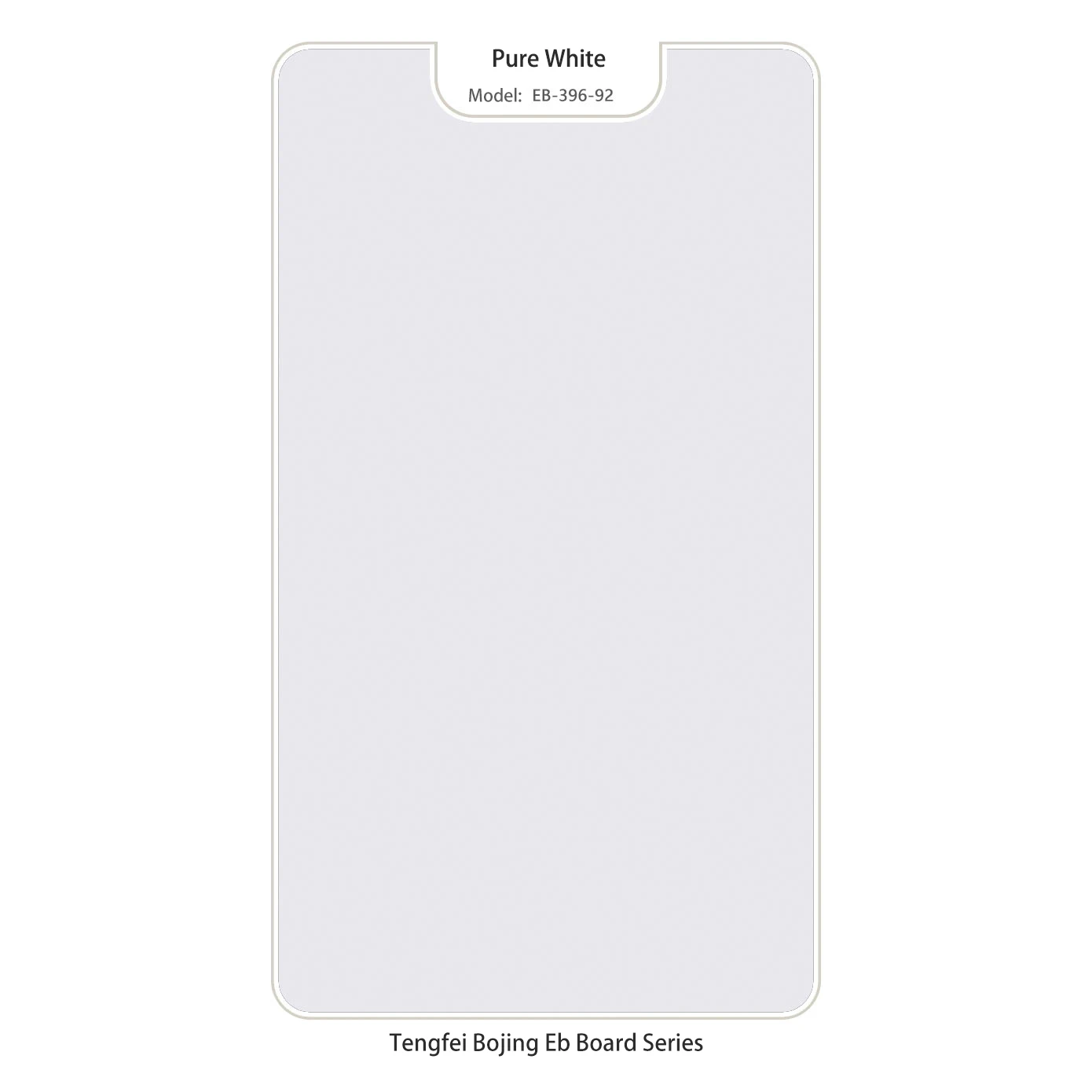
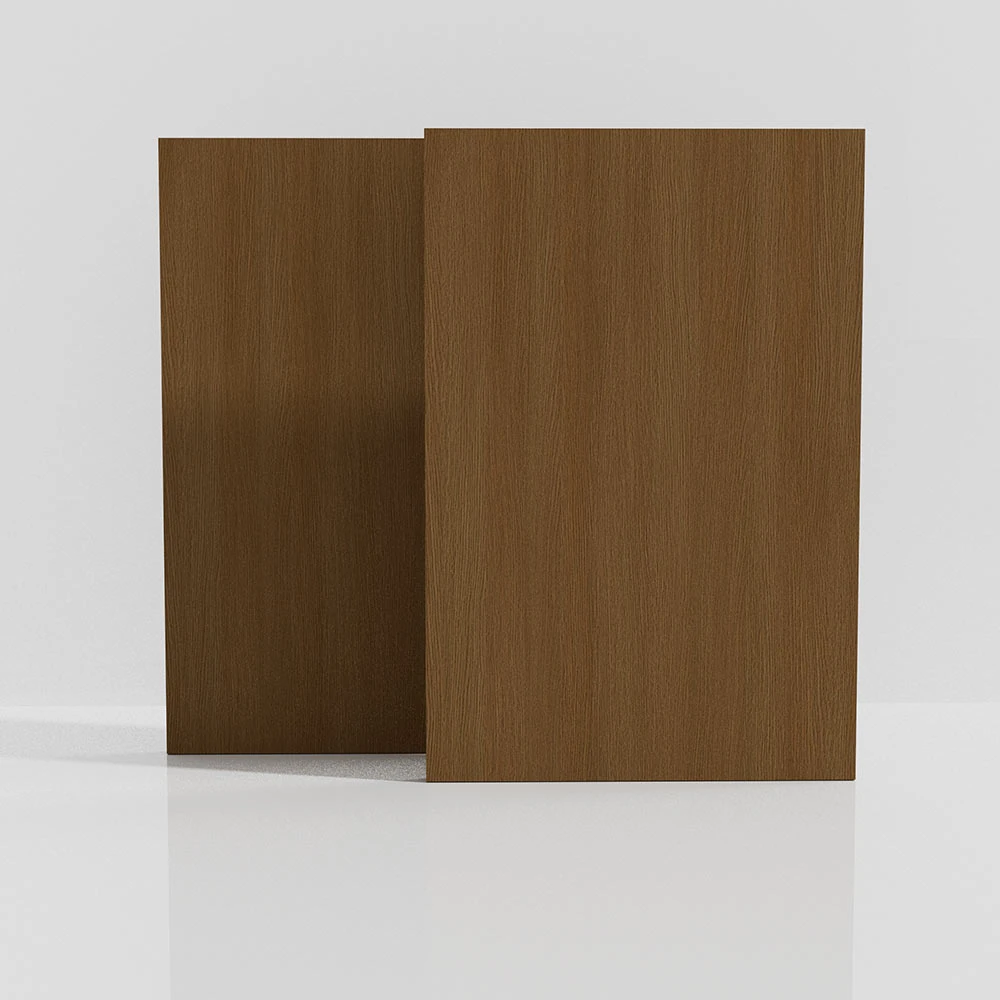
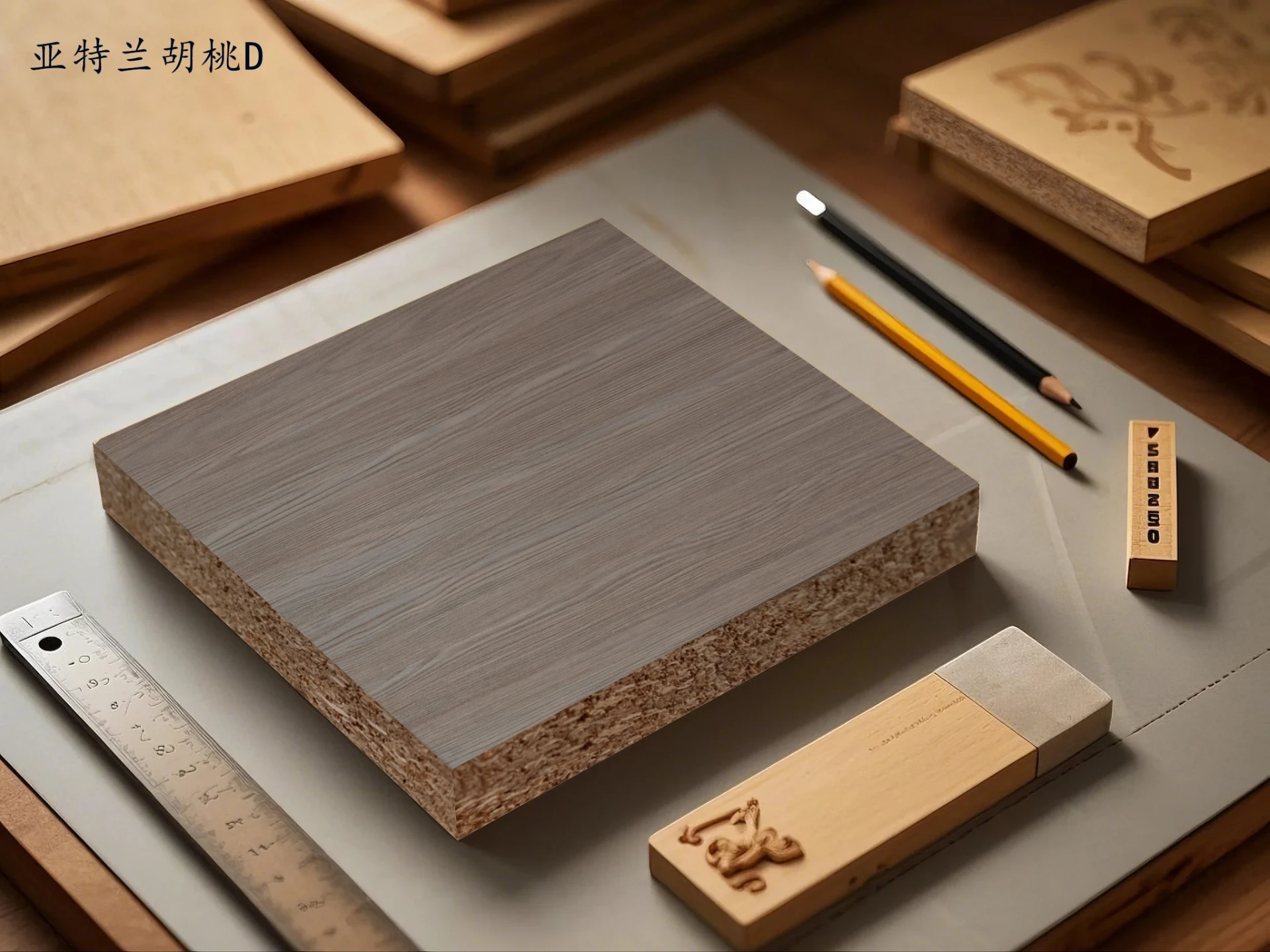
You’re looking at a product capable of imitating everything from wood grains to bold colors or even custom patterns. Think of the freedom this gives designers and architects—large-scale, uniform applications that maintain consistent looks, whether in a New York loft or a rural community center.
Environmental Considerations
MDF itself often uses recycled wood fibers, and with advances in manufacturing, emissions during production have been curbed. Plus, melamine coatings don’t require additional paint or varnish, reducing VOCs (volatile organic compounds) that harm indoor air quality.
| Specification |
Typical Value |
Importance |
| Thickness |
6mm to 25mm |
Adaptable for various applications |
| Density |
720-800 kg/m³ |
Ensures strength and workability |
| Melamine Coating Thickness |
60-90 microns |
Surface protection & visual finish |
| Surface Hardness (Mohs) |
3-4 |
Scratch and wear resistance |
| Formaldehyde Emission (E0/E1) |
| Health & safety compliance |
Mini Takeaway: Thickness, density, and coating matter to balance looks, durability, and health standards.
Global Applications of MDF Melamine Board
From European Union regulations encouraging sustainable materials to fast-developing urban hubs in Africa, the applications are countless. It’s used extensively in:
- Kitchen cabinetry and wardrobes, thanks to its moisture resistance and polish.
- Office furniture like desks, cubicles, and storage units.
- Retail fixtures, where visual appeal matters but budgets are tight.
- Hospitality interiors—hotels, restaurants—where durability and easy maintenance are key.
Oddly enough, in some disaster relief contexts, MDF melamine boards have been used to build temporary structures fast and efficiently—offering a semblance of comfort and dignity where it’s desperately needed.
Advantages and Long-Term Value
Cost-wise, it’s a clear winner. But what really resonates is the blend of reliability and environmental reassurance. By leaning on a product that’s recyclable and uses less virgin timber, manufacturers align with global sustainability goals such as those outlined by the United Nations’ Sustainable Development Goals (SDGs).
There’s also a social angle: smoother processes, less waste, and lower prices mean accessible quality furniture can reach wider populations — fostering trust between brands and buyers. It’s durable, but it’s also trustworthy. That’s rare in this competitive market.
Future Trends & Innovations
You want to bet on eco-friendly trends? Watch for melamine boards infused with bio-based resins, reducing reliance on petrochemicals. Digital printing advances allow hyper-customization—from textures that realistically mimic natural wood grain to matte and gloss finishes that can be digitally tailored.
Automation in manufacturing means faster lead times and less human error, plus ongoing efforts to reduce formaldehyde emissions to near-zero levels — crucial for healthier indoor environments.
Challenges & Smart Solutions
But, let’s keep it real — melamine boards can chip or swell if exposed to water for too long, unlike some marine-grade plywoods. Edge banding can peel if not properly applied. Some low-quality boards may emit higher amounts of volatile organic compounds, which is a no-go.
Innovative adhesives, recycled content improvements, and upgraded edge-sealing techniques help users sidestep these issues. One strategy many suppliers adopt is offering pre-sealed edges and premium coatings that withstand moisture better, though it does add cost.
| Vendor |
Quality Rating |
Product Range |
Environmental Certifications |
Price Range |
| Tengfei MDF |
9/10 |
Wide (11+ colors & textures) |
ISO 14001, CARB Phase 2 |
$$$ |
| GreenCore Panels |
8.5/10 |
Moderate (6 colors) |
FSC, EcoLabel |
$$ |
| HomeCraft Boards |
7.8/10 |
Limited (3 colors) |
None |
$ |
FAQ: Frequently Asked Questions About MDF Melamine Board
- What are the key differences between MDF melamine board and traditional plywood?
-
MDF melamine board boasts a smooth, uniform surface and often better resistance to scratches because of its melamine finish, while plywood can be stronger structurally but less consistent in appearance. MDF panels are generally more affordable and easier to work with for decorative purposes.
- How do I maintain the finish of an MDF melamine board?
-
Simply clean regularly with a soft, damp cloth and mild detergent. Avoid abrasive sponges or harsh chemicals that can damage the melamine layer. Protect edges from impact, as these are more prone to chipping.
- Is MDF melamine board environmentally friendly?
-
It’s relatively sustainable compared to solid wood, since MDF boards often contain recycled fibers and use fewer trees. Additionally, lower VOC emission versions are certified by standards like CARB Phase 2. However, it’s important to verify certifications with your vendor.
- Can MDF melamine board be used outdoors?
-
Generally, no. Standard MDF melamine is vulnerable to moisture and will swell if exposed. Specialty outdoor-rated composite panels exist, but for most outdoor uses, plywood or treated wood are better options.
- Where can I find reliable suppliers of quality MDF melamine boards?
-
Look for companies with environmental certifications and good reviews like Tengfei MDF. Verify sample quality first and ensure clear communication on production standards and delivery times.
Conclusion: Why MDF Melamine Board Should Be on Your Radar
In short, mdf melamine board brings together affordability, durability, and design flexibility—all wrapped in a product that fits global sustainability ambitions. Whether you’re outfitting a small kitchen, planning large office interiors, or even patching up spaces with a humanitarian mission in mind, it offers practical benefits with surprisingly broad appeal.
Interested in learning more or sourcing premium boards? Visit our website: https://www.tengfeiebmdf.com for detailed specs, certifications, and customer testimonials.
References:
1.
Wikipedia - MDF
2. International Wood Products Association, Industry Report 2023
3. United Nations Sustainable Development Goals – Goal 12: Responsible Consumption and Production