Understanding MDF Medium Density Fibreboard: A Global Perspective
If you’ve ever peered behind your furniture’s smooth finish or admired the clean lines of modern cabinetry, you’ve likely encountered mdf medium density fibreboard—a surprisingly versatile and increasingly essential material in today’s industrial and construction landscapes. But why does it matter beyond the workshop or factory floor? Globally, MDF addresses a core challenge: how to produce affordable, durable wood products that balance sustainability and performance. This isn’t just about fancy interiors; it connects deeply to efforts in resource management, livelihoods, and design innovation worldwide.
In fact, understanding mdf medium density fibreboard is key to grasping how industries like furniture manufacturing, construction, and even humanitarian relief are evolving with smarter material choices.
The Global Relevance of MDF Medium Density Fibreboard
The global wood-based panels market—including MDF—was valued north of $50 billion USD as of recent estimates, with forecasts predicting steady growth. According to the Food and Agriculture Organization (FAO) of the United Nations, sustainable wood product sourcing is critical to reducing deforestation, making engineered wood products like MDF more attractive. (1)
One pressing concern MDF addresses: the ever-rising demand for wood products clashes with shrinking forest resources. MDF’s manufacturing converts wood residues—those tiny fibers left after sawmill operations—into strong panels, enabling better resource use and reducing waste.
Oddly enough, this means MDF isn’t just a material; it’s part of a global puzzle about environmental stewardship and circular economies. Furniture makers across Europe, Asia, and the Americas rely heavily on MDF for affordable, uniform materials that don't compromise on the look or feel of solid wood.
What Exactly Is MDF Medium Density Fibreboard?
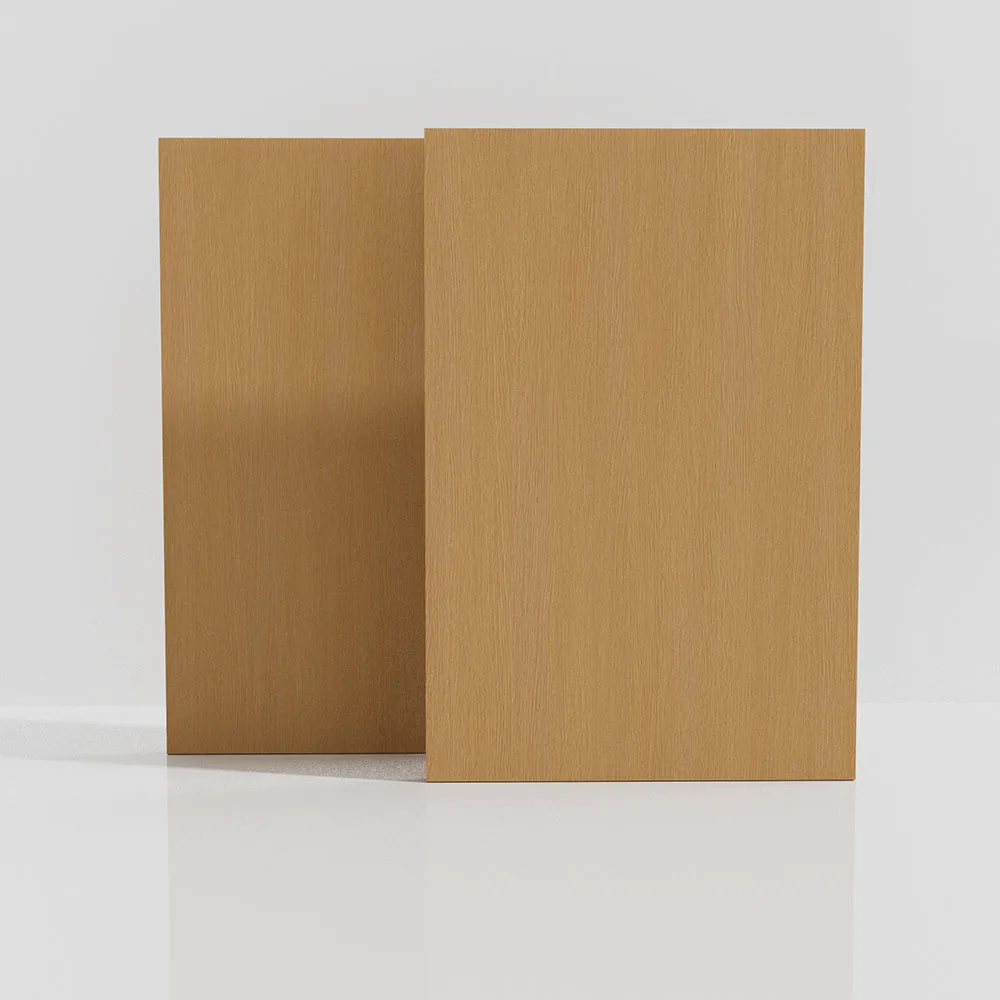
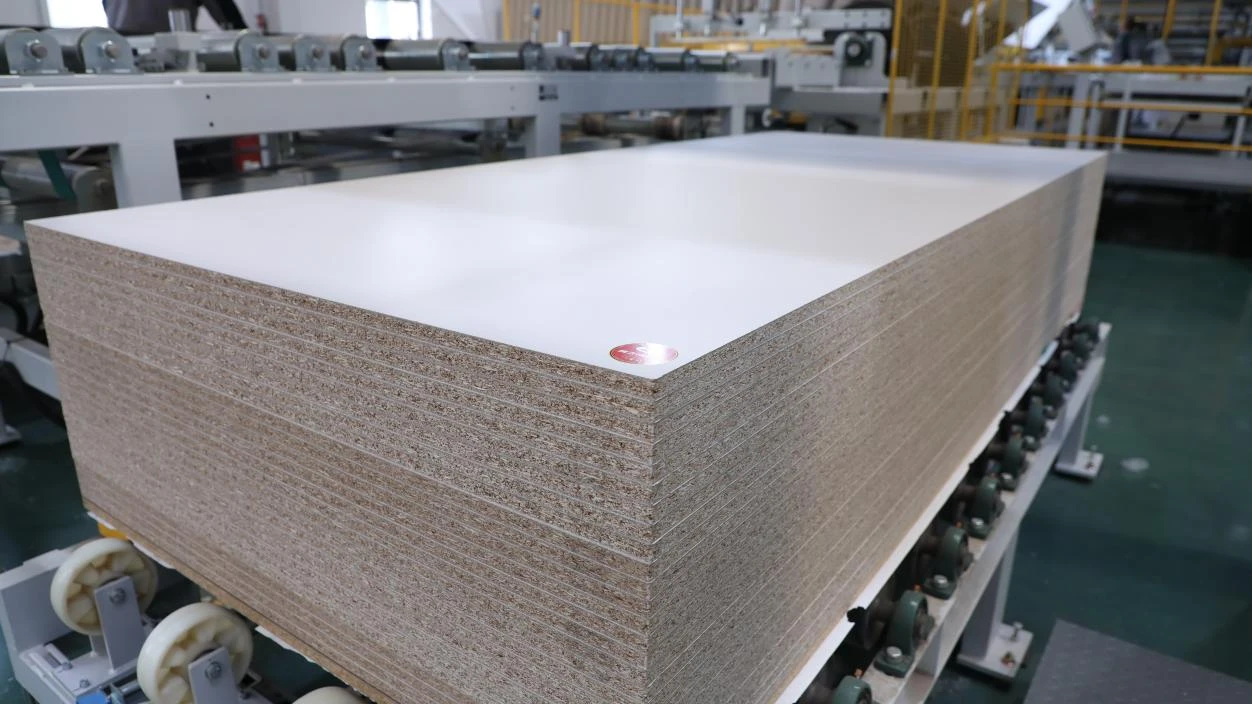
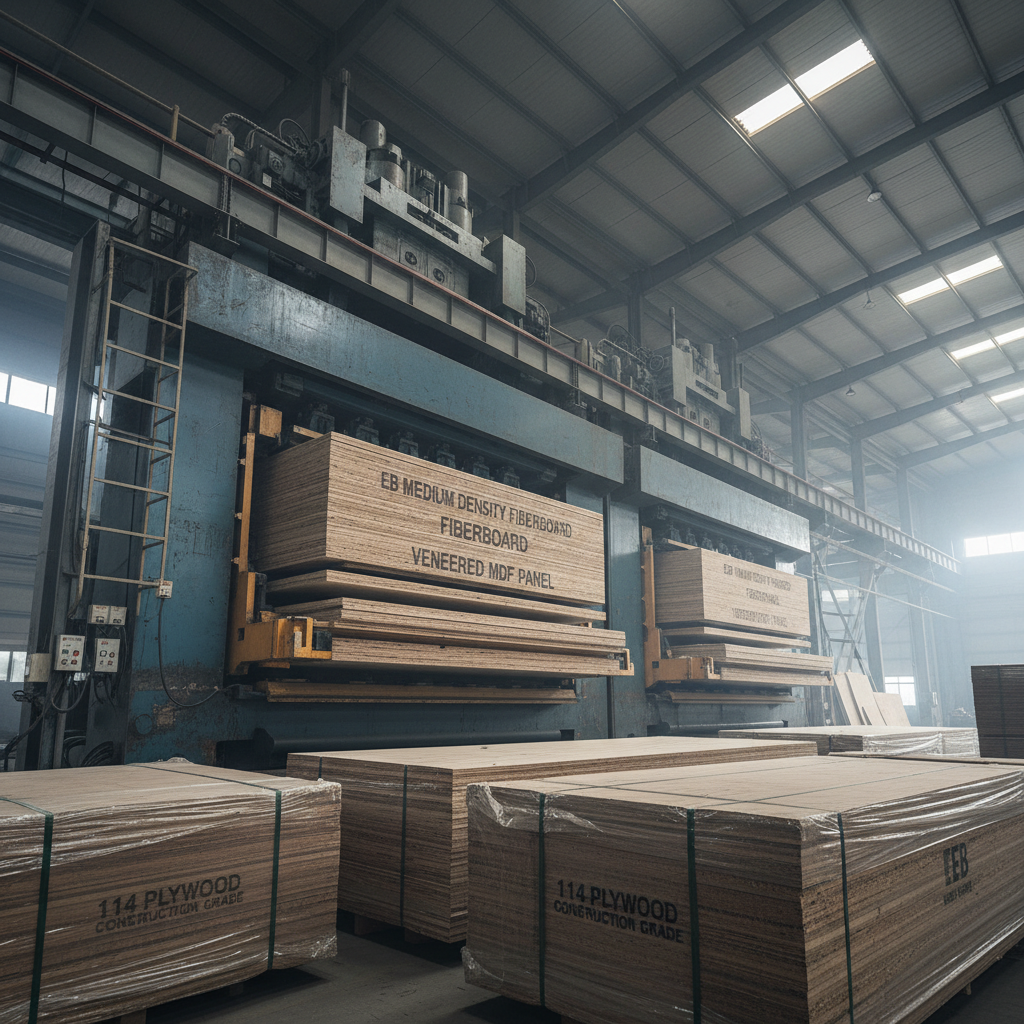
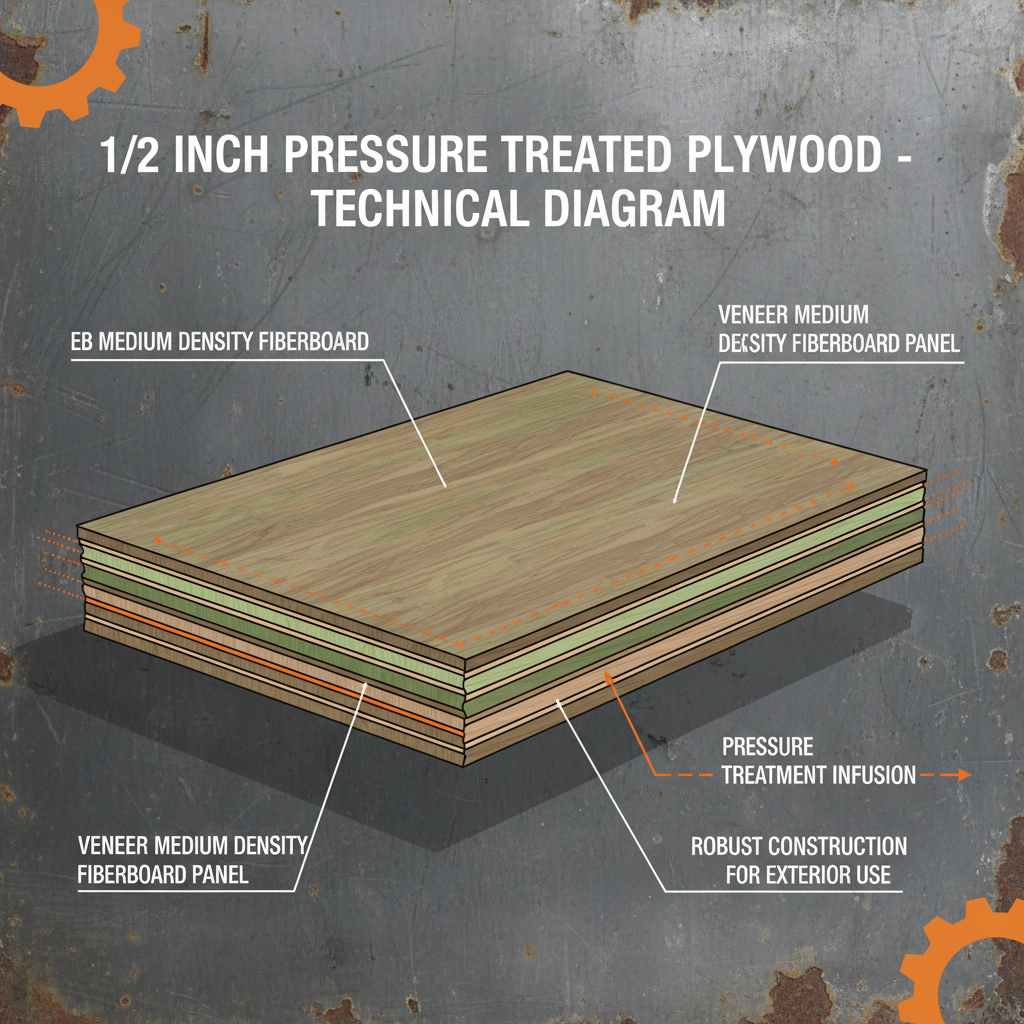
Put simply, Medium Density Fibreboard is an engineered wood product crafted by breaking down hardwood or softwood residuals into wood fibers, combining them with wax and resin binders, then compressing the mixture under heat and pressure. This process yields dense, flat panels with a smooth surface ideal for veneers, laminates, or paint.
It differs from particleboard by its finer texture and uniformity; and from plywood by the absence of grain or layers, giving MDF a homogenous, paint-ready surface. In the modern industrial context, MDF plays crucial roles not only in furniture but also in wall panels, moldings, and even musical instruments.
Key Characteristics That Make MDF a Star Player
Durability
Although not as moisture-resistant as plywood, MDF offers consistent density and strength, making it excellent for indoor use where durability and precision matter. It’s less prone to warping or splintering, which is a big deal in furniture fabrication, where finishing quality is essential.
Cost Efficiency
MDF generally costs less than solid hardwood or plywood, striking a neat balance between value and performance. Manufacturers can pass these savings to consumers, which is why affordable furnishings often feature MDF cores beneath their veneers.
Flexibility in Design
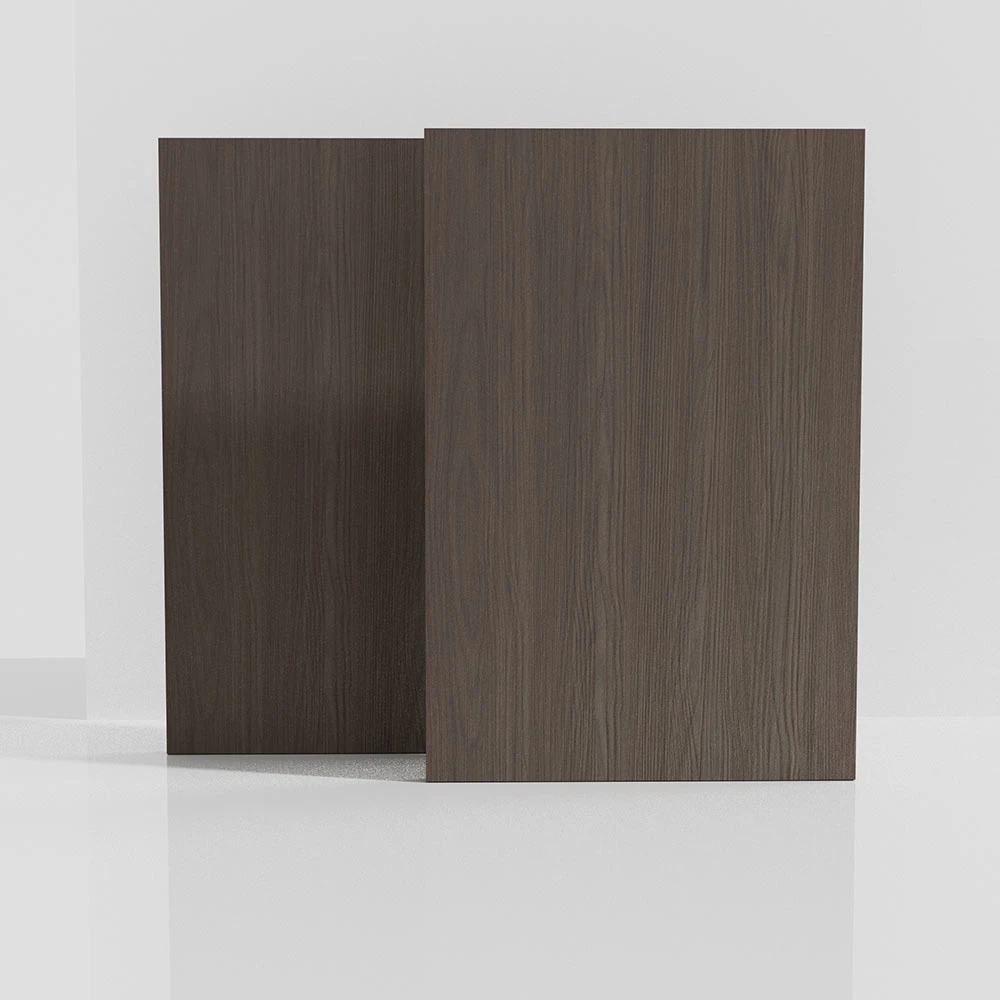
The smooth surface and ability to be machined with fine detail make MDF perfect for intricate designs—from decorative moldings to precision-cut cabinet doors. Many carpenters prefer MDF simply because you can do more with less.
Sustainability
Using wood fibers from waste and byproducts means MDF production can lighten the load on forests. Granted, the resin adhesives sometimes come under scrutiny for VOC emissions, but recent advances have introduced lower-formaldehyde and eco-friendlier alternatives, responding to modern health and environmental standards.
Ease of Workability
Its uniform density means MDF cuts, sands, and paints exceptionally well—qualities that save precious time in manufacturing and installation.
Mini Takeaway: MDF offers an unbeatable combination of uniformity, affordability, and environmental advantage that meets both industrial needs and emerging sustainability priorities.
Real-World Applications of MDF Across the Globe
Whether in bustling urban centers or remote industrial zones, MDF's versatility has earned it a broad portfolio of uses. European furniture manufacturers lean heavily on MDF for constructing wardrobes, desks, and shelving systems that are both refined and budget-friendly.
In Asia, rapid urban development produces extensive demand for MDF in interior paneling, door cores, and moldings. For example, China’s furniture exports frequently incorporate MDF to achieve precise finishes quickly and cost-effectively.
Meanwhile, NGOs and organizations involved in post-disaster recovery often use MDF boards for temporary housing or partitions—its ease of transport, cut-to-size capability, and strength help rebuild dignity quickly after calamity strikes.
In North America, MDF is common in retail fixtures where modular design and consistency are prized. Commercial sectors love how easily you can outfit stores or showrooms with uniform but stylish components made from MDF.
Advantages & Long-Term Value
- Economic benefits: Relative affordability combined with ease of fabrication translates into cost savings for manufacturers and end-users.
- Sustainability impact: By utilizing wood waste and supporting lower-impact forest management, MDF supports greener supply chains.
- Quality & aesthetics: Smooth surfaces lead to high-quality finishes, satisfying consumers who want the look of wood without the price.
- Social value: In housing and aid applications, MDF helps deliver safety and dignity through rapidly deployable materials.
Frankly, what strikes me is this balance—technical merit plus social benefit—that makes MDF medium density fibreboard a quietly indispensable player.
Product Specification Table: Typical MDF Panel Characteristics
| Specification |
Typical Value |
Comments |
| Density |
600–800 kg/m³ |
Medium density range |
| Panel Thickness |
3–30 mm |
Varied by application |
| Moisture Content |
5–13% |
Influences stability |
| Bending Strength |
20–45 MPa |
Adequate for furniture |
| Formaldehyde Emission |
E0–E1 class |
Low emission grades preferred |
Comparing Major MDF Vendors: What to Consider
| Vendor |
Product Range |
Sustainability |
Global Reach |
Pricing Approx. |
| Tengfei MDF Inc. |
Standard & low-emission MDF |
Certified sustainable forestry |
Asia, Europe, Americas |
Competitive |
| Kronospan Group |
Wide panel variety including specialty MDF |
PEFC & FSC certified |
Global |
Mid to high |
| Norbord Inc. |
Standard MDF, specialty finishes |
SFI certified |
North America, Europe |
Moderate |
Looking Ahead: Innovations & Trends in MDF Production
Manufacturers are increasingly focusing on low-emission adhesives, formaldehyde-free resins, and incorporating recycled fibers. The push towards greener production aligns with rising regulatory demands globally—European Union RoHS and CARB (California Air Resources Board) standards have set the tone for safer indoor air quality.
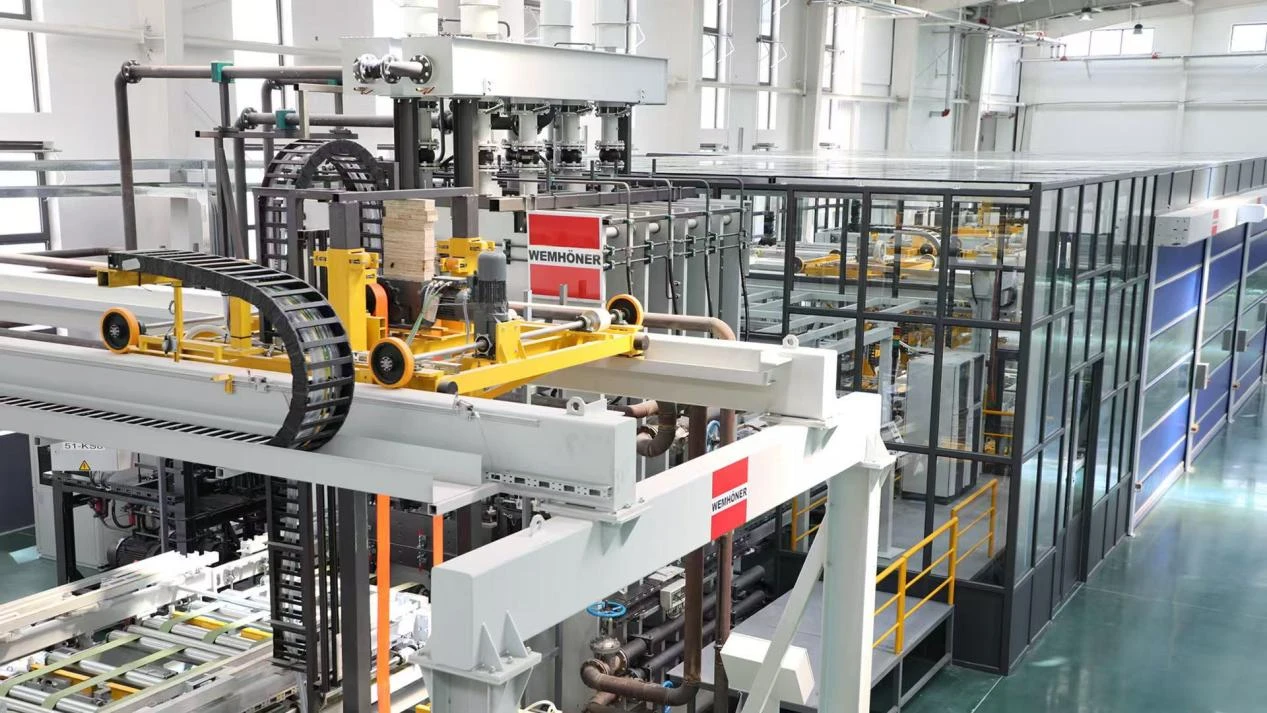
Digitally-driven cutting technologies, such as CNC routers and laser-cutting machines, have elevated precision and minimized waste. Automation in panel production and quality testing means more consistent outputs and the ability to customize MDF panels quickly for specific projects—a boon for niche furniture makers and modular construction firms alike.
We’re also seeing the integration of nano-technologies to improve moisture resistance and fire retardancy, expanding MDF’s potential into more demanding environments.
Challenges with MDF & How Industry Addresses Them
Of course, MDF isn’t perfect. Its susceptibility to moisture damage and potential for VOC emissions from binders remain concerns—especially in humid environments or eco-conscious markets. This means applications have limits; using MDF outdoors requires specialized treatment or alternatives.
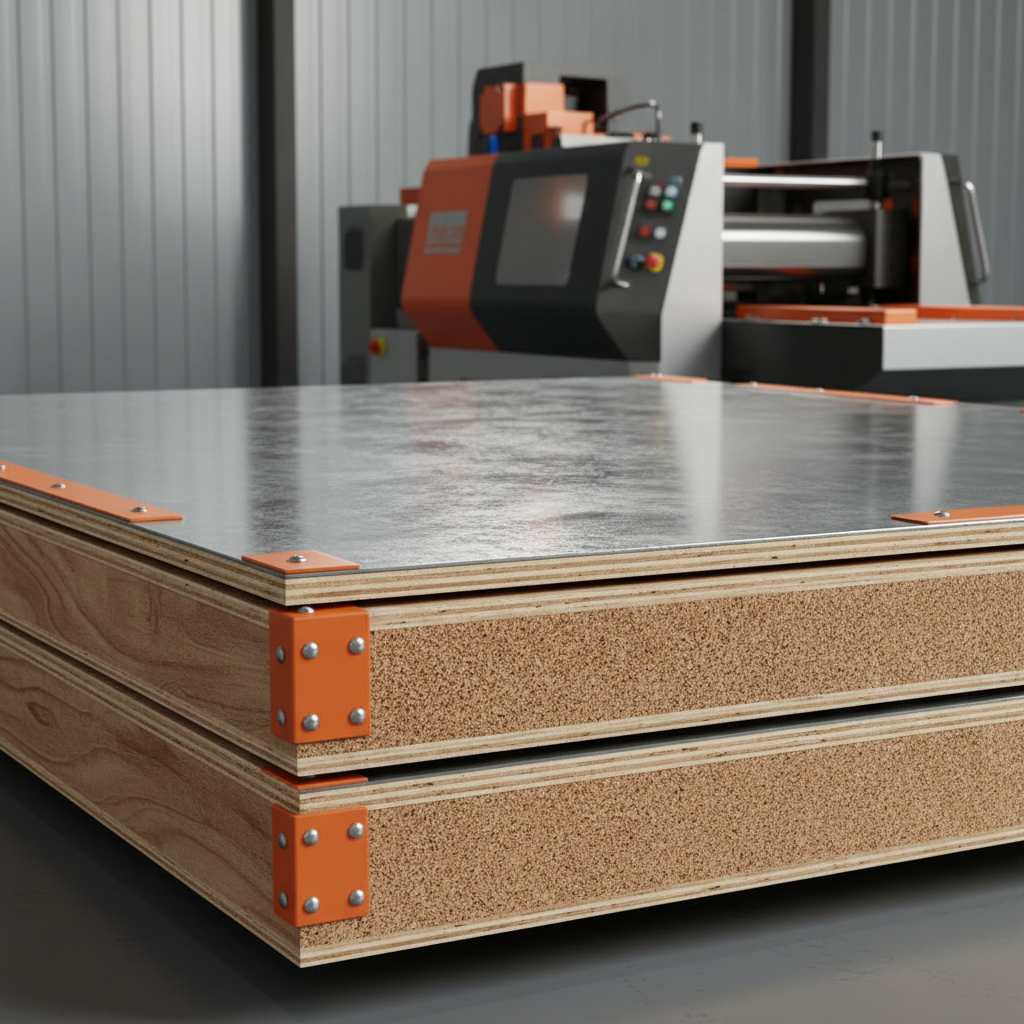
Experts suggest solutions like ultra-low formaldehyde resins, water-resistant coatings, and hybrid panels combining MDF with other materials to overcome these challenges. Continuous R&D and certification efforts keep pushing the material's use range broader, which many in the construction and manufacturing sectors find promising.
FAQs: Common Questions About MDF Medium Density Fibreboard
- Q: Is MDF more sustainable than traditional solid wood?
- A: Yes, in many cases. MDF uses wood fibers and residues that might otherwise be wasted, reducing pressure on forests. However, the sustainability depends on sourcing certification and adhesive types used in manufacturing.
- Q: How moisture-resistant is MDF, and can it be used in kitchens or bathrooms?
- Standard MDF is not ideal for high-moisture areas as it can swell. Moisture-resistant or treated MDF variants exist but may come at higher costs. In kitchens, sealed or laminated surfaces are recommended to protect MDF cores.
- Q: Can MDF be recycled or disposed of safely?
- MDF recycling options are limited due to adhesives. Some facilities accept MDF for energy recovery or reprocessing. Safe disposal requires awareness of local regulations, especially because of formaldehyde content.
- Q: Does MDF emit harmful gases indoors?
- Older MDF grades emitted formaldehyde, but modern products meet strict low-emission standards (E0/E1 grades). Proper ventilation and choosing certified low-VOC products minimize indoor air quality concerns.
- Q: How does MDF medium density fibreboard compare price-wise to plywood?
- Generally, MDF tends to be less expensive than plywood, especially when factoring in its smooth surface that reduces finishing costs. However, plywood is often preferred where moisture or structural strength is crucial.
Conclusion: Why MDF Medium Density Fibreboard Remains a Material of Choice
At the intersection of cost, performance, and sustainability, MDF medium density fibreboard stands tall as an adaptable material vital to industries worldwide. Whether shaping the furniture of tomorrow or helping rebuild communities after disasters, its blend of qualities makes it a sort of quiet backbone in modern manufacturing.
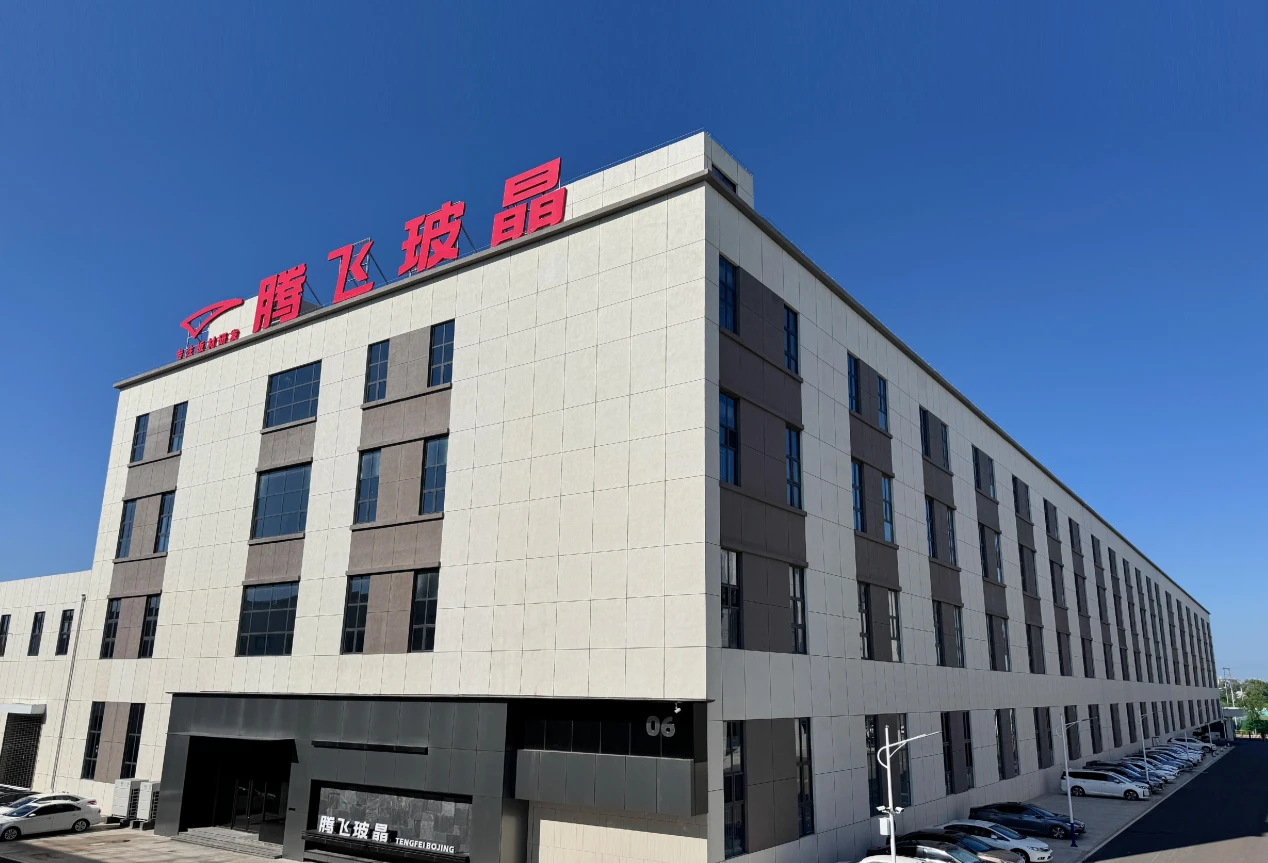
To explore the latest MDF products, innovations, or place an order tailored to your projects, visit Tengfei MDF's website today—you might just find the perfect panel waiting for you.
Mini Takeaway: Embracing MDF means acknowledging the future of responsible wood use, design flexibility, and accessible quality.
References
- FAO - Industrial Wood Products Overview
- ISO 12460-3: Testing of Formaldehyde Emission
- Wikipedia - Medium-density fibreboard