Understanding MDF HMR Board: Why It Matters Globally
Have you ever paused to wonder what really holds together our furniture, cabinets, or interior décor? More often than not, an mdf hmr board is behind the scenes — that sturdy, moisture-resistant material that transforms raw wood fibers into reliable, versatile surfaces. This article dives into what mdf hmr board really means, why it’s increasingly important worldwide, and how it meets both industrial demands and humanitarian challenges.
With rapid urbanization and the growing need for sustainable building materials, understanding the science and practical benefits of MDF HMR (High Moisture Resistance) boards isn’t just a niche concern — it’s a looming component in global infrastructure, housing, and manufacturing.
Mini takeaway: MDF HMR board represents a durable, moisture-tackling solution vital to modern construction and furniture industries worldwide.
The Global Context of MDF HMR Board
Globally, the furniture and interiors market is projected to hit over $650 billion by 2027 (source: Statista). That’s a colossal demand for materials resistant to moisture, pests, and wear — a problem mdf hmr board elegantly addresses. Especially in humid tropical zones like Southeast Asia, where untreated wood quickly deteriorates, moisture-resistant MDF boards extend lifespans drastically.
Meanwhile, environmental standards from organizations like ISO increasingly pressure manufacturers towards greener, longer-lasting goods – pushing industries toward engineered woods like MDF HMR that minimize waste and chemical usage.
Mini takeaway: As the world urbanizes, moisture-resistant engineered wood boards like MDF HMR fill a critical role, especially in humid, fast-growth regions.
What is MDF HMR Board?
Simply put, MDF (Medium-Density Fiberboard) is made by compressing wood fibers glued under heat and pressure to form a smooth, consistent panel. The “HMR” tag means “High Moisture Resistance” — these boards are specially treated, often with water-repellent resins and waxes, to withstand humidity and water for much longer than standard MDF.
In the humanitarian context — think emergency shelters or tropical housing — this resistance is more than a convenience; it’s about safety, longevity, and reducing maintenance costs.
Mini takeaway: MDF HMR is a treated engineered wood panel designed to resist moisture better than traditional MDF, making it essential for humid or demanding environments.
Core Aspects of MDF HMR Board
1. Durability
One of the main reasons engineers love MDF HMR is its ability to endure moisture-related damage like swelling or warping. In bathrooms, kitchens, or tropical homes, it keeps structural and aesthetic integrity intact over years.
2. Cost Efficiency
Compared to solid wood or plywood, MDF HMR offers consistent quality at a lower price point — with less waste during manufacturing. This makes it a favorite for large commercial projects seeking balance between budget and performance.
3. Workability and Finish
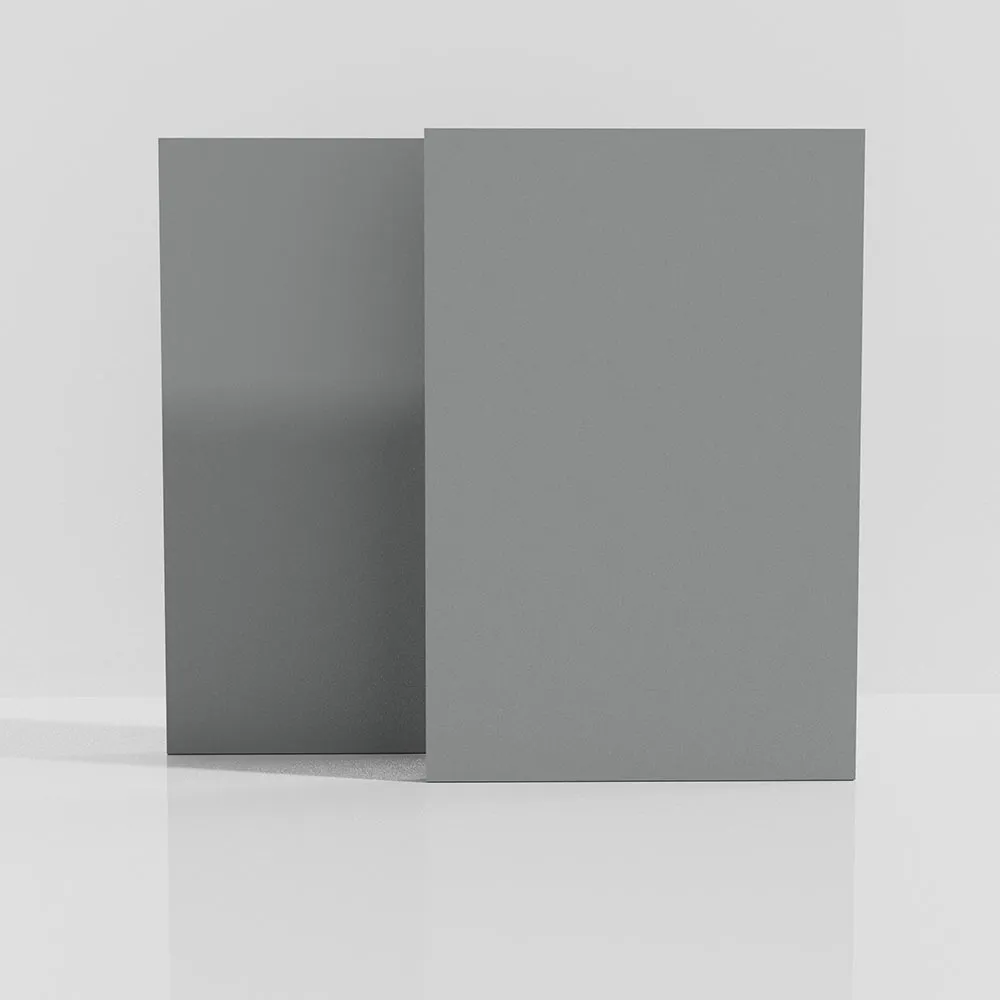
MDF HMR boards are easy to cut, drill, and paint, giving manufacturers and craftsmen tremendous design flexibility. That smooth surface also lends itself well to laminates or veneers.
4. Environmental Impact
Because it utilizes recycled wood fibers and formaldehyde resins with evolving eco-certifications, many MDF HMR options today tick sustainability boxes — an increasingly important requirement globally.
5. Scalability
Produced in standard panel sizes, MDF HMR boards fit mass manufacturing systems but also smaller bespoke applications — from furniture to modular housing components.
Mini takeaway: Durable, cost-effective, eco-friendly, and versatile, MDF HMR boards strike a fine balance of industrial needs and environmental responsibility.
Exploring Real-World Applications of MDF HMR Board
Across the globe, MDF HMR boards are indispensable:
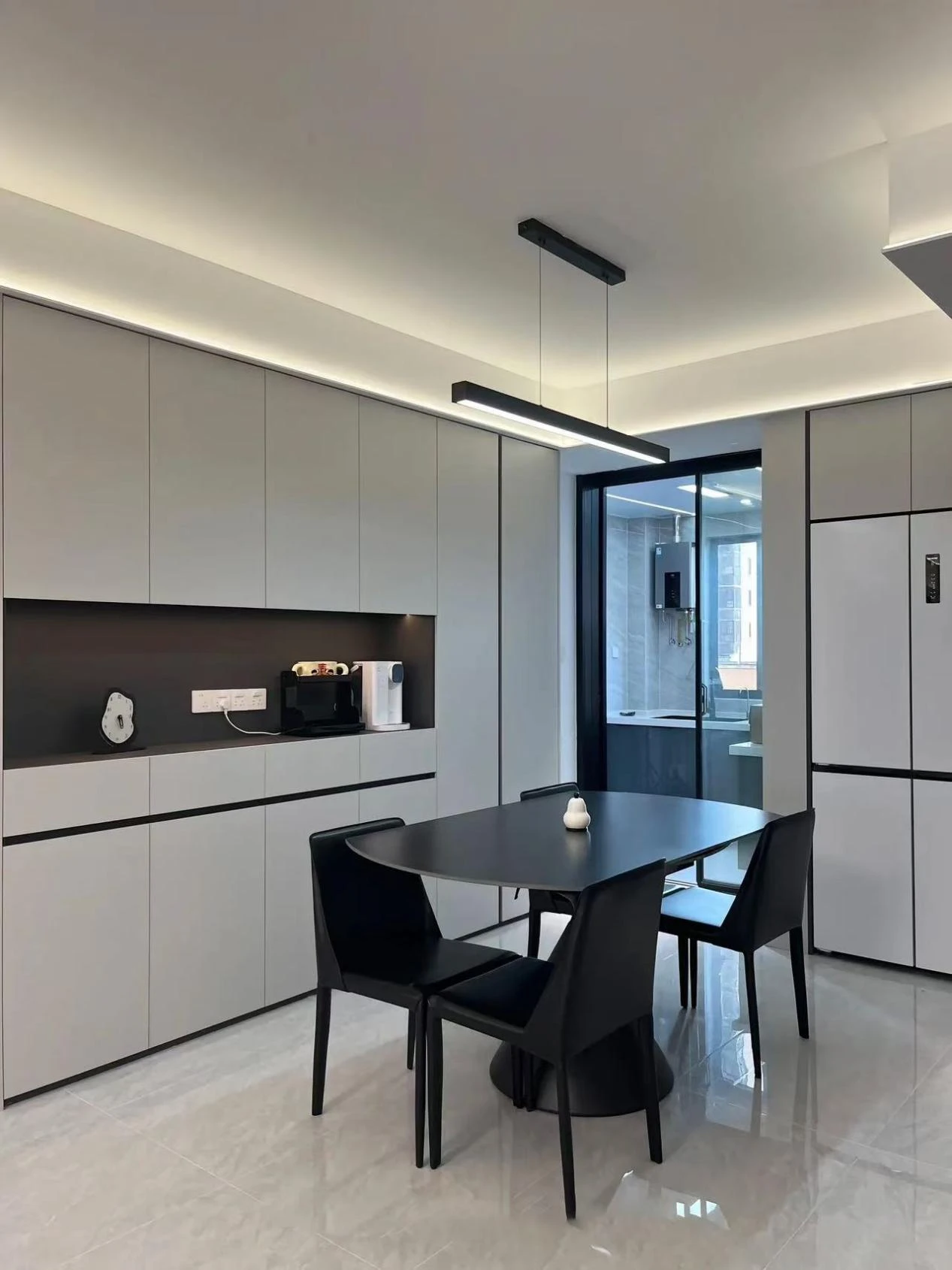
- Southeast Asia: Used extensively in kitchen cabinetry that survives high humidity.
- Europe: Furniture manufacturers choose MDF HMR for bathroom vanities to prevent water damage.
- Humanitarian Housing: NGOs prefer MDF HMR boards in rapid-deploy shelters that must hold up under rainy conditions.
- Retail displays: Moisture-resistant boards ensure vibrant, long-lasting store fixtures.
Imagine post-disaster relief camps where structures must endure monsoons without costly repairs — MDF HMR is quietly a key player in keeping these deployments safe and sustainable.
Mini takeaway: MDF HMR board is a go-to solution worldwide — from high-end European homes to lifesaving temporary housing in disaster zones.
Advantages & the Long-Term Value of MDF HMR Board
There’s more than just moisture resistance going on here:
- Longevity: Reduced need for repairs or replacement.
- Cost Savings: Less maintenance and downtime.
- Design Freedom: Easy to customize and finish beautifully.
- Improved Safety: Less mold risk in moist environments.
- Environmental Sustainability: Lower raw wood consumption, recycling of fibers.
It’s rare to find a product that hits so many practical and emotional benefits — you get reliability, peace of mind, and the chance to build responsibly.
Mini takeaway: MDF HMR board is an investment in durability, sustainability, and overall value, saving money and hassle in the long run.
Future Trends & Innovations in MDF HMR Board
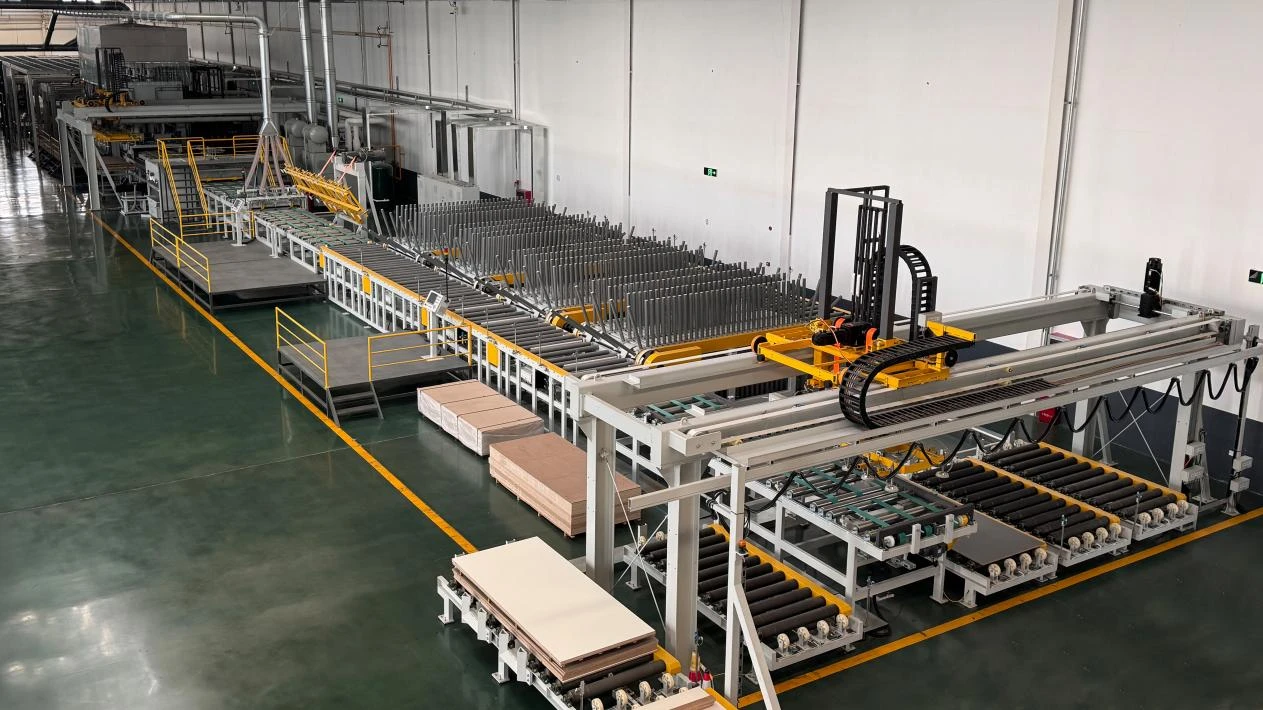
Innovation never sleeps. The industry is exploring bio-based resins replacing petrochemical adhesives to ramp up eco-credentials. Automated production lines improve consistency and reduce emissions. Digital design tools enable furniture makers to create ever more complex shapes from these stable panels.
Meanwhile, as “green building” standards gain traction worldwide, MDF HMR boards certified for low emissions and sourced wood become increasingly attractive. Expect tighter regulations to push R&D toward even more sustainable, moisture-resistant engineered woods.
Mini takeaway: MDF HMR boards are evolving with greener chemistry, smarter production, and design flexibility — ready for tomorrow’s sustainable world.
Challenges & Expert Solutions
Of course, nothing is perfect. Some common challenges with MDF HMR boards include:
- Potential formaldehyde emissions (though modern boards minimize this).
- Limited resistance to standing water — designed for humidity, not submersion.
- Slightly higher cost than basic MDF, which can dissuade budget-conscious buyers.
Experts suggest choosing certified low-emission panels and pairing HMR boards with proper edge sealing to maximize lifespan. Also, innovative wax blends and nanotechnology coatings show promise in creating next-gen moisture barriers.
Mini takeaway: Careful selection, sealing, and new material science advances help overcome current MDF HMR limitations.
FAQ: Frequently Asked Questions About MDF HMR Board
- What makes MDF HMR board better than standard MDF?
- MDF HMR boards are specially treated to resist moisture, preventing swelling and warping common in standard MDF, making them ideal for humid or wet environments like kitchens or bathrooms.
- Can MDF HMR boards be used outdoors?
- They offer enhanced moisture resistance but are not designed for prolonged outdoor exposure or direct contact with standing water. For outdoor applications, specialized exterior-grade panels are recommended.
- How does MDF HMR board compare with plywood?
- MDF HMR offers a smoother, more consistent surface, better for painting and laminating, and generally costs less than plywood. However, plywood often has better structural strength for heavy load-bearing uses.
- Are MDF HMR boards eco-friendly?
- Many MDF HMR products use recycled wood fibers and low-emission resins, making them a more sustainable choice than solid wood, especially when certified by eco-labels such as FSC or CARB.
- Where can I buy quality MDF HMR boards?
- Reliable vendors include regional suppliers specializing in engineered wood. Here is a good starting point for high-quality MDF HMR products with certifications you can trust.
Product Specification Table
| Specification |
Details |
| Density |
750 - 850 kg/m³ |
| Thickness Range |
6 mm to 25 mm |
| Moisture Content |
≤ 5% |
| Formaldehyde Emission |
E1 grade (≤ 0.1 ppm) |
| Surface |
Smooth, ready for lamination or paint |
| Water Resistance |
Effective against humidity and splashes; not for immersion |
Comparing Top MDF HMR Board Vendors
| Vendor |
Certification |
Price Range (per m²) |
Lead Time |
Additional Notes |
| Tengfei MDF |
FSC, CARB E1 |
$12 - $15 |
2-3 weeks |
Custom sizing available |
| Global Board Ltd. |
CARB E0 |
$14 - $17 |
3-4 weeks |
Focus on eco-certified products |
| EcoWood Panels |
FSC, PEFC |
$13 - $16 |
1-2 weeks |
Strong sustainability commitment |
Final Thoughts
When it comes down to it, mdf hmr board quietly underpins a huge swath of industries, from fast-growing urban housing to disaster relief shelters. Its moisture resistance, cost efficiency, and eco-friendly potential make it a truly global material that’s still evolving.
Whether you're a manufacturer, architect, or humanitarian planner, paying attention to MDF HMR boards today could save you headaches — and money — tomorrow. If you’re curious to explore product lines or certifications, I highly recommend visiting https://www.tengfeiebmdf.com for comprehensive details and support.
References:
- Wikipedia: Medium-density fibreboard
- ISO Standards for Engineered Wood Products
- UN Sustainable Development Goals