Understanding MDF Hardboard: A Versatile Material with Global Impact
At first glance, mdf hardboard might seem like just another building material — flat, wood-based, and maybe a bit plain. Yet, its role in construction, furniture making, packaging, and even humanitarian relief hints at something much bigger. Globally, the demand for sustainable, affordable, and easily processed materials is rising, and mdf hardboard fits right into that narrative. Getting familiar with it means understanding a material that quietly supports industries from Asia to Europe and helps address some pressing challenges like sustainable construction and resource efficiency.
Why Does MDF Hardboard Matter on a Global Scale?
Let’s set the scene. Timber resources are under intense pressure worldwide — the UN’s Food and Agriculture Organization reports rising deforestation rates despite more stringent regulations, and the World Bank highlights the cost challenges associated with raw timber in developing regions. MDF (Medium-Density Fiberboard) hardboard, created by compressing wood fibers with resins, offers a smart workaround. It uses wood waste efficiently, reducing dependency on solid hardwood and supports circular economy models. In fact, industry data shows that global production of MDF and similar engineered wood products has been growing at roughly 5% annually over the last decade.
However, challenges such as durability in humid climates and environmental concerns around adhesives remain. It’s a balancing act, but one that mdf hardboard manufacturers and users constantly refine.
What Exactly is MDF Hardboard?
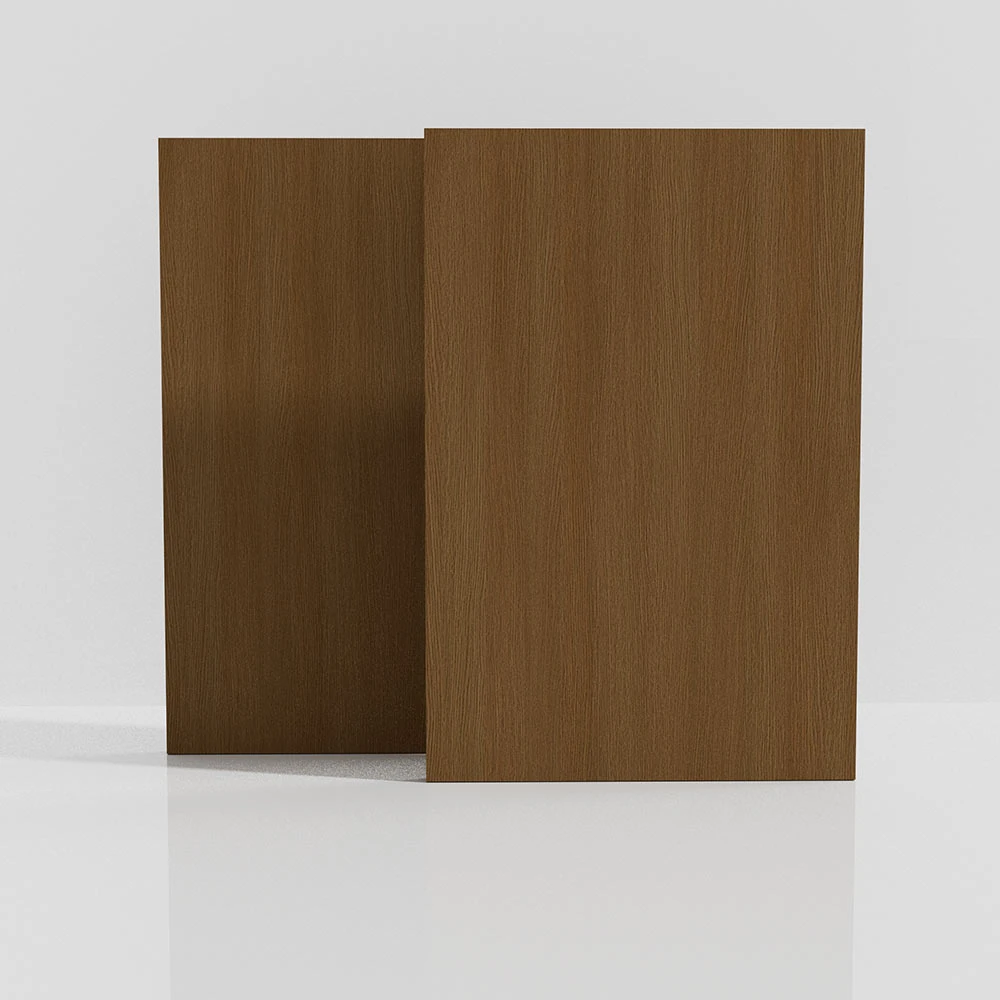
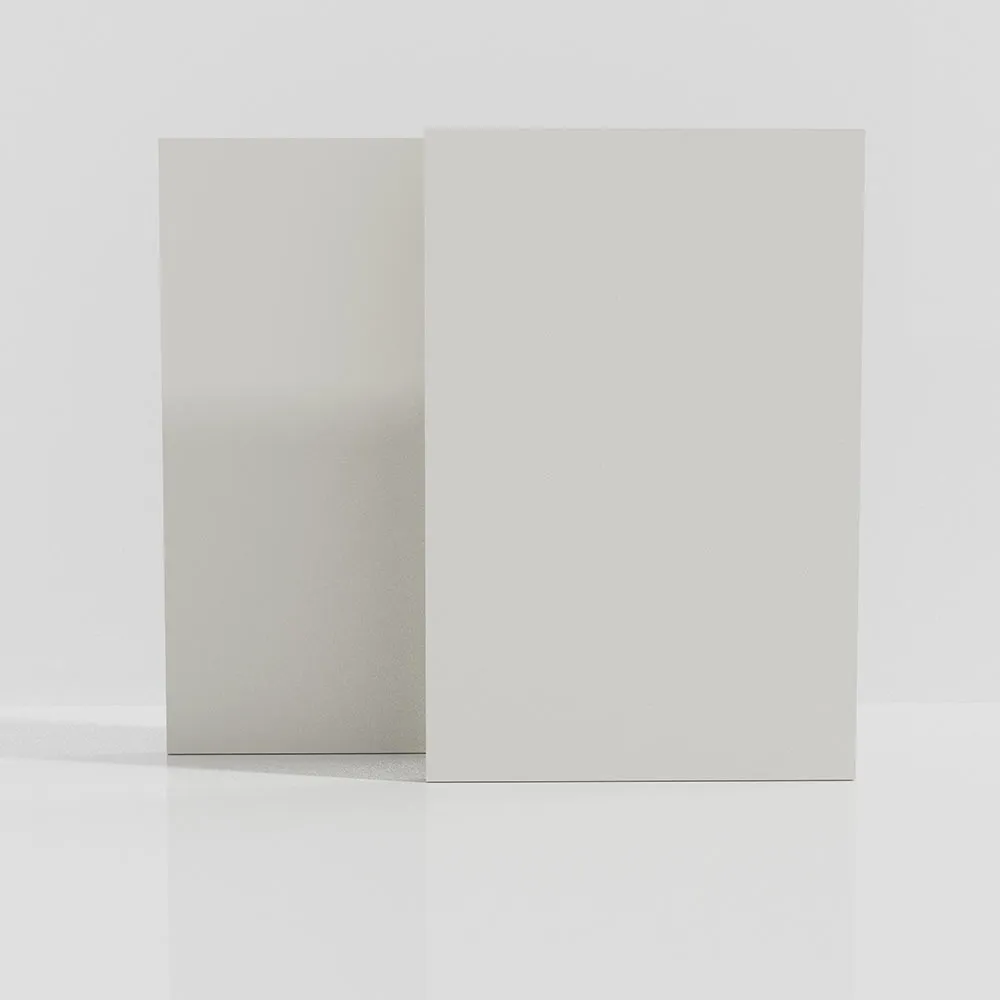
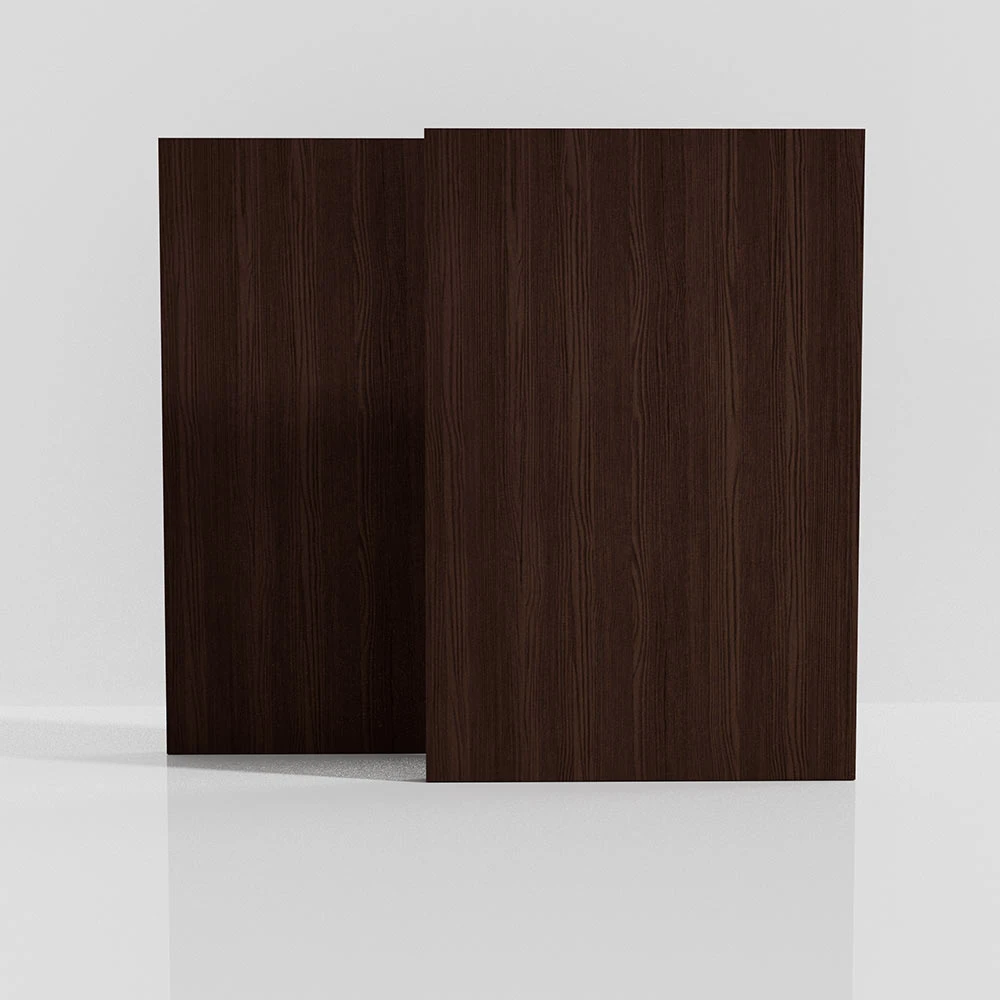
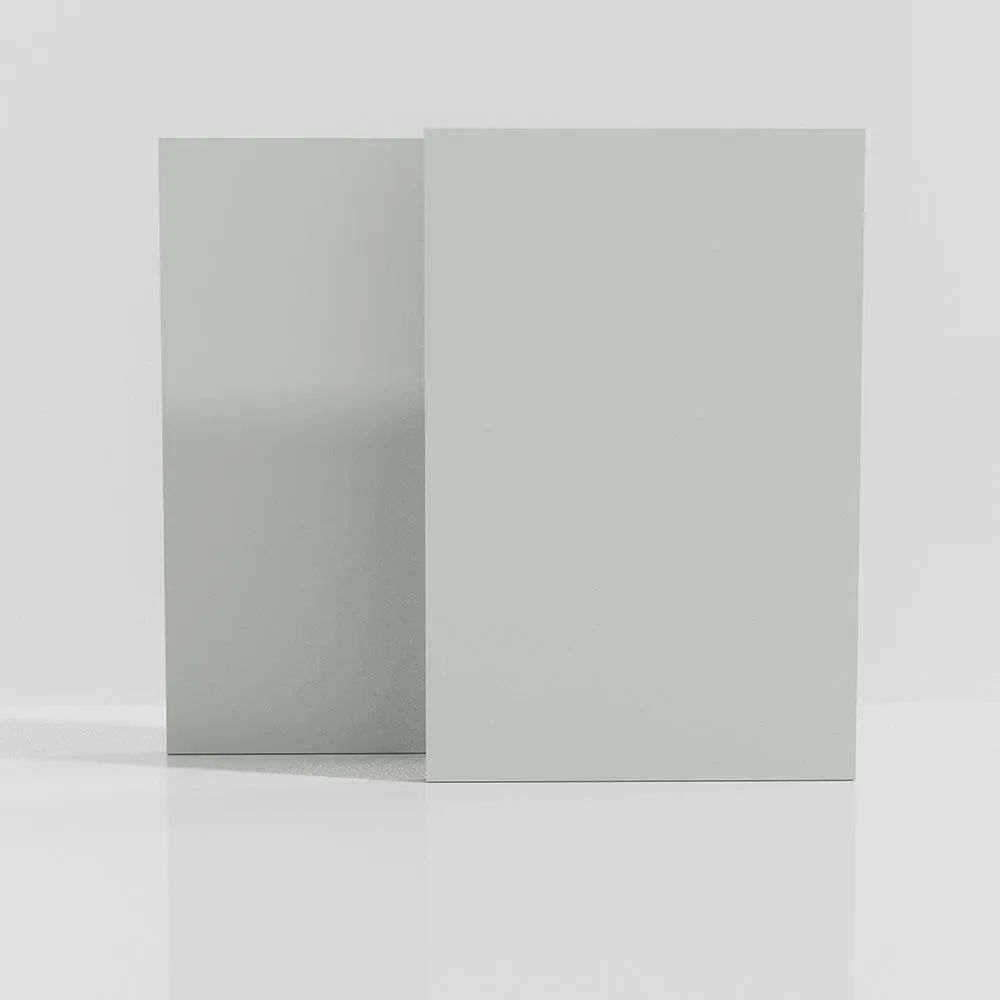
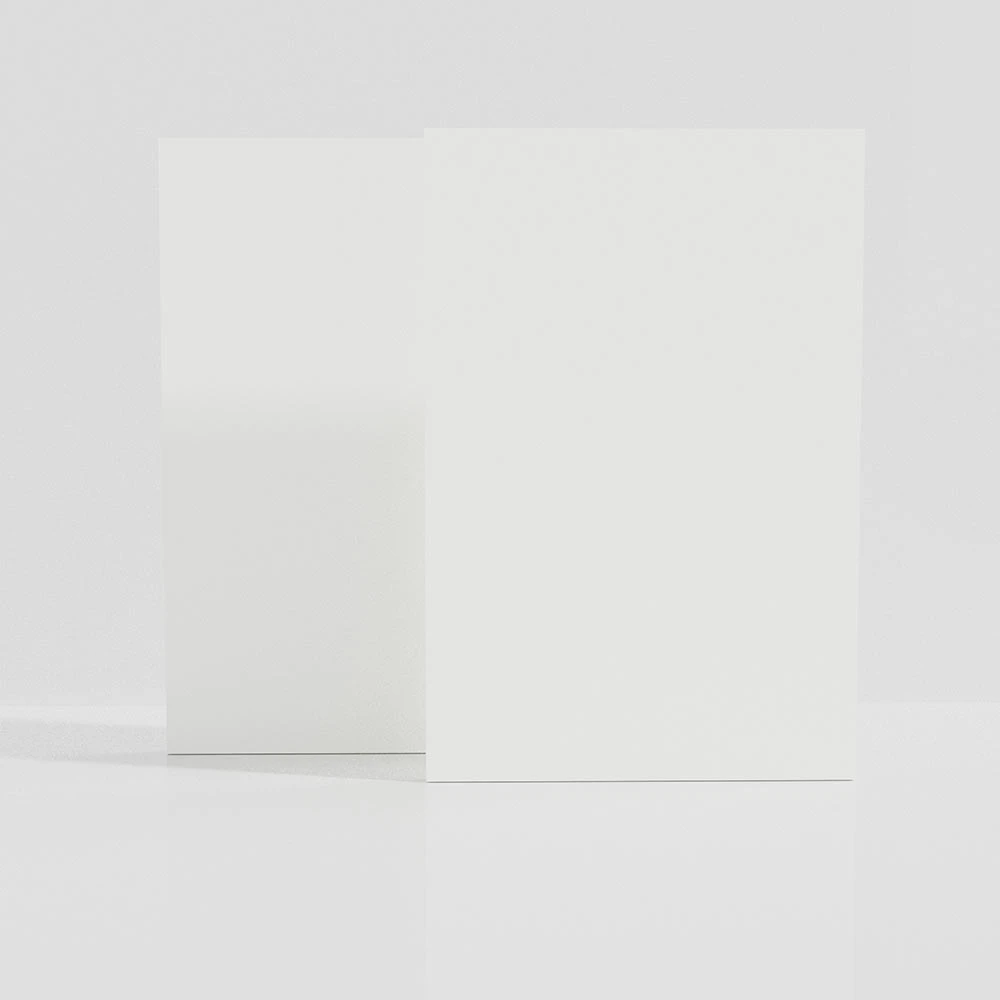
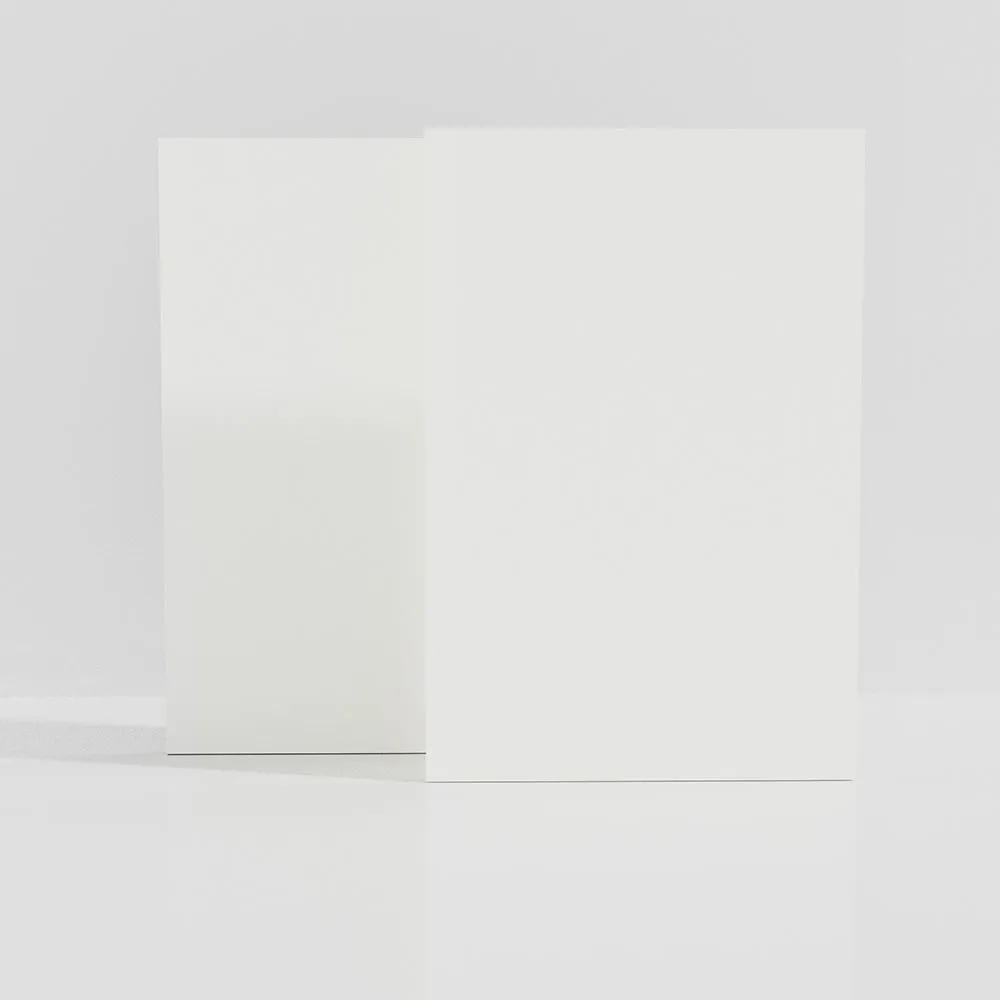
Simply put, MDF hardboard is a panel material made from finely ground wood fibers bonded under heat and pressure, usually with resin binders. The end product is denser and harder than particleboard but smoother and more uniform than plywood. While it is categorized in the family of engineered wood products, its distinct manufacturing method yields a panel that’s ideal for surface laminations and detailed machining.
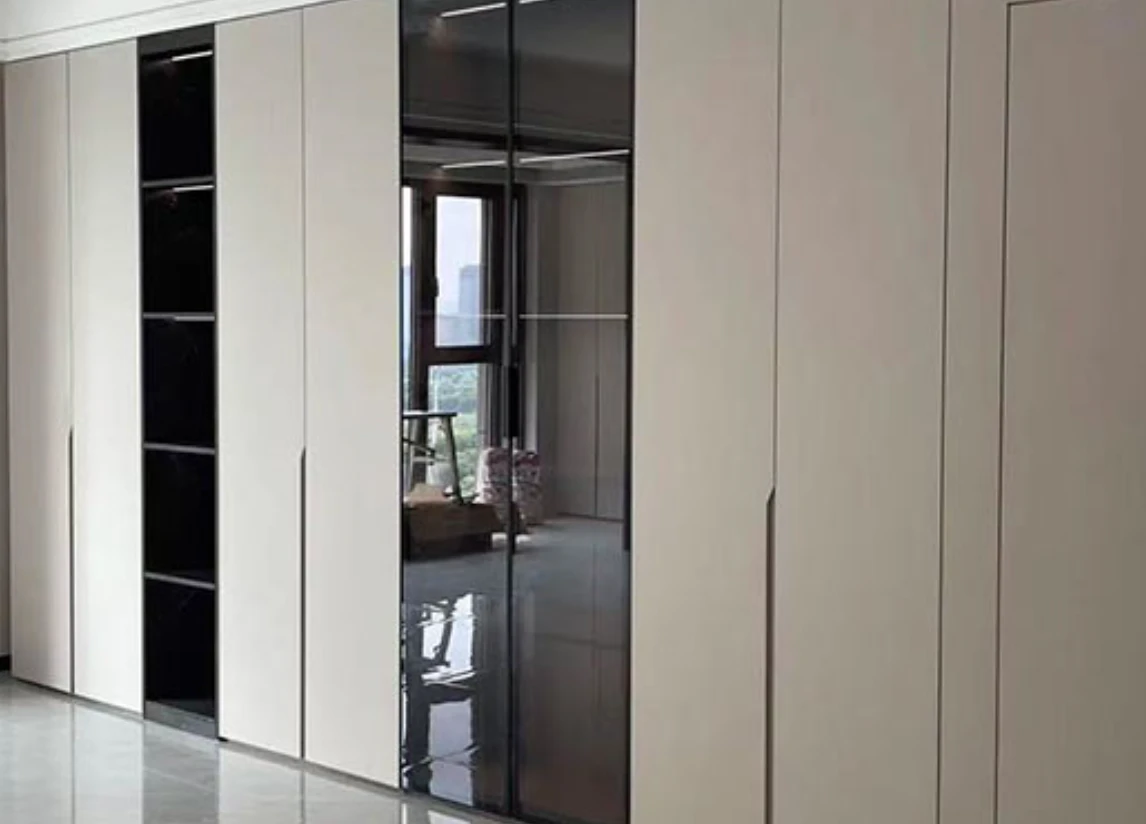
In modern industry contexts, it’s a go-to for producing cabinets, doors, wall paneling, and even artistic applications. Beyond aesthetics, it’s also found its place in rapid-build shelters — an unexpected humanitarian angle where durability and quick assembly matter.
Core Features of MDF Hardboard That Drive Its Popularity
1. Durability and Strength
MDF hardboard offers solid compressive strength despite being thinner than typical plywood. Many engineers say its uniform structure makes it less prone to splintering or warping — a definite benefit in furniture making or wall coverings.
2. Cost Efficiency and Availability
Because it originates from wood fibers rather than solid lumber, it’s usually cheaper to produce, especially in regions with active forestry residues. The overall price reflects well on manufacturers and end consumers who want good quality without breaking the bank.
3. Scalability and Customization
This material is exceptionally easy to modify: cut, drill, paint, or laminate. Rapid prototyping of new furniture designs, for instance, often leans heavily on MDF hardboard for this reason. It scales well from small workshops to large industrial lines.
4. Sustainability and Environmental Impact
Compared to plywood or solid wood, MDF hardboard uses less raw timber volume and incorporates recycled fibers, mitigating forest depletion. Plus, new low-emission resins help reduce volatile organic compounds (VOCs).
5. Surface Finish Quality
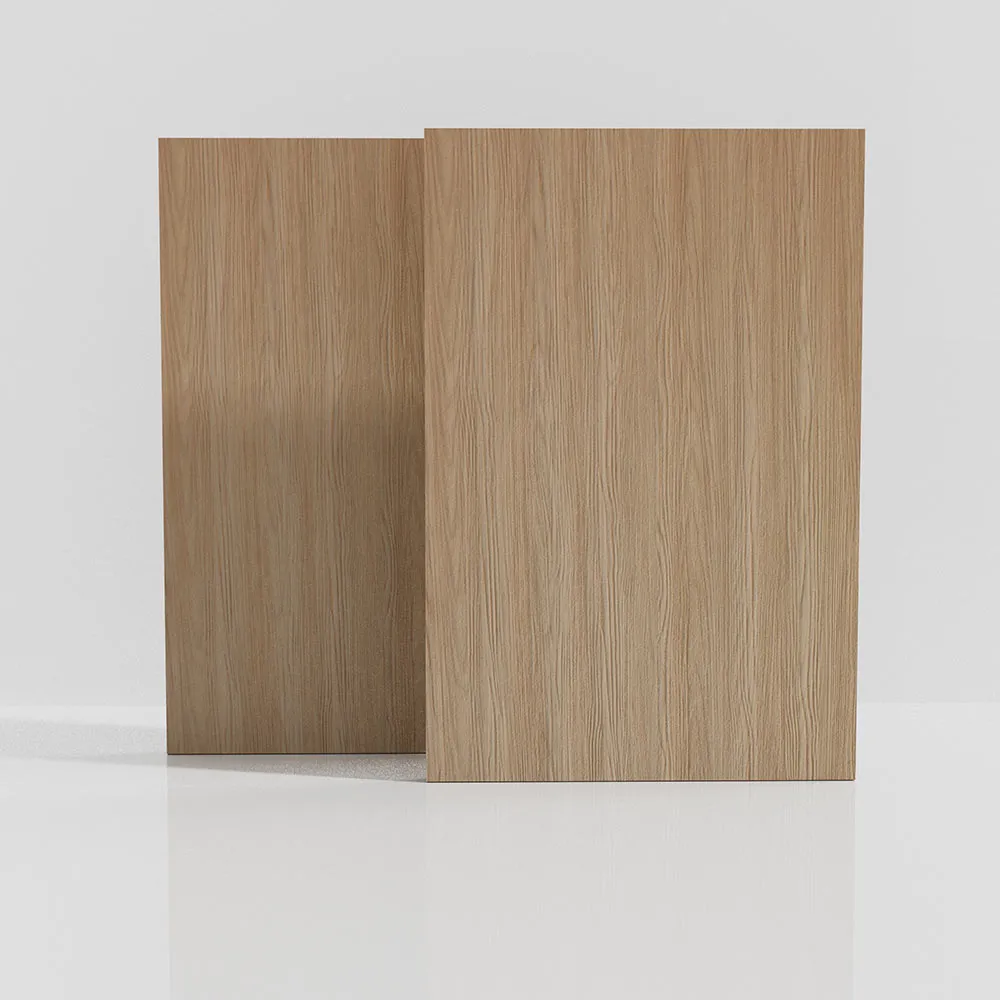
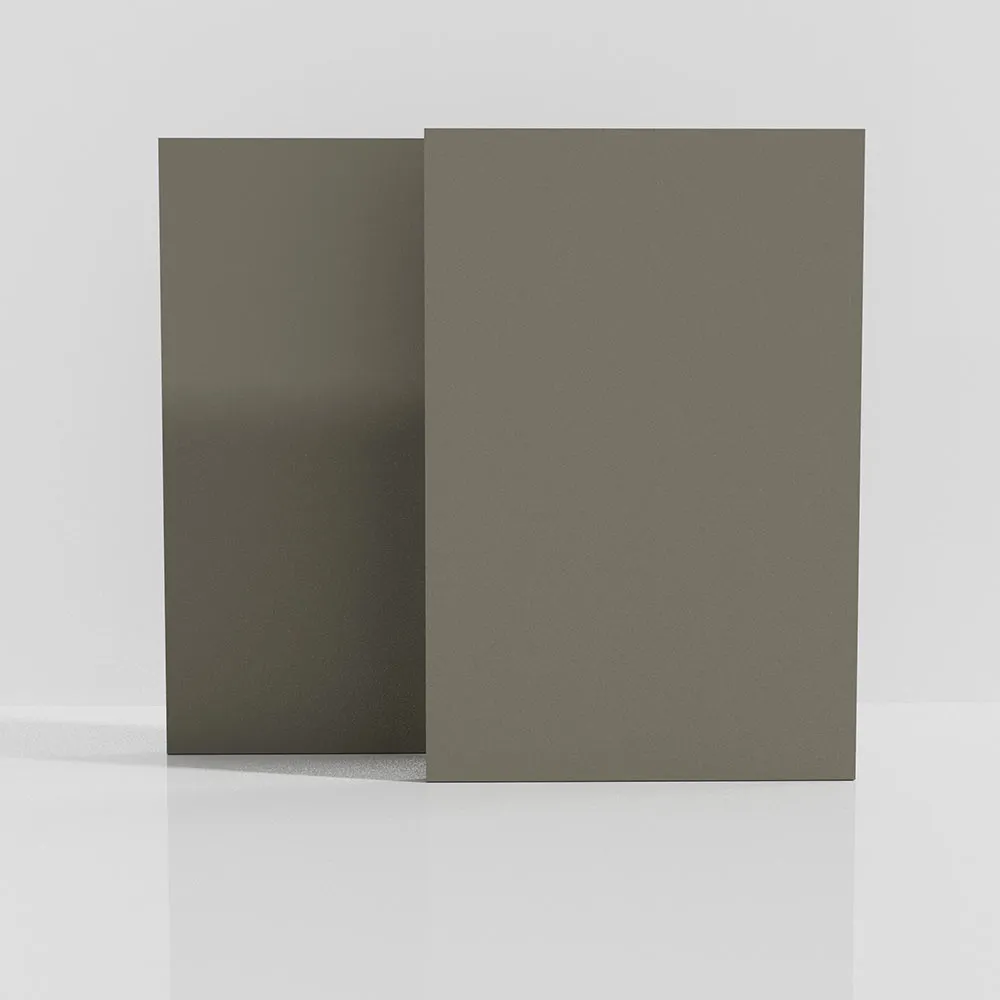
The smoothness lends itself well to paint and veneers, allowing it to mimic more expensive woods or finishes effectively, which adds design flexibility.
Summary Takeaway:
MDF hardboard’s blend of durability, affordability, adaptability, and environmental benefits explains why it’s steadily becoming a staple in multiple industries.
Practical Uses of MDF Hardboard Around the World
This material is anything but static in its role. In North America and Europe, you’ll find it in the backbone of ready-to-assemble furniture (think retail giants’ offerings). In Southeast Asia, growing urban housing projects use MDF hardboard extensively for interior wall paneling and cabinetry — quick to install, relatively low cost, and reliable.
Oddly enough, humanitarian organizations involved with post-disaster housing have adopted MDF hardboard for shelter panels. Why? Because it’s lightweight enough for rapid deployment yet sturdy enough to withstand rough handling. For example, in recent typhoon relief efforts in the Philippines, MDF hardboard panels were part of modular kits.
Also, industrial sectors in remote areas (mining camps, for instance) rely on MDF hardboard-based structures thanks to their ease of transport and assembly.
Advantages & Long-Term Value of MDF Hardboard
- Cost Efficiency: Cheaper than plywood and solid wood alternatives without much compromise on quality.
- Eco-friendly: Leverages wood waste, supports reforestation efforts indirectly.
- Reliability: Consistent panel thickness and quality reduce construction errors.
- Innovation-Friendly: Facilitates laminates, prints, or complex cuts.
- Emotional Value: Offers safety and dignity in temporary housing solutions, which — I suppose — is often overlooked when we talk about materials.
Technical Specifications of a Typical MDF Hardboard Panel
| Specification |
Details |
| Panel Thickness |
3mm – 25mm |
| Density |
670 – 800 kg/m³ |
| Moisture Content |
6% – 10% |
| Surface Smoothness |
Fine, suitable for painting & laminates |
| Formaldehyde Emission |
E0 / E1 standards depending on resin type |
Comparing Leading MDF Hardboard Vendors
| Vendor |
Product Range |
Sustainability Certification |
Price Range (USD/m²) |
Lead Time |
| Tengfei MDF |
3mm to 25mm panels, custom sizes |
FSC, CARB compliant |
$4–$10 |
2–4 weeks |
| GreenWood Boards |
Standard and moisture-resistant MDF |
PEFC certified |
$5–$12 |
3–5 weeks |
| EcoBoard Corp. |
Low formaldehyde emission panels, eco variants |
ISO 14001, FSC |
$6–$11 |
1–3 weeks |
Future Trends and Innovations in MDF Hardboard Production
There’s a fascinating push today toward bio-based resins, aiming to eliminate synthetic chemicals in mdf hardboard manufacturing. Some companies explore lignin-based adhesives, which could reduce VOC emissions drastically. Alongside material innovation, digital automation — from precise cutting to robotic assembly — is starting to reshape how MDF hardboard panels become finished goods.
On a macro level, green building certifications increasingly appreciate engineered wood products that come with strict environmental criteria, pushing vendors to greenify quickly.
Overcoming The Challenges of MDF Hardboard Use
Despite all the perks, mdf hardboard isn’t perfect. It is moisture-sensitive without special treatment, which can limit outdoor use unless properly sealed. Some worry about formaldehyde emissions, although modern standards limit these effectively.
Experts recommend coatings for moisture resistance and are experimenting with natural resin alternatives. These efforts are gradually making the material safer and more durable in diverse climates.
FAQ: Your Practical Questions Answered
Q: How does MDF hardboard compare to plywood for furniture?
A: MDF hardboard offers a smoother finish and is typically more affordable. It’s easier to machine for detailed cuts but less moisture-resistant than plywood, so sealing is needed for damp environments.
Q: Can MDF hardboard be used outdoors?
A: Standard MDF hardboard isn’t suitable for prolonged outdoor exposure unless treated or laminated with water-resistant coatings.
Q: Are there eco-friendly MDF hardboard options?
A: Yes, many manufacturers now offer FSC-certified panels with low formaldehyde emissions, and emerging bio-based resin boards are hitting the market.
Q: What industries benefit most from MDF hardboard?
A: Furniture, construction, packaging, and even humanitarian shelter design. Its versatility spans residential, commercial, and emergency scenarios.
Wrapping It Up: Why MDF Hardboard Deserves Your Attention
Ultimately, if you’re looking for a balanced material that manages cost, durability, and environmental responsibility, mdf hardboard is worth a close look. Whether you’re an architect, builder, furniture designer, or NGO procurement officer, understanding this board’s strengths unlocks new possibilities.
For more detailed info, product sourcing, or customized solutions, visit our website and explore what top-quality MDF hardboard can offer your projects.
References
- FAO Forestry Statistics
- ISO 14001 Environmental Management
- World Bank Environment & Natural Resources