Understanding MDF Trim Board: A Modern Essential in Construction and Design
If you’ve ever admired a neat, smooth-edged doorway, window frame, or accent wall, chances are you’ve come across an mdf trim board. But why does this humble product matter so much—not just locally, but globally? Well, MDF trim board is much more than just a decorative element. It has become a vital staple in modern construction and interior design, offering cost efficiency, sustainability, and practical benefits that align with today’s global push for greener, smarter buildings.
Globally, demand for sustainable building materials is skyrocketing. According to the International Energy Agency, building sectors contribute to nearly 40% of global carbon emissions. Using materials like MDF, which can be sourced from recycled wood fibers and offers a smooth surface for finishes, contributes to reducing waste and improving energy efficiency in buildings.
So, whether you’re renovating your home or developing large-scale constructions, knowing the ins and outs of MDF trim board can save you time, money, and environmental headaches down the road.
Mini takeaway: MDF trim board isn’t just trim—it’s a smart choice balancing aesthetics, sustainability, and economy in construction worldwide.
The Global Context: Why MDF Trim Boards Are Everywhere Today
It’s fascinating how industries evolve globally. Look no further than the growing reliance on MDF (medium-density fiberboard)—particularly trim boards—to solve common problems in construction. World Bank data reveals urbanization rates rising sharply, especially in Asia and Africa, translating into more demand for rapid, affordable building materials without compromising quality.
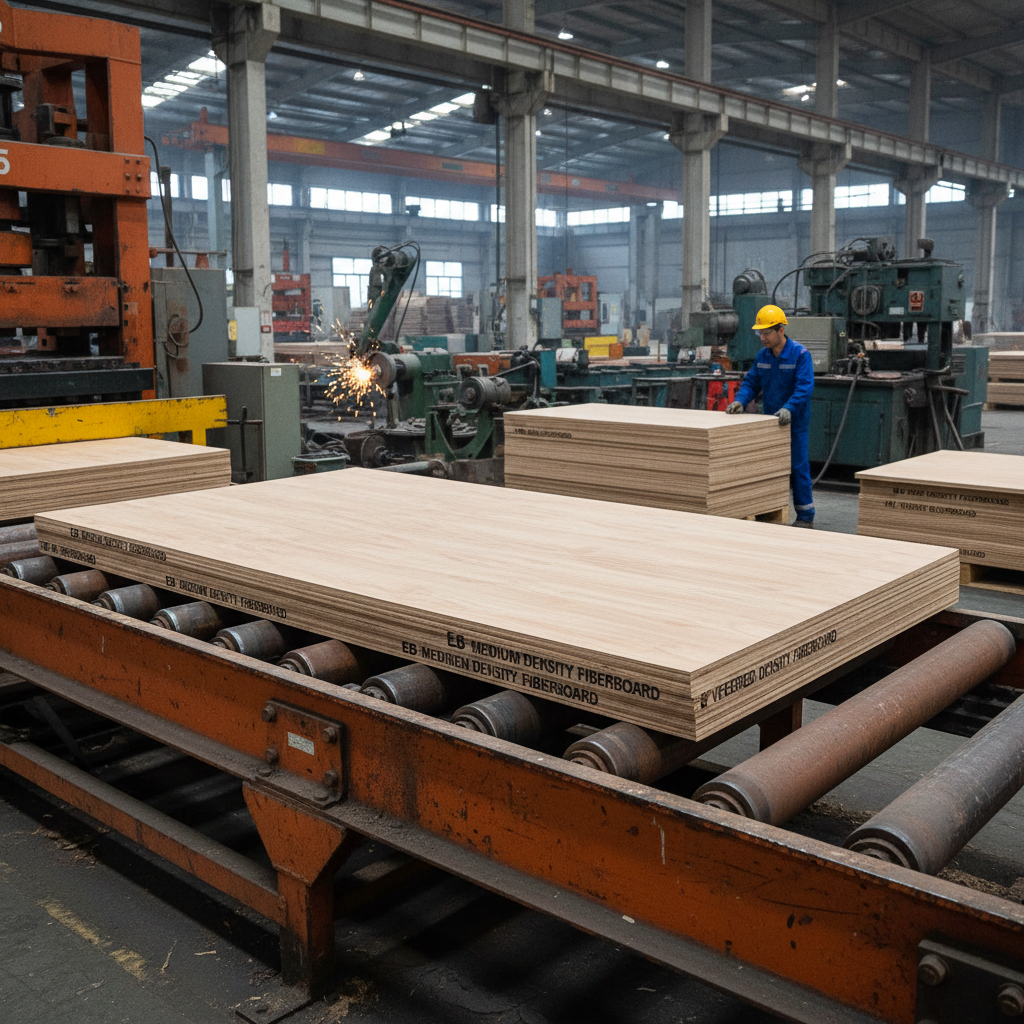
Traditional solid wood trim has drawbacks that are hard to overlook: high cost, susceptibility to warping or insect damage, and environmental concerns tied to deforestation. MDF trim boards, on the other hand, address many of these issues by being manufactured under controlled conditions with wood fibers and resin, creating a uniform and consistent product.
Still, the challenge remains for producers to balance cost, sustainability, and durability—a juggling act that MDF trim board companies are getting pretty good at.
Mini takeaway: With increasing urban development, MDF trim boards are stepping in to fill the need for eco-conscious and reliable materials.
What Is MDF Trim Board? Breaking It Down Simply
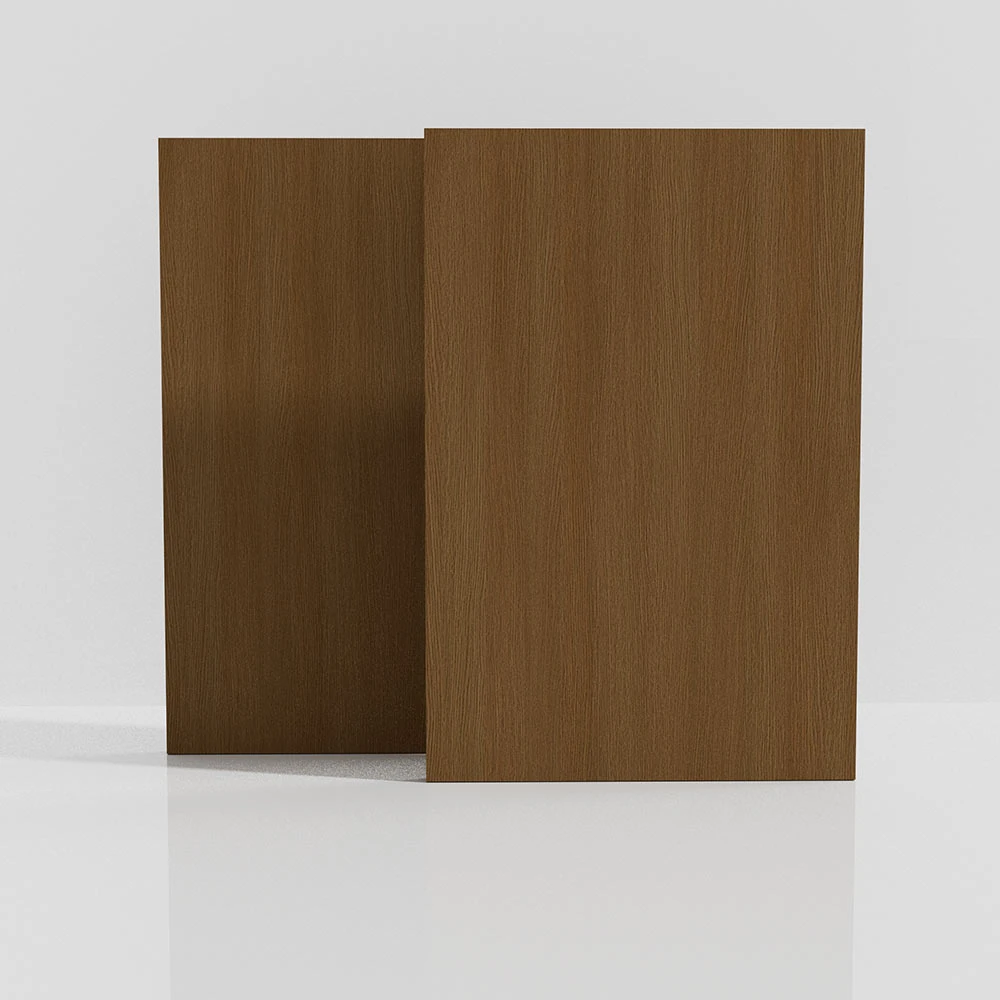
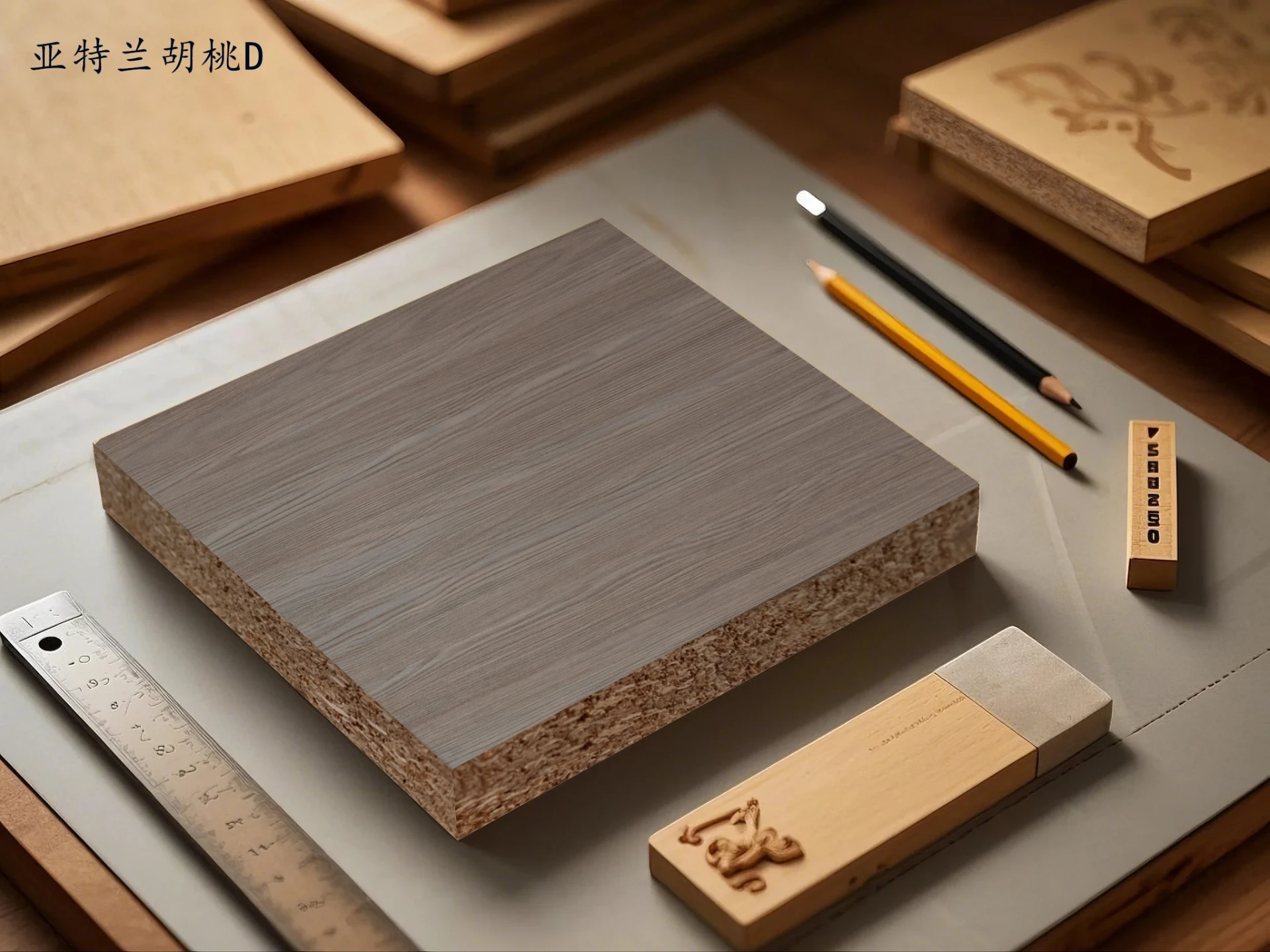
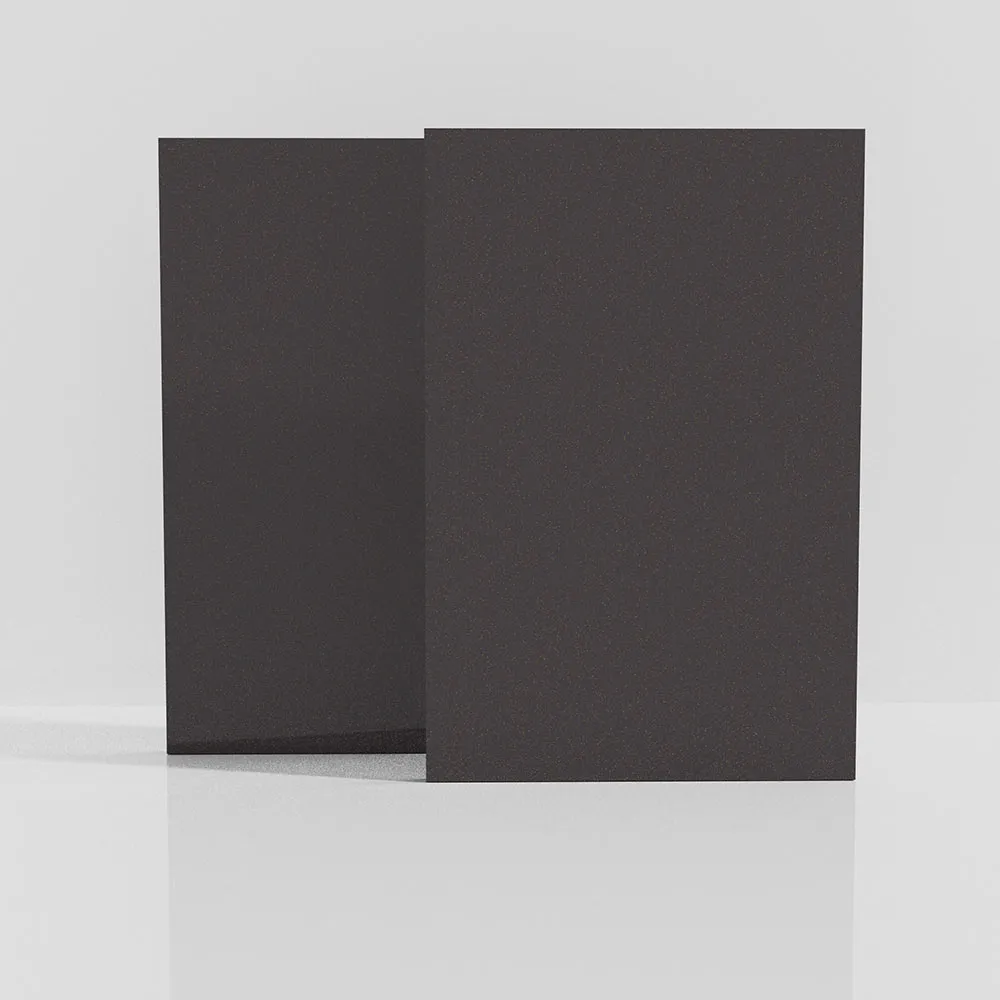
At its core, an MDF trim board is a smooth, engineered wood product made from compressed wood fibers and resin. Unlike natural wood, where grain and knots can cause uneven surfaces, MDF offers a consistent texture ideal for painting or veneering. This makes it somewhat of a blank canvas for carpenters and designers, enabling crisp, clean lines along ceilings, baseboards, and window frames.
The connection to modern construction lies in its versatility and predictability. When speed and precision matter—say, in tight urban builds or modular settings—MDF trim board ensures quality finishes without the fuss of natural wood’s quirks.
Mini takeaway: MDF trim board is an engineered, reliable alternative to natural wood, offering uniformity and smoothness for finishing touches.
Key Features of MDF Trim Board That Engineers and Builders Love
Durability
Many assume MDF is fragile, but with modern resin technology and moisture-resistant treatments, MDF trim boards stand up well under normal indoor conditions. They're less prone to warping or cracking compared to solid wood.
Cost Efficiency
Because it's manufactured from wood fibers and recycled materials, MDF is often more affordable. This makes it attractive for projects on tight budgets without sacrificing the look and feel of traditional wood trim.
Workability
MDF trim board cuts, sands, and paints easily—no splinters, no knots. This speeds up installation and finishing. Plus, it takes paint beautifully, allowing a high-end finish.
Environmental Impact
While not 100% eco-friendly, MDF often incorporates recycled wood byproducts, reducing waste. Certification standards (like FSC) ensure responsible sourcing for many products.
Consistency and Scalability
Since MDF boards are machine-made, thickness and density come standardized. For large projects requiring uniform trims, this consistency saves headaches.
Mini takeaway: Durability, cost, and ease of use make MDF trim board a favorite in both large-scale projects and DIY renovations.
Global Applications: Where MDF Trim Board Makes a Difference
MDF trim board’s role spans continents and industries. For instance:
- Residential construction: Homeowners use MDF for baseboards, crown moulding, and window casings largely because of its smooth finish and cost benefits.
- Commercial buildings: Large office spaces and retail stores opt for MDF to create sleek, uniform trims that withstand heavy foot traffic.
- Furniture manufacturing: MDF trims are custom cut and laminated, used in cabinets, closets, and decorative accents.
- Post-disaster recovery: NGOs sometimes use MDF components to quickly rebuild damaged interiors, since they’re easier to ship and install than solid wood.
In countries with growing urban populations—India, Brazil, and South Africa—the affordability and availability of MDF make it an obvious choice for scalable, quality construction products.
Mini takeaway: MDF trim board is everywhere—from high-end furniture to disaster relief housing—offering flexible solutions worldwide.
Advantages & Long-Term Benefits of Using MDF Trim Board
The tangible benefits of MDF trim boards go beyond initial price tags:
- Sustainability: Utilizes wood waste, reducing deforestation pressure.
- Social impact: Affordable materials lead to better-quality homes and workplaces.
- Reliability: Consistent dimensions ease installation errors and wastage.
- Emotional value: Smooth, pristine trim improves interior aesthetics, which ultimately adds comfort and pride to a space.
Many builders attest it’s the “quiet hero” of interior finishing work — providing a polished look without breaking budgets or demanding endless maintenance.
Mini takeaway: MDF trim boards combine ecological sense and emotional appeal, making spaces feel cared-for and crafted.
What’s Next? Future Trends and Innovations in MDF Trim Boards
The industry isn’t standing still. Innovations include:
- Eco-friendlier resins: New binders with lower formaldehyde emissions.
- Improved moisture resistance: Extending use to bathroom and kitchen trims.
- Digital manufacturing: CNC cutting for more intricate profiles and faster custom jobs.
- Integration with smart homes: Concealed channels for wiring or sensors embedded in trim.
In real terms, expect MDF trim boards to become even more sustainable and versatile, fitting into the broader push for green construction worldwide.
Mini takeaway: Ongoing tech upgrades and greener materials will boost MDF trim board’s relevance in tomorrow’s buildings.
Common Challenges with MDF Trim Board & How They’re Solved
Of course, MDF isn’t perfect. Here are a few issues and fixes:
- Moisture vulnerability: Without treatment, MDF can swell. Solution? Moisture-resistant grades and seals.
- Weight: MDF feels heavier than plywood — installers use ergonomic tools and prefabrication.
- Environmental concerns: Some brands prioritize green certifications to curb toxic emissions.
Frankly, most of these obstacles are manageable with intelligent product choices and installation methods, making MDF an all-around practical material.
Mini takeaway: With smart upgrades and careful installation, MDF trim boards overcome most traditional wood limitations.
Product Specification Table: Typical MDF Trim Board Features
| Specification |
Typical Value |
| Thickness |
0.5" to 1" (12mm - 25mm) |
| Length |
8 to 12 feet (2.44m - 3.66m) |
| Density |
600-800 kg/m³ |
| Moisture Resistance |
Standard & moisture-resistant variants |
| Finish |
Smooth, paintable surface |
| Certification |
FSC, CARB Phase 2 compliant |
Vendor Comparison: Leading MDF Trim Board Suppliers
| Feature |
Supplier A |
Supplier B |
Supplier C |
| Price per board |
$15 - $20 |
$18 - $24 |
$14 - $19 |
| Moisture resistance option |
Yes |
No |
Yes |
| Eco-certifications |
FSC & CARB |
CARB only |
FSC |
| Custom cutting available |
Yes |
Limited |
Yes |
| Lead time |
2 weeks |
4 weeks |
1 week |
FAQ: Quick Answers to Common Questions About MDF Trim Boards
Q: How does MDF trim board compare to traditional wood trim in terms of durability?
A: While traditional wood can be prone to warping and splitting over time, modern MDF trim boards treated for moisture resistance offer excellent stability indoors. The uniform density helps reduce cracking and makes finishing easier, though they should not be used outdoors unless specially treated.
Q: Can MDF trim board be used in high-humidity areas like bathrooms?
A: Yes, moisture-resistant MDF variants exist specifically for these conditions. When properly sealed and painted, these trims withstand humidity better than standard MDF. Always verify the product specs for such applications.
Q: What makes MDF trim board an eco-friendlier choice?
A: MDF uses wood fibers leftover from other processes, reducing waste compared to cutting virgin solid wood. Additionally, many manufacturers comply with FSC or CARB standards to ensure responsible sourcing and lower emissions.
Q: Is custom cutting available for MDF trim boards?
A: Most reputable suppliers offer custom CNC cutting to match project specs, enabling intricate designs or quick on-site assembly. It's a growing trend to reduce labor costs and improve precision.
Q: How do I maintain MDF trim boards over time?
A: Maintenance is straightforward: avoid prolonged exposure to water, regularly dust, and repaint as needed. With proper finishing, MDF trims can last decades indoors without issue.
Wrapping It Up: Why MDF Trim Board Is a Smart Investment
Naturally, when you think of trim work, MDF trim board might sound humble, but its impact is anything but. It’s a product born from necessity—balancing aesthetics, affordability, and sustainability in a way that perfectly suits the global demand for smarter construction materials. Whether for housing projects in rapidly urbanizing regions or sleek interiors in developed cities, MDF trim board delivers consistent quality and long-term value.
If you want to explore premium, certified MDF trim boards or need custom solutions, visit our website: https://www.tengfeiebmdf.com to see how we can help make your next project shine with confidence.
References:
1. International Energy Agency - Buildings
2. World Bank - Urban Development Data
3. Wikipedia - Medium-density fibreboard