Understanding MDF vs Particle Board: What Matters and Why
If you've ever shopped for furniture or DIYed a home project, you've probably stumbled upon mdf v particle board debates. It’s one of those classic showdowns in wood-based materials, but honestly, it goes beyond just tables and cupboards. Understanding the difference between Medium-Density Fiberboard (MDF) and particle board carries global significance — from reducing construction waste to improving furniture durability and even impacting sustainable industry practices worldwide. Knowing which to choose influences cost efficiency, environmental footprint, and long-term product reliability.
Why does it matter so much globally? Well, wood-derived engineered panels like MDF and particle board are foundational to millions of manufacturing processes, particularly in fast-growing economies and post-disaster rebuilding efforts. Choosing the right material can save costs, enhance safety, and promote greener production cycles. Plus, for millions of consumers and manufacturers, the differences between MDF and particle board mean the difference between something that lasts years versus just months.
Mini takeaway: MDF vs particle board is more than just a material choice; it’s a reflection of industry priorities worldwide — from cost and sustainability to durability and user safety.
The Global Context: Wood Panel Industry at a Crossroads
Since the 20th century, engineered wood products (EWP) like MDF and particle board have exploded in global usage. According to the International Organization for Standardization (ISO), the EWP sector has seen nearly 5% yearly growth across Asia-Pacific and Latin America — regions where urbanization demands affordable, efficient building materials.
But here’s a challenge. Natural timber resources are finite, and demand outpaces supply. The World Bank reported significant deforestation linked to wood furniture industries. Manufacturers are under pressure to find alternatives that reduce raw wood consumption while maintaining quality. That’s where MDF and particle board enter the scene, each offering unique benefits and some limitations.
The “mdf v particle board” question is increasingly about striking an environmental-economic balance in a world that’s watching its forests dwindle and waste streams swell.
Mini takeaway: In real terms, MDF and particle board shape sustainable construction and manufacturing trends critical for global wood resource conservation.
Breaking It Down: What Exactly Are MDF and Particle Board?
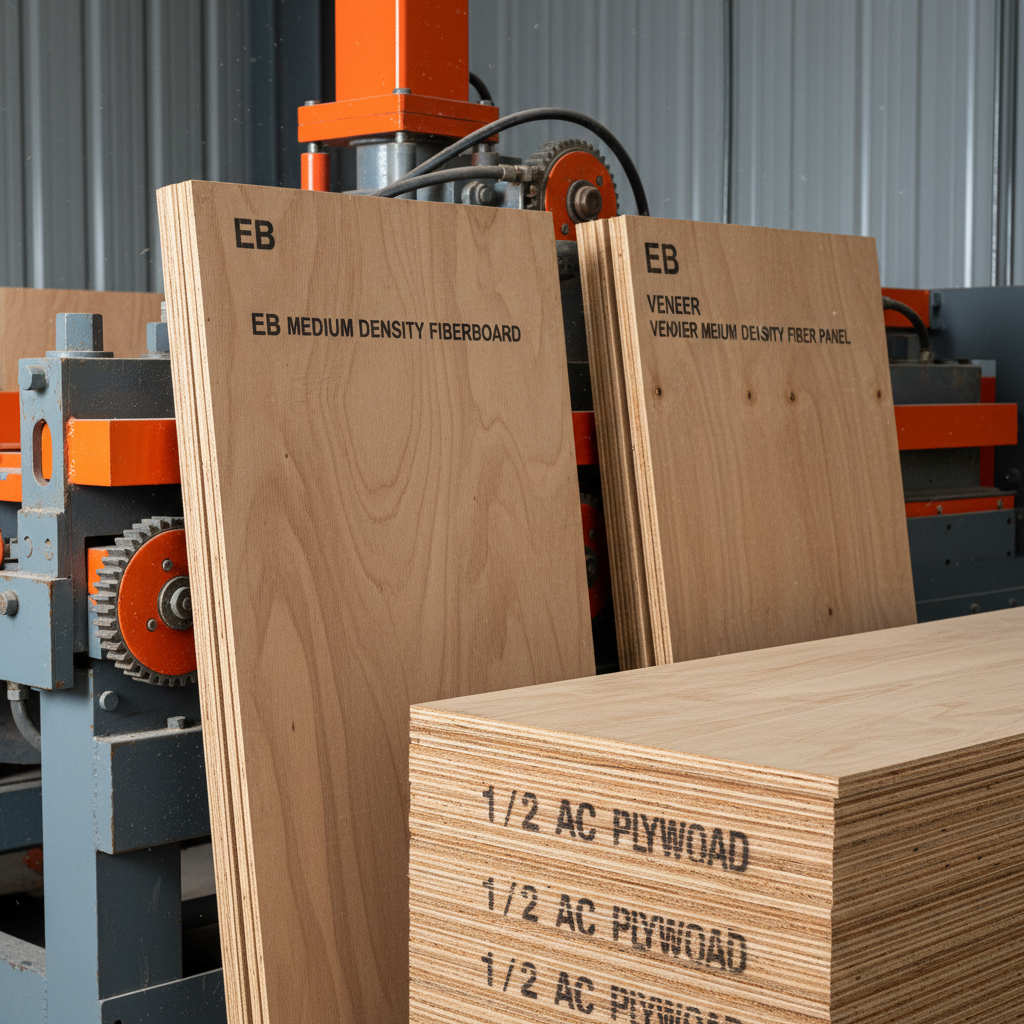
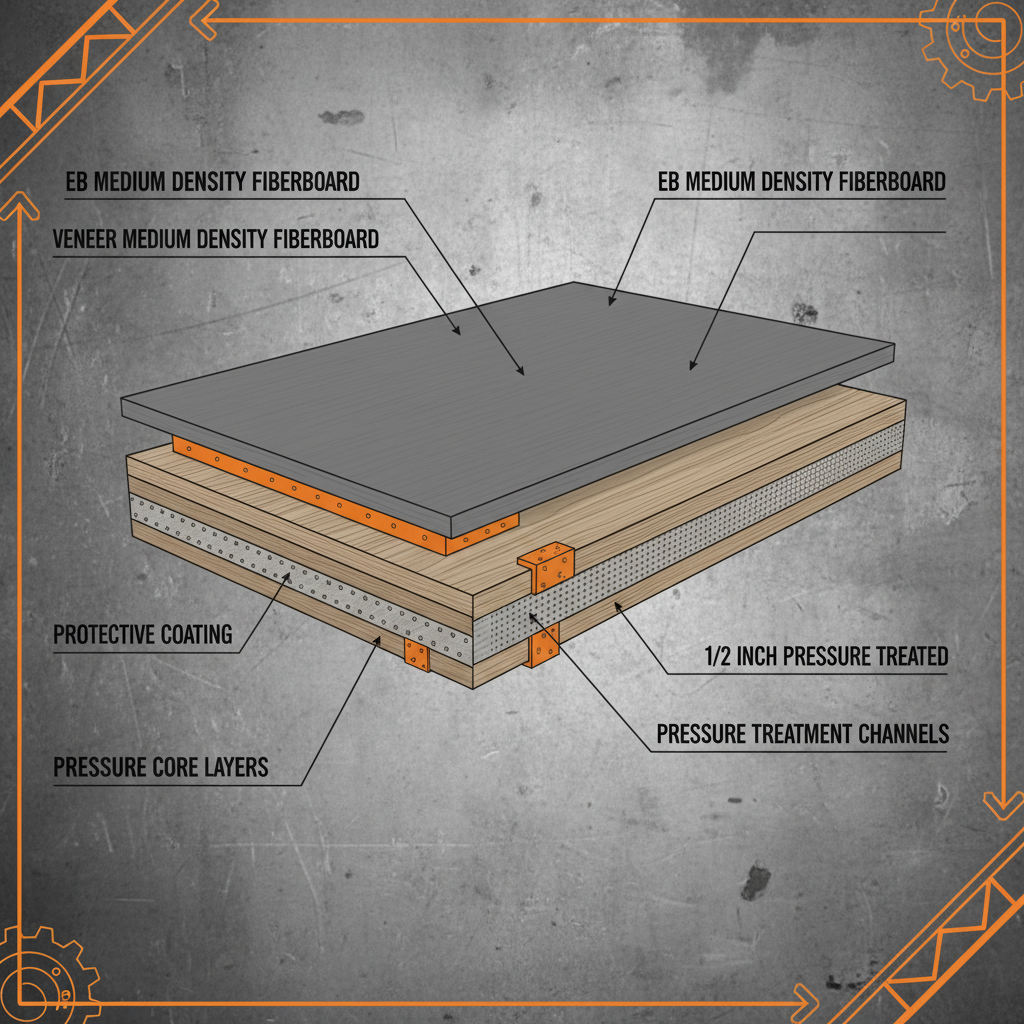
At its core, MDF (Medium-Density Fiberboard) is made by breaking down hardwood or softwood residuals into wood fibers, combining them with wax and resin, and then pressing them into panels under high temperature and pressure. The resulting board is dense, smooth, and consistent — which is why it’s a favorite for painting and fine finishes.
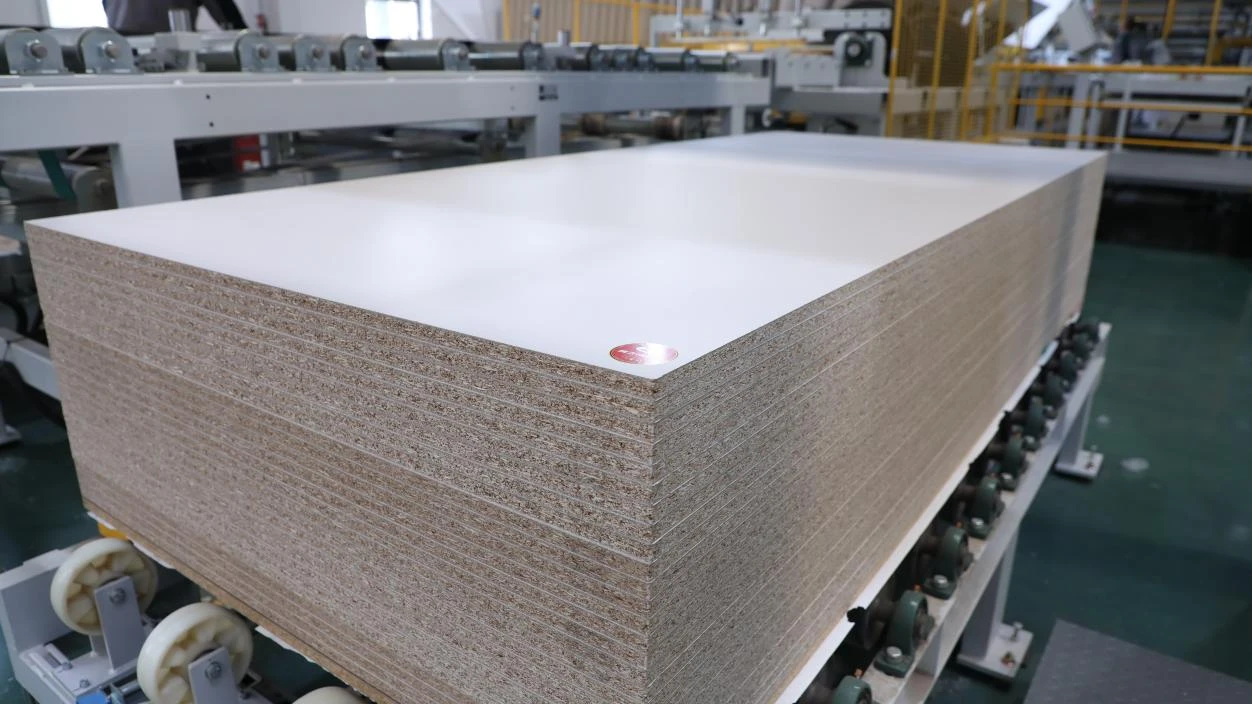
Particle board, on the other hand, is created by binding wood chips, sawdust, and shavings with resin under lower pressure levels. It's lighter, more porous, and generally less dense than MDF — often used in budget furniture and core layers of countertops.
In humanitarian or industrial terms, these materials support quick, affordable construction where natural timber shortages or cost constraints are hurdles. For NGOs building temporary schools or manufacturers mass-producing cabinets — choosing the right board can mean better longevity and less waste.
Mini takeaway: Think of MDF as the refined artist’s canvas and particle board as the rough-hewn scraper’s workbench — each tailored for different practical needs.
Core Considerations When Choosing Between MDF and Particle Board
Durability & Structural Strength
MDF, being denser and more uniform, typically offers greater load-bearing capacity. It’s less prone to chipping and warping, making it excellent for visible furniture surfaces. Particle board is weaker structurally and can swell with moisture, limiting its use where water exposure or heavy stress is expected.
Cost Efficiency
Particle board generally comes out cheaper upfront, owing to its coarser wood content and less intense manufacturing process. MDF can cost 20%–40% more but often pays off over time because of its resilience.
Finish & Aesthetic Versatility
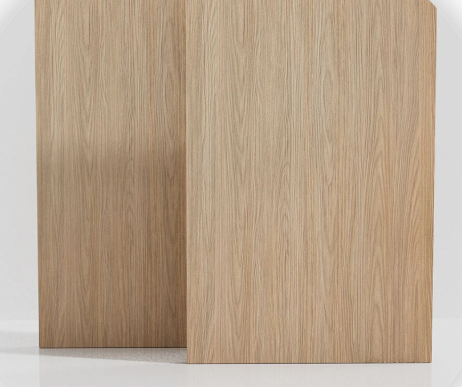
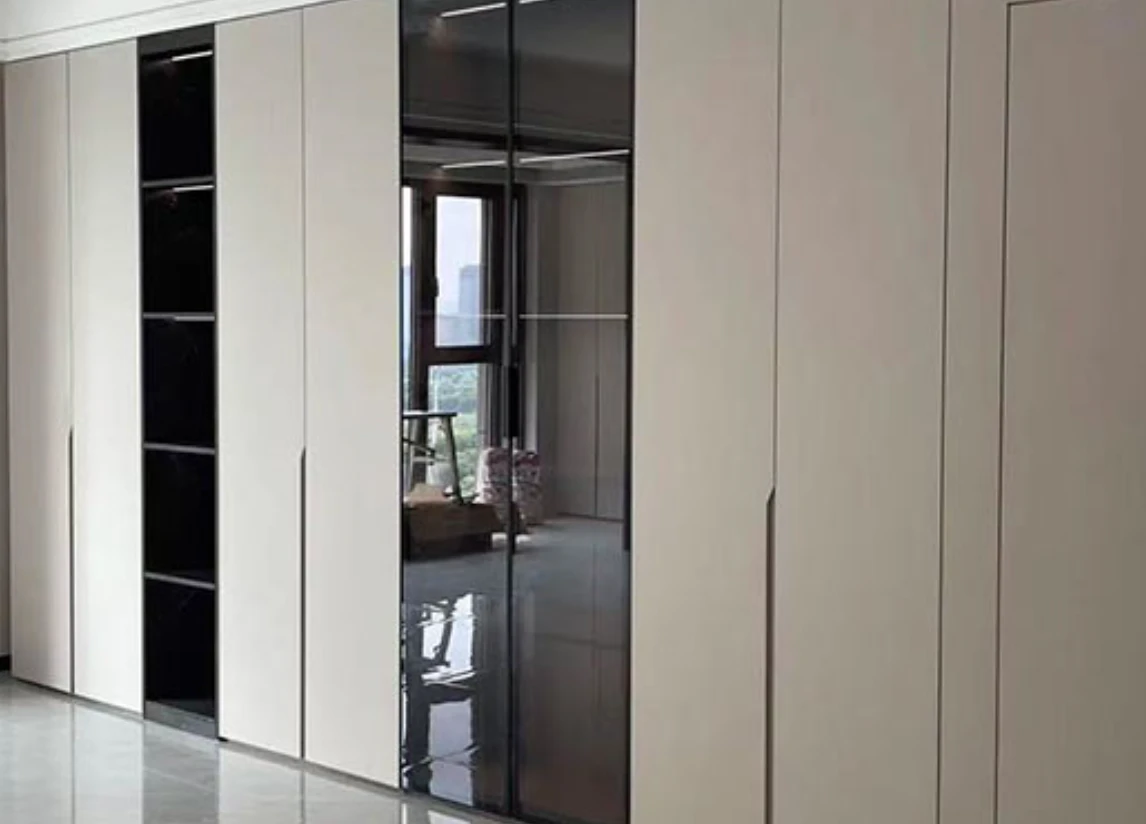
MDF has a finely textured surface ideal for veneers, laminates, and paints — it takes smooth finishing like a dream. Particle board’s rough texture makes finishing more challenging, commonly coated with plastic laminate or veneer to mask imperfections.
Environmental Impact & Sustainability
Both boards use wood waste, which is eco-friendlier than solid wood harvesting. However, mdf v particle board debate often narrows down to resin types and emission standards. MDF sometimes uses formaldehyde-based resins that can affect indoor air quality unless properly certified.
Moisture Resistance
Particle boards are notorious for swelling and breaking down when wet. MDF fares better but isn’t waterproof — there are moisture-resistant variants available, though at a premium.
Customization & Machinability
MDF cuts and machines cleaner, without ripping or chipping. Particle board’s flakier composition makes intricate cuts tricky, so it's less popular in detailed woodworking.
Typical MDF vs Particle Board Specifications
| Characteristic |
MDF |
Particle Board |
| Density (kg/m³) |
600–800 |
500–700 |
| Moisture Resistance |
Moderate (special grades available) |
Low |
| Surface Smoothness |
High |
Low |
| Typical Use Cases |
Furniture, interior paneling |
Cheap cabinetry, core layers |
Where in the World Do MDF vs Particle Board Really Matter?
Here’s the interesting bit: geographic differences influence which board a region favors. For instance, in Southeast Asia, where humidity is high, manufacturers lean toward moisture-resistant MDF variants, helping furniture endure the weather. In contrast, many European markets demand strict emissions standards, pushing MDF products with low formaldehyde emissions.
NGOs building temporary classrooms after natural disasters in Africa have often opted for particle board due to its low cost and rapid availability, although there are ongoing trials substituting it with modular MDF panels for better longevity.
Industrial zones in North America working on mass-produced office furniture swing heavily toward MDF for its smooth finish and stronger mechanical properties.
Mini takeaway: Real-world choices are less about just MDF or particle board, rather which specification suits local climate, regulations, and budget constraints.
The Long-Term Value of Choosing Right
Okay, this might sound like a sales pitch, but it’s crucial: spending a bit more on MDF can mean fewer returns and happier customers. The durability means less chipping, fewer replacements, and less waste. On the flip side, particle board’s affordability opens doors where budget is the key limiter.
Environmentally, using engineered wood reduces pressure on natural forests. Both products recycle wood waste — that’s a win in the sustainability ledger. However, ensuring low-emission resins really shapes the social impact, safeguarding indoor air quality and health.
On a human level, it’s about trust and dignity. Customers want furniture or housing solutions that last, don’t smell nasty, and feel sturdy. That’s something MDF generally nails better.
Emerging Innovations and What’s Next in MDF vs Particle Board
Technology isn’t standing still — manufacturers are developing low-emission, formaldehyde-free resin systems for both MDF and particle board. Plus, bio-based adhesives from soy or lignin promise greener products.
Interest is rising in hybrid boards combining particle board cores with MDF surfaces to optimize cost and performance. Digital wood scanning combined with CNC machining now allows ultra-precise panel fabrication, even in remote regions — which is exciting.
On policy fronts, stricter ISO standards for emissions and recyclability are shaping production worldwide. Meanwhile, the rise of smart manufacturing (think AI-controlled presses) means better quality and less waste during production cycles.
Common Questions on MDF vs Particle Board
- What is the main difference between MDF and particle board?
- MDF is made from wood fibers pressed under high pressure, producing a dense, smooth panel; particle board uses wood chips and sawdust compressed with resin, resulting in lighter, less dense panels. MDF tends to be stronger and easier to finish.
- Which board is better for kitchen cabinets?
- MDF is generally preferred because it holds paint well and resists warping better than particle board, especially in humid environments common in kitchens.
- Can particle board be used outdoors?
- Generally no. Particle board swells and disintegrates when exposed to moisture. If outdoor use is necessary, specially treated or sealed MDF might be better—but solid wood or plywood is usually recommended.
- Is MDF more expensive than particle board?
- Yes, MDF typically costs more due to its manufacturing process and superior properties. However, it may save money over time with less damage and better durability.
- Are both environmentally friendly?
- Both recycle wood residues, reducing waste and deforestation. Still, attention to resin types and VOC emissions is important to ensuring environmental friendliness.
Wrapping It Up: Choosing Wisely for the Long Haul
At the heart of the mdf v particle board debate lies a bigger story — how industries reconcile cost, sustainability, and durability in a fast-paced global market. MDF offers strength, smooth finishes, and longer life, making it a smart choice where quality counts. Particle board caters to budgets but sacrifices longevity and moisture resilience.
If you’re planning your next project or product line, spend a moment reflecting on your priorities: is it cost, uniformity, environmental impact, or longevity? Your right choice can reduce waste and build trust for years to come.
Interested in exploring more? Visit our site for insights, products, and expert advice: https://www.tengfeiebmdf.com
Vendor Comparison: MDF vs Particle Board Suppliers
| Vendor |
Product Range |
Environmental Certifications |
Price Range (USD/m³) |
Lead Time |
| GreenWood Panels Co. |
MDF, Moisture-resistant MDF |
FSC, CARB Phase 2 |
350–450 |
2 weeks |
| ChipCore Ltd. |
Particle Board, Laminated Boards |
PEFC |
250–350 |
3–4 weeks |
| EcoFiber Materials |
Eco-friendly MDF, Bio-resin Boards |
FSC, Low-VOC Certified |
400–550 |
1–2 weeks |
For further reading and validation:
- ISO – Wood-based Panels, iso.org
- World Bank Report on Deforestation https://datatopics.worldbank.org/deforestation/
- Wikipedia: Medium-density fibreboard & Particle board