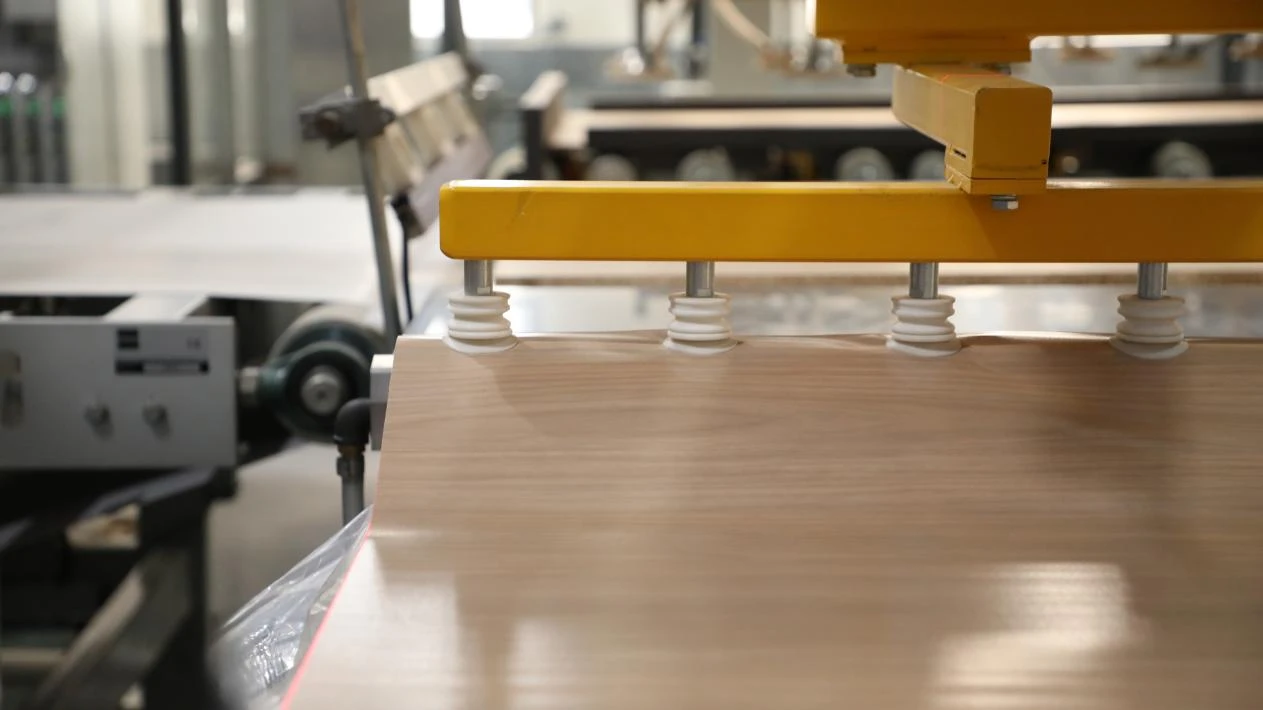
Why mdf wall boards Matter in Today’s Built Environment
When you first hear about mdf wall boards, it’s easy to just think “another building material.” But that’s really underselling it. These engineered wood panels have quietly become a global staple for interiors, renovations, and even emergency housing—all while balancing cost, durability, and sustainability. At a time when the world faces constant urban growth, climate upheavals, and supply chain challenges, understanding what makes these boards tick and why so many industries rely on them can be surprisingly eye-opening.
From affordable housing projects in Southeast Asia to stylish office partitions in Europe or rapid setup shelters in disaster zones, mdf wall boards serve a vital role. Their versatility and accessibility affect millions of lives every year, enhancing how we build and live. And the kicker? Their benefits extend far beyond mere appearance.
Global Context: The Growth of mdf wall boards in Industry and Humanitarian Efforts
The global wood panel market, which includes MDF (medium-density fiberboard), is projected to grow at over 5% annually, driven by expanding urban populations and infrastructure needs. According to the International Organization for Standardization (ISO), sustainable wood products are increasingly recognized as vital to lower-carbon construction. Not surprisingly, mdf wall boards tick a lot of boxes here—they’re economical, standardized, and relatively eco-friendly compared to virgin lumber.
Yet here’s a challenge: traditional building materials are either too expensive or too slow to deploy in fast-changing situations—think rapid urbanization or post-disaster reconstruction. MDF boards offer a middle ground, providing both stability and speed without compromising on quality or environmental concerns. It’s a small but significant innovation quietly transforming construction worldwide.
Defining MDF Wall Boards: What Are They Exactly?
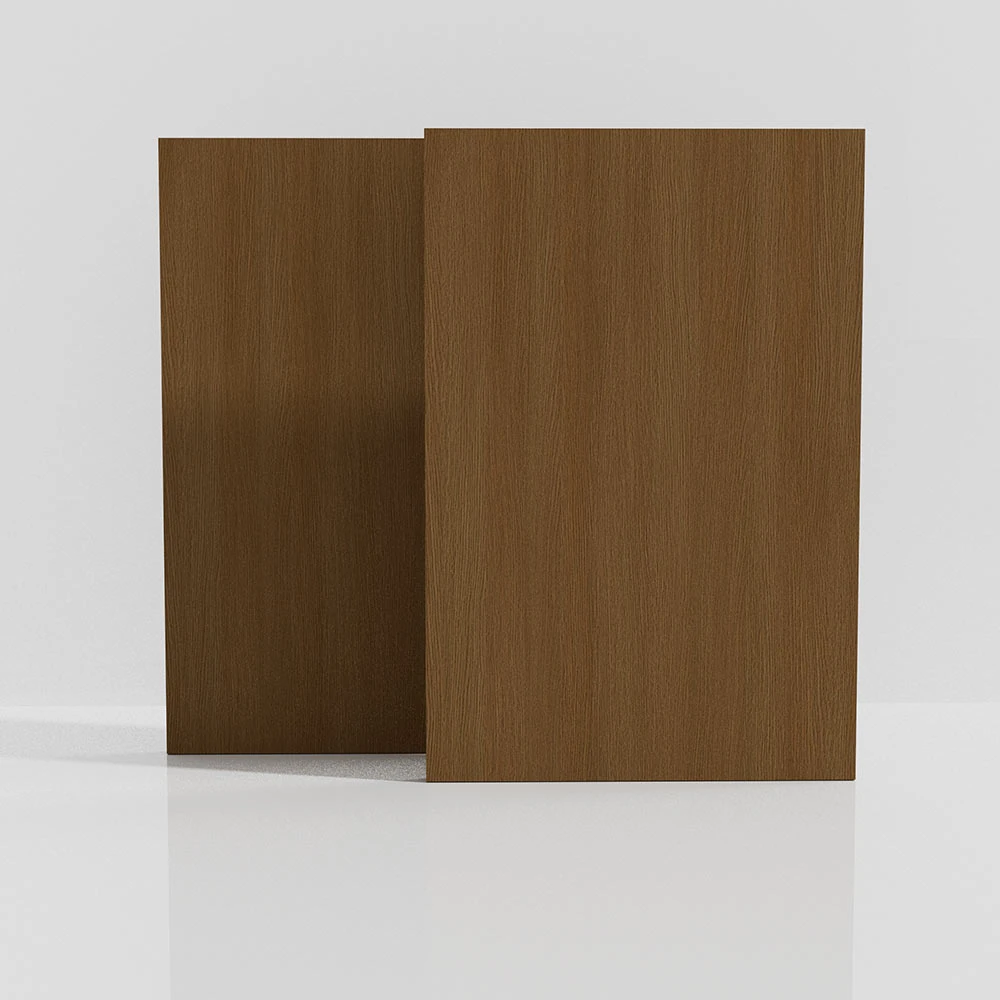
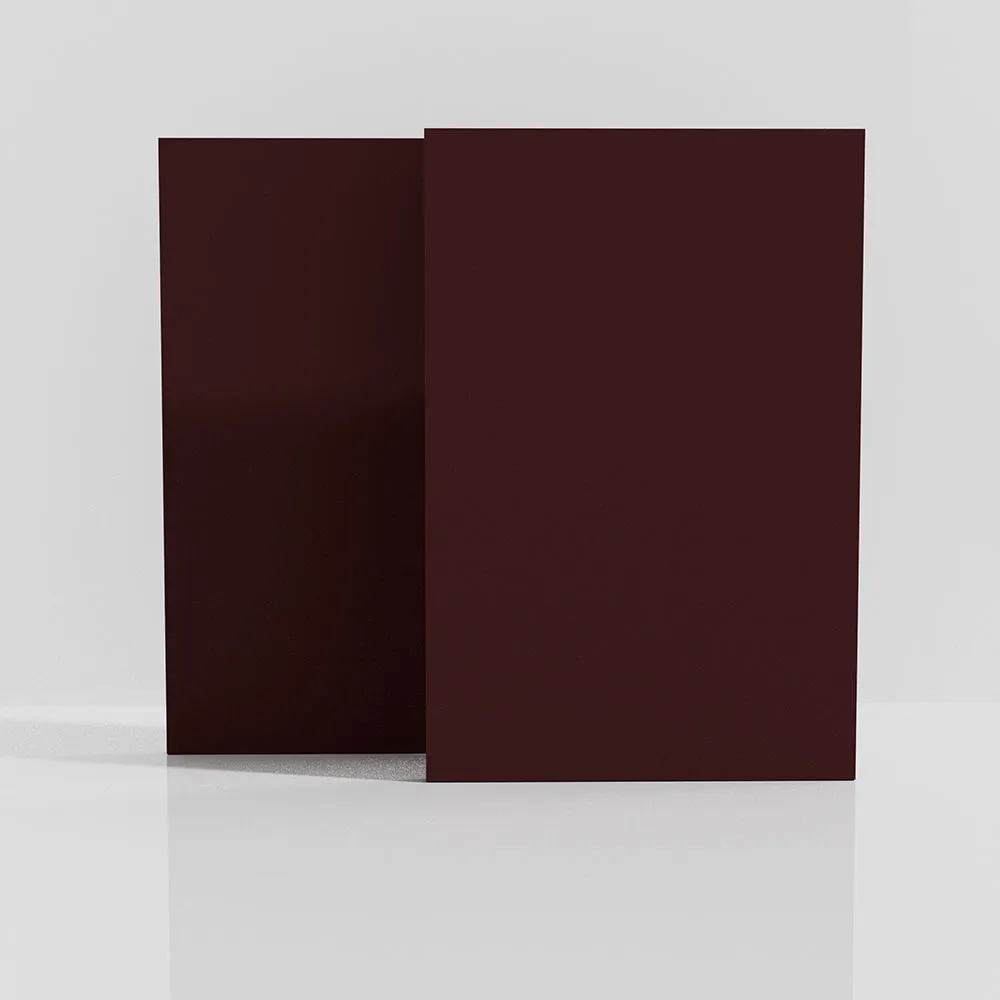
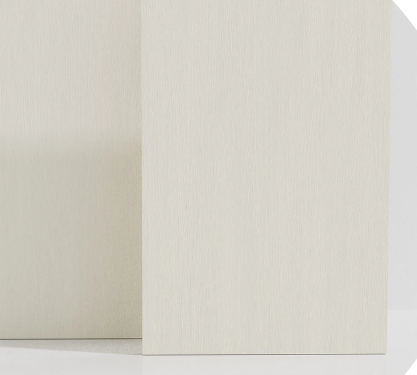
Simply put, mdf wall boards are panels made from wood fibers combined with resin and wax, compressed under heat and high pressure to form dense, uniform sheets. Unlike plywood, they don't have wood grain or knots, which makes them smoother and more consistent. This is why they’re prime candidates for painting, veneering, or laminating.
In practical terms, these boards serve as interior wall panels, built-in furniture components, or decorative layers. They bridge the gap between industrial production and bespoke design by being adaptable and cost-effective. More importantly, in humanitarian contexts, they offer a resilient, quickly deployable material for temporary or semi-permanent structures—improving living conditions without demanding much infrastructure.
Mini takeaway:
- MDF wall boards combine affordability, uniformity, and versatility, making them a worldwide favorite.
- They’re a smart response to needs in both modern building and urgent shelter situations.
Key Features Driving MDF Wall Board Popularity
Durability & Stability
Unlike natural wood, MDF is engineered to resist warping, cracking, or splitting. Its consistent density means loads and impacts distribute evenly, which is vital when these boards serve as structure supports or interior walls. Many engineers note that under proper sealing, MDF resists moisture better than expected—though it’s not entirely waterproof, which is something to keep in mind.
Cost Efficiency
One of the biggest draws is price. Since MDF is made from wood fibers left over from other manufacturing, it uses raw materials efficiently, reducing waste and cost. This recycling approach usually gives MDF a lower carbon footprint compared to solid hardwoods, which can’t be said for every building material on the market.
Aesthetic Flexibility
The smooth, consistent surface of MDF allows easy customization. Whether it’s painted walls in commercial offices or veneered finishes for luxury interiors, MDF adapts well. Plus, it’s easy to cut, shape, and machine, speeding up workflows for manufacturers and builders alike.
Environmental Considerations
While not 100% eco-friendly, many MDF producers now offer low-formaldehyde or no-added-formaldehyde variants (meeting standards like CARB Phase 2), a move aligned with rising demand for greener materials. Also, the material’s ability to utilize recycled wood components reduces strain on forests.
Mini takeaway:
- Durability meets cost savings and style versatility in MDF wall boards.
- Increasing environmental standards shape how MDF is produced today, making it safer and greener.
Real-World Applications: MDF Wall Boards Across Continents
It’s one thing to talk specs, quite another to see MDF boards in action. Here are a few actual contexts where mdf wall boards solve real problems:
- Southeast Asia: Rapid urbanization demands affordable housing; MDF boards form interior walls in modular homes, balancing speed and aesthetics.
- Disaster Relief Zones: NGOs use MDF for temporary shelters because it’s lightweight and easy to customize, boosting dignity and comfort in emergency settings.
- Industrial Facilities: Offices and break rooms in remote industrial zones use MDF for partitions, offering robust but cost-efficient interiors.
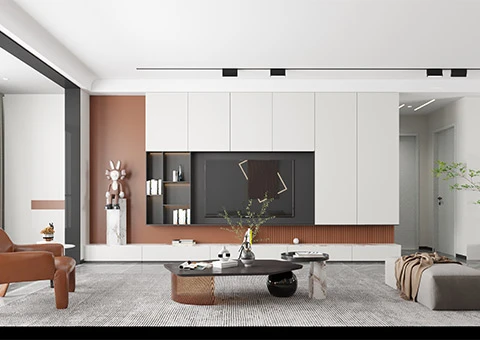
- Retail and Interior Design: Shops and restaurants embrace MDF for custom shelving and wall cladding because it’s paint-ready and modern looking.
It feels odd to think wood fibers can change so many lives globally, but they do.
Advantages and the Long-Term Value of Choosing MDF Wall Boards
Why are so many builders and designers sticking with MDF wall boards? The answer blends logic and feeling:
- Economic Benefits: Lower material and installation costs translate into affordable construction, helping stretch budgets without compromising quality.
- Sustainability: MDF’s reused wood fibers and low-waste manufacture contribute to resource conservation.
- Enhanced Safety: Smooth surfaces mean fewer splinters and a visually consistent product that reduces errors during installation.
- Social Impact: In humanitarian and social housing, MDF improves living conditions quickly, offering residents safety and privacy.
- Reliability: Long-lasting panels support building longevity, lowering maintenance needs and replacement cycles.
There’s something reassuring about a material that quietly keeps things together—literally and figuratively.
Future Trends: What’s Next for MDF Wall Boards?
Green energy and digital tech are shaping the future of MDF. Expect advances like:
- Smart MDF Panels: Embedded sensors to monitor humidity or structural integrity.
- Bio-based Resins: Moving away from formaldehyde-based glues to safer, biodegradable adhesives.
- Automation & Precision: CNC machining for super-precise patterns, enabling custom, on-demand manufacturing.
- Regulatory Changes: Stricter environmental standards pushing producers to innovate greener boards.
These trends promise mdf wall boards that are not only sustainable but smarter and more customizable than ever before.
Challenges and How They’re Being Tackled
MDF isn’t perfect. It can swell if exposed to moisture, and its lifespan is somewhat shorter outdoors compared to solid wood. However, manufacturers now coat boards with water-repellent layers, and hybrid panels blend MDF with more moisture-resistant materials.
Another challenge is perception—some architects see MDF as “cheap.” But as innovation pushes quality higher, this stigma is eroding, opening doors to premium applications.
Product Specification Table
| Specification |
Typical Value |
Notes |
| Density |
600–800 kg/m³ |
Varies with grade |
| Thickness Range |
2mm to 32mm |
Custom sizes available |
| Moisture Resistance |
Medium |
Enhanced with coatings |
| Formaldehyde Emissions |
CARB Phase 2 (Low) |
Eco-certified options exist |
| Surface Finish |
Smooth, Sanded |
Ready for veneer or paint |
Comparing Leading mdf wall boards Suppliers
| Vendor |
Product Range |
Environmental Certification |
Price Level |
Distribution |
| Tengfei MDF Corp |
Standard to Premium Panels |
CARB Phase 2, FSC |
Mid-range |
Global |
| GreenWood Panels Ltd. |
Eco MDF + Moisture Resistant |
PEFC, Low VOC |
Premium |
Asia, Europe |
| Woodline Industries |
Industrial Grade MDF |
None |
Budget |
North America |
FAQs: Practical Answers About MDF Wall Boards
1. Are MDF wall boards suitable for humid or wet environments?
MDF tends to absorb moisture and can swell if exposed to water directly. However, moisture-resistant grades and specialized coatings improve its performance in humid settings. For consistently wet areas, water-resistant or exterior grade panels are recommended instead.
2. How do MDF wall boards compare to plywood in strength?
Plywood generally provides better structural strength and flexibility, especially in load-bearing applications. MDF is denser and more uniform, making it better for interior decoration and furniture. The choice depends on the functional requirements.
3. Can MDF wall boards be recycled or reused?
Yes, MDF can be recycled into wood fiber materials, though recycling facilities vary by region. Reusing MDF panels depends on their condition, but they’re often repurposed in construction or low-cost projects where sustainability is a priority.
4. What safety standards should I look for when purchasing MDF?
Look for boards meeting CARB Phase 2 or equivalent regulations limiting formaldehyde emissions. Certifications like FSC or PEFC also ensure responsible forestry and product quality.
5. Are MDF wall boards easy to install for DIY projects?
Absolutely. MDF panels cut cleanly with standard tools and have smooth surfaces for painting or finishing. They’re popular for home projects due to their workability—just remember to seal edges to protect from moisture.
Wrapping Up: Why MDF Wall Boards Deserve a Spot in Your Projects
In the grand scheme of building materials, mdf wall boards strike a thoughtful balance. They merge innovation with economy, design flexibility with sustainability, and fast deployment with lasting performance. Whether you’re involved in commercial construction, humanitarian aid, or creative interior design, MDF is versatile enough to meet those demands.
Curious to see what the latest in mdf wall boards can do for your next project? Dive deeper at mdf wall boards — you might just find the solution you didn’t know you needed.
References
- Medium-density fibreboard - Wikipedia
- ISO Technical Committee on Sustainable Building Materials
- World Bank: Urban Development