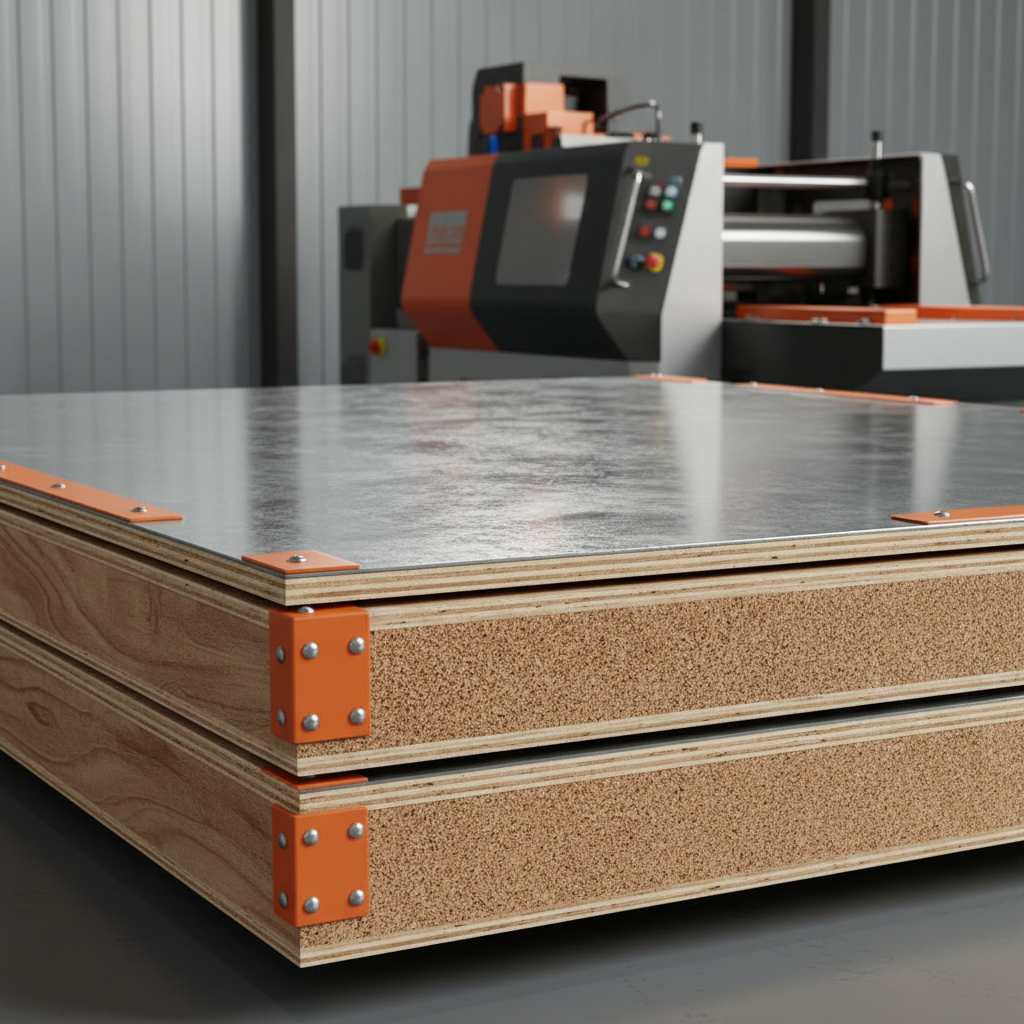
Understanding MDF Window Board: Why It’s Becoming a Global Standard
If you’ve ever replaced windows or renovated an older building, you might’ve run into an MDF window board without even realizing it. Today, these unassuming panels are quietly reshaping the way buildings are finished and insulated worldwide. But why does this matter in a global context, and what makes MDF — Medium-Density Fibreboard — such a staple in the construction and fit-out world?
In short, a good understanding of MDF window boards opens doors (pun intended) to better quality builds, enhanced sustainability, and cost savings — crucial factors as nations push for more efficient construction in support of growing urban populations. According to the UN, more than half the world’s population now lives in cities[1], driving the need for durable, cost-effective building materials like MDF window board that can keep homes weather-tight and warm without breaking the bank.
---
Global Trends Behind the Rise of MDF Window Boards
The demand for versatile, eco-friendlier building components continues to surge. The global construction market is projected to grow steadily over the next decade, influenced heavily by urban expansion and stricter environmental regulations[2]. Here's where MDF window boards come in — they are typically made from recycled wood fibers compressed under heat and pressure, offering a smart alternative to traditional timber.
Yet, the challenge addressed by MDF window boards isn’t just about sustainability — it’s also about combining durability with sleek finishes that modern homeowners expect. Conventional wood window boards often suffer from warping, rot, or high maintenance; MDF window boards aim to solve those issues while offering cost and design flexibility. The temporary fixes of the past just wouldn’t cut it anymore.
Mini takeaway: The rise of MDF window boards isn’t a fad; it’s a practical evolution meeting global demands for greener, good-looking, and resilient building materials.
---
What Exactly Is an MDF Window Board?
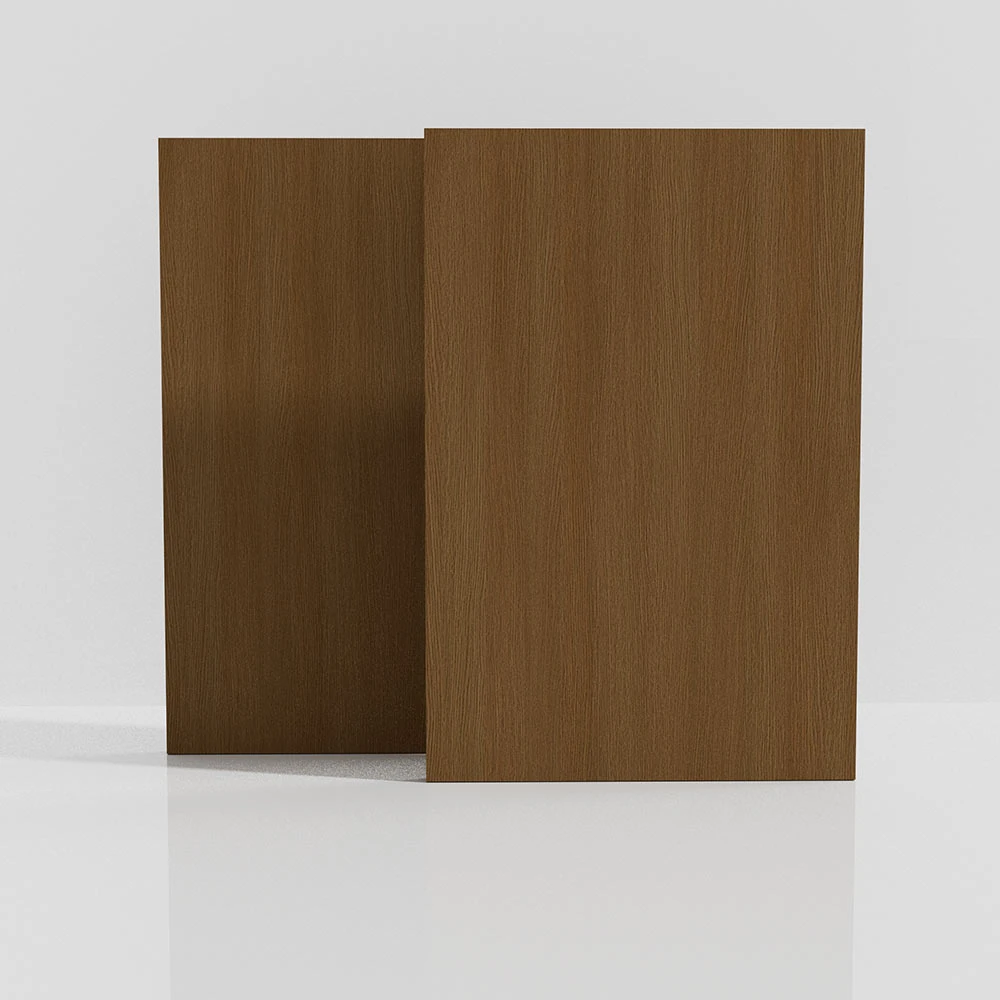
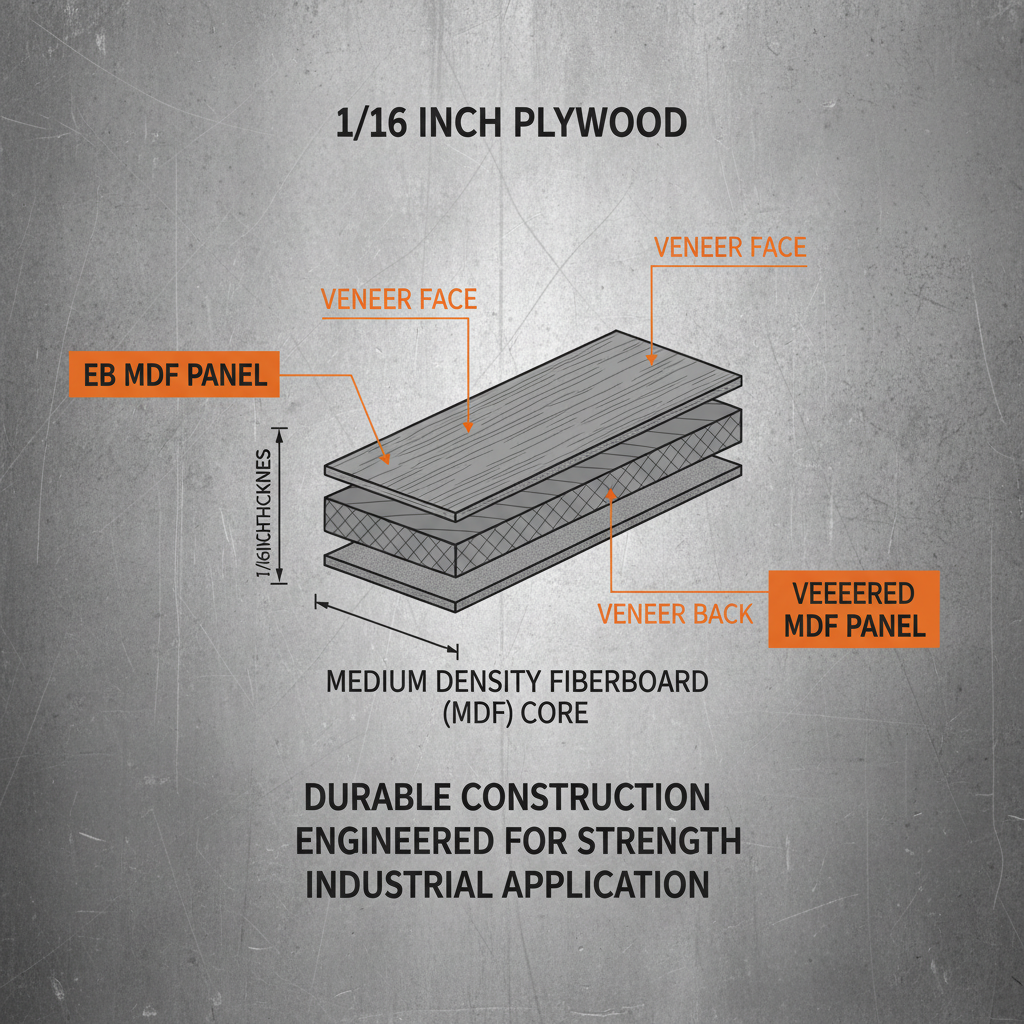
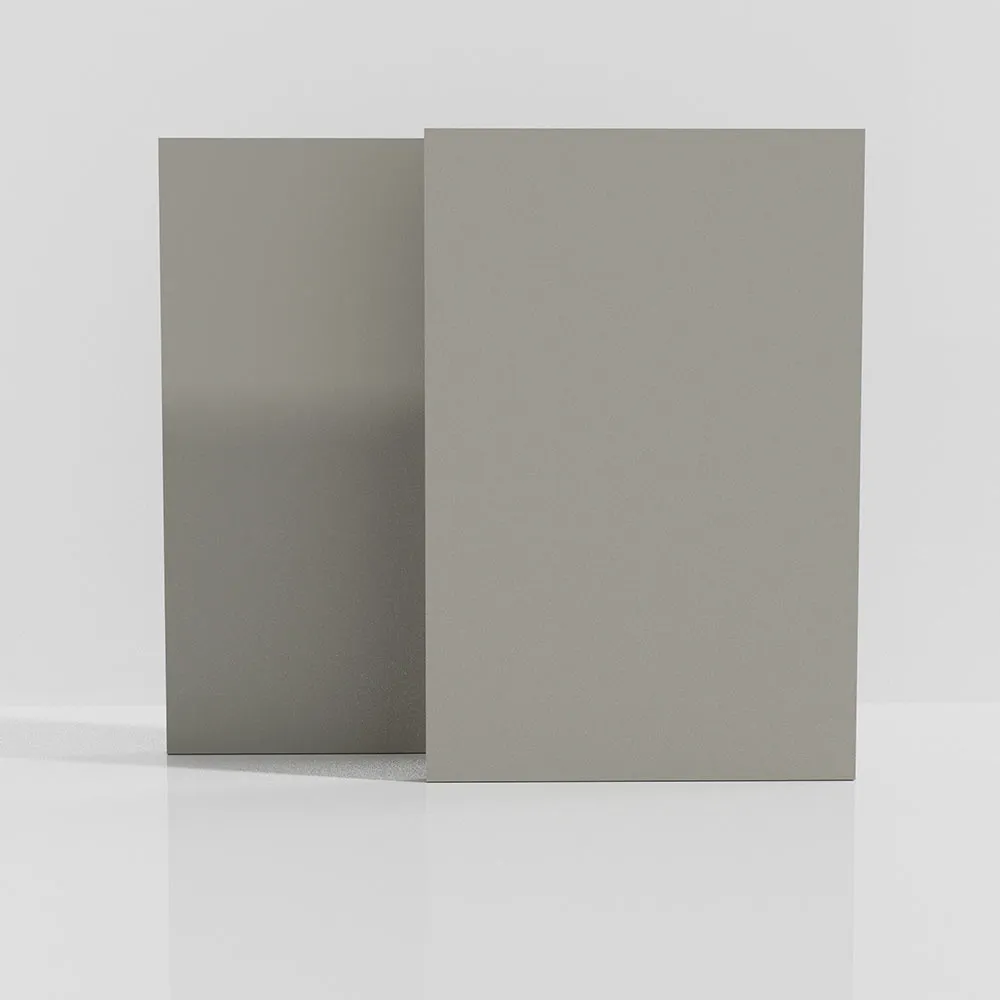
An MDF window board is essentially a manufactured panel placed internally or externally around windows. It's made from finely milled wood fibers bonded with resin and pressed into sheets under heat. The result? A flat, dense surface that’s less prone to defects common in natural wood, such as knots or splinters.
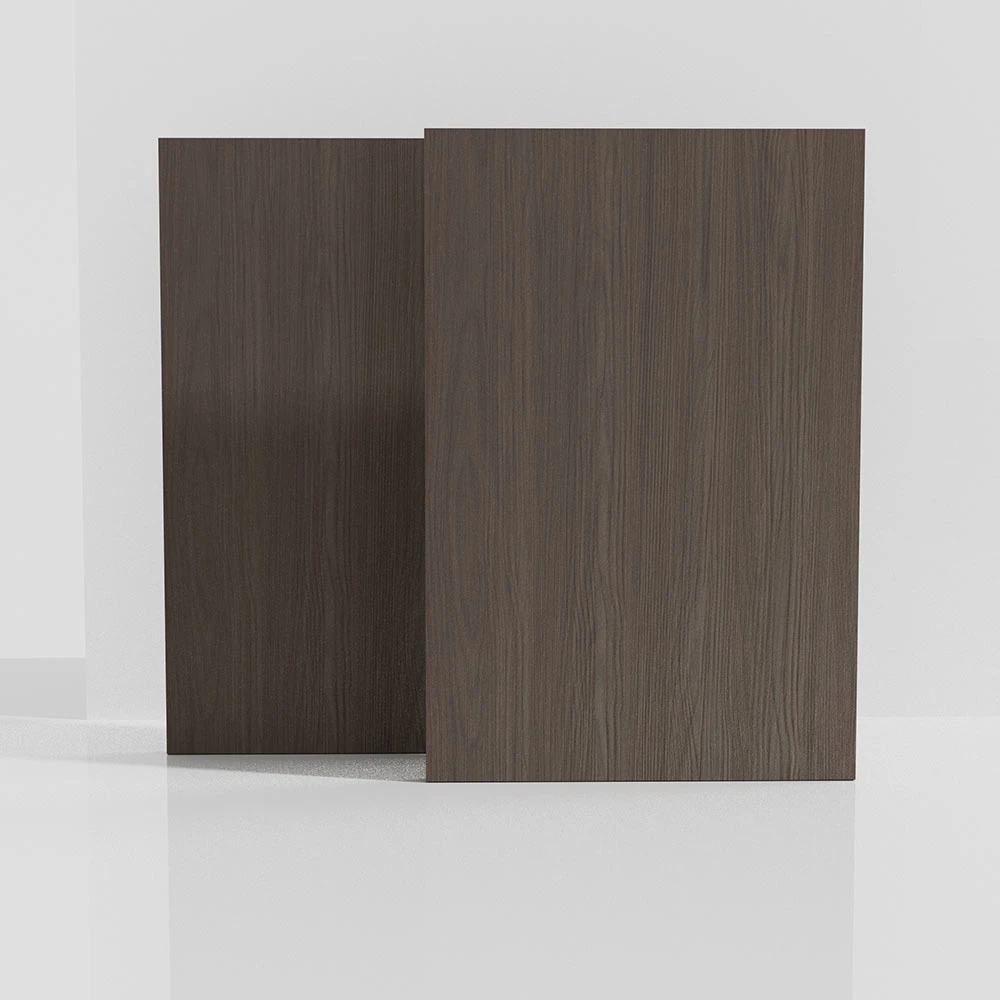
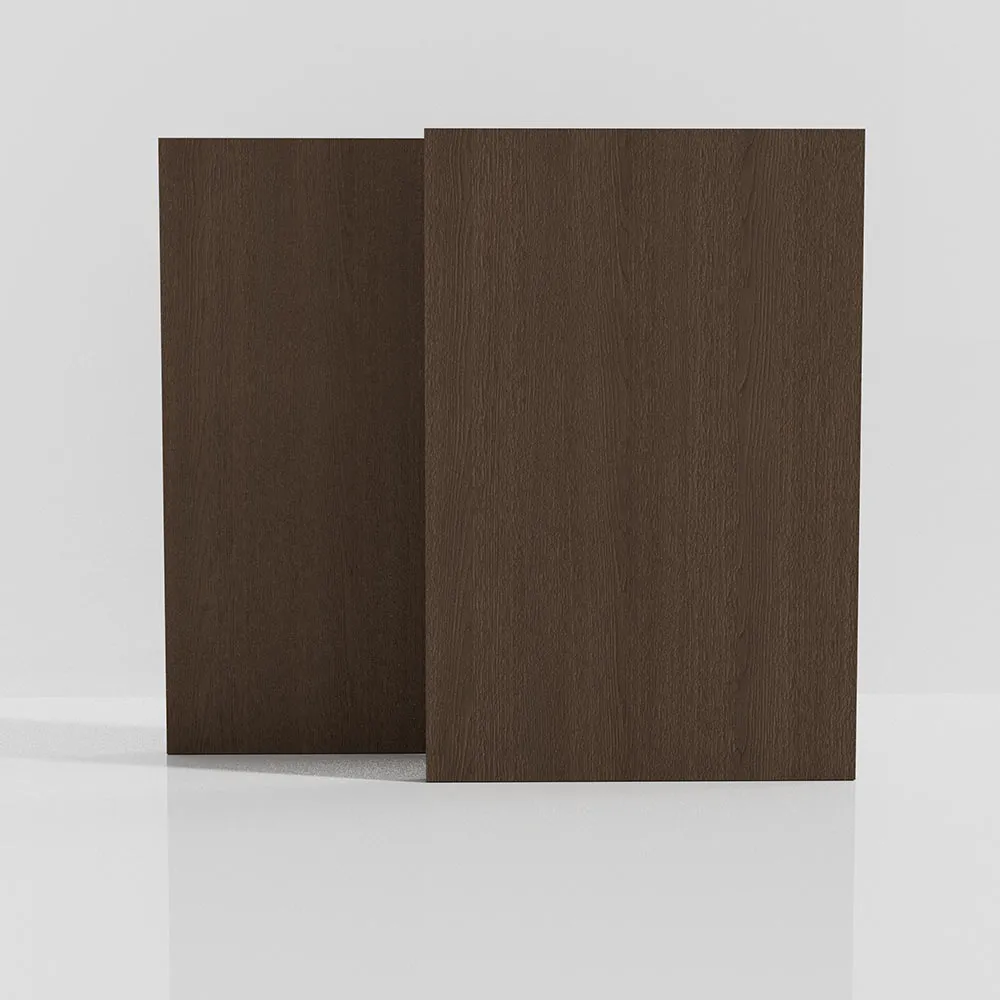
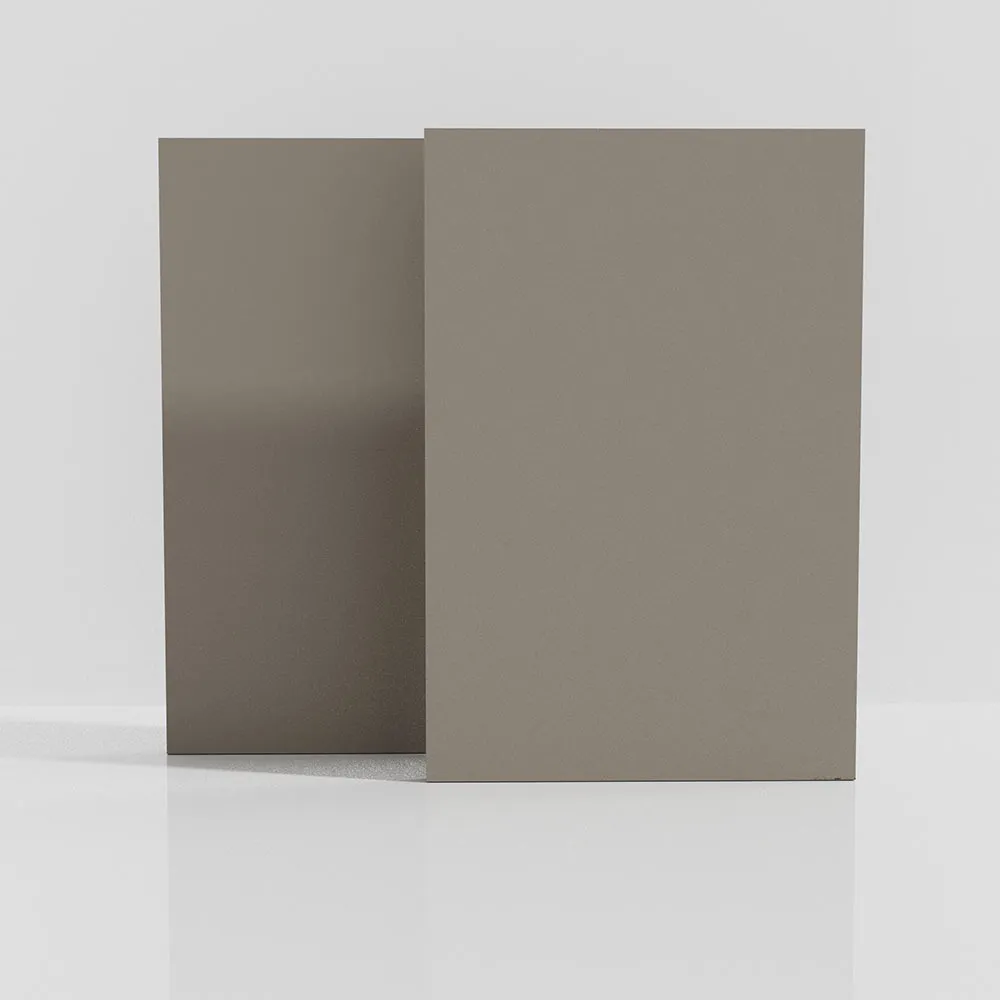
In modern construction, MDF window boards serve a dual role: aesthetically framing the window and protecting the wall junction against moisture and wear. Their uniformity allows manufacturers to easily coat or laminate the boards with paints, veneers, or waterproof finishes, aligning perfectly with modern design expectations and durability needs.
On a humanitarian note, in emergency housing or disaster relief shelter kits, lightweight and readily installable MDF window boards provide pragmatic, temporary solutions where traditional materials would lag in cost or availability.
---
Key Features that Define MDF Window Boards
Durability
MDF window boards resist shrinking and swelling, a common complaint with standard wood in humid or variable climates. This stability translates to longer-lasting window setups that require fewer repairs.
Cost Efficiency
Compared to hardwood alternatives, MDF is much more affordable — both raw and finished. You get the look of quality wood without the steep price tag.
Workability and Customization
Since MDF is easy to machine, cutters and routers shape window boards to exact client specs. This enables custom profiles, complex detailing, and quicker onsite adjustments.
Moisture Resistance
Enhanced MDF grades and coatings improve resistance to water ingress. This is crucial around vulnerable window seams prone to condensation or rain exposure.
Sustainability
Many MDF window boards use recycled fibers and enable efficient use of raw materials, aligning with ISO standards for sustainable forestry and manufacturing[3].
Mini takeaway: When choosing a window board, you’re balancing durability, price, finish, and environmental impact. MDF hits all these key boxes better than other options in many contexts.
---
MDF Window Board Around the World: Where and How It’s Used
In Europe, MDF window boards are almost the norm — especially in Germany and the UK, where stringent building codes reward materials that perform well in insulation and longevity.
Across Asia, fast-growing urban centers favor MDF due to its speed of installation and availability. Even emerging markets use MDF window boards in school building programs or affordable housing projects, where assembly speed matters and budget constraints are intense.
In North America, a large share of residential renovations employs MDF window boards to upgrade older homes that suffer from drafty, traditional wood trims. It’s also popular in manufactured housing communities focused on cost control.
Oddly enough, in remote industrial zones, temporary living quarters often feature MDF window boards because they allow quick maintenance and replacement, reducing downtime for companies.
---
Advantages and Long-Term Value of MDF Window Boards
Cost-effective without compromising quality: MDF reduces the overall build cost, especially when factoring in reduced maintenance over time.
Sustainability: By relying on recycled wood fibers, MDF window boards reduce reliance on old-growth timber, easing pressure on forests.
Enhanced indoor comfort: With better sealing and insulation around windows, buildings equipped with MDF window boards are cozier and more energy-efficient.
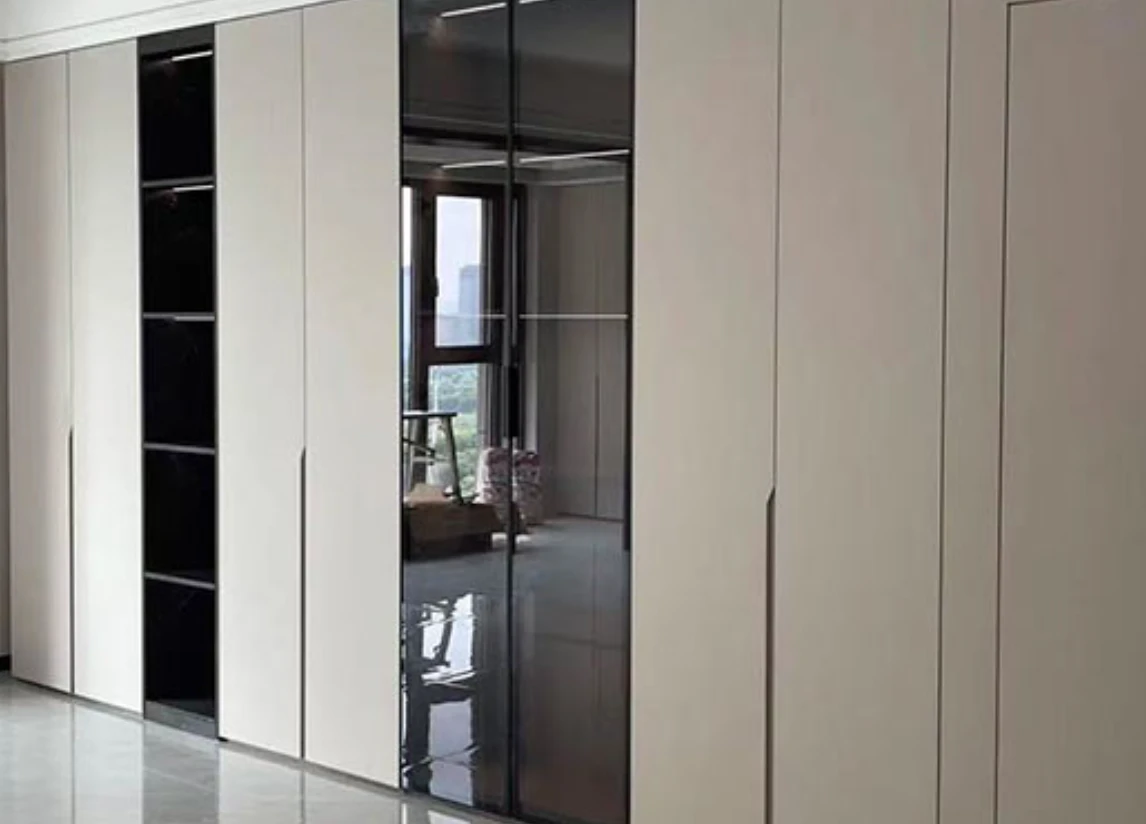
Aesthetic versatility: They can be painted, veneered, or laminated to fit any interior style — from rustic charm to ultra-modern minimalism.
Safety and dignity: In disaster relief and rapid construction, MDF window boards help create safer, more comfortable environments for displaced communities.
---
What the Future Holds: Innovations and Trends
Manufacturers are increasingly exploring bio-based resins and wax emulsions to make MDF window boards even greener. Digital CNC machining advances enable hyper-customization at scale — allowing architects and builders to experiment with unique, precise profiles easily.
There’s also a push toward integrating insulation layers into MDF window boards themselves, which would simplify window installation and boost thermal performance in one go.
On the policy front, stricter building codes tied to the Paris Agreement mean materials like MDF window board that comply with low-emission standards will be the preferred choice globally.
---
Challenges and How Industry Responds
MDF is historically sensitive to water damage if unprotected. This means surface treatments or laminates are often necessary, sometimes adding costs.
Additionally, some purists argue MDF lacks the “authentic character” of natural wood grain, especially in classy restorations. But I guess that depends on the project’s goal — uniformity and ease of maintenance often outweigh “character marks” in commercial or modern residential settings.
Manufacturers counter these challenges by improving coatings and textures. Some even blend natural fibers with MDF to enhance appearance while retaining performance.
---
FAQ: Frequently Asked Questions About MDF Window Boards
Q1: Are MDF window boards suitable for exterior use?
A1: Standard MDF is not recommended for exterior without proper waterproof coatings because moisture can cause swelling. However, special moisture-resistant grades and treated finishes can make MDF window boards viable for protected external areas.
Q2: How long do MDF window boards typically last?
A2: With proper installation and maintenance, MDF window boards can last 10–20 years or more, especially indoors where humidity is controlled.
Q3: Can MDF window boards be painted?
A3: Yes, one of the main benefits is their smooth, uniform surface which takes paint beautifully, unlike rough or knotty natural wood.
Q4: How eco-friendly are MDF window boards?
A4: They are generally more sustainable than solid wood because they use recycled fibers and reduce timber waste. Look for certifications like FSC or CARB compliance for added assurance.
---
Summary and Next Steps
MDF window boards are no longer just a cost-saving alternative; they’ve become a cornerstone in modern, sustainable construction and renovation efforts worldwide. Their combined benefits of affordability, durability, and eco-conscious manufacture make them a logical choice whether you’re working on a high-rise, a cozy home, or even relief shelters after a disaster.
If you want to explore quality MDF window boards tailored for your needs, visit
mdf window board for the latest innovation and support from experts who understand real-world challenges.
---
Typical MDF Window Board Specifications
| Specification |
Typical Value |
| Dimensions (thickness) |
12 mm - 25 mm |
| Length & Width |
2440 mm x 1220 mm (standard sheet) |
| Density |
650–850 kg/m³ |
| Moisture Resistance |
Standard or moisture resistant grades available |
| Surface Finish |
Smooth, paintable, laminatable |
| Environmental Certification |
FSC, CARB Phase 2 compliant |
Vendor Comparison for MDF Window Boards
| Supplier |
Price Range (USD per sheet) |
Moisture Resistance |
Custom Profiles Available |
Lead Time |
| Tengfei MDF |
20–25 |
Standard & MR Grades |
Yes |
2-3 weeks |
| WoodTech Supplies |
22–28 |
Standard only |
Limited |
3-4 weeks |
| EcoBoards Co. |
24–30 |
High moisture resistance |
Yes |
3 weeks |
A Few Final Thoughts
When you think about the humble MDF window board, it’s clear it plays a bigger role than just being a trim piece. It represents the modern crossroads of affordability, design, and sustainability in building materials. While it’s not perfect, ongoing innovations and its very widespread adoption seem to cement its place in global construction for years to come.
Sometimes it’s these everyday components that quietly shape our built environment. And maybe next time, while checking your own windows, you’ll spot the MDF window board telling its subtle tale of timber evolution.
References:
- UN World Urbanization Prospects, 2018
- World Bank: Urban Development Overview
- ISO 16895-1: Wood-based panels — Environmental Product Declarations