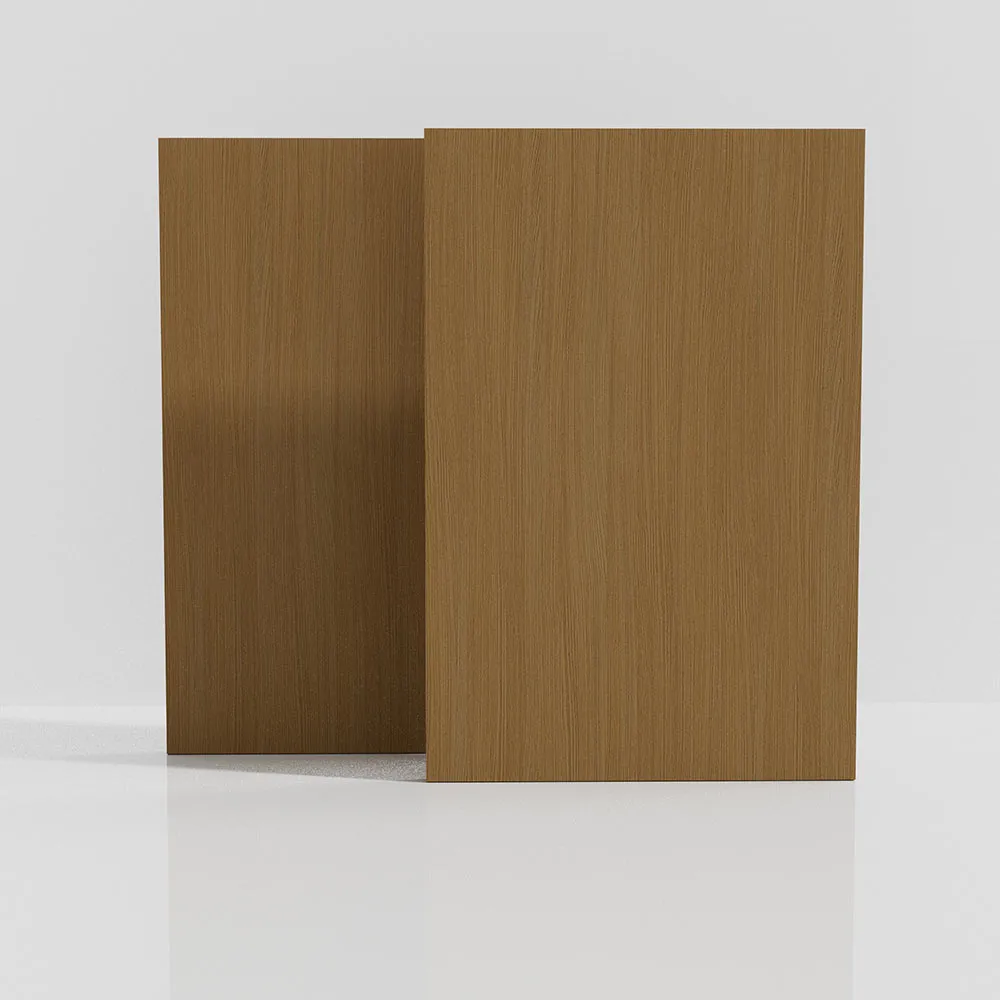
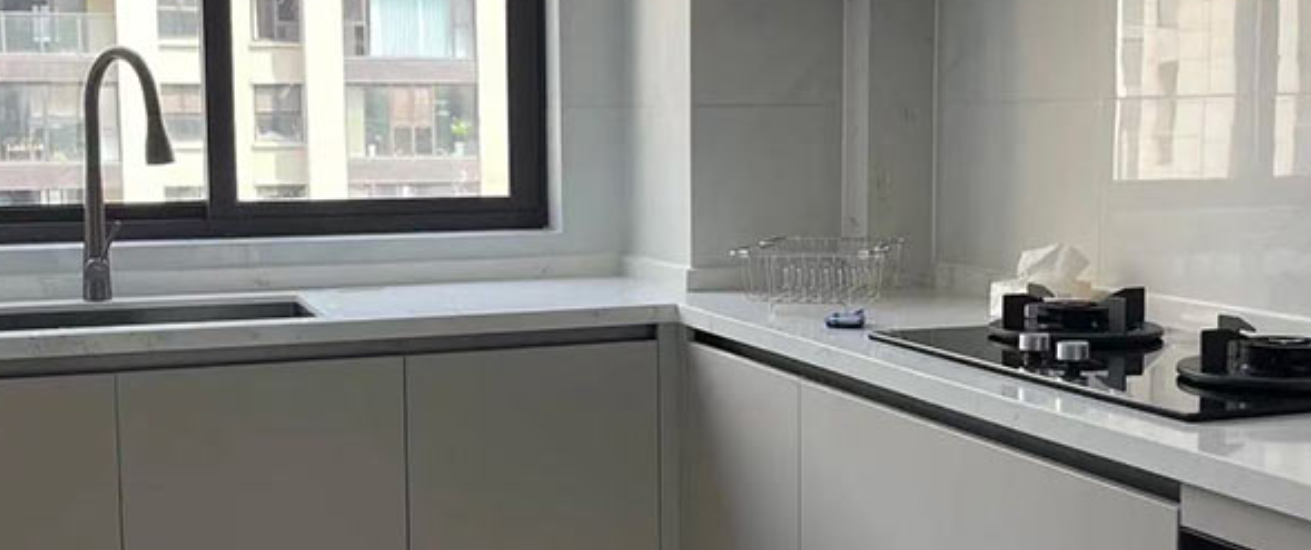
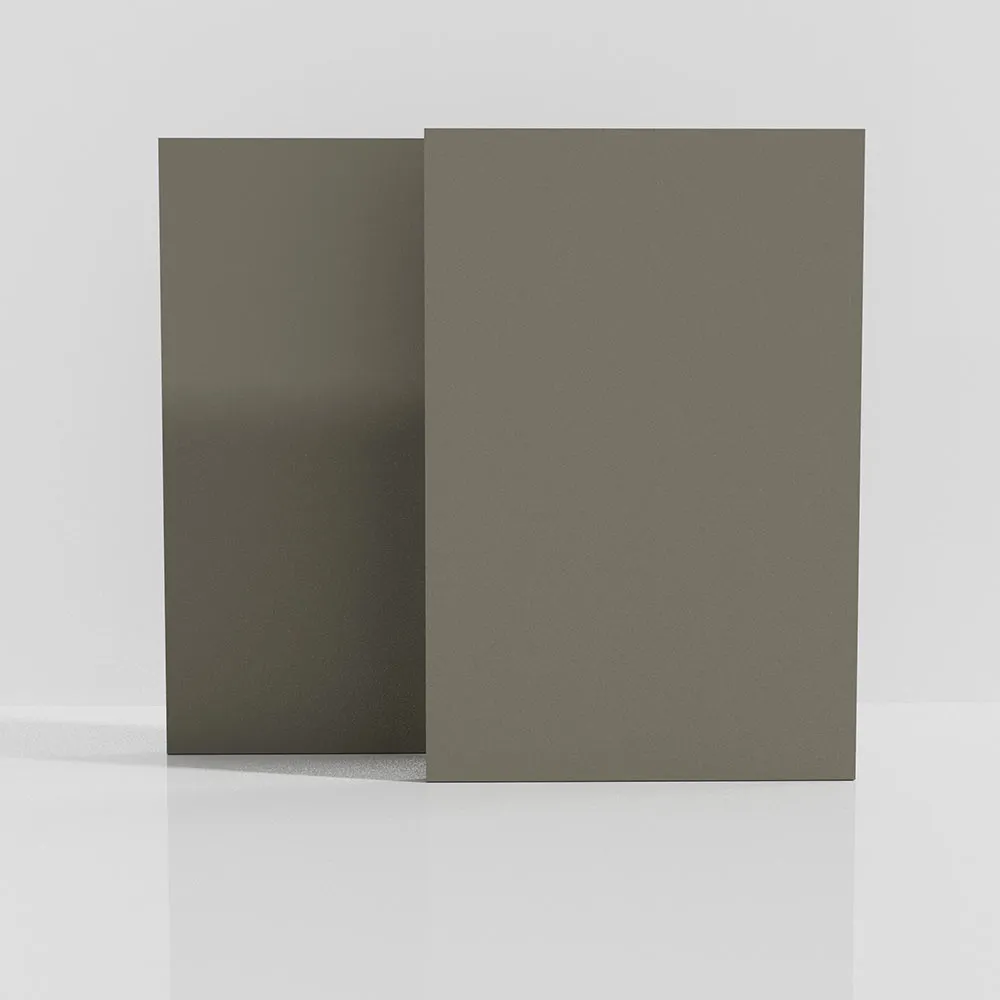
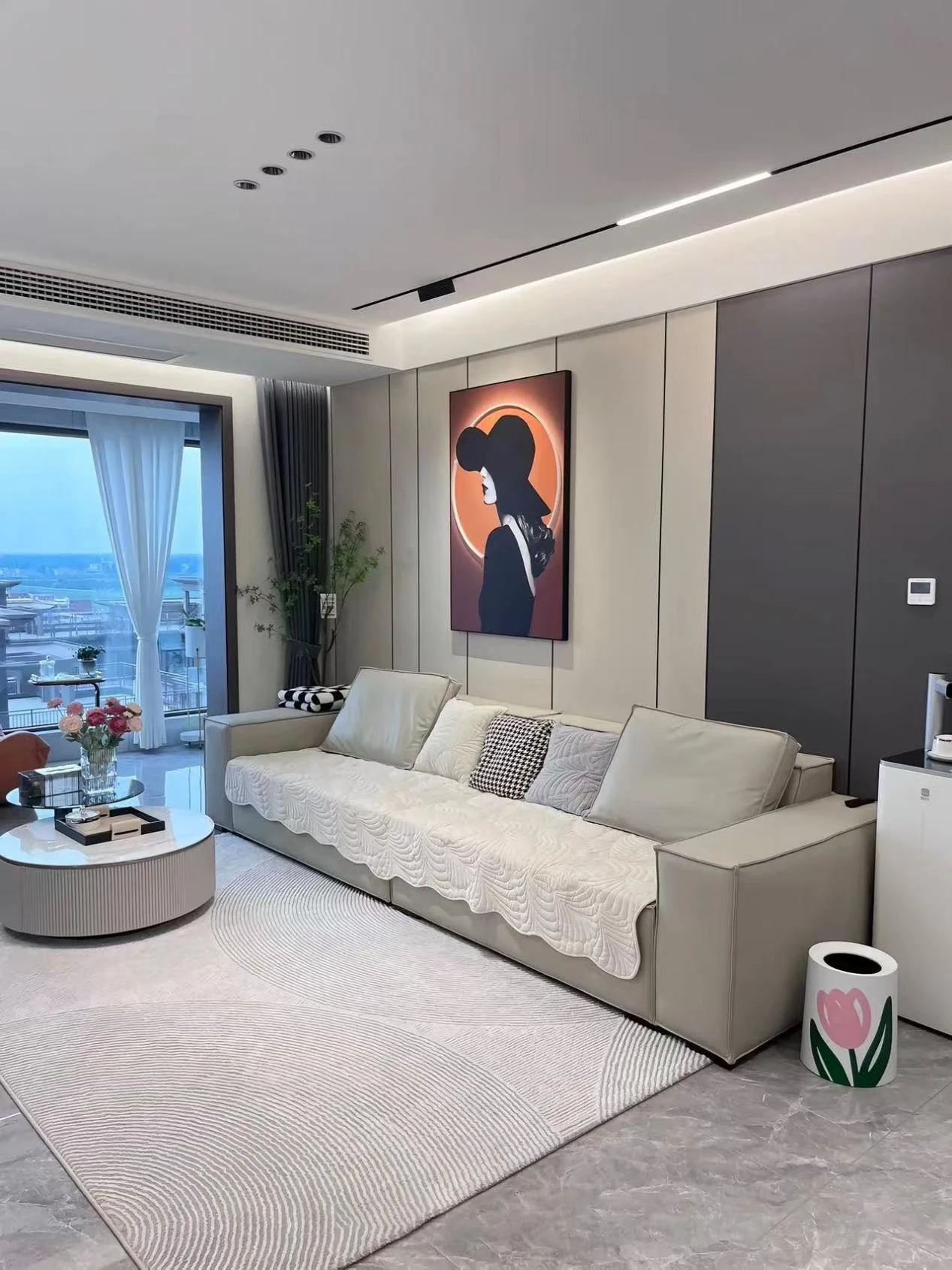
Understanding the Global Impact of MDF Wood Board
In a world where sustainable materials and efficient manufacturing are buzzwords, mdf wood board quietly powers countless industries and innovations. But what is it, really? Why does it hold such importance across global markets, and how do its practical benefits ripple through furniture production, construction, and even humanitarian efforts?
Simply put, MDF—medium-density fiberboard—is an engineered wood product made by breaking down hardwood or softwood residuals into wood fibers and combining them with wax and resin binders. Then, pressed under high heat and pressure, it forms a dense, smooth board that's become the backbone of modern wood processing. Globally, the engineered wood industry was valued at over $40 billion in the early 2020s, signaling this is no niche product but a vital material fueling everything from affordable housing to elegant cabinetry.
Oddly enough, MDF wood boards address problems like deforestation by optimizing wood wastes and allowing manufacturers to reduce reliance on solid timber. So it’s not just a convenience—it's a relatively greener choice. As urbanization accelerates worldwide, construction firms and carpenters increasingly depend on this versatile material to strike a balance between cost, durability, and aesthetics.
Mini takeaway: MDF is more than just a wood substitute; it’s an industrial innovation meeting sustainability and economic demands globally.
What Exactly Is MDF Wood Board?
Most of us probably own something made with mdf wood board—whether it’s that sleek office desk or a kitchen cabinet door—but few really pause to consider what it’s made of or why it’s so popular.
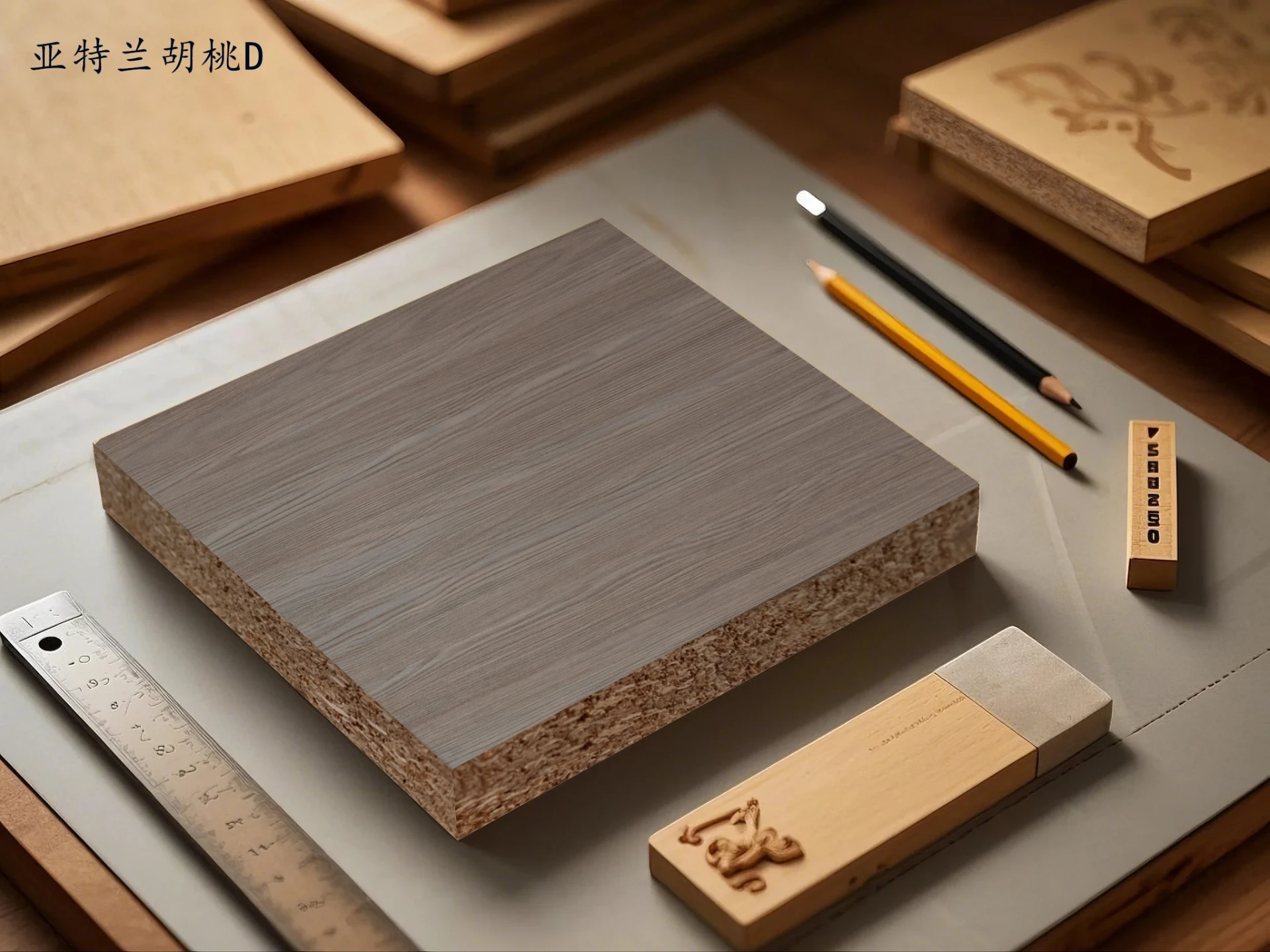
Put simply, an MDF wood board is crafted from wood fibers glued together to form a uniform panel. Unlike plywood, which has layers of veneers, MDF offers a smooth surface without knots or grain. Its density usually ranges from 600 to 800 kg/m³, offering a consistent strength that woodworkers love.
The neat symmetry, ease of staining or laminating, and machinability make MDF a staple for designers aiming for both function and form. Importantly, it plays a role beyond aesthetics; humanitarian organizations, for example, employ MDF in temporary shelters due to its light weight and easy customization. So in a way, the board connects modern production lines with life-changing, on-the-ground solutions.
Core Attributes of MDF Wood Board You Should Know
1. Durability
Though often viewed as less durable than solid wood, MDF is surprisingly robust when properly sealed or laminated. It resists warping better than plywood in humid environments because of the way the fibers are bound tightly together.
2. Cost Efficiency
MDF offers a lower price point since it uses wood residues rather than solid logs. For manufacturers and consumers alike, that means value without a huge compromise.
3. Flexibility and Machinability
This material cuts, mills, and drills smoothly without splintering. Its uniform interior ensures predictable results when carving or shaping—engineers often tout this as a key advantage in prototyping or furniture making.
4. Environmental Sustainability
Because MDF recycles wood fibers and minimizes waste, it contributes to forest conservation efforts. Plus, many suppliers source materials with forest certification standards (FSC or PEFC), ensuring ethical production.
5. Surface Finish
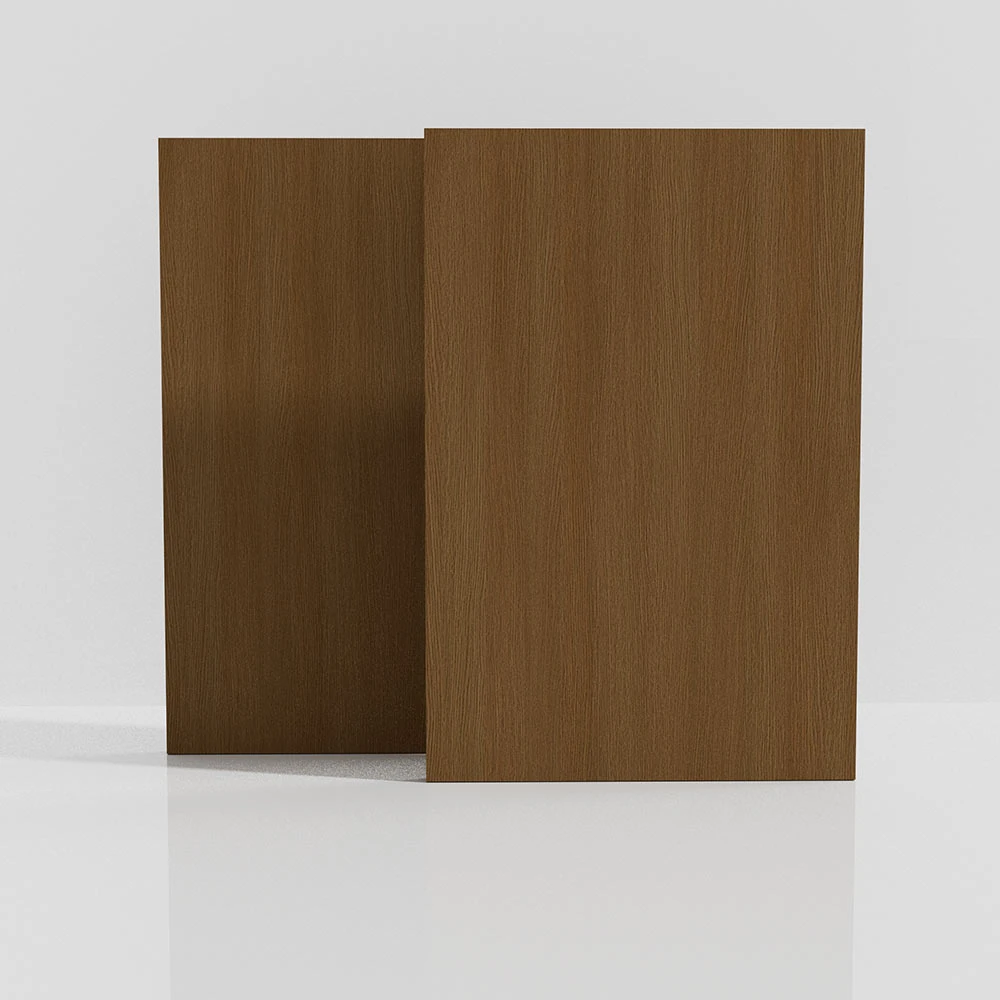
The smooth face of MDF allows for efficient painting or veneering. That means designers can achieve high-end finishes on relatively low-cost panels.
6. Weight
MDF tends to be heavier than plywood but lighter than solid hardwood of the same thickness, striking a balance useful for transport and assembly.
Typical MDF Wood Board Specifications
| Property |
Typical Value |
Units |
| Density |
700 |
kg/m³ |
| Thickness Range |
3 – 30 |
mm |
| Modulus of Rupture |
30 – 45 |
MPa |
| Moisture Content |
4 – 7 |
% |
| Formaldehyde Emission |
E0 – E1 |
Class |
Mini takeaway: MDF’s qualities—its durability, cost-effectiveness, and sustainability—have made it integral across sectors needing adaptable and environmentally friendly wood solutions.
Where in the World Do MDF Wood Boards Make a Difference?
MDF’s reach is truly global. From Asia’s booming furniture manufacturing hubs in Vietnam and China, to Europe’s eco-focused interiors market, and North America's growing modular construction sector, its impact is vast.
- Furniture and Cabinetry: The bulk of MDF consumption comes from consumer and industrial furniture production. It allows manufacturers to produce stylish designs without exorbitant costs.
- Construction: Lightweight MDF panels serve in interior walls, flooring, and door cores, especially in affordable housing projects.
- Disaster Relief & Humanitarian Use: Temporary shelters or portable workspaces employ MDF panels for fast assembly, thanks to their manageable weight and adaptability.
- Retail Fixtures & Displays: Many stores use MDF-based fixtures because they provide aesthetic appeal with quick turnaround times.
For instance, in post-disaster zones in Southeast Asia, relief agencies selected MDF panels to build emergency classrooms — the boards weather humidity better than traditional plywood, and assembling them was relatively straightforward, speeding education recovery.
Mini takeaway: MDF’s versatility means it serves urban and rural areas alike, bridging functionality between industrial design and social impact worldwide.
Long-Term Benefits: Why MDF Wood Board Still Wins
What I find interesting — and many designers echo this — is how MDF blends tangible value and emotional reassurance. It’s about more than specs; it’s trust, safety, and innovation bundled in a sheet of wood fibers.
- Sustainability: Using recycled fibers reduces forest depletion. This matters greatly as we try to slow climate change.
- Cost & Affordability: Compared with solid wood or metal, MDF boards drive down prices, keeping projects within budget.
- Social Impact: Enables production of affordable furniture and safer, adaptable housing solutions worldwide.
- Reliable Supply Chain: Producing MDF often involves local wood residues, supporting regional economies and minimizing transportation burdens.
- Modern Engineering: Ongoing improvements in resin chemistry reduce formaldehyde emissions, making MDF healthier indoors.
Where MDF Wood Boards Are Heading: Trends and Innovations
Frankly, the MDF industry is buzzing with innovation. The move towards eco-friendly resins—think bio-based adhesives—is gaining momentum, addressing health and environmental concerns head-on. Plus, digital design and CNC machining have transformed cutting MDF, allowing intricate, custom components faster than ever before.
Automation in production means more consistent quality and less waste, while hybrid materials combining MDF with other composites offer new heights of performance. Meanwhile, as green building certifications become mainstream, MDF products with lower emissions and recycled content score high on sustainability ratings like LEED.
Challenges, But Also Solutions
It’s not without hiccups. MDF’s higher density means it absorbs moisture if unsealed, swelling and compromising structure. This limits outdoor use unless well coated or laminated. Plus, older MDF contained formaldehyde compounds that raised health flags.
Solutions? New low-formaldehyde or no-added-formaldehyde (NAF) adhesives are today’s norm, improving indoor air quality dramatically. For moisture issues, advanced sealers and water-resistant MDF variants are available, broadening its application. Industry experts also recommend skilled installation to maximize lifespan and safety.
FAQ: Your Questions About MDF Wood Board
- Q: How does MDF compare to plywood for cabinetry?
- A: MDF offers smoother surfaces and easier machining, ideal for painted finishes. Plywood is generally stronger and better for structural use. For cabinetry, MDF often wins when aesthetics and cost are priorities.
- Q: Can MDF wood boards be used outdoors?
- A: Standard MDF absorbs moisture and swells outdoors. However, moisture-resistant variants exist, and with proper sealing, outdoor use is feasible but still less ideal compared to materials like marine plywood.
- Q: Is MDF environmentally friendly?
- A: Yes, to an extent. MDF recycles wood fibers and uses less solid timber. Recent advances in eco-binders reduce harmful emissions. Choosing FSC-certified MDF ensures sustainable sourcing.
- Q: What thicknesses do MDF boards come in?
- A: Common thicknesses range from 3mm up to 30mm. Thickness choice depends on application — thinner boards for paneling, thicker for structural or furniture parts.
- Q: How should MDF be finished for best longevity?
- A: Sealing all edges plus both sides with paint, veneer, or laminate protects against moisture and wear. This is critical to extend the lifespan in humid or high-use settings.
Vendor Comparison: Picking the Right MDF Supplier
| Vendor |
Product Range |
Sustainability Certifications |
Pricing Level |
Customization Options |
| Tengfei MDF Co. |
Standard, moisture-resistant, fire-retardant |
FSC, ISO 14001 |
Competitive |
Cut-to-size, thickness variation |
| Global Wood Panels |
Standard, eco-friendly bio-resin MDF |
PEFC, CARB Phase 2 |
Mid-range |
Custom colors, laminates |
| EcoFiber Boards |
100% recycled fiber MDF |
FSC, LEED |
Premium |
Specialty thickness, finishes |
Wrapping Up: Why MDF Wood Boards Matter Now and Tomorrow
MDF wood board has quietly transformed the way industries approach wood use—turning leftovers into versatile, cost-effective, and sustainable panels that shape our homes, workplaces, and even crisis responses. While it isn’t perfect—moisture sensitivity and older chemical processes have posed hurdles—the evolution of greener binders and more resilient finishes continue to widen its appeal.
If you’re considering MDF for your next project, from furniture making to modular housing designs, it’s worth exploring reputable suppliers and eco-conscious products. After all, the future of wood products isn’t solid wood alone; it’s engineered solutions like mdf wood board that will lead us to smarter, more sustainable construction and design.
Visit https://www.tengfeiebmdf.com to discover the latest in MDF wood board options and innovations.
Mini takeaway: Embracing MDF today is a step toward smarter resource use, better design flexibility, and a greener planet tomorrow.
References:
- Wikipedia: Medium-density fibreboard
- Forest Stewardship Council (FSC)
- ISO Environmental Management Standards