Understanding Melamine Faced MDF Board: What It Is and Why It Matters Globally
At first glance, a melamine faced MDF board might seem like just another building material, but it’s more than that—it’s a quiet revolution in how industries think about sustainability, durability, and design flexibility. Across construction, furniture making, and industrial applications worldwide, this engineered wood product blends functionality with style, cost-efficiency, and environmental considerations.
Why does it matter so much? Well, globally, markets and manufacturers increasingly demand materials that not only perform well but also align with circular economy principles and reduce waste. Melamine faced MDF rises to the challenge with a blend of properties that make it key for everything from office interiors in Dubai to modular homes in Scandinavia.
The Global Context: Why Melamine Faced MDF Board Is More Relevant Than Ever
Industry data reveals some interesting trends. According to the UN Environment Programme, building materials contribute to almost 39% of global carbon emissions (source: UNEP 2023). Sustainable engineered wood products like melamine faced MDF offer a way forward. It’s no surprise that the global demand for decorative panels is estimated to grow by about 5% annually into the late 2020s.
Yet challenges remain: balancing cost, durability, and environmental impact while meeting decorative and functional demands. Melamine faced MDF tackles these by offering a relatively low-cost yet high-performance alternative to solid wood or laminates, helping manufacturers reduce reliance on tropical hardwoods and avoid VOC emissions.
Defining Melamine Faced MDF Board
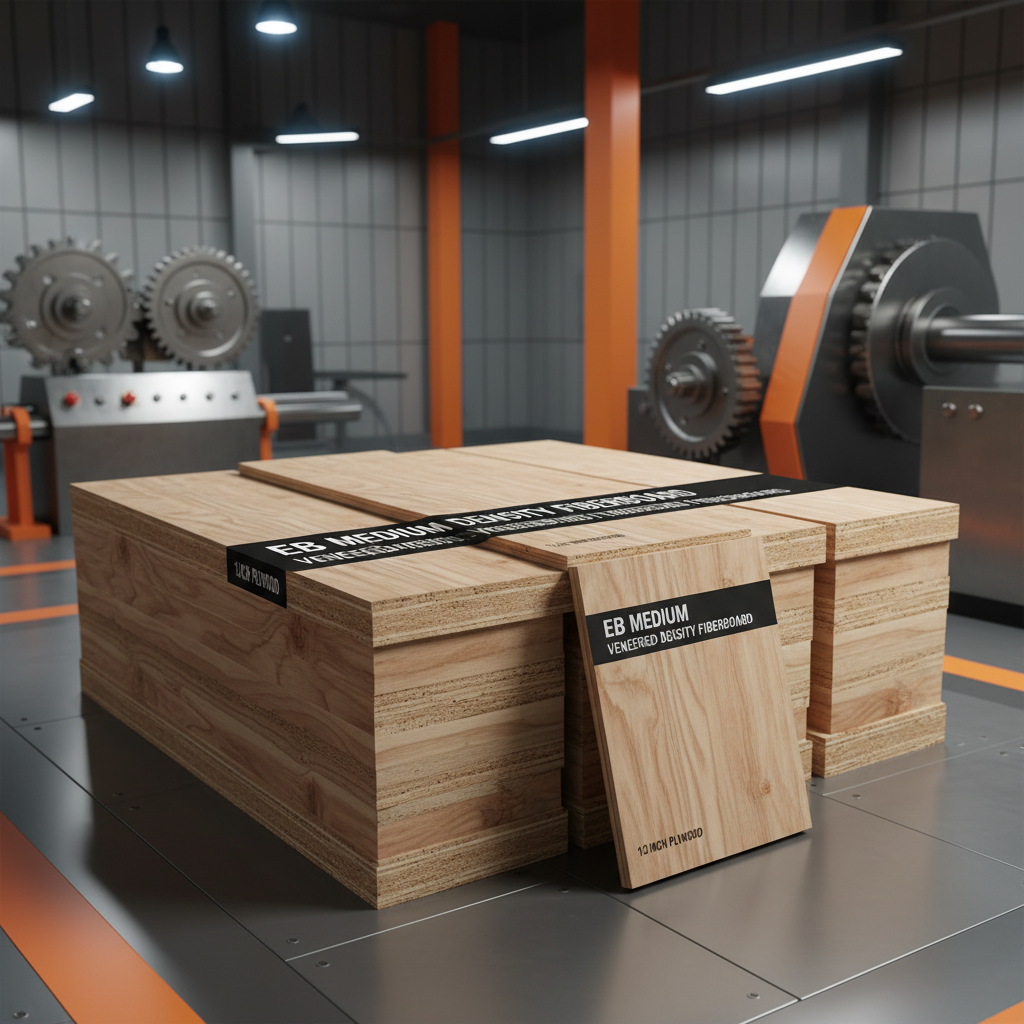
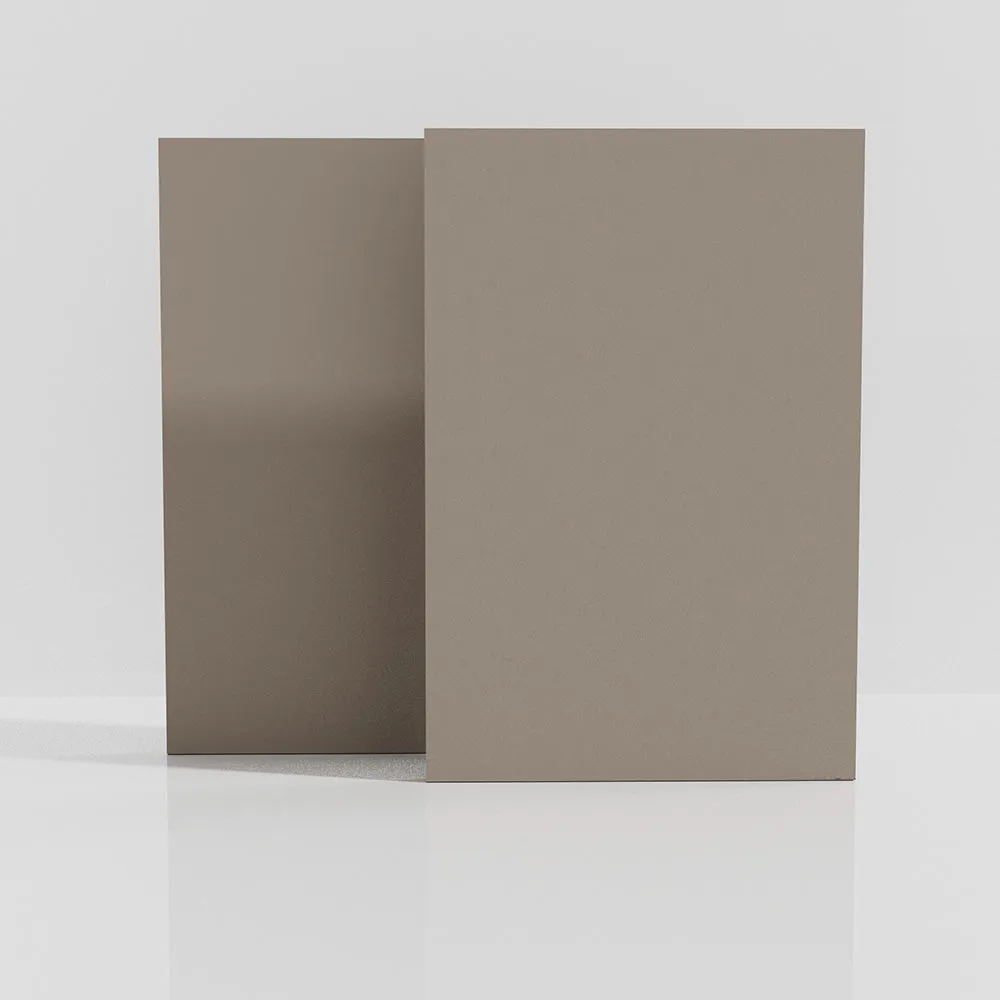
So, what exactly is a melamine faced MDF board? In simple terms, it’s a medium-density fiberboard (MDF) core fused on one or both sides with a decorative and hardwearing melamine resin-impregnated layer. Think of it as MDF getting dressed up with a tough, colorful surface that resists scratches, stains, and moisture.
This composition makes it a favorite in industries that need reliable, attractive paneling without the price (or inconsistencies) of natural wood. It plays a quietly important role in everything from the interiors of hospitals — where hygiene and durability are key — to modular furniture in classrooms worldwide.
Core Components and Key Factors Behind the Success of Melamine Faced MDF
Durability
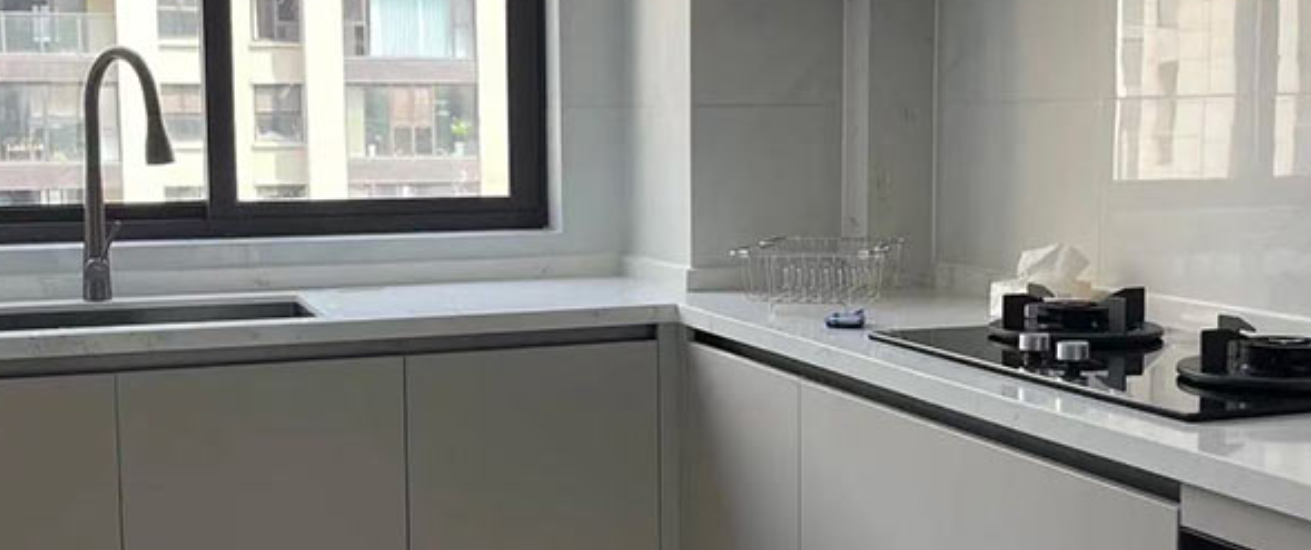
The melamine surface creates a highly scratch- and heat-resistant layer. It’s no surprise that many engineers say it outperforms traditional laminate sheets in high-traffic environments. For example, in commercial kitchens and hotel furniture, this durability translates to years of hassle-free use.
Cost Efficiency
Compared to solid wood paneling or high-end veneers, melamine faced MDF boards offer remarkable savings. It’s less labor-intensive to produce and customize, and the uniformity of MDF cores means less wastage during cutting. Economically, it’s a win for manufacturers seeking quality on a budget.
Design Versatility
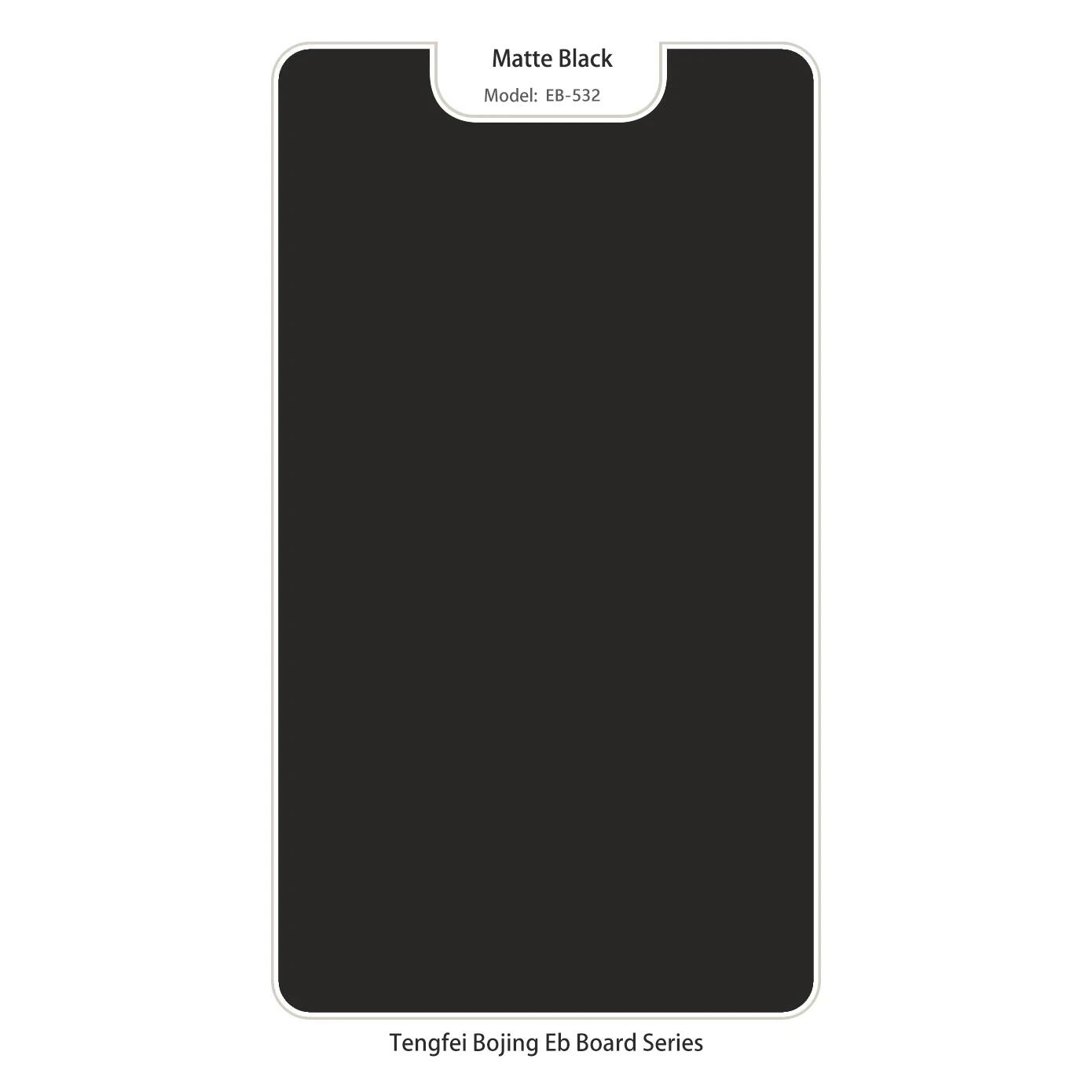
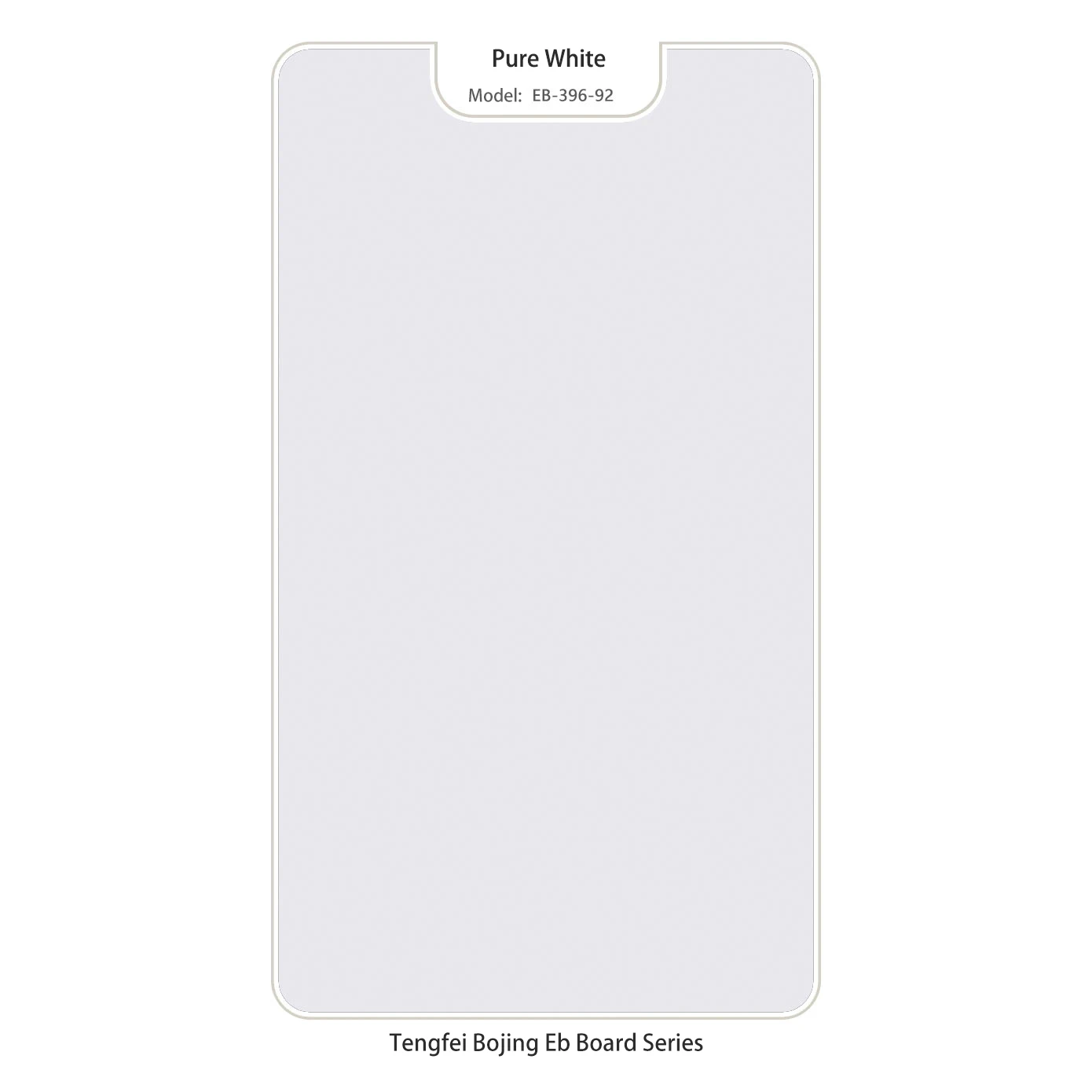
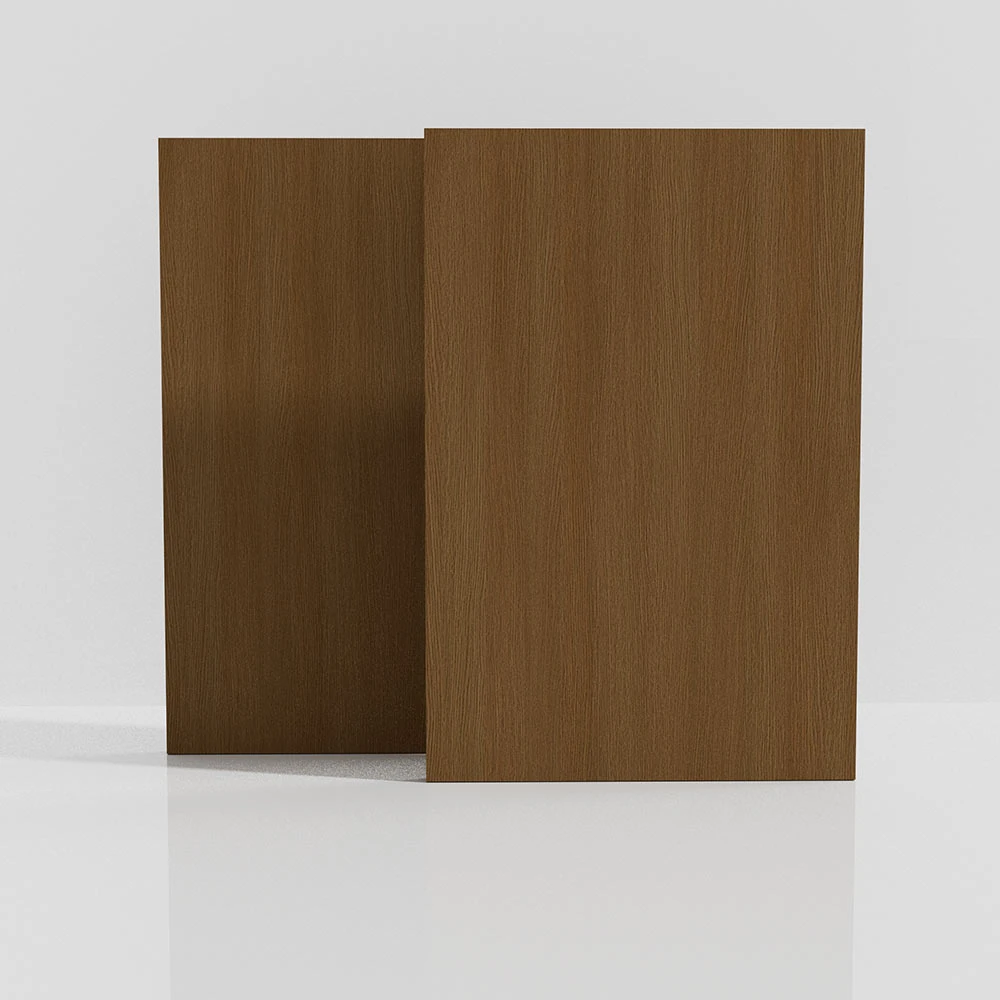
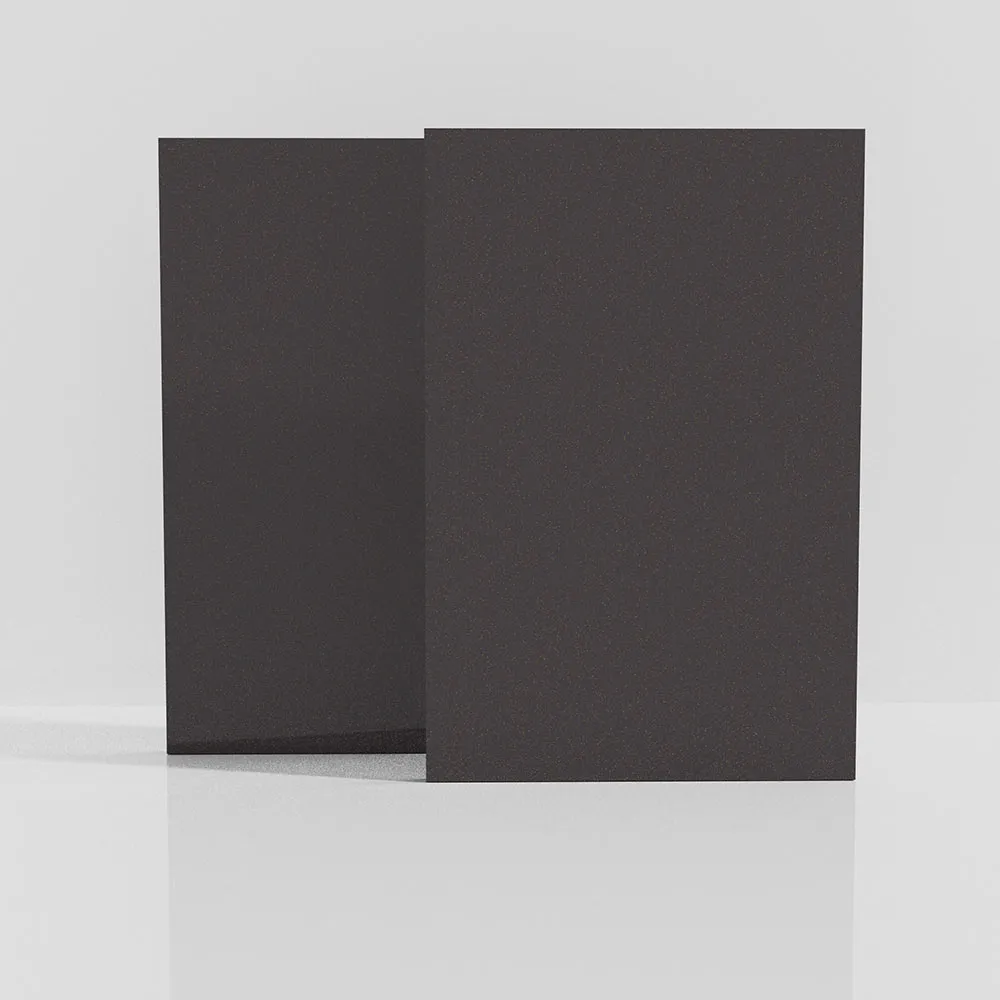
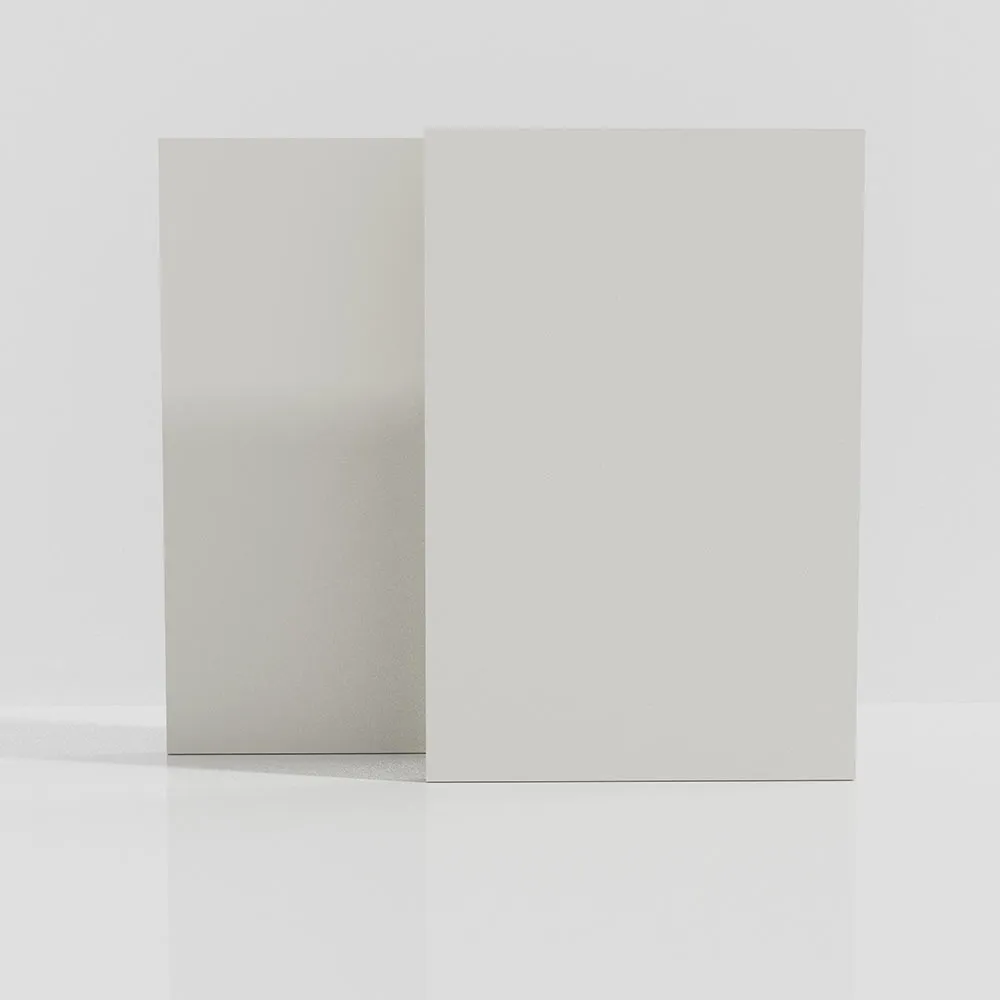
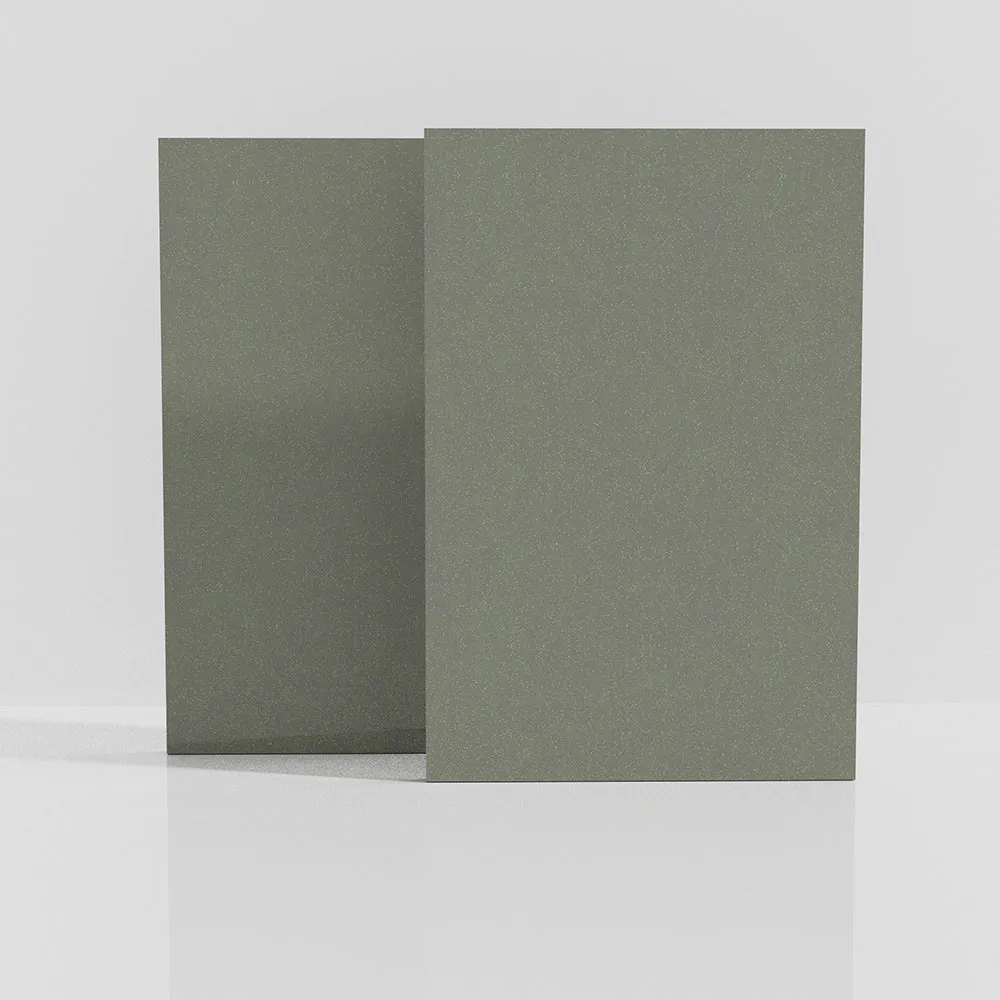
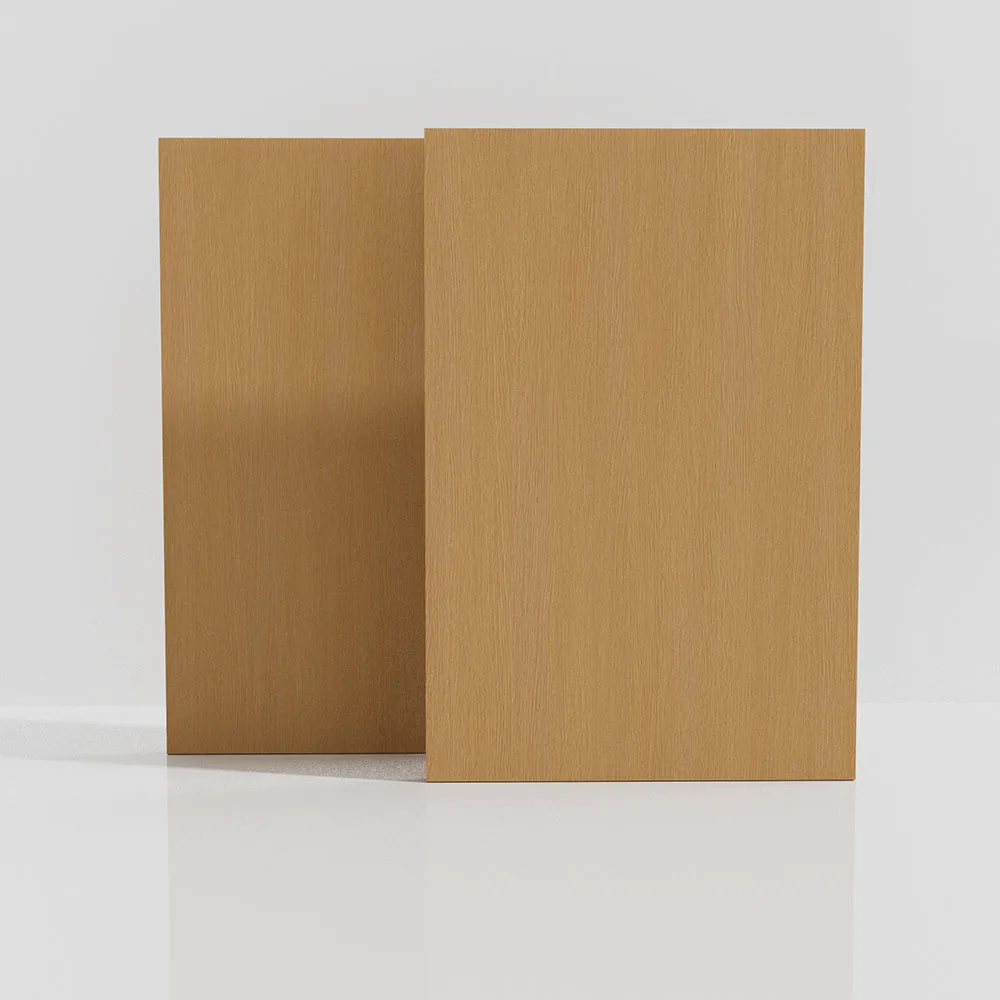
Because the melamine layer can be printed or embossed with various patterns and finishes (woodgrain, stone, plain colors), designers get tremendous creative freedom without sacrificing practicality. I find that designers tend to prefer it for quick prototyping precisely for this reason.
Environmental Impact
Made primarily from recycled wood fibers and bonded with resins, it offers a form of wood reuse that reduces deforestation pressures. The focus on low VOC (volatile organic compounds) melamine resins has improved significantly over the years, aligning well with ISO standards (ISO 12460-3) for indoor air quality.
Scalability & Availability
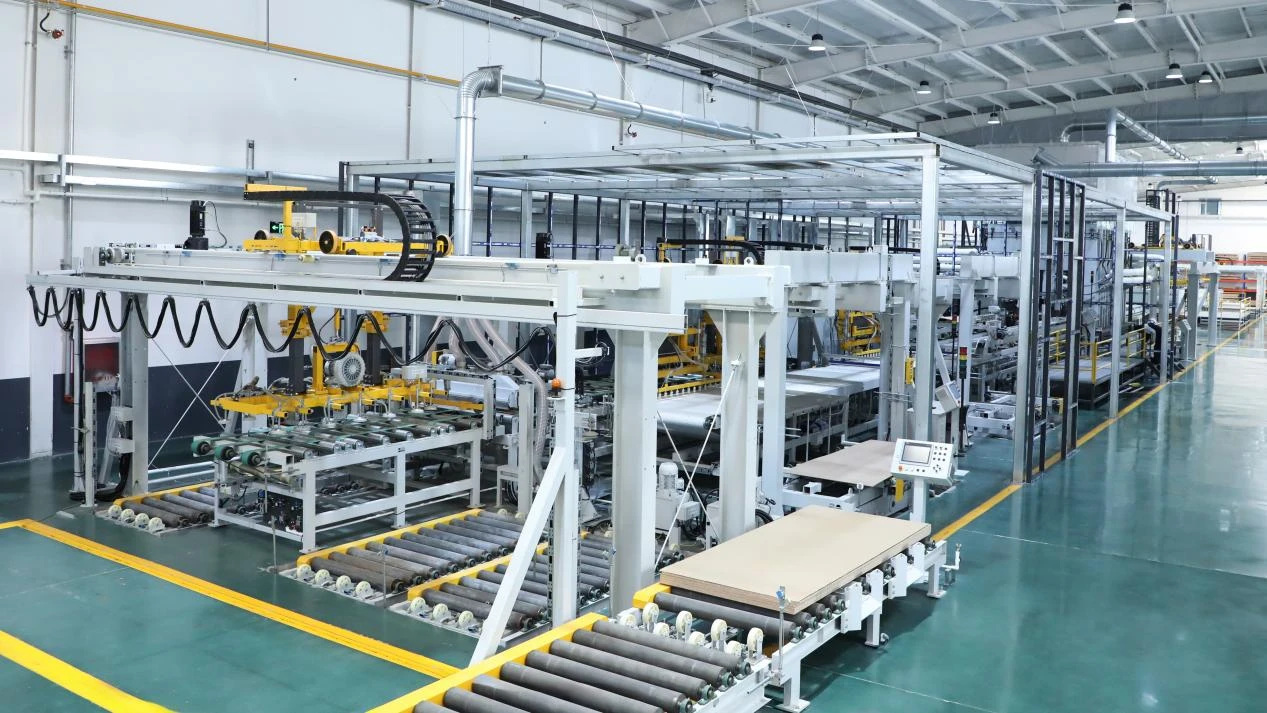
Because it is factory-produced, logistics and inventory management become easier. Unlike solid wood panels which require longer drying or specialized handling, melamine faced MDF boards come ready to install, making them ideal for mass-produced furniture and building modules shipped internationally.
Typical Product Specifications of a Melamine Faced MDF Board
| Specification |
Details |
| Core Material |
Medium-Density Fiberboard (MDF) |
| Melamine Film Thickness |
70–150 microns |
| Surface Finish |
Matte, Glossy, Woodgrain, Embossed |
| Board Thickness |
6mm to 25mm (commonly 12mm or 18mm) |
| Dimensions |
2440mm x 1220mm standard |
| Resistance Properties |
Scratch, Heat, Stain, Moisture Resistant |
Global Applications and Real-World Examples
This board truly shines in multiple sectors:
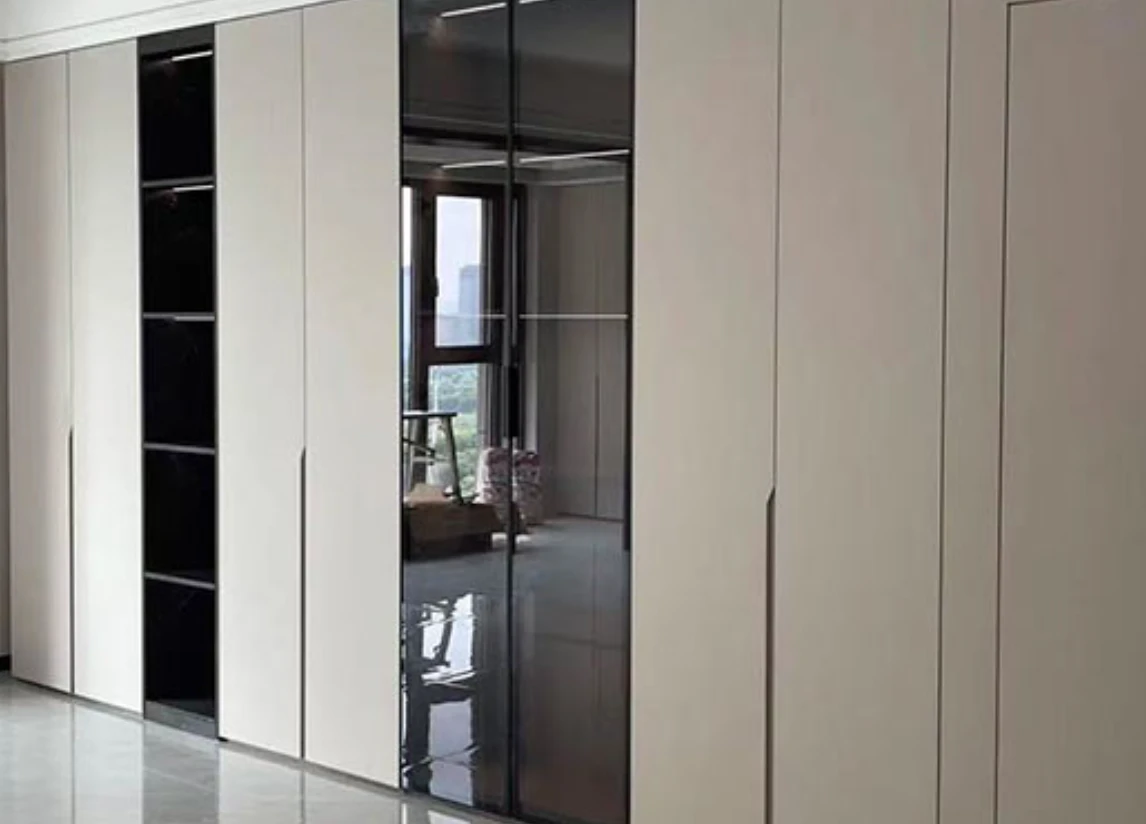
- Furniture manufacturing: From office desks in Germany to bedroom wardrobes in Malaysia, it's the perfect affordable yet attractive surface.
- Modular construction: In countries like Japan and Australia, rapid construction demands panels that are ready, easy to handle, and visually consistent.
- Healthcare environments: Hospitals from Brazil to Canada use it for wall panels and cabinetry where hygiene and durability matter.
- Retail interiors: Stores worldwide utilize melamine faced MDF boards for displays, combining style and robustness.
In remote industrial zones in Africa, for instance, prefab units crafted with melamine faced MDF enable quick setup with minimal maintenance—critical in non-urbanized locales.
Advantages and Long-Term Benefits
Here’s where our favorite board becomes really charming:
- Cost savings: Low upfront and maintenance costs keep budgets sane.
- Sustainability: Recycling wood fiber and reducing deforestation helps businesses meet environmental goals.
- Reliability: It resists warping and damage where solid wood might falter.
- Emotional impact: You get designs that feel consistent and clean, creating trust in spaces customers frequent often.
It’s like the unsung hero of modern interiors — present but unnoticed, quietly making life easier.
What’s Next? Trends and Innovations Shaping Melamine Faced MDF
Looking forward, expect:
- Greener resin formulations: Bio-based melamine films are being trialed to reduce synthetic chemicals.
- Digital printing technology: More intricate, personalized patterns are becoming affordable, making customization easier.
- Improved moisture resistance: New treatments aimed at bathroom and outdoor panel applications.
- Integration into smart homes: Panels embedded with sensors for temperature or occupancy monitoring — odd but promising!
Challenges and How Industry Experts Are Tackling Them
Of course, not everything’s perfect. For one, melamine faced MDF can be brittle compared to solid wood, so it’s not ideal for load-bearing elements. Also, improper disposal or recycling remains an issue, given the synthetic resin layers.
Industry leaders are addressing these through:
- Developing eco-friendly adhesives and films to ease recyclability.
- Educating architects and builders on proper installation techniques to reduce damage.
- Incorporating waste from production back into panel cores, improving circularity.
Vendor Comparison: Choosing the Right Melamine Faced MDF Board Supplier
| Vendor |
Product Quality |
Range of Designs |
Sustainability Certifications |
Price Level |
| Tengfei MDF Co. |
Premium (ISO 9001) |
Extensive (100+ patterns) |
FSC & CARB compliant |
Mid-range |
| Global Ply Panels |
Good |
Moderate (40+ designs) |
Lacks third-party certs |
Budget |
| EcoDecor Woodworks |
Premium |
Selective range (30+) |
100% Bio-based resin |
Premium |
FAQ: Common Questions About Melamine Faced MDF Board
Q1: How durable is melamine faced MDF compared to solid wood?
A1: Melamine faced MDF is generally more scratch-resistant and less prone to warping than many solid woods due to its engineered core and protective surface. However, it may be more brittle under heavy loads and impacts, so it’s not typically used for structural purposes.
Q2: Can I use melamine faced MDF for outdoor applications?
A2: Standard melamine faced MDF boards are not usually suited for prolonged outdoor exposure, as moisture can degrade the MDF core if the surface is damaged. Specialized moisture-resistant variants or additional sealing are recommended for such use.
Q3: What are the environmental considerations when using melamine faced MDF?
A3: The boards use recycled wood fibers and often comply with environmental standards like FSC or CARB, reducing deforestation and harmful emissions. That said, recycling is trickier due to the melamine resin, so proper disposal or reuse is important to minimize waste.
Q4: Is customization available for melamine faced MDF boards?
A4: Yes, manufacturers offer a wide range of patterns, colors, and embossing options. Digital printing now allows for bespoke designs, perfect for branding or unique interior concepts.
Q5: How do I choose a reputable supplier for melamine faced MDF?
A5: Look for certifications (ISO, FSC), product quality guarantees, transparent pricing, and a broad design portfolio. Companies like Tengfei MDF are known for combining sustainability with quality.
Conclusion: Why Melamine Faced MDF Board Is a Smart Choice for the Future
All in all, melamine faced MDF boards strike a balance that many industries need today — blending affordability, durability, design flexibility, and a nod toward environmental responsibilities. They’re not just “boards” but smart building blocks that support innovative, sustainable spaces grown for tomorrow’s challenges.
If you’re looking to stay ahead in design or production, exploring melamine faced MDF is well worth your time. For detailed specs and options, be sure to visit our site and discover how this essential material can enhance your business or projects.
Mini Takeaway
Melamine faced MDF boards help us build smarter and greener interiors and exteriors. They reduce costs and environmental harm while offering designers a versatile canvas. In a world where every square meter counts — literally and figuratively — they’re quietly making a big difference.
References
- UN Environment Programme: Buildings and Climate Change
- ISO 12460-3: Wood-based panels — Formaldehyde emission
- Wikipedia: Medium-density fibreboard