Understanding Melamine Laminated MDF Board: A Material Shaping Modern Interiors
When you run your hand over a smooth, resilient surface in a kitchen or office, there's a good chance you’re touching a melamine laminated MDF board. It might sound like a mouthful, but these boards are quietly revolutionizing furniture, cabinetry, and interiors worldwide. Why should you care? Because these boards blend durability, design flexibility, and cost-effectiveness in a way that echoes global demands for sustainable yet accessible materials. Knowing what they are and how they work can save costs, improve projects, and offer a fresh appreciation for one of the unsung heroes of modern construction and design.
The Global Context of Melamine Laminated MDF Board
Globally, the furniture and construction industries are expected to grow at a steady clip, with markets in Asia-Pacific, Europe, and North America leading demand for engineered wood products — MDF being a leader. According to the International Organization for Standardization (ISO), laminated Wood-based panels like melamine coated MDF help reduce raw wood consumption by maximizing the use of fast-growing timber and recycled fibers.
Interestingly, melamine coating not only extends the life of these boards but also confronts two pressing issues: the demand for eco-friendly materials and the need for surfaces that withstand daily wear without frequent replacement. Oddly enough, the problem it solves, in part, is balancing cost, durability, and aesthetics — which has long challenged manufacturers globally.
What Exactly Is Melamine Laminated MDF Board?
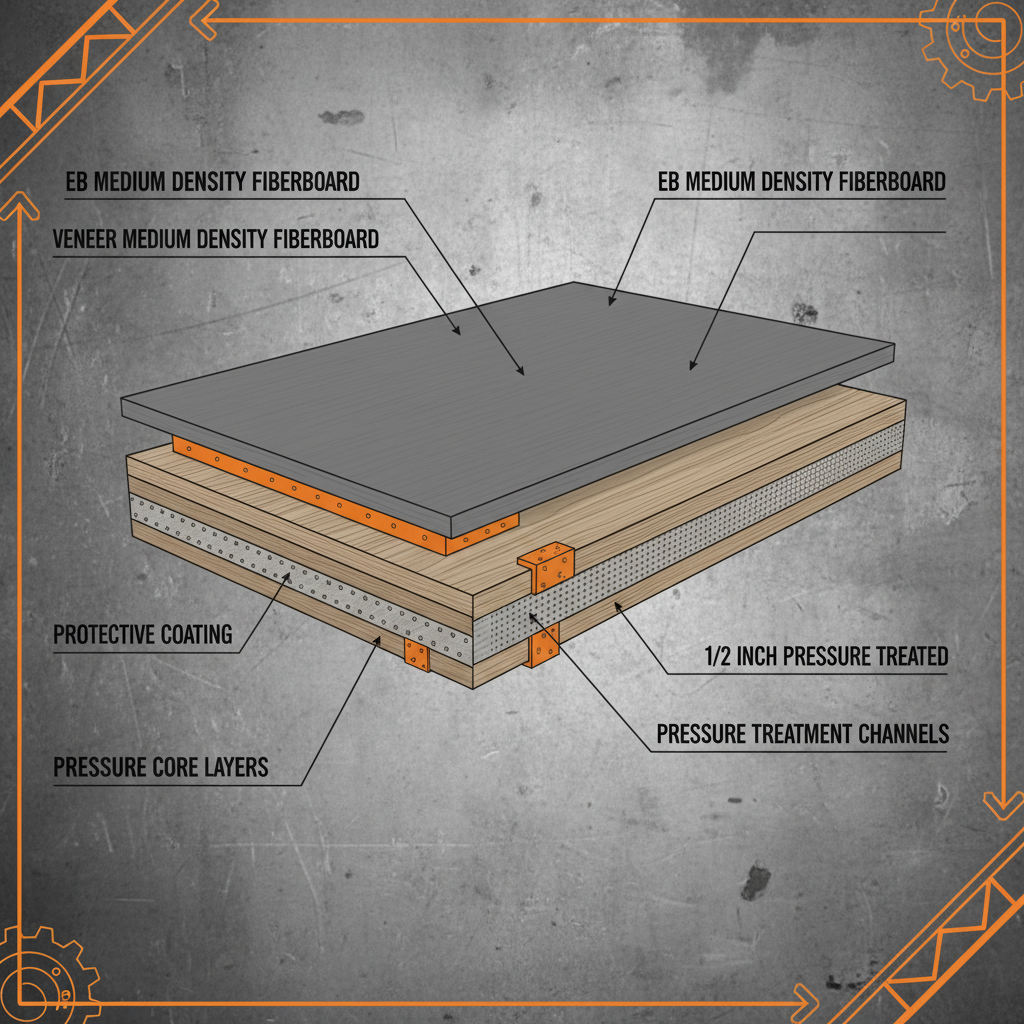
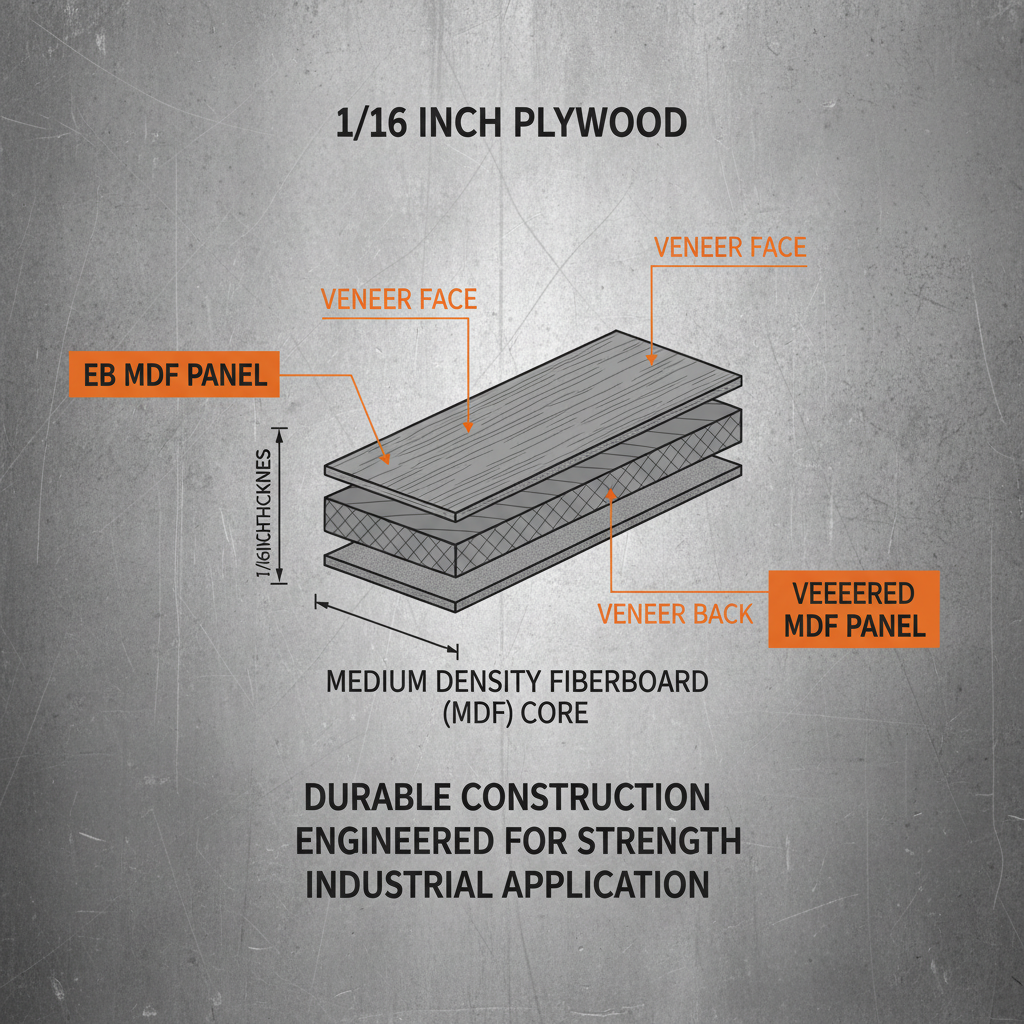
Simply put, a melamine laminated MDF board is a Medium Density Fiberboard core topped with a thermally fused melamine resin layer. This melamine — a hard plastic-infused paper — gives the board a decorative surface that's not just pleasing to the eye but also resistant to scratches, moisture, and heat. Think of it as MDF’s tough, stylish armor.
Industrially, this means you get something that behaves like solid wood but lacks the vulnerabilities — less warping, more uniformity, and a finish that doesn’t require constant varnishing or polishing. For sectors like commercial interiors, schools, or hospitals, that’s a big deal.
Key Components that Make Melamine Laminated MDF Board Stand Out
1. Durability and Resistance
The melamine layer clads the MDF and protects it against scratches, stains, and water damage. Unlike uncoated MDF, which can swell or deteriorate when wet, the melamine surface shrugs off moisture like a champ.
2. Aesthetic Versatility
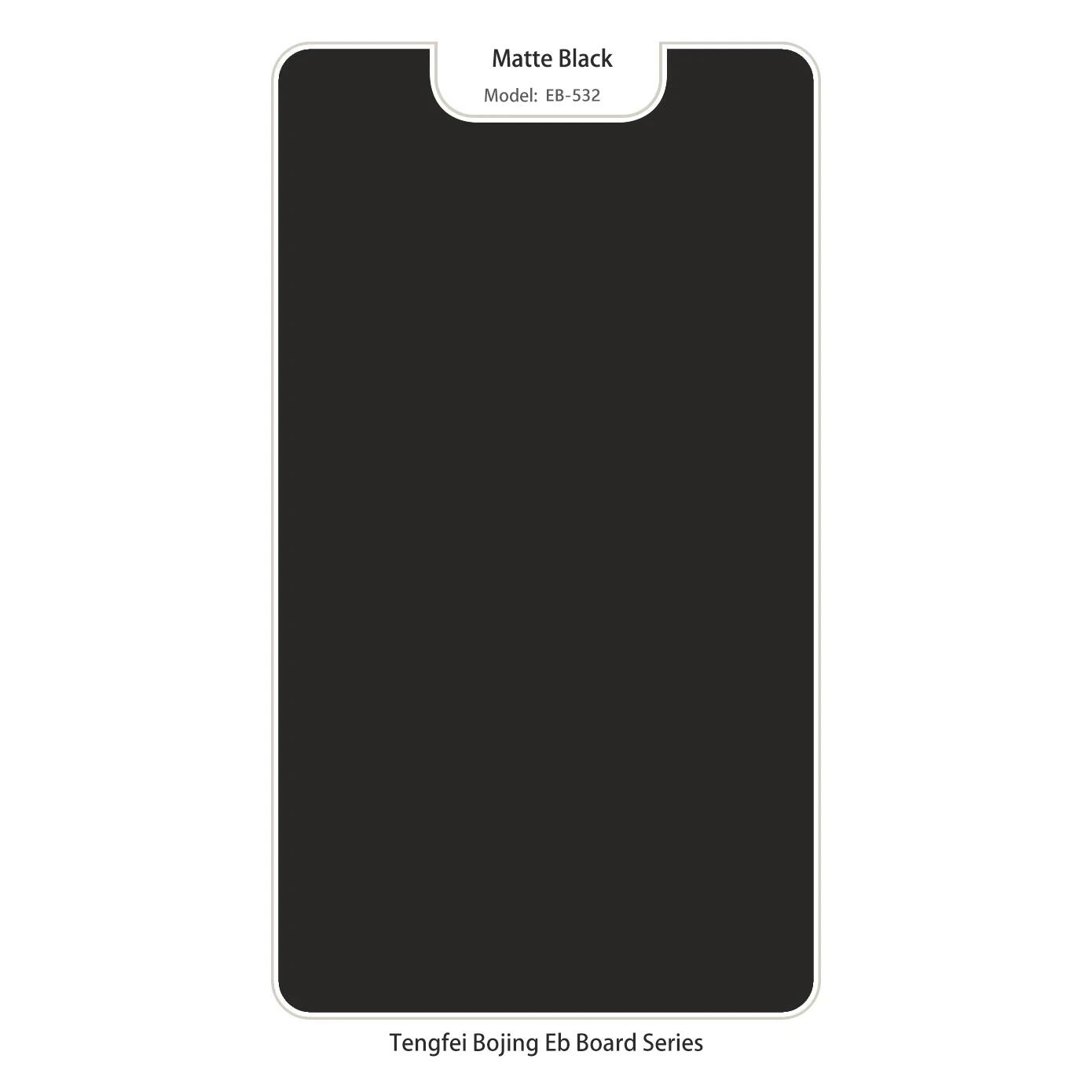
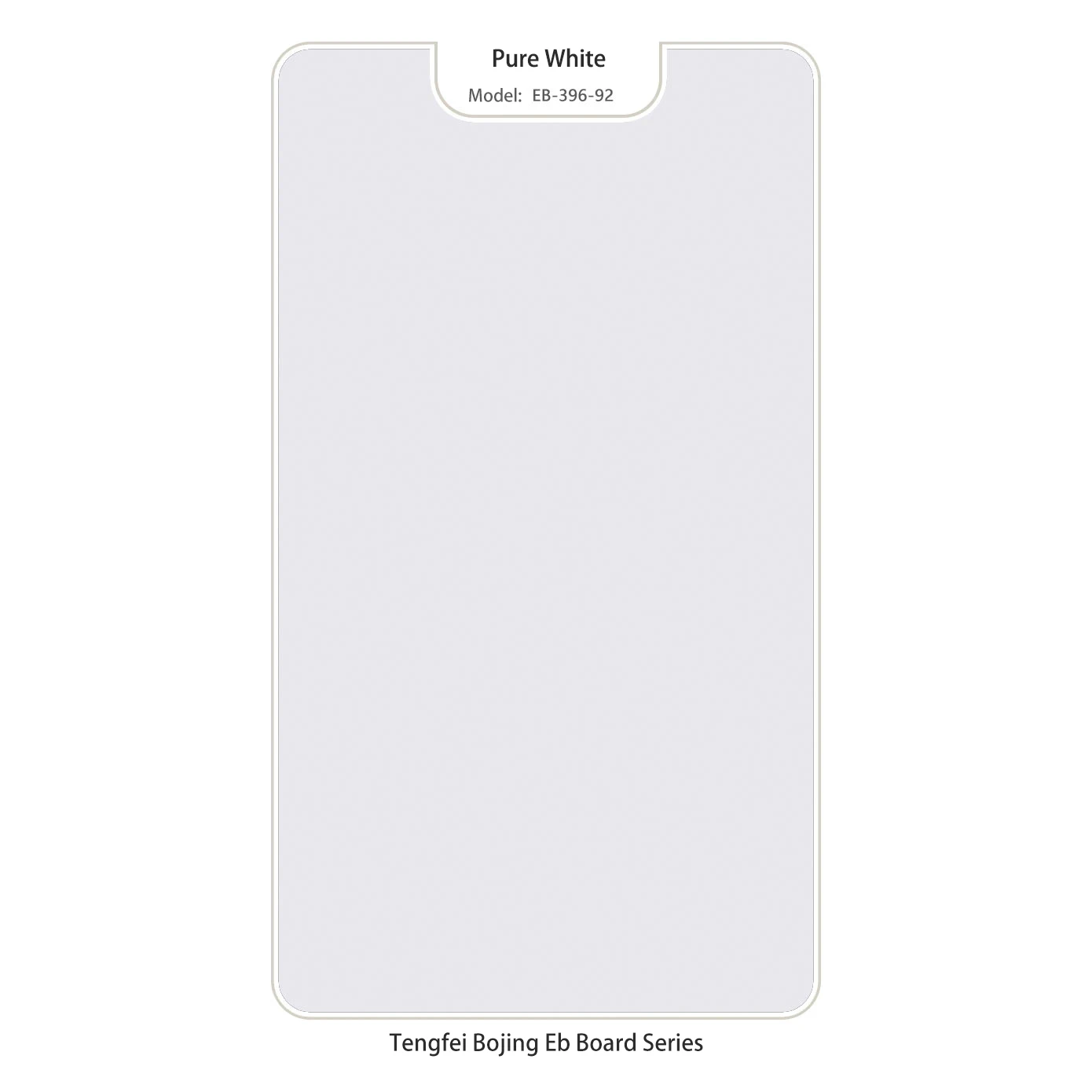
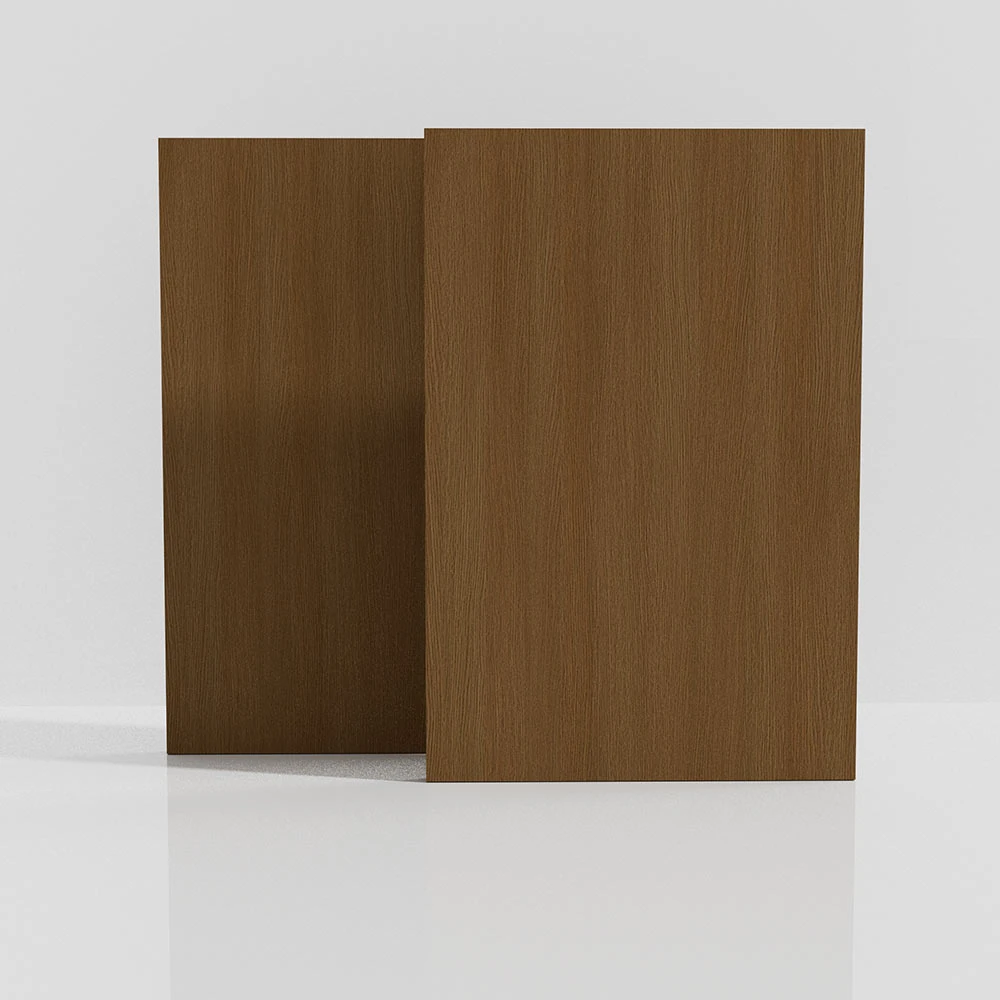
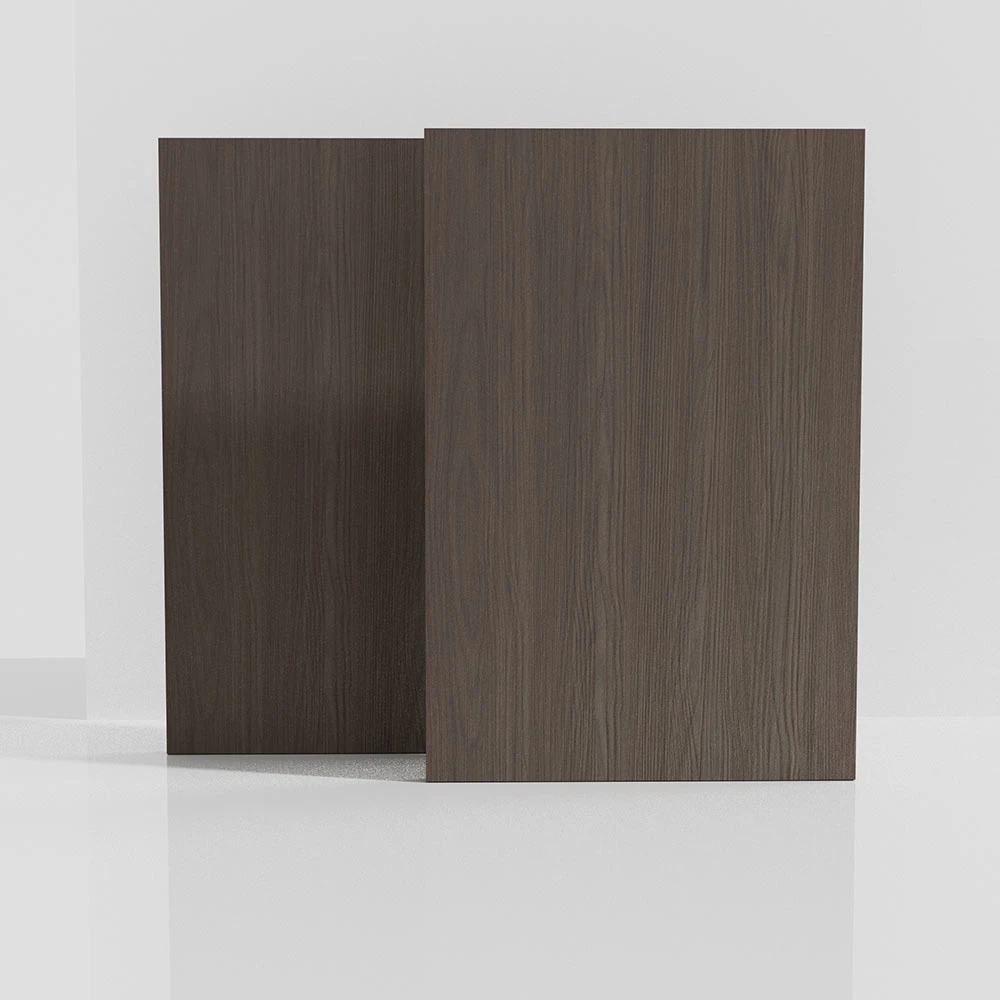
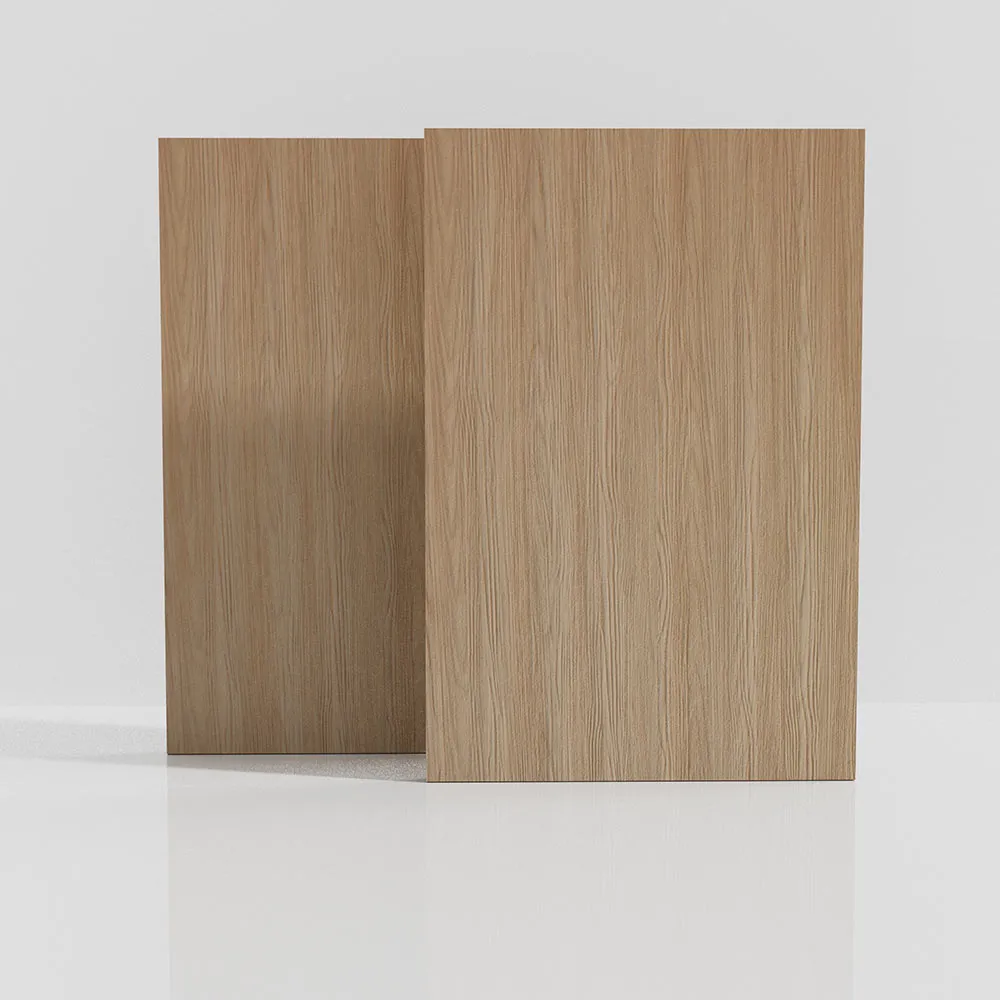
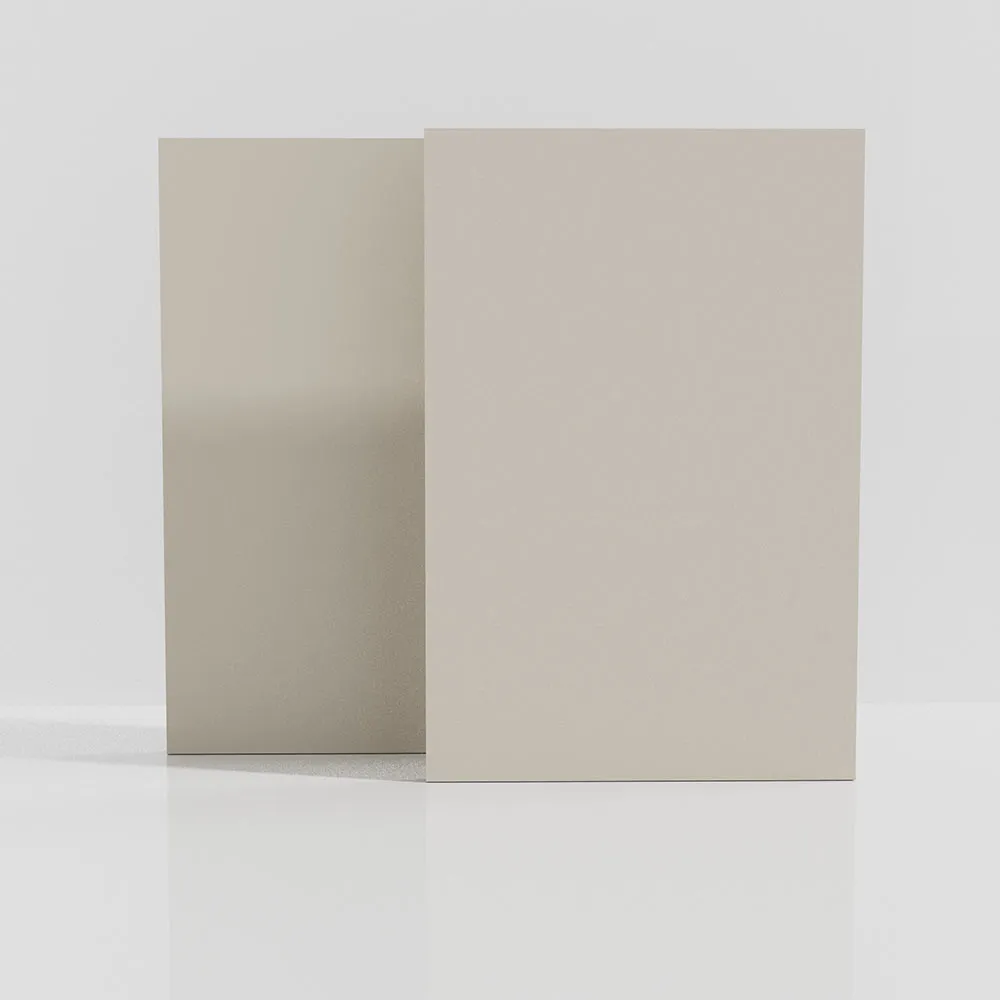
From sleek wood grains to bold colors, the laminated surface can mimic a dazzling array of finishes without the environmental cost of solid wood. This versatility allows interior designers and manufacturers to push creativity while maintaining a budget.
3. Cost Efficiency
Compared to solid wood or higher-end laminates, melamine laminated MDF boards deliver considerable savings. Raw materials are more stable in supply, and production techniques are refined for fast, scalable output.
4. Consistency in Quality
MDF offers a uniform density and smooth surface, making laminating easier and ensuring consistent results in panel thickness and finish — a big plus when tight tolerances matter, like in cabinet making or modular furniture.
5. Eco-Friendliness
Using engineered wood like MDF reduces pressure on forests. Plus, many manufacturers source recycled wood fibers and adopt sustainability certifications that align with international standards.
Mini takeaway:
Melamine laminated MDF boards fuse a robust core with a stylish, protective face, ticking boxes on durability, design, cost, and sustainability.
Applications Across the Globe
From urban offices in Tokyo to rural hospitals in Kenya, these boards have found homes in countless environments. Here’s how this material plays out worldwide:
- In Residential Construction: Kitchens, wardrobes, and bathroom interiors use melamine MDF for surfaces that need to look good and last under daily wear.
- Commercial Interiors: Offices and retail spaces rely on it for partitions, desks, and cabinetry because the finish resists heavy use.
- Educational Facilities: Schools often use laminated MDF furniture — it’s affordable, easy to clean, and withstands rough handling.
- Disaster Relief and Temporary Housing: In places where rapid deployment of affordable, durable interior elements is required, such as post-flood shelters, laminated MDF panels are handy components.
In fact, companies manufacturing melamine laminated MDF boards in Europe often export to emerging markets where developing infrastructure demands cost-effective yet resilient materials.
Advantages and Long-Term Value
When you weigh options for interior surfaces, melamine laminated MDF boards catch many eyes because they combine:
- Affordability: Lower material and maintenance costs versus natural wood or more exotic laminates.
- Longevity: These surfaces tend to resist wear, which means less frequent need for replacement or repair.
- Environmental Impact: Using engineered wood reduces deforestation, a key sustainability plus.
- User Well-being: Easy to clean and sometimes treated to reduce toxicity or emissions, they promote healthier indoor environments.
Emotionally speaking, these qualities inspire trust: the idea that your home or workspace won’t deteriorate quickly, reflecting a stable investment in comfort and function.
Future Trends and Innovations
The future of melamine laminated MDF looks promising, especially with sustainability and technology in the spotlight:
- Green Melamine Resins: New formulations aim to reduce chemical emissions (formaldehyde-free options), responding to stricter environmental regulations.
- Digital Printing: Advanced digital printing methods allow even more intricate and customizable surface designs.
- Smart Coatings: Some R&D projects explore antimicrobial or self-healing melamine surfaces, making them ideal for healthcare or high-traffic environments.
- Automation: Manufacturing lines are becoming increasingly automated for precision, reducing waste and cost further.
Challenges and How to Overcome Them
Despite the appeal, melamine laminated MDF boards have some pitfalls:
- Edge Vulnerability: Edges must be sealed right; otherwise, moisture can seep in and cause swelling.
- Weight: MDF boards tend to be heavier than particleboards, affecting transportation and handling.
- Repair Difficulties: Once scratched or chipped, melamine surfaces can be tricky to fix seamlessly.
- Environmental Trade-offs: While more eco-friendly than solid wood, MDF's manufacturing involves energy use and adhesives that carry environmental footprints.
Experts recommend thoughtful edge banding, precise installation, and ongoing advances in eco-materials to address these concerns. Plus, getting materials from reputable suppliers guarantees stricter quality control.
Product Specification Table
| Specification |
Details |
| Core Material |
Medium Density Fiberboard (MDF) |
| Melamine Layer Thickness |
70-150 microns |
| Standard Panel Sizes |
2440 x 1220 mm / 3050 x 1830 mm |
| Thickness Options |
6 mm – 25 mm |
| Surface Finish |
Matte, Satin, Glossy, Woodgrain |
| Resistance |
Scratch, Heat (up to 150°C), Moisture |
Vendor Comparison Table
| Vendor |
Product Range |
Sustainability |
Price Level |
Global Reach |
| Tengfei MDF |
Standard & Custom Designs |
FSC & ISO 14001 Certified |
Competitive |
Asia, Europe, Africa |
| DuraLam |
High-end finishes |
Eco-friendly Resins |
Premium |
North America, Europe |
| GreenBoard Ltd. |
Eco Laminates & MDF |
100% Recycled Content |
Mid-Range |
Europe, Australia |
Frequently Asked Questions About Melamine Laminated MDF Board
Q1: How does a melamine laminated MDF board compare to regular MDF?
A1: Melamine laminated MDF is MDF coated with a melamine resin layer, providing superior resistance to moisture, scratches, and heat. While regular MDF is vulnerable to swelling and damage in moist environments, the laminated version is better suited for kitchens, bathrooms, and commercial settings where durability is essential.
Q2: Can melamine laminated MDF board be used outdoors?
A2: Typically, it’s designed for indoor use. While the melamine surface resists moisture, prolonged outdoor exposure can lead to swelling or delamination due to UV and weather factors. However, specialty melamine panels with enhanced UV resistance do exist but still require protective installation conditions.
Q3: What are common thicknesses available for melamine laminated MDF boards?
A3: They typically come in thicknesses ranging from 6mm to 25mm, which suits everything from furniture panels to structural cabinetry. Thickness choice depends on the structural requirement and intended finish.
Q4: Is it environmentally safe to use melamine laminated MDF?
A4: Most reputable melamine MDF products comply with environmental standards like FSC certification and low-formaldehyde emissions (CARB Phase II compliant). Always check supplier certifications for assurance on sustainability and indoor air quality.
Q5: Can these boards be easily customized for unique interior projects?
A5: Absolutely. Many suppliers offer custom sizes, thicknesses, and surface designs, including digital prints to mimic exotic woods or patterns, making melamine laminated MDF highly flexible for bespoke applications.
Wrapping Up
In real terms, melamine laminated MDF board stands as a brilliant middle ground — it’s affordable, versatile, and looks great while meeting the increasing demands for sustainability and durability. For anyone involved in interior design, construction, or furniture manufacturing, it’s hard not to appreciate the value these boards bring over the long run.
Ready to explore more or source your next batch of melamine laminated MDF boards? Visit us now at https://www.tengfeiebmdf.com and see how quality and innovation come together.
References
- Medium-density fibreboard - Wikipedia
- ISO Standards for Wood Panels
- Forest Stewardship Council