Why Moisture Resistant MDF Board Is a Game-Changer Worldwide
When you think of wood products and panel materials, MDF (medium-density fiberboard) often flies just under the radar. Yet, moisture resistant MDF board has quietly become vital in myriad industries—from construction to furniture manufacturing—in places with high humidity or demanding environments. Globally, with over 55% of the population living in urban areas [1], the need for durable, cost-effective, and water-tolerant materials keeps climbing. Understanding how moisture resistant MDF works and why it’s commonly chosen can save time, cost, and headaches in building projects worldwide.
This special type of MDF can endure damp conditions that would warp or deteriorate regular fiberboard. That makes it a must-have in areas where moisture and water exposure are just part of the landscape.
Mini Takeaway:
- Moisture resistant MDF boards provide durability for wet or humid environments.
- They’re increasingly important in global urbanization and infrastructure projects.
- Knowing their advantages can help industries build smarter and longer-lasting.
Defining Moisture Resistant MDF Board: What Is It, Really?
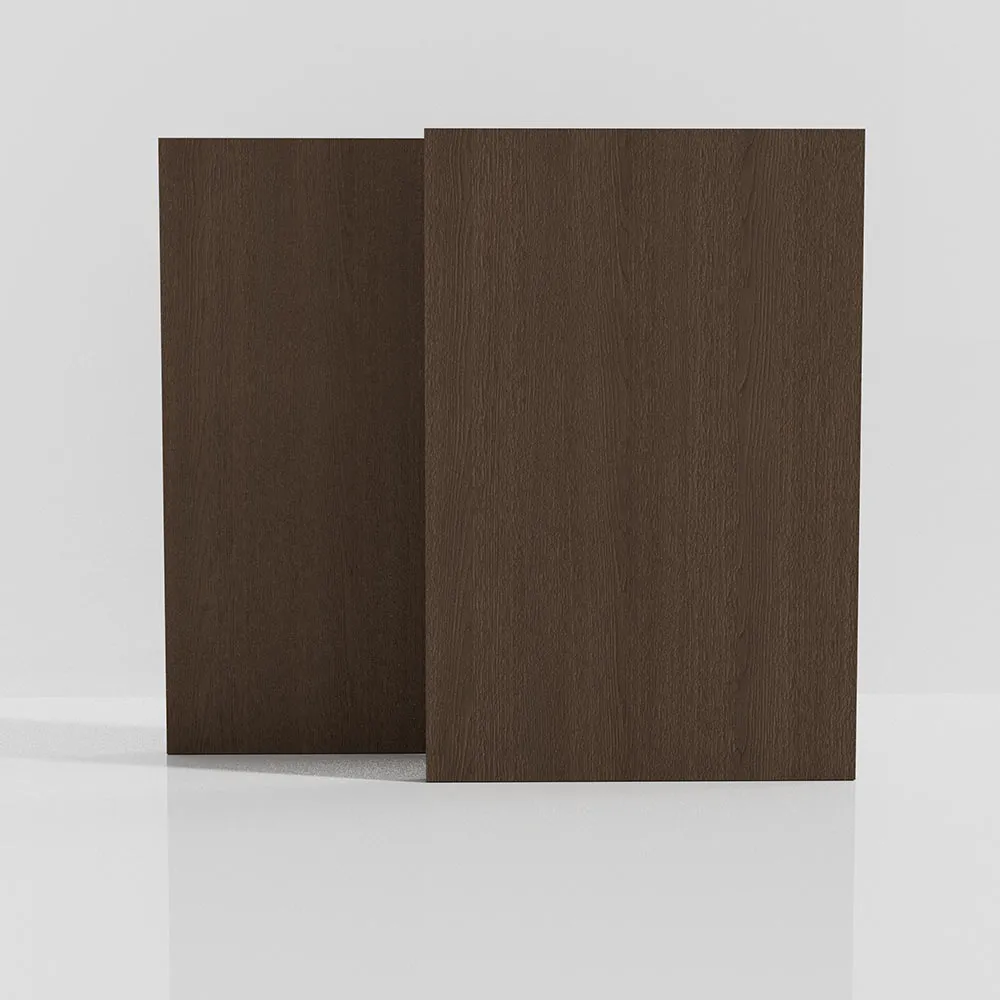
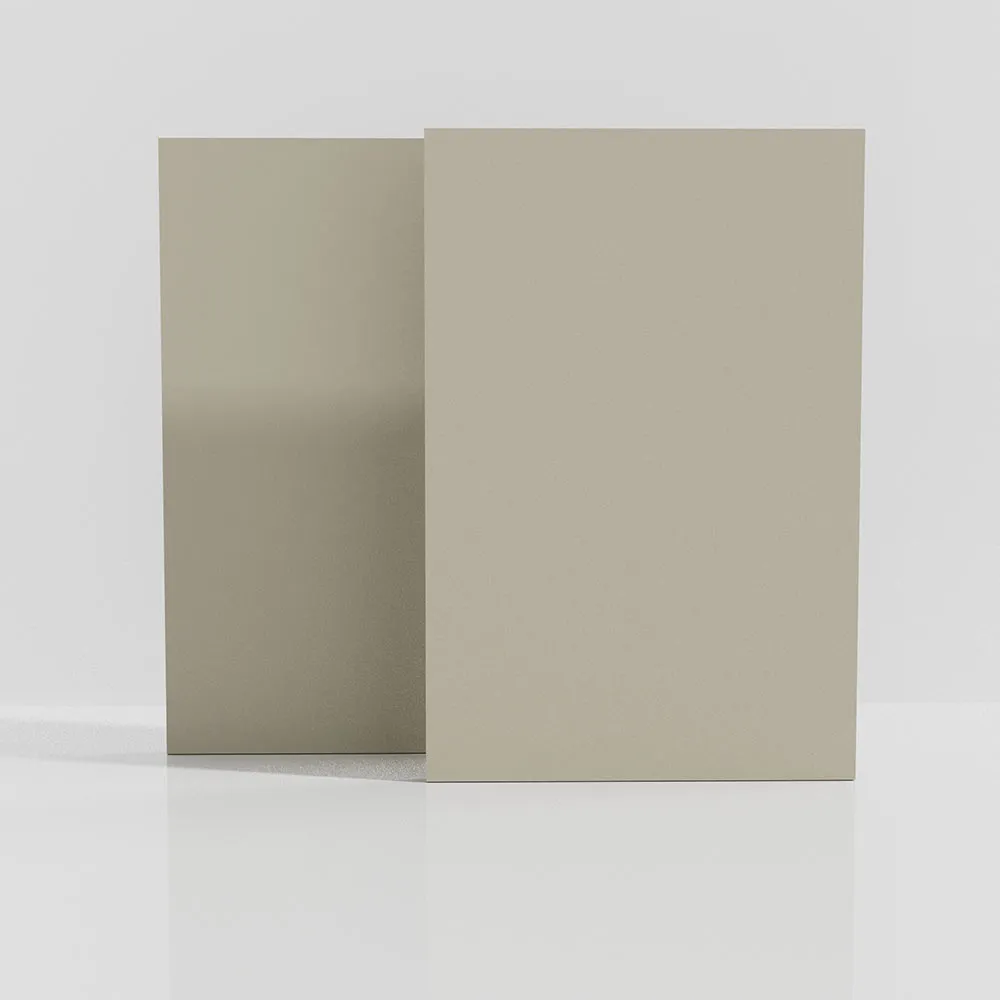
Simply put, moisture resistant MDF board is a type of engineered wood panel where the wood fibers are bonded with special water-repellent resins and additives during manufacturing. This process modifies the board's surface and core, drastically reducing water absorption compared to standard MDF. It’s not waterproof per se, but it can handle humid or mildly wet conditions without swelling or breaking down.
Industries use it for cabinetry, flooring, decorative panels, and sometimes lightweight construction where consistent exposure to moisture is inevitable—think kitchens, bathrooms, or tropical climates.
On a broader scale, moisture resistant MDF helps meet modern sanitation, housing, and industrial needs—offering an affordable, scalable solution for sustainable construction, especially in areas where traditional hardwood is scarce or costly.
Key Properties of Moisture Resistant MDF Board and Why They Matter
1. Durability Under Damp Conditions
The special treatment of fibers results in boards that resist swelling, warping, and fungal growth when exposed to humidity. This reliability is crucial for projects near water sources or in climates where daily moisture is a fact of life.
2. Smooth Surface Versatility
Moisture resistant MDF retains the smoothness typical of MDF, making it ideal for painting or laminating—perfect for designers wanting style without sacrificing strength.
3. Cost Efficiency Compared to Natural Wood
It’s a fraction of the cost of exotic or moisture-resistant hardwood species, offering a budget-friendly alternative for large-scale applications.
4. Easy Fabrication and Installation
Since it cuts, drills, and machines like standard MDF, contractors appreciate its flexibility on-site, reducing time and labor costs.
5. Environmental Considerations
Many manufacturers now produce moisture resistant MDF from sustainably harvested fibers and with low formaldehyde emissions, aligning with modern environmental standards.
Mini Takeaway:
- It blends durability, aesthetic flexibility, and affordability.
- Manufacturing advances have further improved its eco-friendliness and safety.
- Its ease of use accelerates building timelines significantly.
Real-World Applications: Where Does Moisture Resistant MDF Board Make the Difference?
Across the globe, from Southeast Asia's monsoon-prone villages to urban centers in Europe, moisture resistant MDF board is everywhere.
- Construction & Interior Design: Used in kitchens, bathrooms, and basements where moisture is routine.
- Furniture Manufacturing: It’s popular for cupboards, shelving, and other furniture needing a moisture buffer.
- Modular & Prefab Housing: Quick-build sectors embrace these boards for affordable, moisture-safe dwellings.
- Industrial Facilities: Seen in factory paneling or protective enclosures exposed to humidity or occasional splashes.
For example, during rebuilding efforts in flood-affected areas, relief organizations often require rapid-to-install but resilient materials. Moisture resistant MDF fits the bill nicely, helping rebuild dignity and safety effectively.
Advantages and Long-Term Benefits of Using Moisture Resistant MDF Boards
Let's not overlook the emotional angle: a home built with quality materials that can stand the test of time offers peace of mind. This reliability breeds trust between builders, owners, and occupants. The logical side? Reduced maintenance costs, longer product life, and fewer replacements.
Sustainability also creeps in here—as many moisture resistant MDF options come from certified sustainable forests or recycled fibers. Their production increasingly meets strict ISO standards for emissions and durability [2], giving companies and consumers a responsible choice.
What’s Next? Trends and Innovations in Moisture Resistant MDF Board
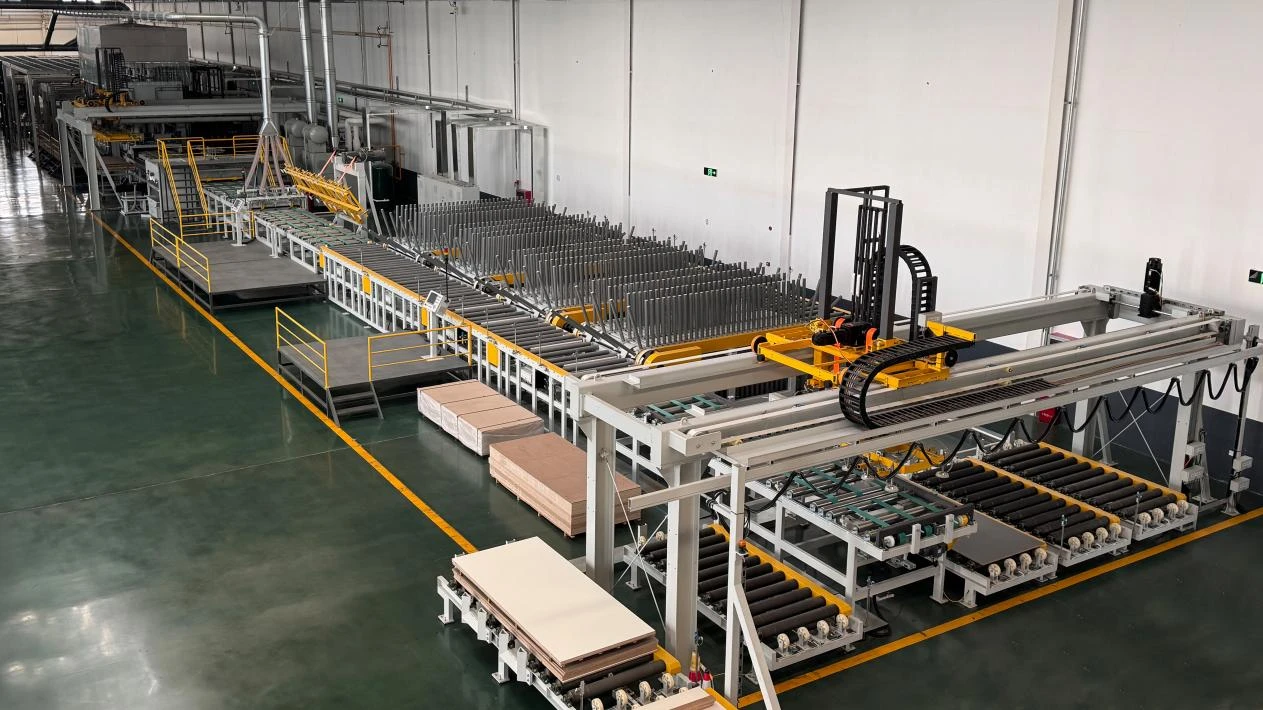
Manufacturers are experimenting with bio-based resins and nanotechnology to push moisture resistance even further without harming the environment. Coupled with digital manufacturing—like CNC machining and automated panel cutting—production is becoming more precise and waste-conscious.
There’s also a growing trend toward panels integrated with antimicrobial properties to improve hygiene in healthcare or food processing settings.
Challenges Faced and How the Industry Is Tackling Them
No material is perfect. Moisture resistant MDF can still succumb to water damage if improperly sealed or exposed for prolonged periods. Also, some formulations may include chemicals buyers want to avoid. But innovation is ongoing:
- Improved coatings and laminates provide extra protection against surface damage.
- More stringent testing protocols ensure boards meet ISO and ANSI quality benchmarks.
- New eco-friendly additives replace potentially harmful chemicals without sacrificing performance.
FAQs: Clearing Up Common Questions About Moisture Resistant MDF Board
- Q: How does moisture resistant MDF differ from regular MDF?
- A: The key difference lies in the resin and additives used during production, which reduce water absorption, preventing swelling and degradation under humid conditions.
- Q: Can moisture resistant MDF be used outdoors?
- A: While it tolerates moist indoor environments well, it's not designed for direct outdoor exposure without protective sealants or coatings.
- Q: Is moisture resistant MDF safe for kitchen cabinetry?
- A: Absolutely. Its moisture tolerance and smooth finish make it ideal for kitchen cabinets and countertops where steam and spills are common.
- Q: How eco-friendly is moisture resistant MDF?
- A: Many manufacturers use sustainably sourced wood fibers and low-emission resins; however, it's wise to check product certifications before purchasing.
- Q: Where can I find suppliers for moisture resistant MDF boards?
- A: Numerous global and regional vendors supply these boards. Checking specifications and certifications helps select the right fit for your project.
Moisture Resistant MDF Board: Sample Product Specifications
| Specification |
Typical Value |
Unit |
Notes |
| Density |
700 - 800 |
kg/m³ |
Moderate density for strength & workability |
| Moisture Absorption (24 hrs) |
≤ 10 |
% |
Significantly less than standard MDF (~30%) |
| Thickness Range |
3 - 25 |
mm |
Varies by manufacturer and order |
| Formaldehyde Emission |
E0 / E1 |
Class |
Low emission grades preferred for indoor air quality |
| Surface Finish |
Smooth / Sanded |
N/A |
Ideal for paint or laminate application |
Comparing Key Vendors of Moisture Resistant MDF Boards
| Vendor |
Origin |
Eco Certification |
Typical Price Range |
Lead Time |
Additional Services |
| Tengfei MDF |
China |
FSC, CARB |
$200 - $350 / m³ |
2-4 weeks |
Custom sizing, coatings |
| Duratek Panel Co. |
Germany |
PEFC, ISO 9001 |
$300 - $450 / m³ |
3 weeks |
Technical support, on-site testing |
| NorthWood Panels |
USA |
SFI, CARB |
$250 - $400 / m³ |
4-5 weeks |
Custom finishes, drop shipping |
Summing It Up and Where to Next
Moisture resistant MDF board is more than just a niche building material. It’s a quietly powerful component of modern construction and manufacturing—offering durability, cost effectiveness, and versatility to projects facing humid challenges. From urban housing developments to post-disaster rebuilding efforts, having reliable moisture resistant panels can make all the difference between a project that stands the test of time and one that needs constant patching.
If you’re contemplating your next project or looking for panel solutions that combine performance with sustainability, consider the growing range of moisture resistant MDF options — chances are, there’s a product that fits your technical and budgetary needs.
Visit our website: moisture resistant mdf board to explore high-quality, tested panels ready to deliver long-term benefits.
References
- UN World Urbanization Prospects, 2018
- ISO 16895:2020 - Wood-based panels
- Wikipedia: Medium-density fiberboard