Understanding UV MDF Board: A Game-Changer in Modern Wood Materials
If you've ever wondered what makes certain furniture or interior panels so resilient and glossy without relying heavily on plastic coatings, the answer might lie in UV MDF board. This material has been quietly making waves across industries—from construction to design—thanks to its seamless blend of durability, aesthetics, and sustainability. Globally, the rise in demand for efficient, eco-friendly materials has propelled UV MDF board into the spotlight, encouraging architects and manufacturers alike to consider it a smarter alternative. Knowing more about this material can not only help you source better products but also appreciate the technology behind everyday objects.
Global Context: Why UV MDF Board Matters Seriously Right Now
The world’s woodworking and construction sectors generate enormous demand for materials that balance cost, finish quality, and longevity. According to the International Wood Products Association, engineered wood products like MDF have seen a steady market growth of around 5% annually, especially in Asia-Pacific and Europe. The ISO standards for wood-based panels now emphasize low environmental impact and higher resistance to hazards such as moisture and UV rays, partly driving the adoption of UV-treated MDF boards.
Amid growing environmental concerns and stricter safety regulations, UV MDF board emerges as an answer to challenges like chemical-heavy traditional coatings and rapid surface degradation. For global manufacturers, this means a chance to deliver high-quality panels that don’t lose their shine or structure after months of use in humid or sun-exposed settings.
Mini takeaway: The rising global push for safer, greener construction materials is fueling UV MDF board’s popularity.
What Exactly Is UV MDF Board?
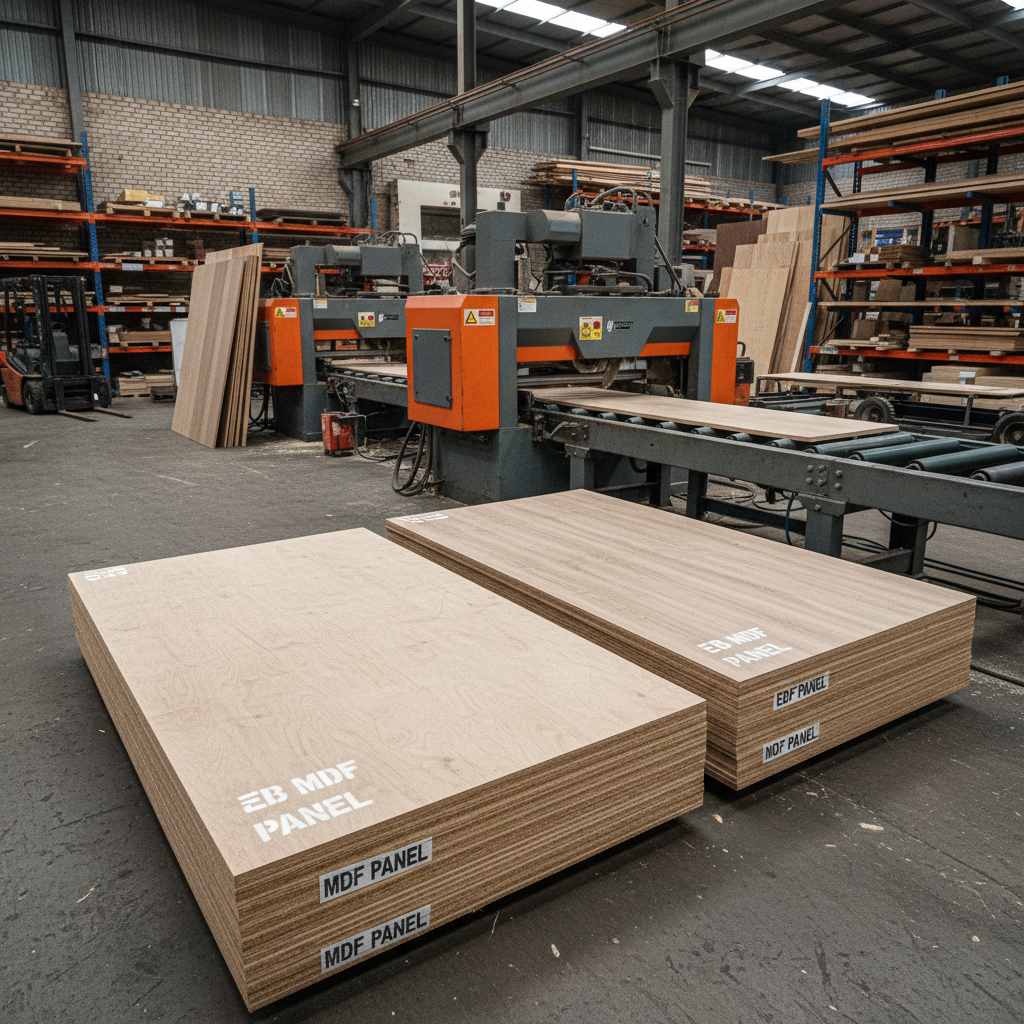
At its core, UV MDF board is medium-density fiberboard treated with a special ultraviolet (UV) cured coating. This coating is applied through a high-speed ultraviolet light curing process that instantly hardens the surface, making it scratch-resistant, waterproof, and visually appealing. It’s basically MDF on steroids—retaining all the advantages of traditional fiberboard but with a surface that withstands daily wear and tear.
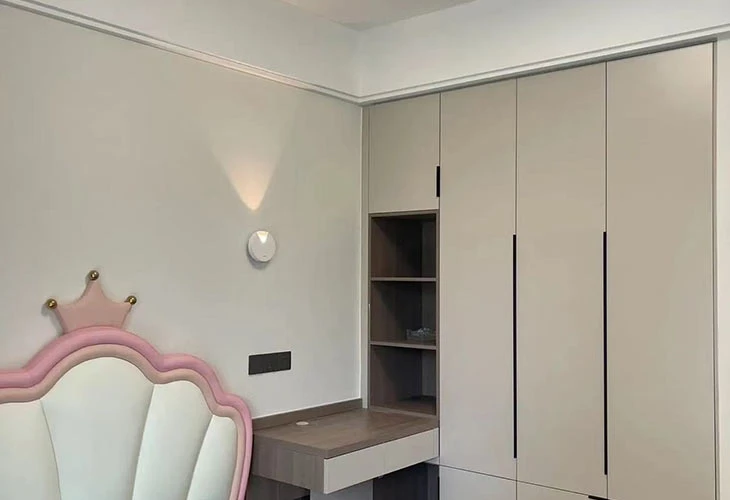
This makes UV MDF board particularly useful for modern interior design applications, where moisture resistance and a flawless finish are non-negotiable. It also fits well with humanitarian and industrial needs that demand rapid deployment of durable and attractive materials for shelter, furniture, or infrastructure.
Mini takeaway: UV MDF board is MDF supercharged with a tough, protective UV-cured surface coat.
Key Factors Behind UV MDF Board’s Practical Appeal
1. Durability and Surface Hardness
One of the biggest selling points of UV MDF board is its resistance to scratches, stains, and moisture. Thanks to the UV-cured finish, it’s far less porous than ordinary MDF, which means longer-lasting panels that resist dinging and warping. This characteristic is why many manufacturers specify it for high-traffic furniture.
2. Environmental Safety
Unlike traditional laminates that emit VOCs (volatile organic compounds), UV coatings are more eco-friendly—they cure rapidly without harmful solvents. This aligns with global shifts towards greener manufacturing and indoor air quality regulations.
3. Cost Efficiency
Although the initial production cost might be slightly higher, the UV MDF board reduces maintenance expenses significantly. Automated UV curing limits labor time, and the longevity of the surface lowers replacement frequency.
4. Aesthetic Versatility
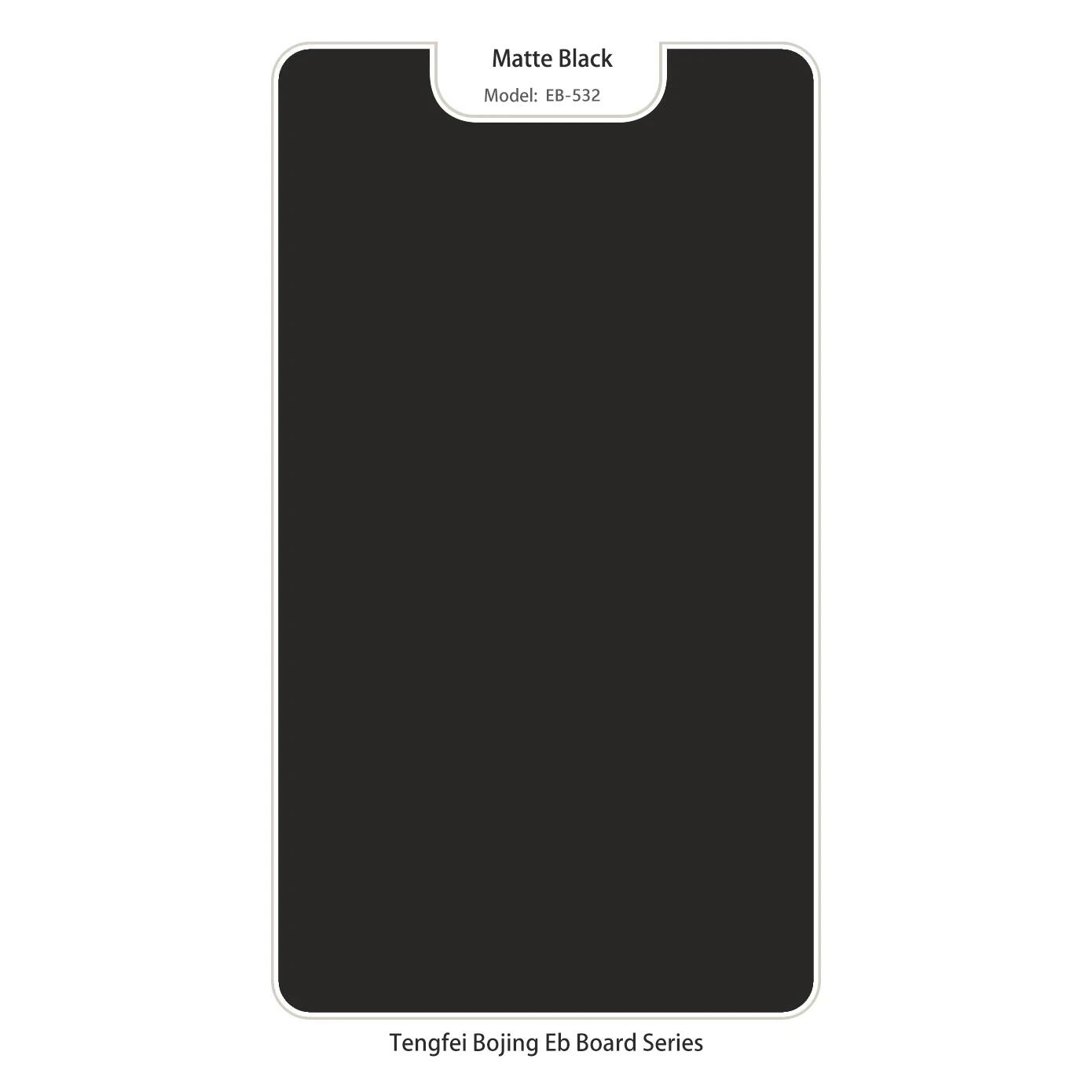
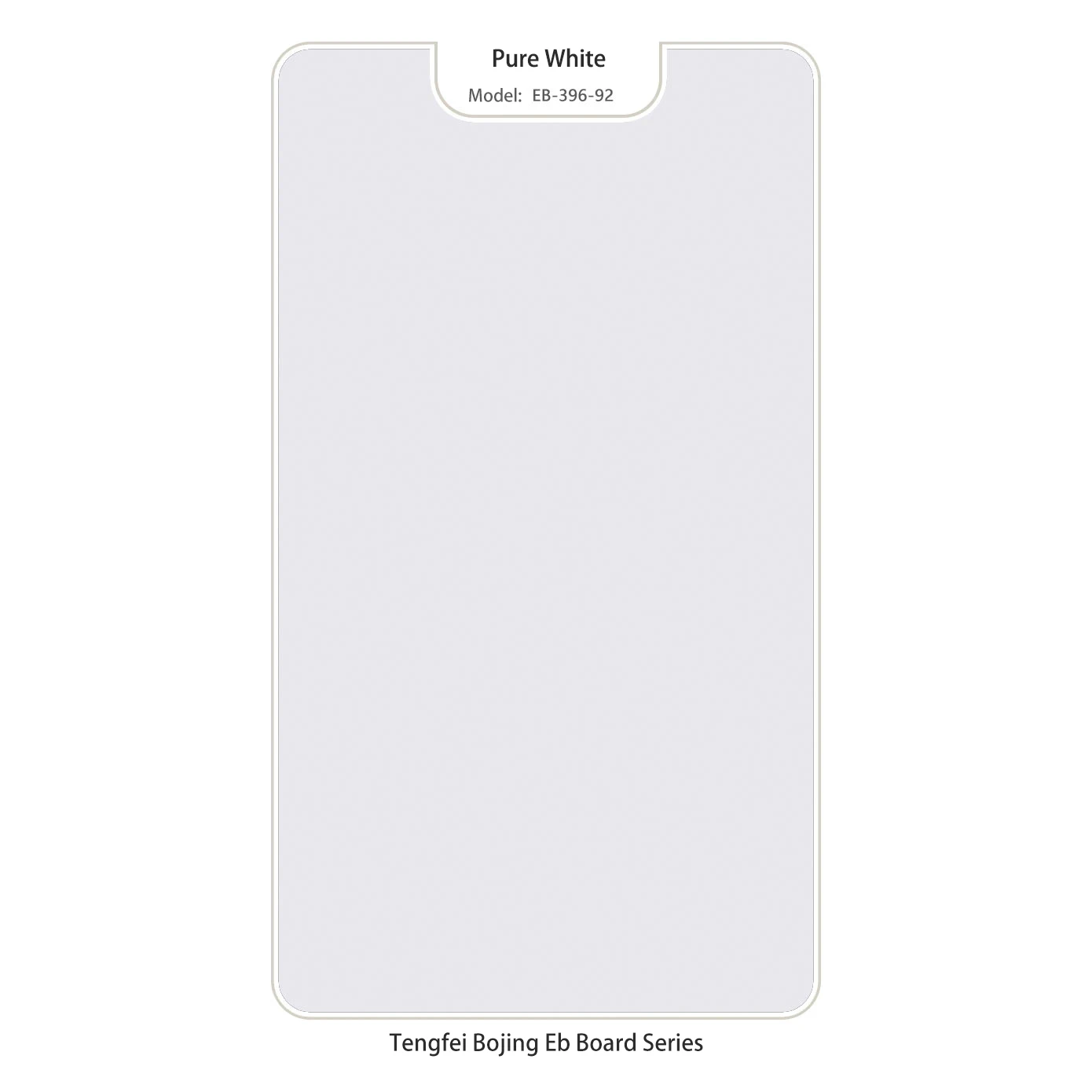
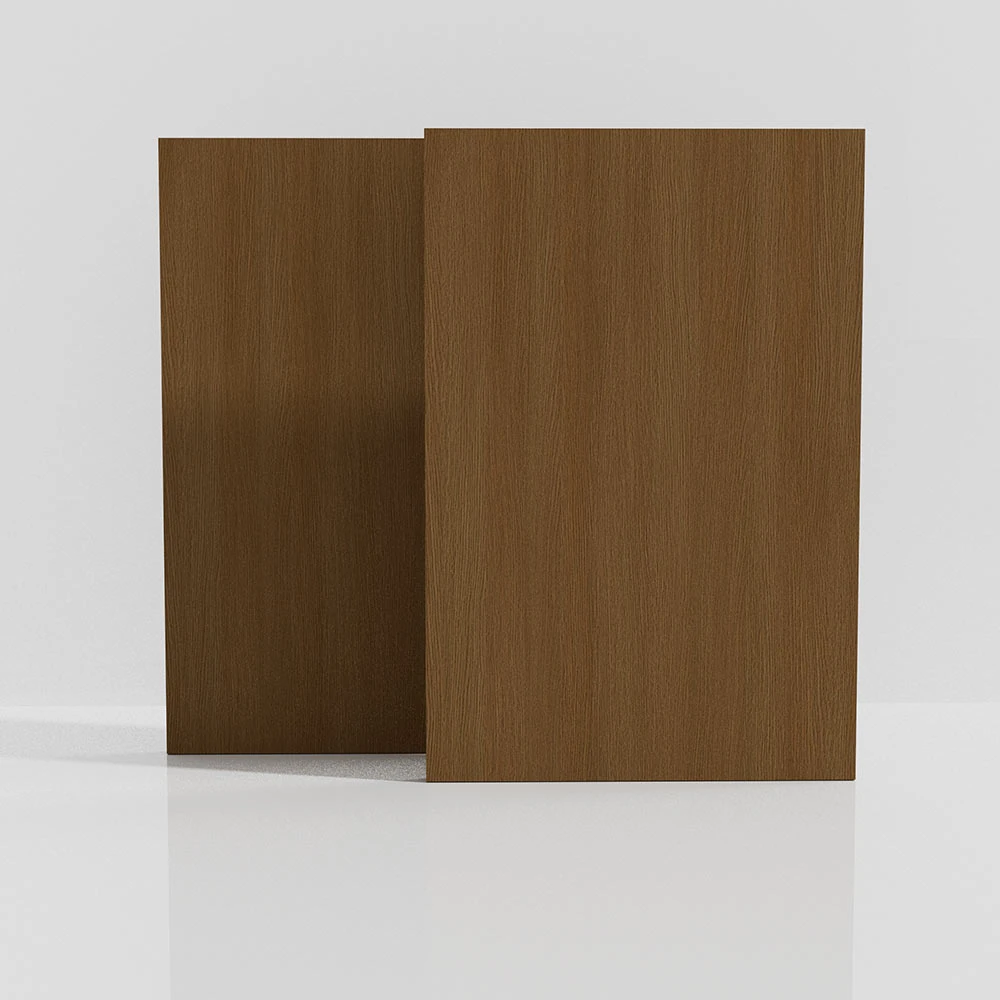
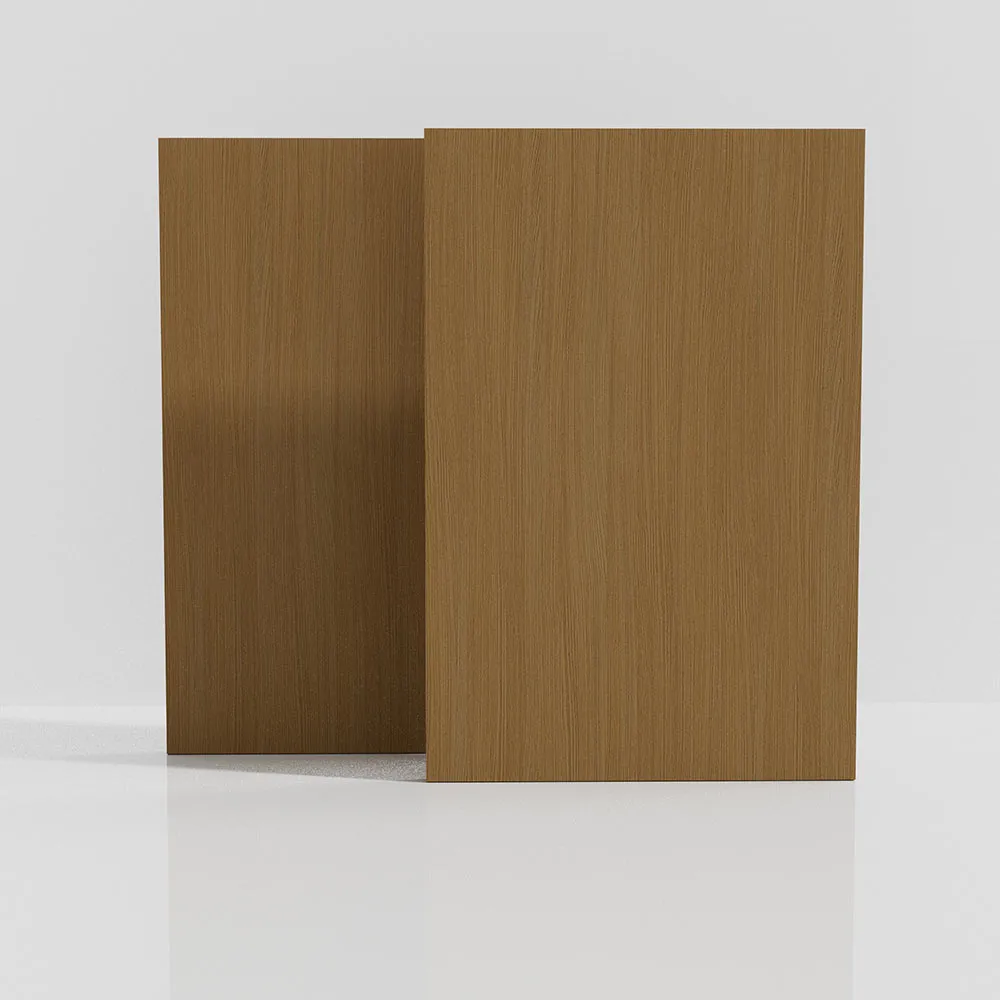
The UV coating can be customized in glossiness, texture, and color, allowing designers to tailor finishes from matte to high-gloss with realistic wood grain effects or bold colors.
5. Scalability and Availability
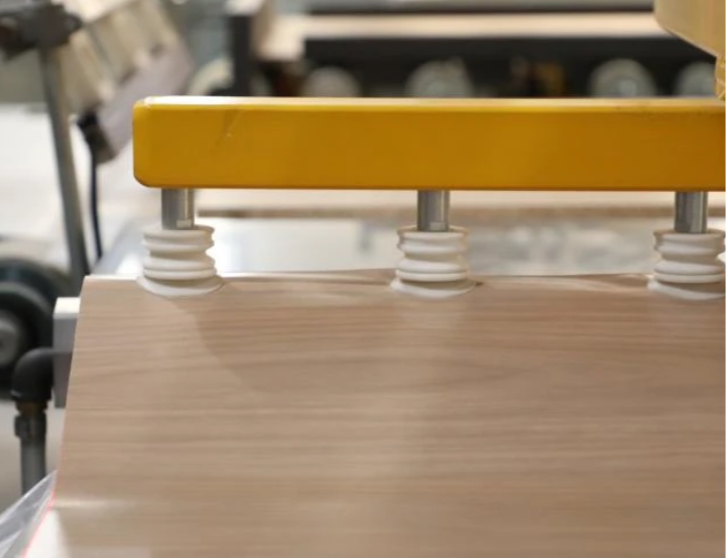
Many factories worldwide have started adopting UV technology, making UV MDF boards more accessible and scalable for large projects.
Mini takeaway: UV MDF board’s blend of toughness, eco-friendliness, and design flexibility explain its growing industrial impact.
Real-World Uses: Where UV MDF Board Shines Globally
UV MDF board finds applications everywhere—from upscale commercial interiors in Europe to rapid-housing projects in Southeast Asia. Oddly enough, in disaster relief housing, sturdy, light panels with moisture resistance are invaluable. Organizations in regions prone to flooding or high humidity prefer UV MDF board for furnishing temporary shelters that not only protect inhabitants but also feel more “like home.”
In remote industrial zones, where replacement materials are hard to come by, UV MDF board’s durability means operator quarters or conferencing facilities stay intact much longer than traditional plywood setups.
| Specification |
Typical Range / Feature |
| Density |
650-800 kg/m³ |
| Thickness |
2-25 mm |
| Surface Hardness (pencil test) |
5H - 7H |
| Water Resistance |
High (UV cured coating) |
| VOC Emissions |
|
| Available Finishes |
Gloss, satin, matte, textured |
Advantages & Long-Term Value of UV MDF Board
One big factor driving adoption is sustainability. Factories producing UV MDF board use fewer solvents and generate less hazardous waste than traditional laminates—always a plus in today’s eco-conscious world.
Emotionally, end-users feel safer and more comfortable with furniture that doesn’t off-gas funky chemicals or peel under sunlight. It preserves dignity in living and working spaces, especially in contexts like public hospitals or schools. At the same time, logistics managers appreciate the cost savings from reduced replacements and maintenance.
Practically speaking, the reliable quality of UV MDF boards means architects and designers can integrate them confidently in innovations like modular housing or smart furniture, knowing the material will hold up long-term.
Looking Ahead: Future Innovations in UV MDF Board
What looks exciting is how UV MDF board tech is blending with sustainability goals. New coating formulas now incorporate bio-based resins and recycled fibers. Automations in UV curing ensure precision and less energy consumption.
Digital printing on UV MDF is becoming a thing, allowing custom graphics or branding right on panels with durability to last years. This could shake up interior decoration by slashing lead times and waste.
Policies encouraging green building practices, such as LEED certification, increasingly consider low-VOC UV MDF boards a plus – potentially mandating their use in government projects soon.
Challenges & Practical Solutions
As with anything, there are hiccups. Sometimes, the upfront cost of UV MDF boards deters smaller manufacturers or hobbyists. Also, although UV coatings improve moisture resistance, they are not completely waterproof, needing thoughtful installation in bathrooms or exteriors.
Innovative manufacturers are tackling these with hybrid coatings combining UV cure with water-repellent additives, and more efficient production processes that lower prices. Educating installers about proper sealing and maintenance also helps extend lifespan.
FAQ: Everything You Might Wonder About UV MDF Board
- Q: How does UV MDF board compare to standard laminated MDF in durability?
- A: UV MDF board typically offers 2-3 times higher surface hardness and significantly better resistance to scratches and moisture thanks to the UV-cured coating. This means it holds up better in kitchens, offices, or any area with heavy use.
- Q: Can UV MDF board be used outdoors?
- A: While UV MDF panels have improved water resistance, they are not fully weatherproof and can degrade outdoors if exposed constantly to rain or sunlight. For outdoor use, specialized sealing or alternative materials are advised.
- Q: Is the UV MDF board environmentally friendly?
- A: Generally yes. The UV curing process uses less solvent and energy compared to traditional finishes, and the boards themselves often employ recycled wood fibers, reducing waste and emissions.
- Q: How customizable is UV MDF board?
- A: Very customizable. Manufacturers can offer various thicknesses, colors, gloss levels, and even digitally printed patterns tailored to specific design needs.
- Q: What industries benefit most from UV MDF board?
- A: Common industries include furniture manufacturing, cabinetry, interior wall paneling, retail fixtures, hospitality, and modular housing developments.
Vendor Comparison: Picking Your UV MDF Board Supplier
| Vendor |
Product Range |
Lead Time |
Price Level |
Sustainability |
| Tengfei Industrial |
UV MDF boards in 2-25mm thickness, multiple finishes |
2-4 weeks |
Mid-range |
ISO 14001 certified |
| Global Wood Supplies |
Focus on high-gloss UV MDF, custom prints |
3-5 weeks |
Upper-mid |
Partial sustainability initiatives |
| EcoPanel Ltd. |
Eco-friendly UV MDF with bio-resin coatings |
4-6 weeks |
Premium |
Strong, LEED-aligned |
Wrapping Up: Why UV MDF Board Is Worth Considering
UV MDF board isn’t just another layered wood product—it’s a solution that blends technology, sustainability, and style for tomorrow’s construction and design challenges. With strong global demand, ongoing innovations, and practical advantages that touch everything from cost to aesthetics, it’s no surprise that UV MDF board is gaining traction worldwide.
Whether you’re sourcing materials for a commercial project, exploring eco-conscious options, or designing next-gen furniture, UV MDF board offers versatility and reliability you can count on. Curious to learn more or request samples? Visit Tengfei Industrial—they’ve been pioneers in this space for years and are ready to help.
Mini takeaway: UV MDF board pushes engineered wood into a sustainable, high-performance future worth watching.
References
- Wikipedia – Medium-density fibreboard
- ISO 24410:2019 on Wood-based Panels – Test methods
- International Wood Products Association: Market Trends Report