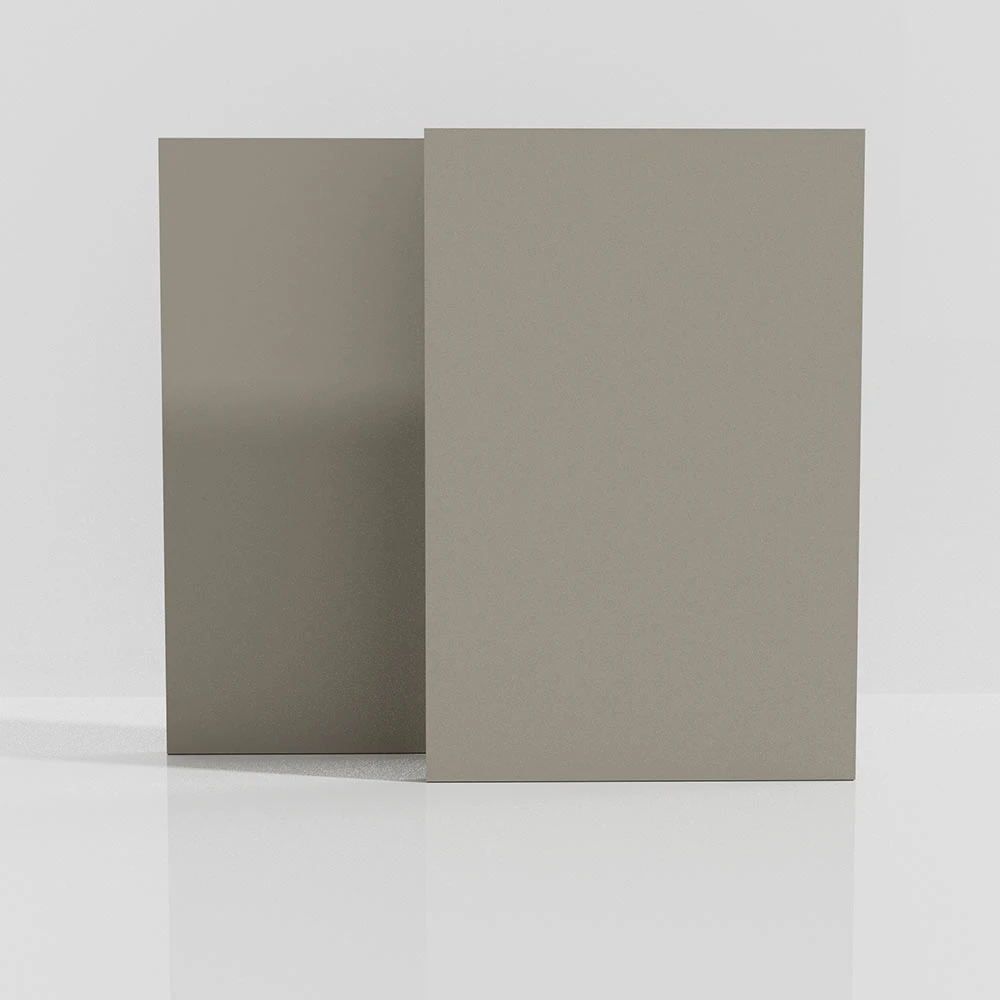
Why Understanding Waterproof MDF Board Matters Globally
Waterproof MDF board might sound like a simple product, but its impact ripples across multiple industries and geographic borders. From furniture makers in Scandinavia dealing with damp climates to construction workers in tropical Asia who need durable, moisture-resistant materials, the demand for this engineered wood product is soaring.
Why is it important? Well, global urbanization and climate variability mean buildings and furnishings must withstand moisture better than ever. That’s where waterproof MDF board steps in — a material designed to resist water infiltration without sacrificing strength or aesthetics. Knowing its benefits and nuances can shape better design decisions, sustainability practices, and even rescue efforts in flood-prone zones.
Mini takeaway: Waterproof MDF board isn’t just a niche material; it’s an essential player in addressing modern construction and manufacturing challenges worldwide.
The Global Context of Waterproof MDF Board
According to the International Organization for Standardization (ISO), the construction sector is responsible for nearly 39% of global carbon emissions. Sustainable, durable materials like waterproof MDF help reduce waste and improve lifecycle performance.
In fact, with increased floods and humidity worldwide – projected to rise as per UN climate reports – the need for water-resistant materials has never been clearer. For industries, staying ahead with waterproof MDF means fewer replacements, less downtime, and enhanced safety.
Oddly enough, it’s also an answer to supply chain constraints in emerging economies, where traditional wood species may be scarce or expensive. Waterproof MDF boards serve as reliable substitutes, crafted from refined wood fibers bonded tightly with waterproof adhesives.
Mini takeaway: As climate concerns rise and urban landscapes evolve, waterproof MDF board’s relevance grows—fueling demand across continents.
What Exactly is Waterproof MDF Board?
In simple terms, waterproof MDF (Medium Density Fiberboard) is a type of engineered wood panel crafted by compressing wood fibers with waterproof resin binders. Unlike regular MDF which can swell and degrade with exposure to moisture, waterproof MDF incorporates special additives and treatments that repel water, making it suitable for humid or wet environments.
This material bridges traditional woodworking with modern industrial needs — for furniture that lasts in kitchens or bathrooms, for wall panels in coastal buildings, and even innovative construction techniques where rapid deployment and durability matter.
Waterproof MDF board essentially upgrades the humble MDF into an all-weather, practical material highly appreciated across industrial sectors.
Mini takeaway: Waterproof MDF board is regular MDF’s tougher, wetter sibling — designed to excel where moisture would otherwise cause havoc.
Key Factors Defining Waterproof MDF Board
1. Durability
Waterproof MDF’s engineered density and resin treatments guard it against swelling, warping, and degradation — concerns that plague regular wood in moist settings. This makes it ideal for long-term installations in kitchens, bathrooms, and industrial accents where normal MDF would fail.
2. Water Resistance
Unlike untreated MDF, its waterproof counterpart undergoes chemical impregnation or lamination techniques that form barriers against water absorption. I noticed many manufacturers now emphasize eco-friendly resins that maintain performance without toxic compounds.
3. Cost Efficiency
Although slightly pricier than standard MDF, waterproof variants save money over time by reducing replacement rates and maintenance — a classic case of paying a bit more now to avoid headaches later.
4. Versatility
Available in various thicknesses, finishes, and sizes, waterproof MDF adapts well to furniture, cabinetry, decorative panels, and even structural uses. Many engineers say it’s a “go-to” when tolerances are strict but price points must stay competitive.
5. Sustainability Aspects
By utilizing recycled wood fibers and durable bonding methods, waterproof MDF supports responsible forestry and reduces waste compared to solid wood alternatives. This aligns well with ISO standards on sustainable material sourcing.
Mini takeaway: Waterproof MDF board’s strength lies in a harmonious combo of durability, smart engineering, and environmental consideration.
Where Waterproof MDF Board Shines: Global Applications & Use Cases
The beauty of waterproof MDF is how it shows up in unexpected places:
- Southeast Asia’s coastal furniture factories: Manufacturers incorporate waterproof MDF boards to craft outdoor furniture resisting monsoon rains and salty sea breezes.
- European bathroom cabinetry: Nordic countries, dealing with humid interiors, use waterproof MDF extensively to prevent mold and deterioration.
- Disaster response shelters: NGOs in flood-prone regions deploy prefabricated MDF panels treated for water resistance to build temporary housing quickly.
- Commercial interiors worldwide: Offices and retail stores use waterproof MDF boards for decorative wall panels and partitions that last in air-conditioned, occasionally damp environments.
One customer story I came across involved an Indonesian furniture maker who shifted to waterproof MDF after losing significant stock to humid climate damage — an investment that saved them thousands within just two years.
Mini takeaway: Waterproof MDF board is a global workhorse, proving itself from luxury interiors to humanitarian relief zones.
Advantages & Long-Term Value of Waterproof MDF Board
There’s more to it than water resistance. Consider:
- Cost savings: Less replacement and minimized repairs mean lower total lifecycle costs.
- Improved safety: Resistant to mold and fungal growth, it helps maintain healthier indoor environments.
- Environmental impact: Producing less waste and reducing hazardous solid wood logging.
- Innovation: Compatible with modern coatings and laminates for endless aesthetic choices.
On an emotional level, using waterproof MDF is about peace of mind. It gives architects and homeowners the trust that their investment will stand the test of time — bearing weather, spills, or wear without falling apart.
Mini takeaway: Waterproof MDF board blends logical value with the intangible comfort of durability and design freedom.
Future Trends & Innovations in Waterproof MDF
Looking ahead, the waterproof MDF landscape is evolving with:
- Eco-friendly resin technologies: New bio-based adhesives aim to eliminate formaldehyde emissions altogether.
- Smart coatings: Nanotechnology could enable self-cleaning or water-repellent surfaces that adapt to conditions.
- Digital manufacturing: CNC precision cutting combined with waterproof MDF allows faster, waste-minimized production lines.
- Sustainability certifications: Greater industry push toward verified sustainable sourcing to meet ISO 14001 and EU green procurement.
Frankly, these changes signal waterproof MDF is far from old-school, instead joining tech-driven efforts to rethink construction materials for a warmer planet.
Mini takeaway: Tomorrow's waterproof MDF boards will be greener, smarter, and integrated more deeply into digital workflows.
Challenges & Practical Solutions
Of course, nothing’s perfect. Waterproof MDF can face:
- Higher upfront costs compared to untreated MDF.
- Limitations in outdoor UV exposure without proper coatings.
- Transportation risks where moisture protection is critical during shipping.
Industry experts suggest:
- Combining waterproof MDF with protective laminates or paints for exterior applications.
- Improving factory logistics to prevent water intrusion during transit.
- Educating customers about correct installation techniques to maximize longevity.
Many say the key is treating waterproof MDF as part of a system, not a standalone fix.
Mini takeaway: With proper handling and finishing, waterproof MDF's challenges are manageable and well worth the benefits.
Product Specification Table
| Specification |
Typical Value |
| Thickness |
3mm to 30mm |
| Density |
700-800 kg/m³ |
| Water absorption (24h) |
|
| Modulus of rupture |
18-20 MPa |
| Formaldehyde emission |
E0 - E1 Grade (low emission) |
Vendor Comparison Table
| Vendor |
Price (per m²) |
Water Resistance Rating |
Eco Certifications |
Lead Time |
| Tengfei MDF |
$18 |
High (ISO 4628-5 Standard) |
FSC & CARB |
2-3 weeks |
| Global Wood Corp. |
$22 |
Medium |
PEFC |
4 weeks |
| EcoBoard Limited |
$20 |
High |
GreenGuard |
3 weeks |
Frequently Asked Questions
- What makes waterproof MDF board better than traditional wood for humid environments?
- Waterproof MDF board blends compacted wood fibers with special water-repellent resins, resisting warping and swelling that typically affect solid wood when wet. Its engineered nature ensures uniformity, less porosity, and longer durability in moist conditions.
- How long does waterproof MDF typically last in wet or high-humidity areas?
- Properly treated waterproof MDF can last 10-15 years or more indoors, depending on exposure and finish. For external use, lifespan varies with coatings and weather conditions but generally outperforms untreated MDF by several years.
- Is waterproof MDF board environmentally friendly?
- Yes, many waterproof MDF boards use recycled wood fibers and low-emission resins. Certifications like FSC, CARB, and GreenGuard ensure compliance with environmental standards, making it a sustainable alternative to solid wood.
- Can waterproof MDF be used for outdoor construction?
- While some waterproof MDF boards have enhanced water resistance, they require protective coatings or laminates for prolonged outdoor use since UV exposure and direct rain can degrade untreated surfaces over time.
- How can manufacturers order certified waterproof MDF internationally?
- Most leading vendors offer export-ready products with full certification documentation. Working with reputable suppliers like Tengfei MDF ensures smooth customs processes and compliance with global import regulations.
Wrapping Up: Why Waterproof MDF Board is Worth the Investment
From resisting the steady drip of humidity to thriving in challenging environments where ordinary wood fails, waterproof MDF board combines smart engineering with global need. It occupies a sweet spot between cost-effectiveness, sustainability, and performance — qualities anyone specifying materials today can appreciate.
If you’re curious and want to explore waterproof MDF board options for your next project, feel free to visit our website: https://www.tengfeiebmdf.com. It’s a good place to start the journey toward smarter, wetter work environments.
References
- ISO 4628-5: Paints and varnishes — Evaluation of degradation of coatings
- UN Climate Change: Science & Key Findings
- Wikipedia: Medium-density fibreboard