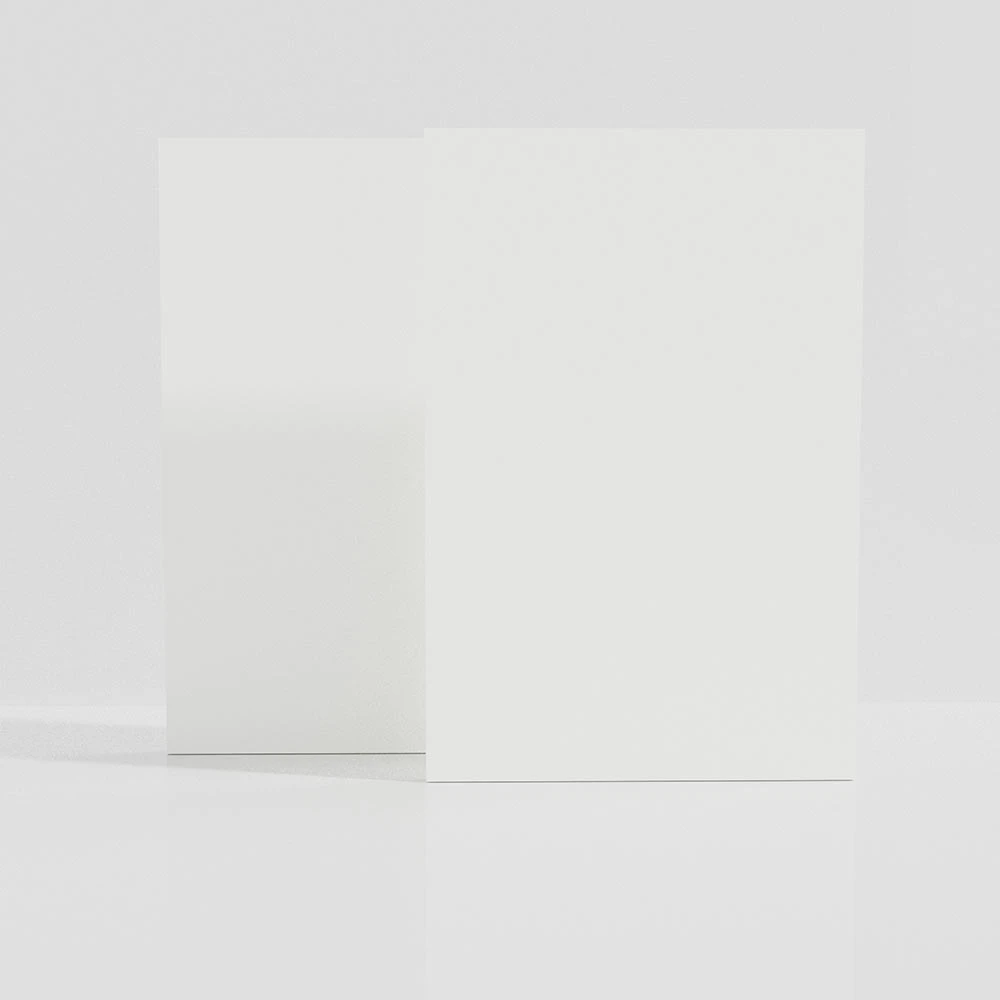
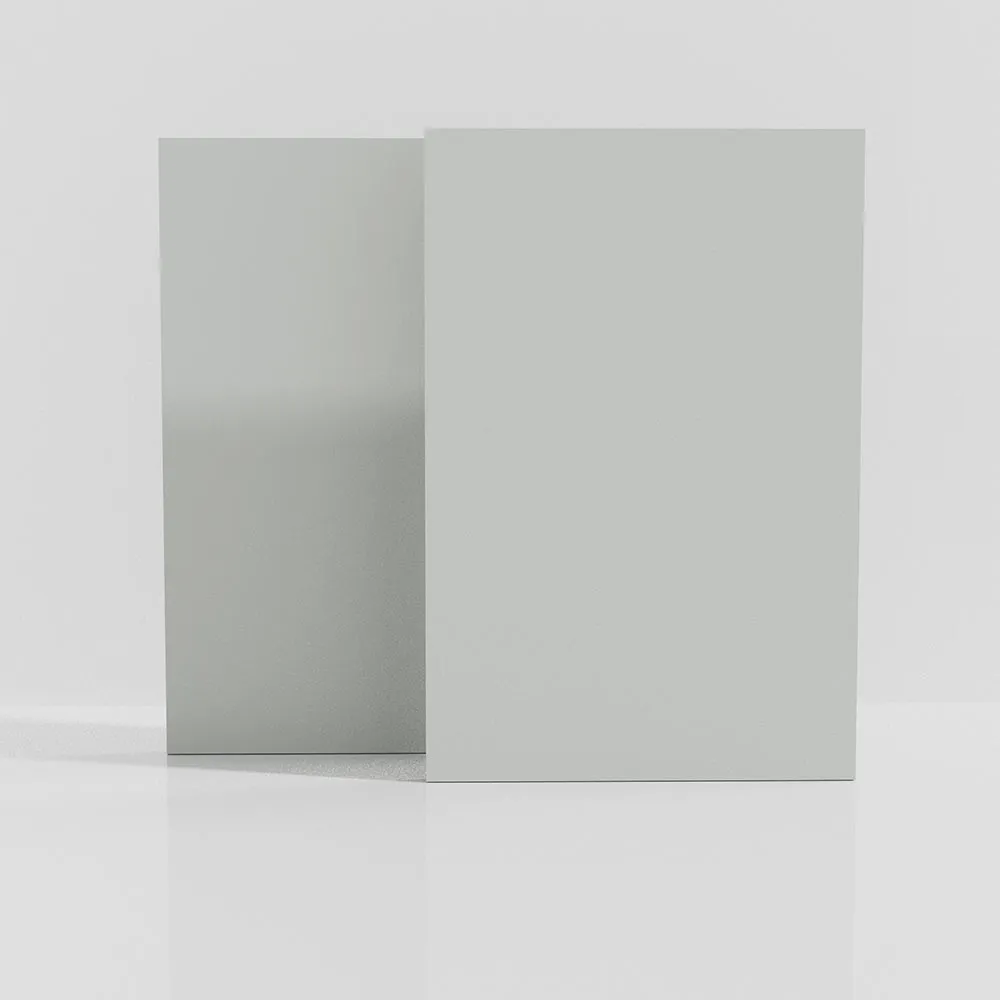
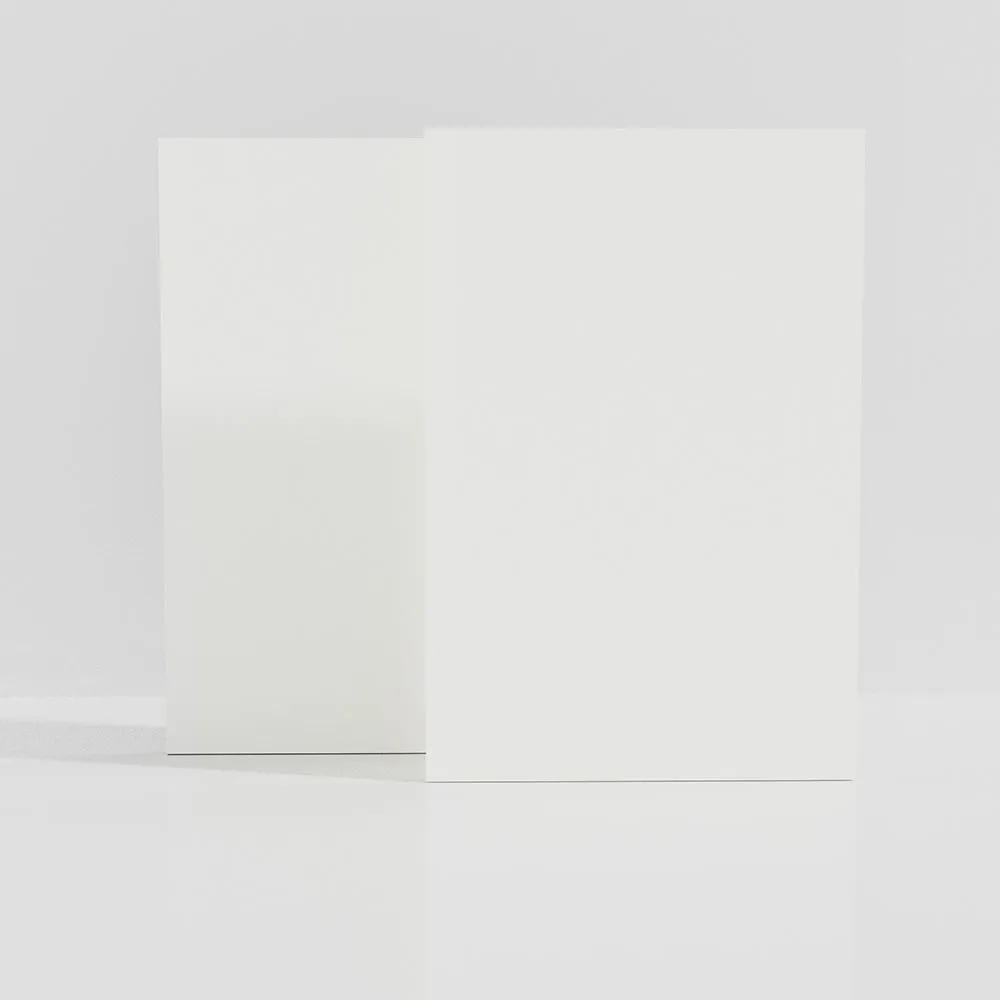
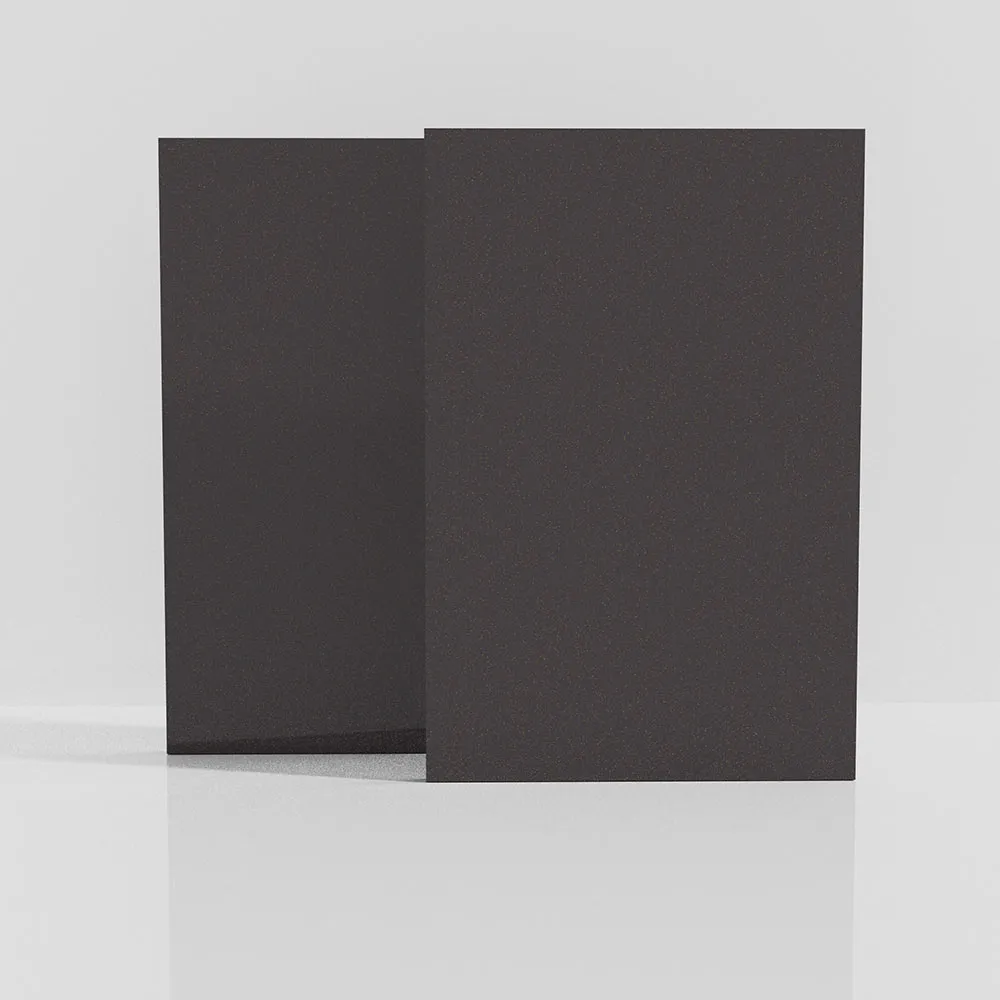
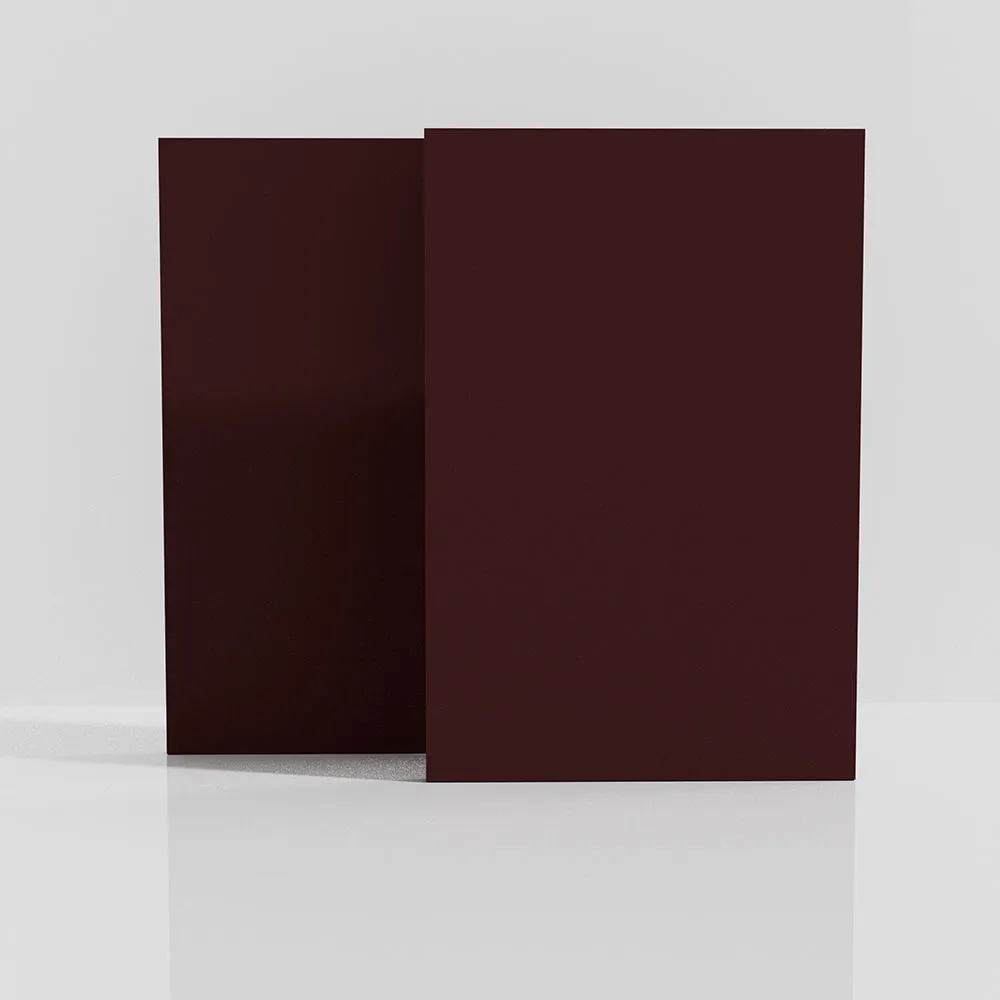
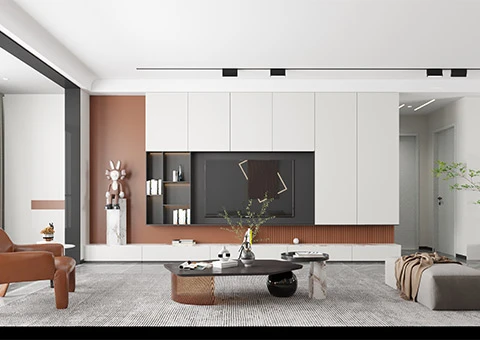
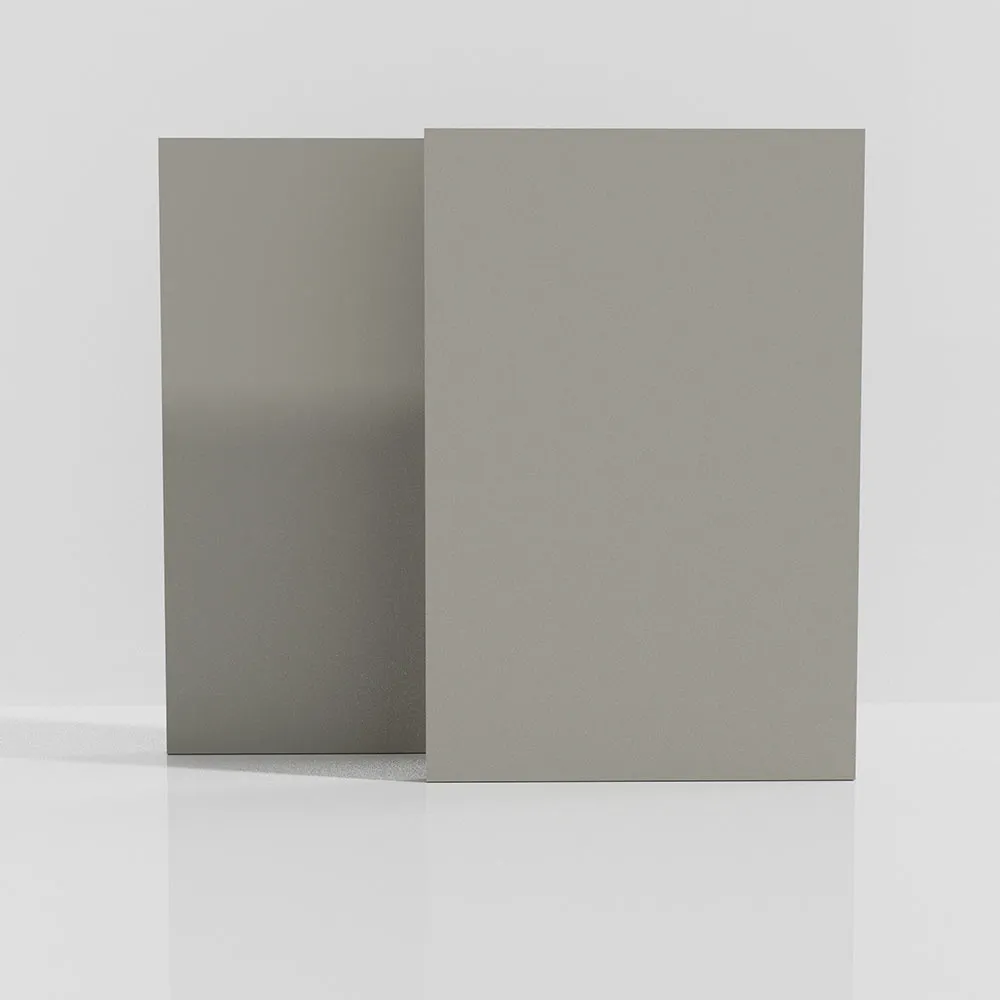
Why White Gloss MDF Board Matters in Today's Industry
If you’ve ever admired the sleek look of a modern kitchen or the flawless finish on a store display, white gloss MDF board probably played a quiet but essential role. This material, part technical marvel and part design hero, has become a staple across countless industries worldwide. But beyond its shiny surface, understanding white gloss MDF board means unpacking its role in sustainability, cost efficiency, and versatility.
Globally, the demand for engineered wood products like medium-density fiberboard (MDF) grows by about 5% annually, according to the International Wood Products Association. Why? Because it’s a key player in reducing the use of natural hardwoods while delivering reliable, polished surfaces that designers and manufacturers crave. With manufacturing hubs spanning from Southeast Asia to Europe, white gloss MDF board is more than a fad — it’s part of a broader push toward smarter, greener building and furnishing materials.
Takeaway: White gloss MDF board isn’t just pretty—it's an eco-savvy, versatile material shaping modern manufacturing and design around the globe.
What Exactly Is White Gloss MDF Board?
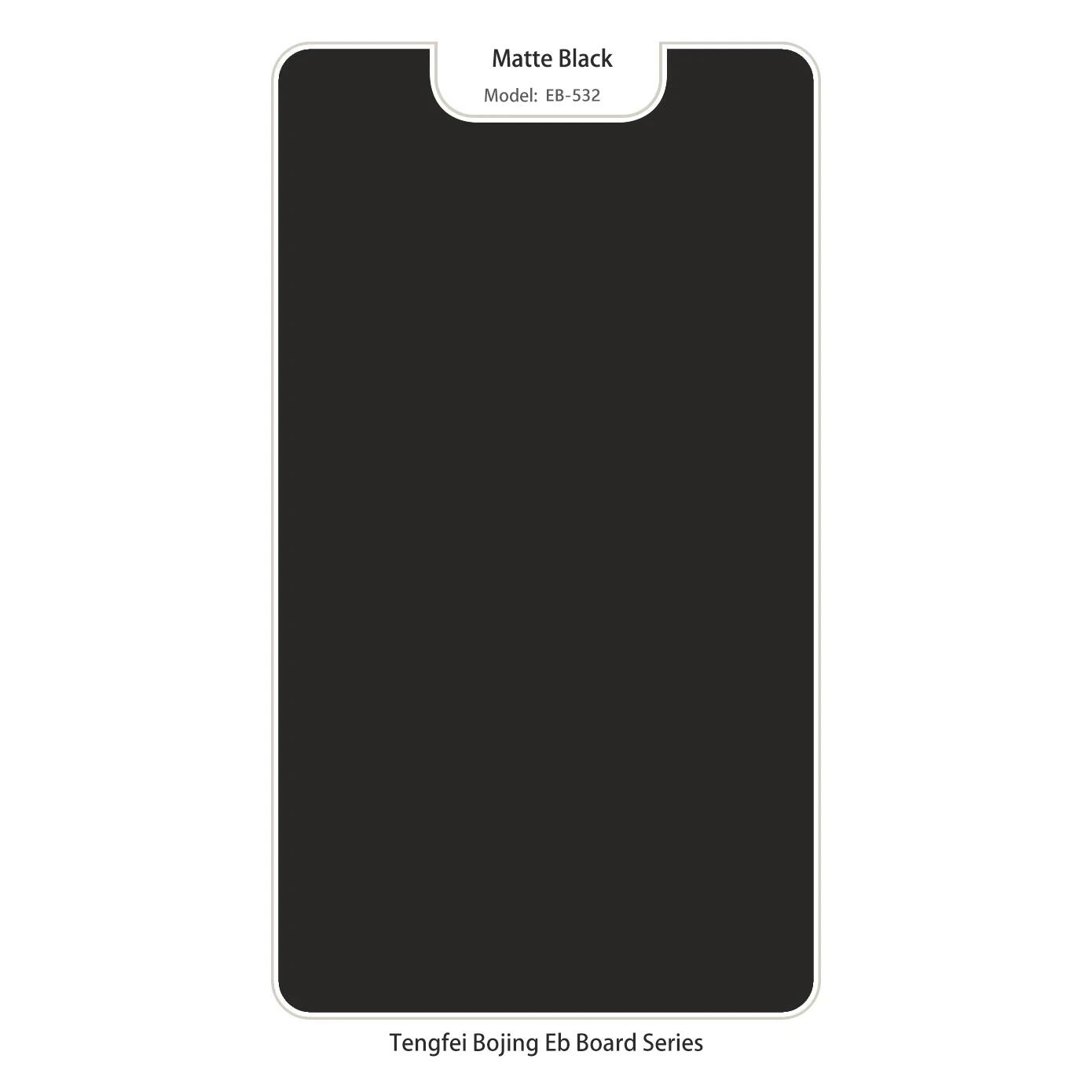
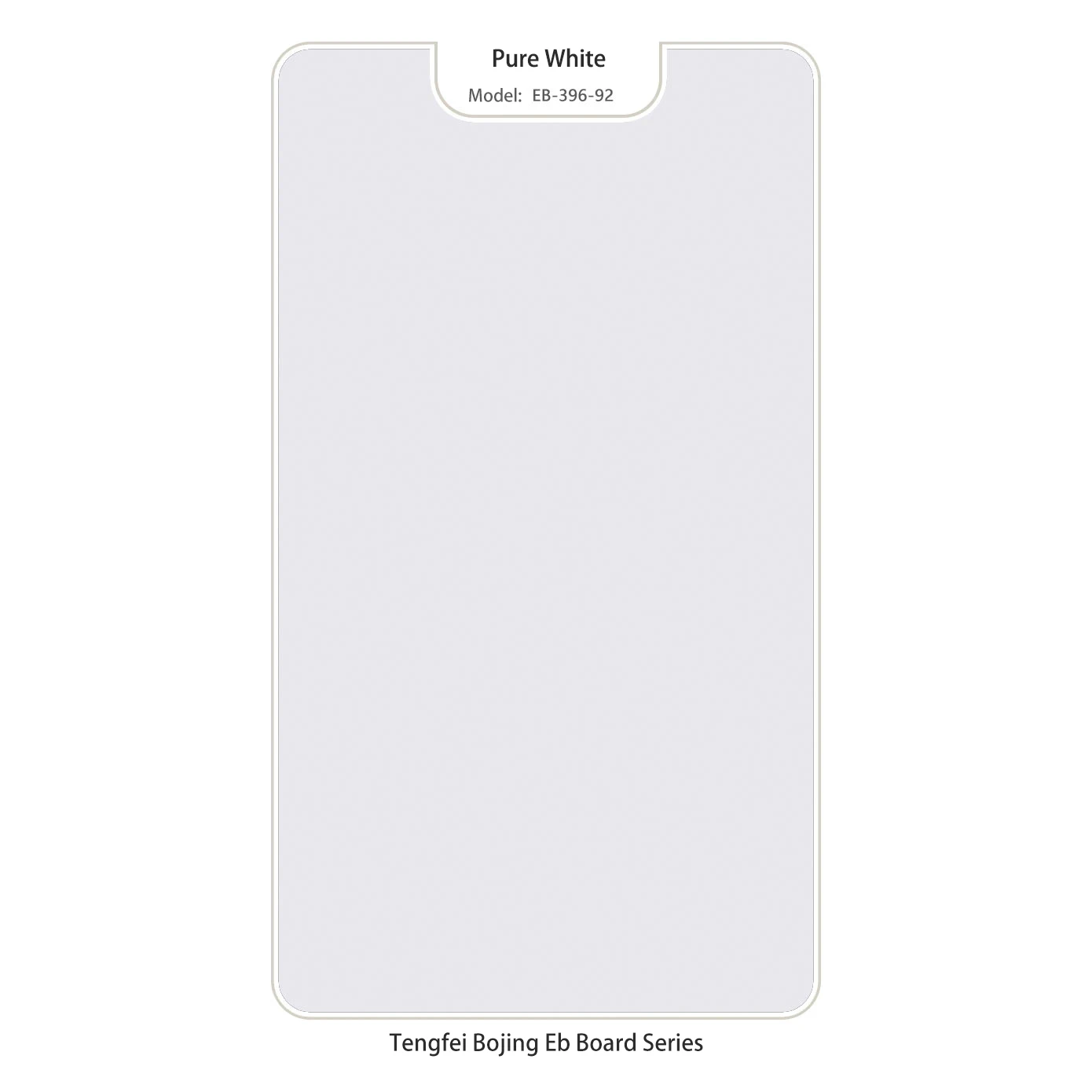
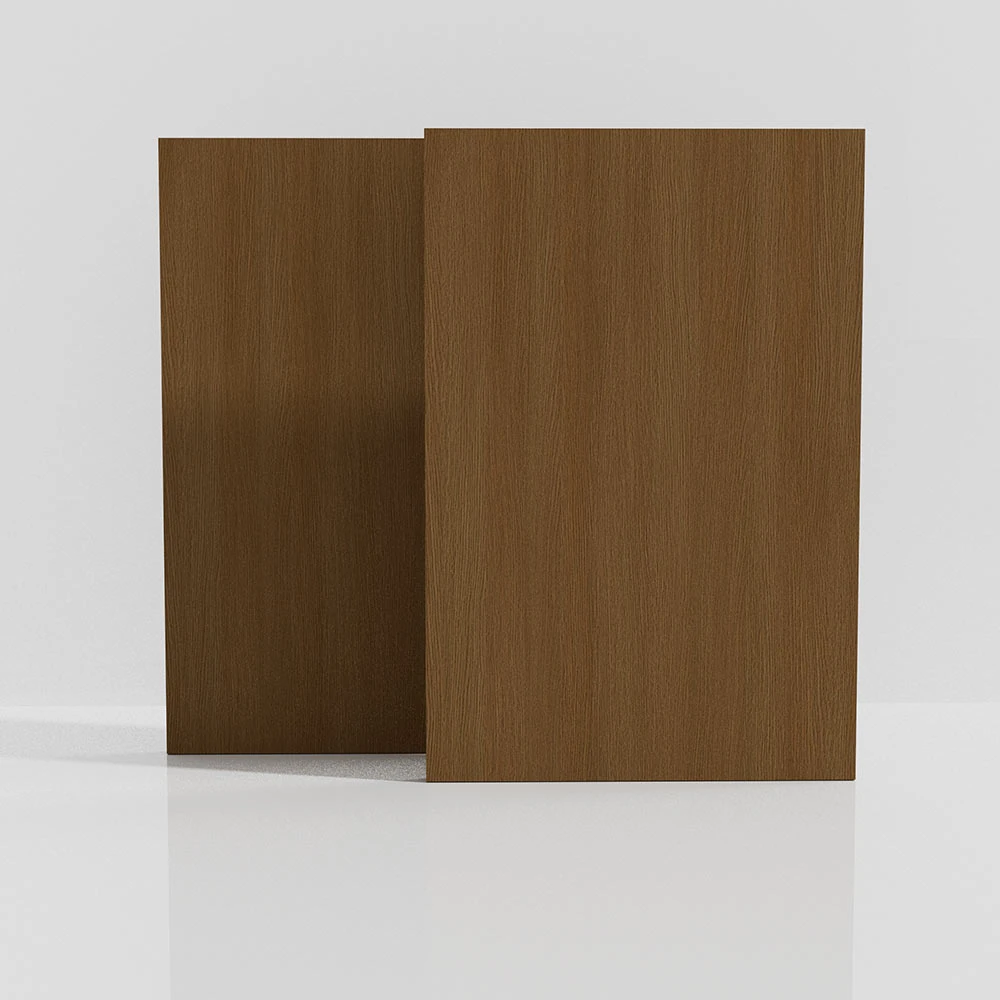
At its core, MDF (medium-density fiberboard) is an engineered wood product made from wood fibers glued under heat and pressure. Now, add a layer of white gloss finish — often a melamine or acrylic coating — and you get a smooth, reflective surface that’s tough, easy to clean, and visually stunning.
Think of it as the “smartphone” of wood panels: engineered for performance, decked out in a sleek shell. This combination makes it ideal for the retail, furniture, and interior design industries, where appearance and durability must go hand in hand.
From humanitarian logistics to modern urban development, white gloss MDF board’s role in creating quick-to-install, attractive, and hygienic surfaces is often overlooked but crucial.
Takeaway: White gloss MDF board combines raw engineered strength with a glossy finish, perfect for environments demanding both toughness and style.
Durability: More Than Just a Pretty Face
White gloss MDF boards aren’t simply coated particle boards. The gloss layer provides moisture resistance and scratch protection, improving lifespan in heavy-use areas like kitchens and offices. Many manufacturers test these boards rigorously under ISO 2813 standards for surface gloss and abrasion resistance, and often they pass with flying colors.
Cost Efficiency: The Budget-Friendly Solution
One obvious advantage is that white gloss MDF is generally far cheaper than solid wood slabs or lacquered plywood panels. It delivers a comparable aesthetic, at a fraction of the cost, without sacrificing quality. That’s why numerous small businesses and large enterprises alike opt for it—blending budget discipline with stylish appeal.
Customizability: When One Size Doesn’t Fit All
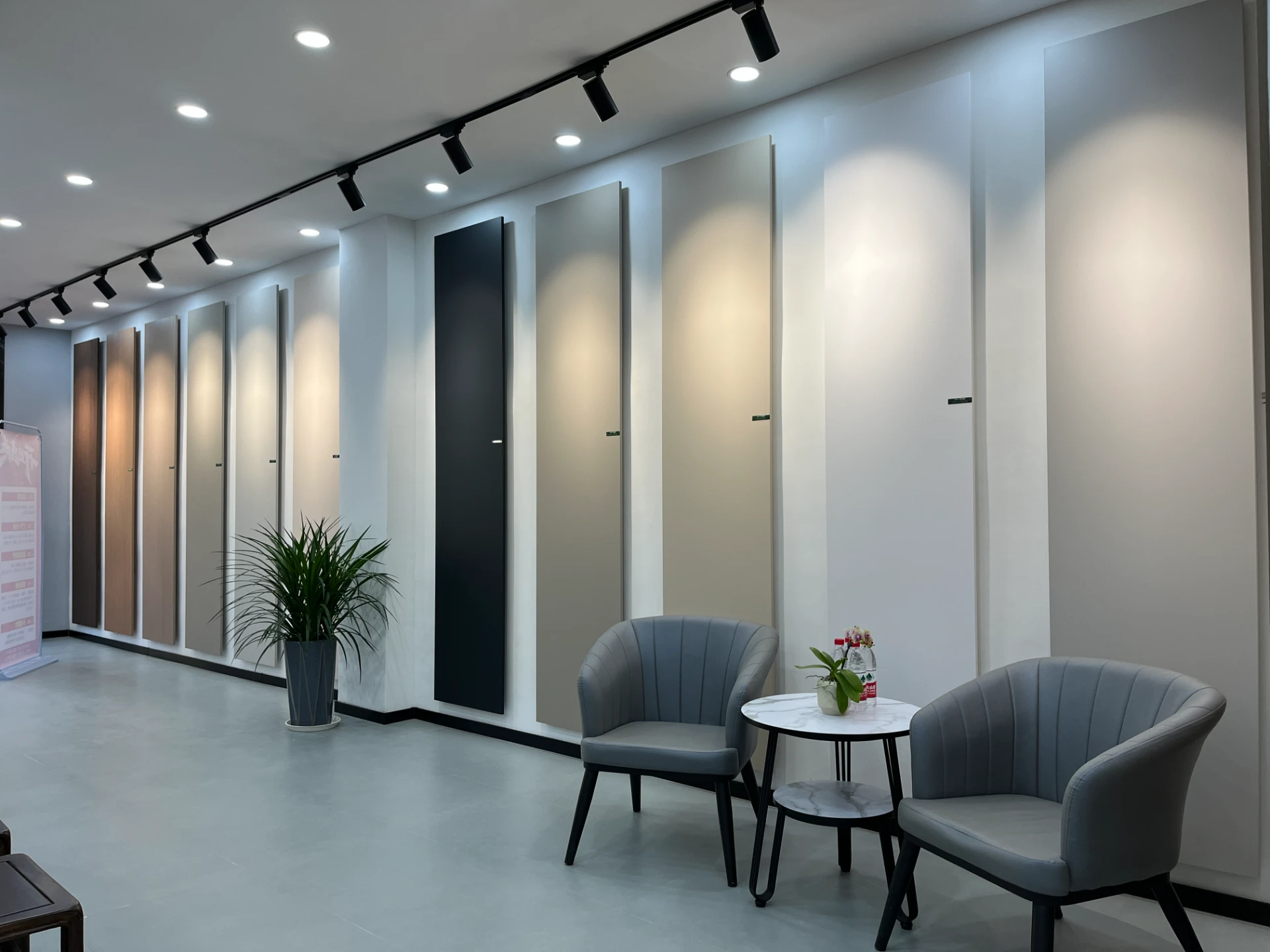
Manufacturers now offer white gloss MDF boards in a variety of thicknesses, gloss levels, and edge treatments. So whether you want a minimalist, ultra-matte look or a mirror-like shiny effect, there’s a product to match. The good news? This flexibility means it can fit into anything from boutique retail shelving to hospital cabinetry.
Sustainability: A Step Towards Greener Manufacturing
MDF uses leftover wood fibers that otherwise might be discarded, saving trees and reducing waste. Additionally, many suppliers are now adopting formaldehyde-reduced adhesives and low-VOC coatings, aligning their products with the growing ISO 14001 environmental management framework.
Easy Maintenance: Because Life Isn’t Always Gentle
The gloss layer ensures white gloss MDF surfaces can be wiped clean with mild detergents, resisting stains and fingerprints more effectively than raw wood or matte alternatives. This makes it popular wherever hygiene is paramount — including healthcare and foodservice environments.
Takeaway: Durability, affordability, and adaptability — white gloss MDF board ticks many practical boxes without skimping on style or sustainability.
Where Does White Gloss MDF Board Really Shine?
Industries and regions worldwide lean on this material for a host of applications:
- Retail Environments: For high-gloss store fixtures that grab shopper attention and withstand daily wear.
- Residential Interiors: Kitchen cabinets, wardrobes, and wall panels that demand crack-resistant, moisture-resistant surfaces.
- Healthcare Facilities: Hospitals and clinics requiring surfaces that are easy to sanitize yet visually appealing.
- Hospitality Sector: Hotels and restaurants use it for counters, partitions, and displays offering durability with an upscale look.
- Emerging Markets: Fast-growing construction industries in Asia-Pacific and Africa increasingly rely on MDF board for affordable housing projects and modular interiors.
Interestingly, some NGOs working in disaster relief incorporate quick-install white gloss MDF prefab panels for temporary clinics and housing — marrying speed of assembly with functional hygiene.
Takeaway: From glam shop fronts in Milan to makeshift clinics in Nairobi, white gloss MDF board adapts to diverse needs and environments.
How Does White Gloss MDF Board Stack Up? — Key Specs at a Glance
| Specification |
Detail |
| Material |
Medium Density Fiberboard (wood fibers + resin) |
| Finish |
High gloss melamine or acrylic |
| Thickness Range |
6mm - 25mm (varies by supplier) |
| Moisture Resistance |
Moderate; gloss layer improves resistance |
| Common Sizes |
1220 x 2440 mm (4 x 8 feet) sheets |
| Standards Compliance |
ISO 2813 (gloss), E1 formaldehyde emissions |
How Do Different Vendors Compare?
| Vendor |
Gloss Level (60° Gloss Units) |
Eco-Certification |
Price Range (per sheet) |
Lead Time |
| Tengfei MDF |
85–90 (high gloss) |
CARB Phase 2, E0 |
$35 – $45 |
2 weeks |
| EuroPanel |
80–85 |
FSC Certified |
$40 – $50 |
3–4 weeks |
| GreenWood Works |
70–80 (semi-gloss) |
ISO 14001 |
$30 – $40 |
1–2 weeks |
What Future Trends Are Shaping White Gloss MDF Board?
Technology never sleeps, and neither does the MDF industry. For instance:
- Eco-Friendly Innovations: Next-gen bio-based resins and waterborne coatings are reducing environmental footprints further.
- Digital Surface Printing: Customizable white gloss boards with embedded patterns for bespoke architecture.
- Smart Panels: Embedded sensors monitoring humidity or structural integrity are on the horizon.
- Automation & Prefab Integration: Growing compatibility with robotic assembly lines for modular interiors is a big deal.
These trends align MDF boards with the broader digital transformation and sustainability agendas steering the global manufacturing sector.
Takeaway: White gloss MDF board is evolving beyond expectations, merging tech and eco-consciousness in ways that might soon feel indispensable.
Challenges in Using White Gloss MDF Board — And How To Beat Them
No product is without quirks. White gloss MDF is prone to edge swelling if exposed to excessive moisture — a real issue in bathrooms or outdoor areas. Also, heavy impacts can dent its relatively soft core, unlike hardwoods.
Solutions include:
- Using edge bandings and proper sealing to guard against moisture ingress.
- Selecting higher-density grades or reinforced cores for impact resistance.
- Employing protective films during transport and installation to avoid scratches.
Professional installers often share stories of learning the hard way: "Oh, you always tape those edges tightly," one contractor once told me. Wise words.
FAQ: Quick Answers About White Gloss MDF Board
Q1: How resistant is white gloss MDF to water and stains?
A: While the gloss coating improves water resistance, MDF itself can swell if water penetrates cut edges or damaged surfaces. Proper sealing and edge banding are essential for moisture-prone environments.
Q2: Can white gloss MDF board be used in kitchens safely?
A: Yes. It’s popular for kitchen cabinets because the glossy finish is easy to clean and resistant to mild chemicals. Just remember to avoid prolonged exposure to water and steam.
Q3: Is it environmentally friendly compared to solid wood?
A: Generally, yes. MDF uses wood residuals and often employs low-formaldehyde adhesives. Many suppliers comply with strict eco-certifications, reducing impact compared to harvesting solid timber.
Q4: How do I customize white gloss MDF boards for my project?
A: Vendors typically offer multiple thicknesses, gloss levels, and edge finishes. Some accept custom sizes or printing. Reach out to suppliers like
white gloss mdf board specialists for tailored quotes.
Q5: What’s the average lifespan of white gloss MDF panels?
A: With proper care, these panels last 10-15+ years indoors. Their durability depends on environment and maintenance but generally offer excellent long-term value.
Final Thoughts — Why Choose White Gloss MDF Board?
In a world where sustainability meets design elegance and cost efficiency, white gloss MDF board holds its ground as a true industry ally. It marries form and function in an accessible, eco-friendlier package that just keeps getting better. Whether you’re outfitting a high-end retail interior or a pragmatic healthcare space, this engineered wood product delivers consistent quality and aesthetics.
For those curious to explore the finest options and latest innovations, I’d recommend starting with trusted vendors like
white gloss mdf board specialists whose expertise blends experience with modern standards.
The future’s bright for white gloss MDF board — and that gleam isn’t just from the surface.
### References:
- Wikipedia: Medium-density fibreboard
- ISO 2813: Paints and varnishes — Determination of gloss
- International Wood Products Association