Understanding White Laminated MDF Board: A Global Perspective
In the vast universe of construction and interior materials, white laminated MDF board quietly holds a pivotal spot. Globally, industries from furniture manufacturing to retail displays deploy it widely—sometimes without realizing how vital it is. Its versatility and sleek appearance are undeniably a draw, but there’s more beneath the surface. In helping you get the full picture, this article delves into what white laminated MDF board really is, why it matters, and how it’s shaping the future of modern interiors across the globe.
Why should anyone care globally? Because this isn’t just a local manufacturing fad. The International Organization for Standardization (ISO) estimates that engineered wood products account for over 40% of construction timber use worldwide[1]. As sustainability and cost-effectiveness become critical, choices like white laminated MDF boards have become central to sustainable yet stylish building solutions.
The Global Context: Why White Laminated MDF Board Matters Now
The modern demand for efficient, durable, and aesthetically pleasing materials is skyrocketing, particularly in densely urbanized regions of Asia, Europe, and North America. According to the World Bank, global urbanization rates have increased to over 55% of the population, swelling the need for affordable yet durable building materials[2]. Enter the white laminated MDF board, offering a high-quality finish that mimics painted wood panels but at a fraction of the cost and environmental impact.
One challenge the industry frequently grapples with is balancing environmental sustainability with product performance. White laminated MDF boards tackle this by using recycled wood fibers bonded with eco-friendly adhesives, reducing waste without compromising durability or aesthetics. It's a fine example of industry innovation answering a global call.
What Exactly Is a White Laminated MDF Board?
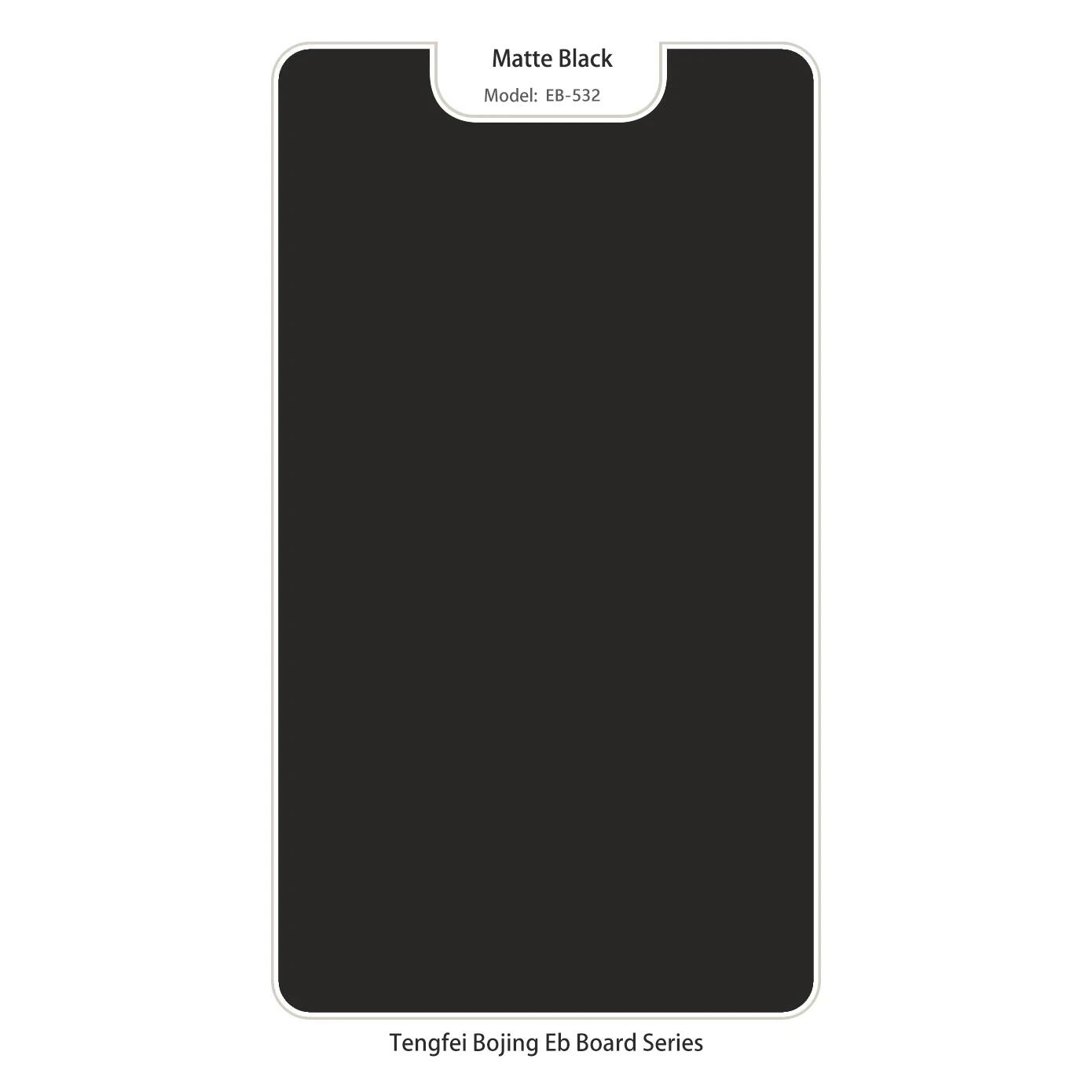
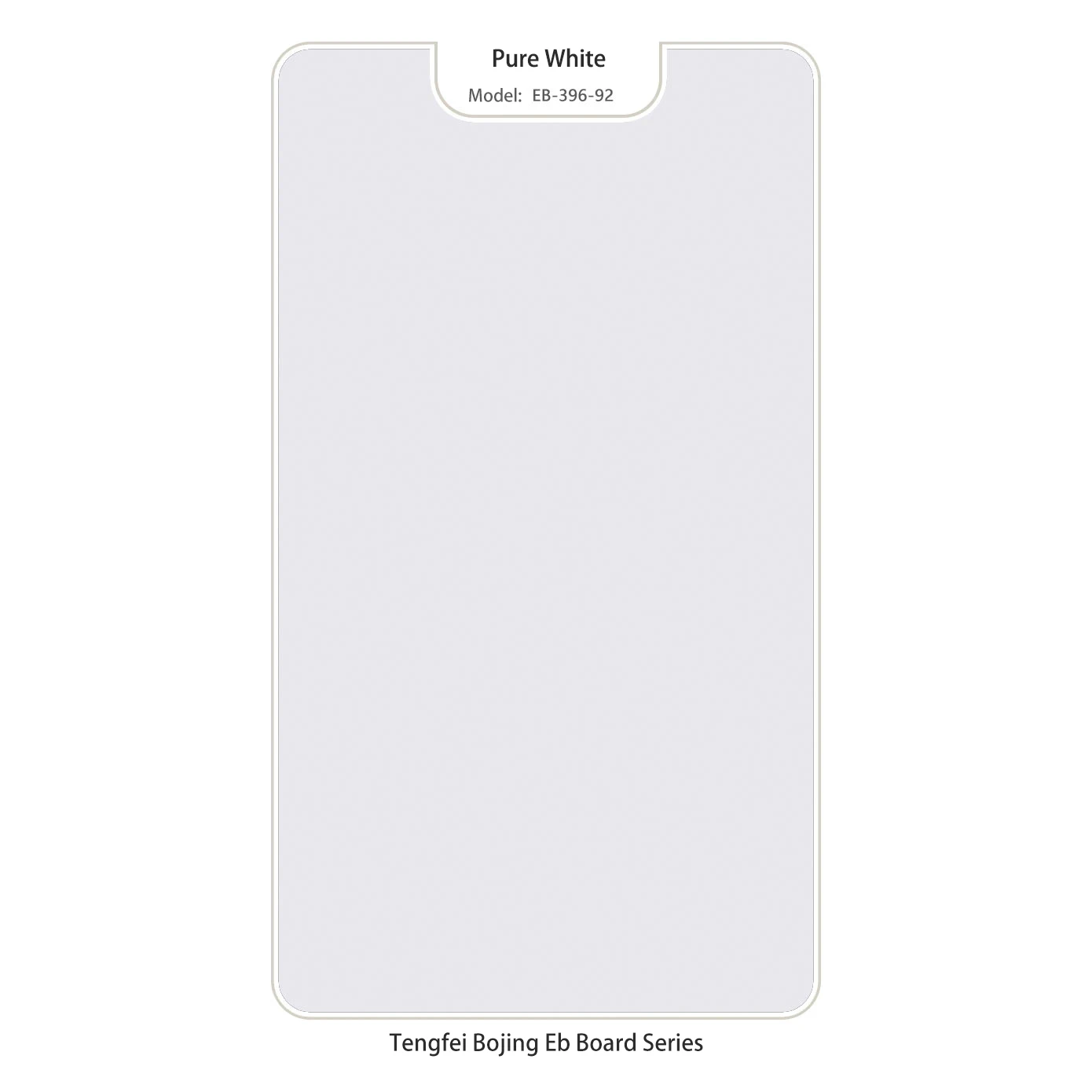
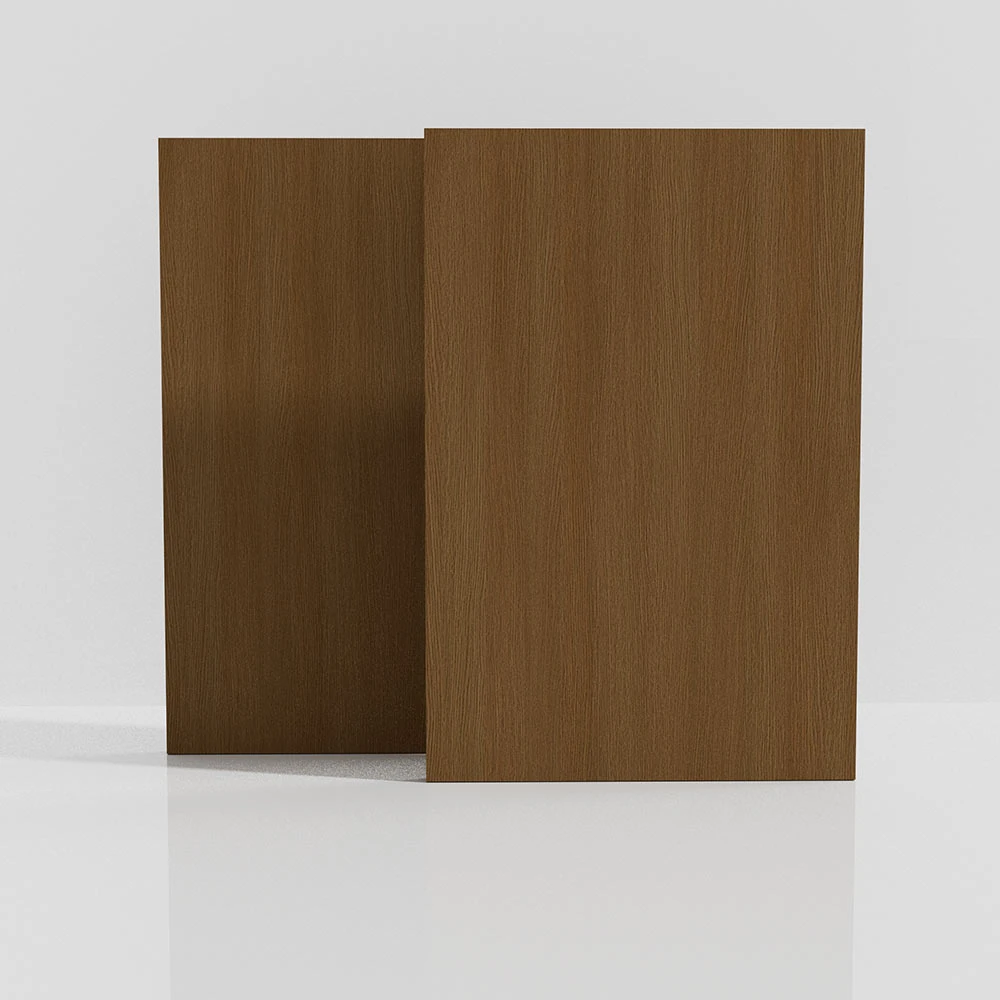
At its core, medium-density fiberboard (MDF) is an engineered wood product made by breaking down hardwood or softwood residuals into wood fibers, combining them with resin, and then forming panels under high temperature and pressure. The “white laminated” bit refers to a decorative surface layer—a white melamine or laminate coating—that protects the board and gives it a clean, polished look.
Think of it like taking a blank canvas of engineered wood and giving it a sleek, durable white jacket that resists scratches, moisture, and fading. This connection to modern industry is clear: designers, architects, and manufacturers all rely on this material to simultaneously meet aesthetic demands and practical challenges like moisture resistance in kitchens or retail store displays.
Core Characteristics of White Laminated MDF Board
Durability and Strength
Though MDF is often underestimated, laminated versions gain significant resistance to wear and tear. The lamination layer guards against chipping, staining, and moisture damage. In real terms, that means a kitchen cabinet or wardrobe door made from white laminated MDF can last for years under daily use—without losing its color or surface integrity.
Cost Efficiency
Compared to solid wood or even plywood with painted finishes, white laminated MDF boards are budget-friendly. This is largely down to the efficient use of wood fibers and reduced production costs, making it a go-to for projects needing style without a luxury price tag.
Ease of Customization
White laminated MDF boards lend themselves well to machining, cutting, and routing. Manufacturers worldwide appreciate this flexibility—custom cabinetry, retail shelving, office partitions—you name it. The smooth white surface also means it accepts paints and coatings well if customization beyond factory lamination is desired.
Sustainability
Many manufacturers now emphasize low-emission binders and recycled raw materials, aligning white laminated MDF boards with eco-conscious construction practices. This doesn’t just help reduce landfill waste; it also qualifies many products for green building certifications.
Consistency
Unlike natural wood, which can have knots or grain variations, MDF boards provide a uniform substrate. The white laminate further masks imperfections, allowing for consistent, clean finishes that are desirable in high-end retail, office, or residential applications.
Table 1: Typical Specifications for White Laminated MDF Board
| Property |
Typical Value |
| Thickness |
6mm – 25mm |
| Density |
650 – 800 kg/m³ |
| Surface Finish |
White melamine laminate |
| Moisture Resistance |
Moderate (improved over raw MDF) |
| Formaldehyde Emissions |
E0 – E1 (low emissions) |
Mini Takeaway: If you need a balance of durability, cost-effectiveness, and a crisp white finish, white laminated MDF board packs a punch for interior and commercial uses.
Applications Across the Globe: Where White Laminated MDF Finds Its Calling
It might sound niche, but the applications of white laminated MDF boards span continents and industries:
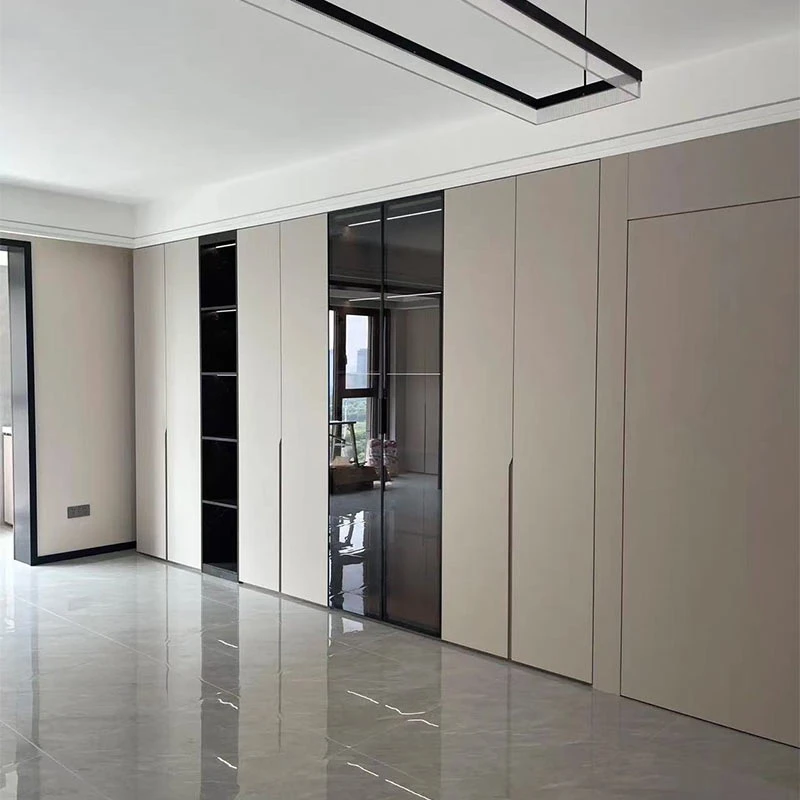
- Residential Construction: Kitchen cabinets, wardrobes, wall panels, and custom furniture in homes from Europe to North America.
- Retail & Commercial Display: Fixtures, shelving, and counters that need a uniform, clean, and scratch-resistant surface—think flagship stores in Asia and department stores in the Middle East.
- Educational Facilities: School furniture and cabinetry needing durability under heavy use in Latin America.
- Hospitality & Healthcare: Areas requiring hygienic, easy-to-clean surfaces with a bright, welcoming aesthetic.
- Modular & Portable Installations: Temporary exhibition booths, emergency housing partitions, and office pods, especially in fast-growing urban zones.
Special mention goes to projects in post-disaster relief operations where lightweight, cost-effective, and quick-to-install materials like white laminated MDF boards have enabled faster recovery and dignified living conditions throughout Southeast Asia.
Advantages and Lasting Value of Using White Laminated MDF Boards
There’s a blend of tangible and intangible benefits here. On the practical side, you save money and effort while gaining a product that resists wear and maintains an attractive look longer than many alternatives. It’s also more eco-friendly than some materials, which appeals to conscientious buyers worldwide.
But there’s the human angle, too: imagine the relief of a family moving into a new kitchen with sturdy, clean, white cabinets that don’t peel or fade quickly. It enhances not just a room, but the sense of care and reliability the home offers. For engineers and architects, it’s about innovation and trust—knowing the material will perform its role no matter the climate or usage intensity.
Looking Forward: Trends and Innovations in White Laminated MDF Boards
Sustainability continues to shape this market. Manufacturers are increasingly adopting formaldehyde-free adhesives and using bio-based laminates that improve recyclability. Digital cutting and CNC routing technologies mean faster, more precise customization, reducing waste.
Additionally, integration with smart home solutions is starting to emerge—imagine cabinetry panels embedded with sensors or LED indicators, all layered on white laminated MDF substrates crafted for the future.
Challenges and How the Industry Is Tackling Them
Even the best materials have limitations. Moisture resistance, while improved, is still a concern in very humid environments, occasionally causing swelling if improperly sealed. Some consumers worry about chemical emissions from binders, though standards such as E0 and E1 help mitigate these.
Industry experts suggest proper edge sealing and using specialized moisture-resistant grades where necessary. Ongoing research into greener, non-toxic adhesives promises to raise the bar higher.
FAQ: Practical Questions About White Laminated MDF Board
- What makes white laminated MDF board preferred over plain MDF in kitchens?
- White laminated MDF offers a sealed surface that resists water, stains, and scratches better than uncoated MDF, making it perfect for high-moisture areas like kitchens.
- How long can furniture made from white laminated MDF last under regular use?
- With proper care and installation, white laminated MDF furniture typically lasts 10-15 years, maintaining its appearance and structural integrity.
- Is white laminated MDF environment-friendly?
- Many manufacturers now use recycled fibers and low-emission resins, making white laminated MDF boards a more sustainable choice compared to solid wood or plastic laminates.
- Can white laminated MDF boards be customized for unique designs?
- Absolutely. The smooth surface and good machinability allow custom shapes, routed edges, and additional coatings or paints as needed.
- Where can I find reliable suppliers of high-quality white laminated MDF boards?
- You can explore various options globally, but regional manufacturers with ISO certification often ensure consistent quality and eco-friendly processes.
Vendor Comparison: Popular White Laminated MDF Board Suppliers
| Supplier |
Origin |
Thickness Range (mm) |
Eco Certifications |
Average Price (USD/m²) |
| Tengfei MDF |
China |
6 – 25 |
E0, FSC |
15 – 22 |
| Duraboard |
Germany |
8 – 20 |
FSC, PEFC |
25 – 30 |
| Eco Lam MDF |
USA |
6 – 18 |
CARB Phase 2, E0 |
20 – 27 |
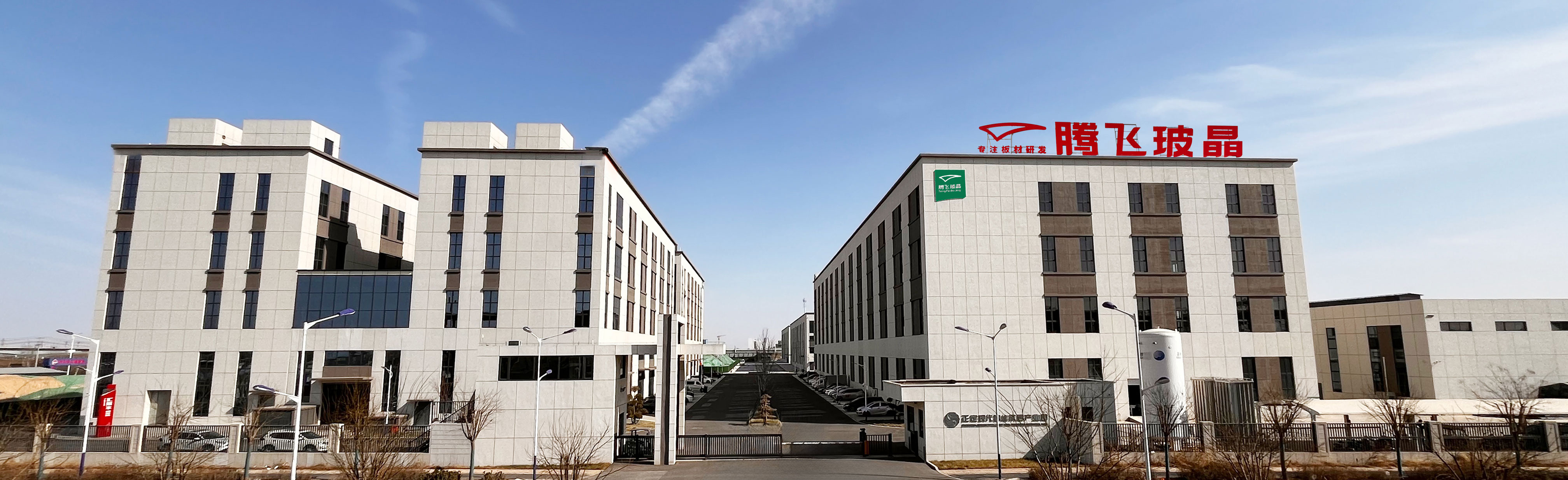
When selecting a supplier, always consider certifications, environmental compliance, price, and thickness availability to match your project's demands. And yes, white laminated mdf board from Tengfei MDF strikes a nice balance between quality and cost, especially for large scale uses.
Wrapping It All Up
To circle back—not only is white laminated MDF board a marvel of engineered wood craftsmanship, but it’s also a key player in the sustainable future of building materials. Its global applicability, cost benefits, and ease of use make it an indispensable choice for modern design and construction. Whether you’re outfitting your home’s new kitchen, creating stylish retail displays, or innovating modular office spaces, white laminated MDF board delivers reliability with a crisp, clean look that doesn’t quit.
For those ready to explore or invest, I suggest visiting https://www.tengfeiebmdf.com to find out just how this versatile product could transform your next project.
Mini takeaway: It’s not just a board; it’s a solution that blends practicality, style, and sustainability — perfectly suited for today’s global needs.
References
- International Organization for Standardization (ISO): Engineered wood products data, 2023.
- World Bank Urbanization Data, 2022 Report.
- Environmental standards on MDF products (CARB, FSC certifications).