Understanding the White MDF Beadboard Panel: Why It Matters Globally
At first glance, a white MDF beadboard panel might seem like just another staple of interior design or construction projects — but the reality is far more interesting and impactful. These panels are quietly shaping how industries approach affordable, durable, and aesthetically versatile wall and ceiling solutions worldwide. Whether in urban apartments, rural clinics, or large commercial campuses, white MDF beadboard panels offer a unique balance of beauty, function, and sustainability. Recognizing this balance is increasingly important as demands grow for sustainable building materials that don't compromise on style or cost-efficiency.
Globally, the push towards efficient housing and flexible interiors — especially in developing regions — means materials like these play a pivotal role. They help architects, builders, and designers deliver projects faster, cleaner, and often greener.
Mini takeaway: White MDF beadboard panels are more than decor; they’re a practical response to evolving global construction and design needs, blending appearance with performance.
Global Context: Why the Industry is Turning to White MDF Beadboard Panels
Across continents, from North America to Asia-Pacific, the construction sector is adapting to pressures like population growth, urbanization, and stricter environmental codes. The United Nations reports that nearly 55% of the world’s population was urban in 2018, approaching 68% by 2050, making interior paneling solutions that are both scalable and sustainable crucial (UN Urbanization Report).
In addition, ISO standards around indoor air quality and material sustainability drive manufacturers toward engineered wood products that minimize harmful emissions. White MDF beadboard panels answer concerns about rapid deployment, ease of installation, and environmental impact—a trio that many traditional panels struggle with.
Problem: Balancing aesthetics, durability, and eco-friendliness
It’s tricky: you want your interiors to look good, last long, and reduce carbon footprints. Conventional panels often sacrifice one or more of these areas. Enter white MDF beadboard panels, which are engineered for this sweet spot.
Mini takeaway: The global push for better urban living spaces and stricter environmental standards amplifies the need for versatile, sustainable paneling solutions.
What Exactly Are White MDF Beadboard Panels?
Simply put, a white MDF beadboard panel is a medium-density fiberboard (MDF) sheet with a distinct "beadboard" profile — vertical grooves that add texture and classic character. These panels are primed or painted white, making them a popular choice for fresh, clean interiors.
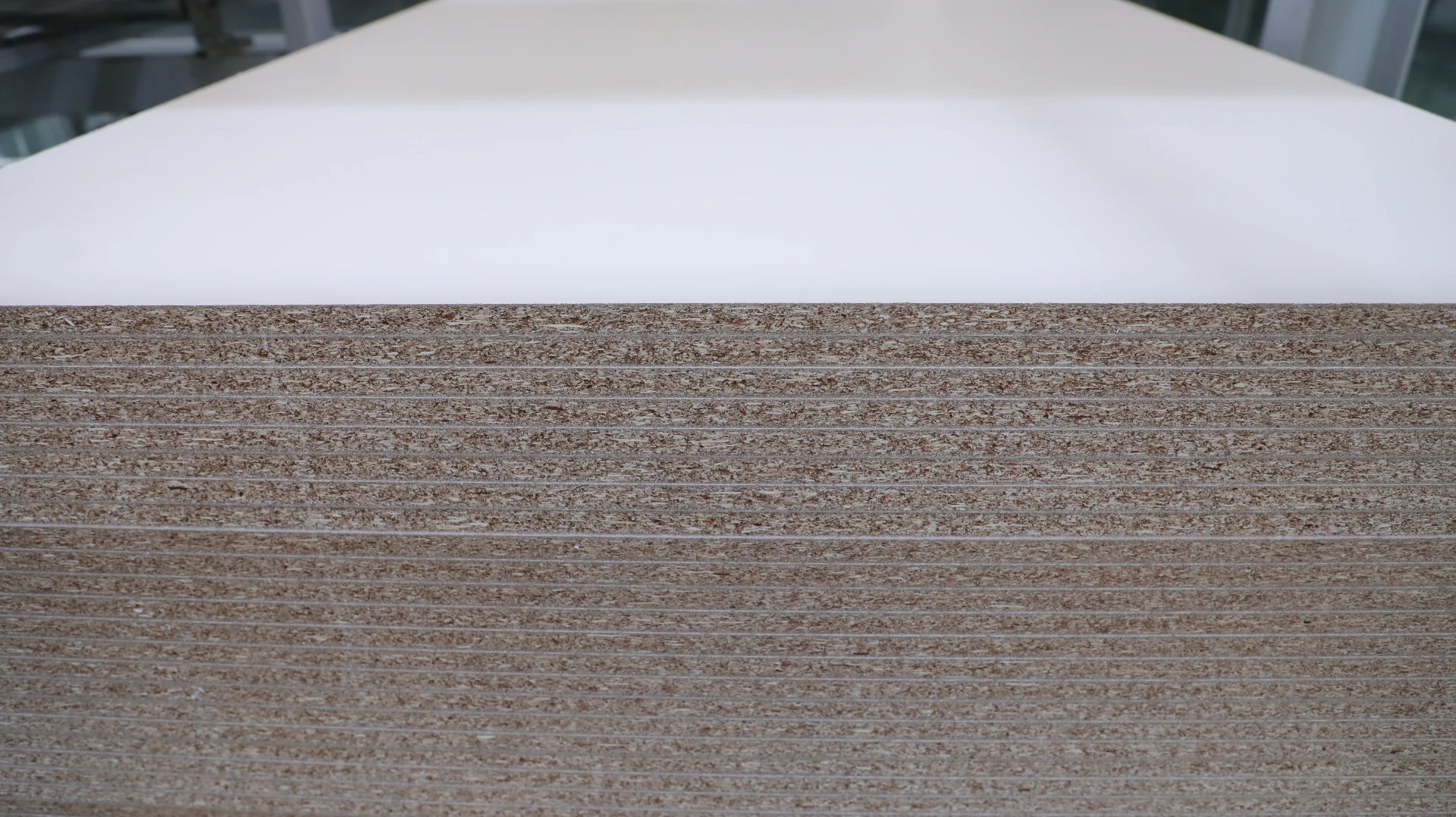
MDF itself is an engineered wood product made from wood fibers, wax, and resin, hot-pressed to form dense, smooth boards. This composition makes MDF less prone to warping and stable enough for various treatments — like the beadboard grooves — without splitting.
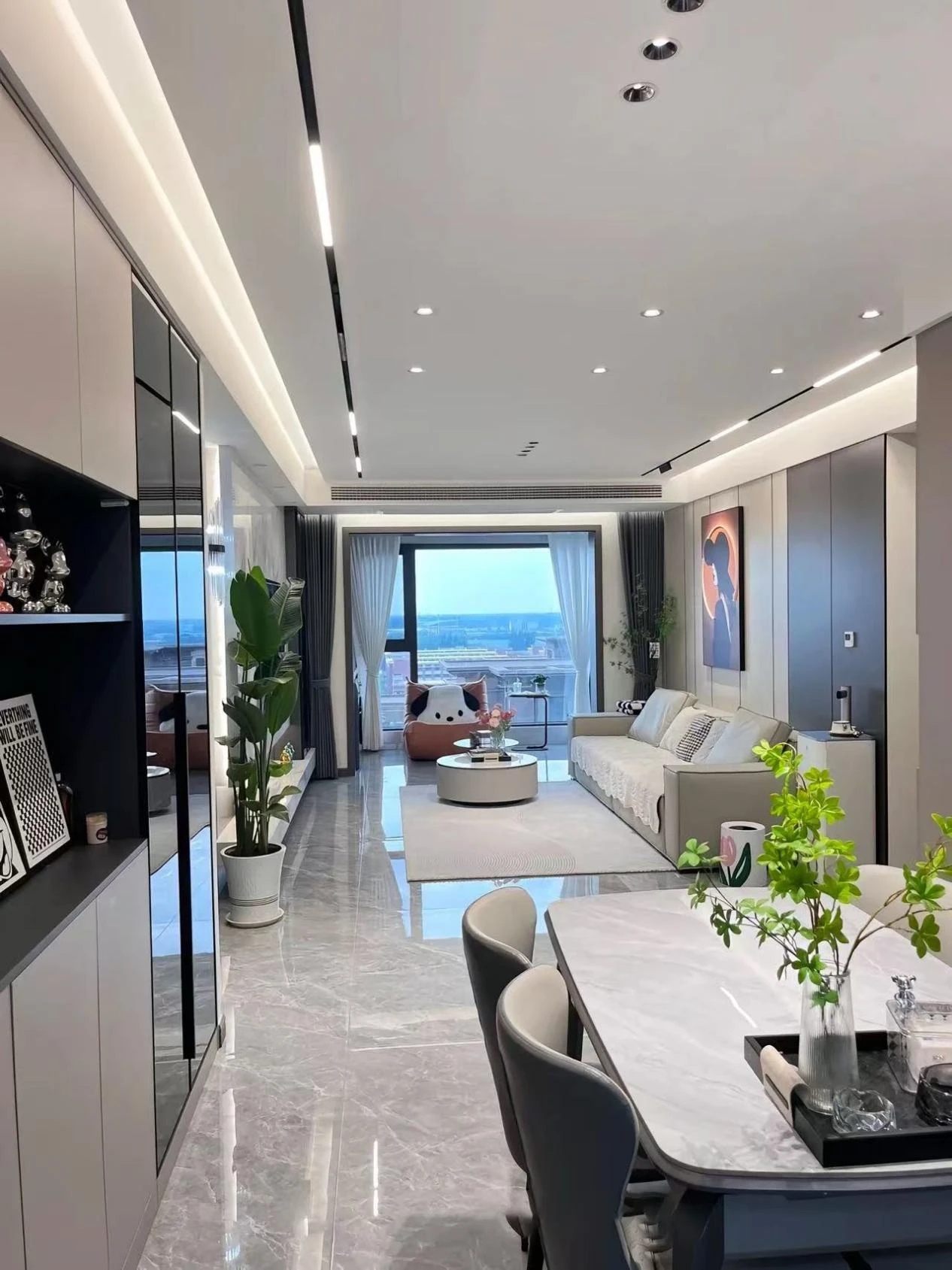
In practical terms, these panels are used widely in residential and commercial interiors for walls, ceilings, wainscoting, and cabinetry, elegantly combining old-school charm with modern manufacturing precision.
Mini takeaway: Think of white MDF beadboard panels as engineered, decorative wood sheets balancing classic style and modern manufacturing benefits.
Key Factors Behind White MDF Beadboard Panel’s Popularity
1. Durability and Stability
Many traditional wood panels can swell or warp in humid conditions, but MDF’s dense fiber composition resists moisture better. The painted white surface adds a protective barrier, making these panels ideal for spaces with fluctuating humidity — like kitchens and bathrooms.
2. Cost Efficiency
Compared to solid wood beadboard, MDF panels offer significant cost savings, both in raw material and installation labor. They come in large, uniform sheets that reduce waste and install quickly. For contractors working under tight budgets or deadlines, this makes a huge difference.
3. Aesthetic Versatility
The beadboard look appeals to classic and contemporary tastes alike. The white finish can be left as is, painted over, or varnished. Its clean lines add texture without overwhelming a space, making it a favorite for everything from coastal cottages to modern offices.
4. Eco-Friendliness
Many manufacturers use recycled wood fibers and water-based paints, reducing environmental impact. Plus, MDF panels can sometimes be recycled or repurposed after use, aligning with circular economy principles.
5. Ease of Installation
The panels are lightweight and dimensionally stable, making them easy to cut and fasten with standard tools. This means contractors can save time and reduce errors on site—even in less-than-ideal conditions.
Mini takeaway: Durability, affordability, style, and green credentials all combine to make white MDF beadboard panels an unbeatable option for many projects.
White MDF Beadboard Panels in Action: Global Applications & Case Examples
From North American renovation projects to hospitality interiors in Europe and Australia’s coastal towns, these panels see heavy use. In fact, a rise in modular and prefab home construction has further boosted their appeal due to their uniformity and ease of transport.
For example:
- Healthcare Facilities: Hospitals and clinics in Southeast Asia use these panels to create clean, hygienic spaces that are easy to maintain.
- Post-Disaster Housing: Emergency shelters in parts of Central America often employ lightweight MDF beadboard walls to speed deployment, retaining a welcoming aesthetic for displaced families.
- Retail and Restaurants: Chains across Europe leverage the beadboard’s timeless look for cozy, approachable interiors that customers trust.
Mini takeaway: This panel’s ability to adapt to diverse climates, industries, and cultural styles is clear proof of its real-world versatility.
What Advantages Do White MDF Beadboard Panels Bring Over Time?
It’s one thing for a product to look good on day one. It’s another for it to hold up — physically, financially, and environmentally — across years of use. White MDF beadboard panels check these boxes:
- Cost Savings: Lower material and maintenance costs over traditional wood paneling pay off in large-scale projects.
- Sustainability: Recycled content and low-VOC finishes reduce harmful emissions, supporting healthier indoor air quality.
- Emotional Comfort: The familiar beadboard pattern evokes warmth and nostalgia, subtly improving occupant well-being.
- Design Trust: Knowing the panel is factory-controlled quality, installers and clients feel reassured in performance.
Product Specification Table
| Specification |
Typical Value |
Notes |
| Panel Size |
4 ft x 8 ft (1220 mm x 2440 mm) |
Standard sheet |
| Thickness |
6 mm to 12 mm |
Common options available |
| Weight |
7–10 kg per sheet |
Varies with thickness |
| Finish |
Factory-applied white paint or primer |
Ready for site installation |
| Beadboard Groove |
3/8 inch wide, spaced 3 inches apart |
Classic styling |
| Moisture Resistance |
Moderate (not suitable for direct water exposure) |
Best in interior dry-to-damp environments |
Vendor Comparison at a Glance
| Vendor |
Price per Sheet |
Lead Time |
Sustainability Certification |
Custom Finishes |
| Tengfei MDF |
$35–40 |
2 weeks |
FSC, CARB Phase 2 |
Yes |
| WoodWorks Co. |
$38–45 |
3 weeks |
FSC certified |
Limited |
| EcoPanel Solutions |
$40–50 |
1 week |
LEED compliant |
Yes |
Future Trends and Innovations Shaping These Panels
The future looks brighter than ever. Manufacturers are investigating bio-based resins to reduce reliance on petroleum products. Digitally enhanced manufacturing methods — including CNC routing and automated finishing lines — mean more precision and less waste.
In tandem, interest in low-odor and zero-VOC coatings gains traction, improving indoor air quality where these panels are installed. Oddly enough, integrating IoT sensors into wall systems (yes, smart beadboard!) is no longer science fiction, promising climate-responsive interiors.
Mini takeaway: Innovation is quietly transforming white MDF beadboard panels from simple wood substitutes into smarter, greener building components.
Challenges and How Industry Experts Are Overcoming Them
Despite their many benefits, white MDF beadboard panels come with caveats:
- Moisture Sensitivity: While they resist humidity better than natural wood, prolonged wet exposure can cause swelling. Protective coatings or ventilation strategies help mitigate this.
- Weight: MDF panels weigh more than some plastics, which can complicate shipping and handling.
- Damage Repair: Surface scratches can be harder to fix than solid wood.
Experts recommend tailored installations where each space’s conditions are carefully considered. For example, using moisture barriers behind panels or specifying thicker boards in high-traffic areas. Advances in surface hardening and refinishing methods help address durability concerns as well.
FAQ: Frequently Asked Questions About White MDF Beadboard Panel
- Are white MDF beadboard panels suitable for bathroom walls?
- They perform well in moderately damp spaces, like bathrooms with proper ventilation. However, direct contact with water or steam showers without protection is not recommended, as MDF can swell over time.
- Can these panels be painted or customized after purchase?
- Absolutely. The smooth surface accepts paints and stains well. Many designers choose to paint them in vibrant colors or apply water-based sealants for extra moisture resistance.
- How long does installation typically take for an average room?
- Because they come in large sheets and are easy to handle, most contractors can install beadboard panels on room walls within a day or two, depending on size and prep work.
- Are white MDF beadboard panels environmentally friendly?
- Modern panels often contain recycled wood fibers and low-VOC finishes. Certifications like FSC and CARB Phase 2 indicate adherence to environmental standards, making them a greener option than many alternatives.
- Can white MDF beadboard panels be used outdoors?
- Standard MDF beadboard is not suitable for outdoor use due to moisture vulnerability. Some manufacturers offer exterior-grade versions with special treatments, but these should be confirmed before outdoor projects.
Wrapping It Up: Why White MDF Beadboard Panels Are a Smart Investment
In many ways, the white MDF beadboard panel embodies progress in the interior materials world — blending cost efficiency, timeless style, and practical engineering with a nod toward sustainability. It's no accident these panels are appearing everywhere from chic urban kitchens to emergency relief housing.
If you’re considering your next project, it’s worth diving deeper into options and suppliers — you might find the flexibility and reliability you need wrapped up in those classic vertical grooves.
Curious to explore more or get a quote? Visit our website for detailed product information and expert advice.
References:
- United Nations World Urbanization Prospects, 2018
- Wikipedia - Medium-density fibreboard
- ISO 16000 Indoor Air Quality Standards