Understanding White MDF Board: Why It’s More Than Just a Surface
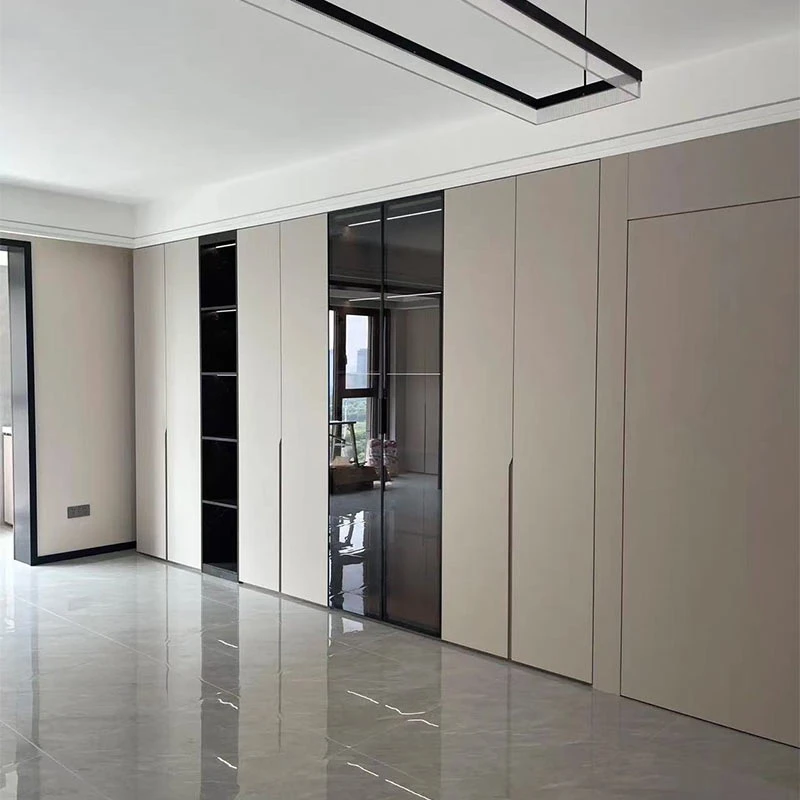
If you’ve ever glanced around at cabinetry, shelves, or sleek wall panels, you might have seen something that’s both super versatile and cost-effective: white MDF board. It’s one of those materials quietly powering the furniture and construction world, and honestly, it deserves a bit more spotlight. Globally, the demand for engineered wood products like white medium-density fiberboard (MDF) has been rising steadily — particularly because it melds functionality with affordability. Think about it: a material that’s smooth, paint-ready, consistent, and easy to work with is invaluable in both big factories and small workshops.
Plus, the environmental consciousness shift worldwide makes white MDF’s sustainable sourcing and use even more relevant. So, before getting lost in the specs, let’s unpack what makes this humble board a cornerstone for many industries — from home renovation to humanitarian relief efforts.
The Global Stage: Why White MDF Board Matters
In a world rapidly urbanizing — the UN predicts that nearly 68% of the global population will live in cities by 2050 — sustainable, reliable building materials are not just nice-to-haves, but a must. The construction and furniture sectors are responsible for huge volumes of wood use, and with deforestation strains, engineered wood like white MDF offers an alternative that maximizes wood fiber utility without compromising quality.
According to the Food and Agriculture Organization (FAO), engineered wood products help reduce waste by using smaller wood chips and fibers, rather than large timber cuts. White MDF boards fit well within this frame, offering a uniform, paint-ready surface that's ideal when aesthetics and function collide. However, one challenge remains: balancing durability with environmental impact. This is a puzzle many manufacturers are eager to solve.
What Is White MDF Board, Exactly?
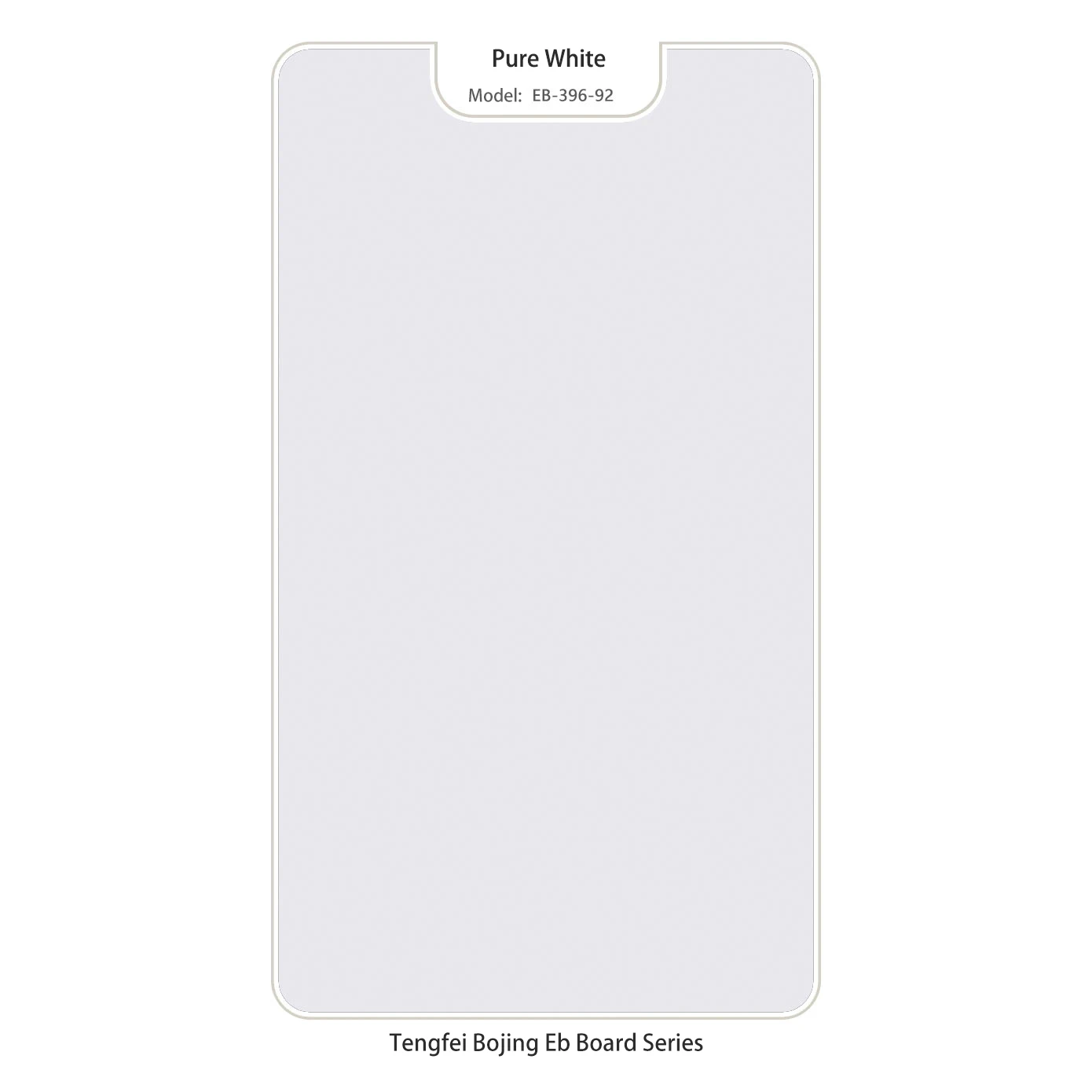
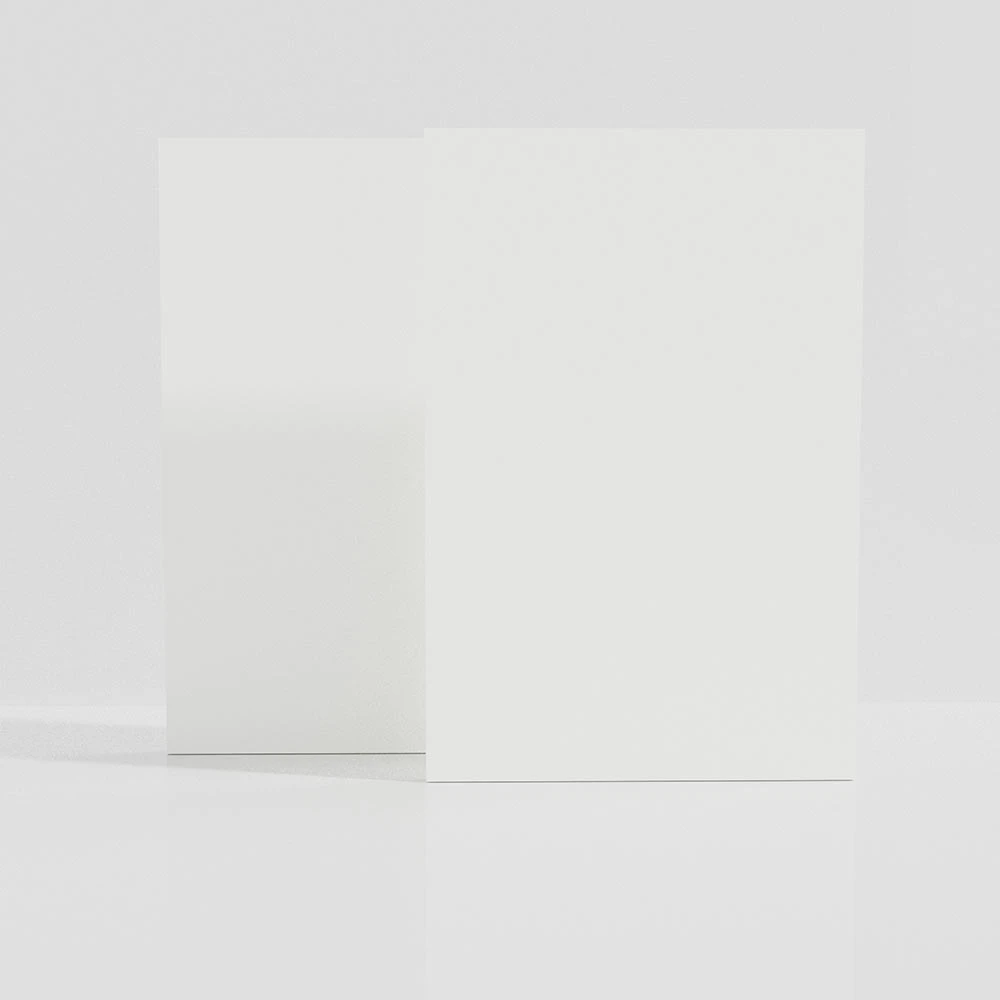
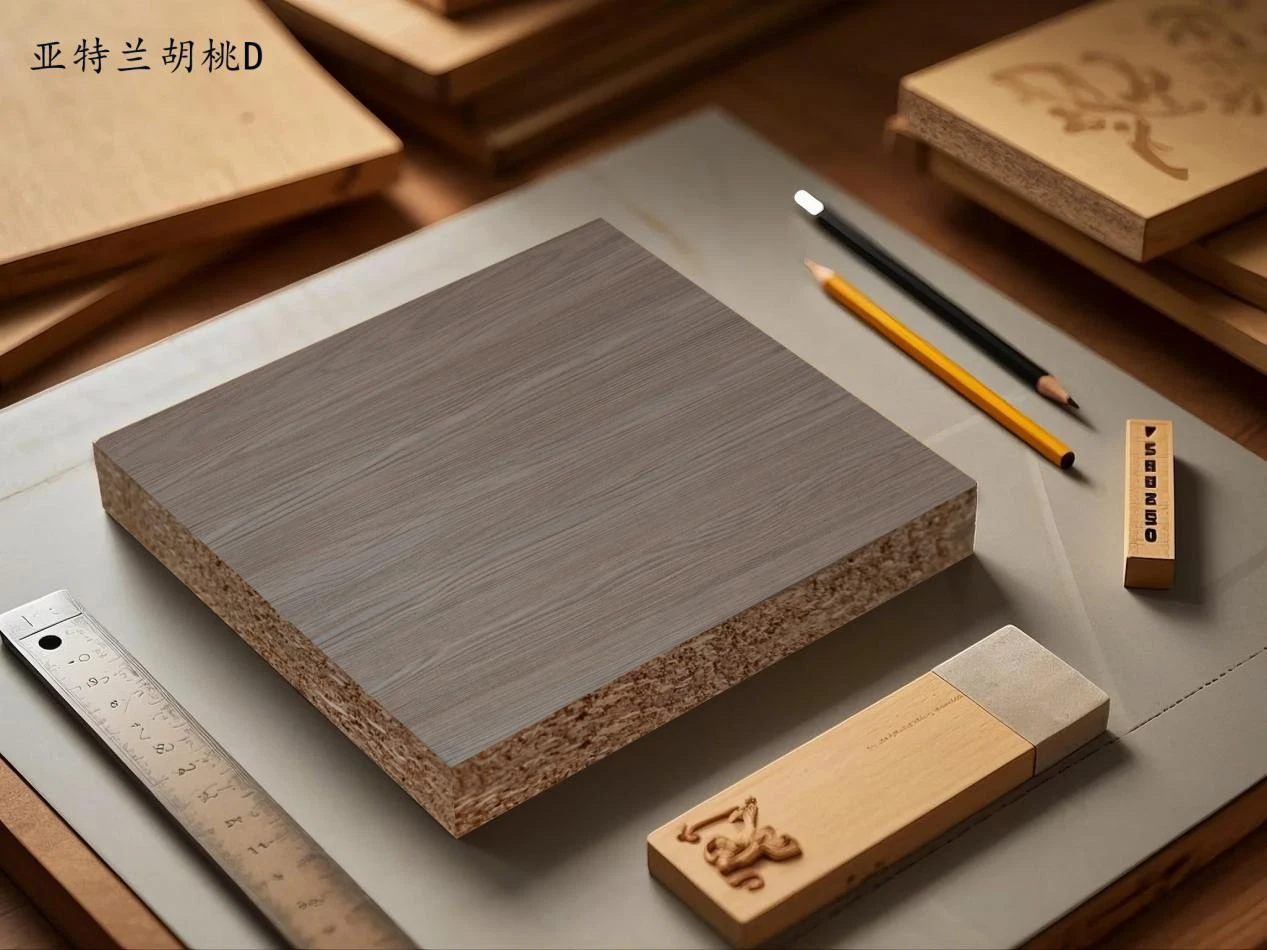
At its simplest, white MDF board is a type of engineered wood panel made by compressing wood fibers with wax and resin binders, then finishing the surface with a smooth, white coating or laminate. This coating isn’t just for looks — it offers resilience, ease of cleaning, and a premium appearance out of the box. So when you see "white MDF," think of it as the ready-to-paint, improved sibling of the classic MDF panel.
Industrially, white MDF boards link up perfectly with needs that demand both innovation and practicality, such as modular furniture, exhibition stands, and even some types of temporary construction. Plus, in humanitarian efforts—like post-disaster shelter builds—they provide quick, adaptable surfaces with a clean look and feel. It’s a surprisingly big deal.
Key Components of White MDF Boards
1. Consistent Density & Smooth Finish
The core composition of white MDF involves densely packed wood fibers, which results in a smooth, flat surface. This high density means fewer imperfections, an absolute must for precise manufacturing or fine cabinetry. It also makes sanding or cutting easier — a favorite amongst woodworkers.
2. Durable White Coating
The top white layer isn’t just cosmetic; it acts as a protective barrier against stains, moisture, and scratches. This makes white MDF boards suitable for interiors where aesthetic longevity is key, such as office panels or retail displays.
3. Cost Efficiency
Compared to solid wood or high-grade plywood, white MDF is often more economical, especially when ordered in bulk. Its uniformity and ease of machining can reduce labor costs, too. Businesses appreciate this angle, especially in mass production.
4. Sustainability Considerations
Since it uses wood fibers and scraps that might otherwise be wasted, white MDF helps reduce overall wood consumption. Many manufacturers also source fibers from sustainably managed forests, aligning with growing certification standards (FSC, PEFC).
5. Versatility in Usage
Because it's easy to cut and shape, white MDF boards are common in custom furniture, retail fit-outs, and even education materials. The board can be drilled, routed, or laminated further — the possibilities are broad.
Mini takeaway: The strength of white MDF boards comes from a balance of consistent material quality, a protective white finish, and sustainability efforts, fueling a variety of practical applications.
Global Applications: Where White MDF Board Really Shines
You might be surprised just how widespread white MDF’s reach is. In Europe and North America, it’s a top choice for kitchen cabinet manufacturers due to its paint-ready finish and ease of handling. Asian markets lean heavily on it for affordable yet stylish furniture production.
In emerging economies, white MDF boards help bridge gaps in affordable housing and commercial fit-outs. For example, NGOs sometimes use coated MDF panels to create temporary or even semi-permanent structures that require both appearance and durability. It’s a lifesaver when speed and cost matter.
Additionally, industries such as retail rely on these boards for store fixtures that must look good under heavy foot traffic and lighting but be replaced easily or upgraded quickly.
Advantages and Long-Term Benefits of Choosing White MDF
- Cost savings: Less waste and uniformity translate to less rework and material expense.
- Environmental benefits: Makes good use of forestry byproducts, reducing pressure on natural forests.
- Design flexibility: Easy to paint, cut, and finish to exact needs.
- Consistency: Less warping or swelling compared to solid wood, especially in indoor environments.
- Improved indoor aesthetics: Bright white surfaces uplift interiors visually.
On an emotional level, white MDF boards help manufacturers and end-users feel confident that what they’re installing won’t just quickly degrade or look tired — it brings a certain pride in quality craftsmanship without breaking budgets.
Spotlight on Future Trends and Innovations
Looking forward, the industry is buzzing about several exciting developments tied to white MDF panels.
- Eco-friendly resins: Manufacturers are exploring non-formaldehyde adhesives to make boards healthier for indoor air quality.
- Enhanced recycling: Advances in fiber recovery may allow MDF waste to re-enter production loops, reducing landfill strain.
- Digital customization: CNC and laser cutting enable ultra-detailed designs on white MDF, perfect for bespoke production.
- Hybrid boards: Blending MDF with other recycled materials or natural fibers for improved strength and lighter weight.
It feels like the industry is pivoting toward boards that maintain white MDF’s versatility but break new ground in sustainability and design precision — we're in an exciting era.
Challenges and How Industry Experts Tackle Them
It’s not all smooth sailing. MDF, including white variants, can be vulnerable to moisture swelling if not properly sealed. This limitation can reduce usefulness in damp or outdoor environments.
Also, manufacturing quality can vary widely; some cheaper boards may emit volatile organic compounds (VOCs), affecting indoor air quality. To combat this, many manufacturers now adhere to strict certification standards — a real game-changer for buyer confidence.
Experts recommend:
- Using edge banding and sealants to prevent water ingress.
- Selecting low-VOC certified products for sensitive indoor spaces.
- Testing samples for machining tolerance before large-scale order.
Product Specification Table
| Specification |
White MDF Board |
| Thickness |
6 mm – 25 mm |
| Density |
700 – 800 kg/m³ |
| Surface Finish |
White coated laminate or melamine |
| Moisture Resistance |
Moderate; can be enhanced with sealants |
| Material Composition |
Wood fibers, resin binders, wax, white surface coating |
| Applications |
Furniture, interiors, exhibition stands, modular partitioning |
Vendor Comparison Table
| Vendor |
Certifications |
Typical Lead Time |
Pricing |
Sustainability Focus |
| Tengfei MDF Co. |
FSC, CARB Phase 2 |
2-3 weeks |
Midrange |
High, uses recycled fibers |
| Global Wood Panels |
PEFC Certified |
3-4 weeks |
Competitive |
Medium, renewable resins |
| Eastern Fiber Corp. |
ISO 9001, FSC |
1-2 weeks |
Premium |
High, strong eco-innovation |
FAQ: Frequently Asked Questions About White MDF Board
Q1: How does white MDF board compare to plywood in durability?
White MDF offers a smoother surface and more consistent density, which is great for painted finishes. However, plywood typically outperforms MDF in moisture resistance and load-bearing strength. For indoor furniture and cabinetry, white MDF is excellent; but outdoors or in humid areas, plywood might be a better choice unless MDF is properly sealed.
Q2: Can white MDF boards be recycled or reused?
Yes, though recycling MDF is more complicated than solid wood due to resins and coatings. Some facilities grind MDF for particleboard manufacture, but large-scale recycling is still developing. Reuse is common in furniture remanufacturing or for panels in temporary structures, reducing waste significantly.
Q3: What should I look for when sourcing white MDF for commercial use?
Focus on certifications like FSC or PEFC to ensure sustainable sourcing. Also, check for low formaldehyde emissions (CARB Phase 2 compliance) for indoor air quality. Confirm surface quality, thickness tolerance, and moisture resistance depending on your end use.
Q4: Are there eco-friendly alternatives to traditional white MDF boards?
Absolutely. Some manufacturers now offer boards using bio-based resins or recycled fibers, aiming for zero-added formaldehyde. Innovations like hemp-based fiberboards and hybrid composites are emerging, responding to rising demand for sustainable interiors.
Q5: Is white MDF board suitable for DIY projects?
Very much so! Its uniform surface and ease of cutting make white MDF a popular choice for crafts, shelves, and furniture builds at home. Just remember to wear a mask while cutting to avoid fine dust inhalation.
Wrapping Up: The Long-Lasting Appeal of White MDF Board
White MDF board is far more than a simple panel—it's a quiet enabler of creativity, affordability, and sustainability across industries. Whether you’re a manufacturer seeking a reliable substrate or an architect specifying interiors, these boards deliver consistent performance with a clean, modern look.
If you’re intrigued to explore products firsthand, visit white mdf board suppliers who blend quality with innovation. Embracing engineered wood like white MDF not only helps your project’s bottom line but supports a more thoughtful use of our natural resources — in real terms, that’s a win-win.
References
- Wikipedia: Medium-density fibreboard
- UN World Urbanization Prospects
- FAO: Forest Products and the Environment