Understanding the Thinnest MDF Board: Why It Matters More Than You Think
Medium-density fiberboard — or MDF — has been a staple in woodworking and manufacturing for decades. Recently, a spotlight has turned to the thinnest MDF board, a thinner, more versatile variant that’s quietly reshaping how industries approach design, sustainability, and efficiency. But why all the fuss about thinner MDF boards? Globally, as industries push for lighter yet durable materials, space-saving solutions, and cost-effective construction, the thinnest MDF boards emerge as a clear winner.
On the surface, it might sound trivial — a thinner sheet of fiberboard — but the impact stretches far beyond the workshop. From spatial optimization in urban housing to eco-conscious office furniture, understanding the benefits and applications of thin MDF can unlock innovative potentials worldwide.
Mini takeaway: The thinnest MDF board isn't just about being slim; it’s a solution responding to global calls for smarter, lighter, and greener construction materials.
Global Perspectives: Why the Thinnest MDF Board Is Gaining Momentum
In 2023 alone, global particleboard and MDF production exceeded 50 million cubic meters according to the ISO, with increasing demand for specialty boards, including ultra-thin MDF. With urbanization rates climbing, especially in Asia and Africa, the pressure to optimize space and reduce raw material consumption has made the thinnest MDF board an industry darling.
Additionally, sustainability pledges by manufacturing companies and governments (e.g., the EU Green Deal) push for lower carbon footprints and efficient use of wood products. Thin MDF boards require less raw fiber, consume less glue and resin, and reduce waste, solving problems that traditional thick boards can’t quite tackle easily.
However, challenges remain — thin boards must maintain strength, resist warping, and offer a reliable surface finish — all while being cost-effective compared to alternatives. This is where technology and craftsmanship converge, with the thinnest MDF boards rising as a practical answer to several hurdles facing modern production.
Mini takeaway: Thinnest MDF boards align with global shifts toward sustainability and space optimization, but only if they meet quality and durability standards.
What Exactly Is the Thinnest MDF Board?
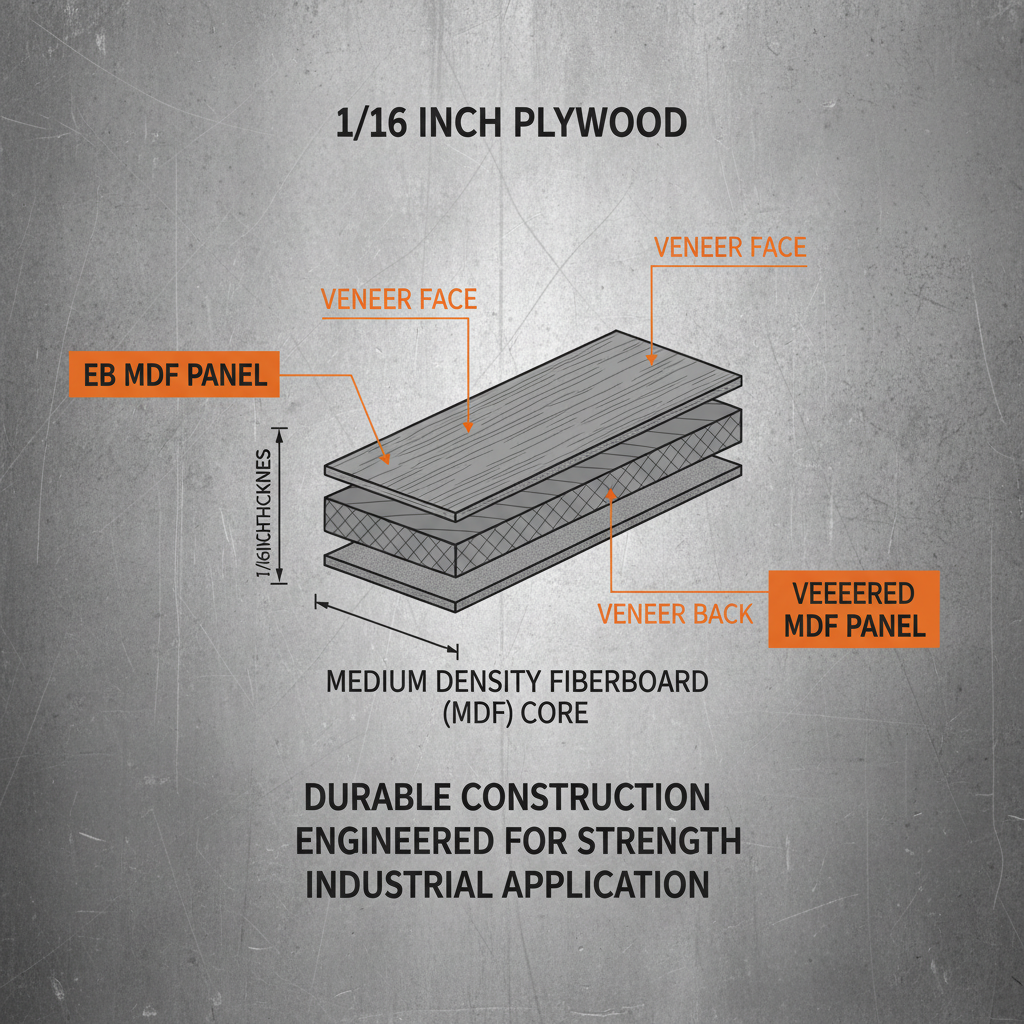
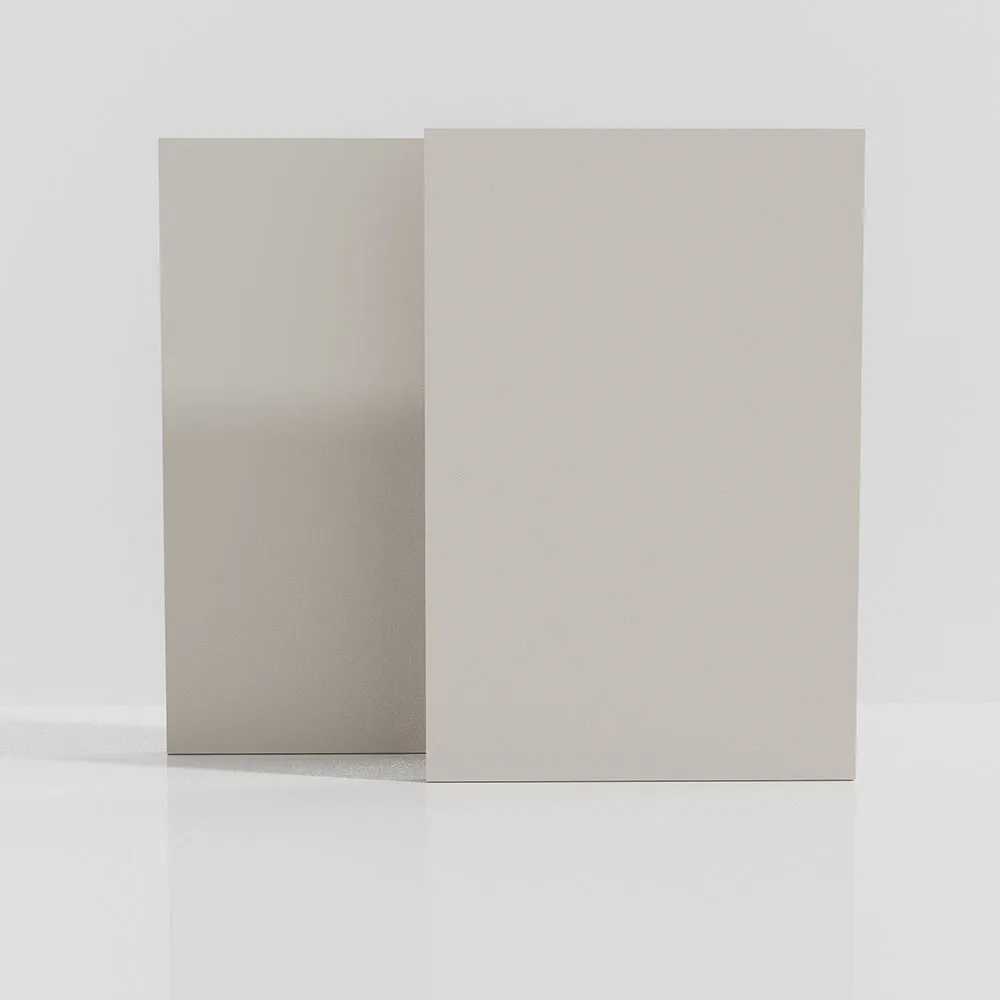
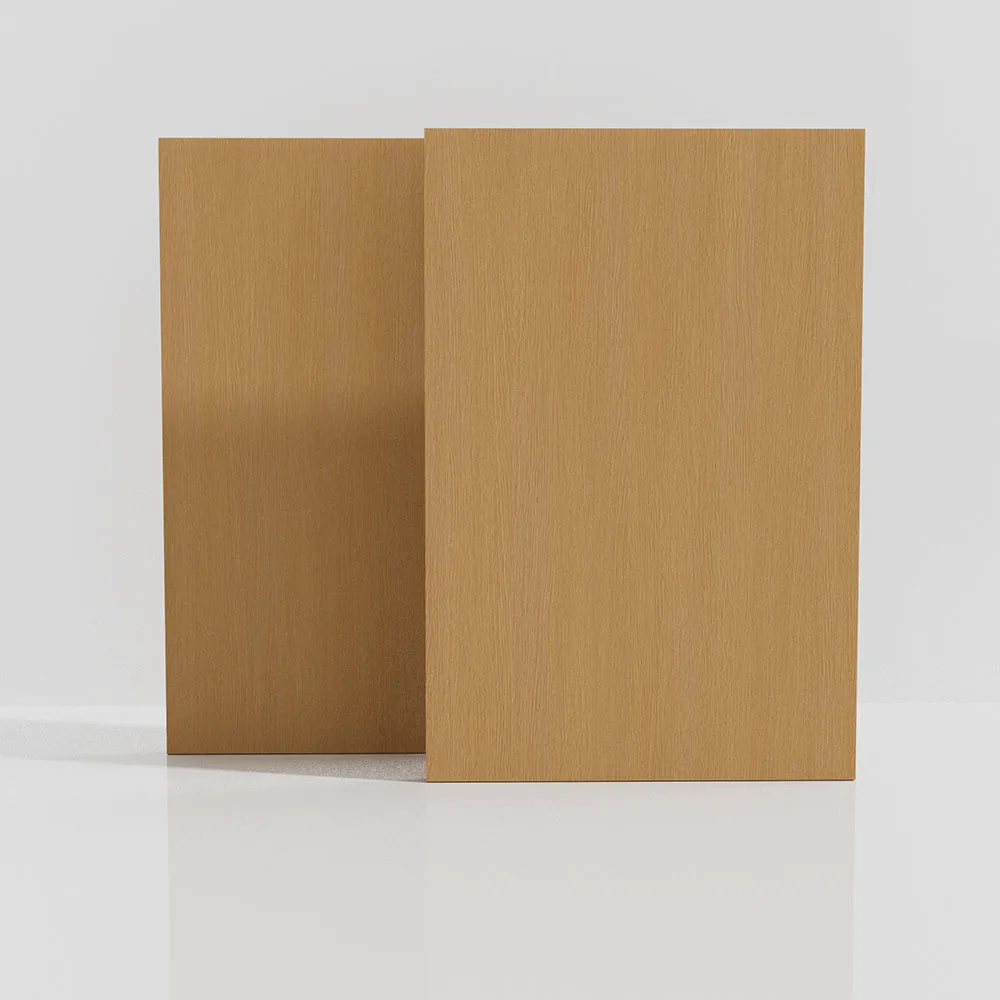
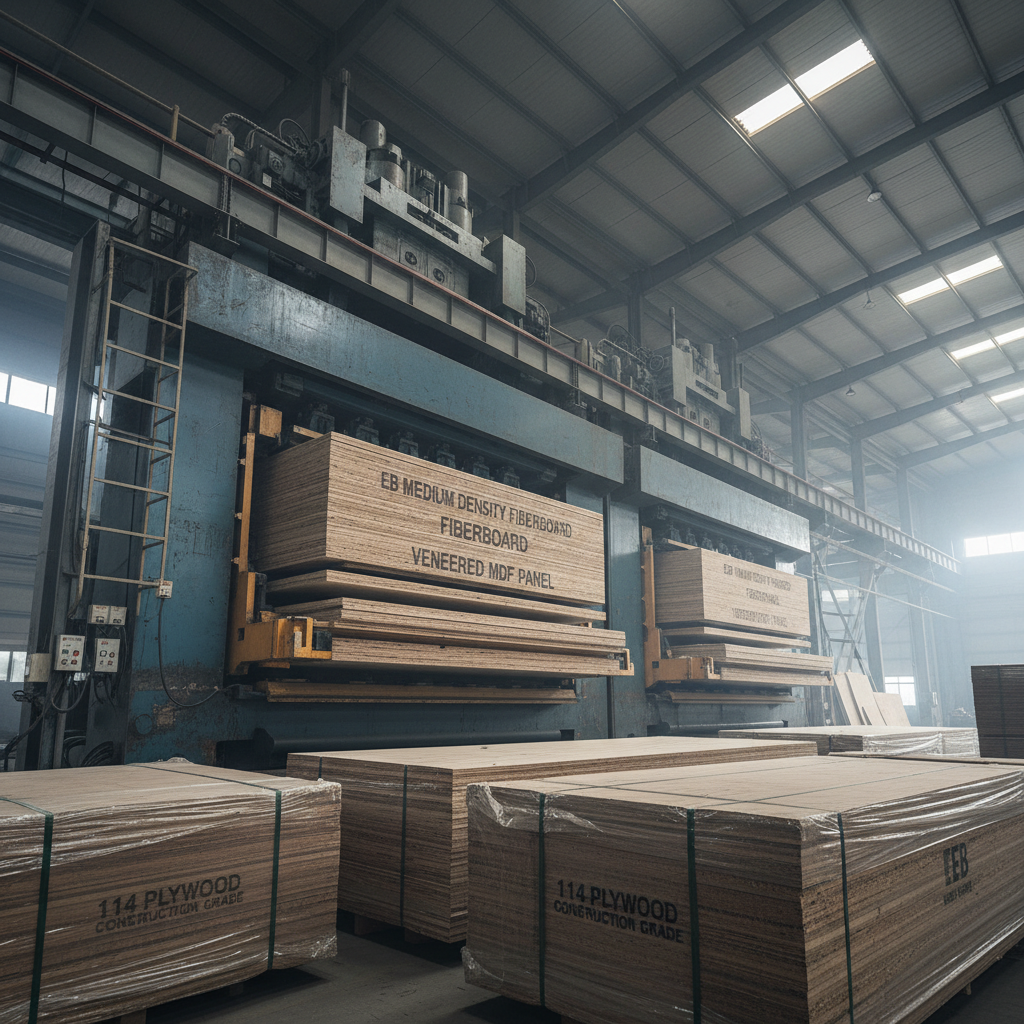
Simply put, MDF (Medium-Density Fiberboard) is made by compressing wood fibers with resin binders under heat and pressure. The 'thinnest MDF board' refers to those ultra-thin boards, typically ranging from a mere 2mm up to about 5mm in thickness — much slimmer than traditional MDF panels, which often start at 9mm or more.
These thinner variants still retain many benefits of MDF: smooth surfaces, ease of machining, and affordability. The key difference: they open doors for applications needing lightweight and compact structural elements without sacrificing too much on strength or finish.
In modern manufacturing, such thin boards are invaluable for intricate furniture, thin walls in modular constructions, decorative items, or even as substrates for veneering and laminates — basically where space and weight savings matter.
Mini takeaway: Thinnest MDF boards are specialized MDF panels typically between 2-5mm, prized for their slim profile combined with usability.
Core Factors That Make Thin MDF Boards Tick
Durability Despite Slimness
It sounds almost paradoxical — a thin material that’s also tough. Thanks to advancements in resin technology and fiber selection, the thinnest MDF board today can resist typical warping and moisture-related issues much better than early versions. Still, this varies by manufacturer and product grade.
Precision & Scalability
Many engineers swear by how easy thin MDF boards are to cut, rout, and shape with CNC machines. This precision makes them great for scalable manufacturing, where speed and repeatability are key. Plus, thinner boards cut less waste and use less energy during processing.
Cost Efficiency
Less raw material means lower costs — generally speaking. But it’s not always a linear relationship: ultra-thin boards may require more handling care or upgraded resin mixes, sometimes nudging prices up. Still, over large runs or efficient factory setups, the savings add up.
Environmental Impact
Thinner MDF boards fit well into circular economy models. Since they use fewer wood fibers and less adhesive, their production footprint reduces. Several manufacturers are now exploring bio-based resins to further green these panels.
Versatility in Finish
From painted surfaces to laminated veneers, thin MDF boards can take on a wide variety of finishing techniques, essential for everything from stylish office interiors to rugged industrial settings.
Mini takeaway: Durability, precision, cost, and eco-friendliness form the backbone of what makes the thinnest MDF board so appealing in today’s market.
Real-World Applications: Where the Thinnest MDF Boards Shine
- Furniture Manufacturing: Lightweight cabinet doors, drawer backs, and decorative panels often use thin MDF to reduce weight and cost without losing the smooth finish MDF provides.
- Modular Construction: In places like Southeast Asia’s fast-growing urban centers, super-thin MDF boards form non-load-bearing walls and partitions, helping build speedy and affordable housing units.
- Retail Fixtures: Thin MDF panels often support displays and shelving, especially where easy customization and repainting are important.
- Art & Crafting Community: Their ease of cutting and smooth finish makes thin MDF popular among hobbyists and small-batch artisans.
- Transportation Industry: Some automotive interior components now experiment with thin MDF boards as sound dampers or backings due to their lightweight and sturdy nature.
Oddly enough, in remote industrial zones (think mining or offshore platforms), the ability to ship lighter panels has reduced logistics costs significantly — though the boards generally need extra treatment for humidity and mechanical stress.
Mini takeaway: From urban housing to art studios, thin MDF boards adapt to many sectors, especially where lightweight and quality surface matter.
Advantages and Longevity You Can Bank On
Using the thinnest MDF board delivers multiple concrete benefits:
- Reduced Transport & Handling Costs: Thinner means lighter and less bulky, which saves money and carbon emissions.
- Enhanced Sustainability: Lower raw material use aligns perfectly with responsible forestry and reduced chemical adhesives.
- Improved Design Flexibility: Easy machining allows designers to unleash creativity without fear of breakage.
- Reliable Performance: When specified correctly, thin MDF maintains strength and stability, providing dependable, longer-lasting components.
- Social Impact: By enabling affordable housing or furniture, these boards indirectly support dignified living environments in underserved communities.
The emotional satisfaction when a product feels well-made, lightweight, and elegant is often overlooked but important — many users report a sense of trust built into products made with quality thin MDF panels.
Mini takeaway: The thinnest MDF board isn’t just practical; it also fosters sustainability, cost savings, and design innovation that people can rely on.
What's Next? Trends and Innovations to Watch
Looking ahead, the thinnest MDF boards are evolving alongside environmental regulations and material science breakthroughs. Some exciting trends include:
- Bio-Resin Binders: To replace formaldehyde-based adhesives for safer, greener MDF.
- Nanotechnology Coatings: For enhanced durability, water resistance, and scratch protection on ultra-thin boards.
- Digital Fabrication: Integration with automated cutting, engraving, and painting systems to drive down costs further.
- Circular Design: Boards engineered specifically for disassembly and recycling.
- Hybrid Panels: Thin MDF combined with other materials like aluminum or polymer composites for unique properties.
Many manufacturers are also exploring greener supply chains, including logistics powered by electric vehicles to match the eco-profile of these thin panels.
Mini takeaway: The future of thin MDF is green, smart, and custom-crafted, making it a material to watch closely.
Challenges and How Experts Are Overcoming Them
Despite the benefits, there are some practical issues with thin MDF boards:
- Fragility: Very thin boards can be prone to cracking or breaking if mishandled.
- Moisture Sensitivity: Thin MDF typically absorbs water more easily, risking warping or swelling without proper sealing.
- Finish Limitations: Ultra-thin boards sometimes limit load-bearing finishes or heavy coatings.
Experts suggest solutions like:
- Tight process controls during manufacturing to ensure consistent thickness and density.
- Specialized waterproof coatings and laminates.
- Packaging improvements for safe transport.
- Hybrid production methods blending MDF with moisture-resistant materials.
Frankly, it's a balancing act — thinness versus durability — but the innovations keep moving the needle steadily upward.
Product Specification Table: Typical Thinnest MDF Board Features
| Specification |
Details |
| Thickness Range |
2mm to 5mm |
| Density |
600 - 800 kg/m³ |
| Moisture Content |
6% - 10% |
| Bending Strength |
18 - 25 MPa |
| Surface Finish |
Smooth, primed or raw for laminating |
| Common Uses |
Furniture backs, panels, crafts, displays |
Vendor Comparison Table: Leading Thin MDF Board Manufacturers
| Manufacturer |
Thickness Range (mm) |
Eco Certification |
Price Range (USD/m²) |
Special Features |
| GreenFiber Corp. |
2 - 5 |
FSC Certified |
$5 - $8 |
Bio-resin adhesives, low VOC |
| WoodWorks Ltd. |
3 - 4.5 |
PEFC Certified |
$4 - $7 |
Custom finishes, CNC ready |
| EcoPanel Inc. |
2.5 - 5 |
SCS Certified |
$6 - $9 |
Nanotech water resistance |
FAQs: Common Questions About the Thinnest MDF Board
Q1: Can the thinnest MDF board be used for load-bearing furniture parts?
Generally, thin MDF boards (2-5mm) are not designed for structural or load-bearing components. However, they perform well as backing panels, drawer bottoms, or decorative elements. For strength-critical parts, thicker MDF or engineered wood is recommended.
Q2: How should I protect thin MDF boards from moisture?
Moisture protection is crucial. Applying sealants, waterproof coatings, or laminates significantly extends durability. Some manufacturers offer pre-treated thin MDF boards ideal for humid environments.
Q3: Are thin MDF boards eco-friendly?
Many production lines now use sustainably sourced wood, low-emission adhesives, and greener manufacturing processes, making thin MDF boards relatively eco-friendly compared to solid wood or plastic composites. Check for certifications like FSC or PEFC.
Q4: Can I customize thin MDF panels for CNC machining?
Absolutely. Thin MDF is prized for its machinability. Ensure your CNC settings account for the thinner material’s tendency to flex or chip. Many vendors offer custom thicknesses and finishes for CNC compatibility.
Q5: Where can I buy quality thin MDF boards online?
Many industrial suppliers and woodworking specialists carry thin MDF. For assured quality and a wide range of options, visit manufacturers’ official websites such as thinnest MDF board suppliers, which often provide technical data sheets and samples.
Wrapping It Up: The Last Word on the Thinnest MDF Board
It feels like the thinnest MDF board embodies a quiet revolution — a small change in thickness that opens big doors for innovation, sustainability, and smarter design. Whether you’re a builder, designer, or manufacturer, these panels offer a compelling blend of lightness, durability, and cost-effectiveness, all wrapped in a greener profile. The key is knowing your requirements, the product specifications, and trusting vendors who stand by quality.
If you’re curious to explore how the thinnest MDF board can fit your projects or business, don’t hesitate to visit our website and discover product options, specifications, and expert advice tailored for your needs.
And who knows... sometimes the thinnest things make the biggest impact.
References:
- Wikipedia: Medium-density fibreboard
- ISO Standards on Wood-based Panels
- UN World Urbanization Prospects